
Honda City Upgrade: EV or ICE?


Last Updated on: 13 Oct 2026
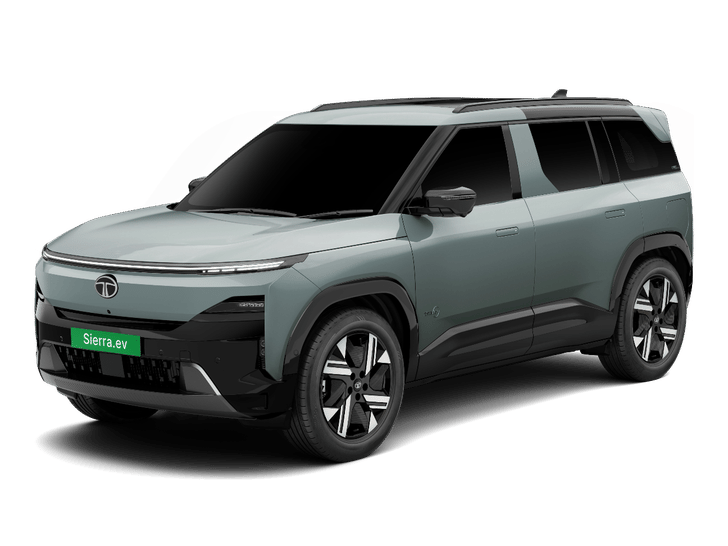
Tata Sierra EV price in Phek
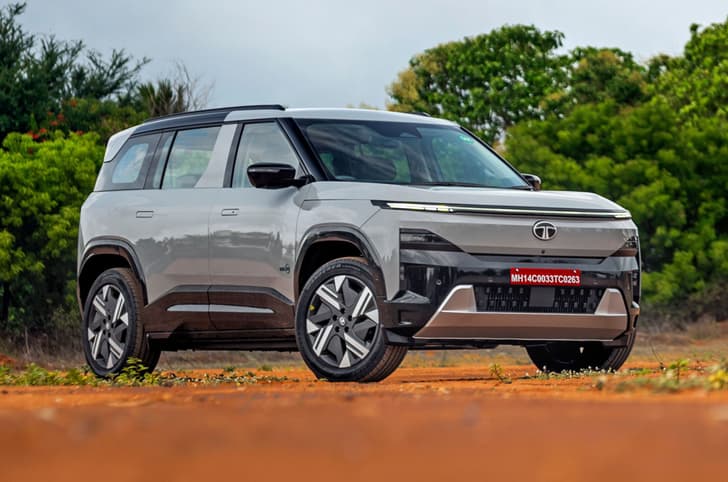
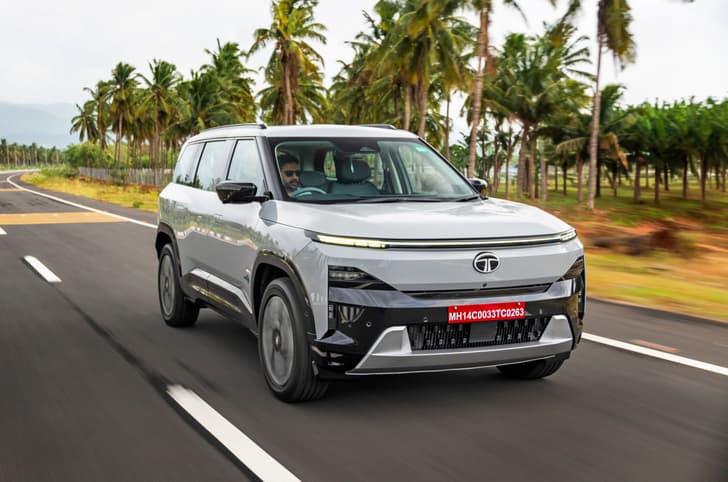
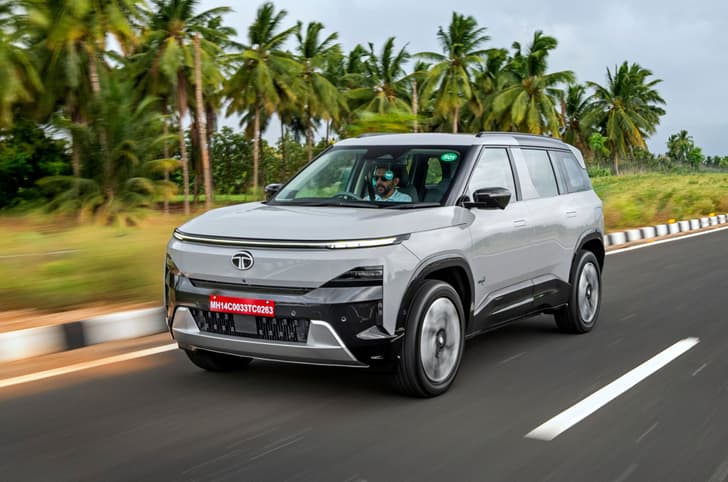
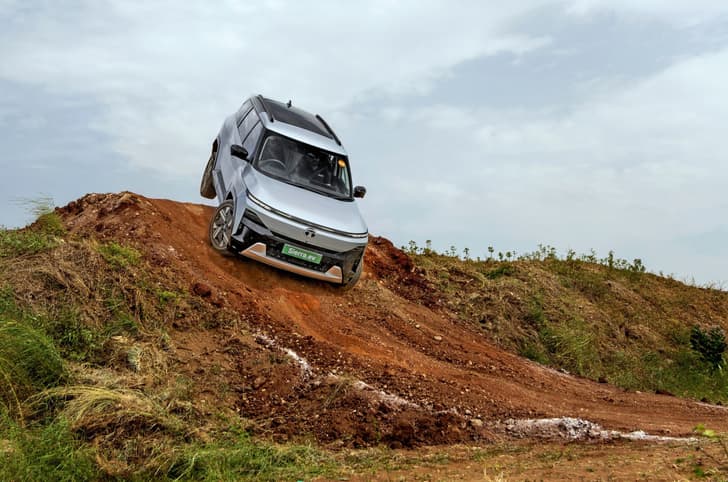
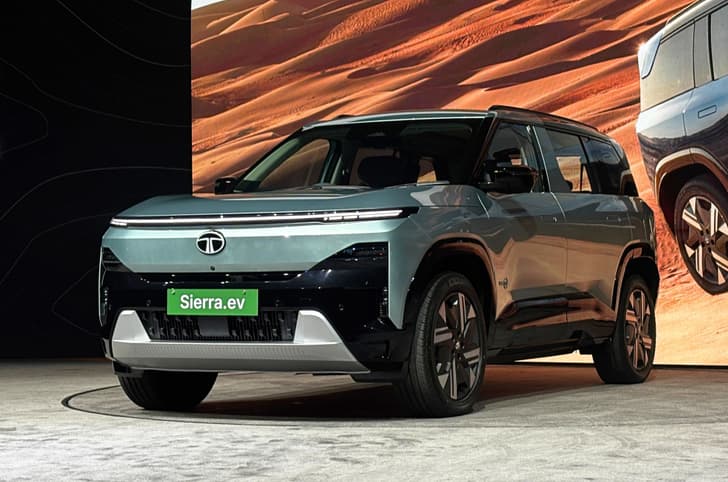
* Estimated on-road price. Final amount may vary.
* Estimated on-road price. Final amount may vary.
* Estimated on-road price. Final amount may vary.
* Estimated on-road price. Final amount may vary.
* Estimated on-road price. Final amount may vary.
* Estimated on-road price. Final amount may vary.
* Estimated on-road price. Final amount may vary.
* Estimated on-road price. Final amount may vary.
No dealers available in Phek
We don't have authorised Tata dealers here
Tell us about your experience
Tata Sierra EV Official Brochure
Download the complete brochure with specs, features, and variants.
Join the Discussions

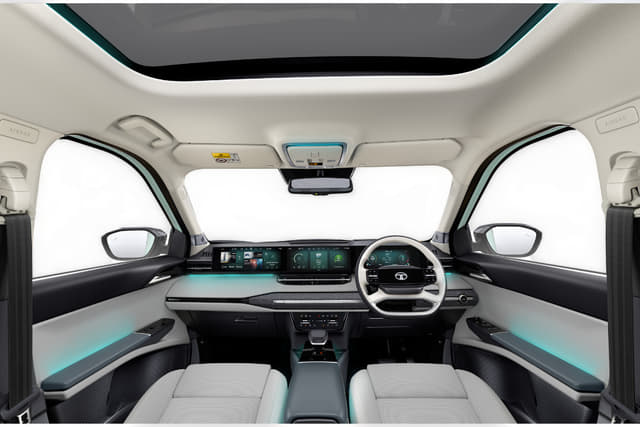
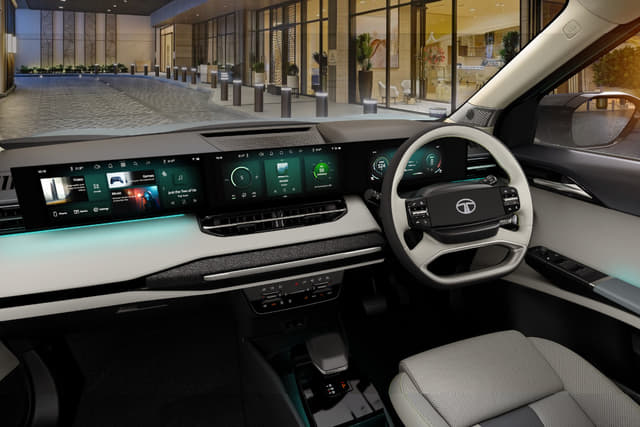
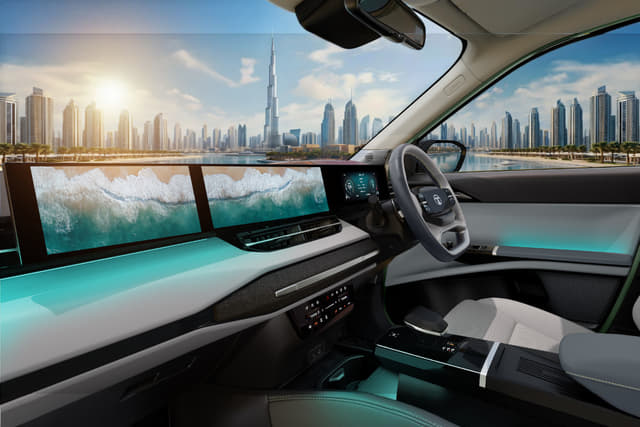
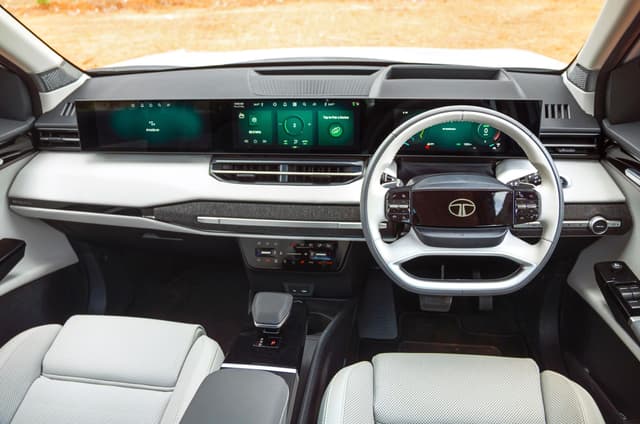
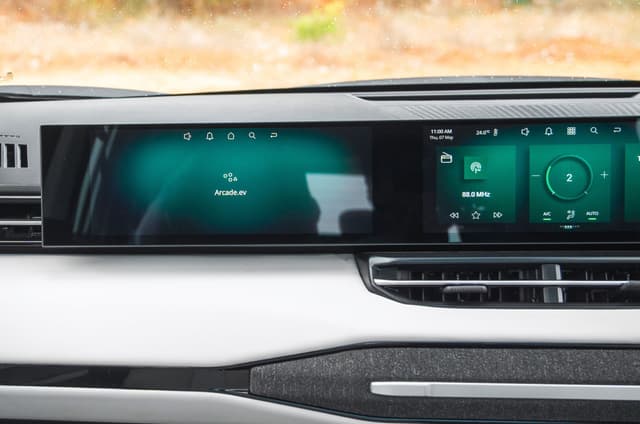
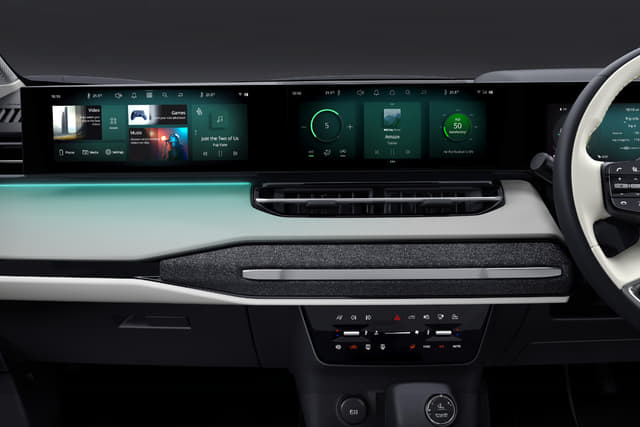
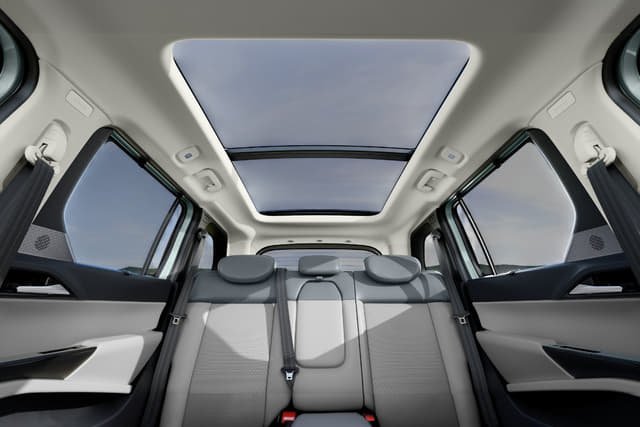
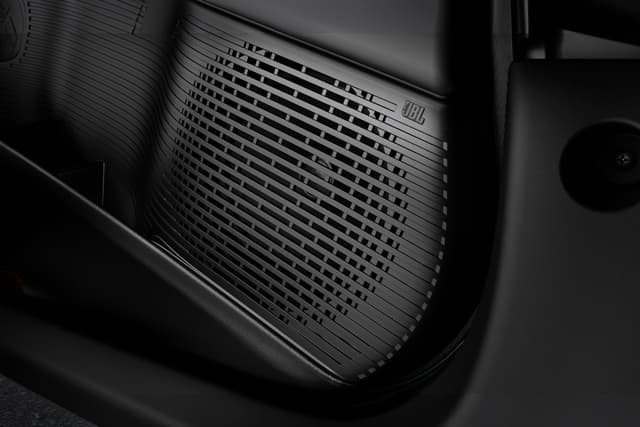
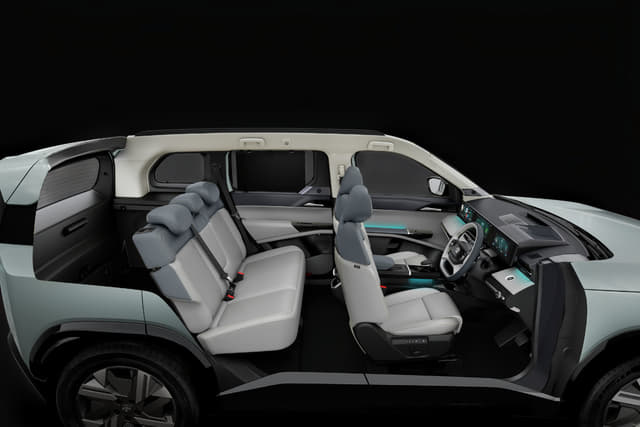
Yes. Depending on the variant, the Sierra EV offers a triple-screen dashboard, Level 2 ADAS, Auto Park Assist, head-up display, JBL audio system, AirConsole gaming, DrivePay, connected car technology and over-the-air software updates.
I am looking to buy a new EV for my daily office commute, which is roughly 100 km round-trip. My current ride is a Toyota Innova Crysta. While it is a reliable workhorse, I find it increasingly tiring for daily use. The constant body roll, low-speed bounciness, and typical ladder-frame wobble over uneven roads are wearing me down. I want to switch to a smooth, refined electric SUV. My usage will be a mix of self-driving and being chauffeur-driven. My absolute top priorities are: Ride Comfort & Stability: I need a car that glides over bad roads, handles speed bumps cleanly, and minimises vertical movement/head-toss. I want to avoid the wobbliness of the Crysta at all costs. Cabin Space: Generous legroom, good under-thigh support, and a spacious cabin environment are highly important. I am currently considering four upcoming/recently launched options, but I am torn between them: Mahindra XEV 9e, Mahindra XEV 9s, Tata Sierra EV, Tata Harrier EV. Given my 100 km daily run, battery efficiency is a factor, but comfort overrides everything else. Which of these four will offer the most stable, plush, and fatigue-free ride for someone moving away from an Innova Crysta? I do not intend to sell the Innova Crysta, as I want to keep it for the airport and family runs for long distance.

 Tata Sierra EVToyota Innova CrystaMahindra XEV 9eMahindra XEV 9S
Sir, how is the rear suspension and ride quality of the Mahindra XEV 9e Pack One and Two? I tested the Pack Three and found the rear seat very boat-like with too much movement both vertically and sideways, which can get nauseating for rear-seat passengers. Is the suspension setup in Pack One and Two any better? Should I instead go for the Harrier EV 75 RWD if I want better ride quality, or should I wait for the Sierra EV? I want an EV bigger than the Nexon, but I do not like the Curvv EV and was thinking of avoiding Mahindra because of the suspension. I tried the Nexon EV and new Punch EV and found their rear suspension much better than the XEV 9e and even the eVitara. Please guide.
Mahindra XEV 9eMahindra XEV 9STata Sierra EVTata Nexon EVTata Harrier EVHi team, I currently drive a Honda City (2009 model) and have been pretty satisfied with the riding experience. I am now planning to upgrade to a car under a budget of Rs. 25 lakh. Since it would be my primary car for now, please suggest whether I should go with an EV or an ICE. Given my limited highway travel (surely it will happen during trips), and daily city travel of 30-50 km, please suggest the car type and model. I am looking for am economical car with good road presence.
Maruti Suzuki VictorisTata Sierra EVHonda CityHi, I have Rs. 20 lakh in hand and want to buy an EV. However, my height is a concern, as I am 6'1" tall, so I want a car that is comfortable for my height. I drive roughly 180 km per week and around 1,000 km every month on long road trips.
Tata Sierra EVKia Carens Clavis EVI’m 65 and am considering the Mahindra BE 6, Tata Sierra EV, Maruti Suzuki e-Vitara and Toyota Urban Cruiser Ebella. I particularly want ventilated front seats and a 360-degree camera. I am not very concerned about performance or technical aspects and instead want an EV that is comfortable and easy for me to drive. My usage will include both city driving and long-distance trips. Which one would be suitable for my requirements?
Maruti Suzuki e VitaraMahindra BE 6 SporteqToyota Urban Cruiser EbellaTata Sierra EV| Cities | On road price |
|---|---|
Kohima | ₹19.92 - ₹27.69 Lakh |