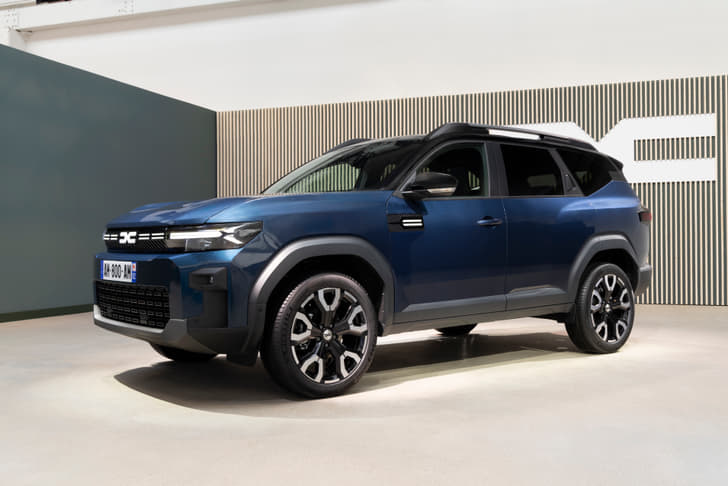
Duster Hybrid or EV: Which?


Last Updated on: 11 Oct 2026
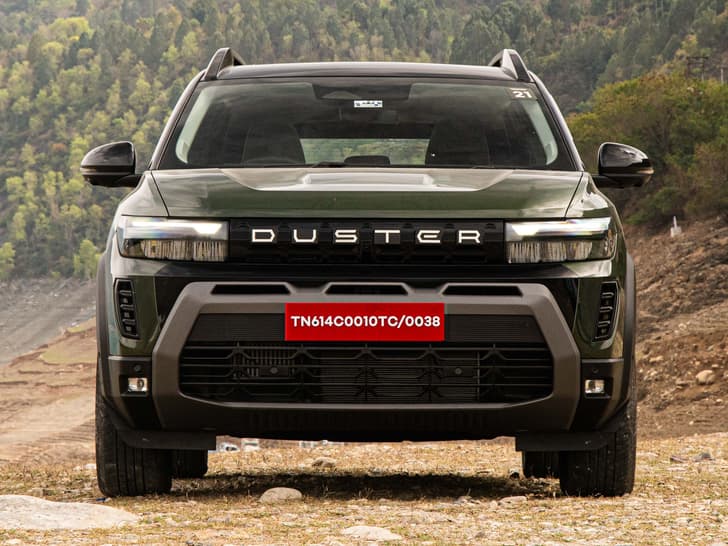
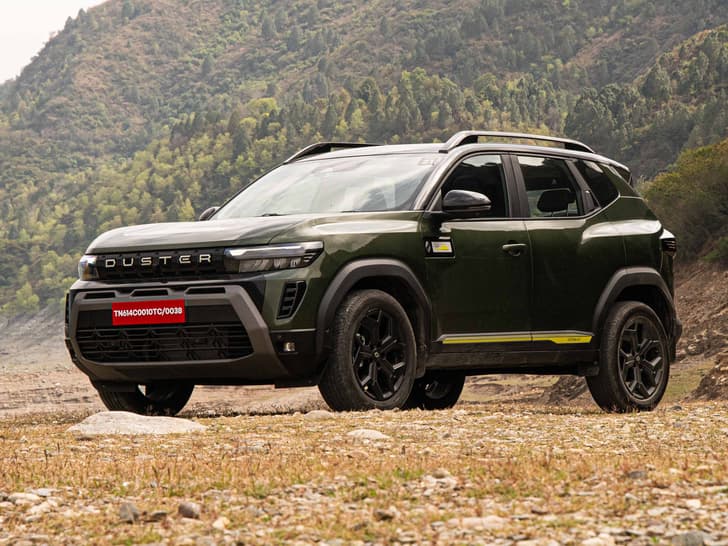
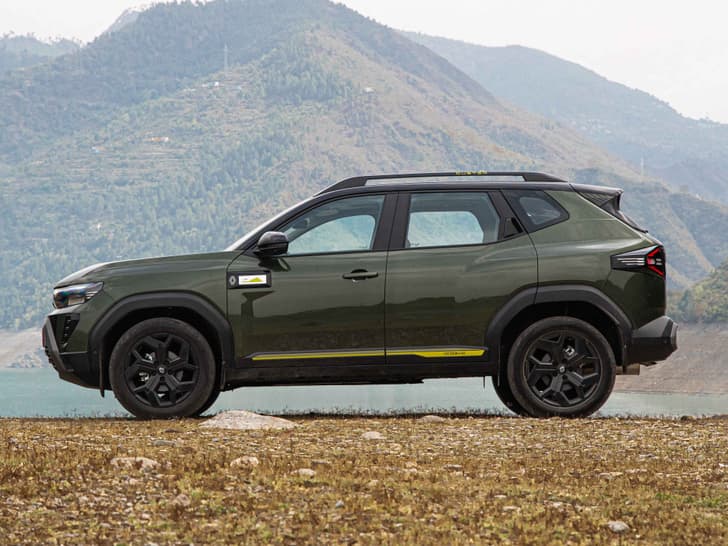
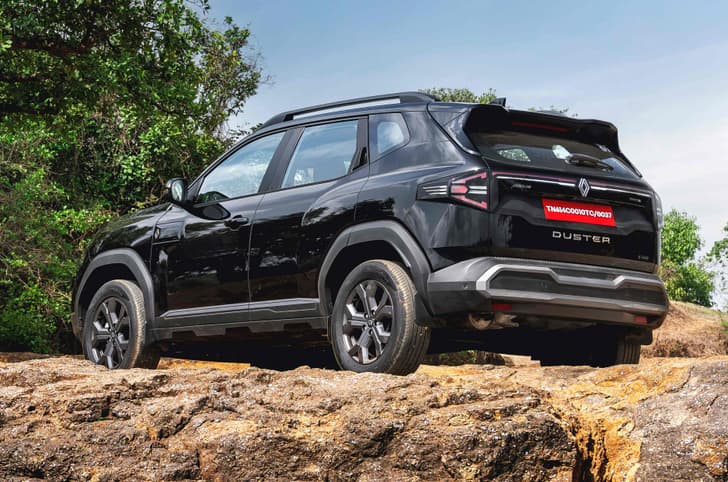
Engine Type | Strong Hybrid |
Engine Displacement | 1789 cc |
Number of Cylinders | 4 |
Engine Installation | Front |
Fuel Type/ Propulsion | Petrol-Electric Hybrid |
Gearbox Type | Auto |
Number of Gears | 8 |
Drive Layout | Front Wheel Drive |
Max Engine Power | 160 hp at 5750 rpm |
Max Engine Torque | 172 Nm at 3500 rpm |
Max Motor Power | 67.98 hp |
Max Motor Torque | 212 Nm |
Battery Capacity | 1.4 kWh |
Official Fuel Economy | 29 kmpl |
Front Suspension Type | McPherson strut |
Front Springs | Coil Springs |
Rear Suspension Type | Semi-independent, torsion beam |
Rear Springs | Coil Springs |
Front Brakes | Disc |
Length | 4343 mm |
Width | 1813 mm |
Height | 1659 mm |
Wheelbase | 2657 mm |
Ground Clearance | 212 mm |
Boot Capacity | 518 - 1789 litres |
Doors | 5 |
| Driving Modes | |
| Power Windows | |
| Remote Locking | |
| Sunroof |
| Anti-Lock Brakes (ABS) | |
| Central Locking |
| Speedometer |
| Display | 10.1 inch Touchscreen |
 Electronic Stability ControlFully Digital Digital Instrument ClusterNo SpeakersAnti Theft ImmobilisationFabric Seat MaterialElectronic Parking Brake with AutoholdCruise ControlArkhamays Branded Music SystemConnected LEDOn-board Satellite NavigationPanoramic SunroofWireless Phone ChargingOver the air (OTA) updatesLED fog lampsArkhamays Branded Music SystemBlind Spot MonitorKeyless EntryLeather-wrapped Steering WheelPanoramic SunroofArkhamays Branded Music SystemAdaptive Cruise ControlDriving ModesVoice CommandsNavigation On Instrument ClusterFront Only Ventilated SeatsSunroofDriving ModesPower WindowsAnti-Lock Brakes (ABS)Central Locking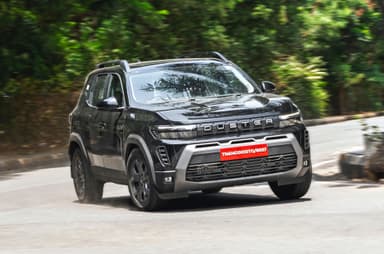
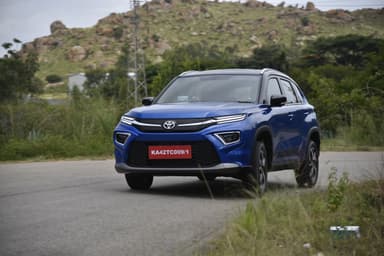
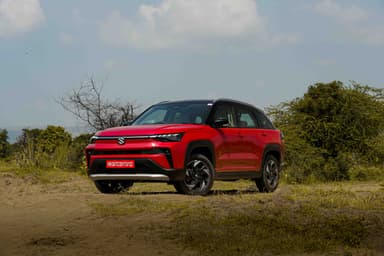
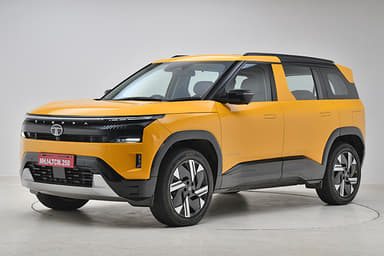
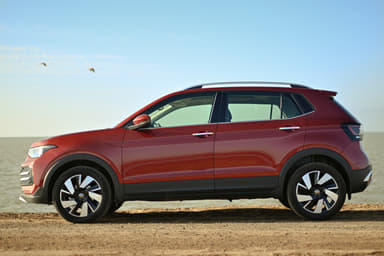

I am confused between the Tata Curvv and the new Renault Duster. Which one would you recommend?

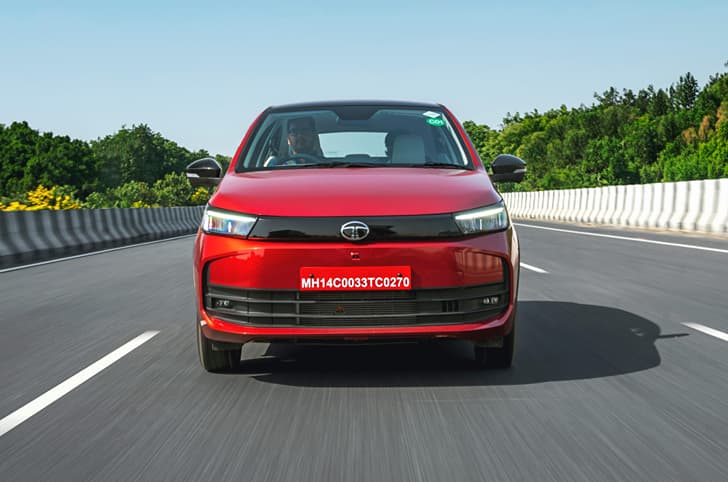
 Tata CurvvRenault Duster
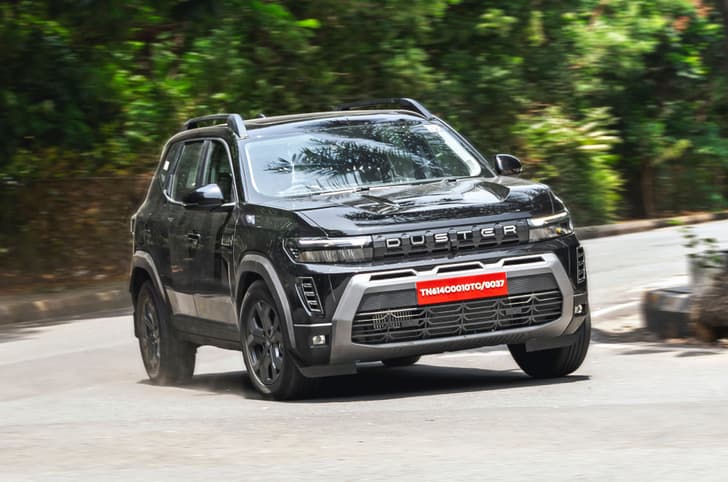
Renault is offering benefits of up to ₹2.1 lakh on the Duster this month. Anyone planning to buy one?
I am planning to buy a new car under a budget of Rs. 22-23 lakh. I drive a 12-year old Chevrolet Sail diesel now. I really enjoy driving this car, particularly its MultiJet engine with a good mid-range torque. I value driving dynamics and pleasure of driving more than fuel efficiency and features. I prefer sedan over an SUV. My dad owns a 2022 Skoda Slavia 1.0 MT. I really like that car but in city driving, I've felt noticeable turbo lag at low speeds. Other than that, Slavia is a very good car. So I have shortlisted 2026 Slavia 1.5 TSI DSG. But only thing that I worry about is the reliability of a DSG with its dry clutch system, because I tend to keep the car for at least next 7-8 years. Also, I have doubts about its city driving manners. But I live in a tier-2 city and encounter stop and go traffic rarely. I hit the highways often though. So, will the Slavia 1.5 satisfy my needs coming from a good torquey diesel engine? Another SUV that I am interested is the Duster/Tekton, because I have heard that they are the closest to the German twins in driving pleasure and dynamics. Can I go with the Slavia 1.5 DSG or should I go with Duster/Tekton 1.3 DCT?
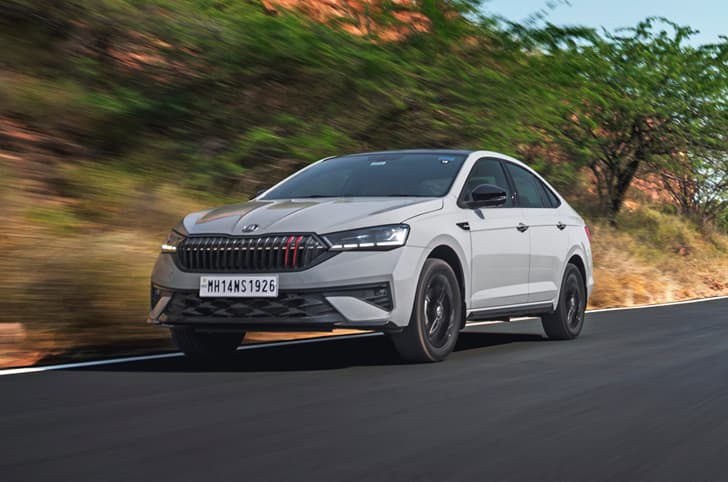
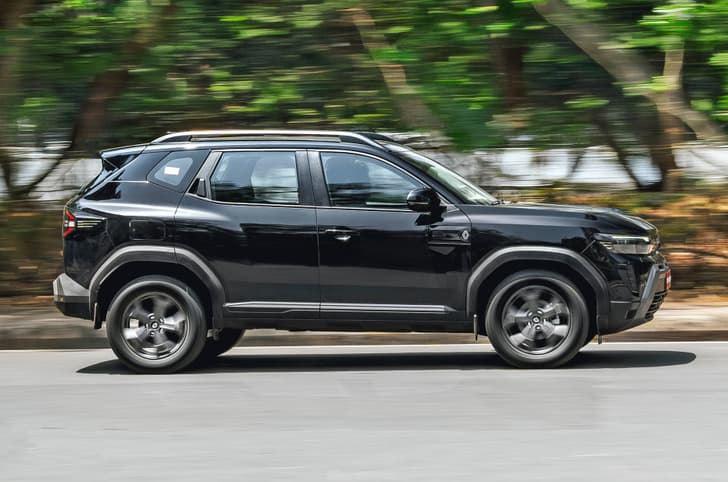
Skoda Slavia (2022-2026)Renault DusterNissan TektonThe new Renault Duster seems does not have a wide 2nd row seat to accommodate 3 adults comfortably. Will the upcoming Renault Bigster be better in this aspect?
Renault BigsterRenault DusterI am looking for a fun-to-drive manual car around the Rs 15 lakh budget. I live in a city with very little traffic and already have two sensible cars, so I now want something small, manual and fun to drive. Automatic transmission and mileage are not priorities. I am also an enthusiastic driver and enjoy revving the engine to extract performance. I am currently considering the Kylaq Sportline, which I can get for around Rs 13 lakh. Would the XUV 3XO or lower variants of the 1.3-litre Duster be better choices? I am also open to sedans such as the Honda City and Hyundai Verna, but I may not always be able to avoid bumps and broken roads when driving fast, so I would prefer something with more ground clearance. I also find them relatively large compared with what I am looking for.
Skoda KylaqMahindra XUV 3XORenault Duster