
Maruti Suzuki cars in India (19)
The Maruti car price starts at โน3.70 lakh and goes up to โน28.61 lakh in India (ex-showroom). The cheapest Maruti Suzuki car in India is the S-Presso (after GST reduction; earlier it was Alto K10), while the most expensive is the Invicto. As of March 2026, there are 19 Maruti models (1 upcoming) available in India for sale: 7 hatchbacks, 4 MUVs, 6 SUVs, 1 sedan, and 1 crossover.
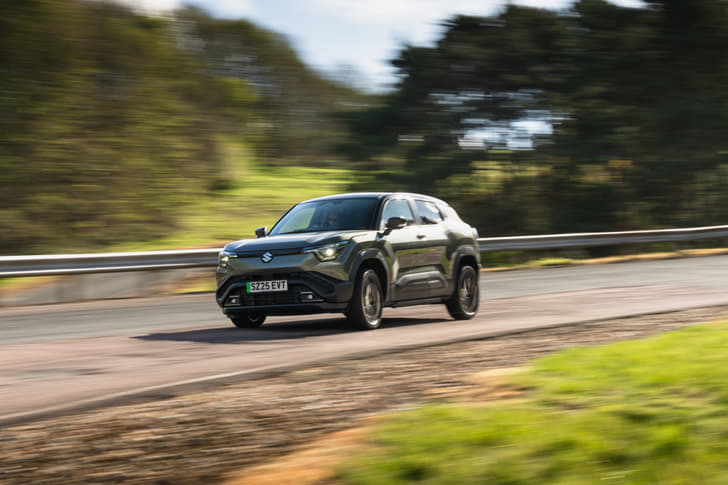
The latest Maruti Suzuki model launched in 2026 is the e Vitara. It is the first Maruti electric car and will rival models like the Hyundai Creta Electric, MG ZS EV, Mahindra BE 6, etc. The cheapest Maruti CNG model is the Alto K10 CNG, priced from โน4.81 lakh (ex-showroom). Popular Maruti cars in India include the Alto K10, Swift, Brezza, and Ertiga. Some Maruti Suzuki models are co-developed with Toyota, like the Grand Vitara SUV and Invicto.
The brand Maruti Suzuki needs no introduction in India, thanks to its budget-friendly, dependable, and reliable cars. The brand offers something for every budget. The Maruti Suzuki cars in India in 2026 include sedans, MPVs, SUVs, etc., powered by petrol, petrol-hybrid, and petrol-CNG engines across various price points.
Maruti Cars in India (March 2026)
Maruti Suzuki currently offers various models in India across its two retail networks:
- Maruti Suzuki Arena (caters to the budget end of the market)
- Maruti Suzuki Nexa (caters to the premium end of the market)
Here is a complete list of all Maruti cars, along with their latest ex-showroom prices in India:
Maruti Car | Price (Ex-showroom) |
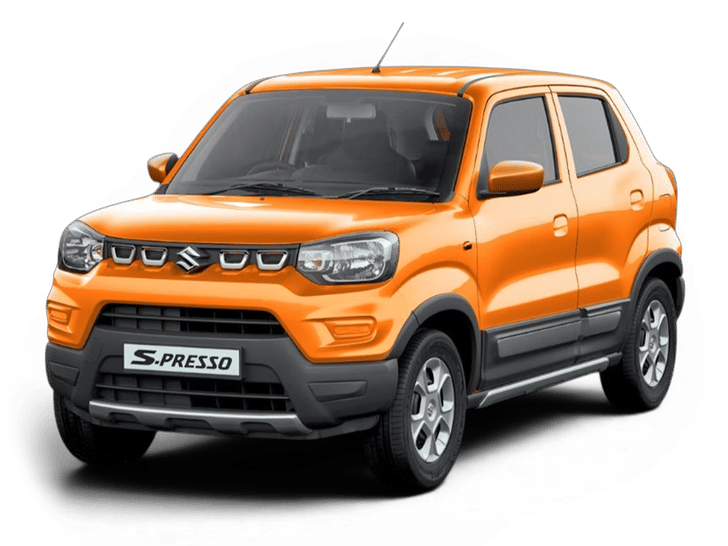
Maruti S-Presso | โน3.50 lakh - โน5.25 lakh |
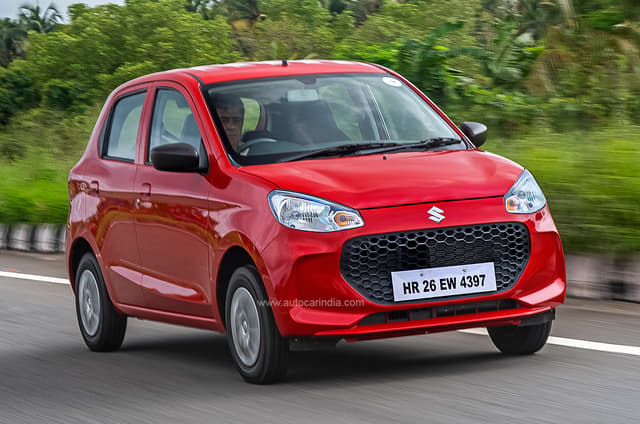
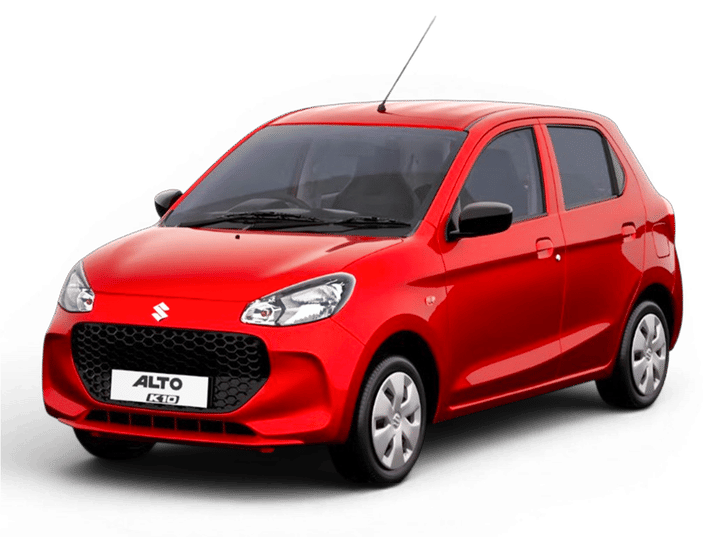
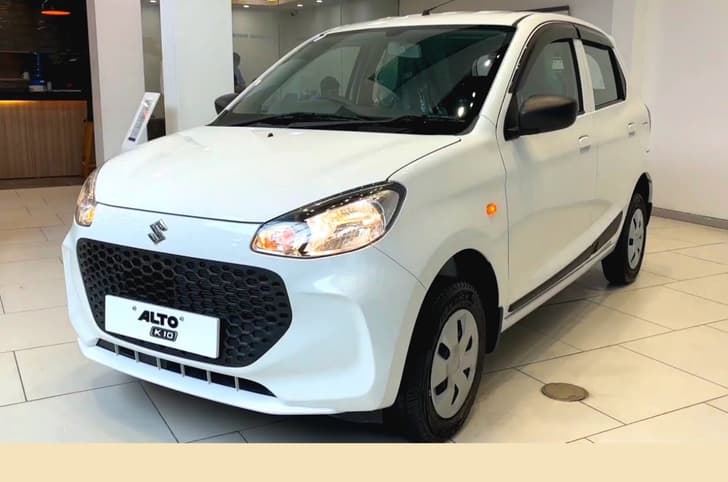
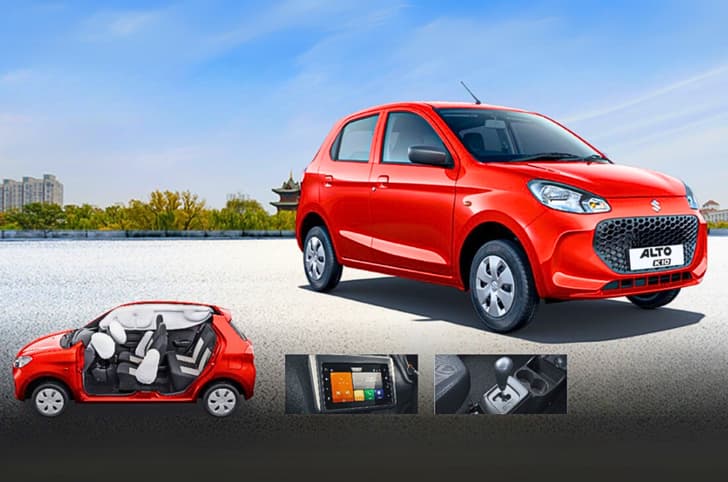
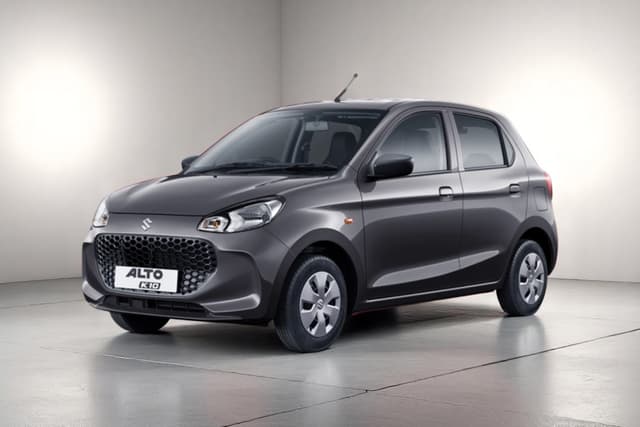
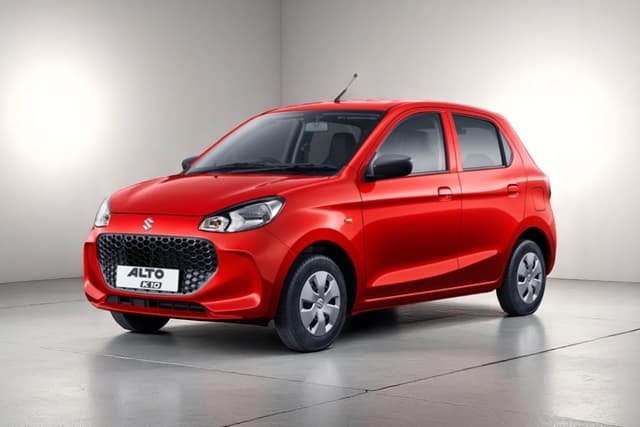
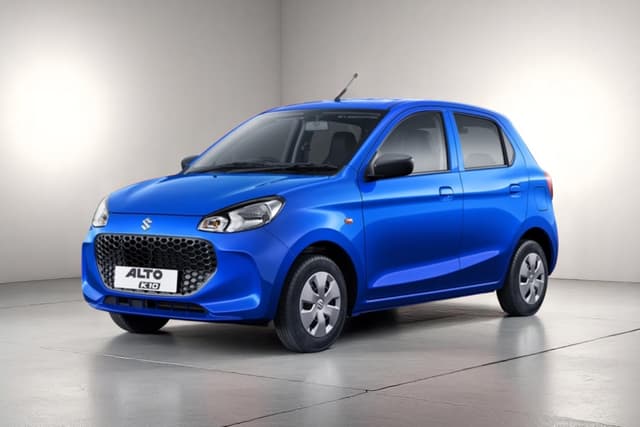
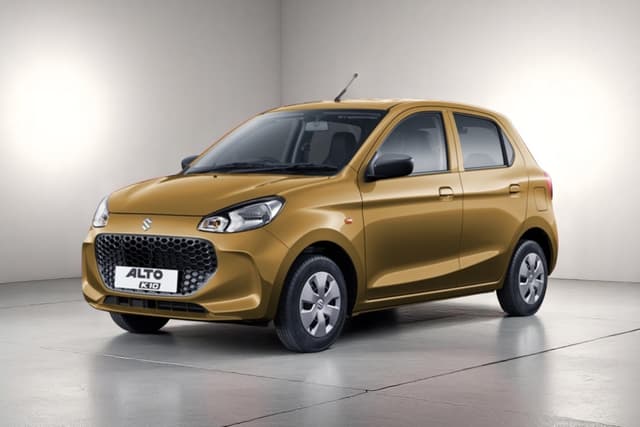
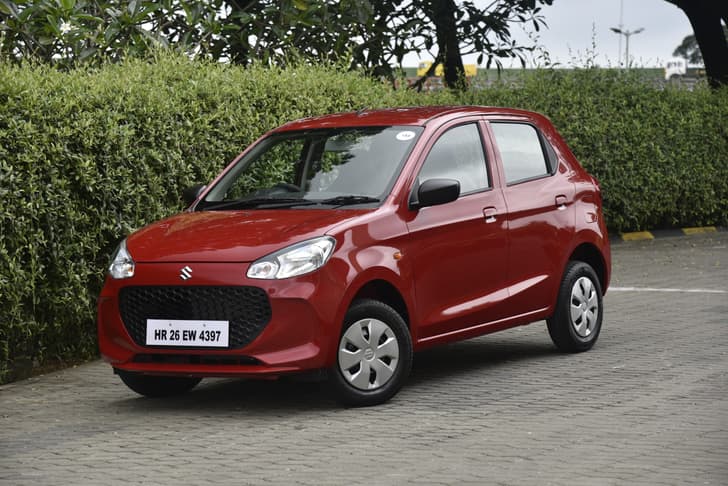
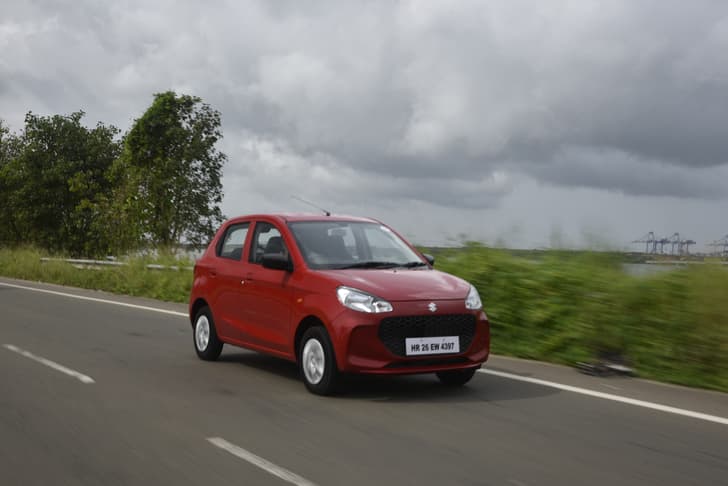
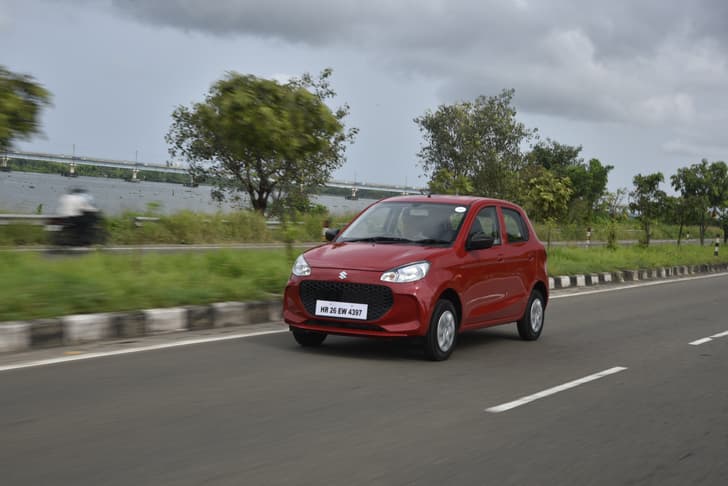
Maruti Alto K 10 | โน3.70 lakh - โน5.45 lakh |
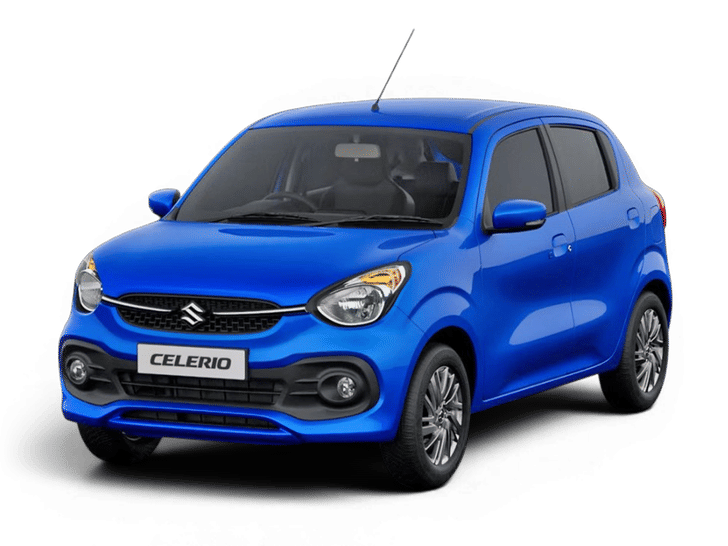
Maruti Celerio | โน4.70 lakh - โน6.73 lakh |
Maruti Eeco | โน5.21 lakh - โน6.36 lakh |
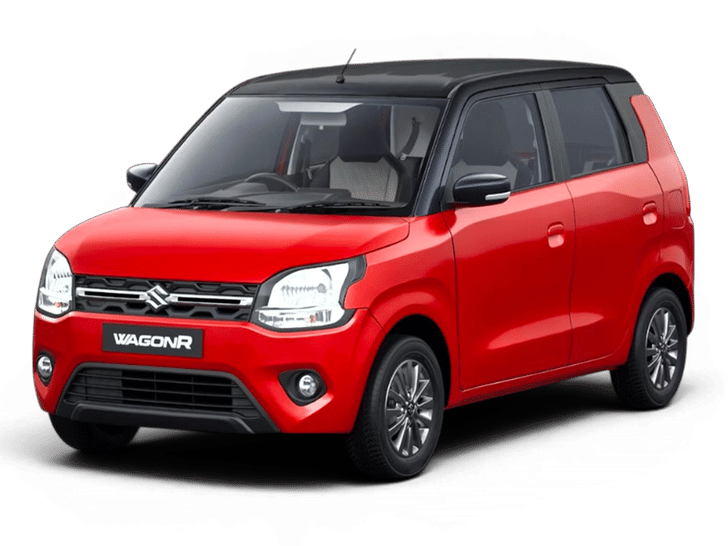
Maruti Wagon R | โน4.99 lakh - โน6.84 lakh |
Maruti Ignis | โน5.35 lakh - โน7.42 lakh |
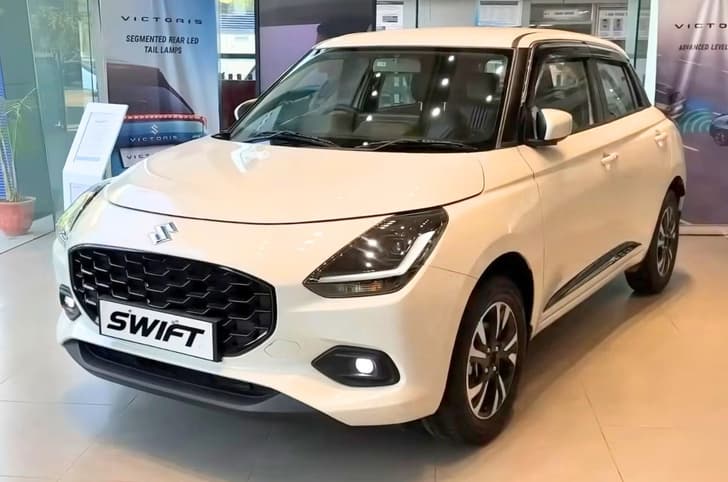
Maruti Swift | โน5.79 lakh - โน8.65 lakh |
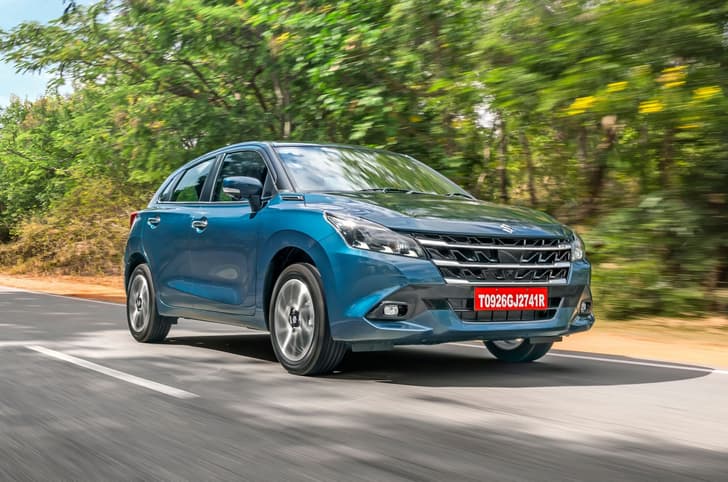
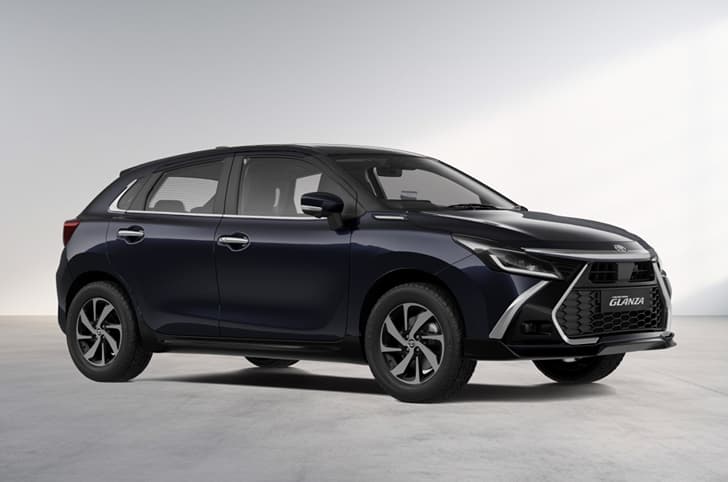
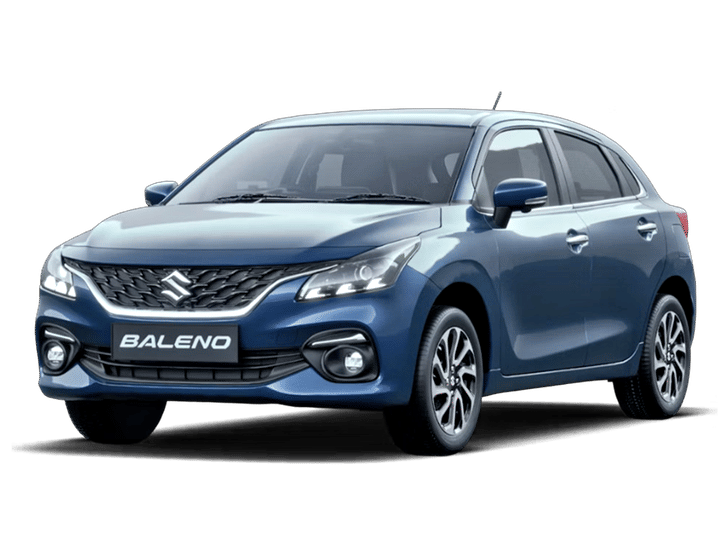
Maruti Baleno | โน5.99 lakh - โน9.10 lakh |
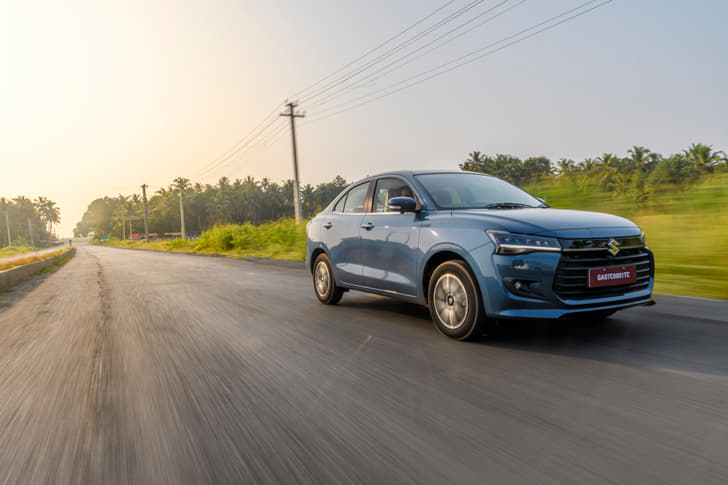
Maruti Dzire | โน6.26 lakh - โน9.31 lakh |
Maruti Fronx | โน6.85 lakh - โน11.84 lakh |
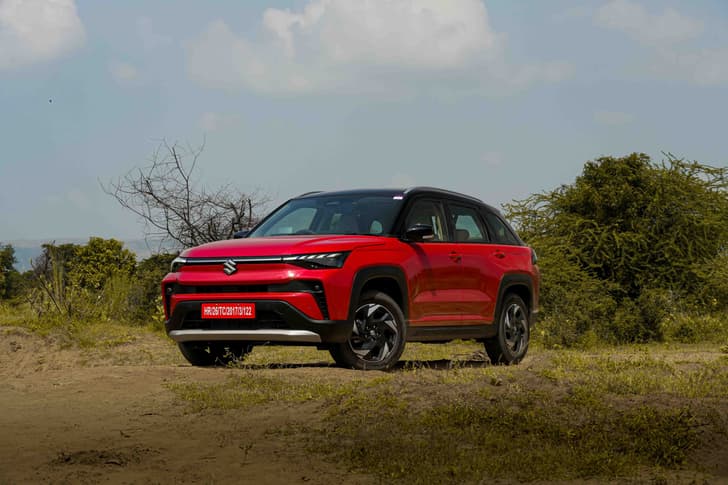
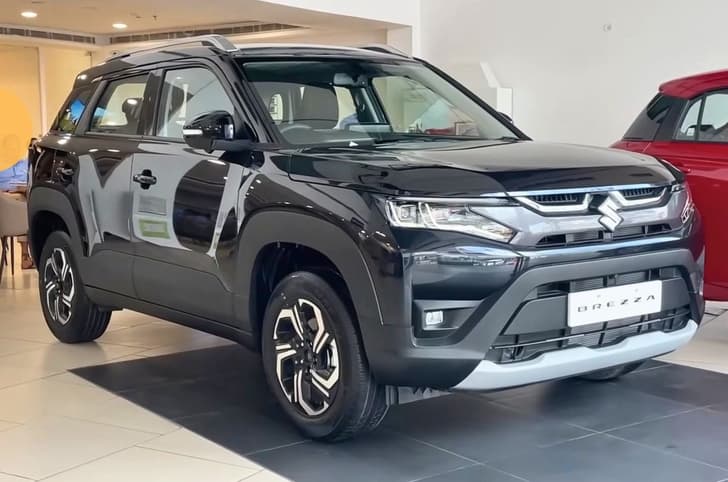
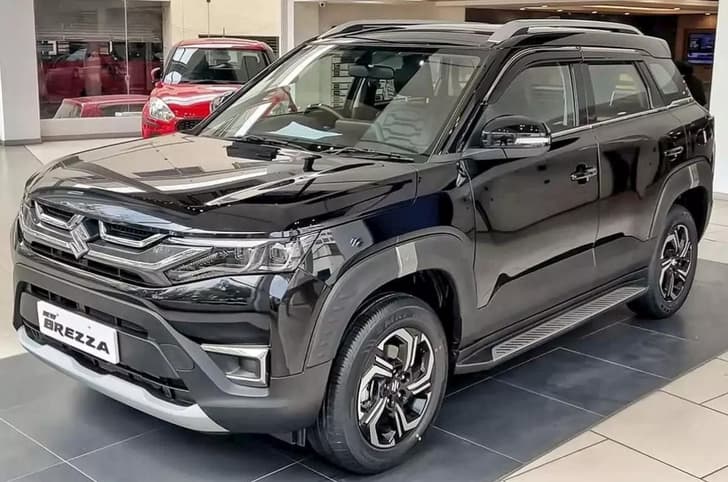
Maruti Brezza | โน8.26 lakh - โน12.86 lakh |
Maruti Ertiga | โน8.80 lakh - โน12.94 lakh |
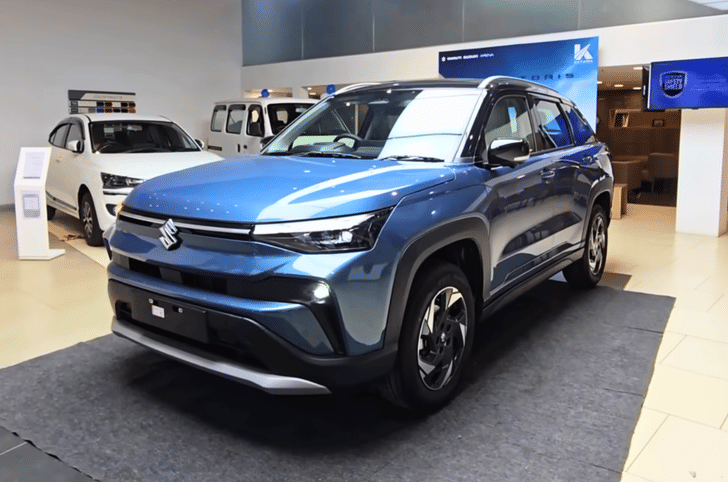
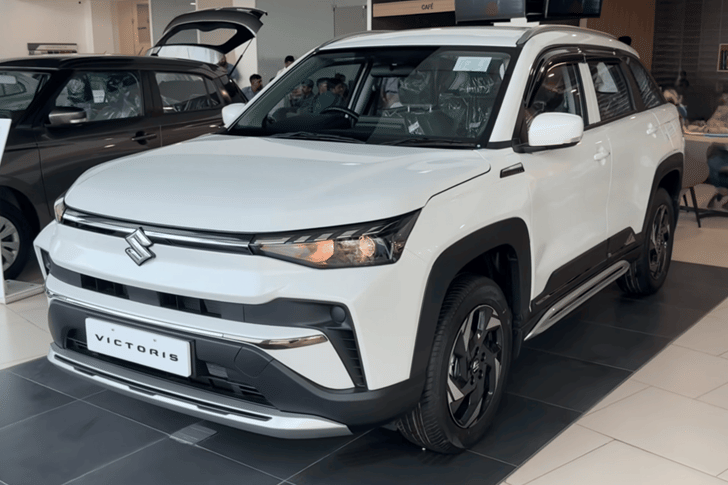
Maruti Victoris | โน10.50 lakh - โน19.99 lakh |
Maruti Grand Vitara | โน10.77 lakh - โน19.64 lakh |
Maruti E Vitara | โน10.99 lakh |
Maruti XL6 | โน11.52 lakh - โน14.32 lakh |
Maruti Jimny | โน12.31 lakh - โน14.29 lakh |
Maruti Invicto | โน24.97 lakh - โน28.61 lakh |
Maruti Suzuki Arena Cars in India
Maruti Suzuki offers 10 models via its Arena outlets (as of March 2026), catering largely to budget-conscious buyers. The Maruti Suzuki Arena line up includes Alto K10, S-Presso, Wagon R, Celerio, Swift, Dzire, Brezza, Eeco, Ertiga, and Victoris. The new Maruti Victoris SUV will take on the Hyundai Creta.
From May 12, 2025, all Maruti Suzuki Arena cars come equipped with 6 airbags as standard, enhancing safety across the range. Vehicles from Arena are commonly known for being budget-friendly and well-suited for city commutes. In India, Arena outlets are present in over 2,500 towns and cities, with more than 3,000 showrooms.
Here are all Maruti Suzuki Arena models, along with their on road prices (after GST cut) in major Indian cities:
Maruti Suzuki Arena Car | Mumbai (on-road) | Delhi (on-road) | Bangalore (on-road) | Chennai (on-road) |
Alto K10 | โน4.43 lakh - โน6.45 lakh | โน4.17 lakh - โน6.07 lakh | โน4.50 lakh - โน6.61 lakh | โน4.39 lakh - โน6.40 lakh |
S-Presso | โน4.20 lakh - โน6.22 lakh | โน3.95 lakh - โน5.85 lakh | โน4.27 lakh - โน6.38 lakh | โน4.16 lakh - โน6.17 lakh |
Wagon R | โน5.92 lakh - โน8.06 lakh | โน5.57 lakh - โน7.78 lakh | โน6.02 lakh - โน8.26 lakh | โน5.87 lakh - โน7.99 lakh |
Celerio | โน5.58 lakh - โน7.93 lakh | โน5.25 lakh - โน7.66 lakh | โน5.68 lakh - โน8.13 lakh | โน5.54 lakh - โน7.86 lakh |
Swift | โน6.84 lakh - โน10.15 lakh | โน6.44 lakh - โน9.80 lakh | โน7.02 lakh - โน10.41 lakh | โน6.78 lakh - โน10.06 lakh |
Dzire | โน7.38 lakh - โน10.91 lakh | โน7.13 lakh - โน10.54 lakh | โน7.57 lakh - โน11.19 lakh | โน7.32 lakh - โน10.82 lakh |
Breeza | โน9.70 lakh - โน15.27 lakh | โน9.36 lakh - โน15.01 lakh | โน9.94 lakh - โน15.91 lakh | โน9.61 lakh - โน15.61 lakh |
Eeco | โน6.17 lakh - โน7.50 lakh | โน5.81 lakh - โน7.25 lakh | โน6.33 lakh - โน7.69 lakh | โน6.12 lakh - โน7.44 lakh |
Ertiga | โน10.32 lakh - โน15.36 lakh | โน9.97 lakh - โน15.10 lakh | โน10.58 lakh - โน16.01 lakh | โน10.23 lakh - โน15.75 lakh |
Victoris | โน11.23 lakh - โน23.64 lakh | โน11.23 lakh - โน23.24 lakh | โน11.23 lakh - โน24.64 lakh | โน11.23 lakh - โน24.24 lakh |
Maruti Suzuki Nexa Cars in India
Maruti offers 7 models through Nexa outlets (as of March 2026) that cater to premium buyers by offering more feature-rich and stylish models. The Nexa lineup from Maruti includes Ignis, Baleno, Fronx, XL6, Jimny, Grand Vitara, and Invicto. Marutiโs first electric SUV, the eVitara, will also be launched via Nexa.
In India, Nexa outlets are currently present in around 500 cities, and are expected to grow to 650 by the end of 2025.
Here are all Maruti Suzuki Nexa models, along with their on-road prices (after GST cut) in major Indian cities:
Maruti Suzuki Nexa Cars | Mumbai (on-road) | Delhi (on-road) | Bangalore (on-road) | Chennai (on-road) |
Ignis | โน6.34 lakh - โน8.74 lakh | โน5.96 lakh - โน8.43 lakh | โน6.50 lakh - โน8.95 lakh | โน6.28 lakh - โน8.65 lakh |
Baleno | โน7.07 lakh - โน10.67 lakh | โน6.65 lakh - โน10.30 lakh | โน7.25 lakh - โน10.94 lakh | โน7.01 lakh - โน10.57 lakh |
Fronx | โน8.07 lakh - โน14.07 lakh | โน7.79 lakh - โน13.83 lakh | โน8.27 lakh - โน14.66 lakh | โน8.00 lakh - โน14.42 lakh |
XL6 | โน13.70 lakh - โน16.98 lakh | โน13.47 lakh - โน16.70 lakh | โน14.27 lakh - โน17.70 lakh | โน14.04 lakh - โน17.41 lakh |
Jimny | โน14.63 lakh - โน16.95 | โน14.38 lakh - โน16.66 lakh | โน15.24 lakh - โน17.66 lakh | โน15.00 lakh - โน17.38 lakh |
Grand Vitara | โน12.80 lakh - โน23.23 lakh | โน12.59 lakh - โน22.84 lakh | โน13.34 lakh - โน24.22 lakh | โน13.13 lakh - โน23.82 lakh |
Invicto | โน29.75 lakh - โน34.05 lakh | โน29.00 lakh - โน33.19 lakh | โน31.00 lakh - โน35.48 lakh | โน30.25 lakh - โน34.63 lakh |
Maruti Cars - Latest Updates
Here are the latest updates related to the Maruti Suzuki cars as of 2026:
- 17 February 2026: The e Vitara, the first Maruti electric car launched at โน10.99 lakh. The battery cost is extra.
- December 2025: The Maruti e-Vitara comes with an estimated driving range of up to 543 km on a full charge.
- November 2025: Maruti Suzuki e-Vitara scheduled to launch in early 2026, in India.
- September 2025: The Maruti Victoris price starts at โน10.50 lakh and goes up to โน19.99 lakh, depending on the variant.
- September 2025: Maruti Victoris awarded 5-star rating in Global NCAP tests.
FAQs
The most expensive Maruti car is the Invicto. It is a premium MUV and is priced between โน24.97 lakh and โน28.61 lakh (ex-showroom).
The Maruti Suzuki e Vitara, an all-electric SUV, is currently the only electric car from the brand. The e Vitara price starts at โน10.99 lakh and was launched on 17 Feb, 2026.
The cheapest Maruti Suzuki car in India is the Maruti S-Presso, priced from โน3.50 lakh after the GST reduction.
Maruti is set to launch the e-Vitara and the Brezza facelift in 2026.
Currently, the newest Maruti Suzuki car in India is the Victoris, which debuted on September 15, 2025.
Trending Questions on Maruti Suzuki Cars - Answered by Autocar Experts
Within a budget of around โน12 lakh (could extend some), I want to buy a petrol manual car which is fun to drive, reliable and will not be so heavy on my pocket for fueling and maintenance. My monthly usage is around 400km, mostly city and occasional road trips. Which car will you suggest?
Please suggest a good 5-seater NA petrol car with safety first, fuel efficiency, comfort, good handling and better ride quality.
My 80% running is in the city, approximately 60 km daily. I want a smooth gearbox, a smooth engine and reliability. I am confused between the Maruti Brezza petrol manual and the Hyundai Creta petrol manual.
My wife has recently started learning to drive and is looking to buy her first car, which she will primarily use for daily office commuting (around 40-50 km per day). She prefers a petrol automatic car with a relatively high driver seating position. Since this will be her first car, I am inclined towards a Maruti Suzuki model, unless a Hyundai option makes a very strong case. We are currently considering the Maruti Suzuki Alto K10, Maruti Suzuki Celerio, and Maruti Suzuki Ignis (we are not considering the WagonR). Among these, the Celerio and Ignis seem like better options, but we are slightly concerned about the possibility of them being discontinued in the near future. We would also consider the Maruti Suzuki Swift, but we are a bit apprehensive because it is a slightly larger car for a beginner driver. Our budget is โน6-9 lakh on-road. Which of these cars would be the best choice for her needs?
The Maruti Suzuki Ignis is the best option for your wife. Its compact dimensions make it easy to manoeuvre, and the relatively high seating position gives a good view of the road, aiding confidence behind the wheel. A peppy engine and the convenience of AMT also help its case. The Ignis is a bit firm in its ride comfort, though.
Maruti Suzuki has not announced plans to discontinue the Ignis, though the model has been around for a while. Even in the case of the model being discontinued, you will not have trouble with service support and parts availability for years to come.
I want to buy a 7-seater car for my family, but the budget is โน10 lakh. Most of the run is in the city, sometimes on the highway. I want space, but the interior should not feel cheap or compromised.
I currently own a Hyundai Xcent, which I purchased in 2015, and it has covered around 42,000 km so far. My driving is almost entirely in bumper-to-bumper city traffic (about 95%). I am now planning to buy an automatic car, preferably a sub-4 metre SUV, to make daily driving easier. My daily usage will be around 40โ50 km in heavy city traffic. Considering these requirements, which automatic sub-4 metre SUV would you recommend?
For bumper-to-bumper traffic, the Maruti Brezza 1.5 Petrol 6AT is ideal. The engine-gearbox combination is smooth, and it feels peppy within urban confines.
Also, the 6-speed torque converter is more suited for the constant stop-go usage than other transmission types like AMT or DCT. If you need something even smaller than the Brezza, you can consider the Nissan Magnite 1.0 Turbo CVT, which is another great option for you.
Hi, I am planning to buy my first car. Previously, I used my family car, a Maruti Ciaz, for 10 years. I am looking for an automatic, fuel-efficient car with low maintenance. My driving is 70% in the city and 30% on the highway. My budget is around โน15 lakh. For family comfort, could you please help me with this?
I have booked the Hyundai Creta Knight IVT Dual Tone, but Iโm still unsure whether itโs the right choice or if I should have considered alternatives like the Maruti Suzuki Grand Vitara or the Kia Seltos. However, Iโm not particularly fond of the new design elements of the latest Seltos. The factors that matter most to me are value for money, good resale value after 5-6 years, long-term reliability, and comfort for family use. My monthly driving will be less than 1,000 km. Given these priorities, is the Creta Knight IVT a good choice, or would the Grand Vitara or Seltos have been a better option?
The Hyundai Creta King is a good choice. It is a well-rounded SUV that offers a comfortable ride, a spacious cabin, and a refined petrol engine. The IVT (automatic) is smooth and responsive. Being a popular model, you can expect good resale value in the future.
The Grand Vitara is also a good option, but it is not as spacious as the Creta. Hence, long distance comfort could be hampered.
Before I begin, I would like to thank Autocar for always offering sensible and well-informed advice to its readers. I have been an Autocar India subscriber since 2002. As per your earlier advice, I am considering the 49 kWh battery version of the Maruti Suzuki e Vitara for my monthly usage of around 900 km in Bengaluru. For longer journeys, I already own a Toyota Hycross Hybrid, so the EV will primarily be used for city driving. My main confusion is regarding the performance difference between the 49 kWh and 61 kWh battery versions. I recently test-drove the 61 kWh variant and drove it for about 20 km, and I must say it was a joy to drive and handled very well probably the best-handling Maruti I have experienced. However, I am concerned whether the 49 kWh version, which comes with a smaller motor, might feel noticeably less powerful or subdued in performance compared to the 61 kWh version, even though the torque figure is said to be the same for both.
Thanks for being a loyal subscriber.
As you've rightly mentioned, the Maruti Suzuki e Vitara gets two versions 144hp/189Nm motor with a 49kWh battery, and the other is 174hp/189Nm motor, 61kWh battery. The common factor between the two versions is the 189Nm motor torque, which makes it zippy.
Of course, being more powerful, the larger battery version is likely to hit higher (three-digit) speeds more quickly, but within town (up to speeds of 60-70kph), the difference between their acceleration is likely to be negligible.
So opt for the 61kWh version only if you need more range, else as a city commuter, the 49kWh version's performance should be more than sufficient.
I am considering buying a used 2022 Maruti Suzuki Grand Vitara Alpha Plus Strong Hybrid that has done around 66,000 km and is available for โน16 lakh. The car will also require a tyre replacement. My expected running will be around 2,000 km per month, with 80% highway driving and 20% bumper-to-bumper city traffic.
The top-spec Maruti Suzuki Grand Vitara Alpha Plus is well-equipped, and the extremely efficient hybrid powertrain will be ideal for your usage. The asking price of Rs 16 lakh for a 2022 model with 66,000km on the odometer is on the higher side. We would recommend you negotiate the price down to around Rs 14 lakh.
Also, you need to factor in an additional Rs 30,000-40,000 (depending on the brand you opt for) for a new set of tyres. Since your usage is primarily on the highway, we'd advise you to replace the tyres immediately after taking delivery.
Last Updated on: 2 Mar 2026