
Mahindra cars in India (18)
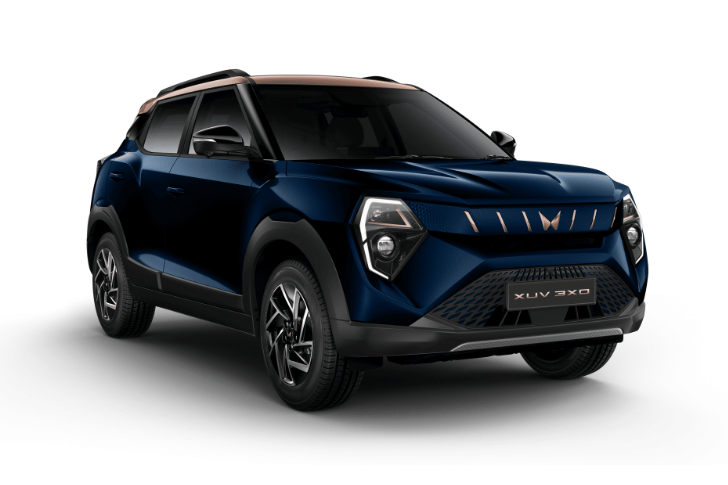
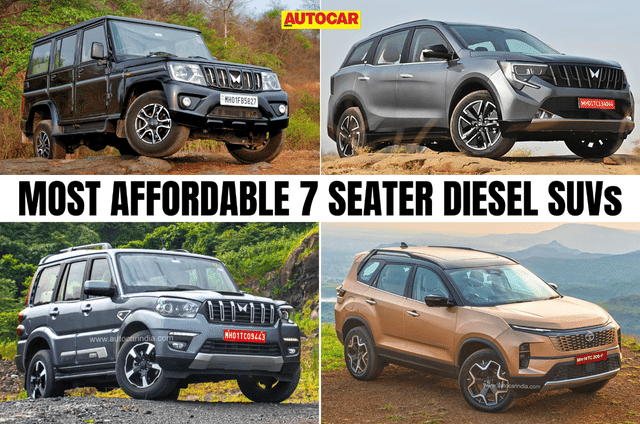
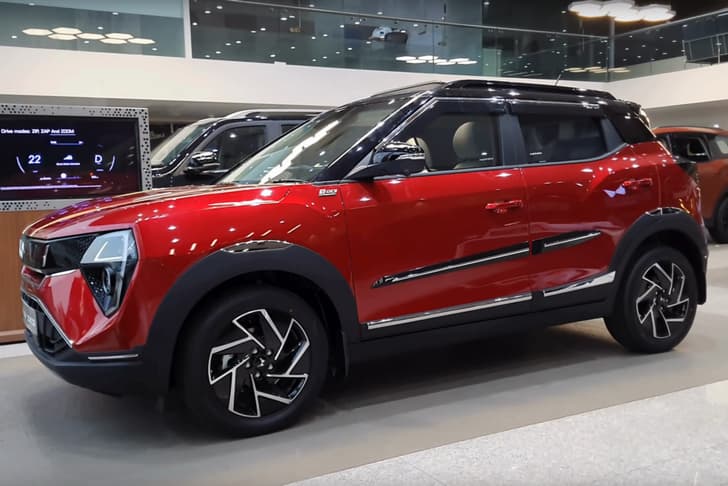
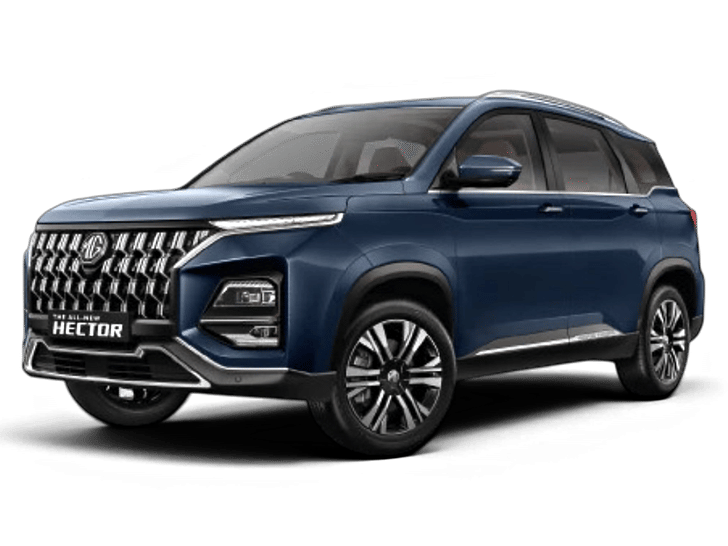
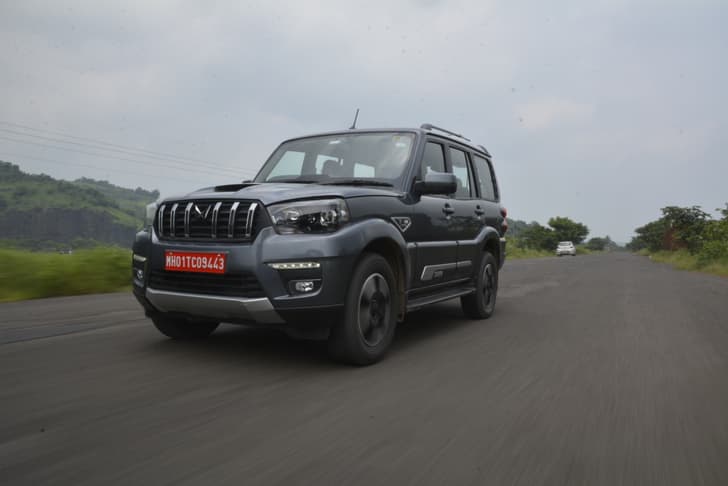
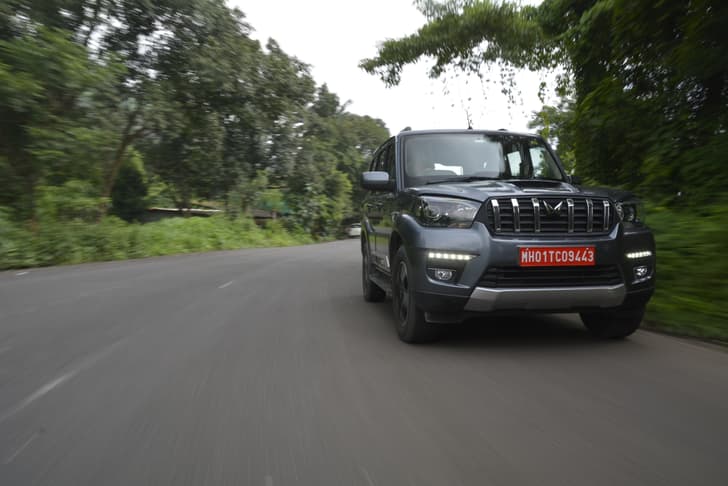
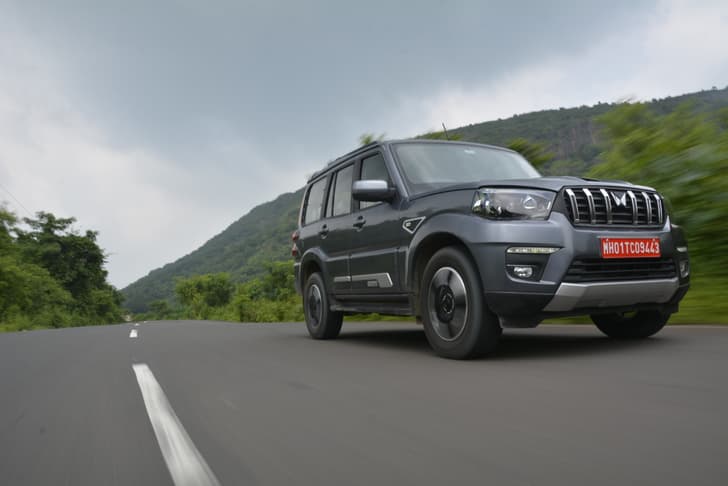
Currently, there are 17 Mahindra cars in India, with 14 on sale and 3 upcoming models. The Mahindra lineup includes 17 SUVs, with no sedans, hatchbacks, MPVs, or convertibles. The Mahindra car price starts at โน7.37 lakh and goes up to โน30.50 lakh (ex-showroom). The Mahindra cheapest car is the XUV 3XO, while the most expensive is the XEV 9e.
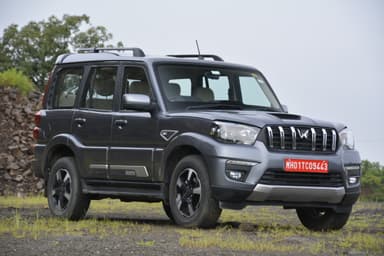
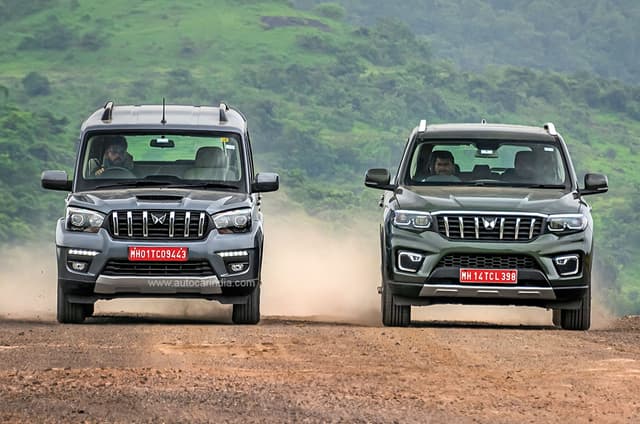
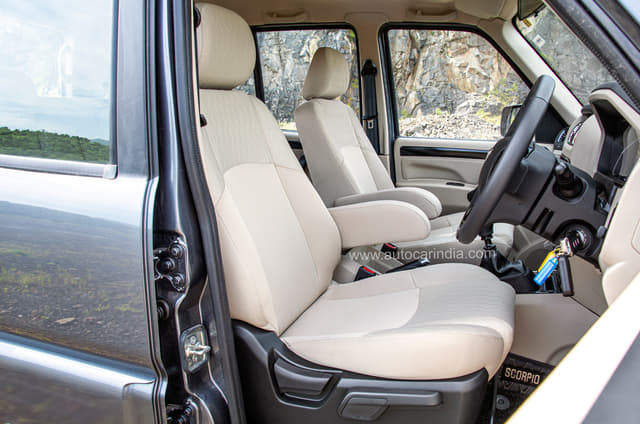
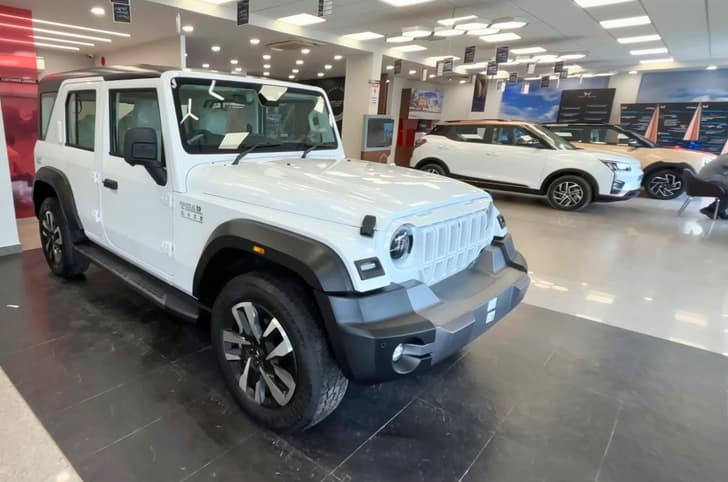
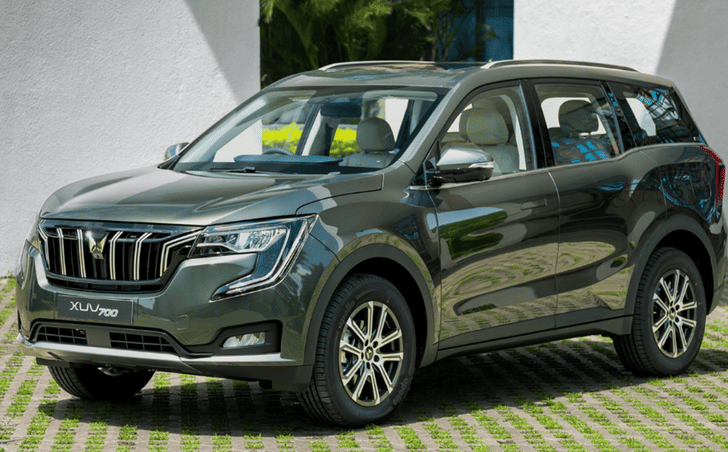
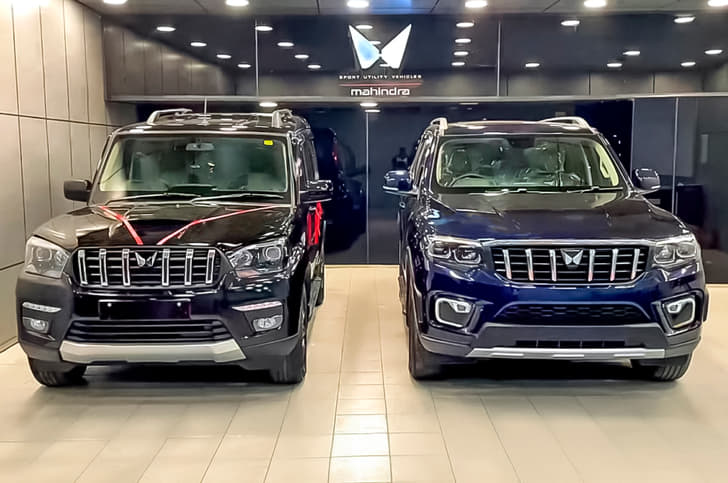
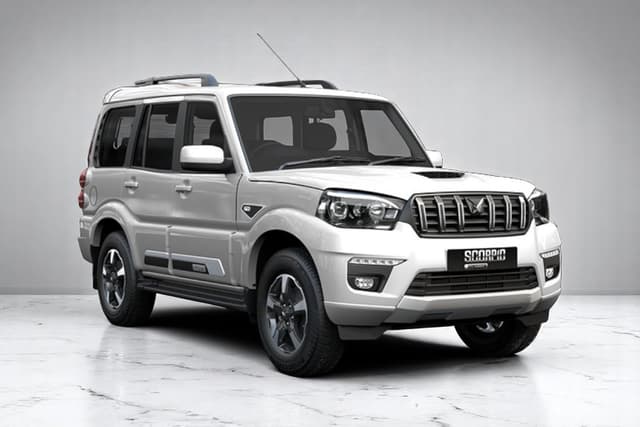
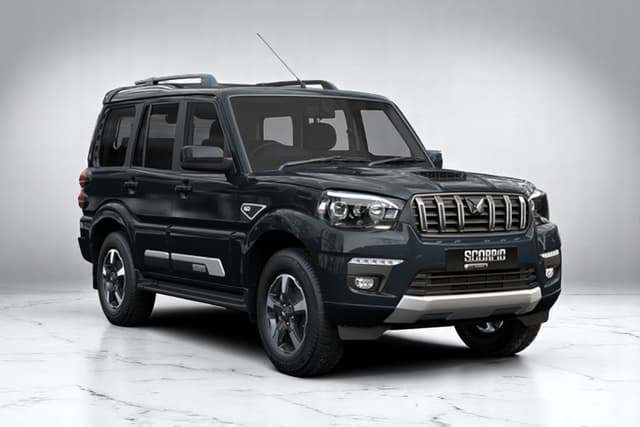
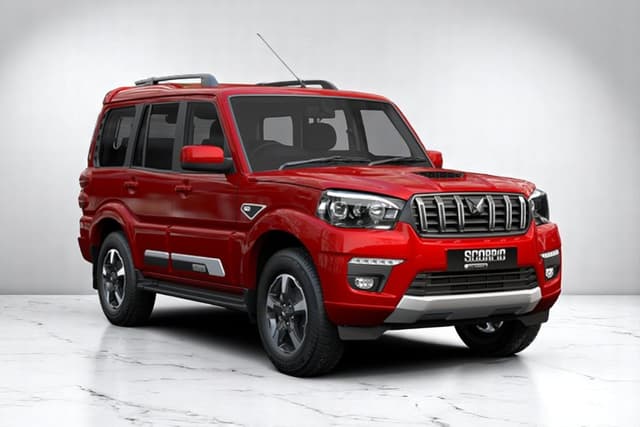
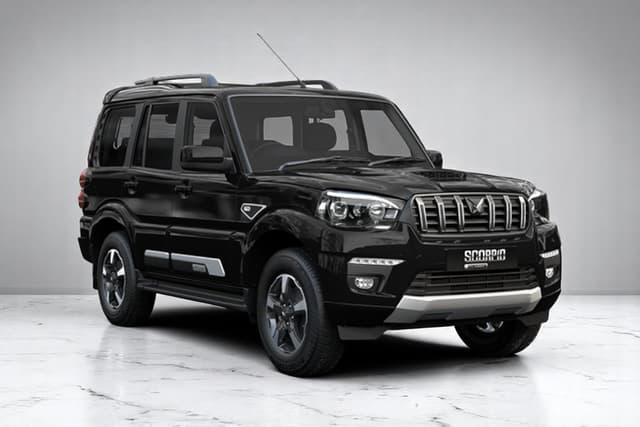
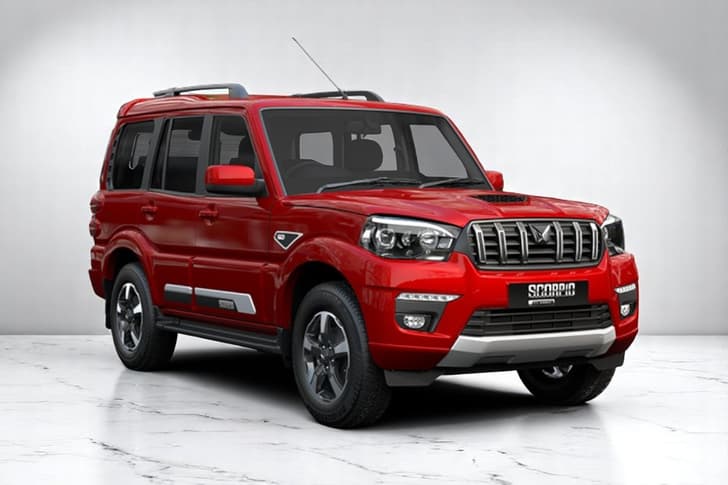
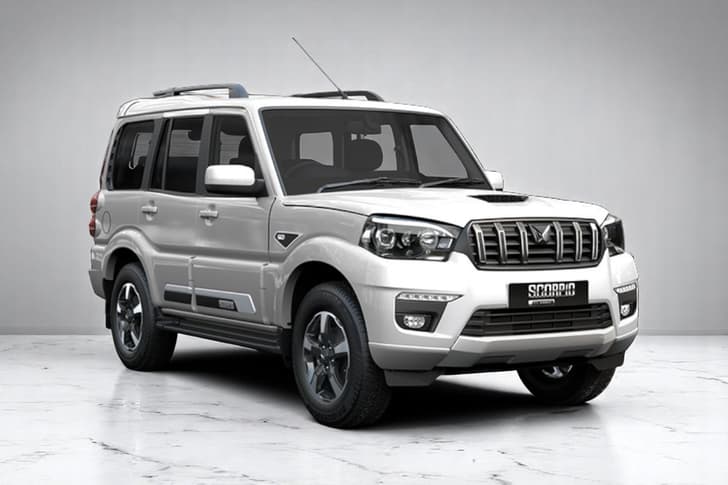
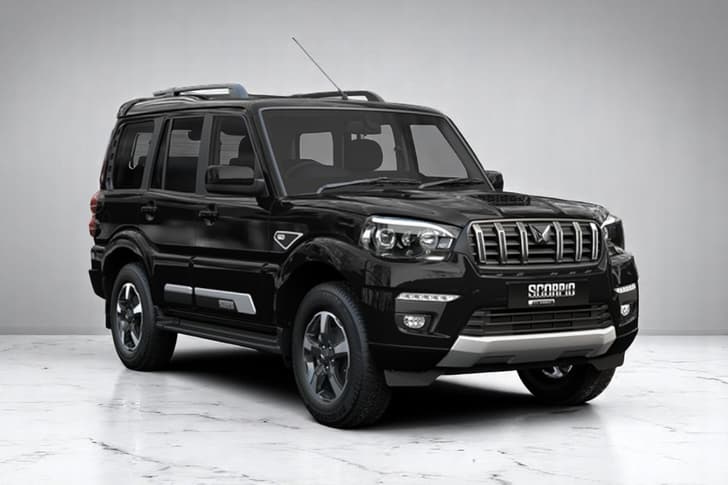
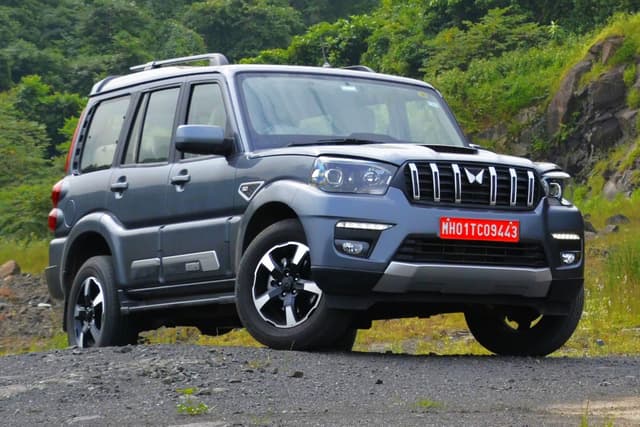
The most popular Mahindra car models in India are the Thar, Thar Roxx, Scorpio Classic, Scorpio N (the highest-selling Mahindra car), XUV 7XO (recently updated from XUV700), and XUV 3XO. Mahindra cars are available with petrol, diesel, and electric options. The newest Mahindra car is the XUV 3XO EV. It was launched on 6 January 2026 and is priced between โน13.89 lakh and โน14.96 lakh (ex-showroom).
Mahindra Cars Price List (April 2026)
The Mahindra car price in India ranges from โน7.37 lakh for the XUV 3XO to โน30.50 lakh for the XEV 9e. The top 5 popular Mahindra cars and their prices are: Thar Roxx (โน12.39 - โน22.25 lakh), Scorpio Classic (โน12.98 - โน16.70 lakh), Scorpio N (โน13.49 - โน24.34 lakh), XUV 7XO (โน13.66 - โน24.92 lakh), and XUV 3XO (โน7.37 - โน14.55 lakh). View the latest Mahindra car prices of all models in the table below:
Mahindra Car | Price (Ex-showroom) |
Mahindra XUV 3XO | โน7.37 lakh - โน14.55 lakh |
Mahindra Bolero | โน7.99 lakh - โน9.69 lakh |
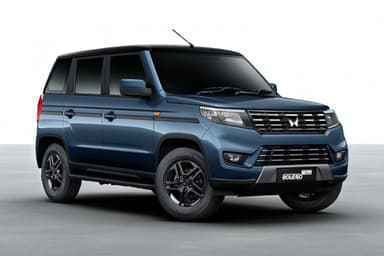
Mahindra Bolero Neo | โน8.69 lakh - โน10.49 lakh |
Mahindra Thar | โน9.99 lakh - โน17.19 lakh |
Mahindra Bolero Neo+ | โน10.90 lakh - โน11.95 lakh |
Mahindra Thar Roxx | โน12.39 lakh - โน22.25 lakh |
Mahindra Scorpio Classic | โน12.98 lakh - โน16.70 lakh |
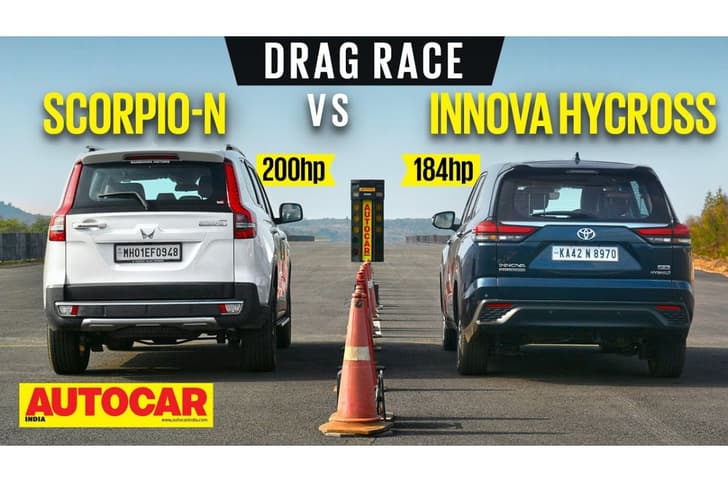
Mahindra Scorpio N | โน13.49 lakh - โน24.34 lakh |
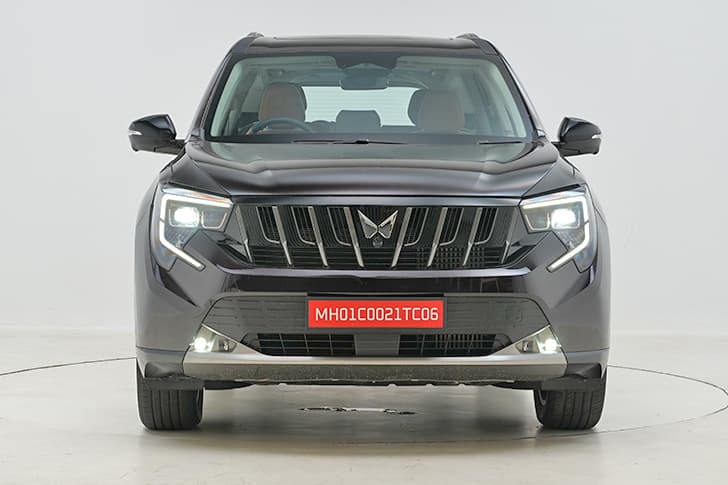
Mahindra XUV 7XO | โน13.66 lakh - โน24.92 lakh |
Mahindra XUV 3XO EV | โน13.89 lakh - โน14.96 lakh |
Mahindra XUV400 | โน15.49 lakh - โน17.49 lakh |
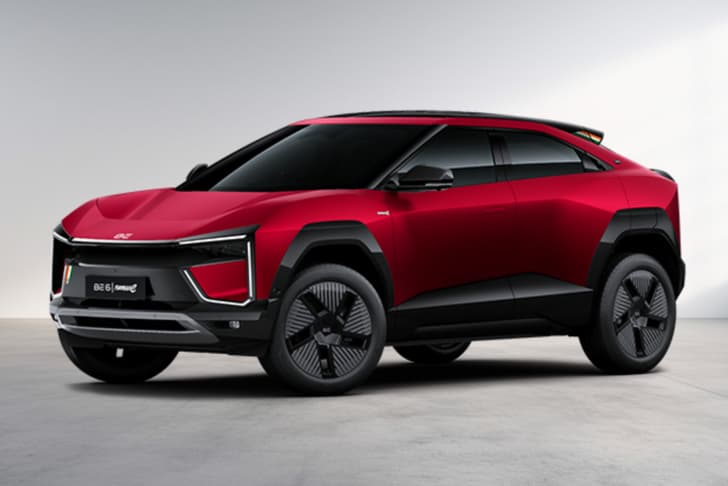
Mahindra BE 6 | โน18.90 lakh - โน26.90 lakh |
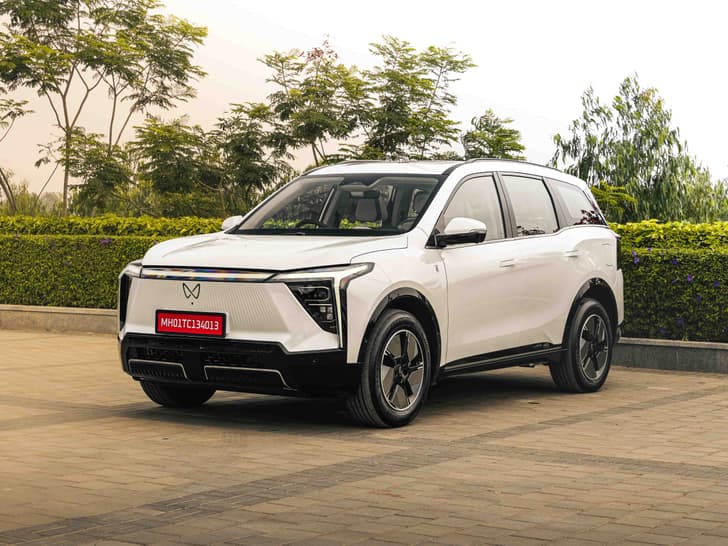
Mahindra XEV 9S | โน19.95 lakh - โน29.45 lakh |
Mahindra XEV 9e | โน21.90 lakh - โน30.50 lakh |
Mahindra New Car
There are 3 new Mahindra cars set to launch in India:
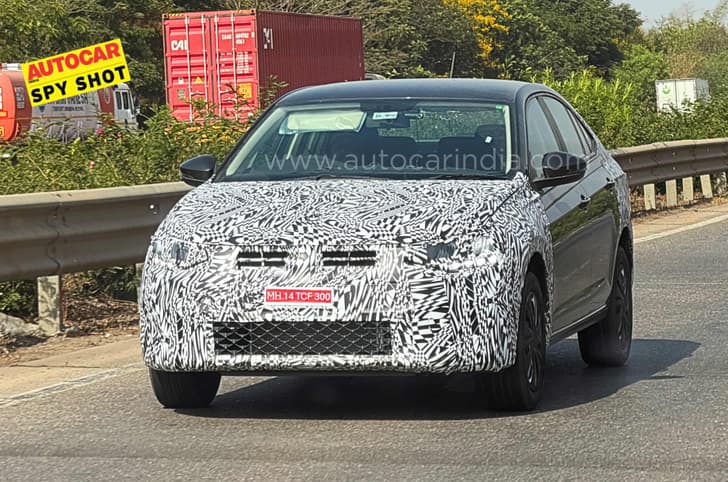
- Mahindra Scorpio N facelift
- Expected price: โน14.00 lakh - โน26.00 lakh
- Expected launch: Early 2026
- Engine: 2184 cc
- Fuel Type: Diesel
- Transmission: Manual
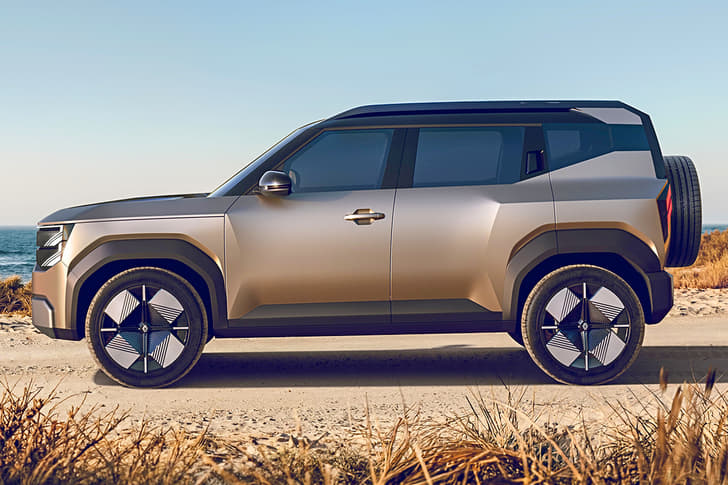
- Mahindra Vision S
- Expected price: โน7.50 lakh - โน13.00 lakh
- Expected launch: 2027
- Engine: To be revealed
- Fuel Type: Petrol
- Transmission: Automatic
- Mahindra Vision X
- Expected price: โน25.00 lakh - โน30.00 lakh
- Expected launch: 2027
- Engine: To be revealed
- Fuel Type: Petrol
- Transmission: Automatic
Mahindra Electric Car
The Mahindra electric car price ranges between โน13.89 lakh and โน30.50 lakh. Presently, there are 5 Mahindra EV cars for sale in India: XUV400, BE 6, XEV 9S, XEV 9e, and recently launched XUV 3XO EV. The cheapest Mahindra electric car is the XUV 3XO EV, while the most expensive is the XEV 9e.
Mahindra Cars - Latest Updates
- 6 January 2026: Mahindra launched XUV 3XO EV at โน13.89 lakh.
- 6 January 2026: The new Mahindra XUV 7XO, a facelifted XUV700, starts at โน13.66 lakh (ex-showroom). Pre-bookings have closed, with fresh bookings reopening on 14 January 2026.
- 8 December, 2025: Mahindra XUV700 facelift, a.k.a., XUV7XO, will debut on Jan 5, 2026.
- 2 December, 2025: November 2025 car sales sees Mahindra reclaim second spot as Tata slips to third.
- 27 November, 2025: Mahindra has introduced the XEV 9S at a starting price of โน19.95 lakh.
- 26 November, 2025: Mahindra has launched the BE 6 Formula E Edition at โน23.69 lakh.
FAQs
The Mahindra car price starts at โน7.37 lakh for the XUV 3XO and goes up to โน30.50 lakh for the XEV 9e (ex-showroom).
The Mahindra electric car range includes 5 models: XUV400, BE 6, XEV 9S, XEV 9e, and XUV 3XO EV.
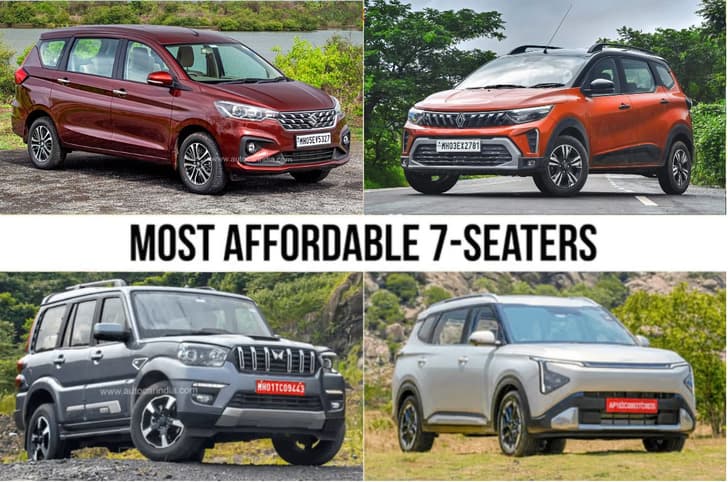
There are seven Mahindra 7 seater cars available for sale in India: Scorpio N, XEV 9S, XUV 7XO, Scorpio Classic, Bolero Neo, Bolero, and XUV700.
The Mahindra SUV car price in India starts at โน7.28 lakh for the XUV 3XO and goes up to โน30.50 lakh for the XEV 9e (ex-showroom).
Currently, there is no Mahindra CNG car on sale in India.
Yes. Mahindra offers 5 models with variants priced under โน10 lakh: Thar, Bolero Neo+, Bolero, XUV 3XO, and the upcoming Mahindra Vision S. Vision S is expected to start at โน7.50 lakh (ex-showroom).
The Mahindra top model car in terms of pricing is the XEV 9e, with prices going up to โน30.50 lakh (ex-showroom).
Mahindra 5 seater car choices include the XEV 9e, BE 6, Thar Roxx, XUV 3XO, XUV400, and XUV 3XO EV.
Yes, 9 out of 16 Mahindra cars that are available for sale come with an automatic transmission option. These cars are - XEV 9e, BE 6, XEV 9S, Scorpio N, Thar, Thar Roxx, XUV700, XUV 3XO, and XUV400.
The Mahindra car on road price varies by city, starting at around โน8.28 lakh in Delhi for the XUV 3XO and going up to about โน32.33 lakh for the XEV 9e in major metros.
No. Currently, there is no Mahindra car under 5 lakh in India.
No, Mahindra does not sell a car under 8 lakh. The entry point starts at โน7.28 lakh for the XUV 3XO, but the on-road cost is higher.
The Mahindra diesel car lineup includes the Scorpio N, Thar, Bolero Neo+, Thar Roxx, Bolero Neo, Bolero, Scorpio Classic, XUV 7XO, XUV700, and XUV 3XO.
Buyers looking for Mahindra cars with a sunroof can consider models such as the XEV 9e, BE 6, Scorpio N, Thar Roxx, XUV700, XUV 3XO, and XUV400. Availability of the sunroof depends on the variant chosen.
Trending Questions on Mahindra Cars - Answered by Autocar Experts
Skumar
โข17hThis might seem like a strange question to some, but I am confused between the Toyota Urban Cruiser Hyryder (S Hybrid) and the Mahindra Scorpio N Z4 diesel manual. My usage is evenly split between city and highway driving (50:50), with an annual running of around 10,000 km. The on-road prices of both cars are quite similar. While the Hyryder offers better fuel efficiency, I am concerned about potential hybrid battery replacement costs after 8 years. On the other hand, the Scorpio N may have higher maintenance costs over time. I am looking for a car that is reliable, fuel-efficient, low on maintenance in the long run, and can last for many years. Logically, I feel the Hyryder makes more sense, but emotionally, I am inclined towards the Scorpio N for its size and road presence.

Autocar India
Go for the Toyota Urban Cruiser Hyryder S Hybrid for your 50-50 city-highway mix and focus on long-term ease and low running cost; it suits you better. In daily traffic, it feels calm and very smooth because it uses electric power at low speed, so you use less fuel without any effort. Toyotaโs hybrid tech has been around for years here and abroad, service is simple, and resale is strong. The hybrid battery is backed by a long warranty, and Toyota dealers can confirm the exact years and price for a replacement if ever needed, which should ease that worry.One thing to be aware of: the Hyryder Hybrid is not very quick when you want a fast overtake on the highway, and the boot is smaller than you may expect. If you often carry five with big bags, check this.If your heart wants size and you regularly carry 6-7 people or drive on rough roads a lot, the Mahindra Scorpio N Z4 diesel manual makes sense for its strong pull and tough build. Just accept higher fuel use, a heavier clutch in traffic, bigger tyres and brakes to maintain, and the need for regular, longer drives to keep the exhaust filter clean. Plus, the ride quality is nowhere near as good as the Toyota, and despite how much Mahindra has refined it, a ladder frame SUV will never be as refined or settled on the road as a monocoque SUV.For your plan to keep the car for decades, the Hyryder S Hybrid will be easier and cheaper to live with. When you test drive, do one quick highway pass in the Hyryder to judge pick-up, and crawl in slow traffic in the Scorpio N to feel the clutch effort.
Shivam Khandelwal
โข1dI am planning to buy a new 7-seater car with a budget of around โน25 lakh. I am confused between the Toyota Innova Hycross GX(O), Toyota Innova Crysta, and the Mahindra XUV 7XO.

Autocar India
Go for the Toyota Innova Hycross GX(O) 7-seater at your budget, it gives you the best mix of space, comfort and easy daily use. It drives like a modern car, not a heavy ladder-framed people mover, so the steering is light, the ride is comfortable, and the petrol-automatic powertrain keeps things smooth in traffic. The third row is genuinely usable for adults, the cabin is airy, and Toyotaโs service network and resale are strong, which makes ownership simple over many years.One thing to be aware of: the GX(O) is petrol-only, so it will use more fuel than a diesel when fully loaded or on long highway runs. Also, it skips some of the fancy features you see in costlier trims, so if you want all the tech, you will have to stretch or look elsewhere.Pick the Toyota Innova Crysta only if you do a lot of highway driving with seven people and luggage. It's diesel pulls strongly, and the car feels tough on bad roads, but it is manual-only, so the clutch can feel heavy in traffic, and the cabin feels older. Choose the Mahindra XUV 7XO if you want more features and strong performance for the money. But know that the third row and boot with all seats up are smaller than the Hycross.
Sanjay Singh
โข1dI want to upgrade to another 7 seater and shortlisted Mahindra 7XO and Tata Safari. My running is low, hardly 250km in a month with occasional highway trip in a month or two. I am confused with petrol or diesel version of 7XO or Safari. Kindly suggest me which one will best suited to me as my preferences are comfort and fun to drive with fair mileage.

Autocar India
Go for the Mahindra XUV 7XO AX7 petrol automatic - with your very low running and focus on comfort and a fun drive, it suits you best. The XUV 7XO petrol is very smooth and quiet at low speed, and performance is impressive. The ride is comfortable, steering is light, the seats are supportive, and the Mahindra is loaded with features too.Do keep in mind that the petrol's fuel efficiency is very low, however that shouldn't be much of a concern for you since your usage is minimal. One area where the Tata Safari stands out over the XUV 7XO is the third row. The Safari offers enough space for adults to sit comfortably, while the XUVโs third row is better suited for occasional use, with limited comfort on longer drives. However, if you will have kids in the third row for the most part, the XUV will serve you well.
Aman
โข1dI want to buy a new ev car my options are Mahindra BE 6 pack2 79kw and XEV 9s pack 2 79 kw ,my monthly running is 1200 km and of that 30 min is inside city travel and 1 hour is on state highway, so which will be good option for me ?

Autocar India
The Mahindra XEV 9S is a seven-seater, and uses the same battery and motor as the BE 6. Its seats are also broader and more supportive, and its plusher ride makes it comfier while dealing with bad roads. Overall, it is the more practical choice, and does well as a family EV.The BE 6 on the other hand feels sportier to drive on account of its interior setup and dynamics. Despite its exterior dimensions, cabin space feels cramped, however if you're going to be driving by your self, alone or with one more passenger, this shouldn't be a concern. Alternatively, you could consider the XEV 9E, which is a good balance between the BE 6 and XEV 9S - it feels sporty to drive, and has comfy interiors too.
Prashanth G
โข2dRoad grip on wet and sand surfaces is really bad on my new xev 9e. Oem tyres are good year. Are there any better alternatives in the market which can provide better grip with out disturbing the company warranty.

Autocar India
What youโre experiencing is not unusual with EVs like the Mahindra XEV 9e. The standard Goodyear tyres are tuned more for efficiency and low rolling resistance, which helps maximise range, but that does come at the cost of outright grip, especially on wet roads and loose surfaces like sand. This is further amplified by the nature of the car itself โ it is a relatively powerful, rear-wheel-drive EV, and the instant torque delivery means it is quite easy to overwhelm the rear tyres if you are not very progressive with the throttle in slippery conditions.The good news is that you can upgrade tyres without affecting your warranty, as long as you stick to the same size, load index and speed rating recommended by the manufacturer. Moving to a more grip-focused tyre will make a noticeable difference in wet braking, traction and overall confidence.Do keep in mind that while better tyres will improve grip, they will not completely eliminate the characteristics of a powerful rear-wheel-drive EV. Smooth throttle inputs and careful driving in low-grip conditions will still be important. That said, upgrading from the stock tyres is a worthwhile step if you are looking for more confidence and safety in challenging conditions.
Keshav Karekkadu
โข2dHello Autocar, I am planning to upgrade from my Renault Duster to a 6/7-seater SUV with a budget of around โน22 lakh. I am confused between the Tata Safari and the Mahindra XUV 7XO. My monthly usage is approximately 1,000-1,500 km. Which of these two would be the better choice for my needs?

Autocar India
Go for the Mahindra XUV 7XO AX5 diesel 7-seater. With your Rs 22 lakh budget and a monthly run of 1,000-1,500 km, it is a more complete upgrade from your Duster. The diesel engine is strong, refined and feels effortless both in the city and on the highway, making long trips relaxed and overtaking easy. With the updates, the ride quality has also improved, now feeling more plush and comfortable, even compared to the Tata Safari. Overall, it is the more modern, easier and more well-rounded SUV to live with.One thing to be aware of: the third row in the 7XO is best suited for occasional use, as space and boot capacity with all seats up are limited. This is where the Safari still has an advantage, offering a more accommodating third row with better space and support for longer journeys.In terms of cabin quality, however, the Safari does not have a clear advantage. The 7XO feels just as premium, if not more modern, with better technology and overall fit and finish, so the decision really comes down to whether you prioritise third-row comfort or a more effortless driving experience.
RAMDAS KAMATH
โข2dI am one of the early owners of the Mahindra XUV400, which I purchased in March 2023. So far, I have driven approximately 1,17,000 km. Apart from a few minor BMS software-related issues, the vehicle has been trouble-free, and I have not noticed any significant drop in range even after 1 lakh km. Having gotten used to driving an EV, I now find it difficult to switch back to ICE vehicles. My daily running exceeds 100 km, which also helps keep my running costs low. However, I am concerned about the future maintenance costs and resale value, as many buyers seem hesitant to purchase used EVs due to uncertainty around long-term maintenance. In my opinion, EVs are generally easier to maintain compared to ICE cars. Given this, what does the future look like for used EVs in the market?

Autocar India
The used EV market is still evolving, and while your experience with the Mahindra XUV400 has been very positive, it is important to note that battery health and long-term performance can vary depending on usage patterns, charging habits and operating conditions. Covering over 1.17 lakh km with no noticeable range drop is encouraging and reflects what many modern EVs are capable of, but it may not be identical for every user. That said, EVs do have fewer moving parts than ICE cars, which generally makes them simpler to maintain over time.At present, the biggest challenge for used EVs is buyer perception. There is still uncertainty around battery health, replacement costs and long-term reliability. It is largely because there is no widely standardised, easy-to-understand battery health certification in the resale market. This lack of transparency makes buyers cautious and affects resale values. However, as EV adoption increases, this is expected to improve with better diagnostics, longer warranties and more structured resale ecosystems.Given your high daily running, you are in a use case where EV ownership typically makes strong sense from a running cost and ease-of-use perspective. In such a scenario, it is usually more practical to continue using the vehicle and extract maximum value rather than focus on near-term resale. While the used EV market is still maturing, it is likely to become more stable and transparent over time, which should improve buyer confidence gradually.
Aditya Goel
โข2dI am planning to buy the Mahindra XUV 7XO but am confused about whether to choose the petrol or diesel variant. My annual running is approximately 12,000 km, with around 7,000 km in city driving (Gurgaon) and 5,000 km on highways. While the petrol variant offers lower mileage, I am concerned about potential restrictions on diesel vehicles during the winter season in the Delhi-NCR region. Could you please guide me on which option would be more suitable, considering I reside in Delhi-NCR?

Autocar India
As per your location and usage, we would suggest you go for the petrol-automatic Mahindra XUV 7XO. Yes, its fuel efficiency is on the lower side, especially in crawling bumper-to-bumper traffic. On the open road, though, with steady acceleration and maintaining speeds below 100kph, you could maximise fuel efficiency. Also, besides having a longer registration life of 15 years (vs diesel's 10 years), the petrol is also not prone to DPF-related issues. It could crop up in the diesel version if you don't drive adequately on the highway. Go for the diesel-automatic only if you will certainly drive adequately on the open road every fortnight or month to burn off the soot collected in the filters. If you plan on keeping this vehicle for 3-5 years at the max, in which case, its shorter registration life won't matter much. Lastly, if you opt for the diesel-automatic, rest assured, new-age diesel vehicles aren't likely to face temporary bans and limitations to ply on the road when pollution increases.
Anshul Gupta
โข2dHello, I am planning to buy a petrol automatic car and I am a beginner driver. My budget is around โน11 lakh. My monthly usage will be approximately 1,000 km, with around 40% highway driving. I have shortlisted the Tata Nexon Pure Plus S and the Mahindra XUV 3XO MX2 Pro. Which of these would be a better choice for me, considering my priorities of safety, ease of maintenance, fuel efficiency, and comfort?

Autocar India
Go for the Mahindra XUV 3XO MX2 Pro automatic for a first-time buyer who wants strong safety, an easy drive, and sensible running. It fits your brief slightly better than the Tata Nexon. The 3XOโs automatic is a torque-converter unit, which means it is smoother shifting than the Nexon's automated manual. That makes daily driving less tiring, especially when you are learning. The XUV 3XO is also a 5-star BNCAP-rated car which meets your requirements.One thing to be aware of is that, like any turbo-petrol automatic, fuel use in heavy traffic can rise if you drive hard. Pick the Nexon only if you value a roomier cabin and a bigger boot.Test drive both in slow traffic and a quick highway overtake to see how they feel.
JK
โข3dHi, I currently own a 2013 Chevrolet Beat LT petrol and am planning to upgrade to an automatic car with a budget of under โน25 lakh. My usage will be around 90% city driving and 10% highway driving, with a monthly running of approximately 1,000-1,200 km. I am confused between choosing a top-end 5-seater SUV or a mid-variant 7-seater SUV. I have been considering options like the Skoda Kushaq facelift, the new Renault Duster, and the Kia Seltos. On the 7-seater side, I am looking at the Mahindra XUV 7XO AX5 diesel automatic. Which option would be the most suitable for my needs?

Autocar India
Go for the Kia Seltos GTX IVT petrol - with your 90 percent city use and under Rs 25 lakh budget, it will feel the smoothest and most hassle-free upgrade from your Beat.In daily traffic, the IVT automatic keeps the drive very smooth and calm. The Seltos is easy to steer and park, sits higher than your Beat, so you see the road well, and it has enough power for gaps in traffic without feeling jerky. It is still a handy size for the city, but you will feel a big jump in space, seat comfort and cabin quality. Kiaโs service network is wide in most cities, so ownership should be simple.One thing to be aware of: the IVT is made for smoothness, not sudden bursts of speed. If you plan frequent fast highway runs, the turbo DCT feels quicker, but that dual-clutch can feel a bit nervous in heavy stop-and-go traffic.If you really need seven seats often, look at the Mahindra XUV 7XO AX5 diesel automatic. It is roomy and comfy on highways, but it is larger to park, and a diesel with short city trips may need occasional longer runs to keep the DPF clean. On your test drive, crawl in heavy traffic and try a tight parking space that will tell you how easy the car will feel every day. Overall, the Seltos IVT fits your use best and should keep city life stress-free.
Last Updated on: 9 Apr 2026