
Last Updated on: 20 Jul 2026

Kia Syros price in Seraikela-Kharsawan
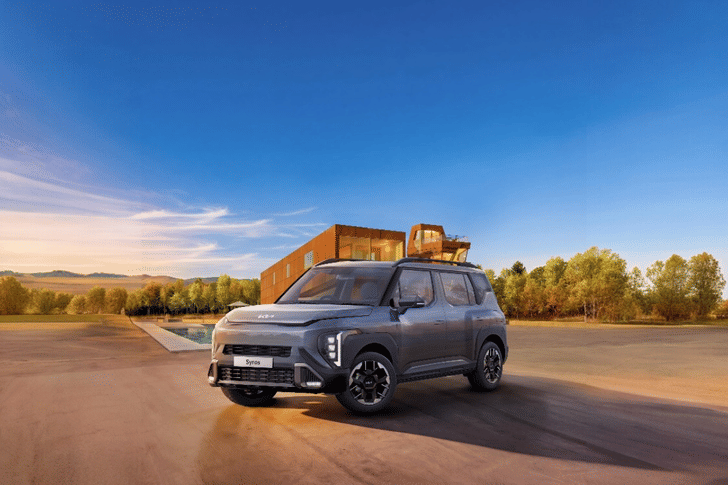
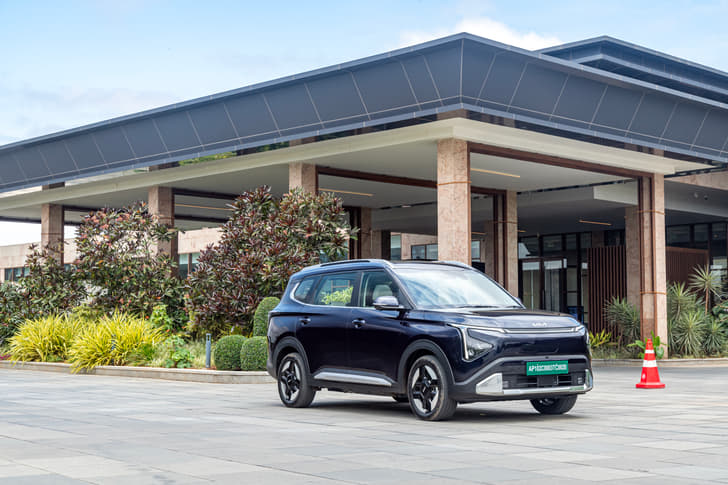
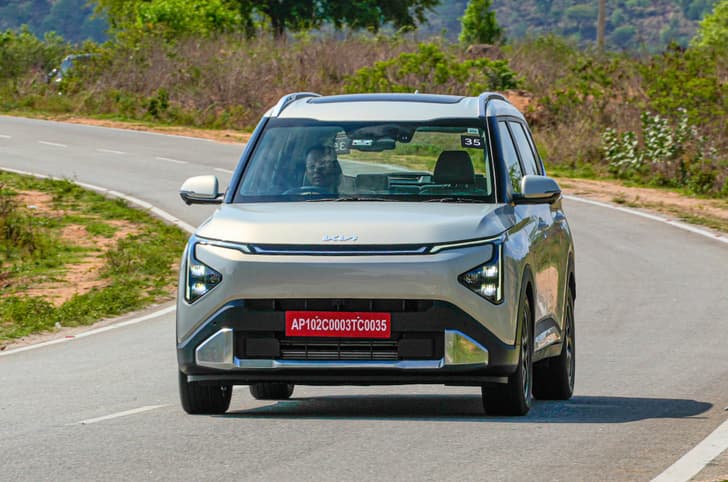
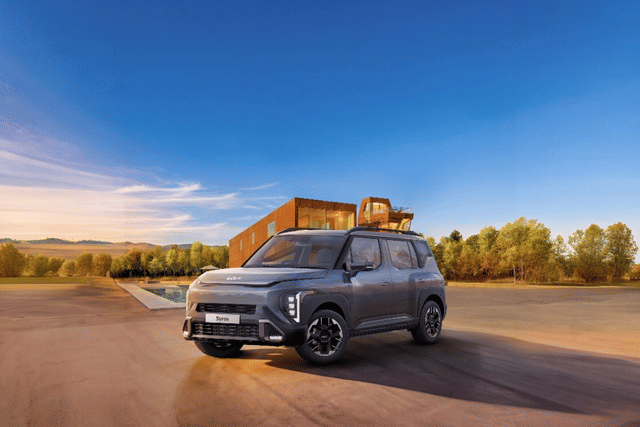
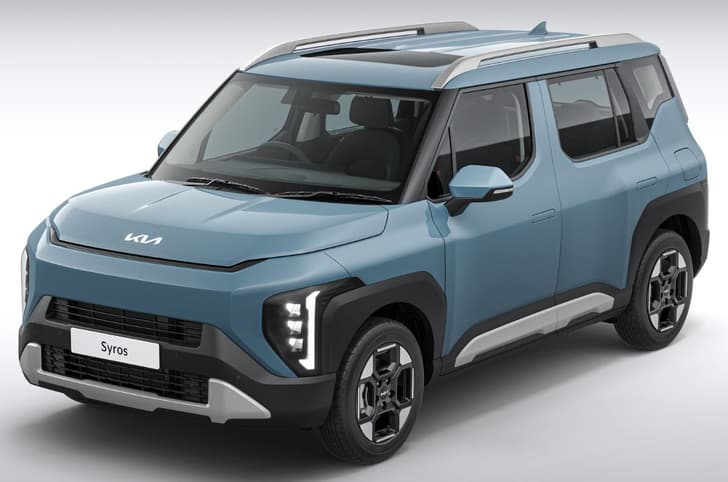
The Kia Syros price in Seraikela-Kharsawan starts at Rs 8.42 lakh for the base variant (Petrol HTE MT) and goes all the way up to Rs 15.82 lakh for the top variant (Diesel HTX(O) AT) ex-showroom. Whereas the Syros on road price in Seraikela-Kharsawan starts from Rs 9.31 lakh to Rs 19.15 lakh.
Kia Syros price in Seraikela-Kharsawan
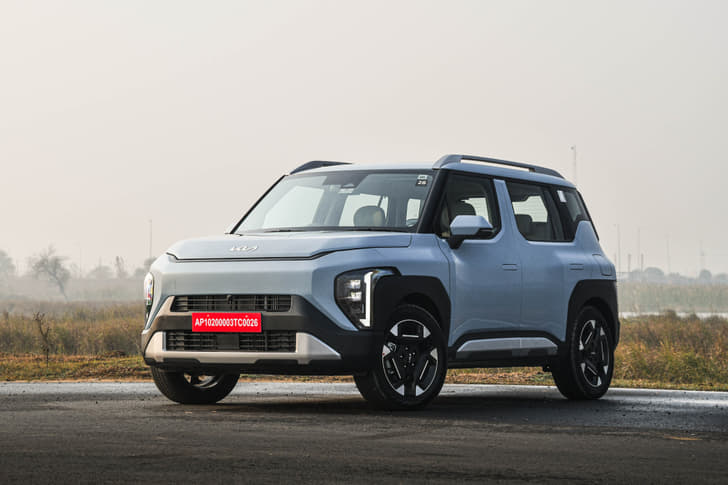
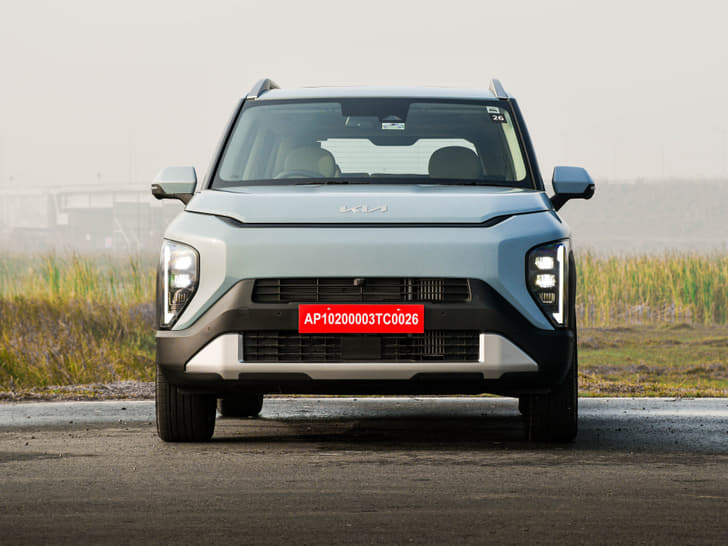
The Kia Syros price in Seraikela-Kharsawan starts at Rs 8.42 lakh for the base variant (Petrol HTE MT) and goes all the way up to Rs 15.82 lakh for the top variant (Diesel HTX(O) AT) ex-showroom. Whereas the Syros on road price in Seraikela-Kharsawan starts from Rs 9.31 lakh to Rs 19.15 lakh.
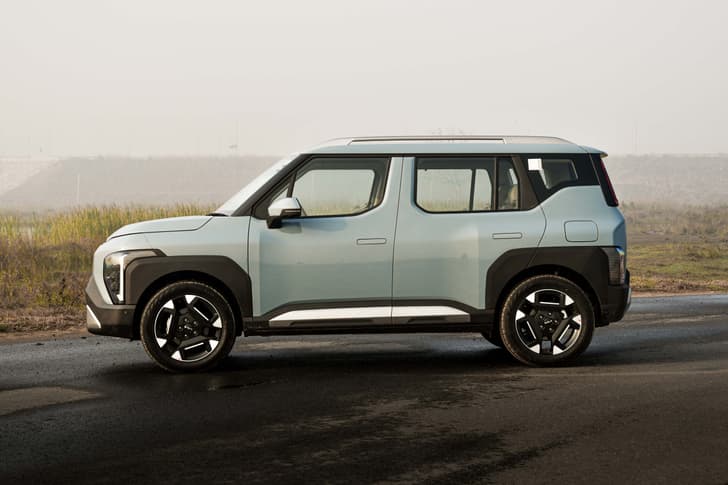
Kia Syros On Road Price by Variants
* Estimated on-road price. Final amount may vary.
Kia Syros User Reviews
Tell us about your experience
Kia Syros Official Brochure
Download the complete brochure with specs, features, and variants.
Calculate your fuel cost for Kia Syros
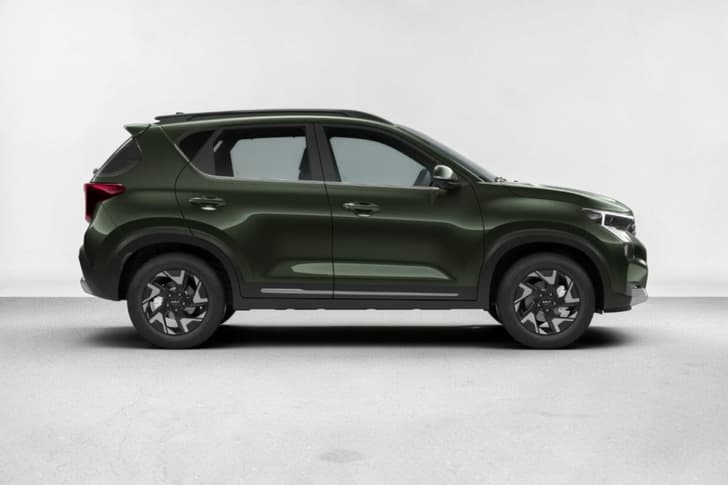
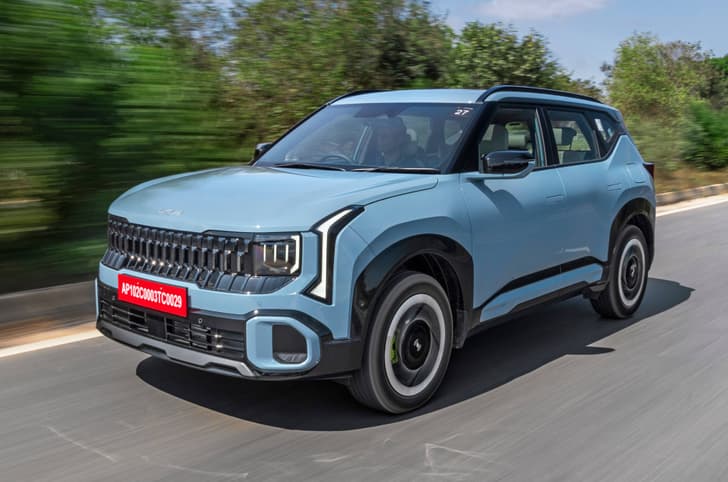
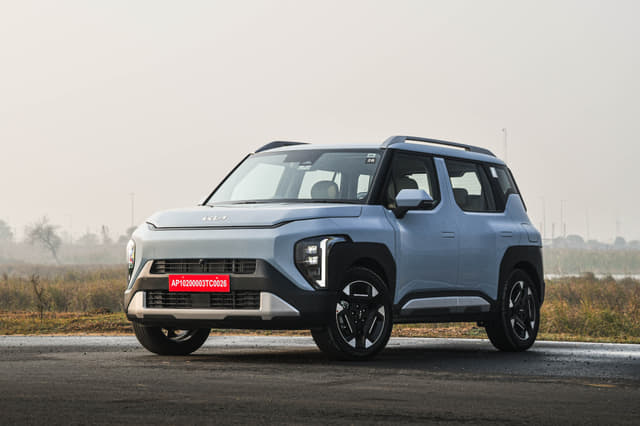
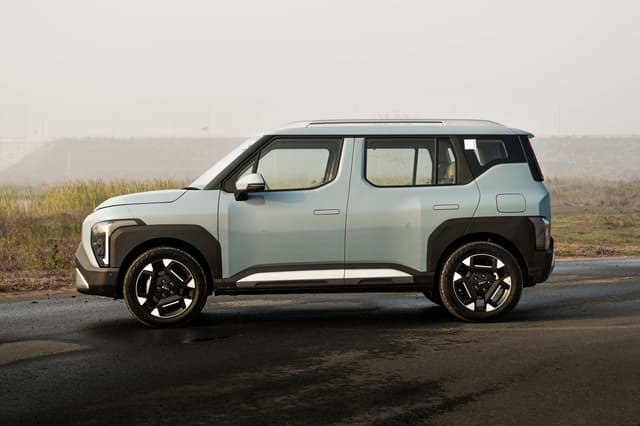
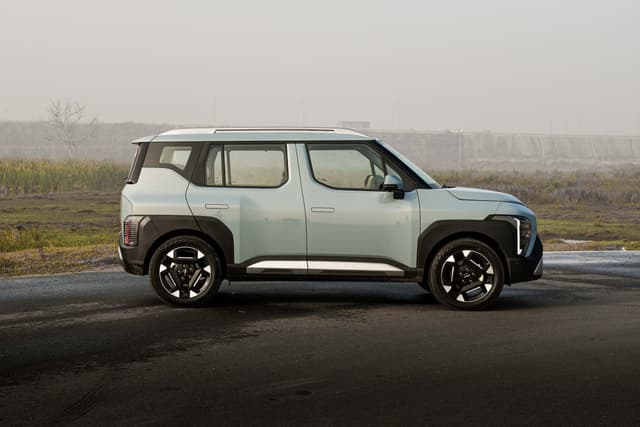
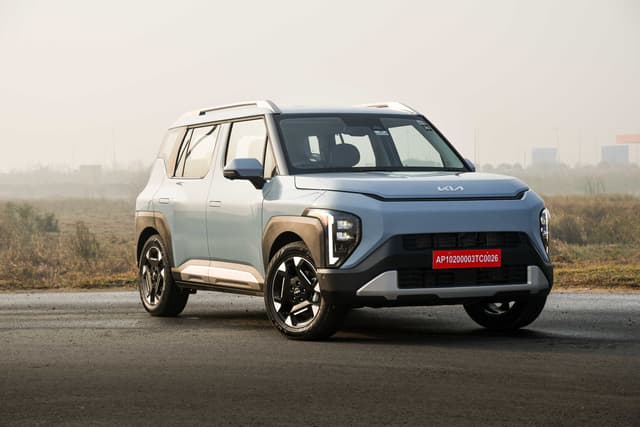
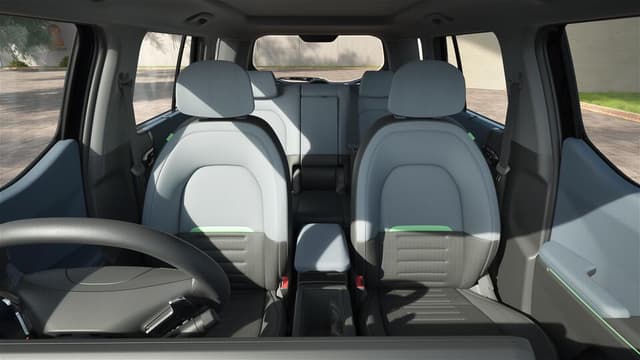
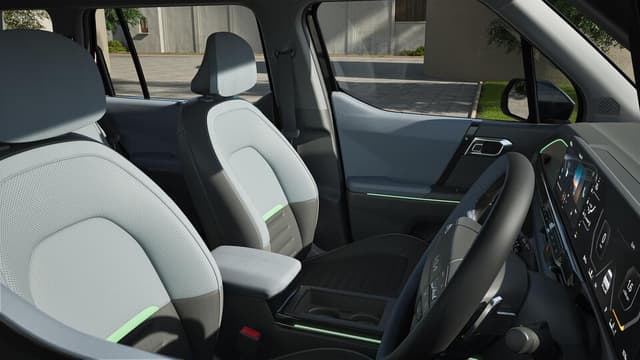
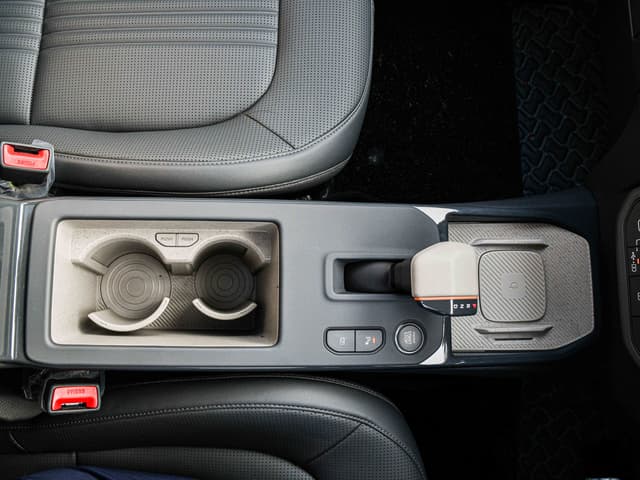
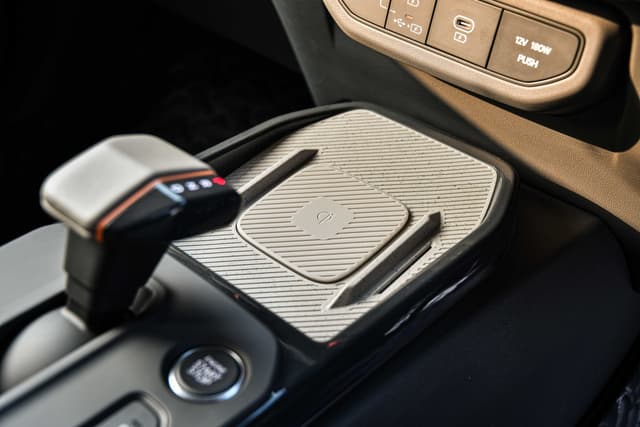
Kia Syros Images
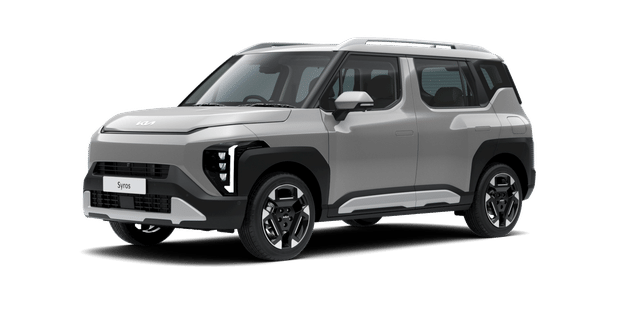
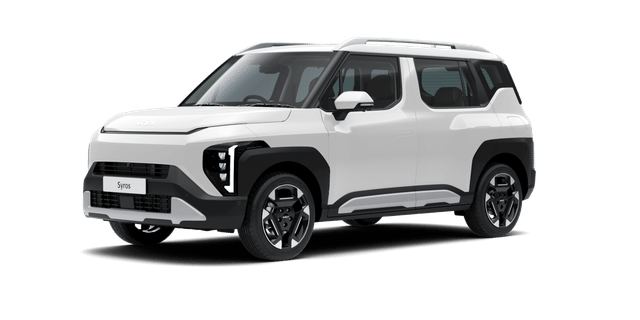
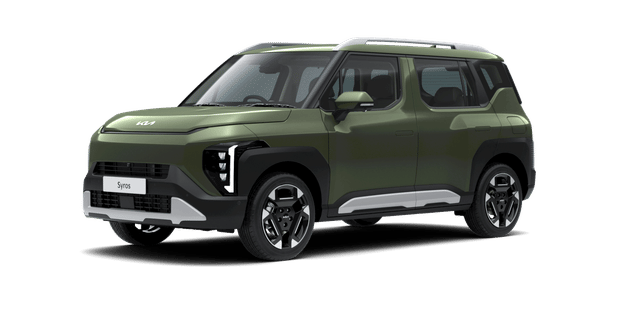
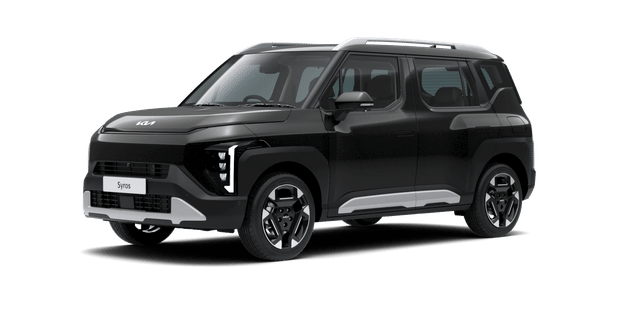
Kia Syros Colours
Kia Syros news
Kia Syros videos


.jpg?w=640&q=75&fm=auto)
Kia Syros FAQs
With a price range of Rs 8.42 lakh to Rs 15.82 lakh, in comparison to other compact SUVs in its class, the Syros is pricier, especially at the top-end.
For the space and features on offer, the Syros feels like a value-for-money proposition.
Questions you may find useful
Planning to upgrade from Alto K10 to an SUV. We are taller(6ft) occupants and need a spacious cabin where 5 people can sit comfortably. Can run 1000km round a month & 80% on highways. My priorities are Safety, Comfort for tall passengers, Basic tech and mainly an automatic vehicle. Confused with the review of 3xo MX2 pro AT, Nexon Diesel, Venue facelift HX5, Kia Syros HTK plus. Budget is around 11-12 lakhs on-road. Kindly suggest.
Go for the Mahindra XUV 3XO, and get the petrol with the 6‑speed automatic. It gives you a roomy back seat, a strong crash rating, and a planted and secure highway ride that suits your 80 percent highway use. The turbo petrol engine is the strongest here, and it's the only one of your shortlist to get a smooth torque-converter automatic gearbox. The only real downside is that the boot is not as big as that of rivals, and fuel economy won't be as good either, but for your largely highway use, the difference won't be so bad.The Hyundai Venue HX5 is fine for four but tight for five on long trips, and while the Kia Syros HTK Plus feels the largest, rear width and thigh support are only average, and its ride quality is quite choppy. Tata Nexon diesel would be lovely on highways and is safe, but the diesel automatic is an AMT, which is nowhere near as smooth as the XUV's torque converter, or even the Hyundai/Kia's DCT.
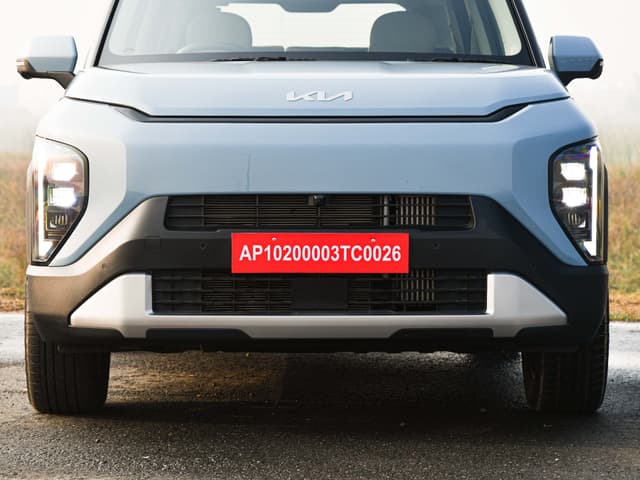
I've placed a booking for the Kia Syros. Is there any potential concern regarding the vertical downward placement of the headlights on the Syros? Are they more susceptible to damage? This will be my daily-use car, and I'll be driving it extensively in the city.
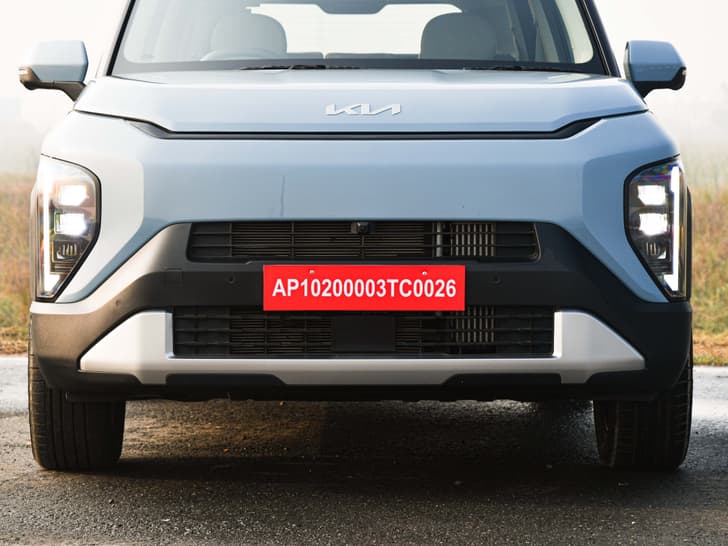
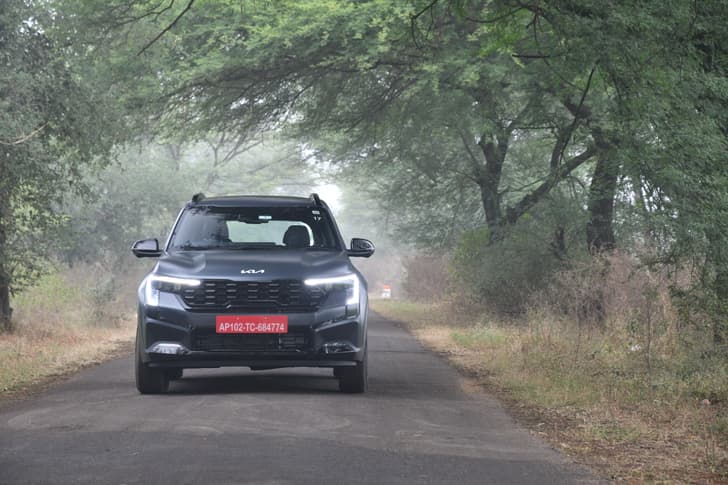
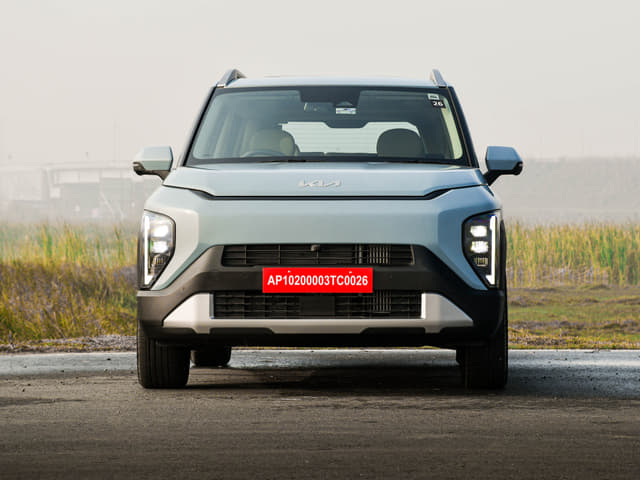
Go ahead with it. The Kia Syros’ low-set vertical headlamps aren’t especially vulnerable in city use. They sit behind a chunky bumper lip and cladding, so in slow nudges, the bumper usually takes the hit first.For daily city driving, the real risk is parking scrapes and two-wheeler footrests brushing past in traffic. Because the lamps are lower, they can pick up cosmetic scuffs sooner than a high-mounted setup. If you do manage a hard knock, LED modules are pricey to replace as a whole unit, so the bill can sting, but that needs a proper impact, not a gentle tap.Simple habits help. Leave a little gap to high kerbs while nose-in parking, avoid squeezing past auto-rickshaw corners, and make the most of the front sensors or camera if your variant has them.
I want to buy a car for my office commute and occasional short road trips around Bangalore. I am considering an EV and am confused between waiting for the Kia Syros EV or going ahead with the Tata Punch EV Facelift. Which option would you recommend?
If you're referring to the Kia Syros EV, it may be worth waiting if you're not in a hurry. Given what we've already seen with the Syros ICE, the Syros EV is expected to offer significantly more cabin space and practicality than the Punch EV. In fact, the Syros is closer to the Nexon in terms of overall size and interior room, so the EV version is likely to appeal to buyers looking for a more spacious family car.The trade-off is that the Syros EV will almost certainly be more expensive than the Punch EV and is expected to be positioned closer to the Nexon EV in terms of battery size, range and pricing.For your usage of office commutes and occasional road trips around Bangalore, the Punch EV facelift is already a very well-rounded product. It is well priced, easy to drive in the city and offers enough range for most use cases.
For a family of three that will soon become four, along with two elderly family members over the age of 60, I am considering the following petrol cars for long-term ownership. This includes Honda Amaze ZX/VX CVT, Honda Elevate V Manual, Kia Syros HTK Plus MT and Maruti Suzuki Fronx Alpha MT. Keeping long-term ownership, comfort, practicality, reliability, and overall ownership experience in mind, which of these would be the best choice for my requirements?
From your shortlist, we would pick the Honda Elevate V manual. For a growing family with two elders, its higher seat, wide door opening and upright rear bench make getting in and out easy, and it has good interior space and a big boot for luggage on trips. The smooth, reliable and strong 1.5 naturally aspirated petrol and manual are proven, and should be relatively hassle free for 8-10 years, and it has good ground clearance too.The next best option is the Syros, whose space efficient design gives it surprising room for a sub-four-metre vehicle. Ingress and egress are good too, which will be helpful for your elder passengers, and the HTK+ variant will get you more features than the Elevate V. However, its engines, while stronger, aren't as smooth or hassle free as the Honda's 1.5, and will cost more in maintenance over time. Plus, its suspension and ride quality are quite firm, which will be bothersome over time.The Fronx and Amaze are excellent vehicles in their own right, but for a family of four, they just don't offer as much space and practicality as the others, and thus we'd skip them. All things considered, the Honda Elevate V MT suits your needs best.
I am currently using a 2016 Ford Aspire Petrol. My budget is up to Rs. 20 lakh, and my annual running is around 7,000 km, mostly in the city. I am extremely confused about whether I should buy a petrol car in 2026, considering the ongoing ethanol-blending developments, or switch to an EV. EVs seem very attractive, but I am unsure about long-term maintenance concerns since the technology is still relatively new, and my usage is quite low. The one factor that works strongly in favour of an EV is that I have a solar power plant at home, so charging would not be an issue and would effectively be free. On the other hand, buying a petrol car would involve a much lower upfront investment. I have received an offer for a 2025 Kia Syros top-end variant at an on-road price of Rs. 14.5 lakh, with features such as ventilated front and rear seats, ADAS, a 360-degree camera, and Harman Kardon speakers. However, I am concerned about owning a petrol car over the next 10-12 years. Please guide me on what would be the better choice.
With your low usage, most of which is in the city, an EV actually makes a lot of sense. With solar panels installed, your daily running costs will literally be zero, and we assume you'll be able to set up a home charger that makes use of this. With fuel prices the way they are at the moment, this will go a long way in offsetting the added upfront cost of an EV. Plus, there are the inherent benefits of an EV like refinement, smoothness and instantaneous response, which is great for traffic. While there are downsides to EVs, hidden maintenance problems aren't one of them. In fact, maintenance is much lower compared to an ICE vehicle, as there are fewer components to repair or replace, and the same goes for fluids and consumables. Things you will need to note: Range will always be on your mind and longer journeys will need planning, should you take them in your EV. In the long run, as the battery deteriorates, you may notice minor losses in power and range; and finally, when the battery reaches the end of its life, which is usually expected to be at least 10 years, the replacement cost is very high, and thus resale value of EVs tends to be quite low. Yes, there's uncertainty about petrol blending at the moment, but at the current standard of E20, all new cars are compatible and safe. The Kia Syros is an excellent car with loads of space and features, and good engines. So if you're getting a good deal and are happy with the car, consider going for it. An EV for the same money will not get you the same amount of space or features.