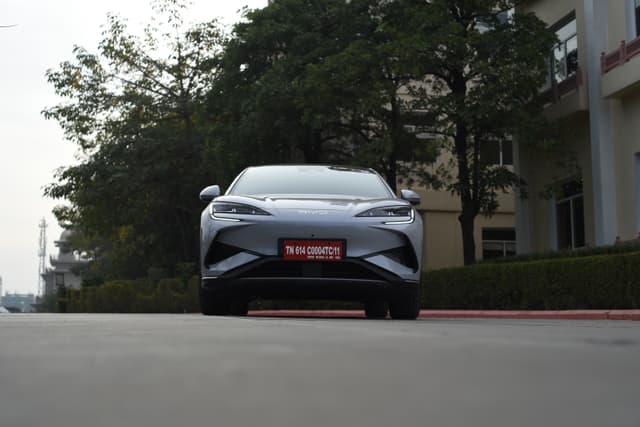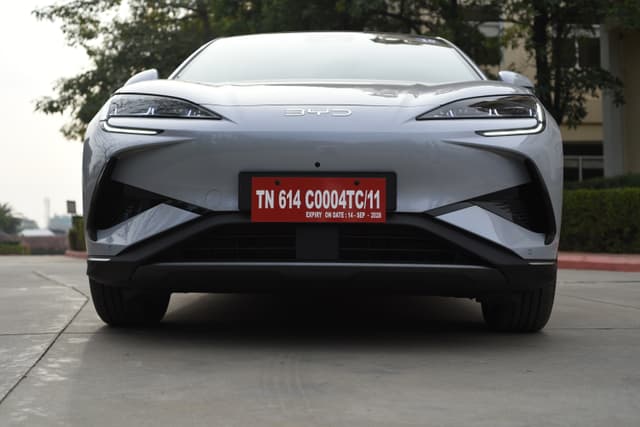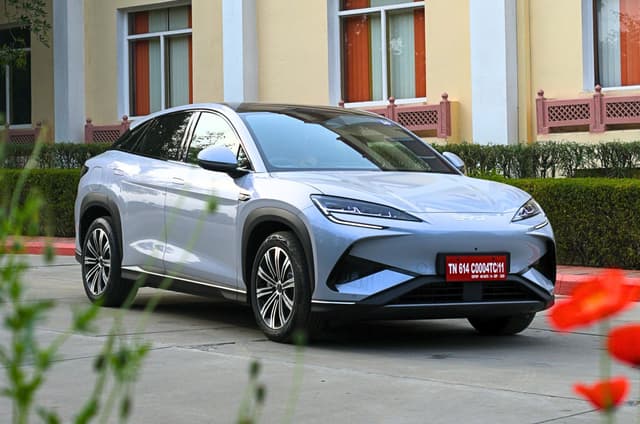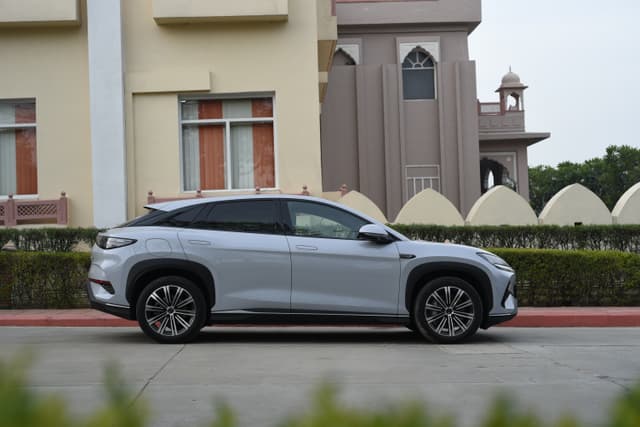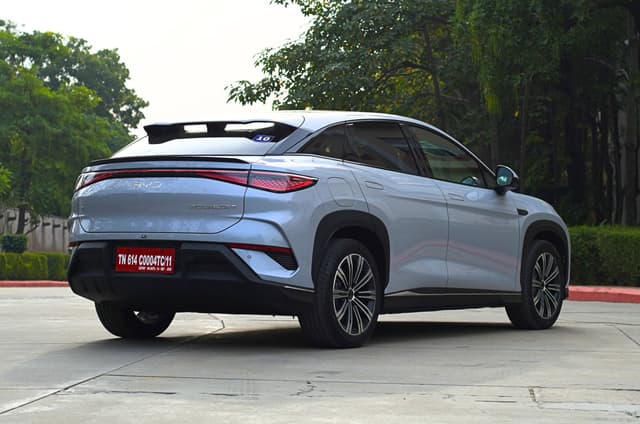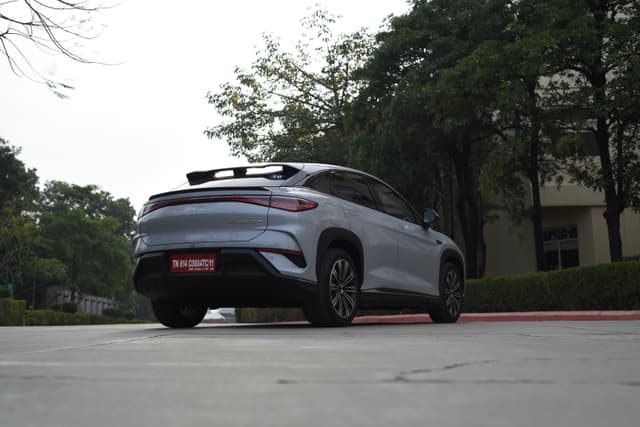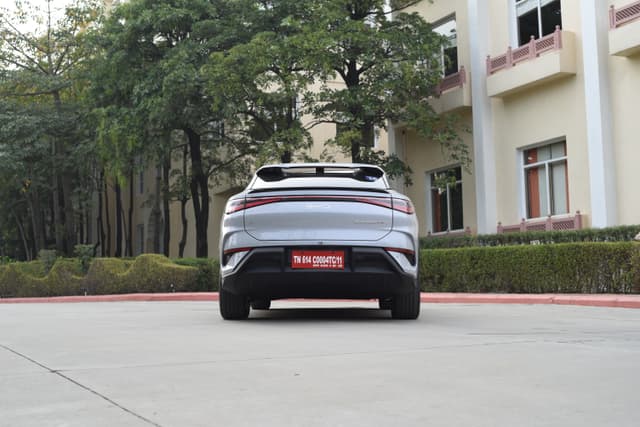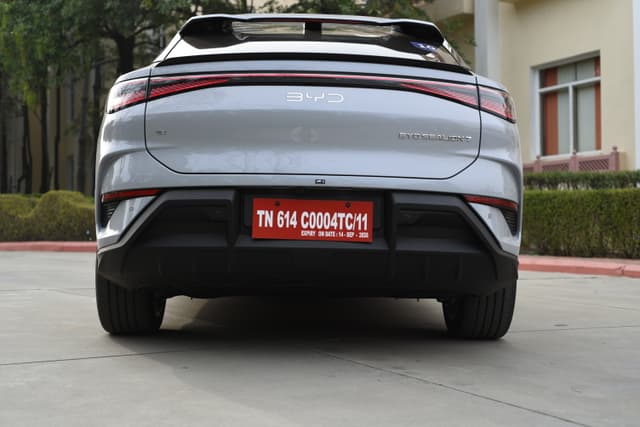
Pps Byd-Currency Nagar
D.No. 48-10-9, NH Feeder Road, Currency Nagar, Vijayawada, Andhra Pradesh 520008
Last Updated on: 02 Jul 2026
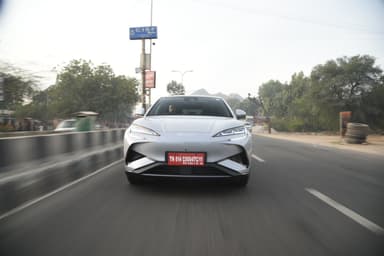
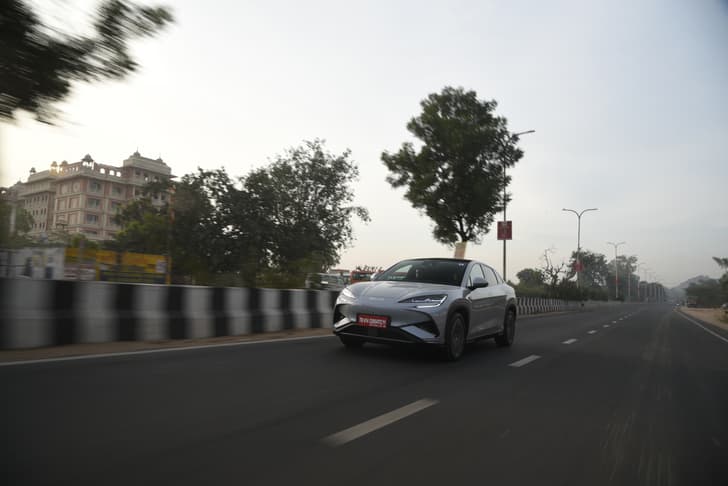
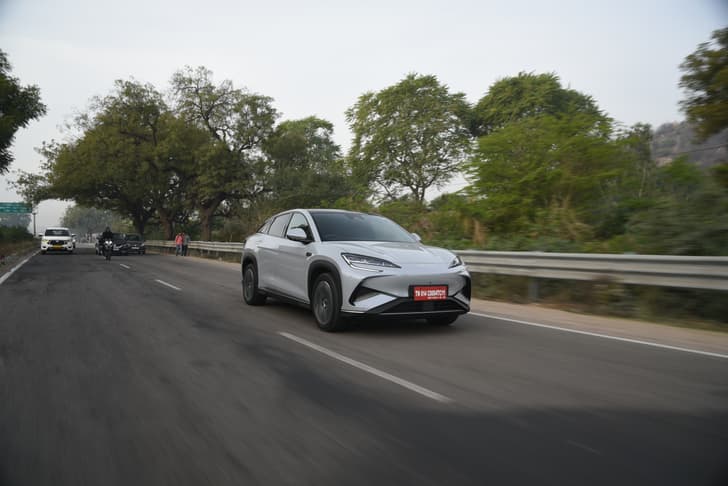
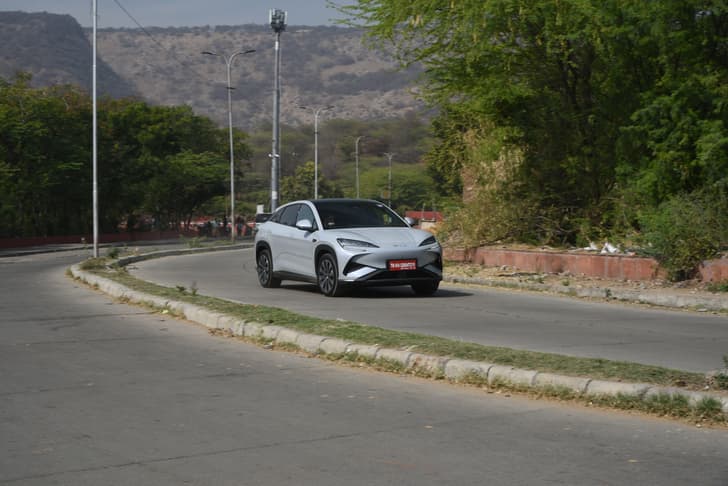
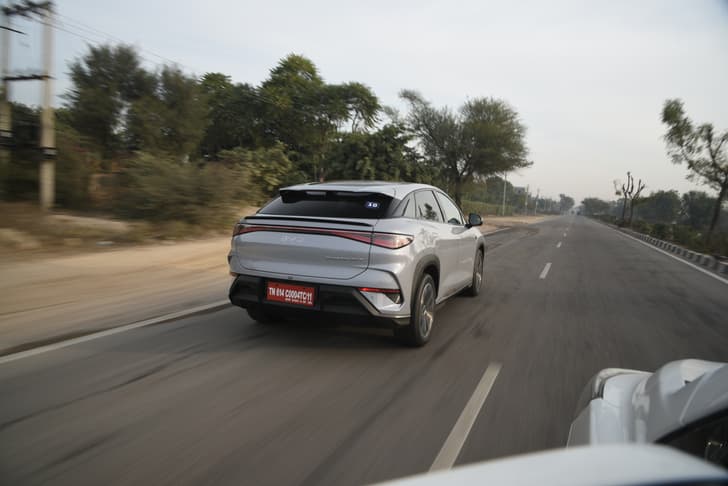
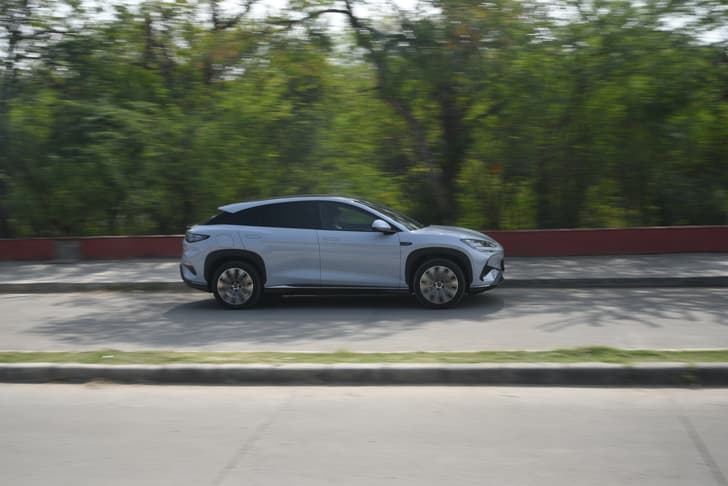
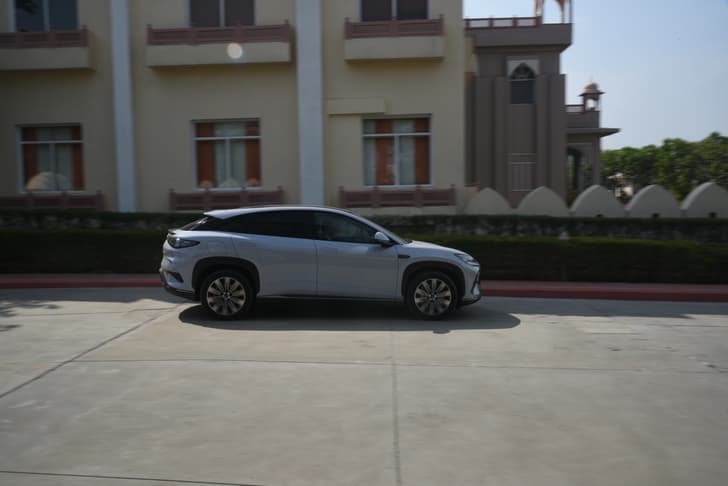
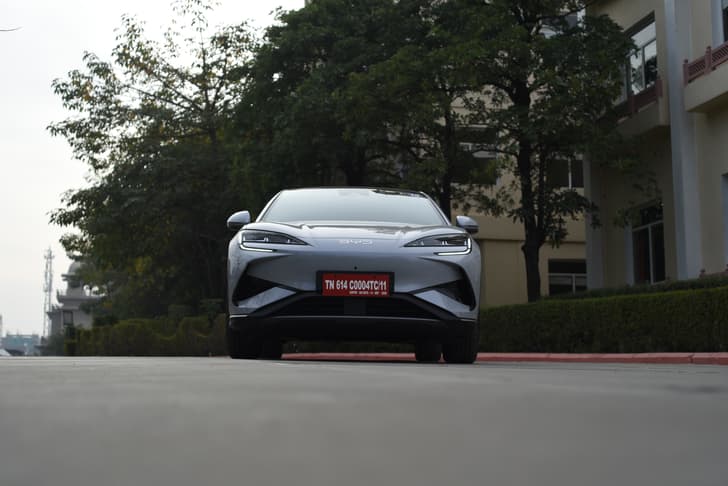
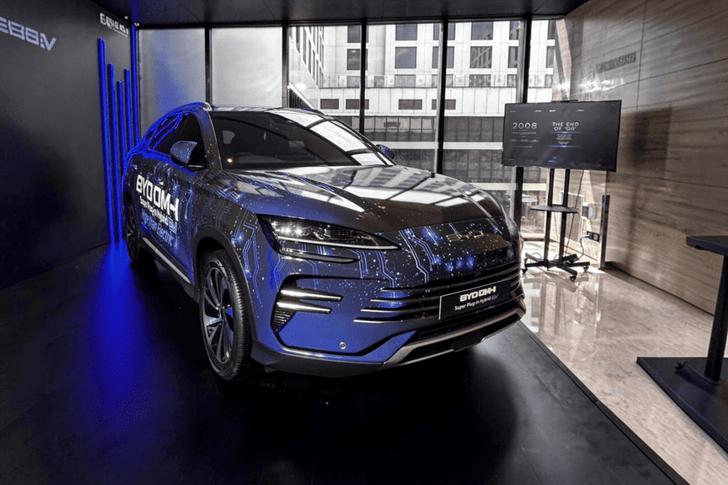
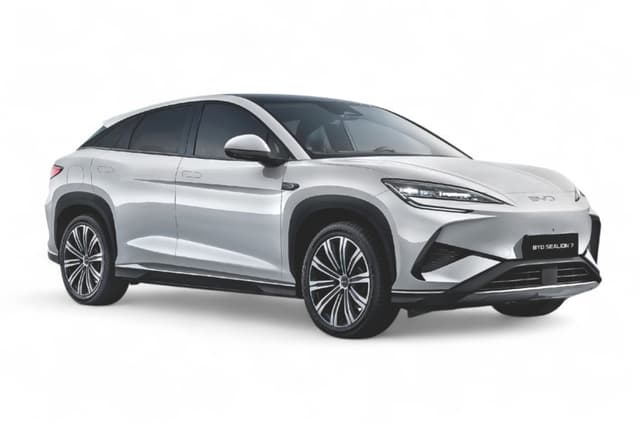
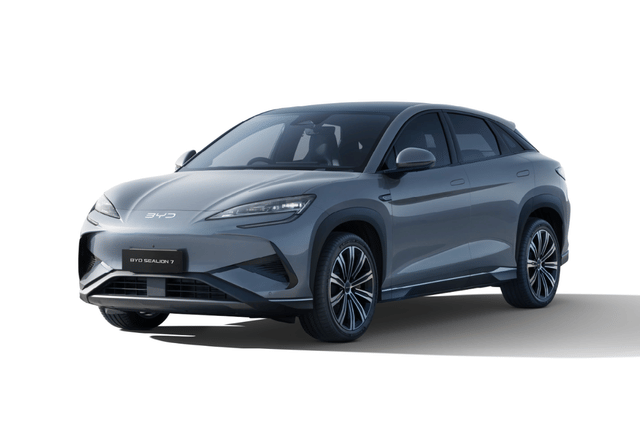
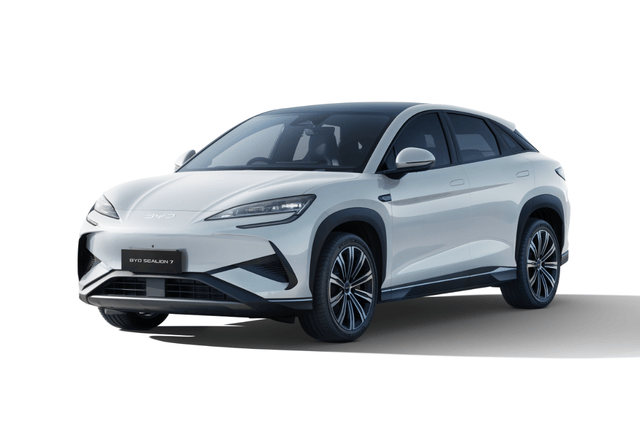
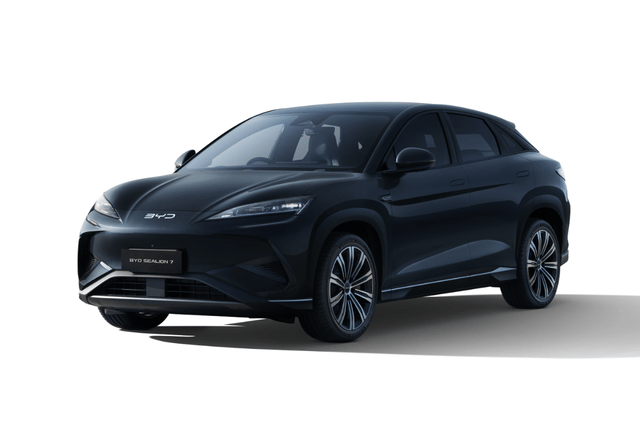
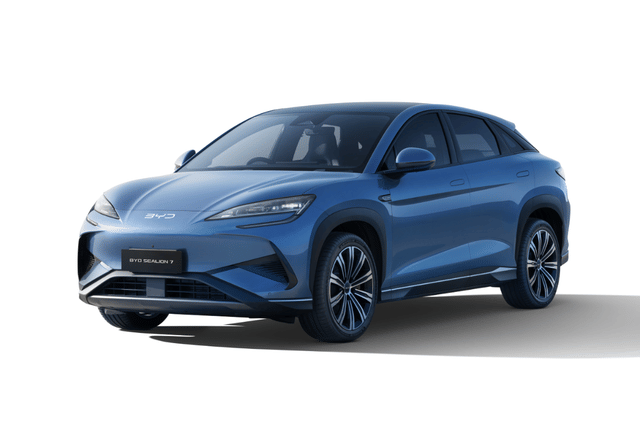
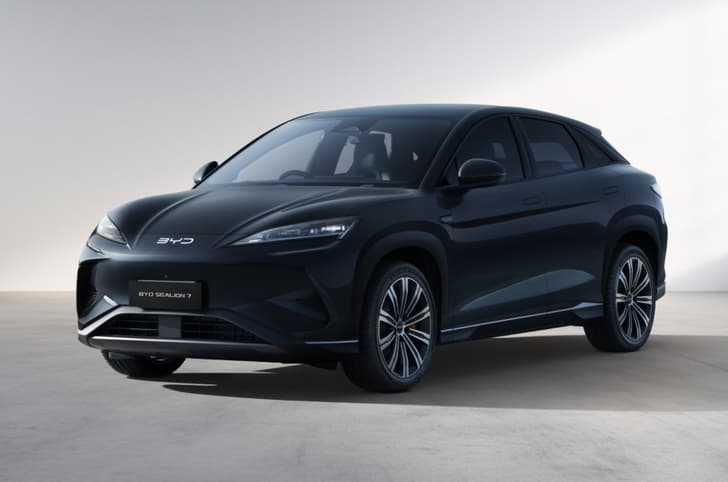
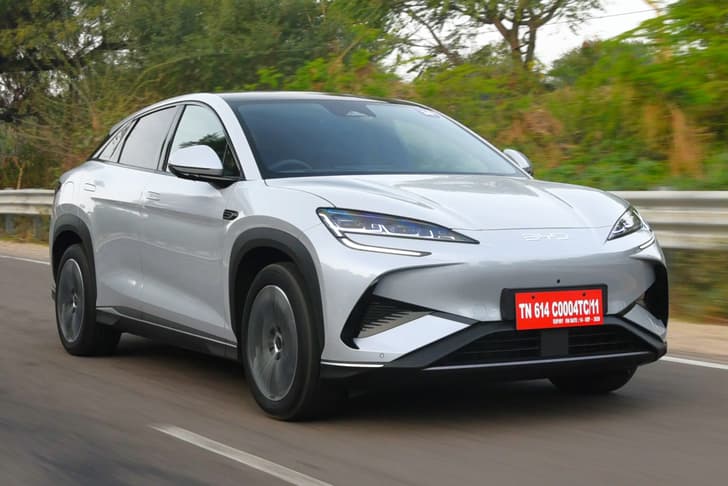
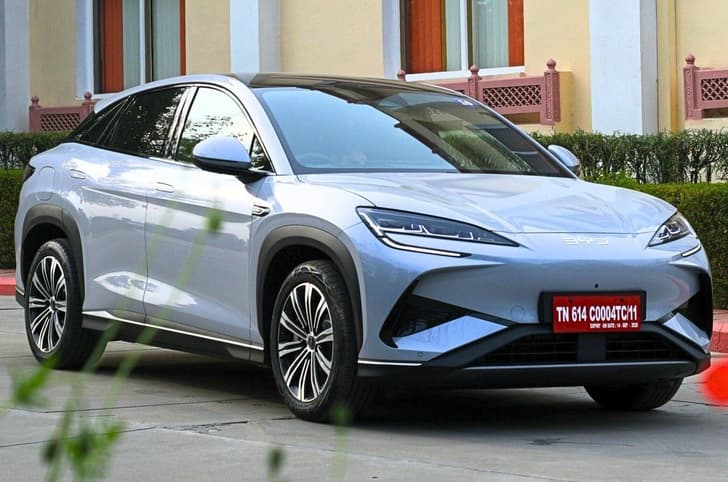
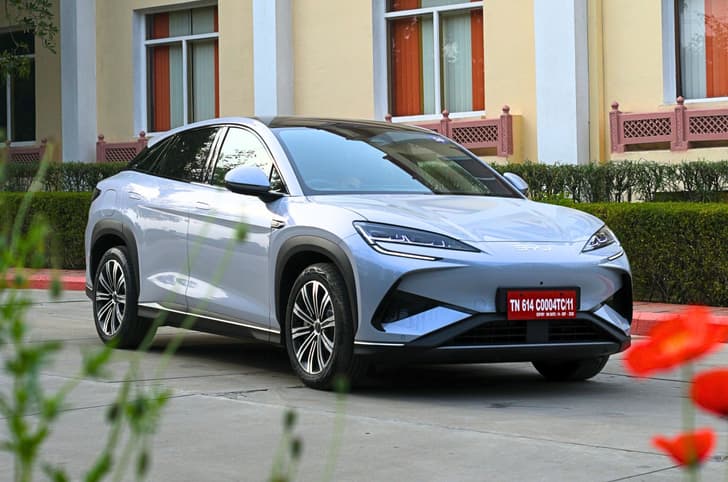
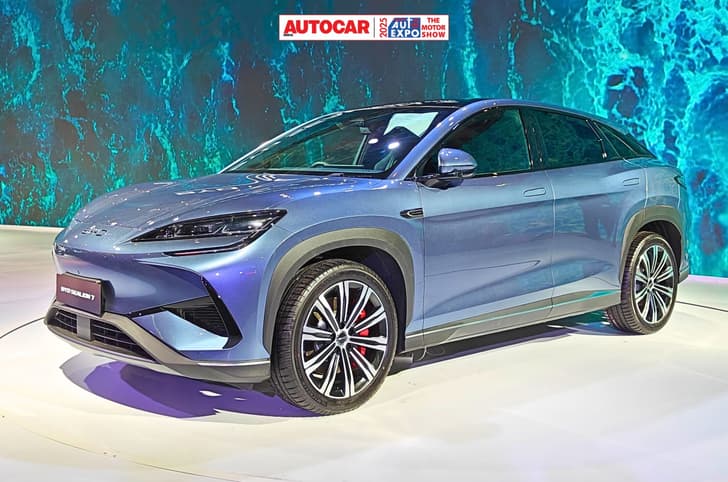
BYD Sealion 7 price in Vijayawada
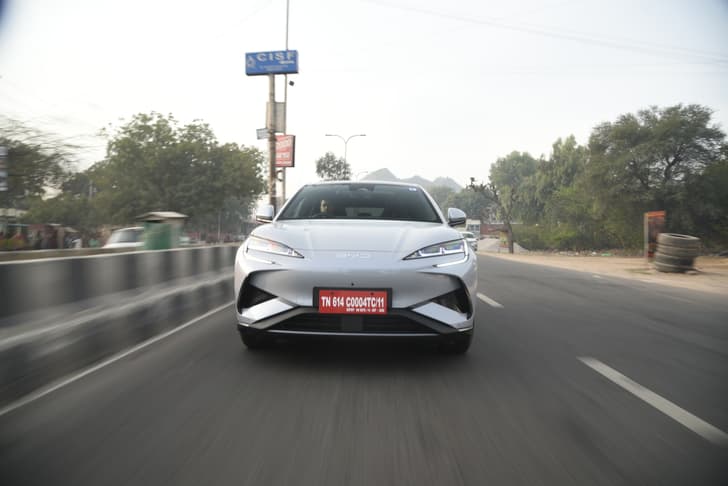
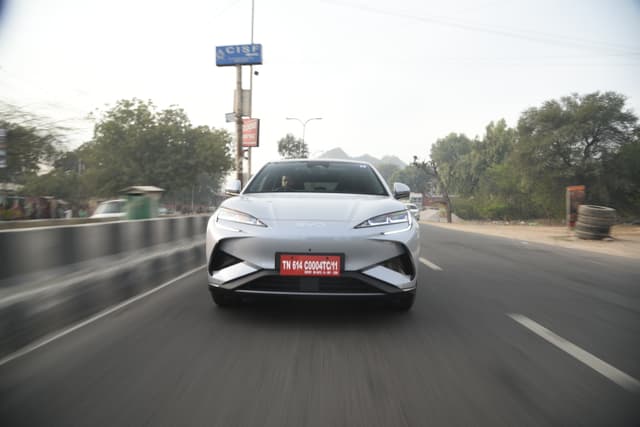
The BYD Sealion 7 price in Vijayawada ranges between Rs 53.15 lakh for the base model to Rs 59.54 lakh for the top variant (including all taxes, RTO fees, and insurance). In comparison, the Sealion 7 ex-showroom price range in Vijayawada is between Rs 49.90 lakh and Rs 55.90 lakh.
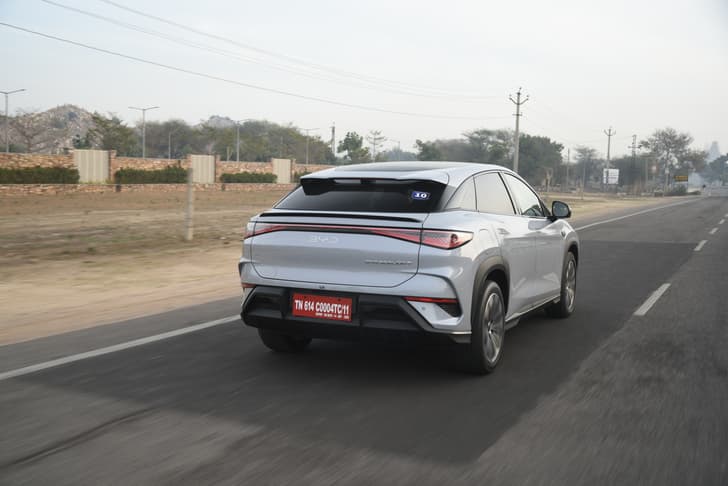
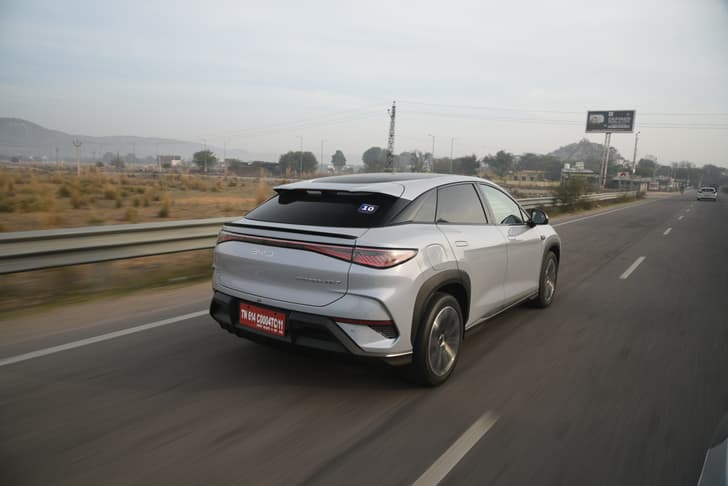
* Estimated on-road price. Final amount may vary.
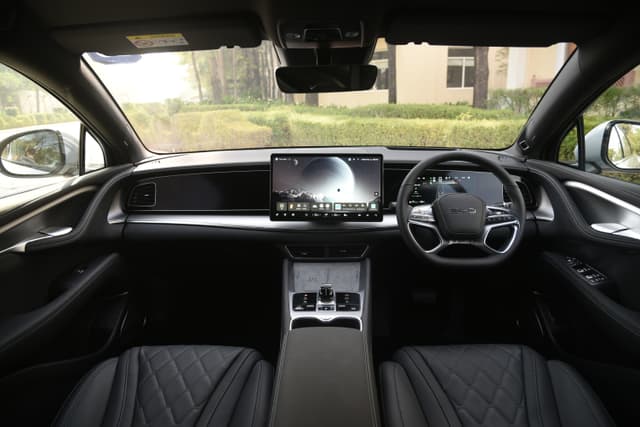
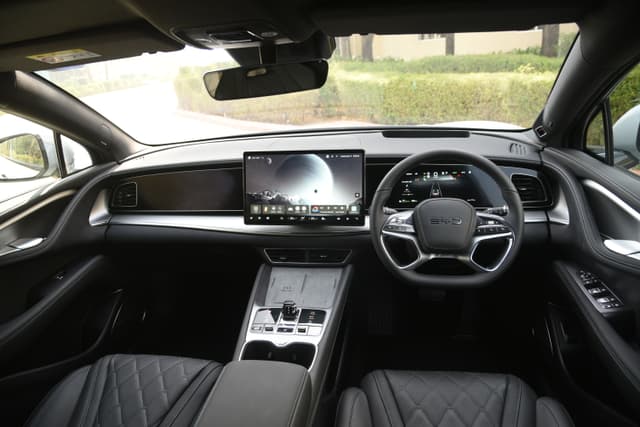
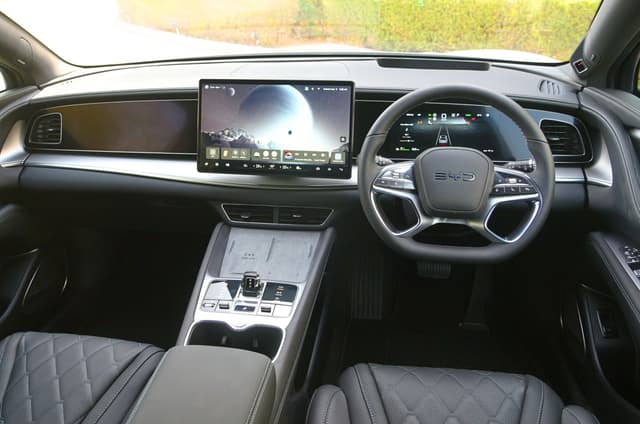
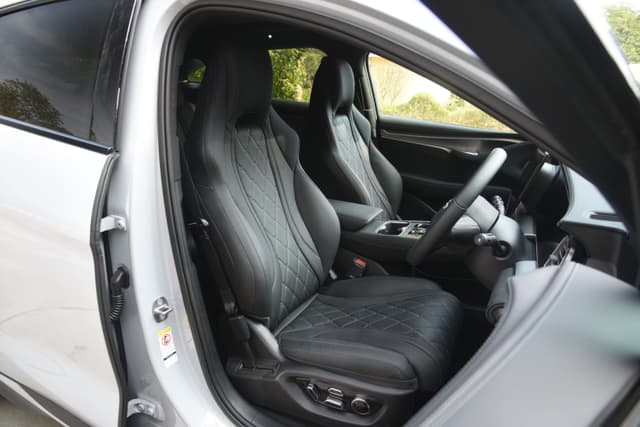
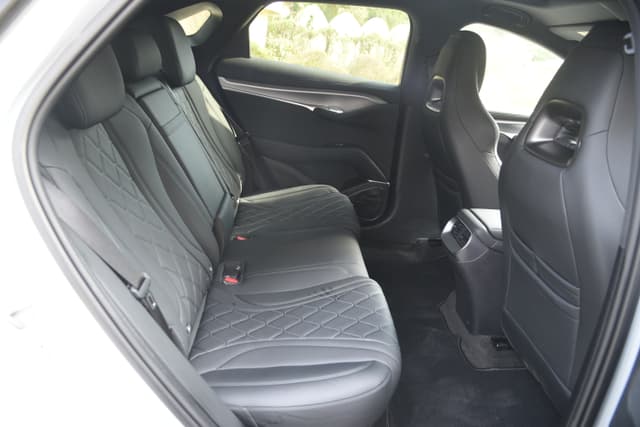
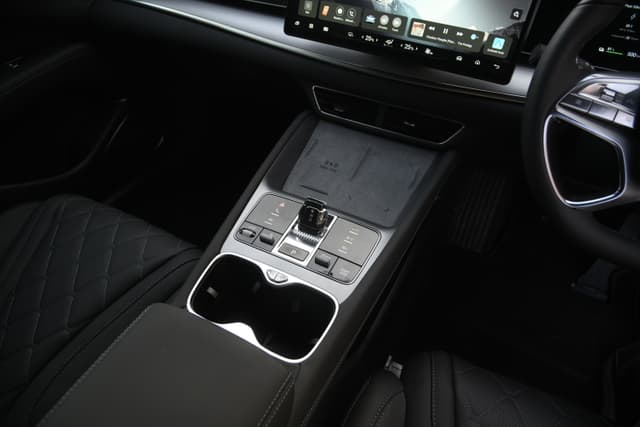
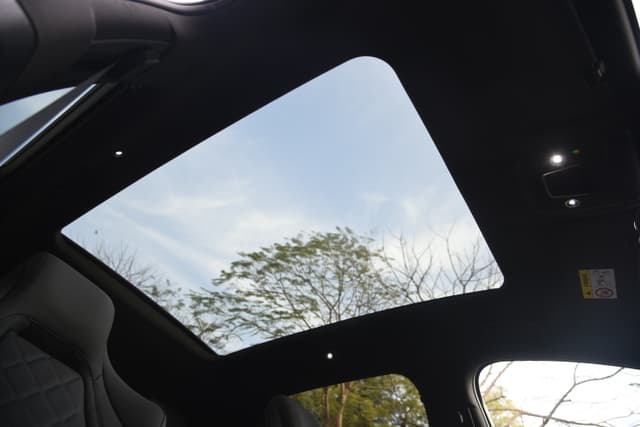
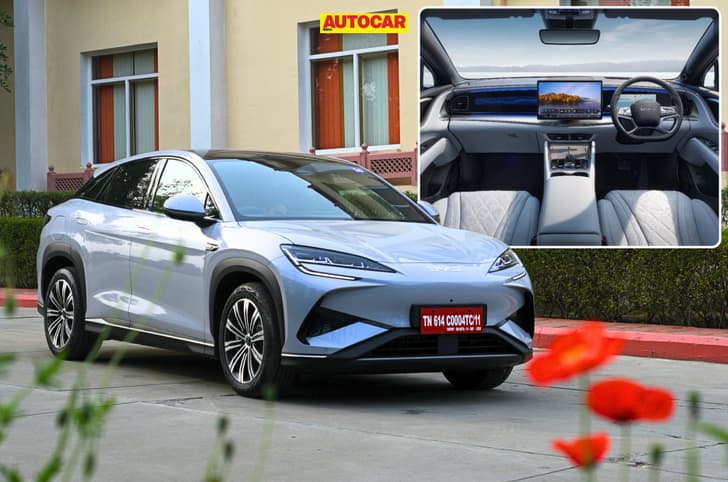
The BYD Sealion 7 is a good choice if you prioritize a more premium cabin, superior ride comfort, and overall interior quality.
As a byd sealion 7 owner, I find it the best EV for the buck. The cabin feels rich and the ride, though a little stiff, is pure joy.
Tell us about your experience
Download the complete brochure with specs, features, and variants.
Planning to buy Sealion 7? Here are a few dealers in Vijayawada
D.No. 48-10-9, NH Feeder Road, Currency Nagar, Vijayawada, Andhra Pradesh 520008
.jpg?w=728&q=75)
The BYD Sealion 7 price in India starts at ₹49.90 lakh and goes up to ₹55.90 lakh, ex-showroom.
The base-spec Premium BYD Sealion 7 price is ₹49.90 lakh, ex-showroom.
The base-spec Premium BYD Sealion 7 on road price in Vijayawada is ₹53.15 lakh.
The Premium BYD Sealion 7 price is ₹49.90 lakh, ex-showroom.
The Premium BYD Sealion 7 on road price in Vijayawada is ₹53.15 lakh.
The top-spec Performance BYD Sealion 7 price is ₹55.90 lakh, ex-showroom.
The top-spec Performance BYD Sealion 7 on road price in Vijayawada is ₹59.54 lakh.
user_kprvso1g
Hi Autocar team, My name is Surya, and I am from Hyderabad. I am looking to buy a luxury EV (around 55-65 lakhs budget), and my choices are BMW iX1, Tesla YL and Mercedes CLA. Which car has a better driving experience on Indian roads? I am a little concerned about ground clearance issues with Tesla YL and CLA, while range issues with BMW ix1. I am unable to decide which car to finalise. Also, what's the battery degradation of these cars year over year? FYI, we are a family of 4 people (2 adults and children, 13 and 16 years old) and mostly used for city drives and to travel to our hometown, 350 kms away from Hyderabad. Thanks in advance!

autocar.india
Of your shortlisted options, the Tesla Model Y L seems like the best bet. The Mercedes CLA will require some care over speed breakers, especially on your long drives to your hometown, but the Tesla Model Y L is not as bad. Its wheelbase is long, but it has sufficient ground clearance and can clear most bumps. It also has the most practical cabin of the three, with a third row in case you have more passengers that can be folded away to reveal immense luggage space. It's also packed with tech that will keep the kids occupied, and once you get used to the lack of buttons, it makes for a great overall driving experience. The iX1's range is very good and should serve your needs just fine, but yes, it's not as good as the other two. Another car you should consider is the BYD Sealion 7, which is a great mix of style, functionality, range and luxury. However, overall, we feel the Tesla Model Y L suits you best.
prakash.22
Which would be the better choice among the BYD Sealion 7, Mahindra XEV 9e, and Vinfast VF7? I currently own a Skoda Superb, which is 6 years old, and my ownership experience has been good so far. However, I am considering switching to an EV as a replacement, mainly because I am concerned about potential mechatronics-related repairs and higher maintenance costs as the car ages, even though I have not faced any issues yet. My heart says the BYD Sealion 7 would be the ideal replacement or upgrade for the Superb because of its build quality, premium cabin, and overall feel. However, my mind wonders whether it truly offers good value for money considering its premium price tag, although budget is not a major constraint for me. My daily driving is around 20-30 km, mostly within the city, with only occasional outstation trips. Considering my usage pattern and expectations, which of these EVs would you recommend?

autocar.india
Pick the BYD Sealion 7. It comes closest to your Superb in the way it feels inside and the calm, premium way it goes down the road, and BYD’s EV tech is well proven here. For 20-30km city usage it is smooth, very efficient, and the cabin quality, quietness and ride will feel like a real upgrade that's on par with luxury cars in the same price range.The Mahindra XEV 9e and Vinfast VF7 do sound like good value with the amount of performance and features they offer, but they both belong a size and segment down on the BYD, and that's reflected in the price too. Plus, though feature laden, their cabins will not give you the same plushness you enjoyed in your Skoda Superb. One catch with the Sealion 7 is BYD’s smaller network as compared to Mahindra. But with budget not being a big worry and your usage being mostly in the city, the peace-of-mind of mature EV hardware and genuine upmarket feel makes the BYD the right call for you. Charge at home and you will need to top up just once every few days.
Isaac Paul Parisapogu
My previous vehicle was a Lexus ES350, and I started driving on a WWII Willys Jeep. My ideal budget is around Rs. 30 lakh, although I can stretch it slightly if required. My monthly running will be approximately 250 km, primarily in Bangalore city, along with one 500 km trip every four months. The car will usually be used by three to four people and will be chauffeur-driven most of the time. My priorities are safety, ride comfort, air-conditioning performance, and low NVH levels. However, my primary requirement is legroom. Please advise on the best option for my needs.

autocar.india
Buy the Toyota Innova HyCross Hybrid with captain seats. For chauffeur-driven usage in Bengaluru where rear legroom is king, nothing near this price gives you more usable space. The second row slides a long way, the chairs are high and supportive, and in the ZX (O) you even get the recliner with leg rest, which should feel close to your old Lexus for back-seat comfort.City use is where the hybrid shines - it glides off the line silently, rides gently over bad roads, and the cabin stays calm in traffic. The AC is powerful with roof vents for the rear, so three to four people stay cool without fuss. Safety kit is strong with multiple airbags and stability control, and higher trims add driver assists that help on longer runs.One thing to know: the ZX(O) stretches the budget in Bengaluru. If you'd like to consider an EV instead, check out the BYD Sealion 7. It too comes with a captain seat second row option, and has one of the smoothest EV powertrains for the money. But it's not quite as spacious as the HyCross, and of course the associate EV drawbacks are there, especially range on your occasional long-distance trip.
Nikhil Tibrewal
Hi, I currently own a Jeep Meridian and a BMW 330Li. I’m looking to trade in my BMW 330Li for a better car. The problem with the current 330Li is extremely poor ingress and egress, no ventilated seats and no 360-degree camera. My budget is 85 OTR Delhi. My current usage is a 50 km office drive three times a week and a quarter-yearly outstation trip with less than 400 km one way. Since I love driving and am the sole driver in my family, I don’t need a chauffeur. I’ve owned the Jeep for four years and driven it over 40,000 km. I’ve owned the BMW for two years and driven less than 10,000 km. I’ve seen a few options, including the Volvo XC90, BMW X3 30i, BMW 5 Series, Mercedes E200, BYD Sealion 7 and felt that the 5 Series fits best. Please suggest the best way to proceed, or if there are other options that I have missed. I’ve considered selling the Jeep as well and getting two new cars. I’m looking for expert advice.

autocar.india
You're right, the BMW 5 Series LWB is probably your best bet. For a self-driven upgrade, it delivers the best mix of performance, driving feel, luxury and long-distance comfort. The hip point is noticeably higher, and the doors open wider than your 330Li, so getting in and out is easier, and the ride is comfy over broken Delhi roads while still feeling stable out on the highway. It also has the features you're looking for, including ventilated seats.Downsides are that it is a significantly larger car and not as exciting to drive as your 330Li, and since you enjoy driving, that might feel like a step backwards. Also, while ingress and egress are better than the 3 Series, it's still a low-slung sedan, so try it out, and if it's a bother, the BMW X3 30 might suit you better. Same engine, even more features, and almost as much fun to drive. The Sealion 7 is an excellent EV alternative, but it won't be as nice to drive as the BMWs, and though a 400km trip is manageable on a single charge, range anxiety will always hang over the journey.If you're happy with the Jeep, hold on to it for a while. Diesel cars are becoming rarer these days, and you've already taken the depreciation hit, so you might as well enjoy it as long as you can.
Arjun KR
I’m keenly looking forward to the new GLC EV 2026. Just wanted to know if it will be available in a non-EV version as well, and what would be the approximate on-road price when it launches?

autocar.india
The Mercedes-Benz GLC EV will only be launched in India in 2027, and its ICE counterpart is expected to follow after that - perhaps in late 2027. The ICE version is expected to resemble the new GLC EV on the outside and inside, featuring new details like the illuminated grille, 3-pointed star DRLs in the headlamps and tail-lamps, and the 39-inch Hyperscreen display on the dashboard. However, while the GLC EV is newly developed on a pure-electric skateboard platform, the ICE version is expected to be a heavy facelift of the current model, built on the same platform and using the same petrol and diesel engines. With all the updates, however, expect the price to go up, and while we can't say for sure as it's a long way off, it could go up to about Rs 95 lakh, on road, in some cities. If that is too much of a jump, and too much of a wait, the current GLC remains an excellent choice, with strong engines, great comfort and a well-appointed cabin. And if you're interested in an EV but don't want to wait until the GLC EV is launched, consider the BYD Sealion 7 or Tesla Model Y L.
Gaurav Goel
I am planning to buy my first EV, but I am confused between the BMW iX1 and BYD Sealion 7. Can you suggest which car is better in terms of comfort and technology?

autocar.india
The BMW iX1 is a solid luxury EV and does exactly what you would expect from the brand. It offers a premium cabin, good rear seat space and a polished ownership experience. But as an EV package, it feels more conservative and less exciting than the BYD.The Sealion 7 feels like the more ambitious product. The cabin technology is richer, the battery pack is significantly larger, the range is stronger, and overall, it feels like a more modern and more complete EV. In terms of sheer EV sophistication, it has the edge.On comfort, it depends on what you value. The BMW has the softer, more traditional luxury car ride, especially at lower speeds. The BYD feels more spacious and more special inside, but the ride is firmer over sharper bumps.
PJ
I am in a rather peculiar situation and genuinely need advice on how to move forward while keeping the right perspective. To give some background, I owned a used BMW 523i for four years and absolutely loved the experience. I eventually sold it because I moved back to Mumbai and only had access to open parking. By then, the car had also completed nearly 10 years in total. Over the last five and a half years, I have changed cars multiple times: Tata Nexon EV Prime (bought for ₹19 lakh, sold for ₹13 lakh) Upgraded to Nexon EV Max within 1.5 years (₹19.5 lakh, sold for ₹13.5 lakh) Upgraded again to MG ZS EV after 1.3 years (₹22 lakh, sold for ₹16 lakh) Finally bought a Skoda Kushaq top-end in September 2025 for ₹20.2 lakh through a good deal I do like the Kushaq, but now it feels slightly small after a new addition to the family (my baby), and my family also finds the rear seat less comfortable. At the same time, I still feel internally unsatisfied. It is not the badge value I miss, but rather the unmatched sense of satisfaction, thoughtful design, premium feel, and driving experience that I experienced with the BMW 523i and generally associate with luxury cars. I miss that feeling quite a lot. Luxury cars are beyond my ideal budget, but I could stretch financially with some sacrifices. I am seriously considering options like the BMW iX1 LWB, Mercedes-Benz CLA EV, or the Hyundai Ioniq 5 with the 84kWh battery. I feel I could manage the loan over seven years, and if I make this purchase, I would ideally want to keep the car for at least 10–15 years. At the same time, I worry about EV resale values in the long term, although luxury EVs seem to hold value slightly better than mainstream EVs. Given my situation, do you think moving into a premium EV makes practical and emotional sense, or should I hold on to the Kushaq for longer? I would really appreciate an honest perspective.

autocar.india
If you're looking to spend around Rs 53-57 lakh (on-road, Mumbai) for an EV, you have a lot of options - BYD Seal, BYD Sealion 7, Hyundai Ioniq 5, BMW iX1, Kia EV6, Mini Countryman, Mercedes CLA, Volvo C40 Recharge and Tesla Model Y.The BYD Sealion 7 is among the more affordable options here - it feels like a flagship product, with a richly appointed interior, and a solid, satisfying drive experience. The BMW iX1 gets its fundamentals right and will come closest to the BMW 523i's experience, as far as interior quality, sound insulation, and refinement go, although performance isn't its strong suit. For strong performance, a laundry list of features, and a larger and more spacious interior, consider the Kia EV6. Sure, on paper it is much more expensive; however, Kia dealers are offering mouth-watering discounts. Also, the AWD version's price is lower than the recently launched RWD Hyundai Ioniq 5.As far as resale value goes, EVs across the board don't hold strong residual values compared to their ICE counterparts, irrespective of the badge they wear or the segment they belong.
Ashish sachdeva
I am planning to buy an EV in the ₹50-60 lakh price range. My key requirements are around 500 km range, along with good space, comfort, and overall refinement. I have shortlisted the Tesla Model Y L and the BYD Sealion 7. Which of these would make more sense for my needs?

autocar.india
While both your shortlisted EVs are excellent in their own right, they do have their shortcomings. The Tesla Model Y L is priced at Rs 62 lakh (ex-showroom), putting it outside your budget, and though it has an impressive WLTP range, it has yet to be proven in the real world. Similarly, though the BYD Sealion 7 represents excellent value for money, its real-world range is far removed from its official figure, and in our real-world test, the dual-motor version managed around 370km on a full charge. Of the two, we'd recommend the Sealion 7, which offers better value overall than the Tesla. However, another EV you should consider in your price range is the recently unveiled Hyundai Ioniq 5 facelift. The original model came the closest to delivering a real-world 500km range in our tests, and this new one, with its larger 84kWh battery, should easily cross that figure. Hyundai's EV powertrains are among the most efficient around, and the Ioniq 5 is as well-appointed and equipped, spacious and comfortable as the best out there.
T Tejas
Hi, I'm planning to buy my first luxury car, preferably an SUV. We are a family of 4 adults and 1 child. My daily run is approx 30 kms, mainly within the city and then occasionally, once a month, a highway run. Total monthly running is around 1000 kms. My budget is between 50-60 lacs. I'm currently confused between BMW iX1 LWB, BYD sealion, Toyota Fortuner and newly launched Tesla model Y L (least likely due to concerns of resale value of Tesla 5 years down the line and uncertainty regarding import duties). I can also consider waiting for the upcoming BMW iX3 and Mercedes GLC EV. Will it be worth the wait of almost another 10-12 months, yes I'm aware of the fact that I'll have to stretch my budget a little bit for these two. Kindly advise. Thanks a lot

autocar.india
The BMW iX1 LWB is the strongest value-for-money package here, priced at Rs. 53-54 lakh. It gives you a solid luxury badge, a spacious and practical cabin, good tech and features, and an enjoyable driving experience at a very competitive price for what it offers.The BYD Sealion 7 also delivers a very premium experience and, if anything, feels a touch more luxurious inside than the iX1, with strong performance and range. However, it still cannot match BMW for badge pull, dealer reach and long-term service ecosystem, which matters for a first luxury purchase.We actually quite like the Tesla Model Y L: it’s very aggressively priced for a three-row imported EV, gives you all-wheel drive, excellent range and that useful third row where your child can sit comfortably and safely. Your concern about resale is valid, but most EVs take a bigger depreciation hit anyway, and because the Model Y L is priced keenly for a CBU, the percentage drop in value may not be disproportionately worse than rivals if demand holds up. Also, there is unlikely to be any import duty reduction that may impact the resale value in the near future since the Model Y is made in China. The upcoming BMW iX3 and Mercedes GLC EV will likely feel the most premium and high-tech of all, with plenty of wow factor, especially in their cabins and brand perception. They will definitely be more expensive and, realistically, you’re looking at at least another 6-10 months before they’re easily available, so you have to weigh that wait and budget stretch against how soon you want to start enjoying the car.
Dr DEBASHISH SARKAR
Which car is better, the Sealion 7 or the Volvo EX30? I am looking to buy a premium EV alongside my Fortuner.

autocar.india
As a second car alongside your Toyota Fortuner, the Volvo EX30 Single Motor Long Range is the stronger fit because it is small on the outside and easy to park, yet feels very upmarket inside. It is also quick, refined, and very quiet in city traffic.Three reasons it suits your brief. One, the compact size makes daily driving and tight parking far less stressful than a bigger EV, which is what you want when the Fortuner already handles the long trips. Two, Volvo’s safety focus and the helpful driver add peace of mind. Three, the cabin, though cramped at the back, feels special, which keeps the “premium” feel you’re after every time you get in.A couple of trade-offs to note. The back seat and boot are not very big, so it is not the best choice if you often carry five people or a lot of luggage. Also, most controls sit on the centre screen, which takes a few days to get used to.If you expect more family use or frequent highway drives in the EV, pick the BYD Sealion 7 instead. It is larger, offers more rear seat space and a bigger boot. Plus, its battery is likely to give you a longer real-world range. The flip side is that it is bulkier in the city, and BYD’s service reach is still building up.Overall, as a premium, easy-to-live-with city EV to pair with your Fortuner, the Volvo EX30 fits best. Choose the Sealion 7 only if space and range matter more than compact size.