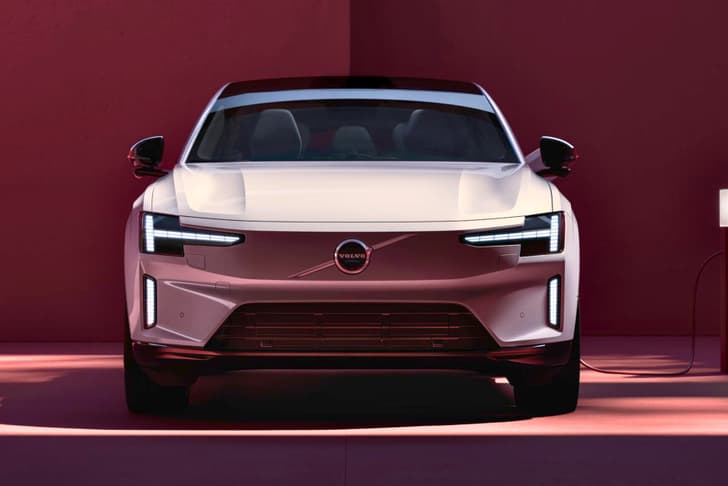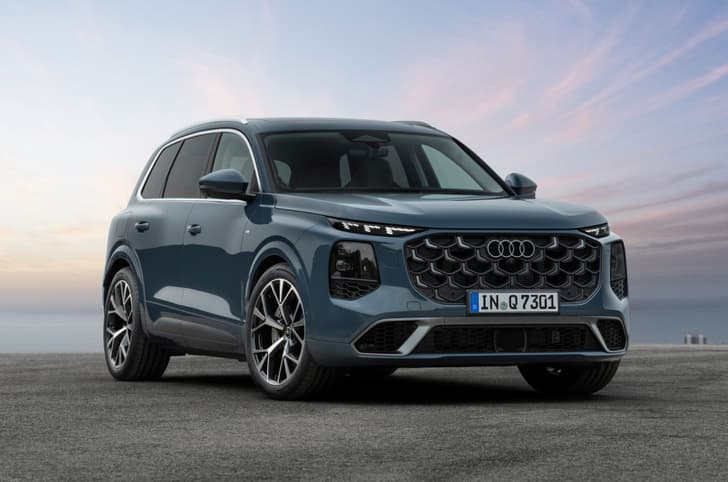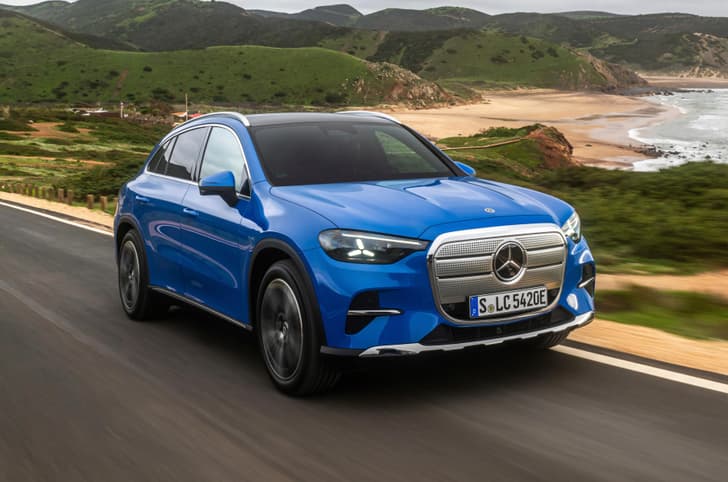
Range Rover Velar, BMW X5, Volvo


Last Updated on: 08 Oct 2026
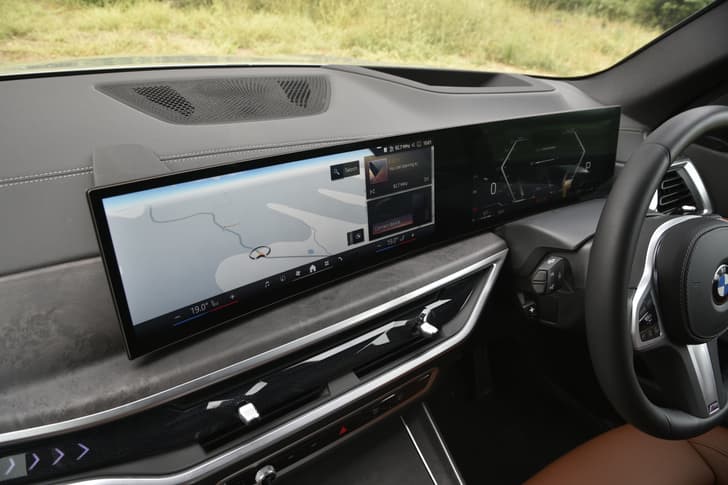
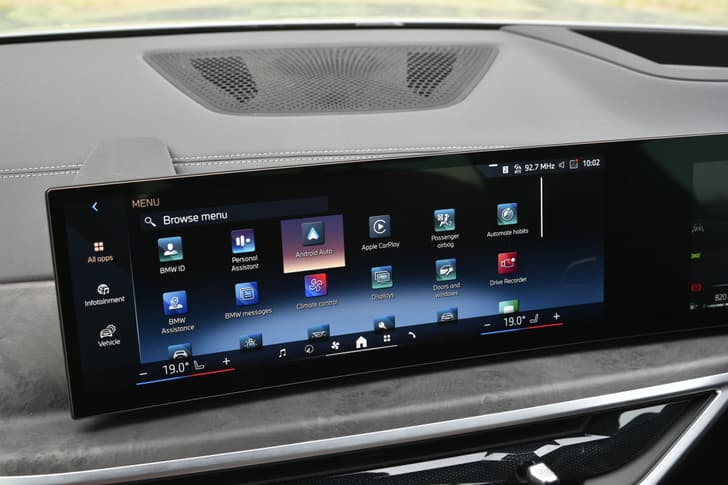
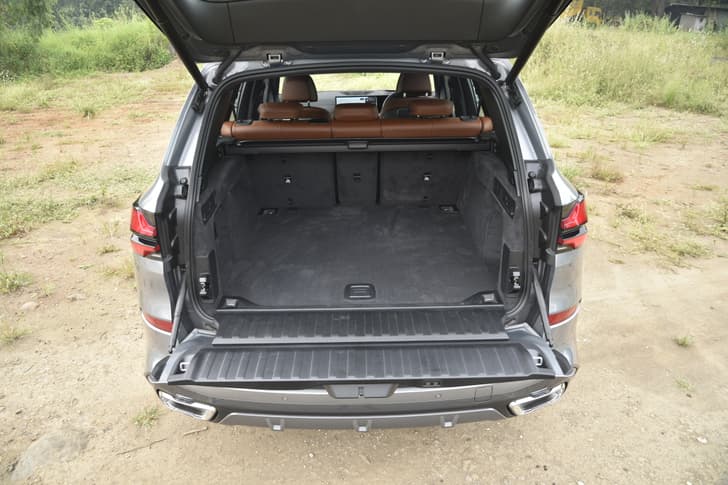
Engine Type | Turbocharged |
Engine Displacement | 2993 cc |
Number of Cylinders | 6 |
Engine Installation | Front |
Fuel Type/ Propulsion | Diesel |
Pure Electric Driving Mode | No |
Gearbox Type | Torque Converter |
Number of Gears | 8 |
Manual Shifts via Gear Lever on Automatic Gearbox | No |
Paddle Shifters for Automatic Gearbox | Yes |
Sport Mode for Automatic Gearbox | Yes |
Drive Layout | All Wheel Drive |
Lockable Differential/s | No |
Max Engine Power | 286hp at 4000rpm |
Max Engine Torque | 650Nm at 1500-2500rpm |
Emission Standard | Bharat Stage VI |
Auto Start/Stop | Yes |
Official Fuel Economy | 12 kmpl |
Fuel Tank Capacity | 80 litres |
0-100kph | 6.55 s |
20-80kph (in third gear/ kickdown) | 3.97 s |
40-100kph (in fourth gear/ kickdown) | 4.84 s |
Front Suspension Type | Independent, Double Wishbone |
Front Springs | Coil Springs |
Rear Suspension Type | Independent, Multi-link |
Rear Springs | Coil Springs |
Damper Control | Yes |
Ride Height Adjust | No |
Type of Power Assist | Electric |
Steering Adjust type | Powered |
Steering Adjust | Tilt and Telescopic |
Turning Radius | 6.3 m |
Front Brakes | Discs |
Rear Brakes | Discs |
Wheel Size | 21 inches |
Front Tyre Size | 315/55 R21 |
Rear Tyre Size | 315/55 R21 |
Wheels | Alloys |
Spare Wheel | Space Saver |
Length | 4922 mm |
Width | 2004 mm |
Height | 1745 mm |
Wheelbase | 2975 mm |
Chassis Type | Monocoque |
Boot Capacity | 650 litres |
Doors | 5 |
| Power Windows | Front and Rear |
| Power Windows with One Touch-Down | All |
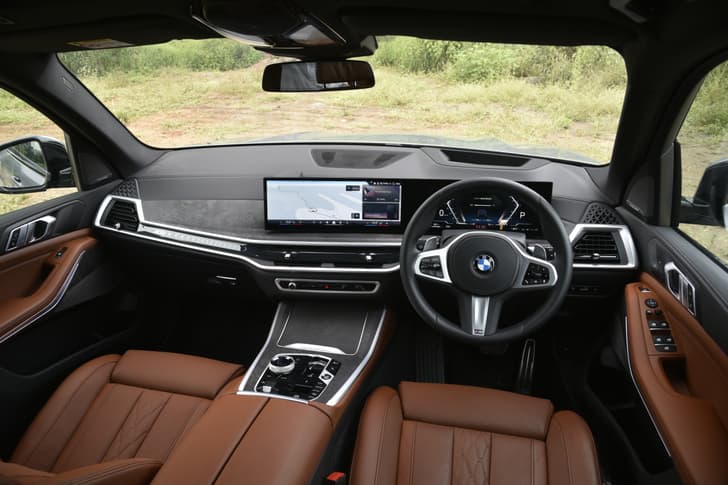
| Digital Instrument Cluster | Fully Digital |
| Door Pockets | |
| Electric Tailgate Release | |
| Steering Mounted Controls | Audio and Phone |
| Airbags | 8 |
| Rear Cross Traffic Collision Avoidance | |
| Rear Cross Traffic Alert | |
| Rear Seatbelt Reminder | |
| Seat Belt Warning | |
| Side Airbag |
| Body Coloured Bumpers | |
| ORVM turn indicators | |
| Wheel Arch Cladding | |
| LED DRLs | |
| Projector Headlamps | |
| LED taillights |
| Speedometer | Digital |
| Tachometer | Digital |
| Trip Meter | |
| Average Fuel Consumption | |
| Average Speed | |
| Distance to Empty |
| Audio System | |
| CD Player | |
| Speakers | 16 |
| Branded Music System | Harman/Kardon |
| USB Input | |
| AUX Input |
| SOS Button | |
| Remote Sunroof Open / Close via App | |
| Over the air (OTA) updates | |
| Emergency Call Button | |
| Find My Car | |
| Remote Car Lock/Unlock via App |
 Blind Spot MonitorRear Windscreen Sun ShadeRear Cross Traffic Collision AvoidanceRear Cross Traffic AlertBlind Spot Collision Avoidance AssistRear Cross Traffic Collision AvoidancePanoramic SunroofHarman/Kardon Branded Music SystemRemote Car Lock/Unlock via AppDriver's Seat Memory
Join the Discussions
Can you help me compare Range Rover Velar, BMW X5 and Volvo SUV?

 BMW X5Land Rover Range Rover VelarVolvo XC90
I own a Mercedes-Benz E250 CDI (May 2014) that has covered only 63,000 km. I am thinking of replacing it. Which brand and model would you recommend among the Mercedes-Benz GLE, BMW X5, and Lexus RX, and why? My priorities are high reliability and low servicing costs, as the Mercedes-Benz E250 CDI has been disappointing.
Lexus RXMercedes-Benz GLEBMW X5I own a May 2014 Mercedes E250 CDI, which has covered just over 63,000 km. It still runs well, but the annual servicing costs are high, and one part or another needs replacement. I don't feel Mercedes cars are as bulletproof as they once were. I was thinking of replacing this with an SUV - which would you recommend between the GLE, the BMW X5 and the Lexus RX and which model? My usage is mainly city driving a couple of days a week, along with occasional long-distance trips.
Lexus RXMercedes-Benz GLEBMW X5I’m currently driving a BMW 5 Series M Sport (Petrol). It will be 5 years old in December and has clocked a little over 30k kms. I am looking at an upgrade in the luxury SUV segment. I was trying to do some analysis between the new range rover sport petrol and the new gen X5 that will launch in 2027. I will look to change my vehicle in early to mid 2027. I mostly use it for city driving and want a vehicle that I can use for longer road trips with my two young kids and dog.
Land Rover Range Rover SportBMW X5