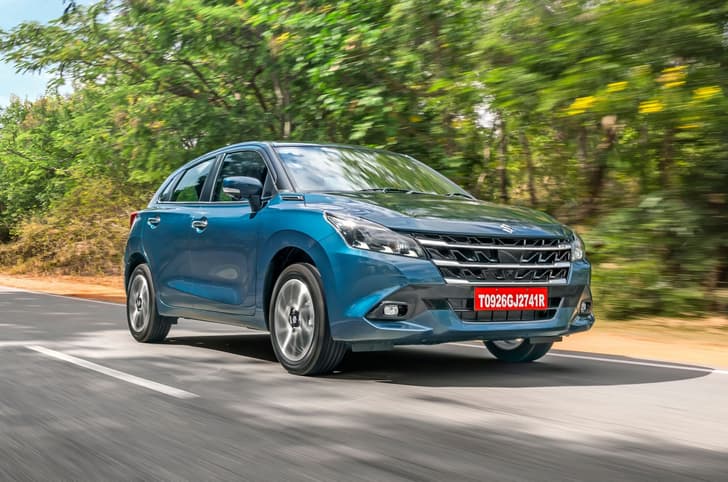

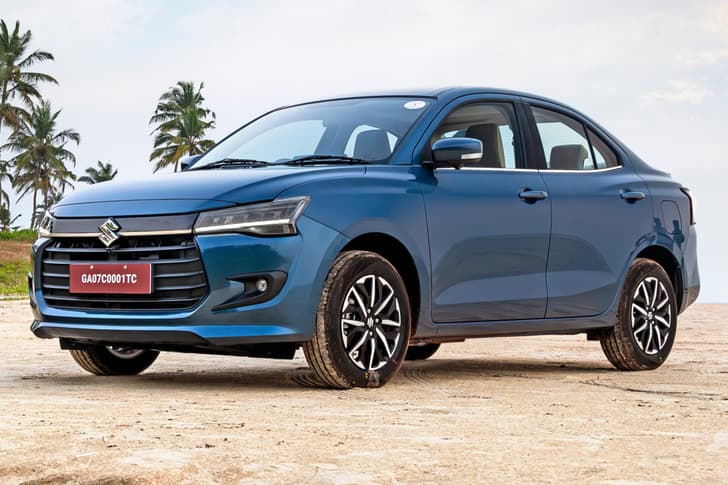
Even though sedans face increasingly difficult odds in the Indian car market, the Maruti Suzuki Dzire topped the retail charts in its first year on sale and continues to shift units at a brisk pace. Launched at the end of 2024, the fourth generation of Maruti Suzuki’s beloved compact sedan brings major changes inside and out, which evidently resonate with buyers. If you’re considering purchasing a Dzire, here are three reasons why you should go through with the decision, and two reasons why you may want to think twice.
Pros
Stellar fuel efficiency
Up to 25.71kpl, per ARAI
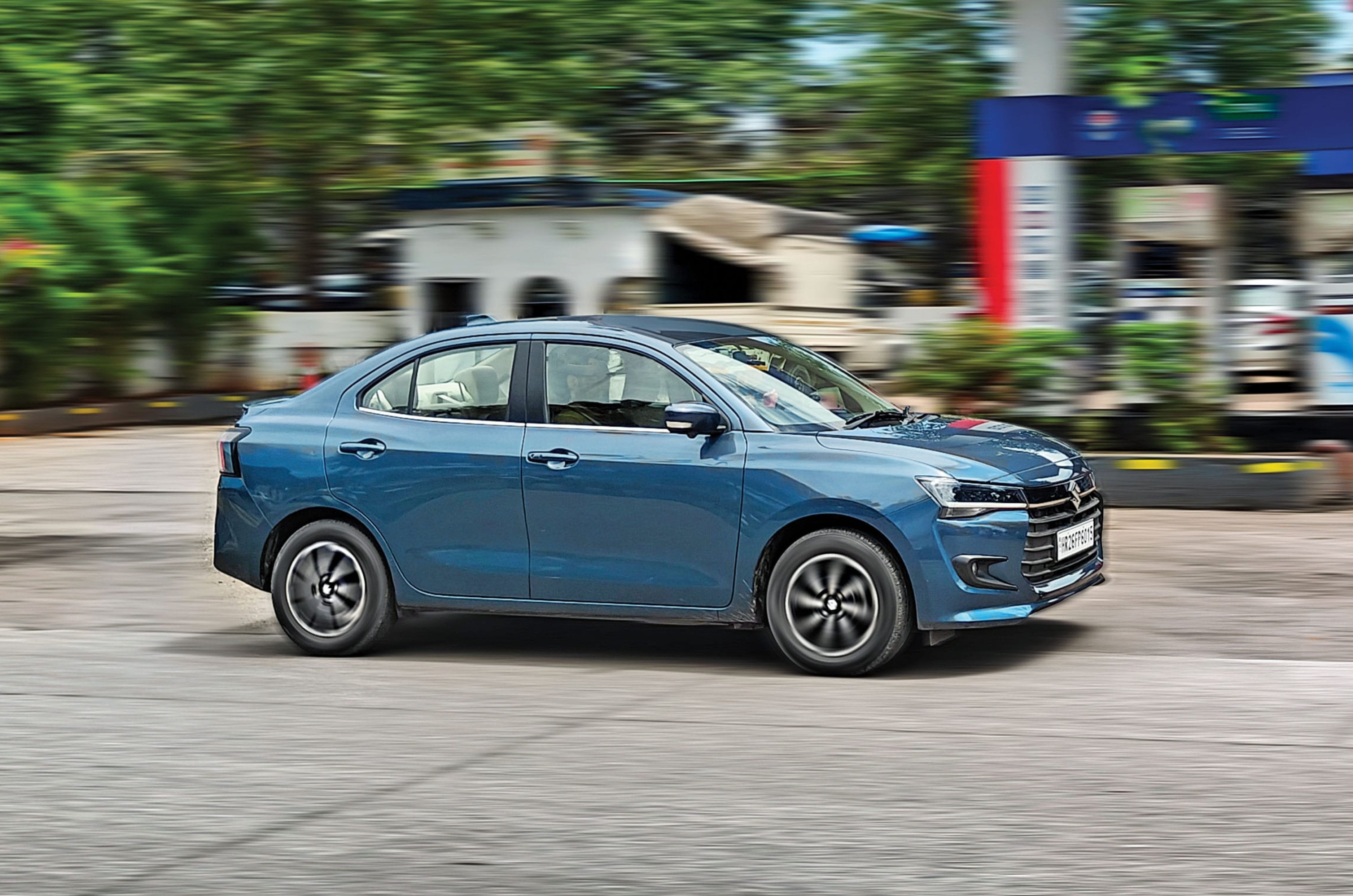
The Dzire is powered by Maruti’s new 1.2-litre 3-cylinder ‘Z12E’ petrol engine, which is superbly calibrated for fuel efficiency. Couple that with the impressively low 920-960kg kerb weight, and the Dzire turns out quite a frugal machine.
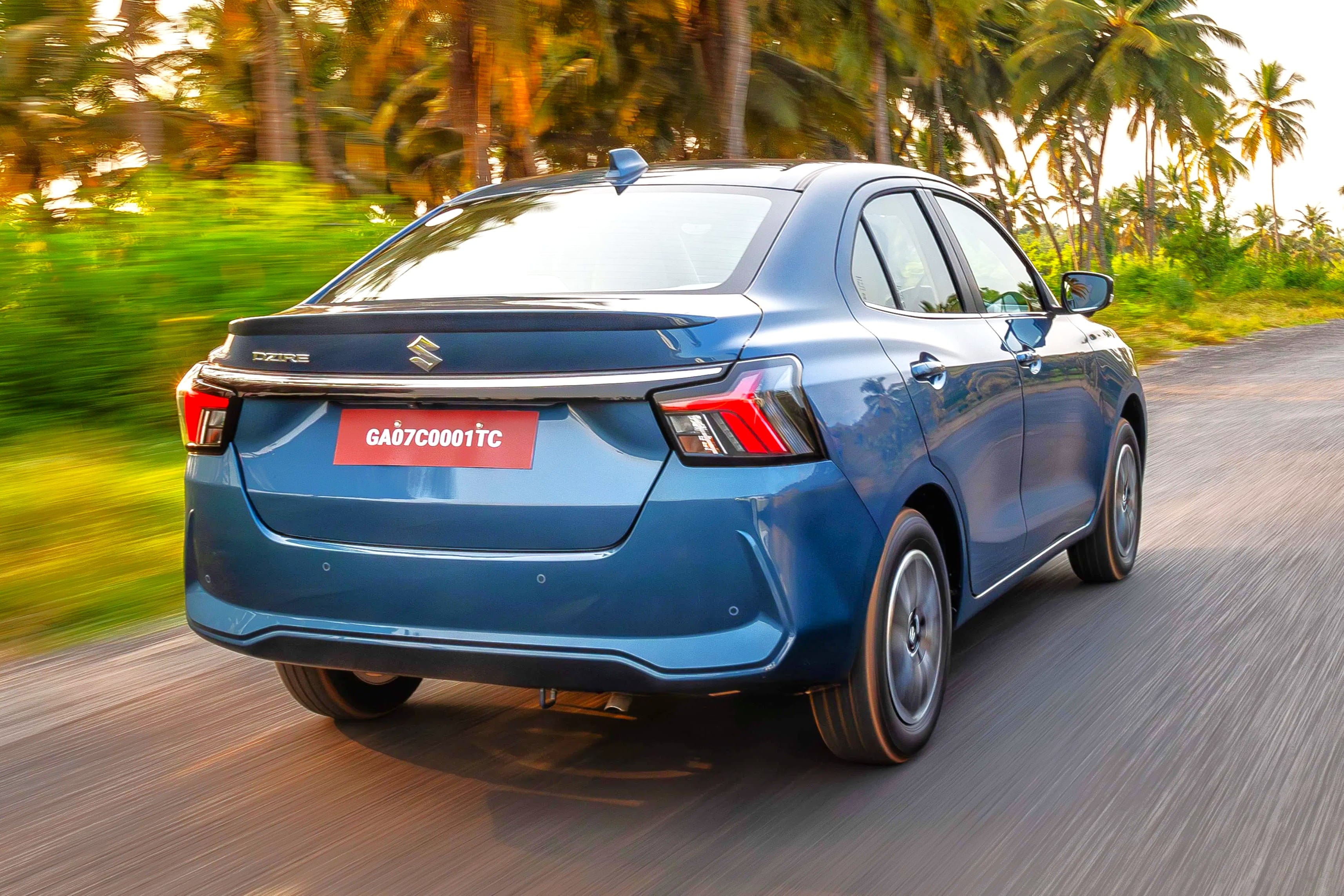
Per ARAI testing, the petrol-powered Dzire claims a mileage of 24.79kpl in 5-speed manual spec and 25.71kpl in 5-speed AMT guise. In our real-world mileage testing of the Dzire, the compact sedan returned an average of 17.25kpl in MT form and 15.41kpl in AMT spec. A CNG version is also on offer in lower-spec Dzire variants, boasting an ARAI mileage of 33.73km/kg.
Great safety credentials
5-star scores from both Global NCAP and Bharat NCAP
Despite its relatively low kerb weight, the Dzire does not compromise on safety. The Dzire impressively holds a 5-star adult occupant protection rating from both Global NCAP and Bharat NCAP, which is an accolade achieved by very few cars currently on sale in India.
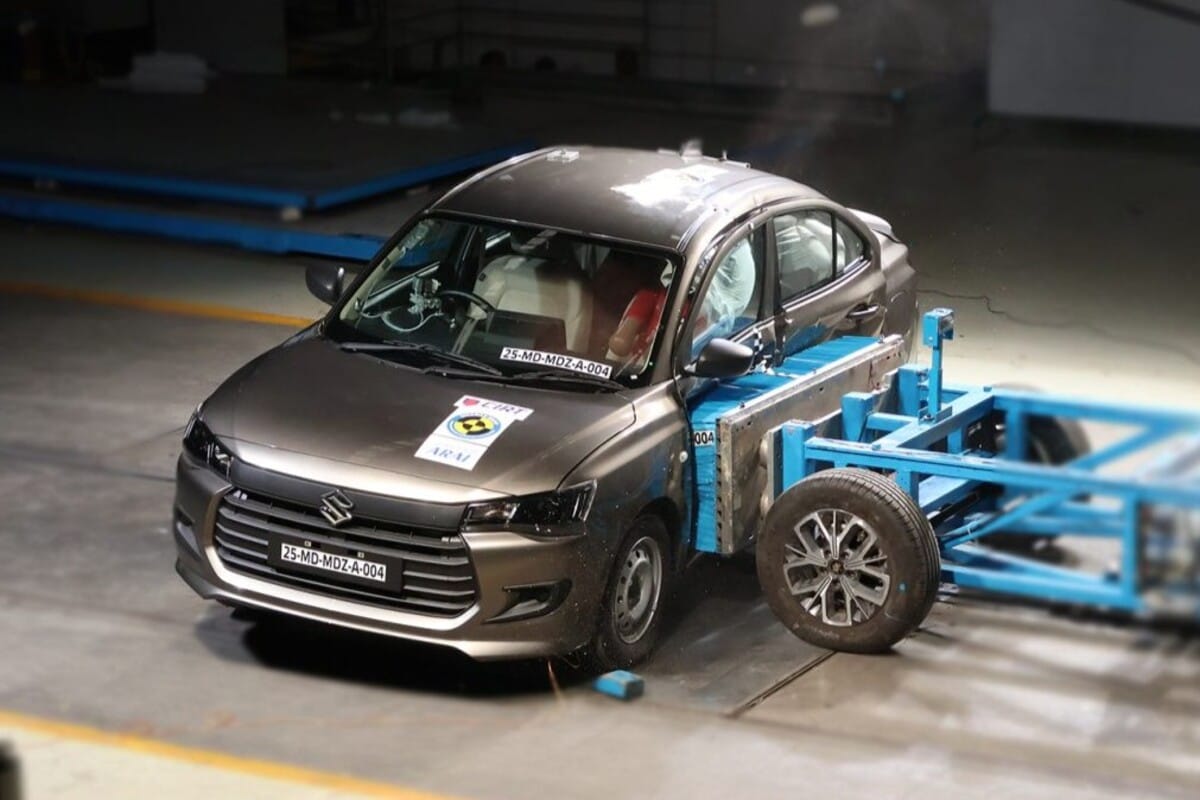
The Dzire also packs safety kit like 6 airbags, a rear defogger, electronic stability program (ESP), hill hold assist, ABS with EBD, rear parking sensors, ISOFIX child seat anchorages, and more as standard. Higher-spec Dzire variants add a 360-degree camera, day/night adjustable IRVM, and tyre pressure monitoring system (TPMS) to the mix.
Excellent ride and handling balance
Ground clearance is adequate for clearing speedbreakers
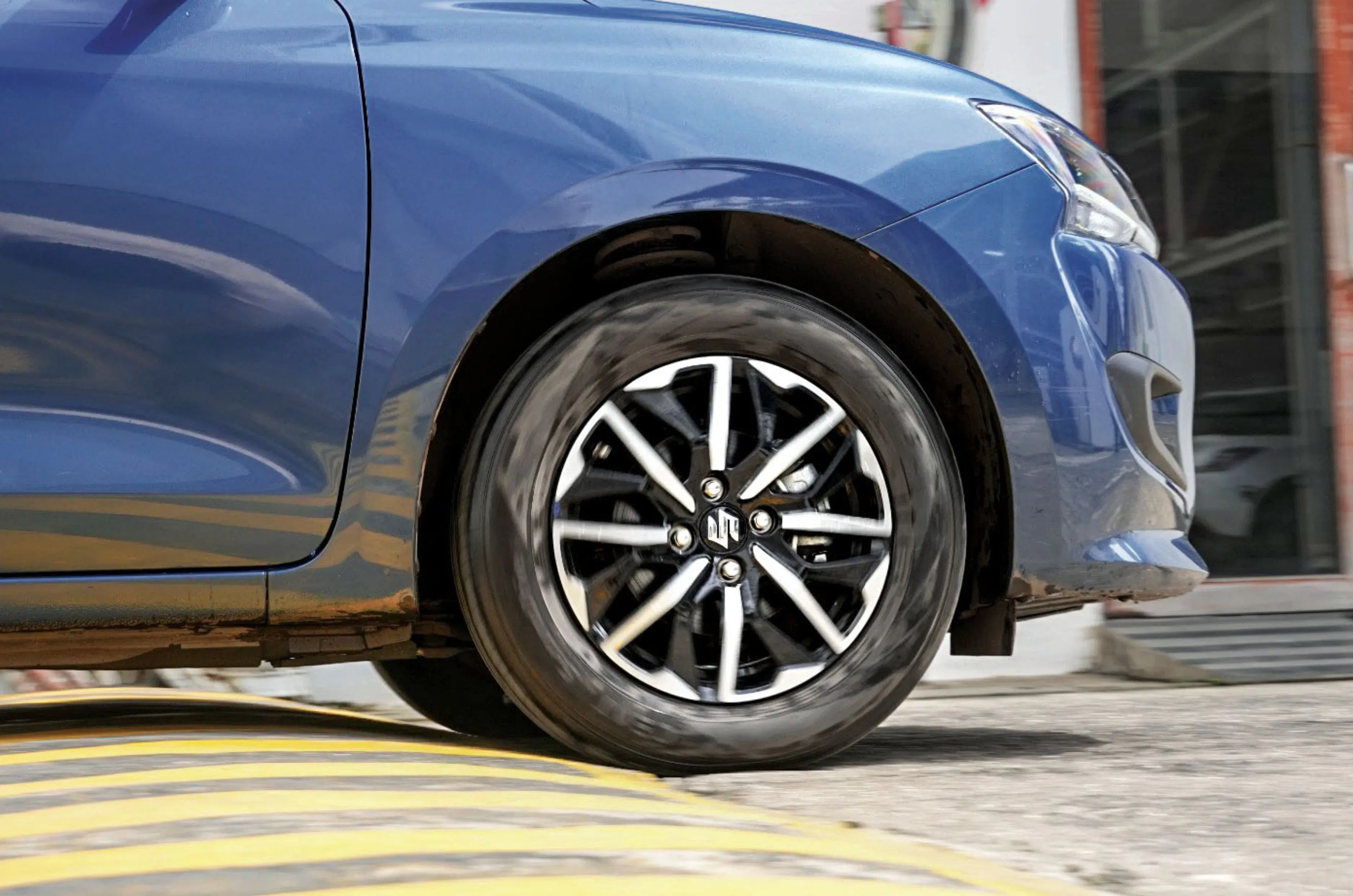
As we noted in our review of the new Dzire, the compact sedan’s ride quality is fantastic. Bump absorption is good at almost any speed, and the Dzire easily gobbles up potholes and ruts. Speaking of which, the Dzire has a 163mm ground clearance, which, combined with its relatively short wheelbase, is adequate for clearing most speedbreakers.
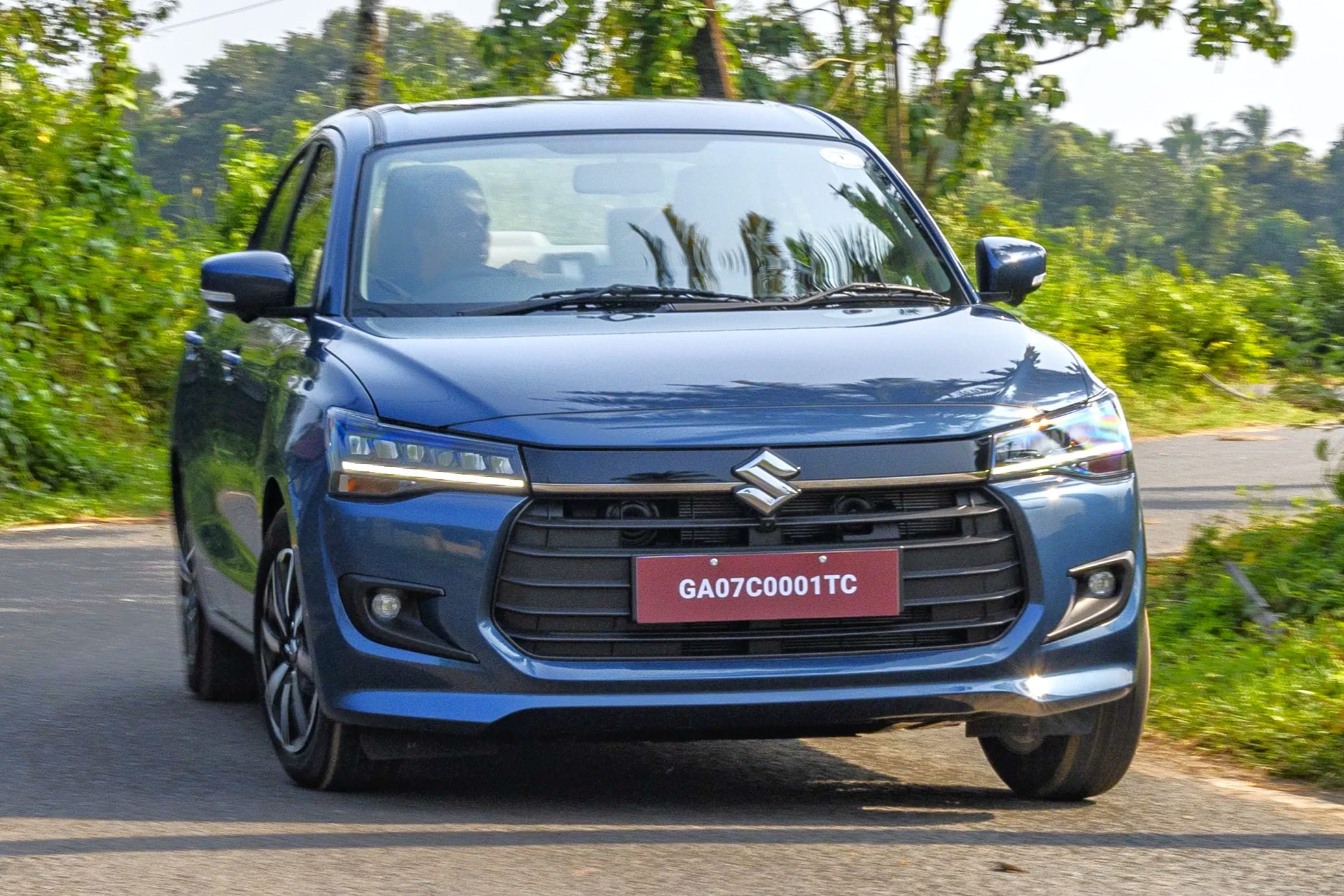
Coming to handling, the Dzire continues to impress. The steering feels smooth and fluid, and the Dzire leans into corners in a progressive and controlled manner with good road grip. While hard cornering reveals some body roll, the Dzire is still a confident handler overall.
What community is saying on the Dzire?
Cons
Engine needs more power
Develops 82hp and 112Nm
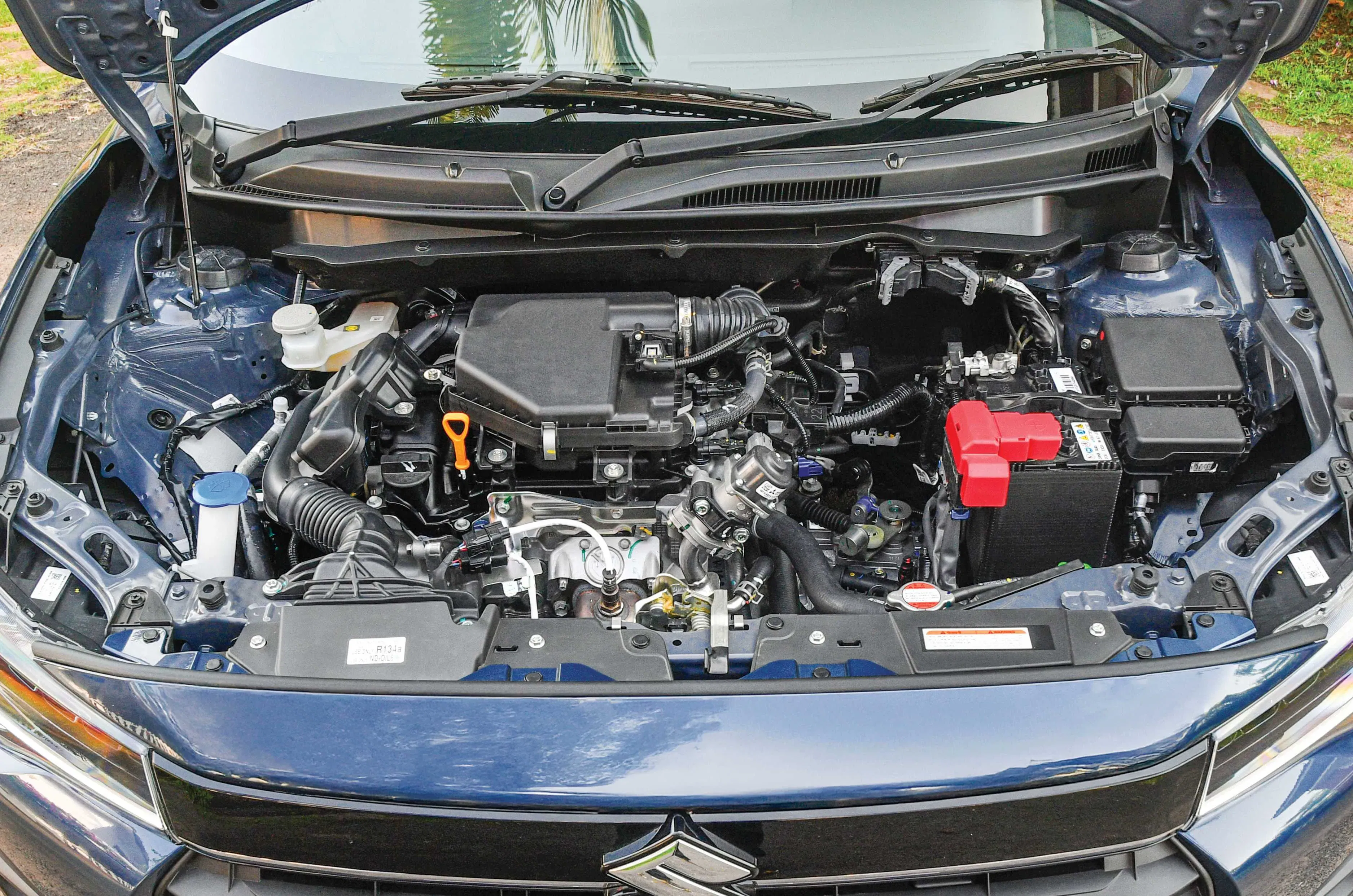
While the Dzire’s Z12E engine claims brilliant fuel efficiency, it’s down on power compared to its predecessor. The Z12E outputs 82hp and 112Nm, which is 8hp and 1Nm lower than that of the third-gen Dzire’s Z12M engine. While the Z12E’s low-end response is good, it becomes evident that this mill is not peppy or lively as you move up the rev range.
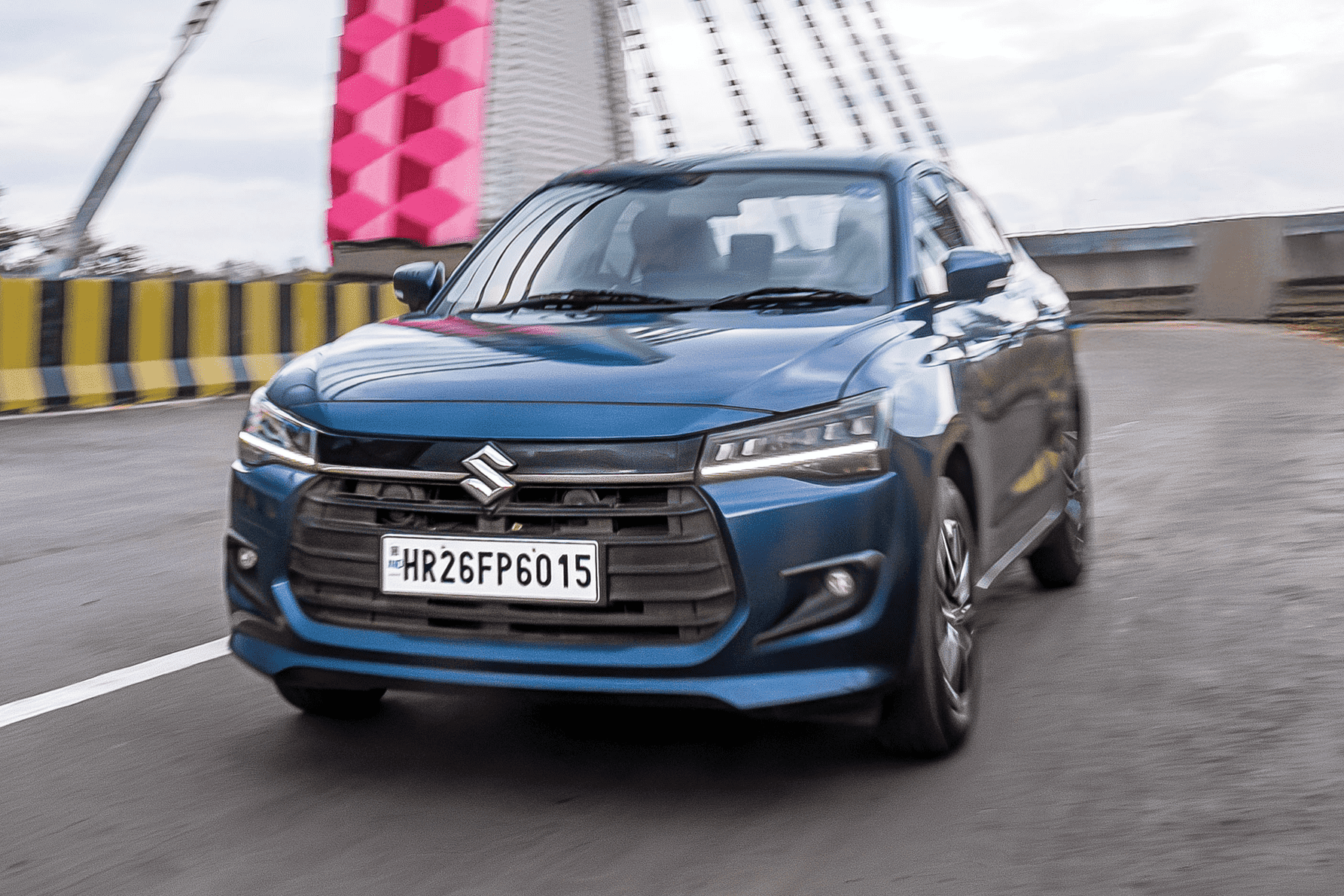
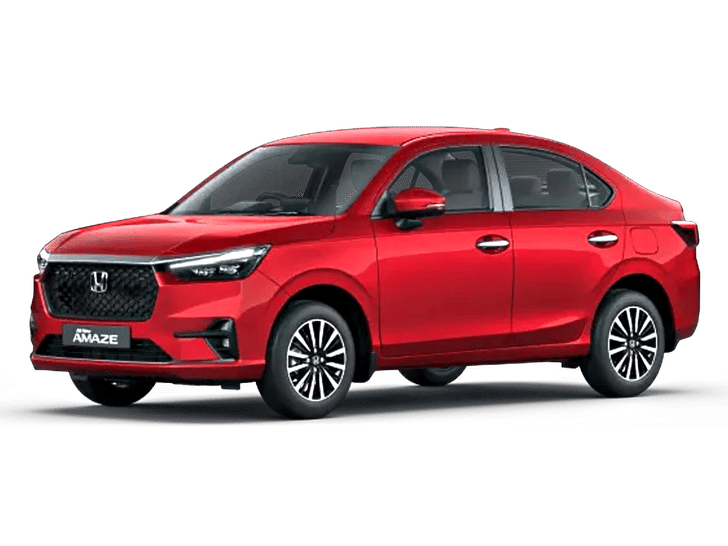
Power delivery is gentle and linear at best, the engine note sounds strained at the top end, and the 6,000rpm redline is around 400rpm lower than that of the Z12M. In our instrumented performance testing, the Dzire AMT took a leisurely 15.21 seconds to finish the 0-100kph run – over two seconds slower than its direct rival, the Honda Amaze.
Tight rear headroom
Sunroof mechanism eats into space
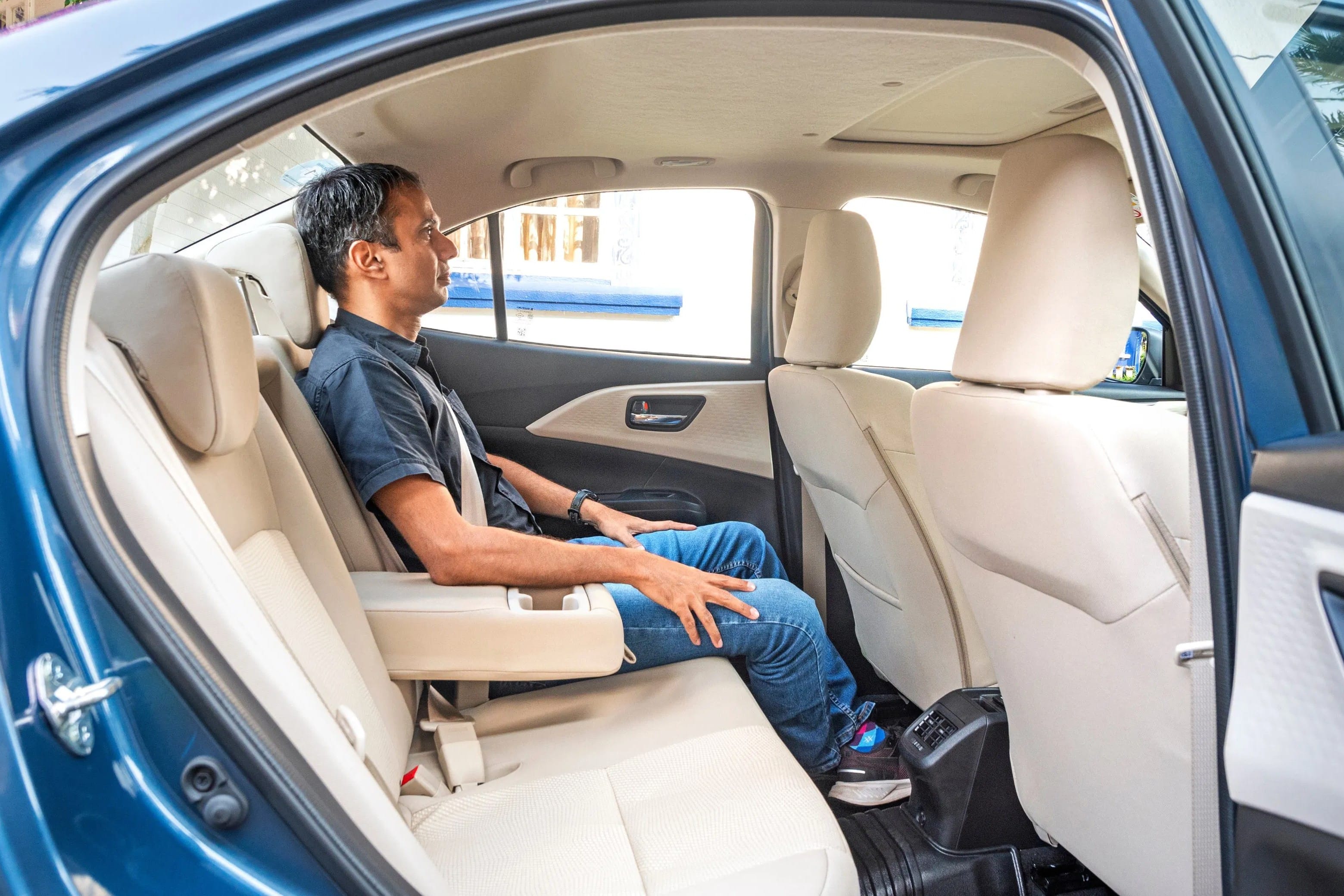
Though the Dzire is 5mm taller than its hatchback sibling, the Swift, rear headroom is a bit insufficient, especially for taller passengers. This is largely due to the space required for the sunroof mechanism between the roof and liner – a feature absent on the Swift. The Dzire’s roof liner is scooped out towards the rear to help the feeling of space, but it does little to help.

 Uday Singh
 Glenn Noronha
 Dipan Sur