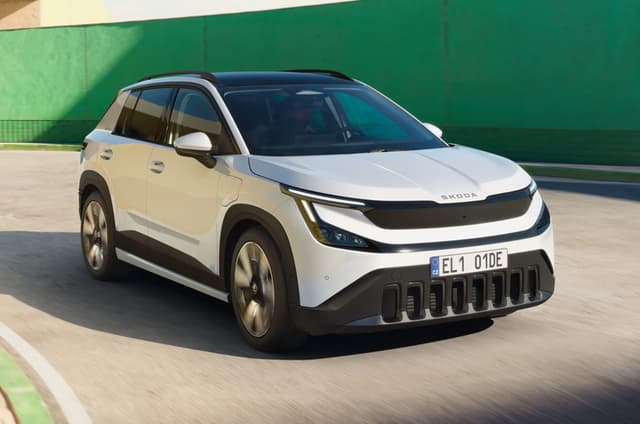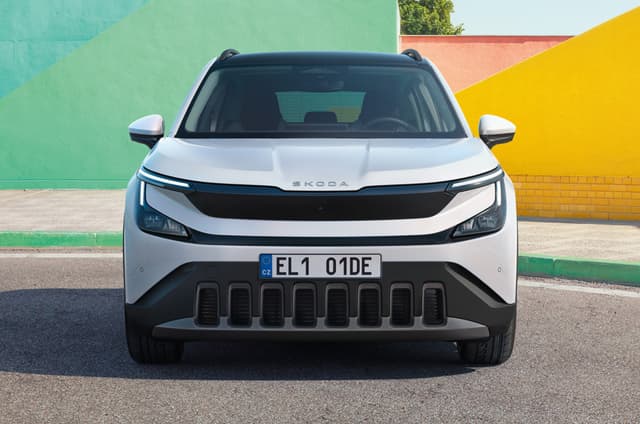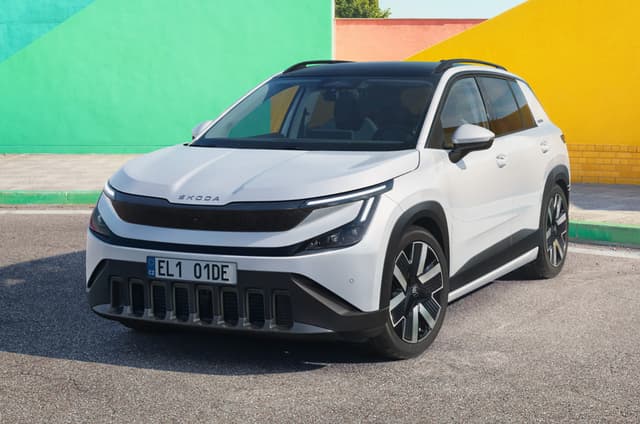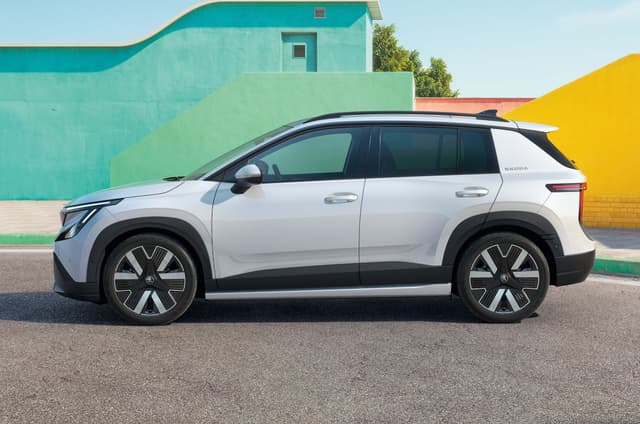
Skoda cars in India (9)
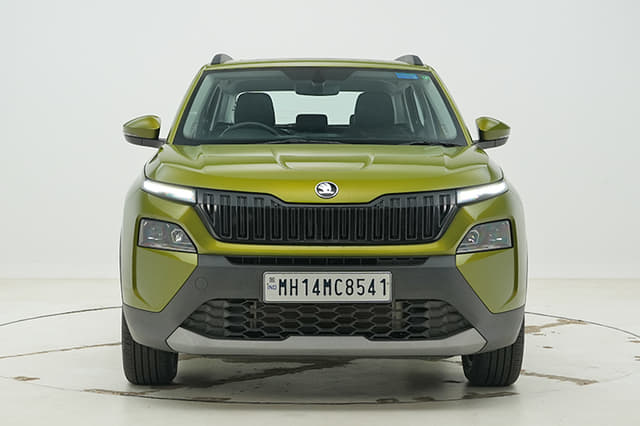
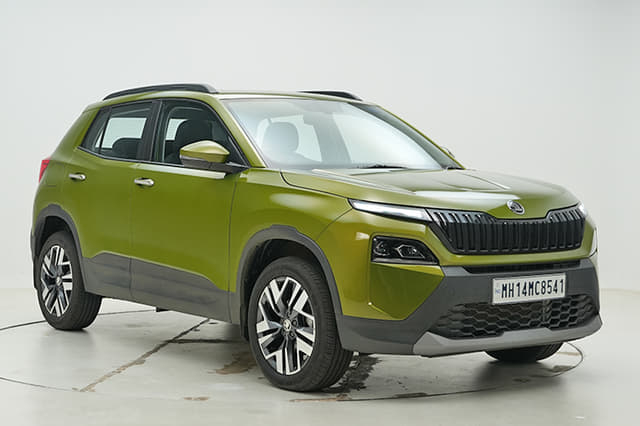
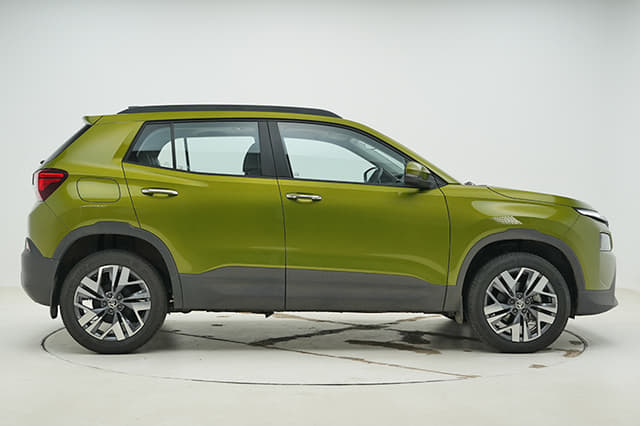
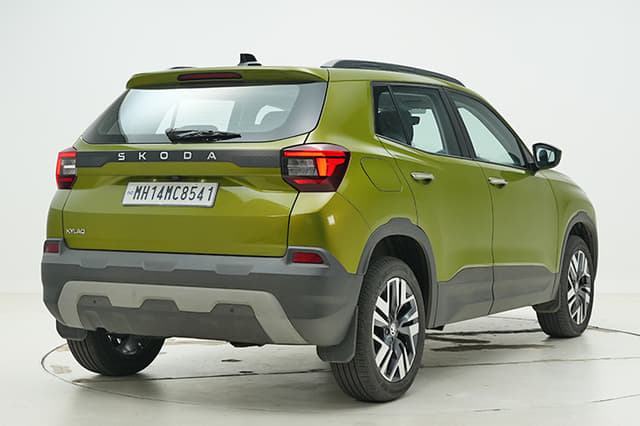
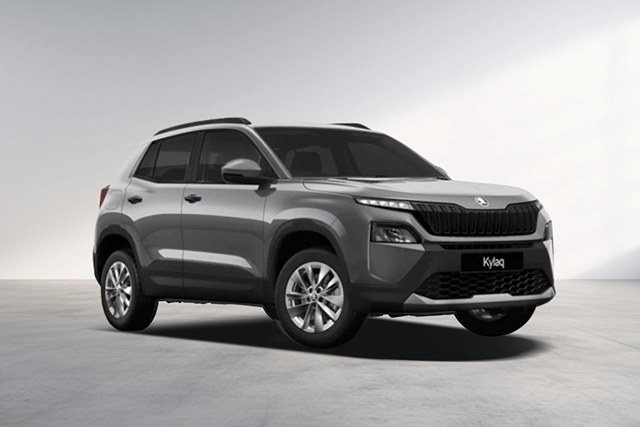
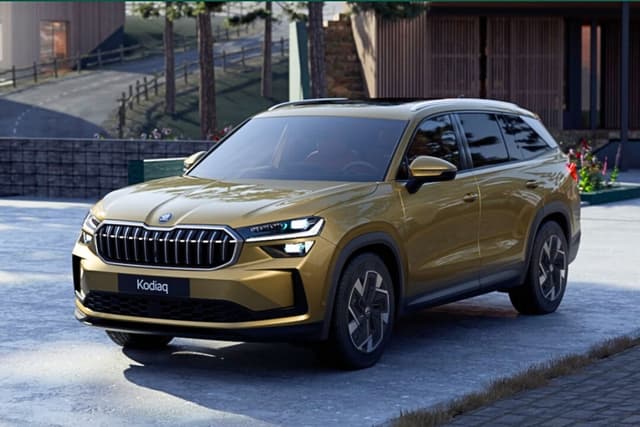
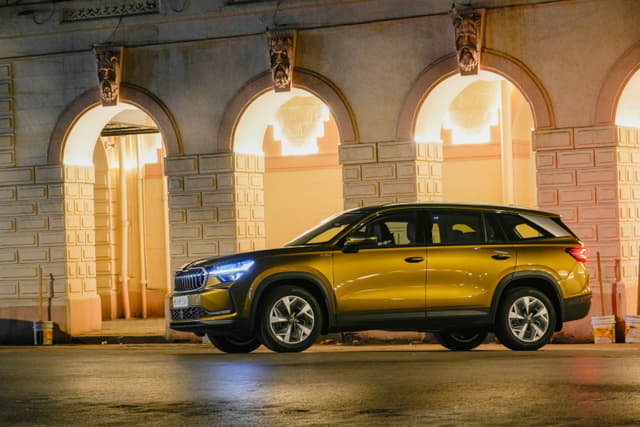
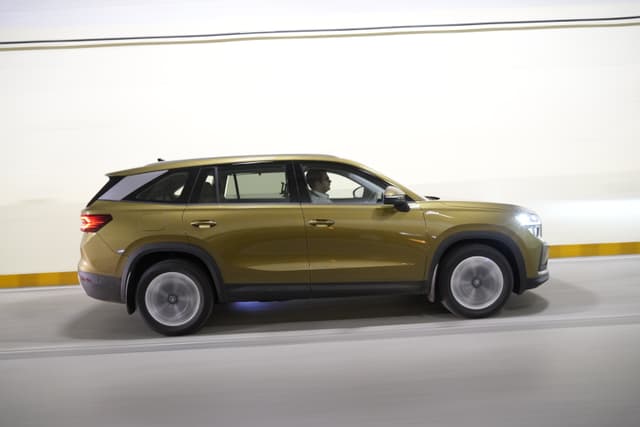
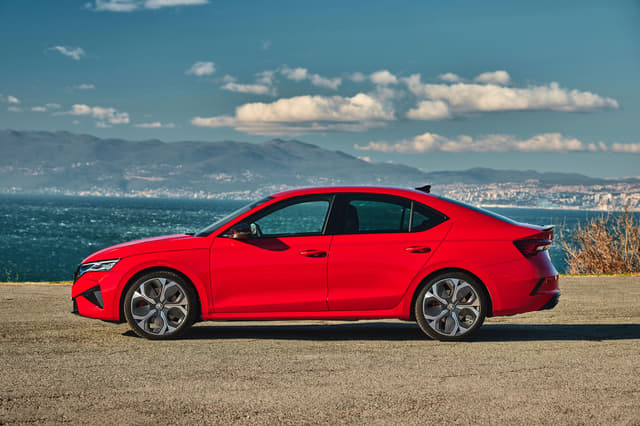
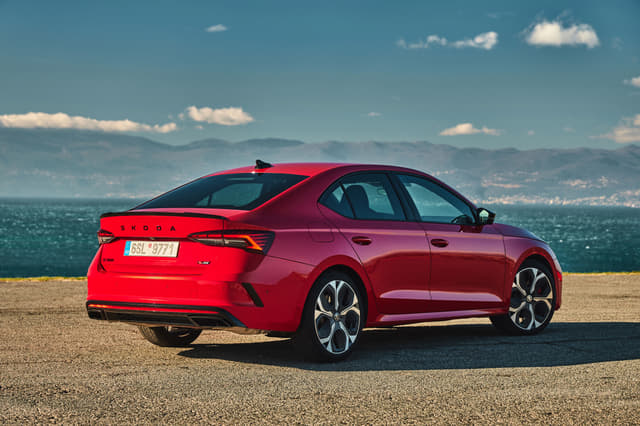
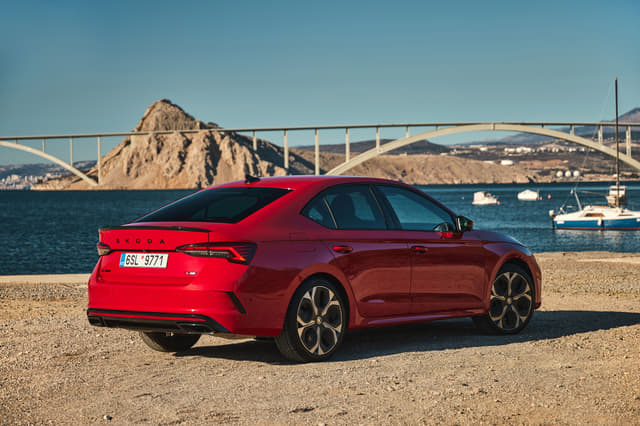
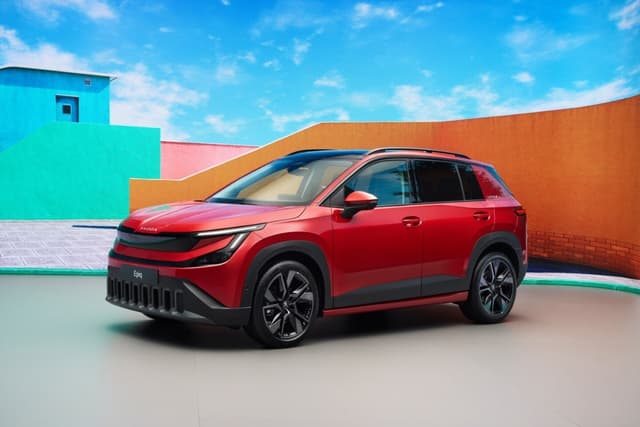
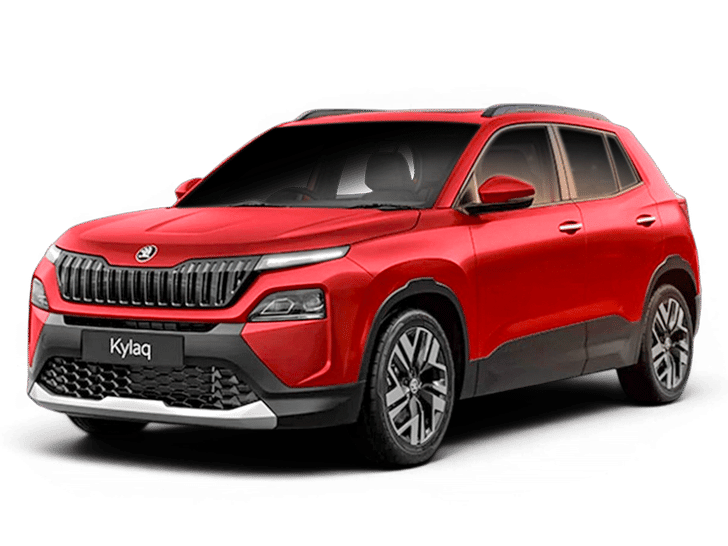
As of July 2026, Skoda Auto has 7 models in its India portfolio, with 4 currently available and 3 upcoming. The most affordable model is the Skoda Kylaq, priced from ₹7.59 lakh, while the range-topping Skoda Kodiaq goes up to ₹46.49 lakh.
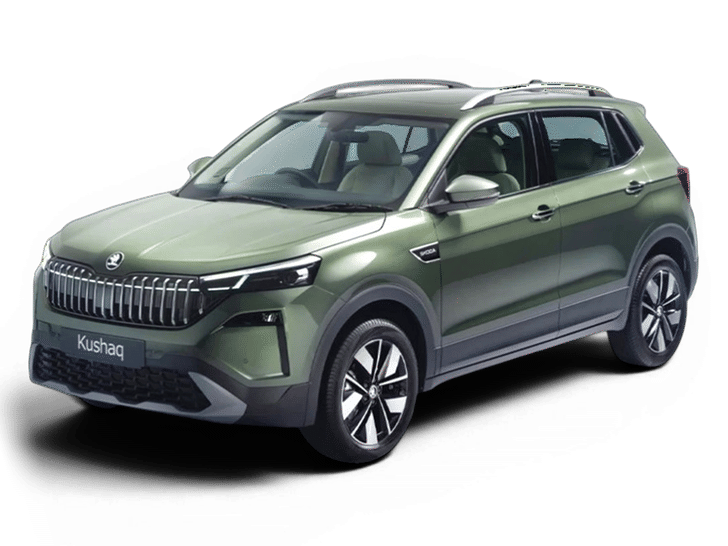
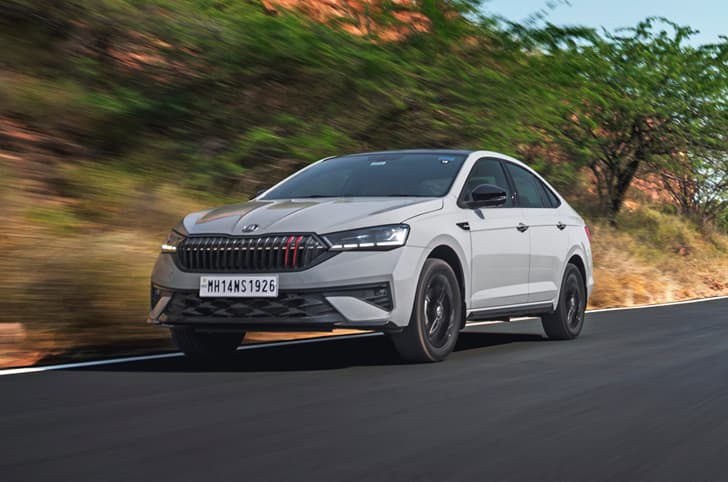
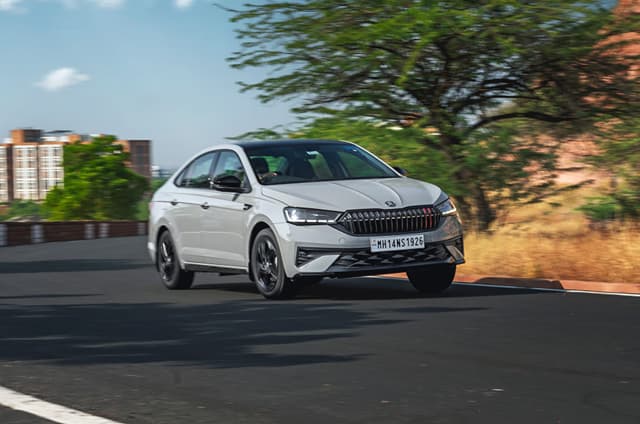
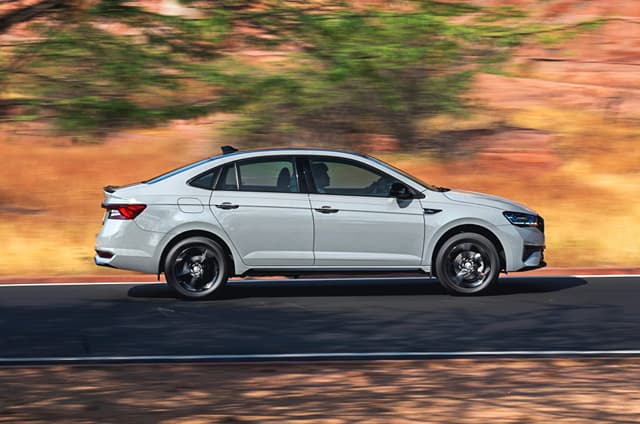
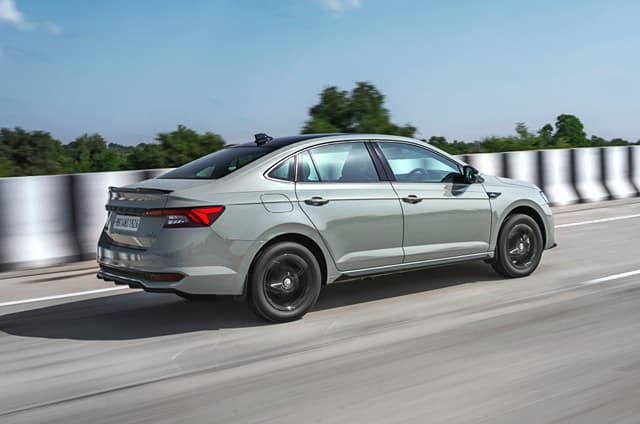
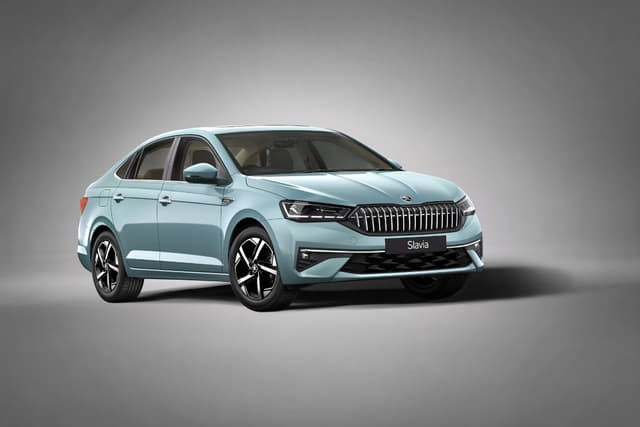
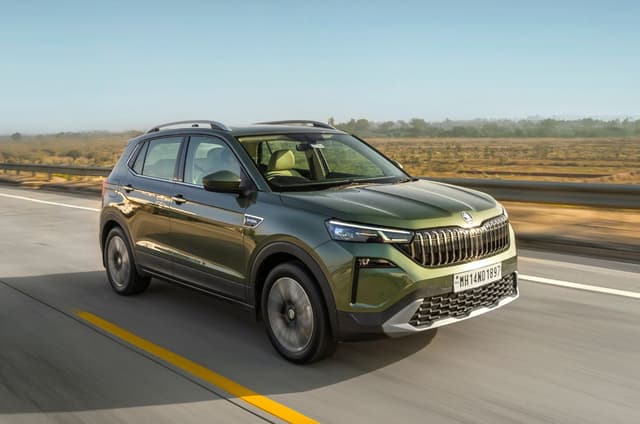
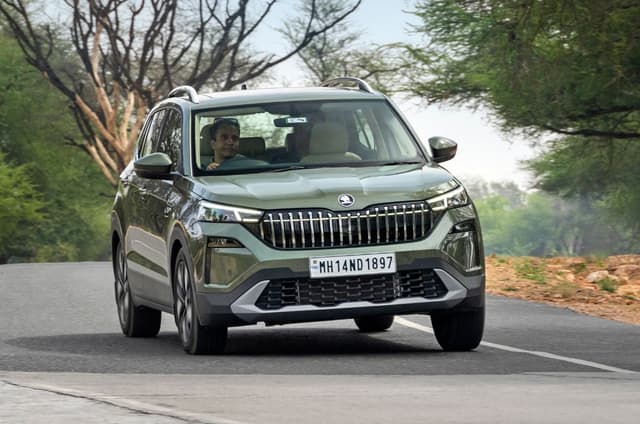
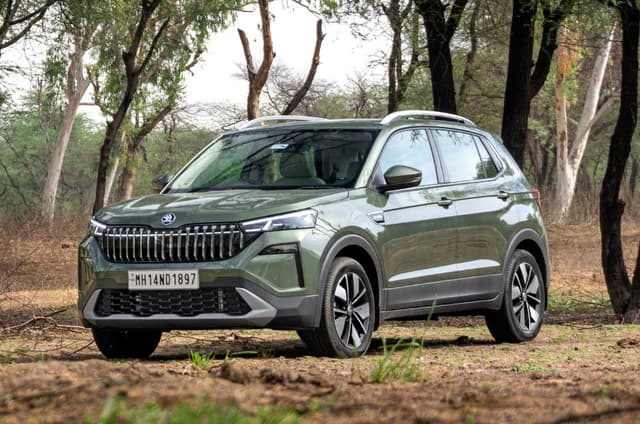
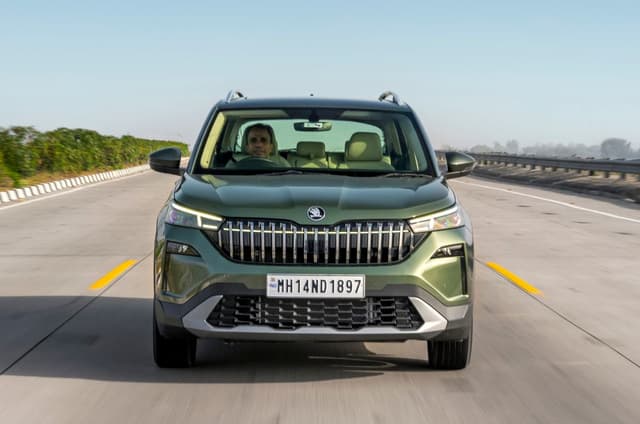
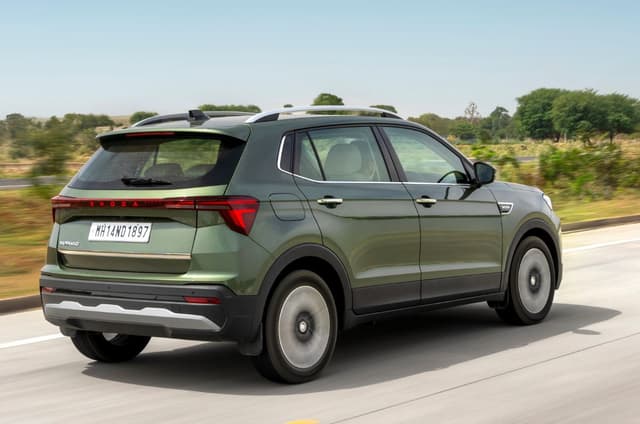
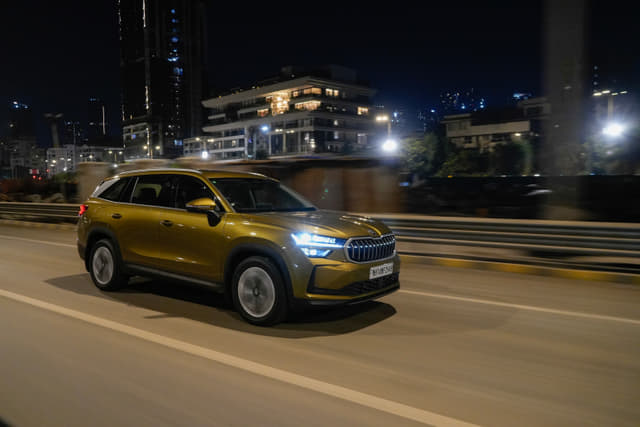
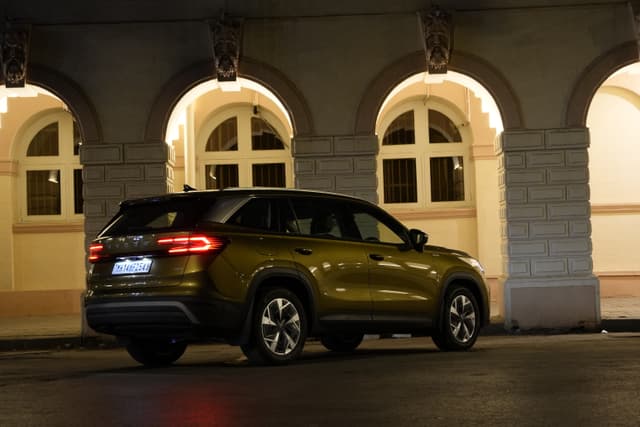
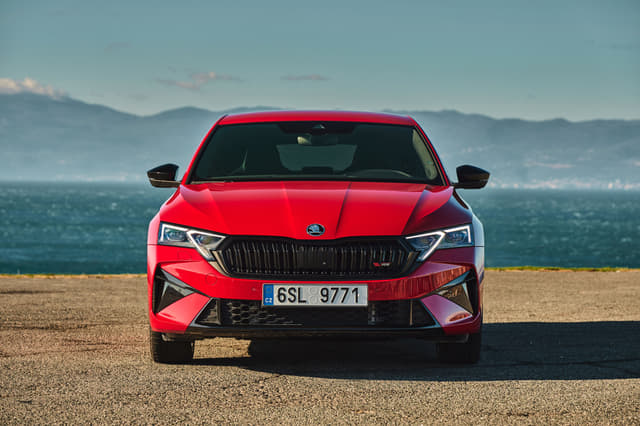
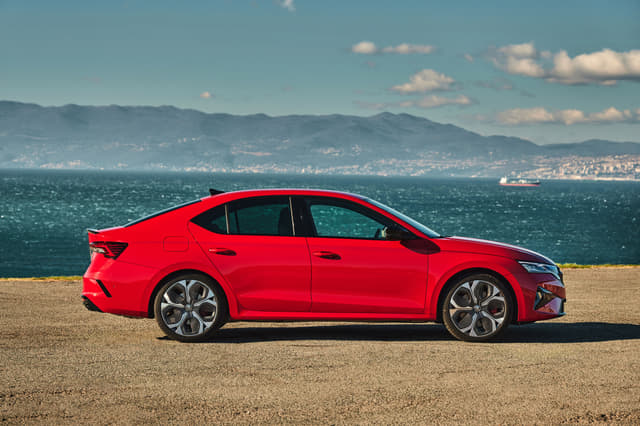
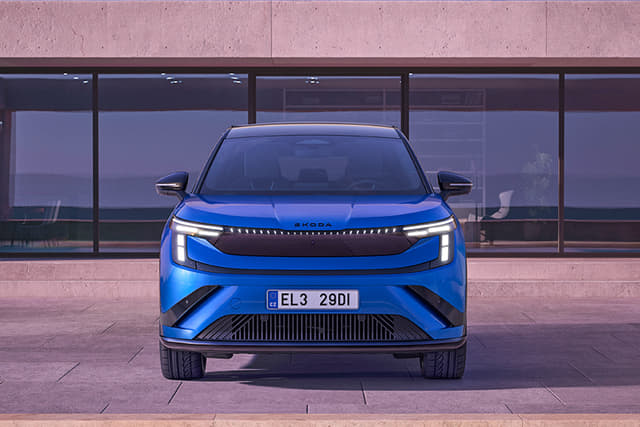
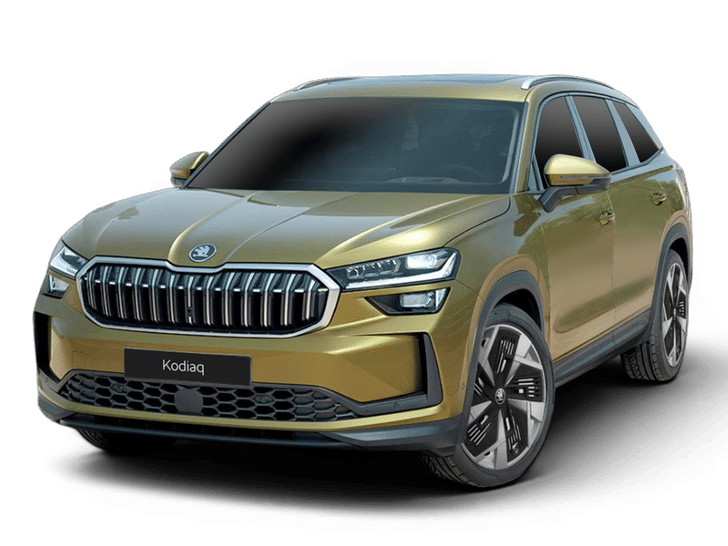
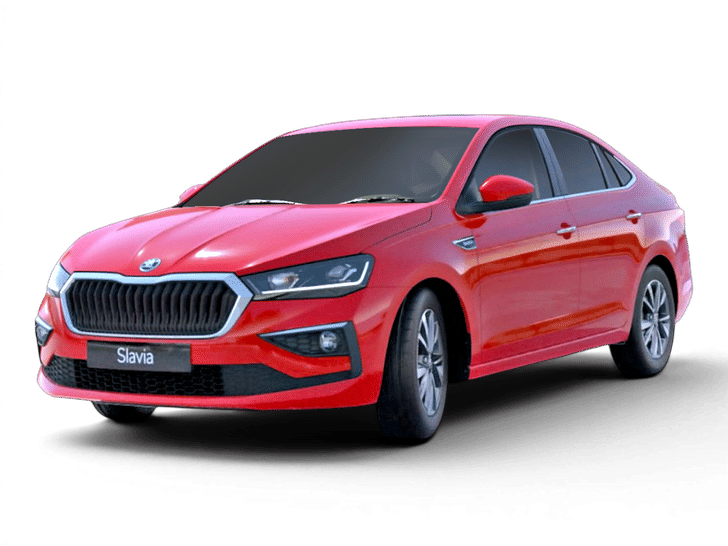
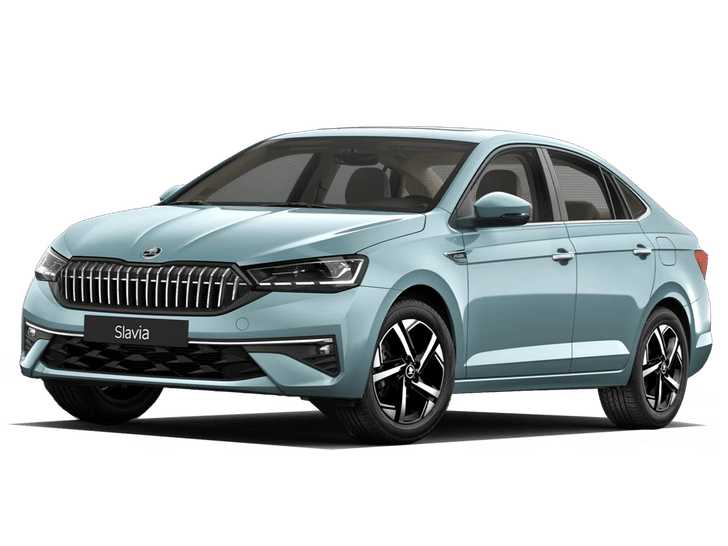
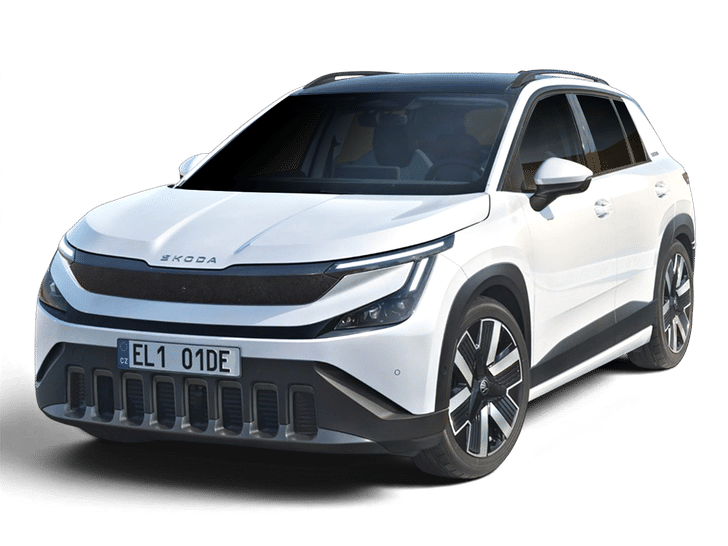
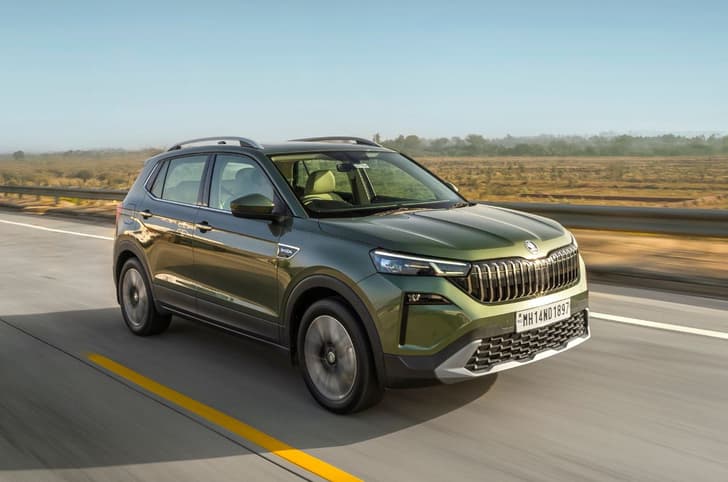
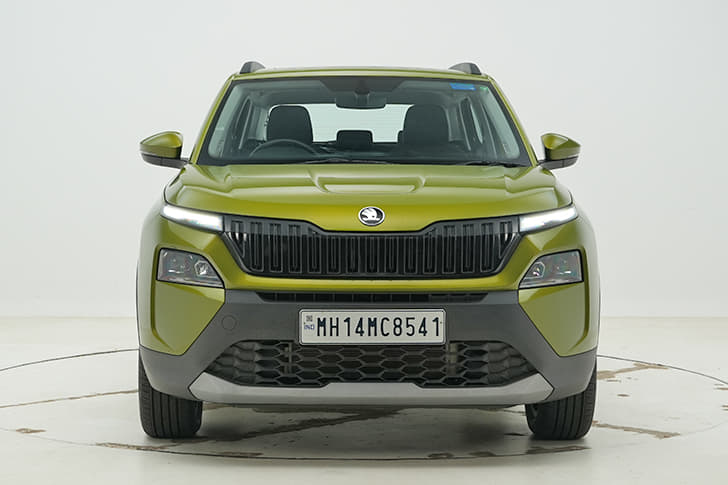
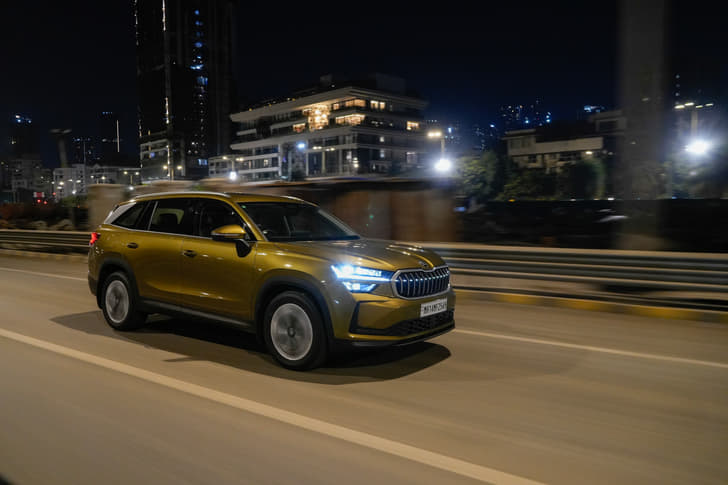
The current lineup includes the Kylaq, Kodiaq, Skoda Kushaq, and Skoda Slavia. The Slavia is the only sedan in the range, while the Kodiaq, Kushaq, and Kylaq form the brand’s SUV lineup.
Skoda Car Price List (July 2026)
View the latest Skoda car prices in India in the table below:
Skoda Car | Price (Ex-showroom) |
Skoda Kylaq | ₹7.59 lakh - ₹12.99 lakh |
Skoda Slavia | ₹10.00 lakh - ₹17.99 lakh |
Skoda Kushaq | ₹10.69 lakh - ₹18.99 lakh |
Skoda Kodiaq | ₹39.99 lakh - ₹46.49 lakh |
Skoda Upcoming Cars
There are 3 upcoming Skoda cars scheduled to launch in India:
- Skoda Kodiaq RS
- Estimated price: ₹50.00 lakh
- Expected launch date: June 2026
- Fuel type: Petrol
- Body type: SUV
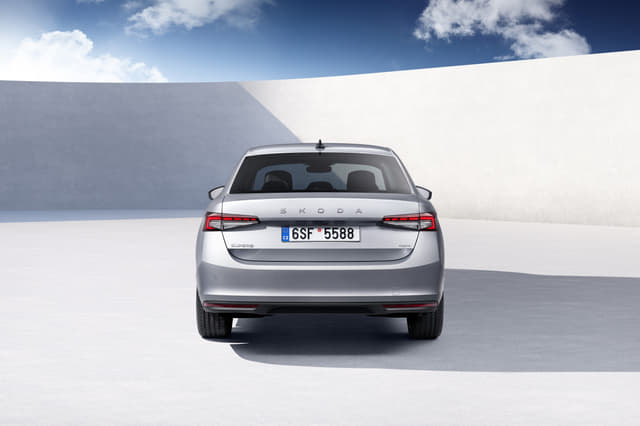
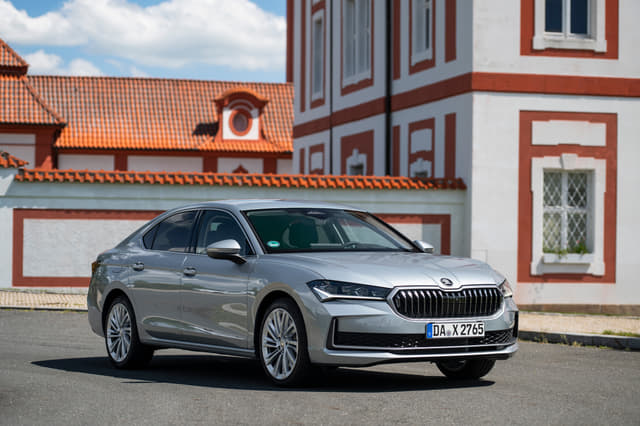
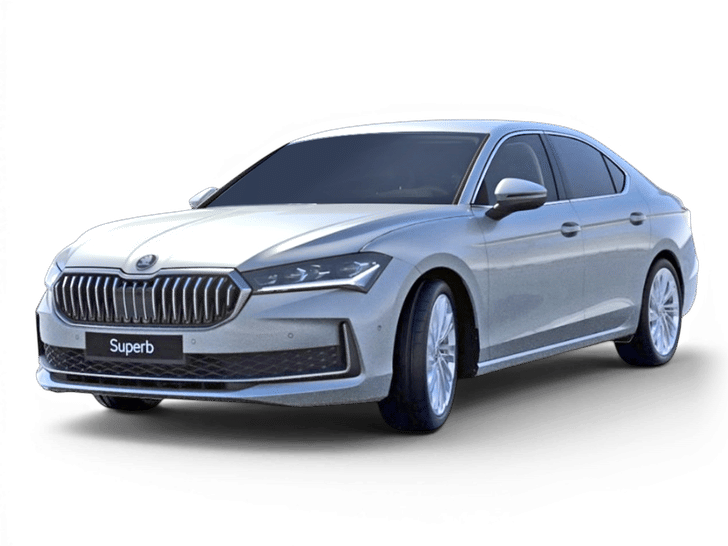
- Skoda Superb
- Estimated price: ₹50.00 lakh - ₹55.00 lakh
- Expected Launch Date: 2026
- Fuel Type: Petrol
- Body Type: Sedan
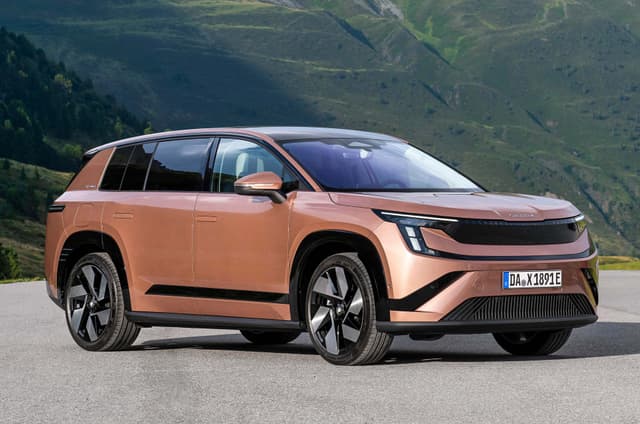
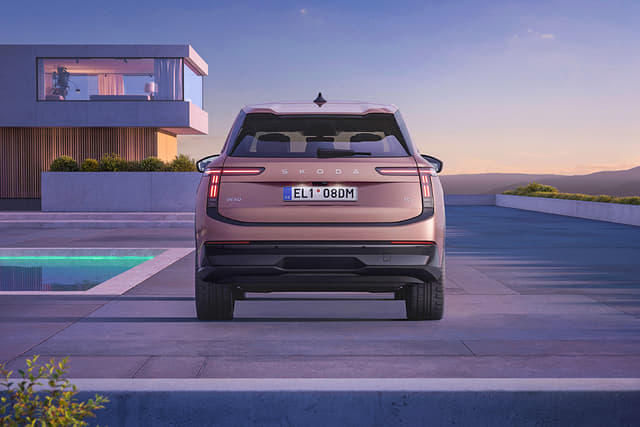
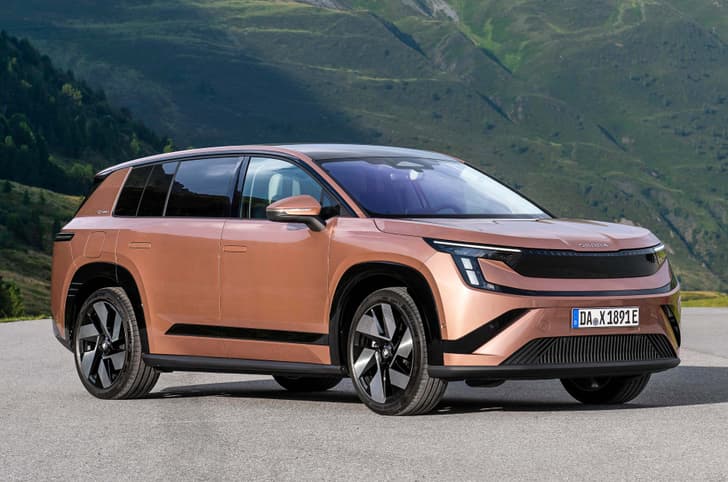
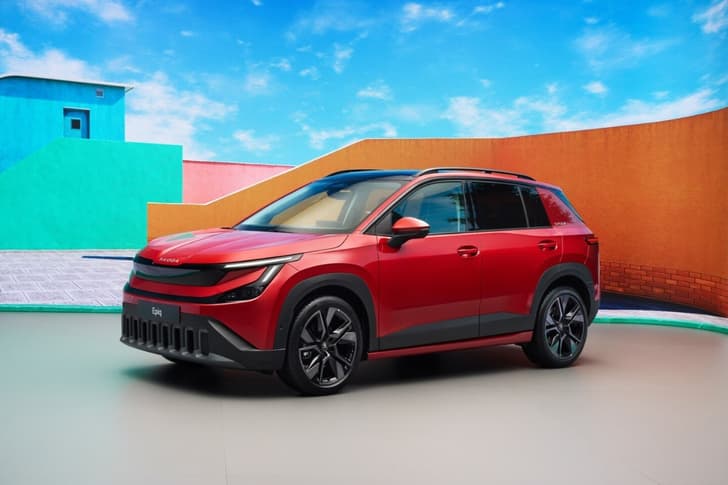
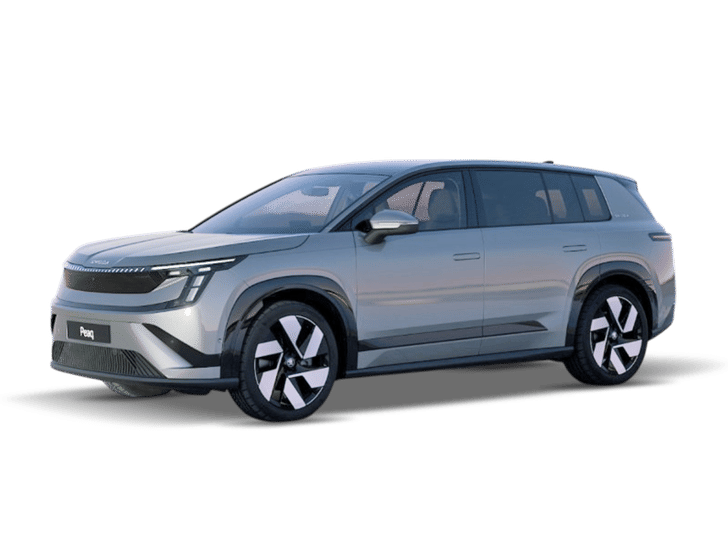
- Skoda Peaq
- Estimated price: ₹1.00 crore - ₹1.20 crore
- Expected Launch Date: 2027
- Fuel Type: Electric
- Body Type: SUV
Skoda Cars - Latest Updates (July 2026)
- 30 April, 2026: Skoda Auto India partners with CSC Grameen eStore to expand its reach
- 18 April 2026: The outgoing Skoda Kushaq is currently available with discounts of up to ₹3 lakh.
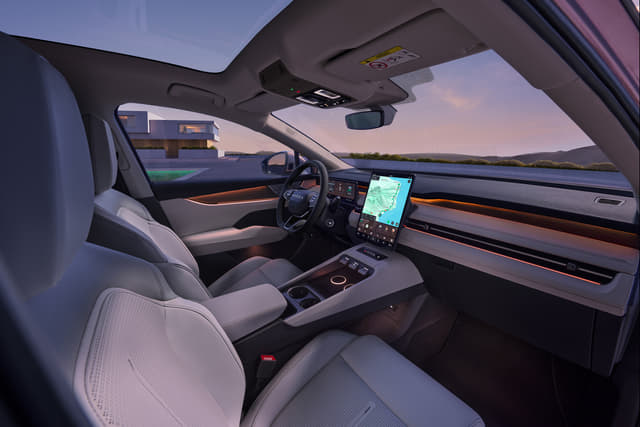
- 30 March 2026: Skoda Auto unveils key specifications of the upcoming Peaq electric SUV.
- 6 January 2026: Skoda hikes prices of Kylaq, Kushaq and Slavia by up to ₹34,000
Find cars by body type
Filter your search
FAQs
The Skoda car price in India starts at ₹7.59 lakh for the Kylaq and goes up to ₹46.49 lakh for the Kodiaq (ex-showroom).
The Skoda Kodiaq is the only Skoda 7 seater car on sale in India. It is priced between ₹39.99 lakh - ₹46.49 lakh (ex-showroom), depending on the variant.
Yes. The only Skoda car under 10 lakh in India is the Kylaq. The Skoda Kylaq price starts at ₹7.59 lakh, ex-showroom.
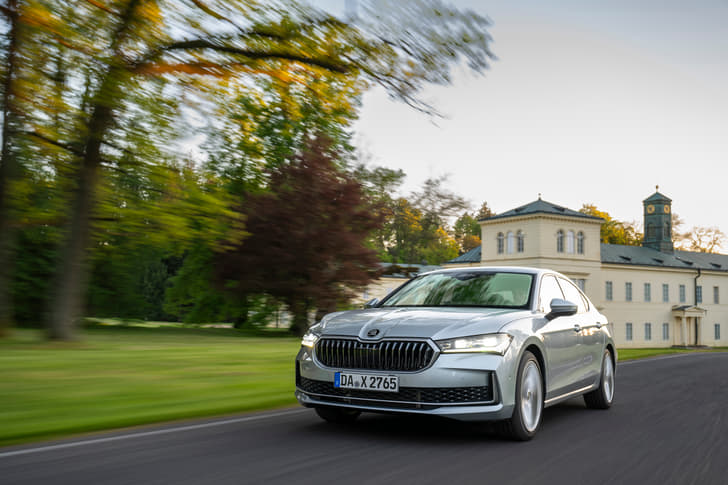
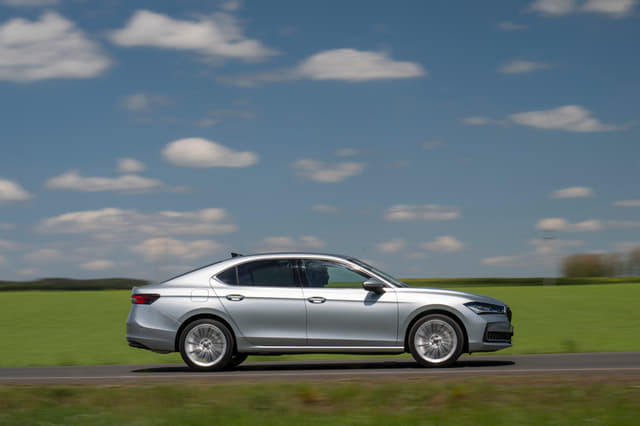
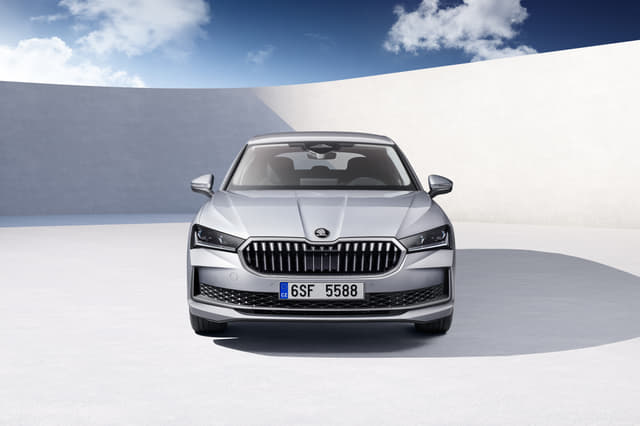
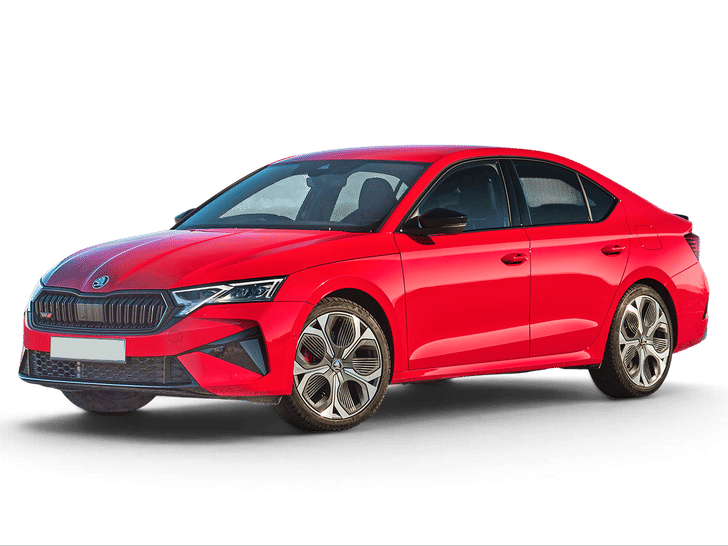
The Skoda Slavia is the only sedan on sale in India. The upcoming Skoda sedan car includes the new Superb.
No. Presently, there are no Skoda diesel cars on sale in India. The Skoda India lineup consists of petrol engine options.
The cheapest Skoda car is the Kylaq, with a price starting at ₹7.59 lakh (ex-showroom).
Yes. The Kylaq, Slavia, and Kushaq fall under the ₹20 lakh category.
The Kodiaq is the most expensive Skoda car, priced at ₹46.49 lakh (ex-showroom).
Currently, there are 3 SUV cars available for sale in India. The Skoda SUV cars list includes the Kylaq, Kushaq, and Kodiaq.
There are seven Skoda car models in India. Four are currently on sale (Kylaq, Slavia, Kushaq, Kodiaq), and 3 are upcoming (Superb, Kodiaq RS and Peaq).
The most expensive Skoda car is the Kodiaq that is priced at ₹46.49 lakh (ex-showroom).
Skoda's new car launch includes the Superb, Kodiaq RS, and Peaq. The Superb and Kodiaq RS are expected to launch in 2026. Meanwhile, the Skoda Peaq is expected to launch in 2027.
Trending Questions on Skoda Cars - Answered by Autocar Experts
I am planning to buy an SUV and prefer the German twins Škoda and Volkswagen. Which one is better? Also, how significant is the DSG issue in bumper-to-bumper traffic in the NCR region? This will be my fourth car, so I want to try a German brand.
Between the German twins, the choice largely comes down to personal preference, as they share the same engines, gearboxes and underpinnings. We slightly prefer the Kushaq for its cleaner design, excellent ride and handling balance and overall value proposition.As for the DSG, it isn't as big a concern as it once was. The current DSGs are far more robust than the earlier units, but if your driving is predominantly in bumper-to-bumper NCR traffic, a torque-converter automatic is still the smoother and more relaxed option over the long term. If you want to stay with a German SUV but avoid the DSG altogether, the 1.0 TSI automatic in the Kushaq and Taigun now comes with an 8-speed Aisin torque-converter, which is smooth, refined and better suited to heavy city traffic.Coming from the S-Cross Petrol, you'll notice a significant step up in performance, cabin quality, safety and driving dynamics with either car.
I want to upgrade my car from the Tata Tiago to an SUV. I will 90% of the time run in the city and most of the time in moderate traffic. My budget is 15 lakhs, and I want to go for an automatic car. I was considering the new Skoda Kushaq Classic Plus AT, Honda Elevate VT and Kia Seltos HTE Opt iVT. My preference is safety, comfortable, and decent mileage petrol car. Could you please suggest which one suits my requirements best?
Go for the Kia Seltos IVT. With 90% city use, its smooth, automatic and light controls make it easy to drive, and the NA 1.5 petrol delivers better city mileage than the Kushaq turbo and the Elevate. It also rides well over bad patches, and the high seating gives great visibility for traffic and speed breakers. It also has a 5-star safety rating and a lot of standard safety features.The Skoda Kushaq automatic is the fun one, and crash safety is top tier, but its turbo automatic tends to drink more in stop-and-go, and the cabin is a bit tighter.One thing to watch: these automatics can creep over Rs. 15 lakh on-road, depending on your city, so check local pricing.
Hi, I need suggestion for a car. My usage will be 80% on highway and 20% in city. I plan to keep the car for long term, around 10-12 years. Also, I live in a tier II town. I want a automatic car with budget under 13 lakh on-road. I shortlisted Honda Amaze zx CVT and Skoda Kylaq Signature AT. I choose these two from different segments due to their ease of driving. However, the authorised service center of both Honda and Skoda is too far (60 km) from my place. I am confused if I should stick to these two cars and if I do, which will require less frequent visit to the service center and the long term maintenance is bearable.
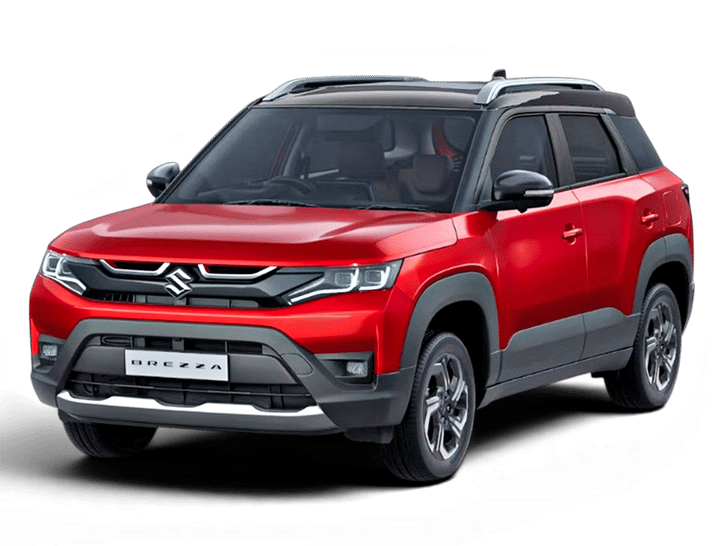
Since you plan to keep the car for 10-12 years, cover 80% highway driving and live in a Tier II town where both the Honda and Skoda service centres are 60km away, long-term reliability and ease of ownership become more important than outright performance. The Amaze has a proven naturally aspirated petrol engine paired with a smooth CVT, is known for its dependable reliability and should require fewer unscheduled visits to the workshop. Scheduled servicing is also straightforward and maintenance costs are generally very reasonable.The Skoda Kylaq Signature AT is an excellent SUV and offers better ground clearance, a stronger turbo-petrol engine and a more engaging driving experience. However, given the distance to the service centre, we'd still give the edge to the Honda car for long-term peace of mind.You could also consider the Maruti Suzuki Brezza Automatic. It has a smooth torque-converter automatic, excellent reliability, low maintenance costs and Maruti Suzuki's unmatched service network, which is a significant advantage in a Tier II town. Another option is the Hyundai i20 CVT, which offers a refined petrol engine, a smooth CVT and a premium cabin, while Hyundai's widespread service network makes ownership easier.
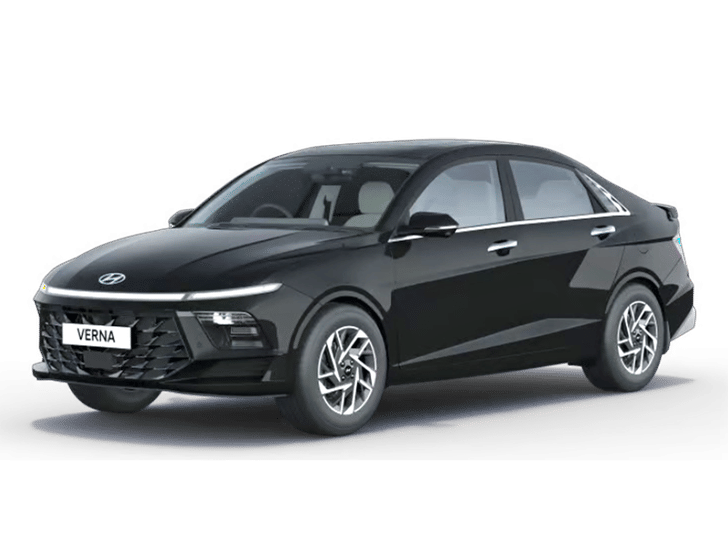
I own a Verna 1.6 petrol manual 2012 due for a phase-out in May 2027. Need to buy a DCT petrol for very limited use, as I am retired. But it should be good for hill driving as well. Not underpowered. The budget is around 20 lakh.
Pick the Skoda Kushaq 1.5 TSI with the dual-clutch automatic gearbox. It suits hill driving thanks to the strong mid-range pull, so hairpin bends and steep climbs feel easy. It is compact, light and has useful ground clearance, which helps on broken hill roads and tight village lanes. Coming from a Verna 1.6, this will not feel weak at all; in fact, it will feel like a proper upgrade.For your limited use, this turbo-petrol and DCT automatic keeps life easy, and the 1.5’s efficiency on gentle cruises is decent if you ever do longer trips. Lower variants with this engine-gearbox sit close to your budget. One thing to be aware of, the dual-clutch auto can feel a bit jerky and may get hot in very slow, stop-and-go hill traffic.
Hi. I am planning to purchase an automatic car under Rs 15 lakh. My driving is split equally between traffic and normal roads. The options I'm considering are: Mahindra XUV 3XO REVX A TC, Hyundai Venue HX6 DCT, Skoda Kushaq Classic Plus TC, and Kia Sonet HTX DCT. Please suggest the best option for me.
Pick the Skoda Kushaq Classic Plus automatic. Your driving mix of traffic and open roads suits its 6-speed torque converter very well. It creeps smoothly in jams and never overheats, and the 1.0 turbo petrol is punchy for quick passes. It also feels more surefooted at speed than the others here, which makes longer runs less tiring, and it’s among the safest in this lot thanks to its 5-star crash safety rating. It's also the only one here that's not a compact SUV (sub-4 metre).The Hyundai Venue and Kia Sonet are tempting for the features they offer, but their DCTs aren't as smooth. The XUV 3XO with the torque converter is also a good fit and roomier, but the Kushaq still feels nicer to drive overall.Be aware that the Skoda’s cabin and feature list in Classic Plus isn't on par with the Koreans, and Skoda’s service reach is smaller. If you value a calm, durable auto for daily congestion and a confident feel on weekend runs, the Kushaq Classic Plus AT is the one to buy under Rs. 15 lakh.
Hi, I currently own a 2023 Maruti Suzuki Baleno (previously an XUV300) and am planning to replace it. I have shortlisted the Honda Elevate Adv/Black, Honda City and Skoda Slavia 1.5. Most of my driving is in the city, with occasional highway trips of around 600-700km. I enjoy driving and like good performance. I really like the Honda Elevate, but I'm unsure about its body roll, and I've heard it lacks power. I'm inclined towards the Slavia because of its performance and looks. Please help me choose the better option. Thanks, Manohar.
Pick the Skoda Slavia 1.5 if driving fun matters most. In the city, it feels strongest off the line, pulls cleanly without needing big revs, and the steering and body control make gaps easy. On those rare 600-700 km runs, it sits calmly at speed, rides well, and still gives good mileage. Ground clearance is high enough for nasty speed breakers, so you will not miss the SUV stance.Honda Elevate is likeable and easy in traffic, but its 1.5 petrol feels modest, especially with the automatic and a full load, and there is more body roll than the sedans. City is smoother and very comfortable, but it does not excite the way the Slavia 1.5 does.One honest watch-out with the Slavia 1.5 is the automatic. It is lightning quick when you are pushing, but it can feel a bit jerky in crawling traffic. Alternatively, consider the Slavia 1.0 automatic. For city-heavy use, it has plenty of performance, and its torque converter is smoother in stop-and-go traffic. Coming from a Baleno, you will feel a big step up in power, grip and confidence, without giving up everyday ease.
I'm looking for an automatic car. I've been using a Ford EcoSport diesel manual, but I think it's time to replace it. My driving pattern involves driving 2-3km and stopping the car, and these short trips happen four times a day. I also make occasional trips around Delhi NCR and one or two mountain trips each year, with an annual running of around 10,000-12,000km, split 60% city and 40% highway. I've always preferred diesel cars, but I'm not sure whether the DPF will survive this kind of usage. My priority is a stress-free ownership experience over a few extra kilometres per litre. I like diesel torque, but don't want to deal with DPF or AdBlue injector issues. Please suggest suitable options in both the sub-4m segment under 12 lakh and the 4.3m segment under 16 lakh.
Skip diesel for your short hops and get a turbo petrol automatic. Your 2-3 km stop-start runs are exactly what clog DPFs. A turbo-petrol will get you the torque you like while avoiding DPF issues.Under Rs 12 lakh, the Maruti Suzuki Fronx and Nissan Magnite are good picks. Both turbo-petrols have good low- and mid-range, and smooth automatics (torque converter in the Fronx and CVT in the Magnite). They are light to drive in the city, stable enough on Delhi-NCR runs, and will handle an annual hill trip without fuss.Under Rs 16 lakh, consider the Skoda Kushaq 1.0 and the Honda Elevate. The Kushaq 1.0 with the 6-speed automatic feels torquey, cruises all day, and climbs hills confidently. It’s compact outside but feels tight and secure at speed, which makes highway stints less tiring. One caveat: service reach and costs are higher than the mass brands.If you want an absolute zero-hassle over punch in the bigger bracket, the Honda Elevate automatic is calmer and super easy to live with, just not as eager as the Kushaq.
I currently have a Hyundai Eon and I am planning to upgrade to the Virtus GT. How good is the Virtus over bad roads in the city? Does it make passengers uncomfortable? If yes, should I consider Slavia?
As far as your query regarding the Virtus GT or Slavia goes, both cars are mechanically identical, and the difference between their ride quality, if any, is negligible. Pick the one that appeals to you more. For bad city roads, these cars ride better than you’d expect, with enough ground clearance and suspension travel to clear tall speed breakers and swallow most potholes. Also, stability is rock-solid, which inspires great confidence at highway speeds.Volkswagen will be launching the updated Virtus towards the end of this year. It is likely to get some cosmetic enhancements, new features, and, more importantly, an upgraded air-con unit for more effective cooling. If you can, do wait for that.
My dad is 60 years old. He currently drives a Skoda Slavia 1.0 MT for his daily commute of around 30-40 km (to and fro), mostly on small two-lane roads with moderate traffic. He really loves the car, particularly because of its very light steering at city speeds. He also drives sedately and prioritizes fuel efficiency. The only issue now is that, due to ageing, he feels he may switch to a smaller automatic car. His priorities are fuel efficiency, ease of driving, light steering, and compact dimensions. He is inclined towards the Kylaq, as he has developed a liking for Skoda cars after owning the Slavia. What are the other EV and petrol options available in the sub-4-metre segment with light steering and easy drivability comparable to Skoda cars? Or should we go with the Kylaq 1.0 AT?
The Skoda Kylaq 1.0 AT would be our recommendation. Since your father already enjoys driving the Slavia 1.0 MT, the Kylaq will feel instantly familiar. It retains the light steering, solid build quality and confidence-inspiring driving manners that have made him a fan of Skoda cars. The 6-speed torque-converter automatic is smooth, predictable and well suited to city driving, making it an ideal upgrade as he gets older. Its compact dimensions also make it much easier to manoeuvre on narrow two-lane roads.If you're open to an EV and have access to home charging, the Tata Punch EV is another excellent option. The combination of light steering, instant torque and a single-speed transmission makes it one of the easiest cars to drive in city traffic, and its compact size is well suited to your father's usage.
I am planning to buy a TC or CVT automatic car around 15 lakhs. City driving of about 30 kms daily, and on weekends about 100 kms. Highway trips once every 6 months (mainly to a hill station). My priorities are safety, features, comfort, low running costs, and a sunroof. Please suggest the best options.
There are two good options at your budget and with your requirements, and those are the Skoda Kylaq and Maruti Suzuki Brezza. Both have sunroofs, and both use smooth 6-speed torque-converter automatic gearboxes. The Kylaq has the stronger 1.0 turbo engine, tougher feel, 5-star NCAP rating and more premium feeling interiors. However, the Brezza has lower running costs, including mileage, and is a bit more spacious overall. On balance, we think the Brezza suits your needs better as it is the better all-rounder and isn't all that lacking in performance either. However, if you can wait for a bit, a facelift for the Brezza is due very soon, and it would make sense to wait and see what updates that brings.
Last Updated on: 2 Jul 2026