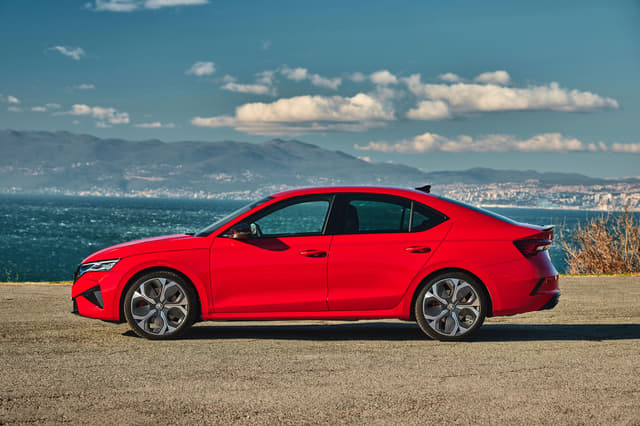
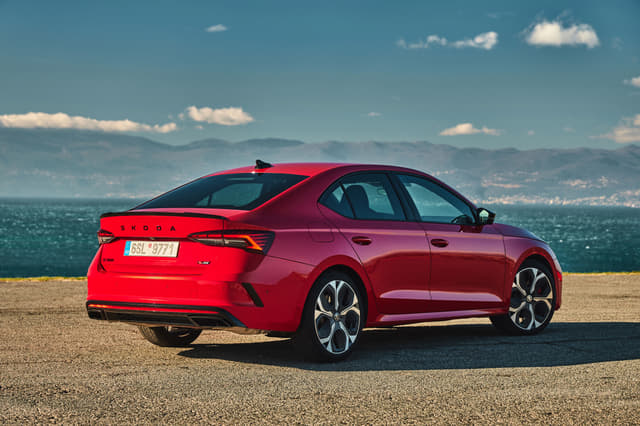
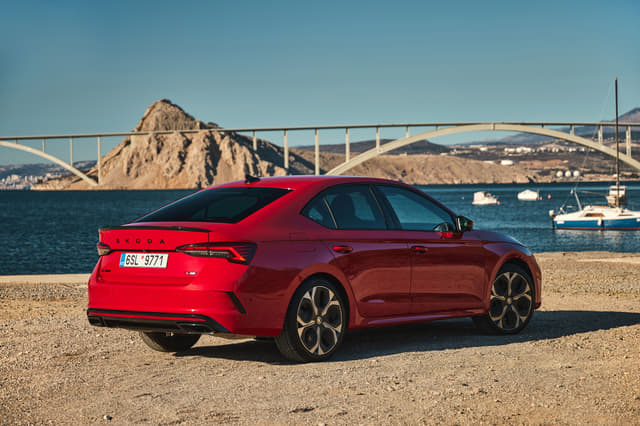
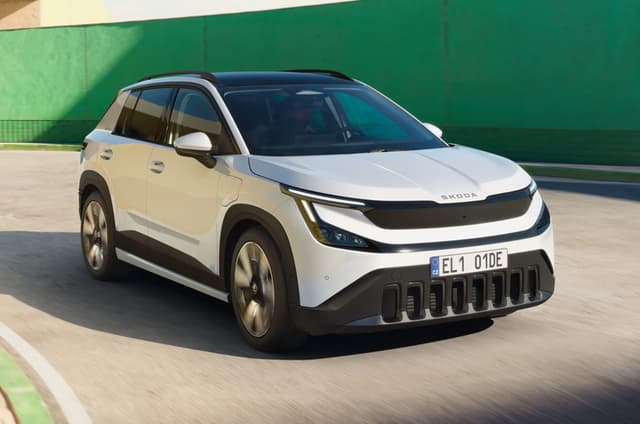
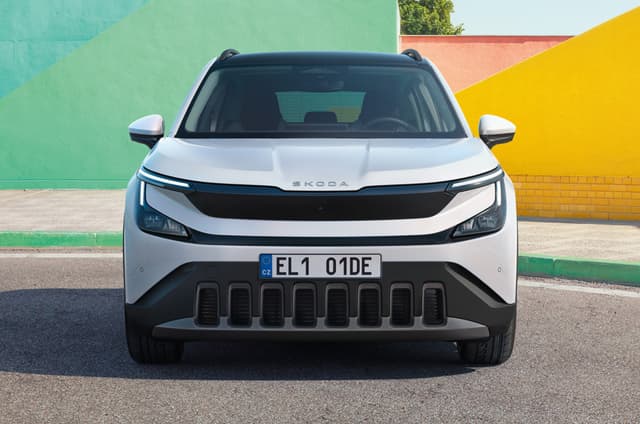
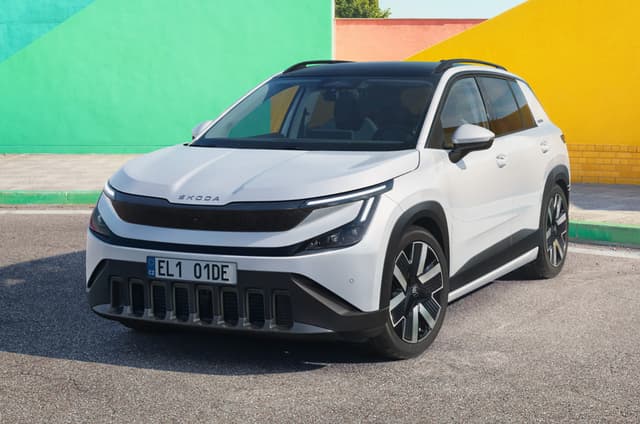
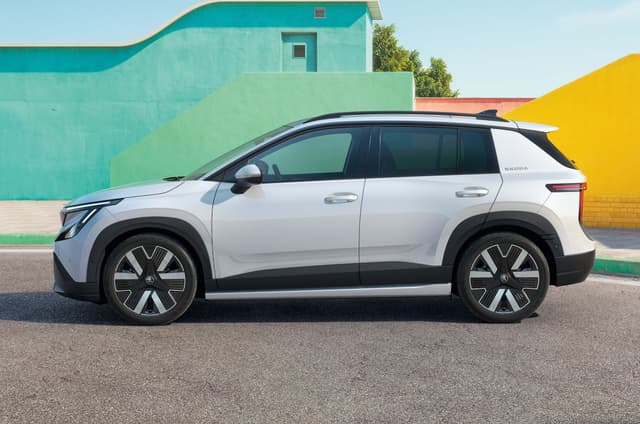
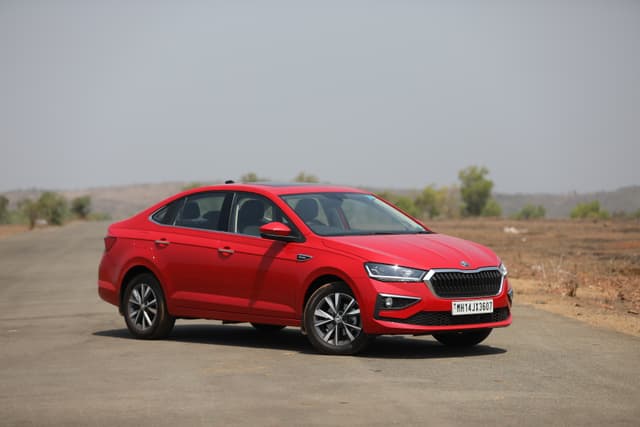
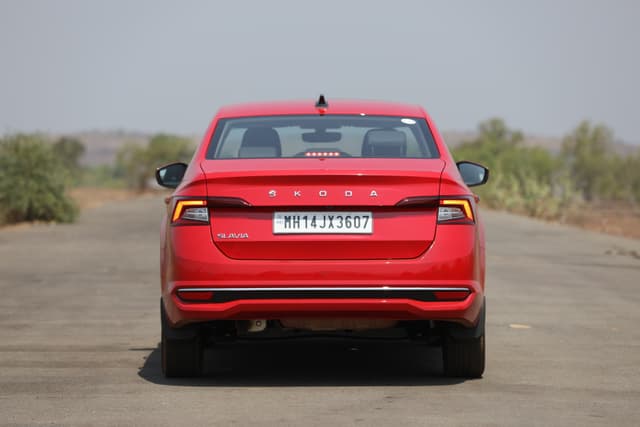
Skoda cars in India (9)
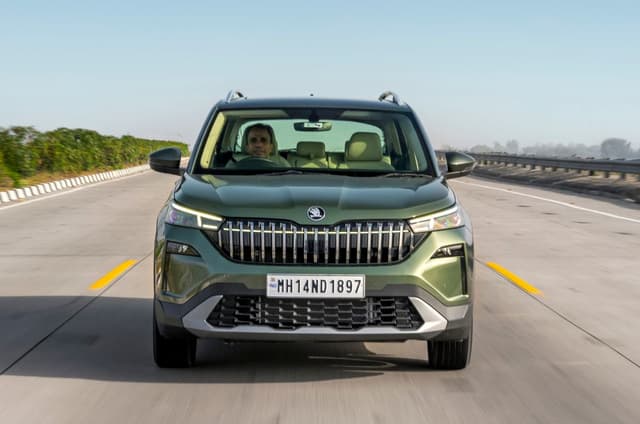
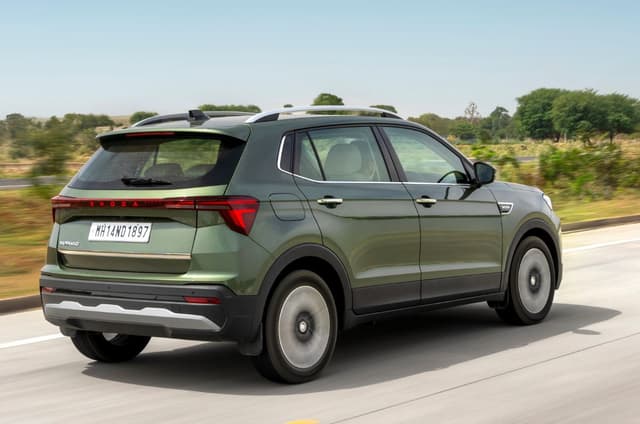
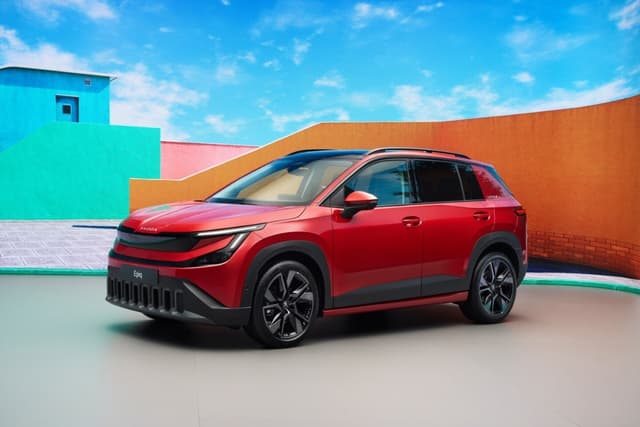
As of now, there are 9 Skoda cars in India, out of which 5 are available for purchase and 4 are upcoming. Skoda car prices in India range from Rs 7.59 lakh to Rs 66.99 lakh.
Skoda is a Czech carmaker, part of the Volkswagen Group in India, which is known for “solid build quality,” “driver-focused dynamics,” and “European engineering.” As per us, Skoda has traditionally attracted buyers looking for something different from mainstream options, even if that meant paying a little more. Its cars have often been cross-shopped with models such as the Hyundai Creta, Kia Seltos and Volkswagen Taigun.
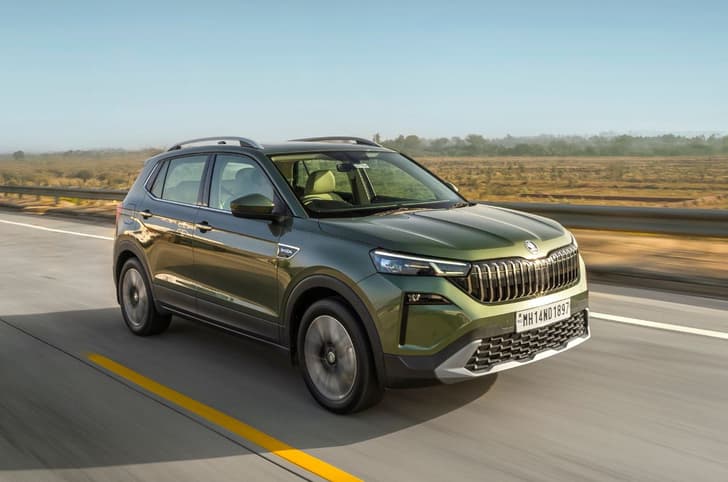
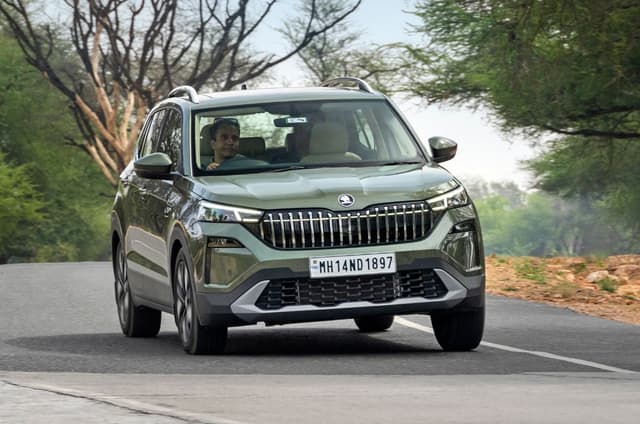
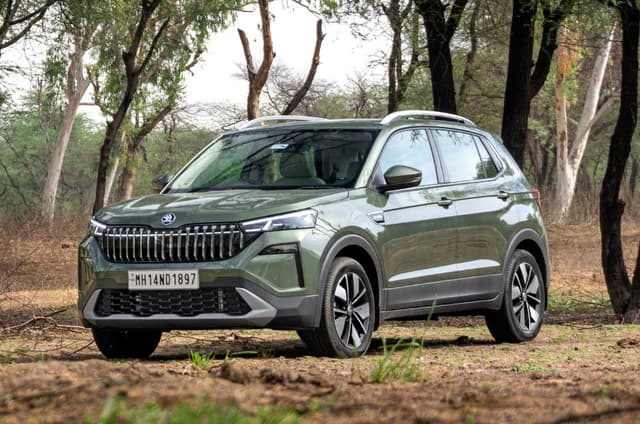
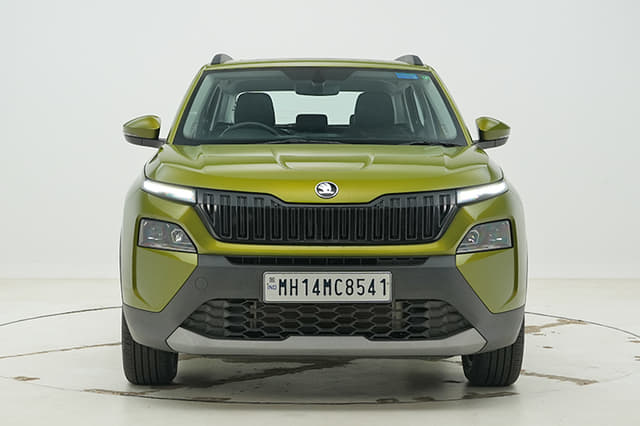
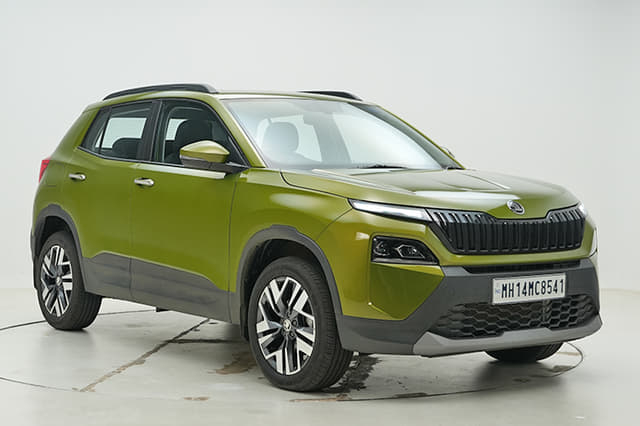
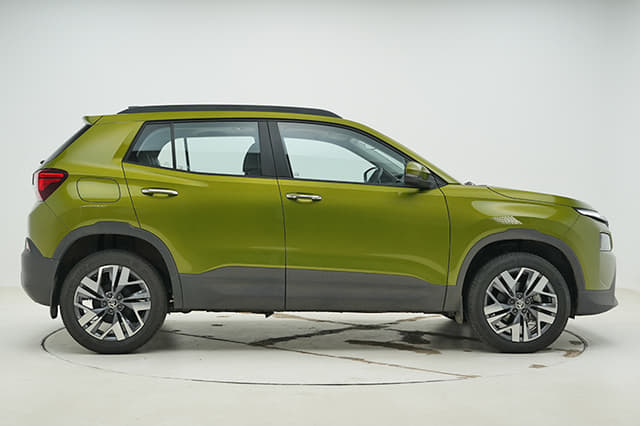
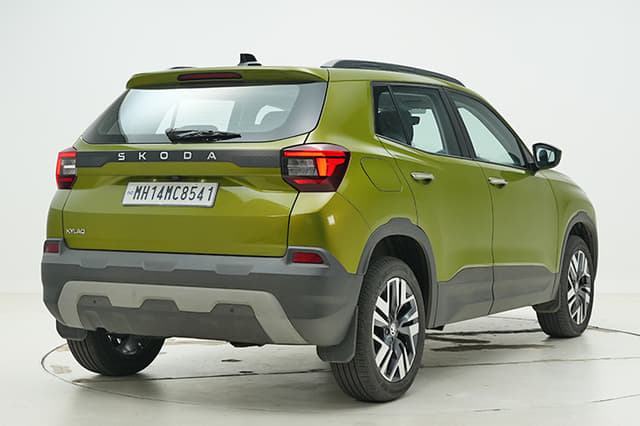
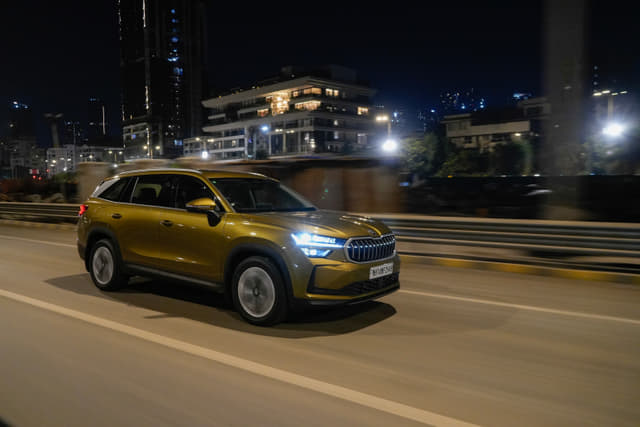
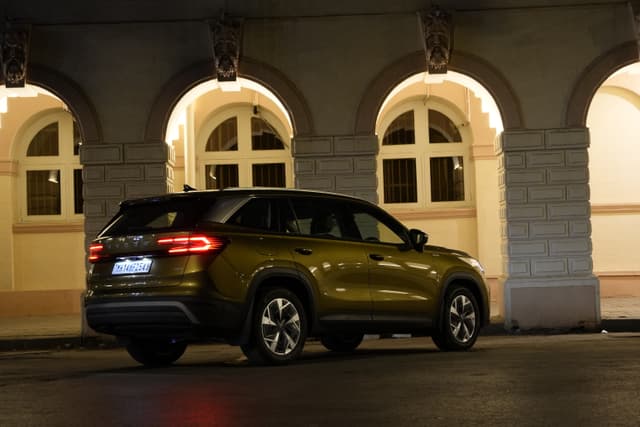
But with the launch of the Kylaq, things have changed in recent years for the brand. The Kylaq's strong sales have helped Skoda reach a wider audience, including more first-time and budget-conscious buyers. Today, Skoda's India line-up consists of SUVs and sedans, ranging from the compact Kylaq to the flagship Kodiaq. There are no Skoda hatchbacks or MPVs.
How is Skoda's After-Sales Service?
Skoda's after-sales reputation in India has historically been a weak spot. Back in 2018, Skoda Auto India's then MD, Gurpratap Boparai, told us in an interview that service quality and high maintenance costs had for long been a “prickly issue” for customers, and that fixing the experience was the brand's top priority at the time.
Since then, things have improved. Our own maintenance cost studies show Skoda's parts and labour pricing has come down over the years, even though it’s still not as affordable as a Maruti Suzuki or Toyota.
Apart from this, as per the questions we received from real owners through our Ask Autocar Anything section, here's what we can say about Skoda's after-sales service as of September 2026:
- Skoda owners are happy with the MySkoda app which includes a service cost calculator. As per them, they can estimate the bill before dropping the car off for service, which adds a layer of transparency that was missing earlier.
- Some owners say their experience varies depending on the dealership they go to. At some places, the service and experience is top-notch, while at some dealerships, things need to improve a bit.
- Customers in smaller towns often ask about dealer reach, as service support outside metro cities remains a concern.
Are Skoda Cars Safe?
- The Kylaq is currently the only Skoda car in India with a Bharat NCAP rating.
- The Kushaq and Slavia were tested by Global NCAP back in 2022, under the older protocol that uses a 34-point adult occupant protection scale rather than Bharat NCAP's 32-point scale. Their 5-star ratings aren't directly comparable to the newer Bharat NCAP scores.
- The second-generation Kodiaq did score 5 stars in Euro NCAP tests, but that was on a global, left-hand-drive diesel test unit, not the India-spec petrol car built here via the CKD route.
- The Octavia RS, being a low-volume CBU import, has not been tested by Bharat NCAP or Global NCAP.
Which Skoda Car Suits You?
Your usage | Best match | Why? |
A car for mostly driving in city within less budget | Skoda Kylaq | It is the best Bharat NCAP-rated sub-4-metre SUV on sale, and comes well equipped for its price |
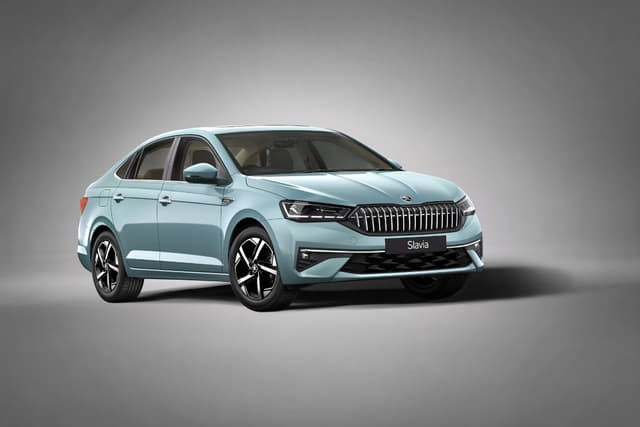
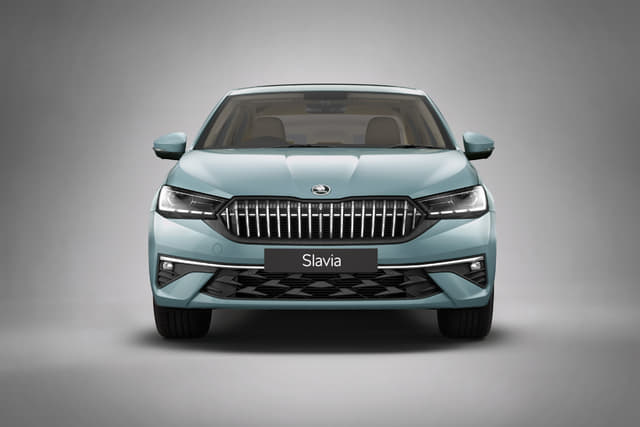
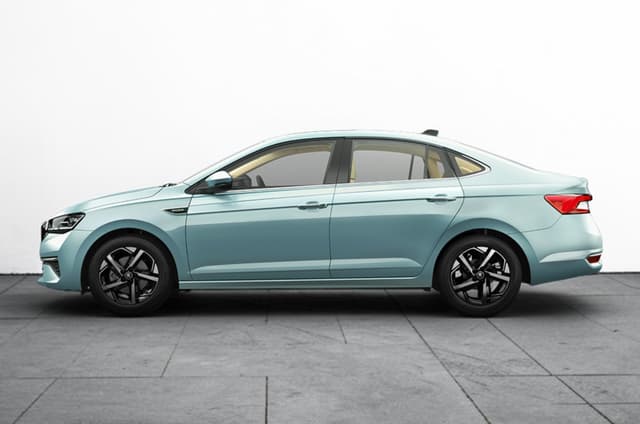
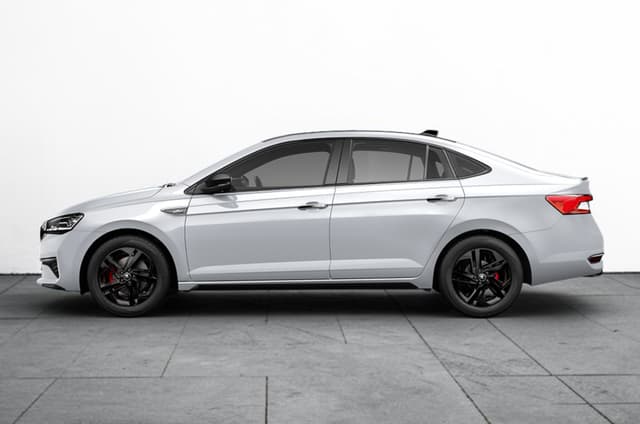
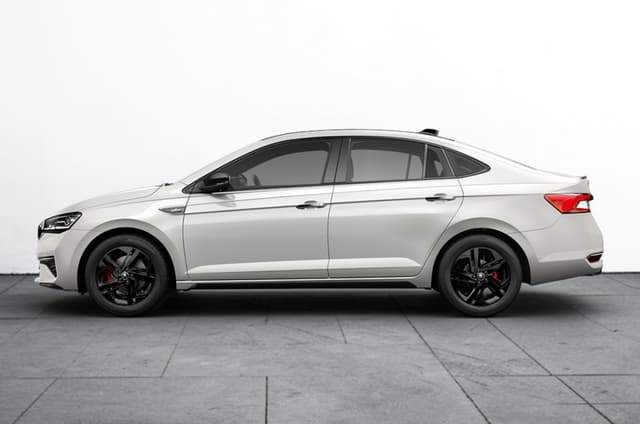
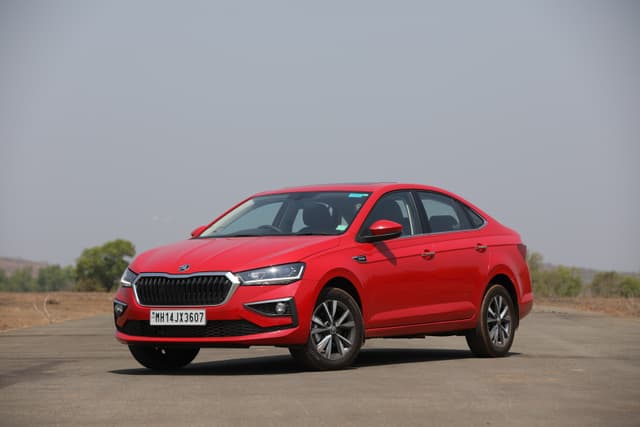
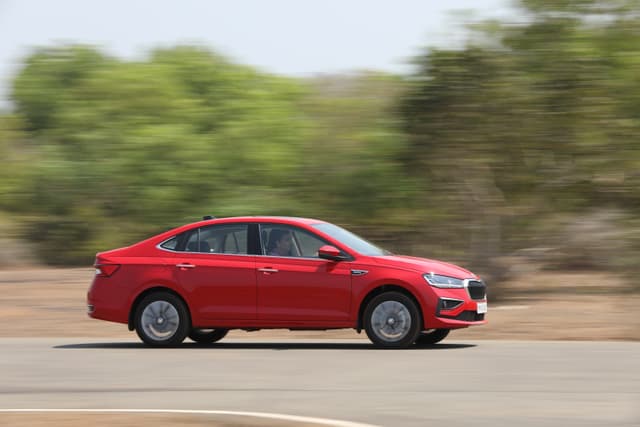
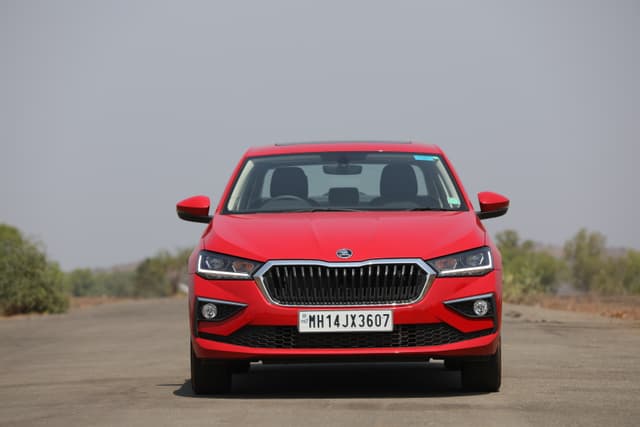
A sedan with a spacious cabin and engaging drive | Skoda Slavia | It offers a large boot, a comfortable ride for long-distance travel, and driver-focused dynamics that are hard to find in this segment |
A mid-size SUV with strong highway performance | Skoda Kushaq | The 1.5 TSI engine is among the most enjoyable in its class to drive, especially on the highway |
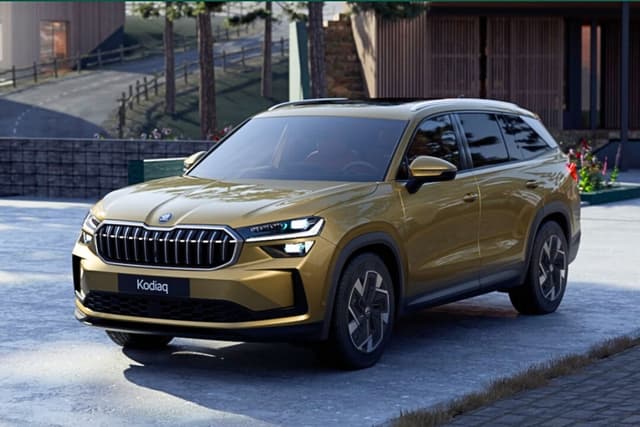
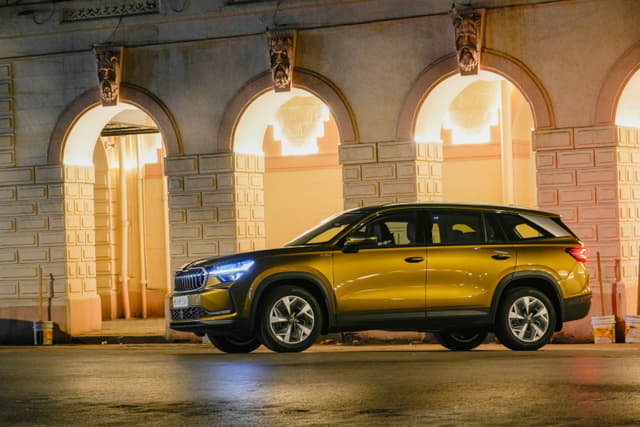
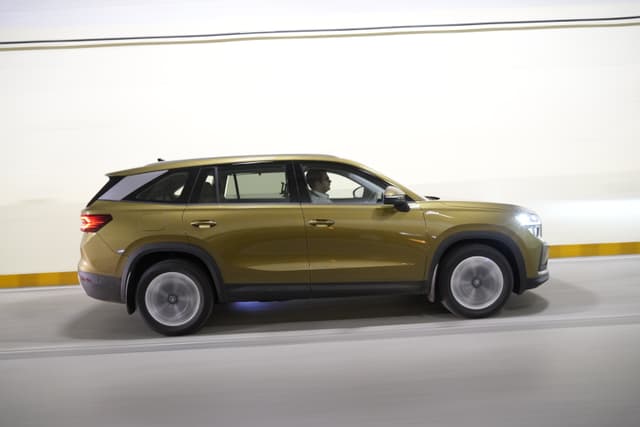
A 7-seat premium SUV | Skoda Kodiaq | It offers standard all-wheel drive, a spacious three-row cabin, and a comfortable ride over long distances |
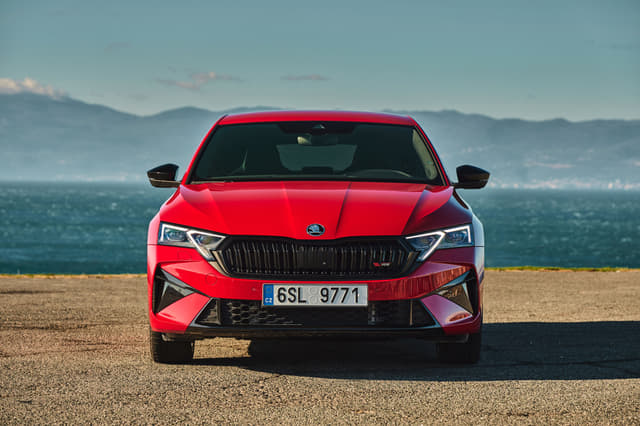
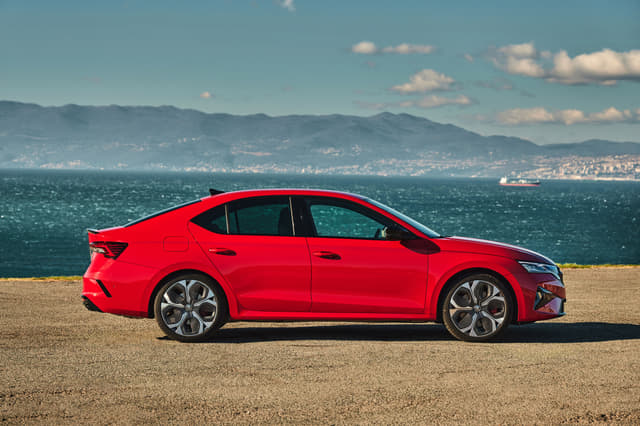
A fast sedan, with no budget constraint | Skoda Octavia RS | It's Skoda's halo performance model in India, with a 265hp turbo-petrol engine and a quick-shifting DSG gearbox |


Filter your search
Skoda Cars - FAQs
Yes. The only Skoda car under 10 lakh in India is the Kylaq. The Skoda Kylaq price starts at ₹7.59 lakh, ex-showroom.
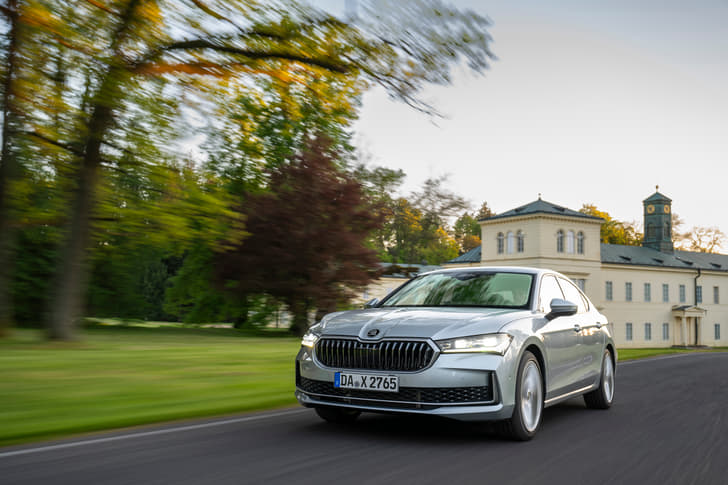
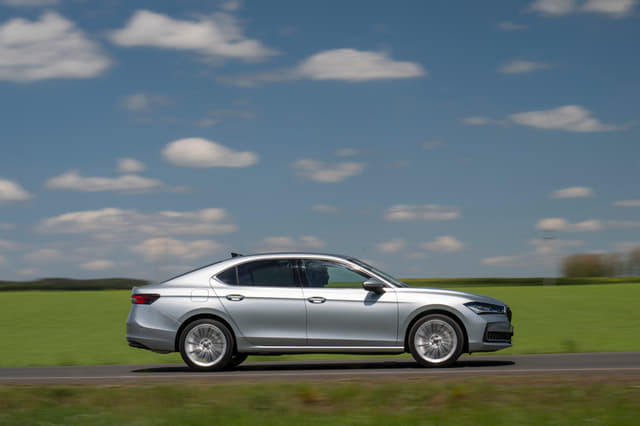
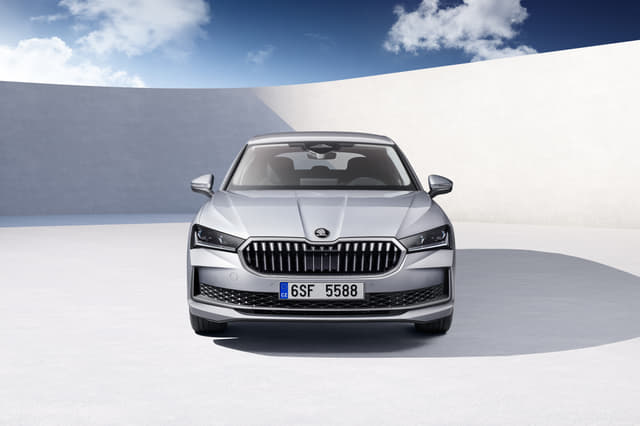
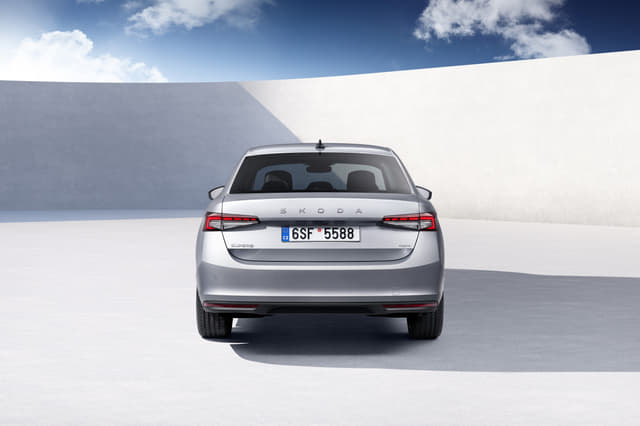
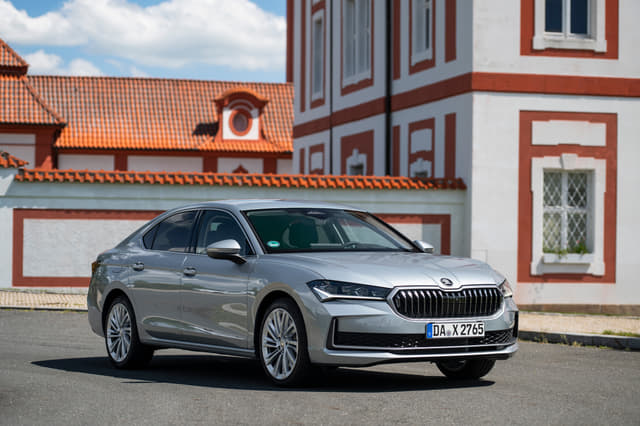
The Skoda Slavia is the only sedan on sale in India. The Octavia RS was also brought in limited numbers to the country. The upcoming Superb is the next sedan that will be offered by Skoda.
No. Presently, there are no Skoda diesel cars on sale in India. The manufacturer's lineup consists of petrol engine options only.
The cheapest Skoda car is the Kylaq, with a price starting at around ₹7.50 lakh (ex-showroom).
Yes. The Kylaq, Slavia, and Kushaq fall under the ₹20 lakh category.
The Kodiaq is the most expensive Skoda car, priced at ₹46.49 lakh (ex-showroom).
Currently, there are 3 SUV cars available for sale in India. The Skoda SUV cars list includes the Kylaq, Kushaq, and Kodiaq.
Trending Questions on Skoda Cars - Answered by Autocar Experts
Hi team Autocar, my usage is 16 km which includes 3 days a week on outer ring road in Bangalore. I take a maximum of 2-3 highway trips in a month around Bangalore. I have shortlisted Kylaq AT which I found peppy enough and has less turbo lag as well as XUV 3XO at that has noticable turbo lag. I am leaning more towards Kylaq but I am a little concerned about its AC performance, higher maintenance that may occur after warranty, EPC error and vehicle going into limp mode and being stalled in the middle of the highway. Do these issues happen in Mahindra as well? Do you think one should choose 3XO over Kylaq. What's your take on this?
Both cars would suit your requirements well -16-18km, 3 days a week on Bangalore’s Outer Ring Road plus a couple of highway trips a month - so you can't really go wrong with either car. On your concerns: the Kylaq’s AC is adequate for Bangalore conditions. The higher maintenance cost post-warranty is a valid consideration, but it is not dramatically higher than Mahindra if you maintain the car properly and stick to authorised service. EPC errors and limp mode are not widespread issues on the Kylaq; they are rare and usually resolved under warranty. The 3XO is not immune to reliability issues either, so it should not be the deciding factor.Between the two, if you want a more nimble and fun to drive car opt for the Kylaq and if rear seat space is important go with the 3XO.
I am planning to buy a sub-4m SUV and have shortlisted the Skoda Kylaq Signature Plus Automatic and Hyundai Venue HX5 Diesel Automatic. My annual running is expected to be around 16,000 to 18,000 km, including approximately 12,000 km of highway driving. From an economic point of view, I am slightly concerned about the Kylaq’s real-world petrol mileage, especially given the high amount of highway running. I am also concerned about the long-term implications of E20 petrol and whether it could lead to any issues in the future. On the other hand, I have concerns about buying a diesel due to the possibility of future government restrictions and the uncertainty around long-term diesel ownership. Considering these factors, I would appreciate your advice on which of the two would be the better choice for at least eight years of ownership.
Go for the Hyundai Venue Diesel Automatic. With your annual running of 16,000-18,000 km and a strong highway component, the diesel makes clear financial sense. The Venue’s diesel is refined and well suited to long-distance driving, and the 6-speed torque converter automatic is smooth and reliable. Hyundai’s service network and ownership experience are also strong, which matters over an 8-year horizon.The Skoda Kylaq Signature Plus Automatic is the better driver’s car, but the 1.0 TSI petrol will not match the diesel’s efficiency at your running, and the E20 concern is largely overstated – modern engines are engineered for it, and there is no official roadmap beyond E20. On the diesel side, the government has not announced any blanket restrictions on private diesel cars, and with Bharat Stage 6 and DPF technology in place, long-term ownership is not a major concern.The Venue is the more sensible and cost-effective choice for your usage pattern. If you want a more premium and spacious diesel SUV, the Kia Seltos Diesel Automatic is worth stretching for, but within your shortlist, the Venue is the right call.
Hello, I own a Ford EcoSport 1.5 TDCi Titanium, and as per the new NCR norms, I will have to retire the car after it completes 10 years, which is next year. I am looking for the best replacement. I drive to Gurgaon on a weekly basis, along with regular city driving and occasional long trips to the hills. I am considering a petrol automatic as an upgrade from my current manual. Which car should I go for? I am looking for a car that offers a similar or better driving experience than my EcoSport, along with a slightly larger boot space.
The Skoda Kylaq 1.0 TSI automatic is the closest match to the Ford EcoSport’s character. The turbo petrol engine delivers strong mid-range punch, making highway overtakes and hill climbs effortless, while the 6-speed torque converter automatic is smooth enough in city traffic. The Kylaq also offers a bigger boot than the Ecosport, addressing your luggage space requirement, and its compact dimensions make it easy to manoeuvre in urban conditions.
Hello Team, I currently own a 2013 Hyundai i20 Sportz CRDi and am planning to upgrade to a mid-size SUV. My budget is around Rs 20 lakh on-road in Kerala. My monthly running is approximately 700-800km, with occasional long drives, and I plan to keep the car for at least 10 years. I recently test drove the Duster 1.3-litre DCT automatic and was quite impressed with its driving dynamics and comfort. I really enjoyed the overall driving experience. Could you please share your insights on whether the Duster would be a good choice for long-term ownership, considering my usage and the fact that I plan to keep the car for 10 years? Also, are there any other alternatives in this budget that I should consider?
The Renault Duster actually sounds like a very good fit for your requirements. With just 700–800km of monthly running and occasional long drives, there is little reason to choose a diesel, and the 1.3-litre turbo-petrol gives you plenty of performance for both city use and highway trips. The Duster’s biggest strengths are its excellent balance of ride comfort and driving dynamics, along with 212mm of ground clearance.The 1.3 DCT is also a particularly good combination. It uses a wet-clutch DCT, and the gearbox is smooth enough in everyday driving while the engine provides strong performance when you are out on the highway.The only reservation is long-term ownership. This is a new-generation Duster, so there simply isn't enough 8 to 10 year Indian ownership data yet. The DCT is also mechanically more complex than a conventional torque converter, and Renault's service reach isn't as strong as Hyundai, Kia or Maruti.If you want alternatives, the Kia Seltos 1.5 IVT is the more conservative long-term choice, while the Skoda Kushaq 1.0 AT is worth considering if driving enjoyment is important.
I am very confused between the Honda City V MT and Skoda Slavia Signature 1.0 MT. I have driven both and really liked the City's smooth engine. However, I feel the Slavia is better built. I also plan to travel to various places over the next five years, so I am inclined towards the Slavia because of its better build, driving feel and higher ground clearance. Please advise which one I should choose.
The Honda City’s 1.5-litre naturally aspirated engine is definitely smoother and more linear, but for your usage, the Slavia is the better fit. Its stronger highway performance, more planted driving experience, better ride over broken roads and higher ground clearance make it better suited to the road trips you have planned over the next five years.The Skoda Slavia also feels more solidly built, which is something you have already noticed on your test drives. The City’s biggest advantage is its exceptionally smooth engine, excellent rear-seat comfort and easy-going nature, but the Slavia offers more confidence and engagement when driving on highways and winding roads.The only reason to pick the Honda City would be if engine refinement and relaxed city driving are your overriding priorities. Otherwise, the Skoda car mentioned above better matches what you seem to value.
Last Updated on: 14 Sept 2026