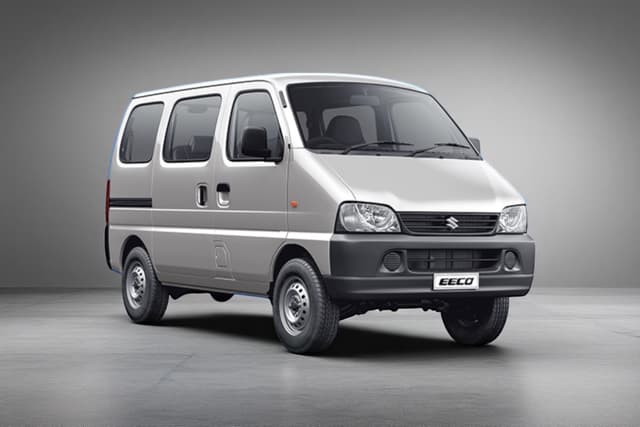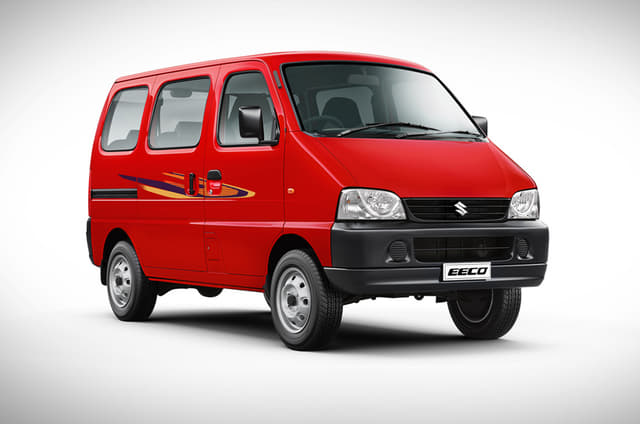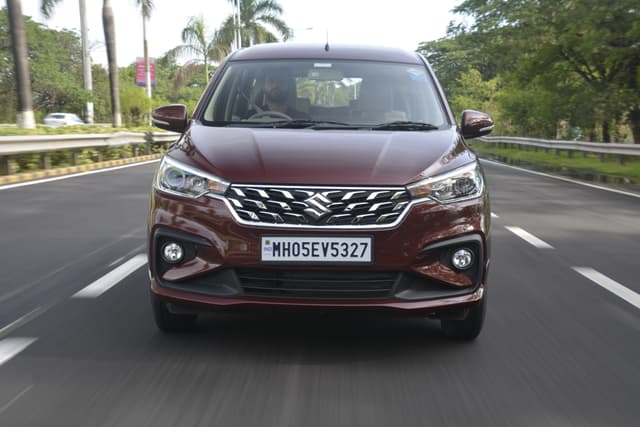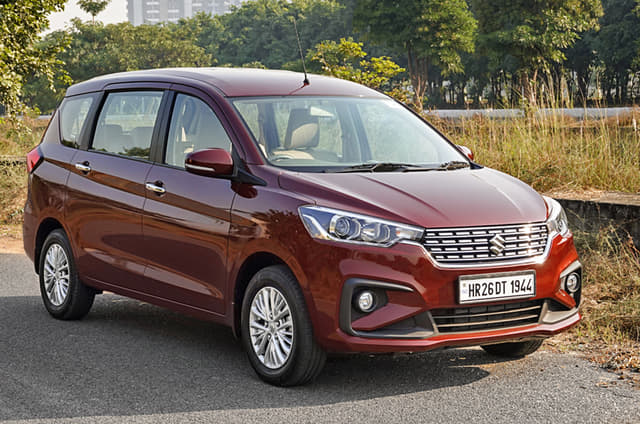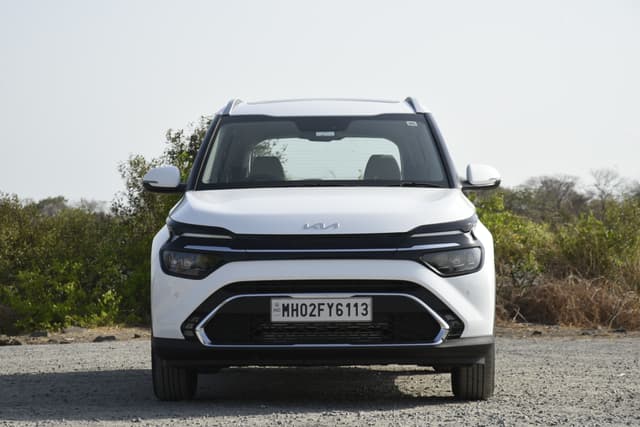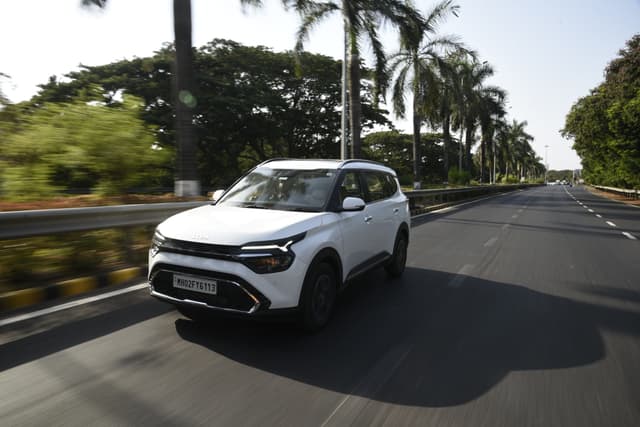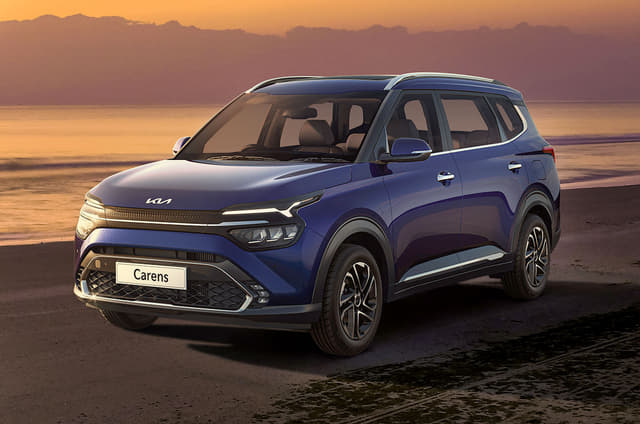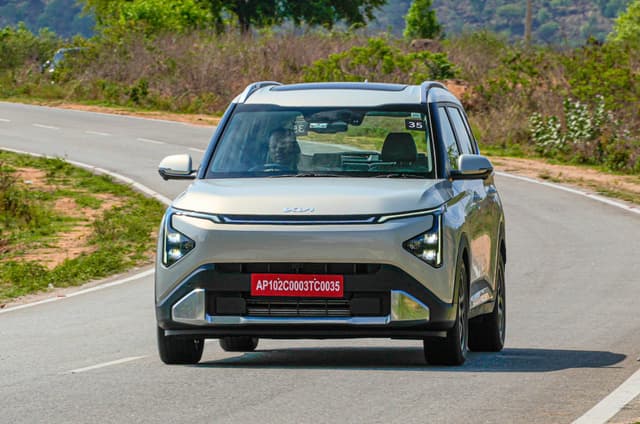

Mpv Manual Cars in India (9)
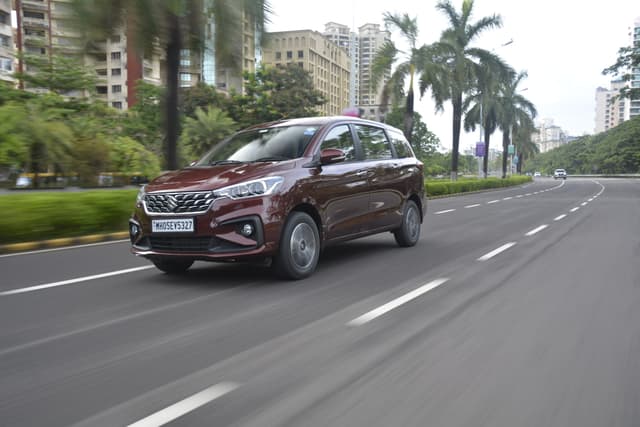
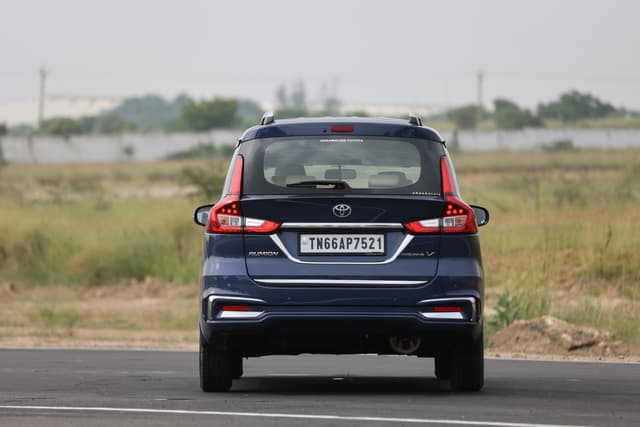
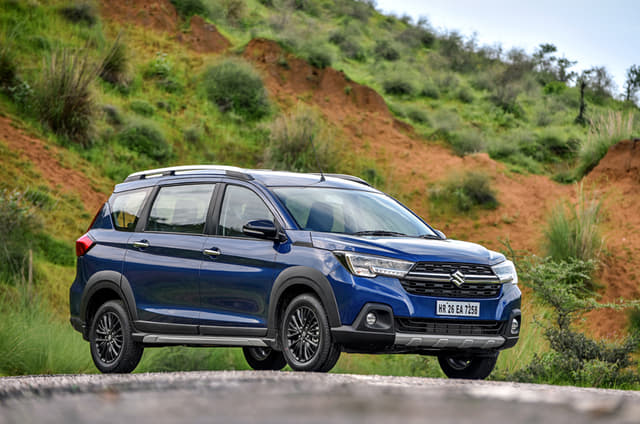
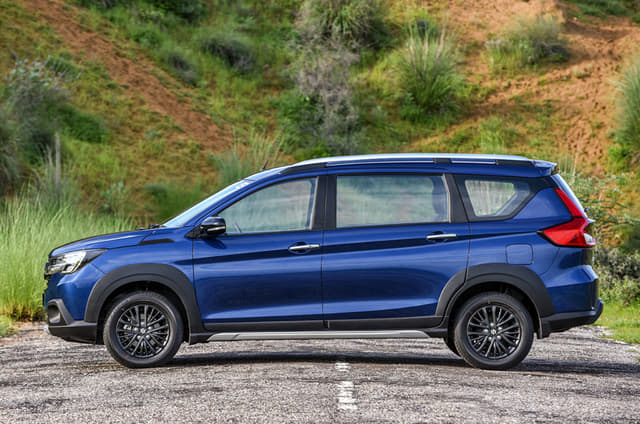
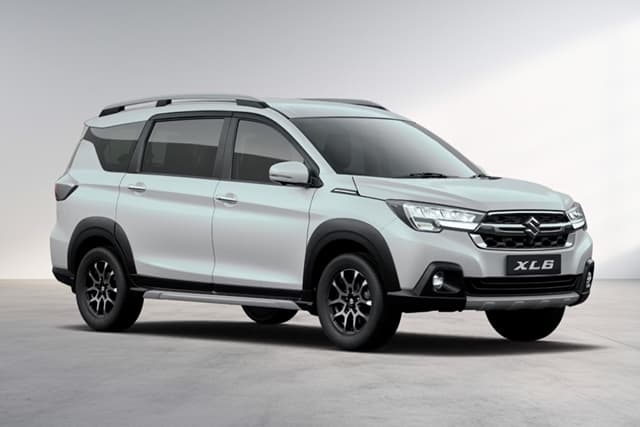
Discover the best Mpv Manual Cars. Our comprehensive guide covers detailed specifications, expert reviews, pricing information, and buying advice for Mpv Manual Cars. Find the perfect cars that matches your requirements and budget.


Still have more question?
Get answers from Autocar experts and owners
- 9,000+discussions
- •20,000+users online
- •10,000+members
Trending Questions on Cars - Answered by Autocar Experts
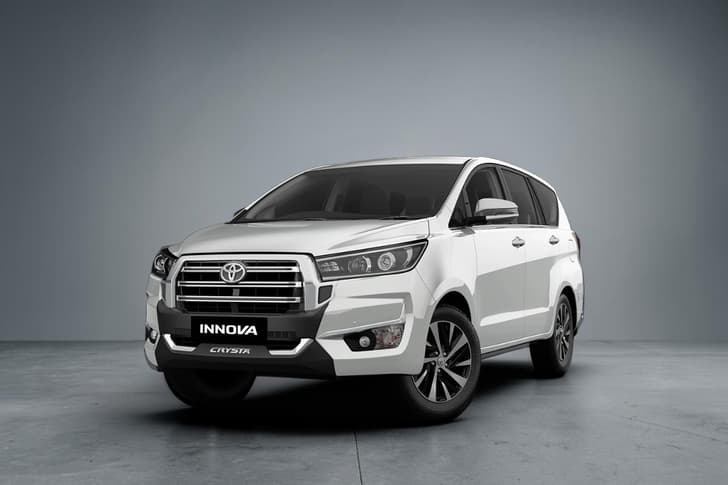
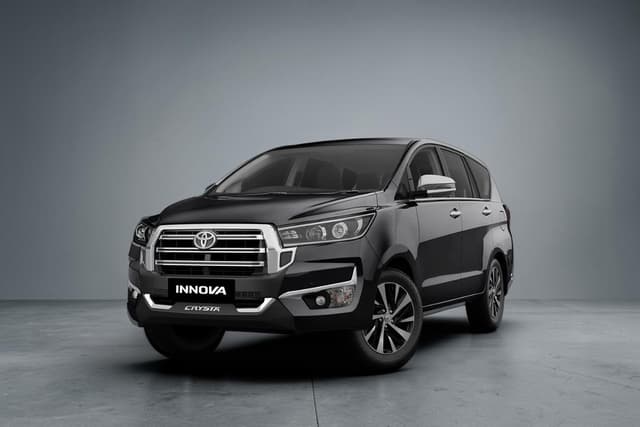
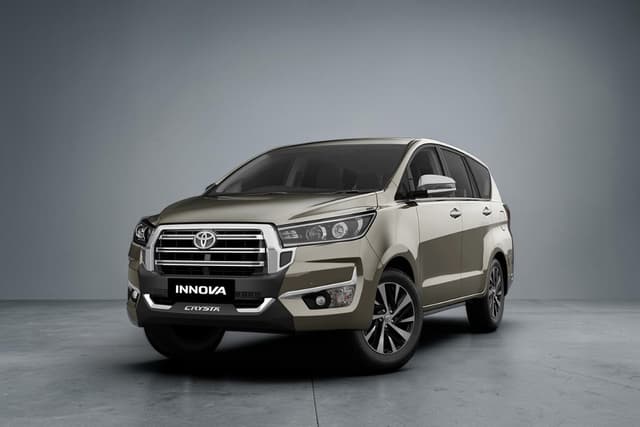
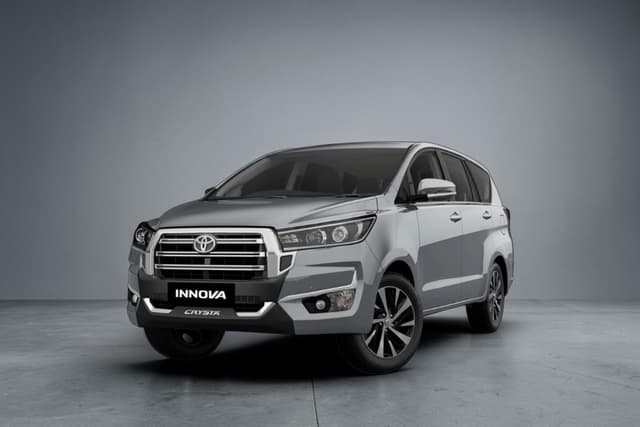
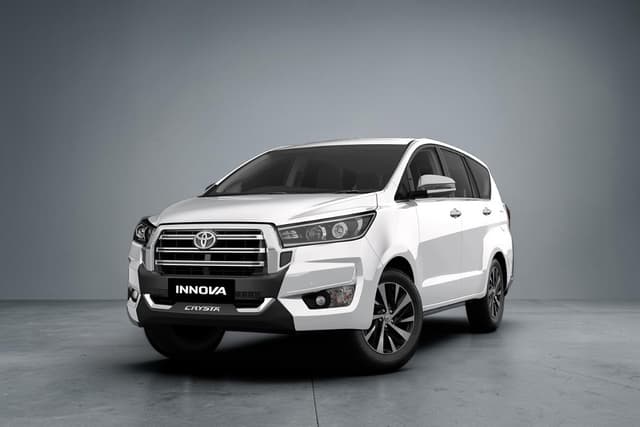
Regarding the Crysta option, I have found a 2024 Innova Crysta ZX manual with only 10,000 km on the odometer, available for sale at an authorised showroom. Is it wise to prefer this sparingly used Crysta over a brand-new GX or GX Plus variant? I find the deal quite attractive.
If the 2024 Crysta ZX manual is genuinely a 10,000 km car from an authorised showroom with a clean service history, it is a very attractive proposition. The ZX is the top-spec variant, so you are getting a far richer feature set than the GX or GX Plus, and the Crysta’s diesel engine and manual gearbox are both known for their long-term durability. The key here is that the Crysta is a proven workhorse with a reputation for running well past 2-3 lakh km with proper maintenance, so 10,000 km is barely run-in.The only caveat is price. If the asking price is close to a new GX or GX Plus, it is still worth considering because you are getting the top variant with all the additional features and a car that is essentially still new. Just make sure the price premium over a new GX is not excessive, and that the car comes with a full service record and any remaining warranty transferred to you.
I’m planning to keep my next 7-seater for 8–10 years. My annual running is around 12,000km, mostly on the highway, although the car may sometimes remain parked for 3–6 months because I work abroad. My budget is around Rs 18 lakh, with some flexibility of another Rs 1–2 lakh, and I prefer a manual. I’m currently considering the Hyundai Alcazar Executive petrol, Alcazar diesel and Mahindra XUV 7XO base/AX3 diesel. The XUV 7XO is a large and heavy car, so I’m concerned that the petrol version may not deliver good real-world fuel economy. The Tata Safari petrol is also on the list, but I have some concerns about Tata’s after-sales service. My priorities are long-term reliability, real-world mileage, maintenance costs and overall peace of mind rather than just features. I’m also considering the implications of E20 petrol and potential DPF/AdBlue-related issues with a diesel car that may sit unused for several months. The XUV 7XO’s lower variants also have a long waiting period, whereas Hyundai is currently offering a Rs 1 lakh ex-showroom discount on the Alcazar. I’m currently driving a 2008 Maruti Suzuki SX4 petrol manual. There are six adults and a toddler in the family. Considering all these factors, which one would you personally buy in this situation, and why?
Go for the Hyundai Alcazar Executive Diesel Manual as it best fits your requirements. Your usage of 12,000 km/year, mostly on highways, means a diesel manual makes sense because the fuel savings will add up over time, and the Alcazar diesel is a proven, reliable package with a comfortable ride and a strong service network. The Alcazar is also a more manageable size than the Mahindra XUV 7XO, and the discount you are getting makes it even better value. The XUV 7XO diesel is a great car, but the long waiting period and larger size make it less practical for your needs. The Tata Safari petrol is not the right choice here because your usage is highway-heavy and diesel is the better fit. The Alcazar diesel will give you the best balance of efficiency, reliability and peace of mind over the long term.
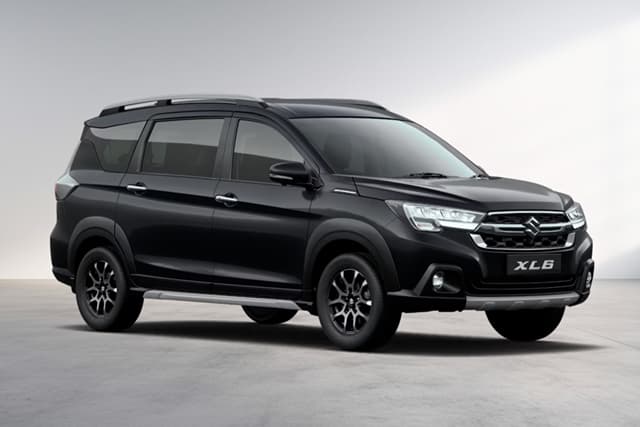
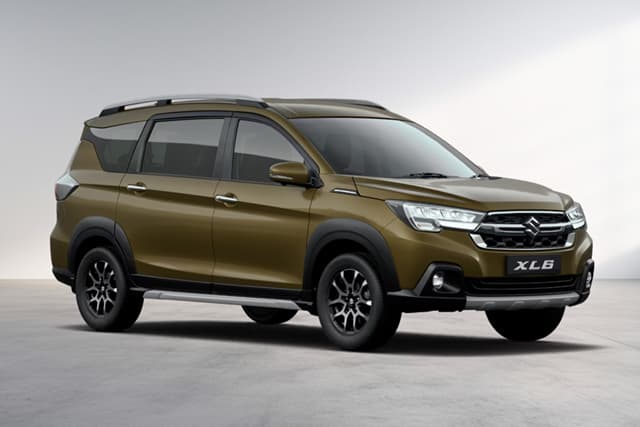
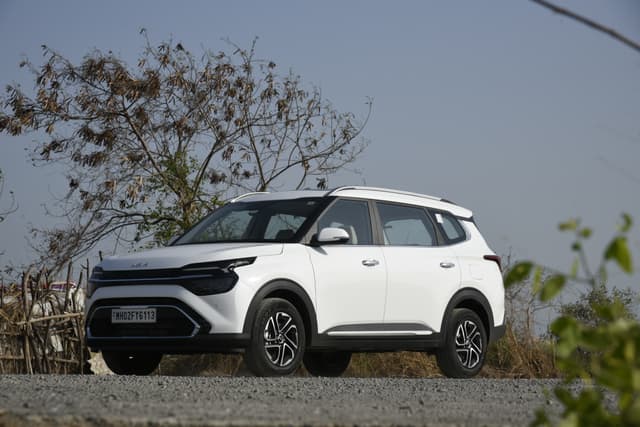
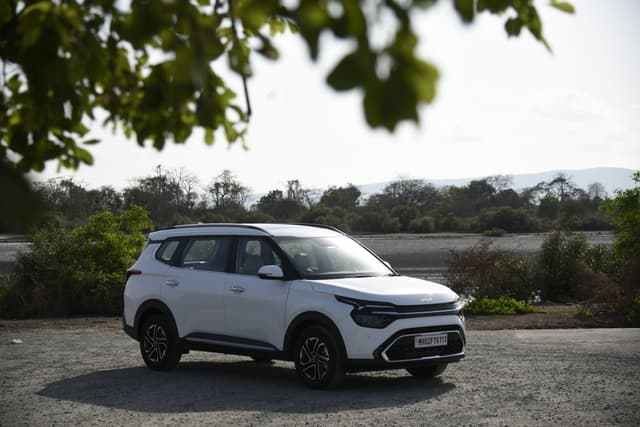
I am from Kerala and looking to buy a 7-seater car to replace my old Hyundai Eon. My options are the Maruti Suzuki Ertiga, XL6, and Kia Carens Clavis. The Clavis offers many options, including naturally aspirated and turbocharged petrol engines. Which car would be the most suitable for travelling with seven people? My maximum budget is Rs 16 lakh. Also, from a mileage point-of-view, which is better: turbo or naturally aspirated with a manual transmission?
Go for the Maruti Suzuki Ertiga. It is the most sensible and reliable choice for your requirement. The Ertiga is a proven 7-seater with a comfortable third row, low running costs and Maruti's strong service network, which is important coming from a Hyundai Eon.The Maruti XL6 is essentially the same car with a more premium interior and captain seats in the middle row, but that reduces seating capacity to six, which does not suit your need for seven people.The Kia Carens Clavis is a good alternative with a more premium feel, but is positioned slightly higher, and on your budget of Rs 16 lakh, you will only get a low-spec model with fewer features. Between turbo and naturally aspirated petrol engines, the naturally aspirated engine is generally more fuel-efficient in real-world conditions, especially with a manual transmission.The Maruti Ertiga also fits comfortably within your Rs 16 lakh budget, letting you get the fully-loaded variant with more features. Overall, the Ertiga is the most practical and hassle-free 7-seater for family use.
I am planning to buy the Hyundai Alcazar Prestige 7-Seater Manual Petrol variant. We are a family of four, so most of the time, only five seats will be occupied. However, we occasionally travel in groups consisting of 4 adults, 3 older kids, and luggage, which is why I am considering the 7-seater option. Currently, I drive a 2019 Hyundai Santro Sportz, and my annual running is unlikely to exceed 10,000 km. We have test-driven the Tata Sierra, Kia Carens Clavis, and Kia Seltos, but the Alcazar felt better in terms of overall seating comfort, especially with older kids seated in the third row. Given my usage pattern and requirements, do you think the Alcazar Prestige 7-Seater Petrol Manual is a good choice? I am also open to considering other options in a similar price range if there are better alternatives. Any advice or recommendations would be greatly appreciated.
Based on your usage, the Hyundai Alcazar Prestige 7-seater petrol manual is a sensible choice. Your annual running is under 10,000km, so petrol is the right fuel, and the manual gearbox keeps costs down. The third row is one of the more usable options in this Hyundai car, especially for older kids on occasional trips, and the overall comfort and refinement are strong points. However, do keep in mind that with all three rows in use, boot space is very limited, so you will need to plan luggage carefully or consider a roof box for longer trips.Given your requirement of occasional 7-seat use with older kids, the Kia Carens Clavis is worth a second look. It offers a more spacious third row and better luggage flexibility, making it a more practical 7-seater overall. The Alcazar feels more premium and better finished, but the Carens Clavis is the more functional family car. The Tata Sierra is a good product, but it does not offer a third row at all. If you want even more third row and luggage space, consider moving up to a Tata Safari, which offers both. However, that will entail a price jump, so you will likely have to up your budget for that. All things considered, the Carens Clavis is the more practical choice, but if you're happy with the space in the Alcazar, you should go for it.
I'm planning to buy a new 7-seater manual with a budget of around Rs 18 lakh. My current preference order is: Tata Safari Petrol, Mahindra XUV 7XO, Mahindra Scorpio N, and Kia Carens Clavis. My annual running will be around 12,000km, mostly on highways, but the car may remain parked for 3-6 months at a time. I plan to keep it for at least 7-8 years. My biggest dilemma is petrol vs diesel. Petrol is my first preference because of my relatively low running and the long periods when the car will be parked, but I'm concerned about E20 ethanol-blended fuel. On the other hand, these are large and heavy vehicles, so fuel efficiency is also important. I'm considering diesel for its better mileage, but I'm worried about the long-term reliability of the DPF and DEF systems if the car remains unused for several months. What would you recommend?
Although your annual running of around 12,000km sits on the fence between petrol and diesel, your usage pattern is predominantly highway, which plays to a diesel's strengths. The concern about DPF is understandable, but it's often overstated. DPF issues are far more common in vehicles used almost exclusively for short city trips. Since your driving is mainly on highways, the system will get the opportunity to regenerate properly. As for the car remaining parked for 3-6 months, that's not ideal for either fuel type. Diesel cars require some precautions, such as keeping the tank full and using fresh DEF when the car is put back into regular use. Still, long periods of inactivity are not a reason to avoid diesel altogether.We wouldn't let E20 fuel influence your decision either. Modern E20-compliant engines are designed to run on it, and there is no official roadmap beyond E20. While ethanol can marginally reduce fuel efficiency, it is not a reason to avoid buying a petrol car today.Among your shortlist, we'd place the Mahindra XUV 7XO ahead of the others. It is the most rounded package, offering excellent space, comfort, safety and highway ability.
Last Updated on: 28 Nov 2026