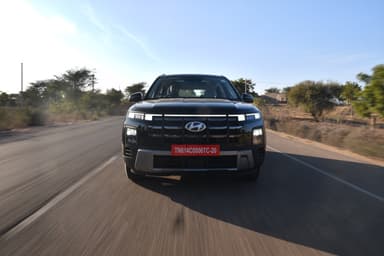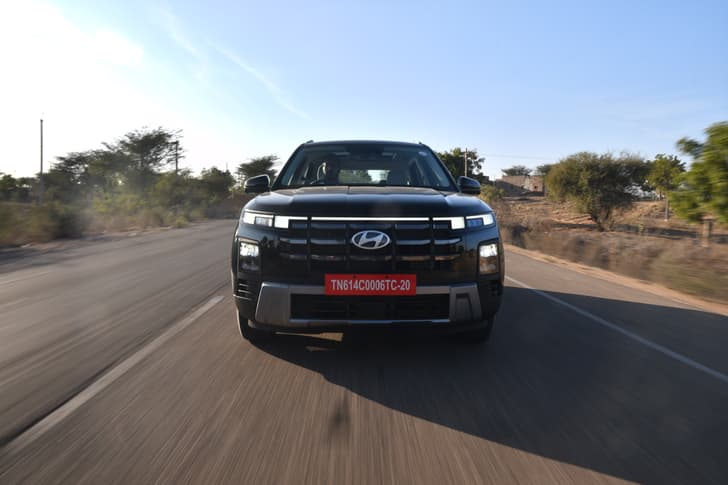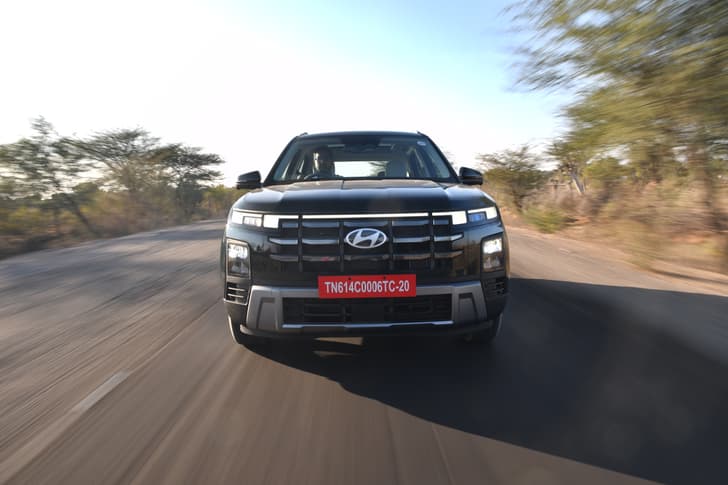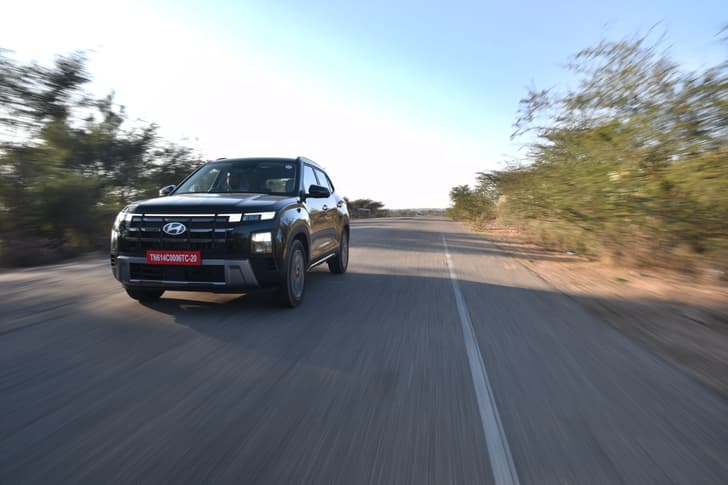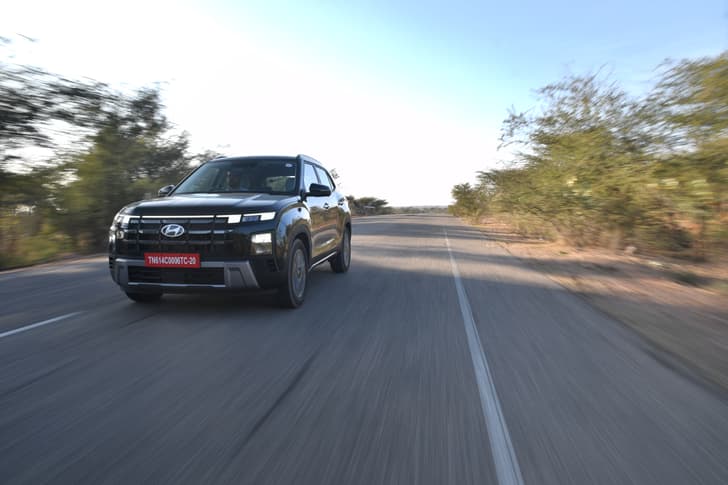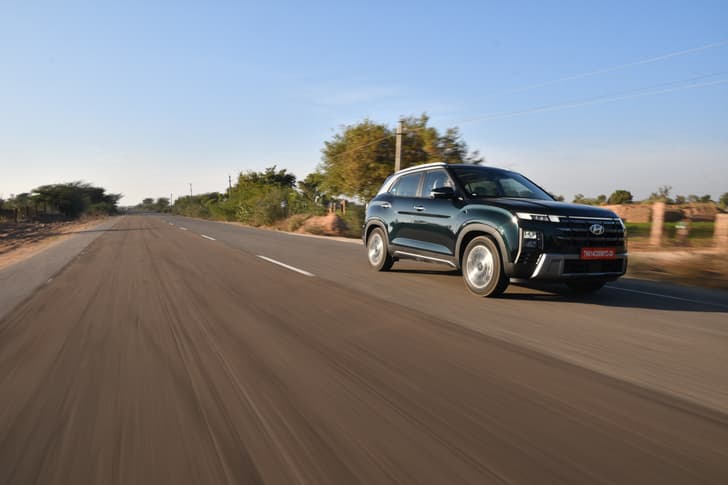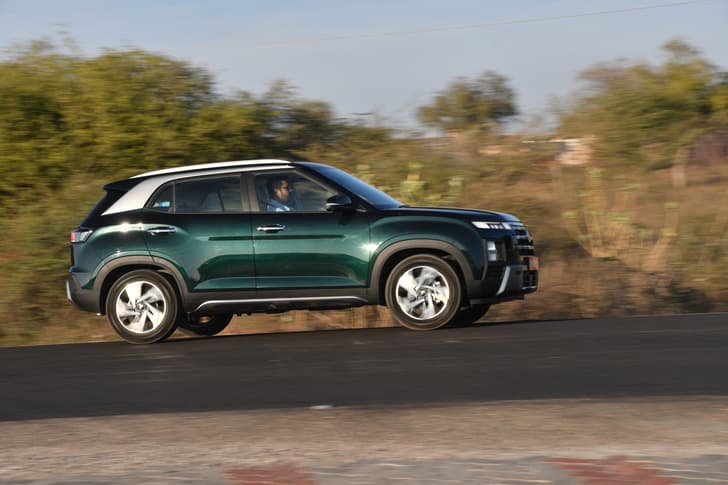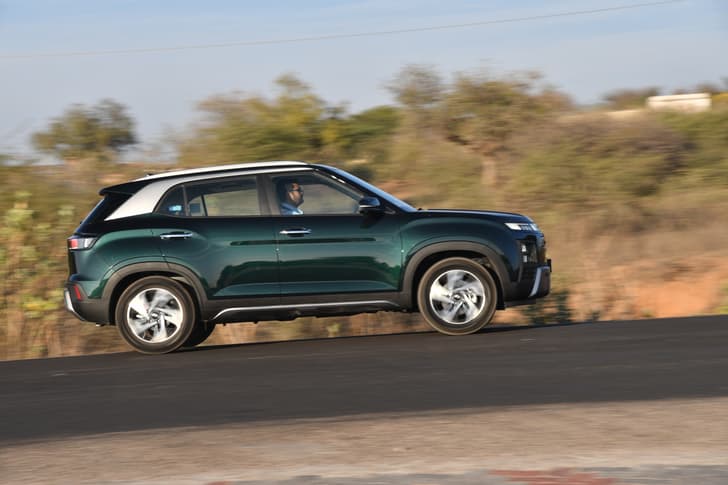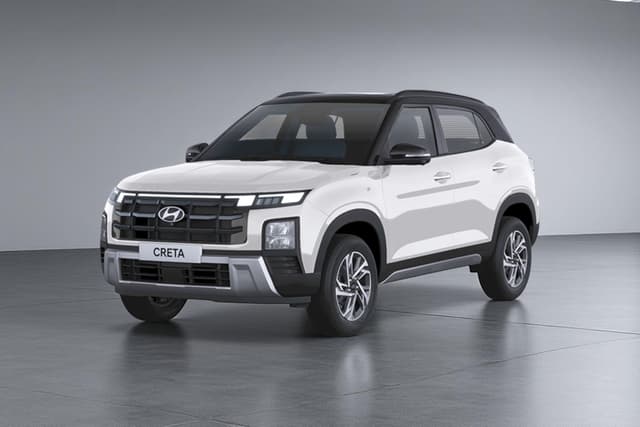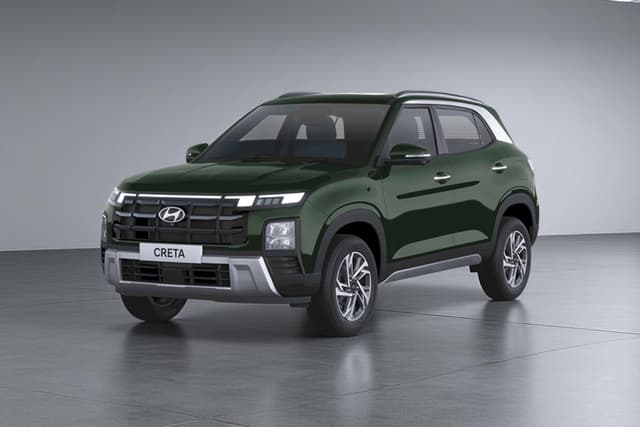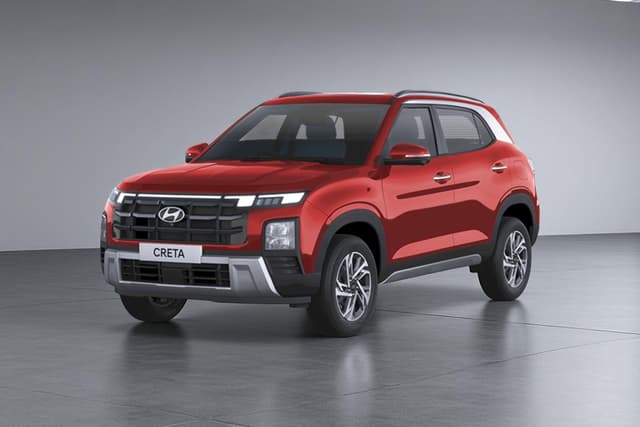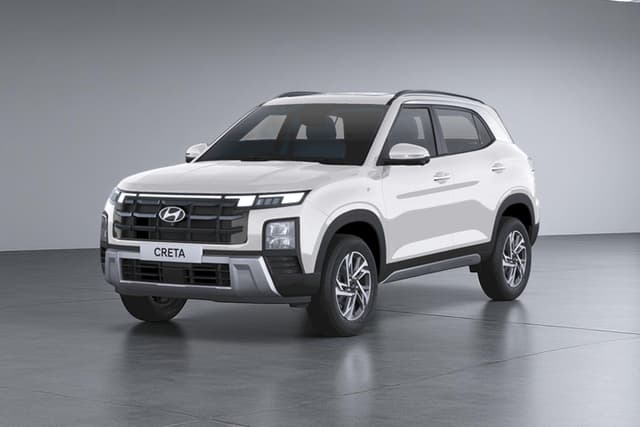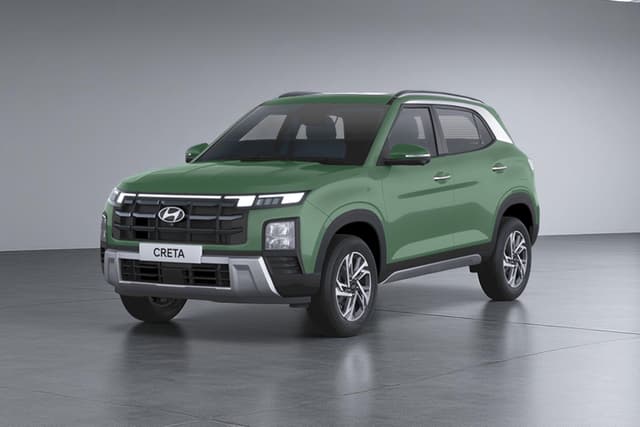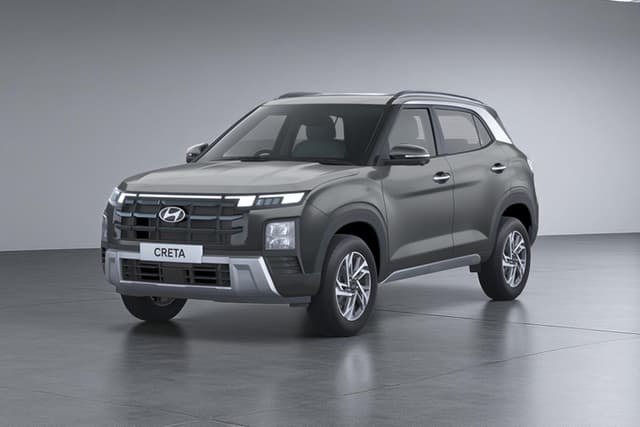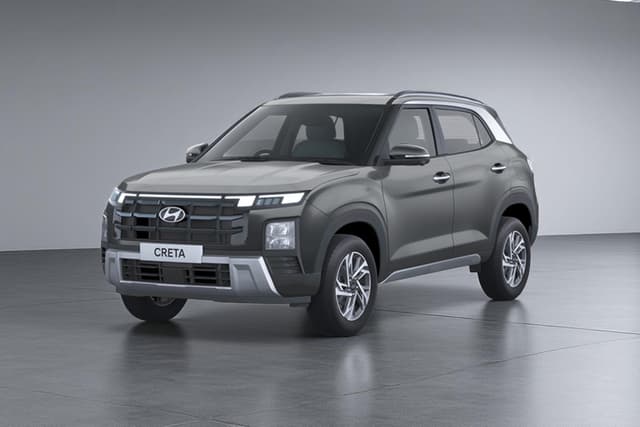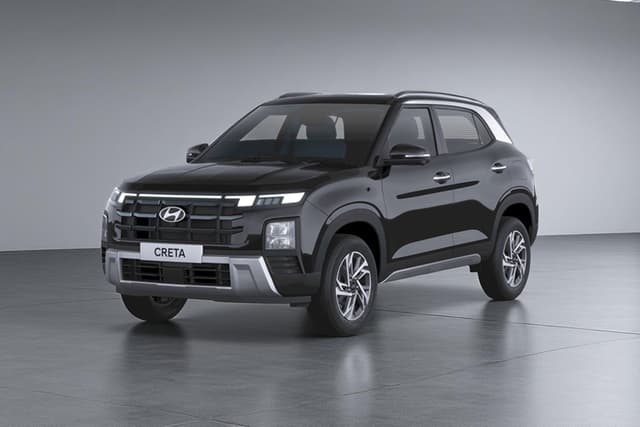
Mandona Hyundai-Badulahati
Narayanpur NH-15, Narayanpur Near SBI, Narayanpur, Assam 784164

Last Updated on: 06 Aug 2026
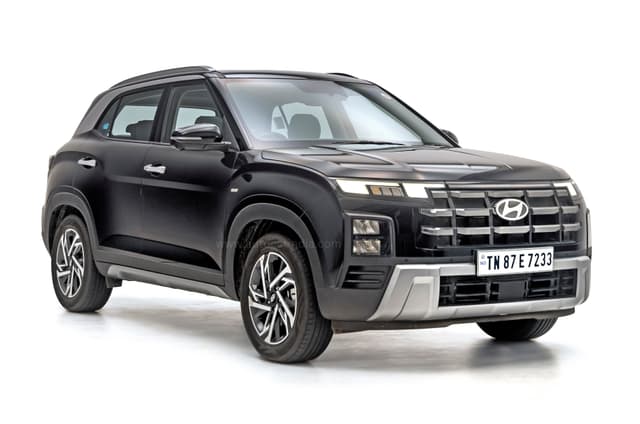
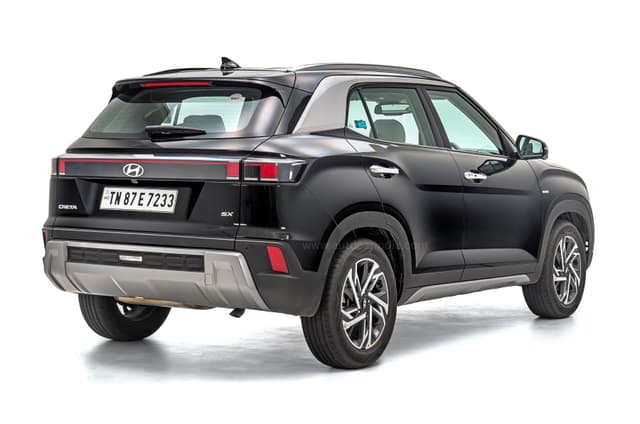
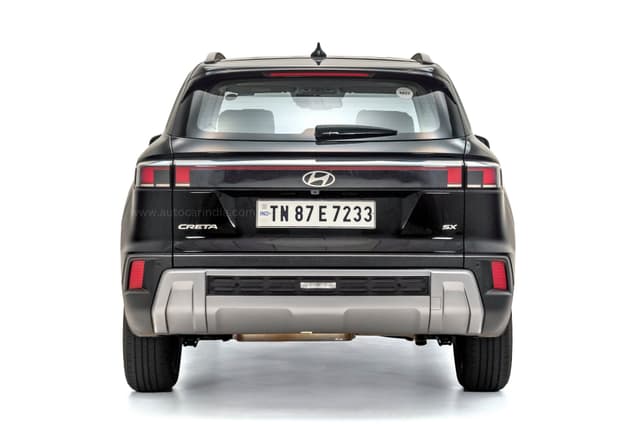
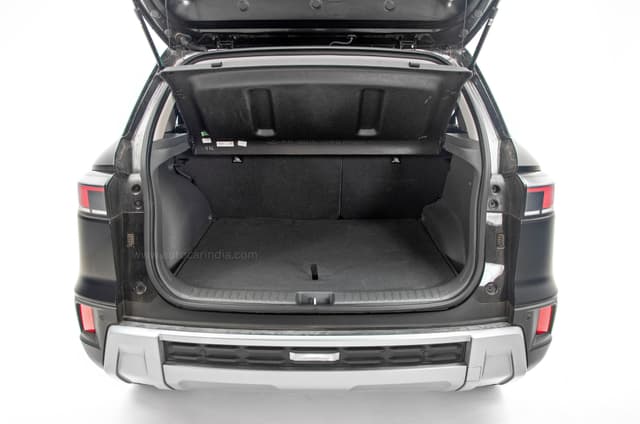
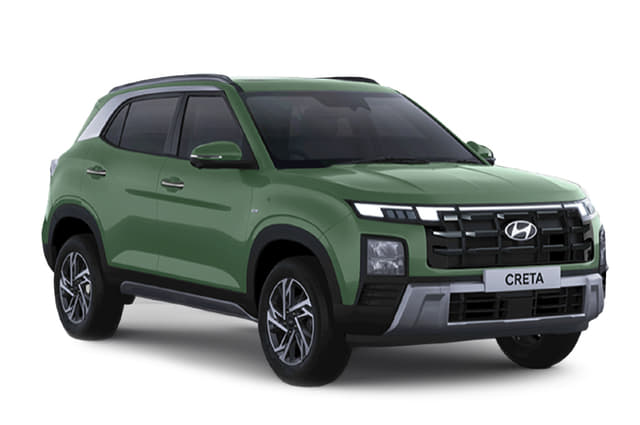
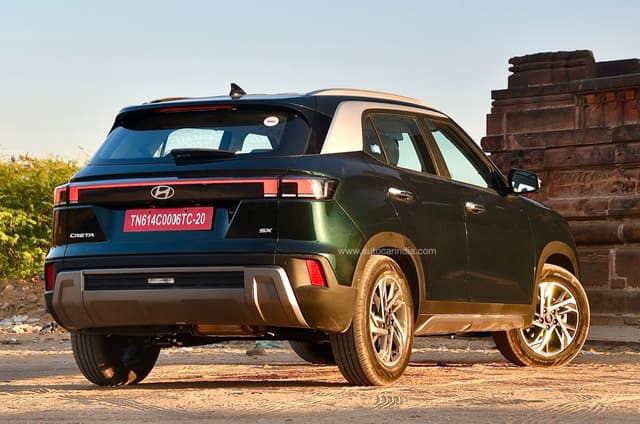
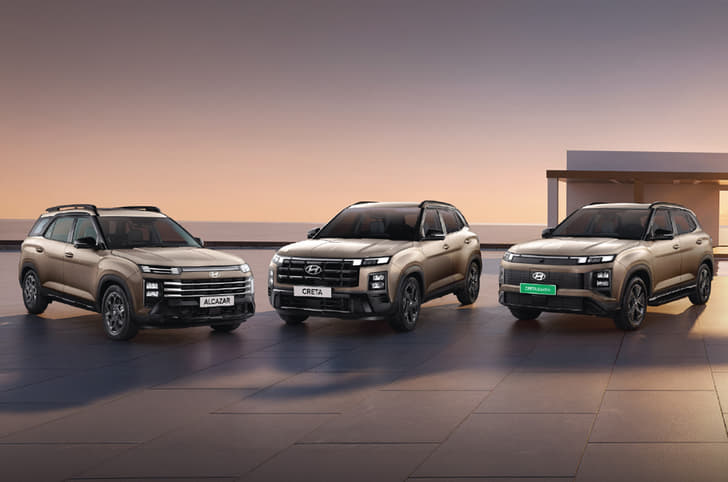
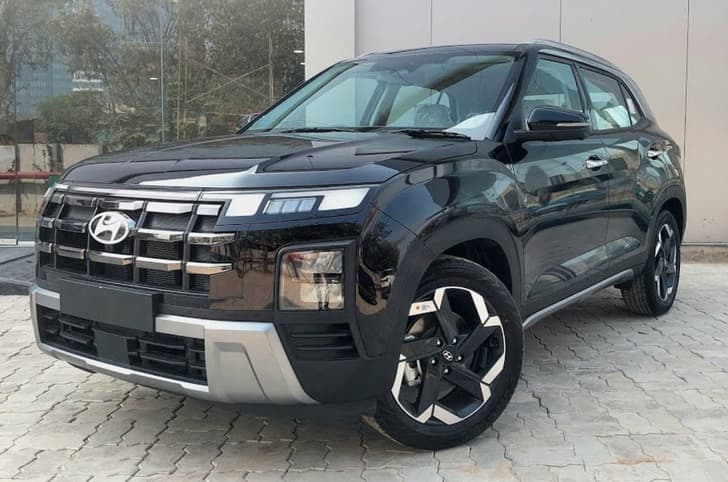
Hyundai Creta price in Narayanpur
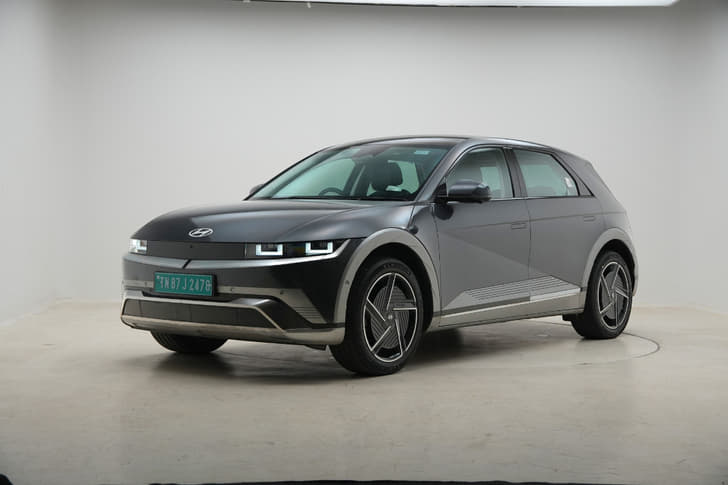
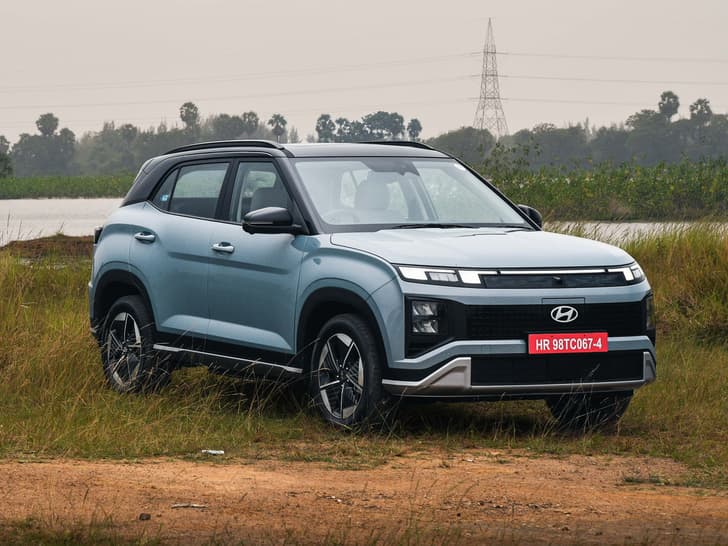
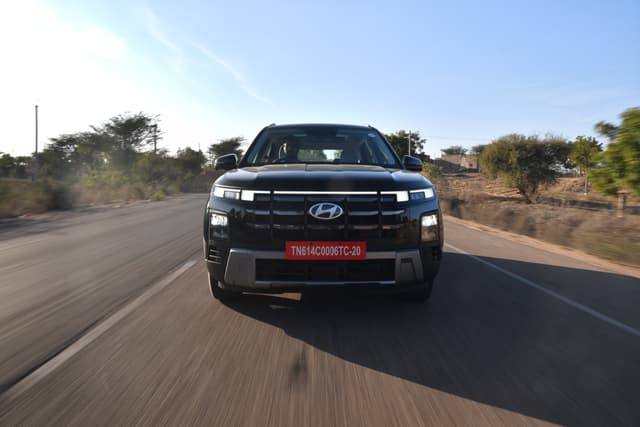
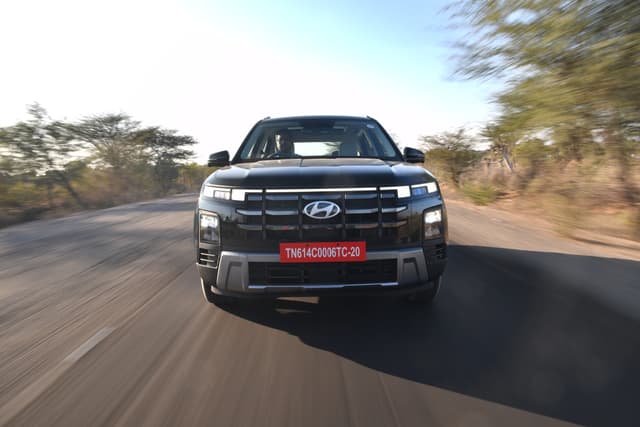
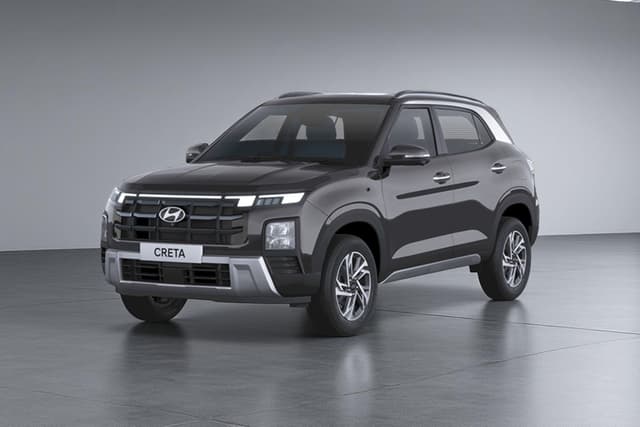
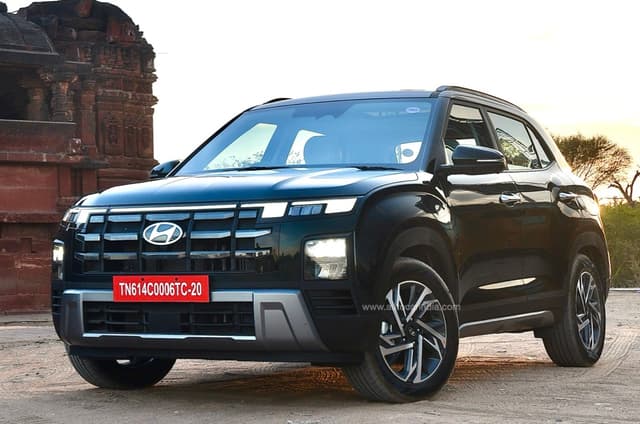
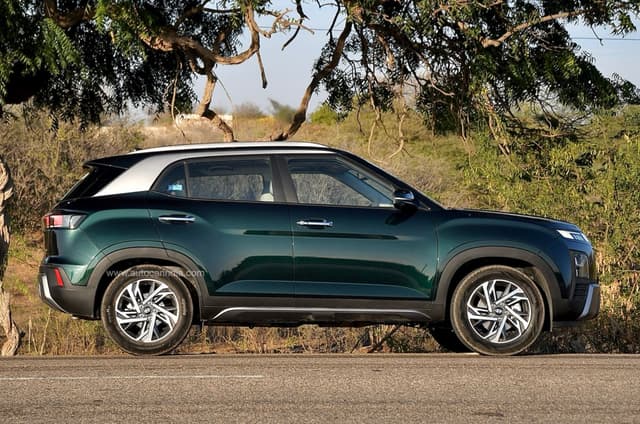
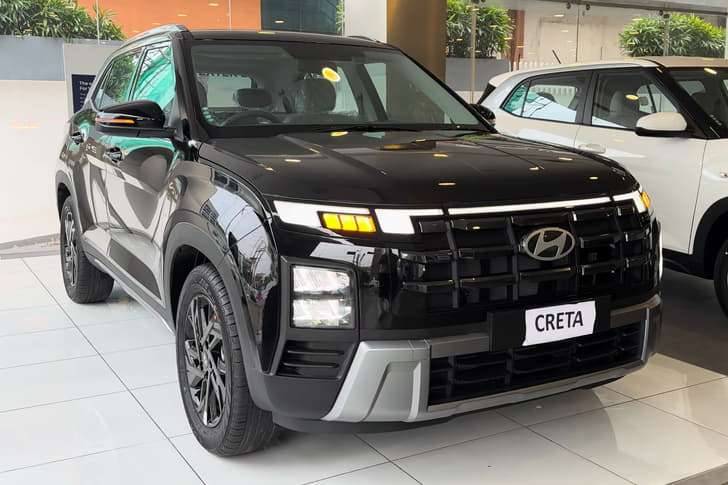
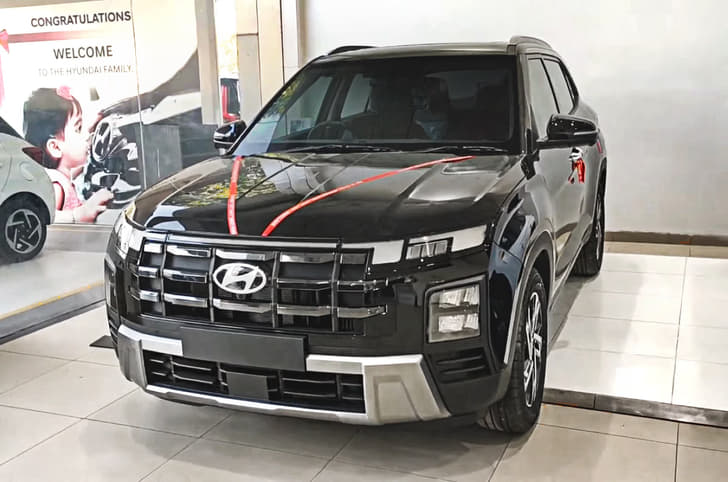
The 2026 Hyundai Creta is offered in variants, priced from ₹10.91 lakh for the base-spec Petrol E MT variant to ₹20.11 lakh for the top-spec Diesel King Knight AT variant (ex-showroom).
The Hyundai Creta on road price in Narayanpur ranges from Rs 12.22 lakh for the base model to Rs 22.63 lakh for the top variant (including all taxes, RTO fees, and insurance).
The 2026 Hyundai Creta is offered in variants, priced from ₹10.91 lakh for the base-spec Petrol E MT variant to ₹20.11 lakh for the top-spec Diesel King Knight AT variant (ex-showroom).
The Hyundai Creta on road price in Narayanpur ranges from Rs 12.22 lakh for the base model to Rs 22.63 lakh for the top variant (including all taxes, RTO fees, and insurance).
* Estimated on-road price. Final amount may vary.
Hyundai Creta Official Brochure
Download the complete brochure with specs, features, and variants.
Planning to buy Creta? Here are a few dealers in Narayanpur
Narayanpur NH-15, Narayanpur Near SBI, Narayanpur, Assam 784164






The 2026 Hyundai Creta feels dated in comparison to newer offerings like the Kia Seltos, Tata Sierra, Renault Duster, Nissan Tekton, Skoda Kushaq and Volkswagen Taigun. As such, it misses out on a lot of new-age features that the rivals offer, while being offered at a similar price compared to the newer rivals. So, even though it is the bestselling midsize SUV, it does not currently offer a lot of value for the price paid.
Is a torque converter automatic better than a DCT? I am planning to buy a Hyundai Creta, but I am a bit skeptical about the DCT. Could you please advise which transmission would be the better choice for long-term ownership?
The choice between a torque converter automatic and a dual-clutch automatic (DCT) depends entirely on your usage. If your driving is predominantly city-based with frequent stop-start traffic, a torque converter automatic is the better choice. It is smoother at low speeds and generally more reliable over long-term ownership. The DCT, on the other hand, is designed for performance. It delivers quicker gear changes and a more engaging driving experience, but it can feel jerky at low speeds and is not as well suited to heavy traffic conditions.The Hyundai Creta offers both options. The 1.5-litre turbo petrol comes with a DCT, while the diesel engine is paired with a torque converter automatic. There's also a CVT automatic option paired with the 1.5-litre naturally aspirated petrol engine, which is exceptionally smooth and well suited to city driving. If your usage is city-heavy, go for the 1.5 petrol CVT. If you do a lot of highway driving, the 1.5 diesel automatic is the best choice. Only opt for the turbo petrol DCT if performance is your top priority.

Dear Autocar Team, I already own a Kushaq 1.5 TSI Manual, and I am looking to buy a B-segment SUV. I am confused between the Hyundai Creta IVT and the Kia Seltos Turbo DCT. Could you please help me choose the better option?
Since you already own a Skoda Kushaq 1.5 TSI manual, you are already enjoying a strong turbo petrol engine and a genuinely engaging driving experience. The Creta IVT is a naturally aspirated petrol with a CVT, which is smooth and easy in traffic but will feel like a step down in performance and driving enjoyment compared to your Kushaq. The Seltos turbo petrol DCT is the better fit here. It gives you the performance you are used to, a more premium cabin, and a genuinely enjoyable driving experience. The DCT is not as smooth as the IVT in stop-start traffic, but it is the more engaging car overall and will feel like a proper upgrade rather than a compromise. The Seltos also feels more premium inside and is the more satisfying car to own alongside your Kushaq.
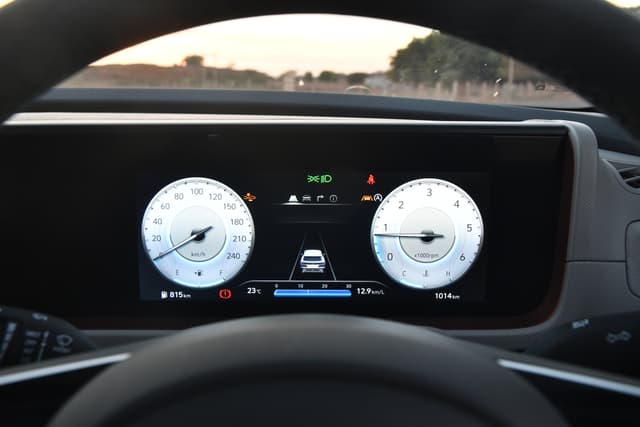
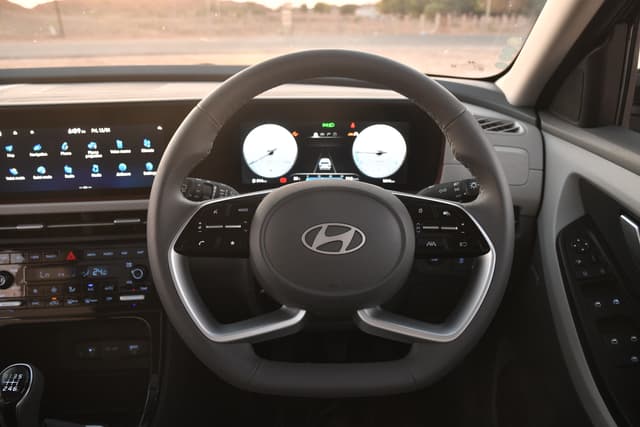
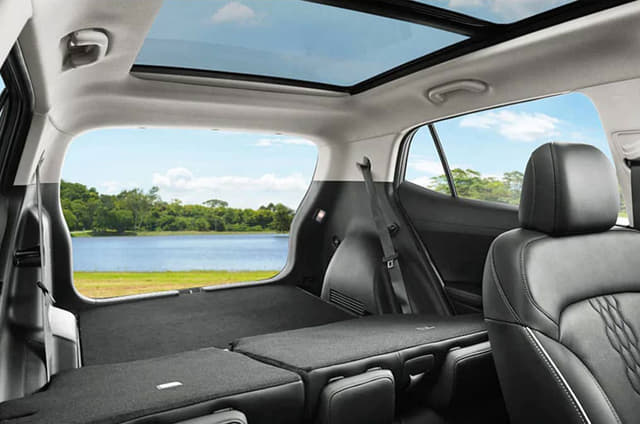
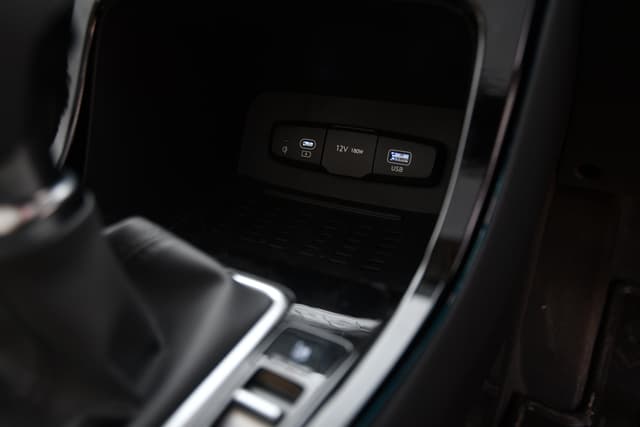
Hey Folks, I have a 2017 Feb Hyundai Creta SX Petrol, just driven 35k kms. The car is well maintained with consistent yearly servicing at Hyundai. Now, I am thinking that it's now 9.5 years old; how confidently can I stiil go on road trips, needing me to drive the vehicle for 1800 kms in 2 days? Regardless, should I also consider the current E20 uncertainty & go for new car?
If your 2017 Hyundai Creta SX petrol has been consistently serviced at Hyundai and is running well, there is no reason you cannot confidently take it on an 1,800km road trip. Modern cars are designed to last well beyond 10 years with proper maintenance, and 35,000km is a very low mileage for a 9.5-year-old car. The key is to ensure the car is in good health: get a thorough pre-trip check-up, replace any ageing rubber components, check fluids, tyres and brakes, and you should be good to go. Be mindful of where you refuel, and stick to well-maintained fuel stations that see high customer turnover.On the E20 question, there is no need to replace a well-maintained car purely because of ethanol. Your Creta is likely E10-compliant, and should safely run on E20, albeit with a drop in fuel efficiency.The only reason to change would be if you are already feeling the itch for a new car or want a significant upgrade in safety, features or performance. Otherwise, keep the Creta, enjoy the road trip and revisit the replacement decision when the car genuinely starts to show its age.
Hey, I’ve booked the 2026 Kia Seltos HTK IVT variant. As you know, it comes with a lot of features, and this variant covers almost everything I need for my daily usage. However, I’m a bit confused now because the next-generation Hyundai Creta is expected to launch either towards the end of this year or in early 2027. Is it really worth waiting for the new Creta, or should I go ahead with the Seltos without having second thoughts? If I do decide to wait, I’d also like to know whether Hyundai actually offers a better overall ownership experience in terms of maintenance costs, service quality, spare parts availability, reliability, resale value, pricing, mileage, and long-term ownership compared to Kia. It’s already almost August, so if we wait just a few more months, we could probably get a 2027-manufactured and registered vehicle, which is another reason we’re considering waiting. At the same time, we’re planning to keep this car for the long term (8-10 years or more), so we want to make the right decision now rather than regret it later. That’s why I have so many questions. I’d really appreciate an unbiased opinion from the experts on whether it’s better to stick with the Seltos or wait for the all-new Creta. Thanks in advance.
Go ahead with the Kia Seltos HTK IVT. The Seltos is a very well-rounded product, and the HTK IVT is a sweet spot in the range with a good balance of features and value. The bigger point is that the Seltos and Creta are fundamentally very similar cars underneath, sharing the same platform, engines and gearboxes. The ownership experience between Hyundai and Kia is also broadly similar in terms of maintenance costs, service reach, reliability and resale value. There is no clear advantage to waiting for the new Creta from that perspective.The only reason to wait would be if you are specifically interested in the new Creta’s design, interior or feature set. But that is an unknown at this stage, and there is no guarantee it will be meaningfully better than the Seltos. In fact, the Seltos is already one of the most complete cars in the segment, and the IVT gearbox is smooth and well-suited to city driving.Given you are planning to keep the car for 8-10 years, it makes more sense to buy a proven product now rather than wait for an unknown. The Seltos will serve you well over the long term, and you are unlikely to regret the decision.
Hi Autocar, I own a Nissan Magnite CVT and am very happy with it, as it perfectly suits my usage of 20 km daily in Bengaluru's bumper-to-bumper traffic and 500 km of highway driving per month for weekend trips. I am now planning to upgrade to a larger car with a spacious rear seat that can comfortably accommodate three passengers. I recently test-drove the Nissan Tekton, but I found the DCT unsuitable for my daily city driving. It also doesn't offer the CVT that I have grown to like in the Magnite, although the dealer mentioned that a CVT variant may be launched soon. Would it be worth waiting for the Tekton CVT? I am not in a hurry and can wait for around six months. Or should I consider alternatives like the Hyundai Creta CVT or the Honda Elevate CVT? Are there any other automatic SUVs that would suit my requirements for daily city commuting while also being comfortable for regular weekend highway trips?
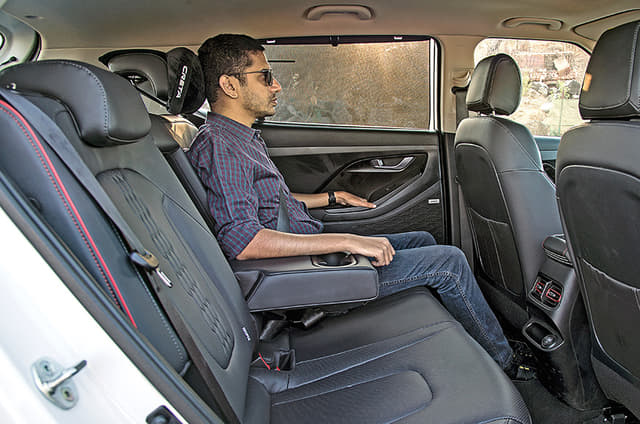
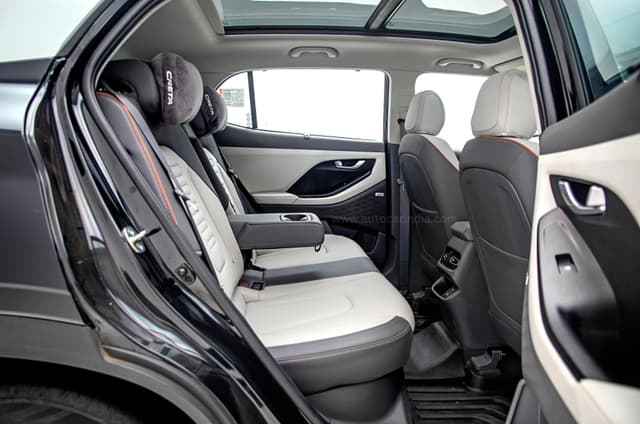
Given your usage pattern of heavy Bangalore traffic and monthly highway trips, the priority should be a smooth, reliable automatic gearbox and a spacious rear seat for three.The Hyundai Creta IVT (CVT) would be the most sensible upgrade for you. The IVT gearbox is smooth and well-suited to stop-start traffic, and the Creta offers a genuinely roomy rear seat that can comfortably accommodate three adults. This Hyundai car is also a proven, reliable package with good highway manners for your weekend trips.The Honda Elevate CVT is also worth considering. The CVT is equally smooth in traffic, and Honda’s long-term reliability is a strong point. However, the rear seat is not as wide as the Creta’s, so it is not as comfortable for three adults on longer journeys.Overall, the Creta IVT is the most balanced upgrade from your Magnite CVT, offering the right combination of gearbox smoothness, rear seat space and long-term ownership confidence.