Last Updated on: 24 May 2026
Honda City price in Kullu
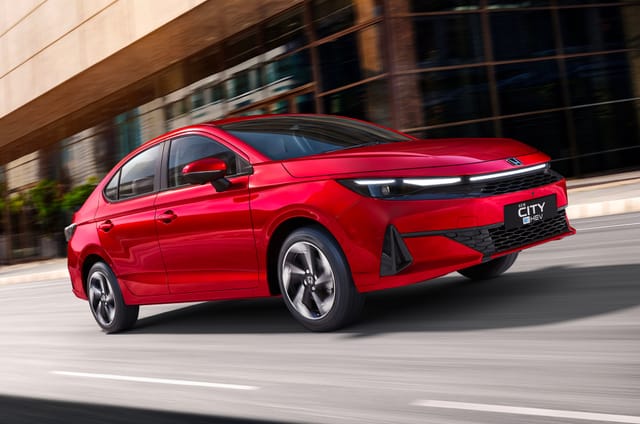
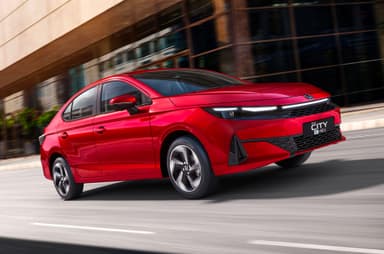
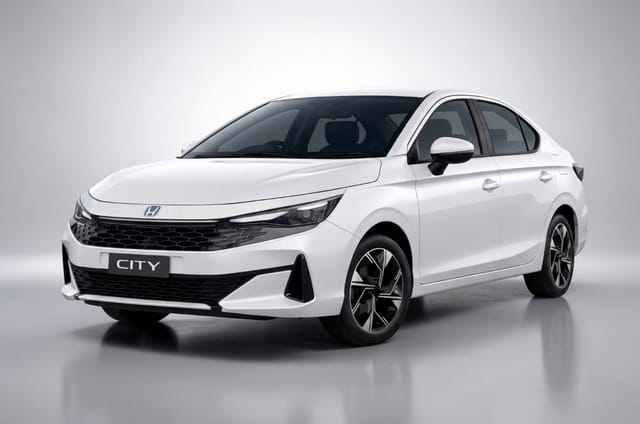
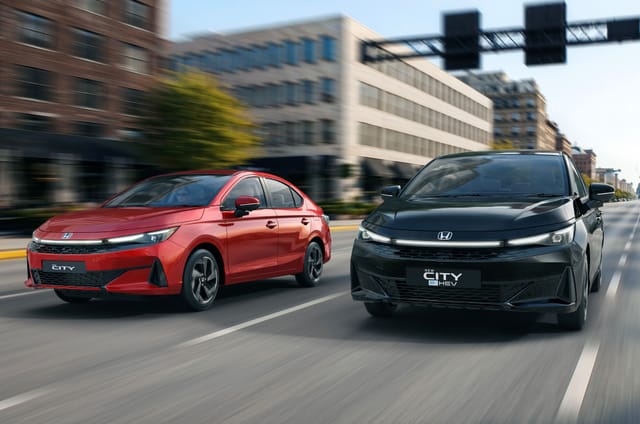
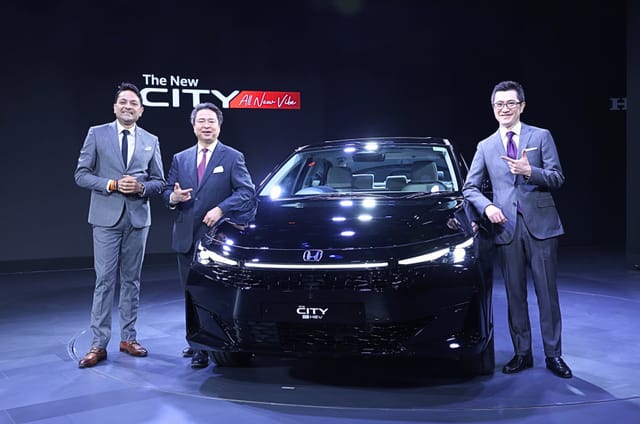
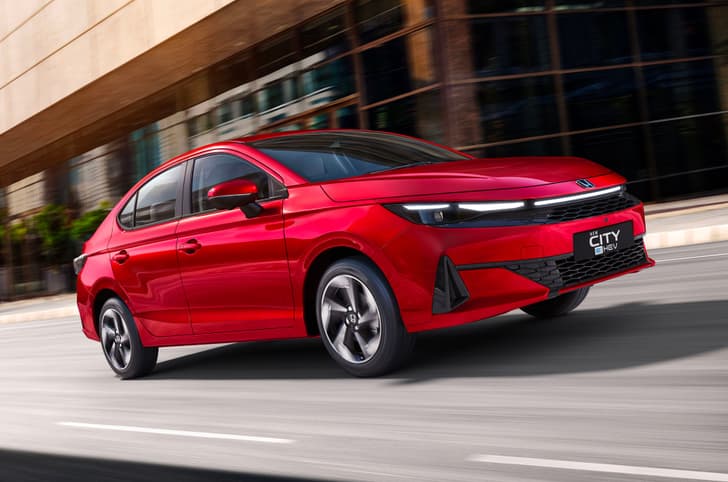
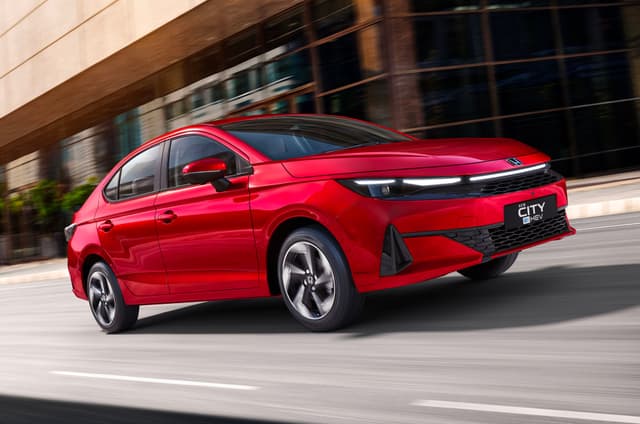
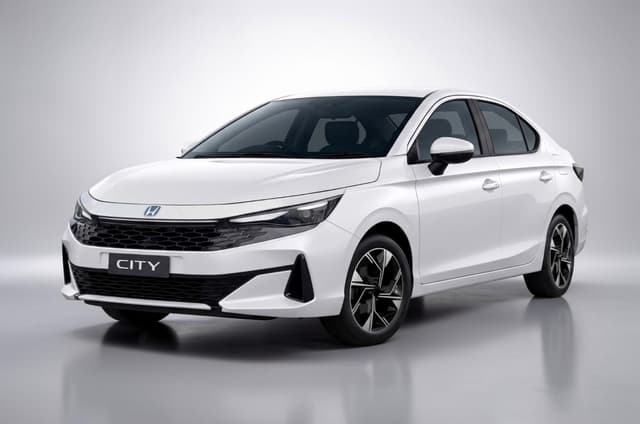
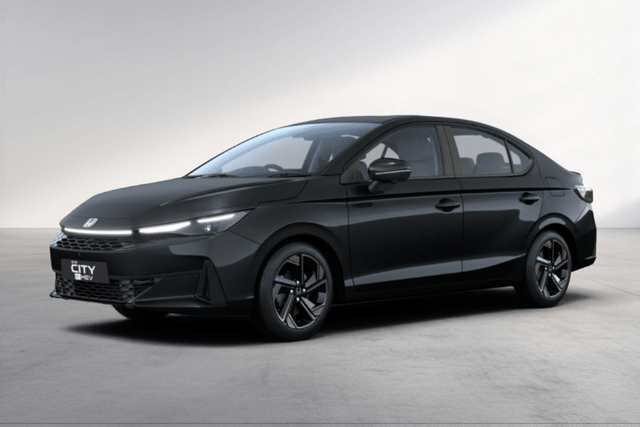
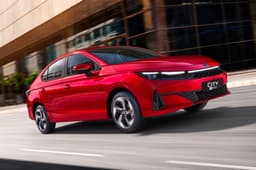
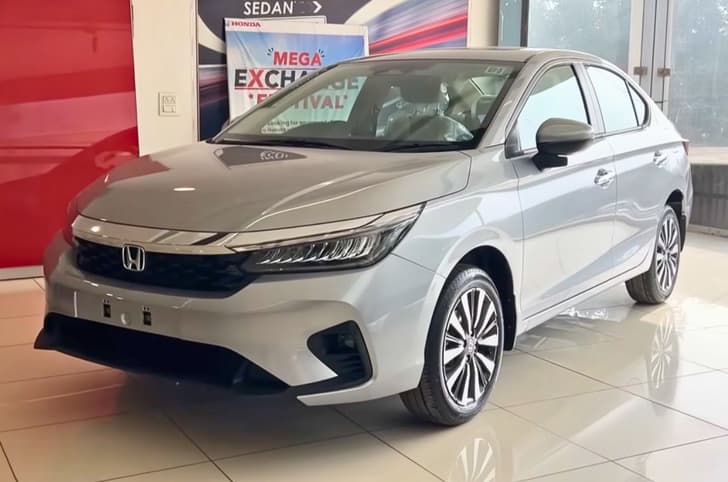
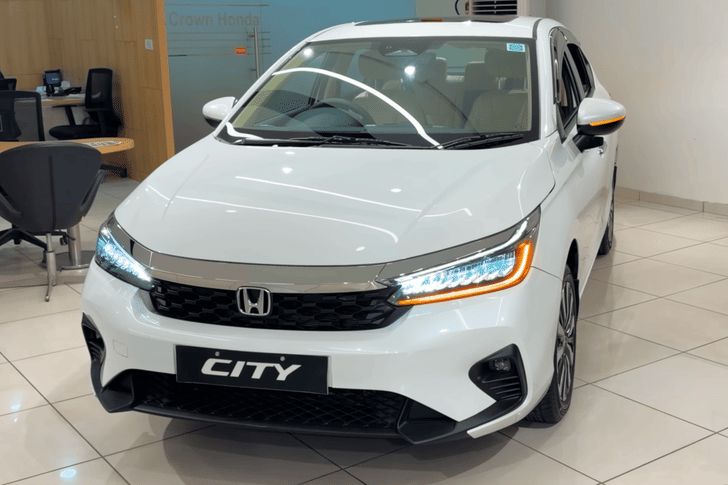
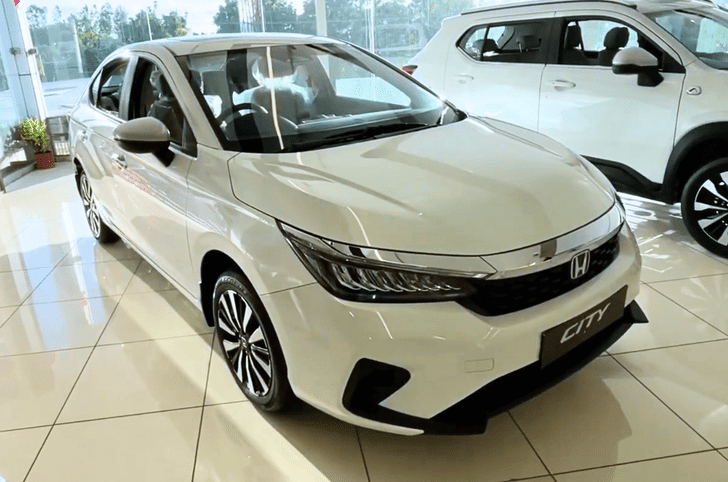
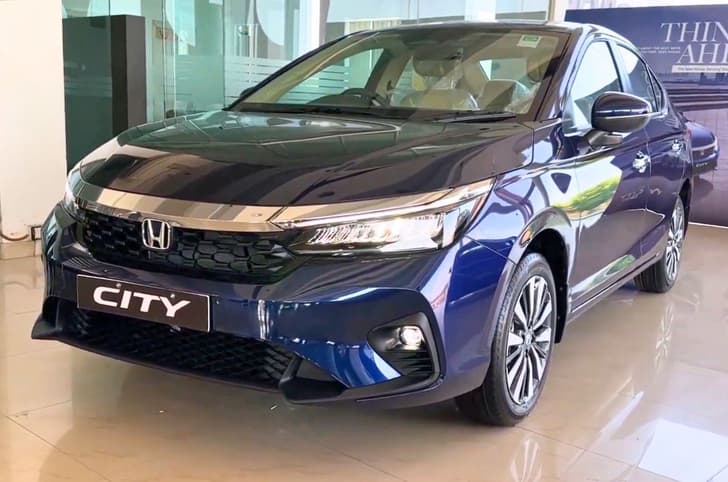
The Honda City price starts at Rs 12 lakh (ex-showroom) for the base SV manual variant, going up to Rs 21 lakh (ex-showroom) for the top City ZX+ e:HEV variant.
Honda City price in Kullu
The Honda City price starts at Rs 12 lakh (ex-showroom) for the base SV manual variant, going up to Rs 21 lakh (ex-showroom) for the top City ZX+ e:HEV variant.
Honda City Pricing by Variants
* Estimated on-road price. Final amount may vary.
Honda City Official Brochure
Download the complete brochure with specs, features, and variants.
Calculate your fuel cost for Honda City
Price of Honda City alternatives
Honda City Images
Honda City news
Honda City videos

Honda City FAQs
With ex-showroom price starting at Rs 12 lakh, the base manual variant of the 2026 Honda City is comparable to the pre-facelift model. The most affordable CVT variant is pricier by Rs 20,000, and the top end hybrid variant is costlier by Rs 1 lakh.
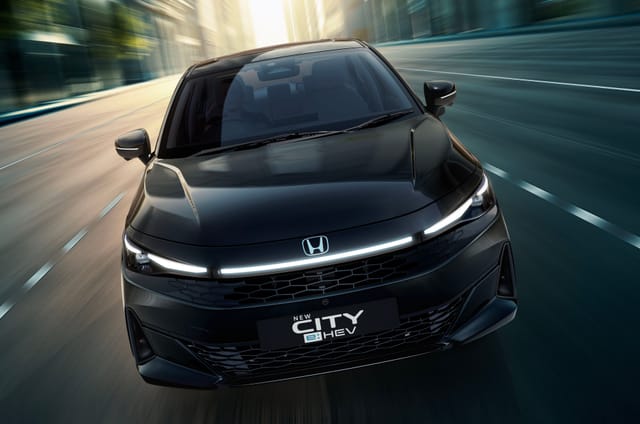
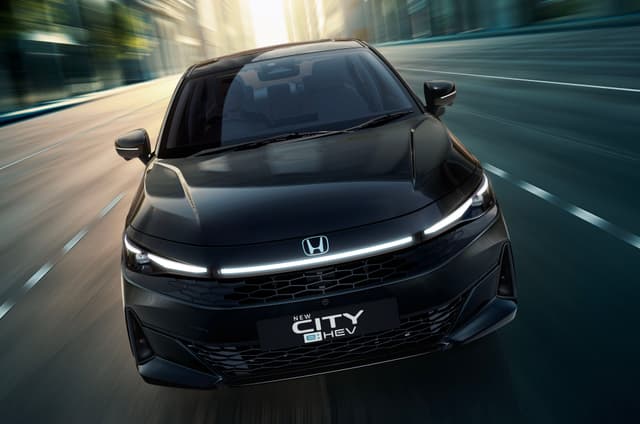
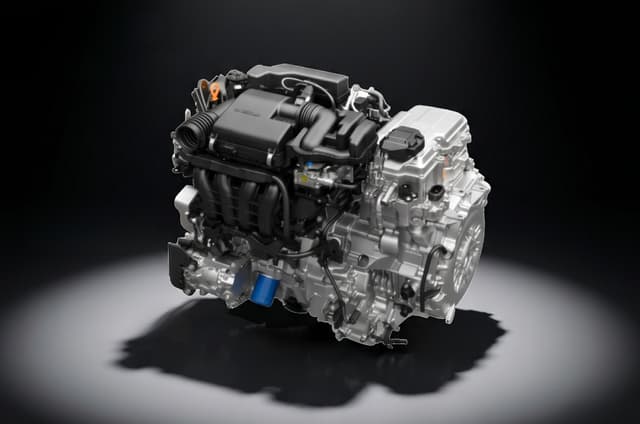
With an ex-showroom price of Rs 21 lakh, the Honda City hybrid (e:HEV) variant is only worth buying if you drive long distances frequently, and want features like an electronic parking brake with auto-hold and the 'Low Speed Follow' function of the adaptive cruise control system.
The Honda City’s V CVT variant has an ex-showroom price of Rs 14.30 lakh.
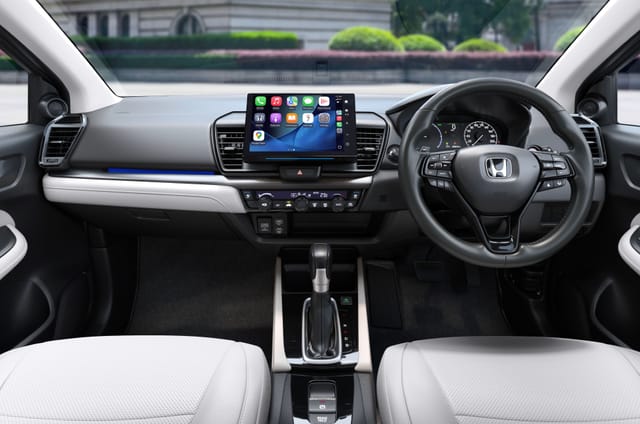
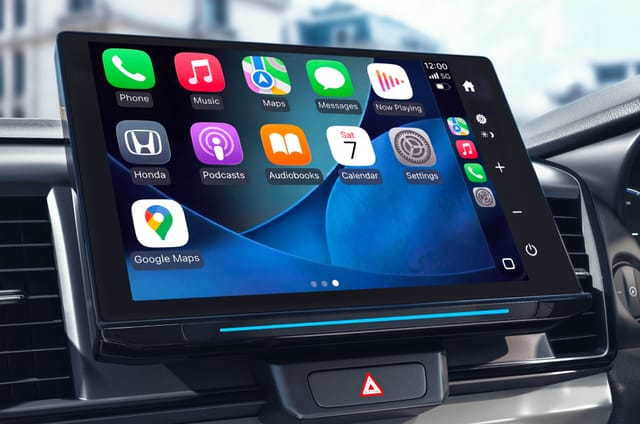
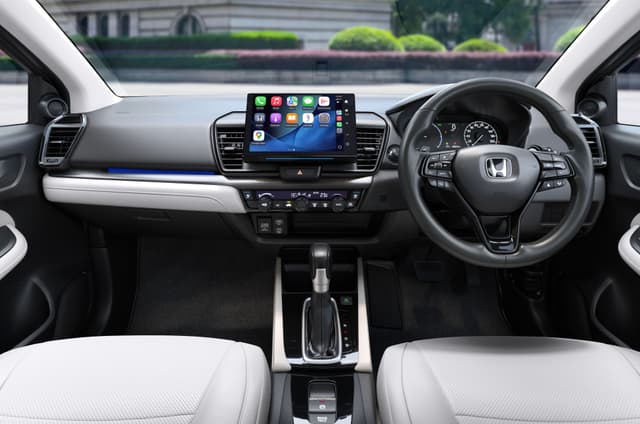
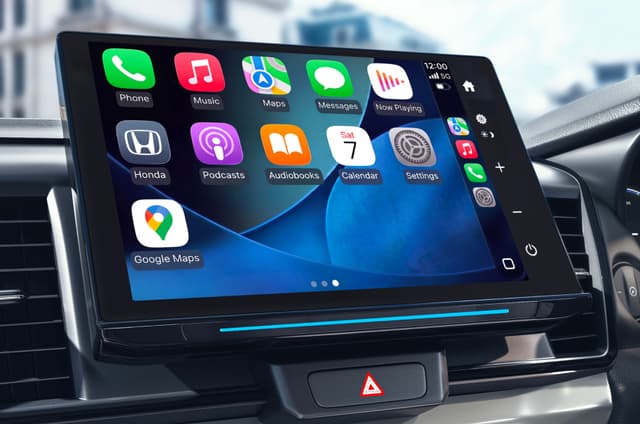
Starting at Rs 14.30 lakh (ex-showroom), the V trim with the CVT automatic gearbox offers usable conveniences like wireless Apple CarPlay and Android Auto, connect car tech, ADAS, and remote engine start.
Questions you may find useful
Deepak Jain
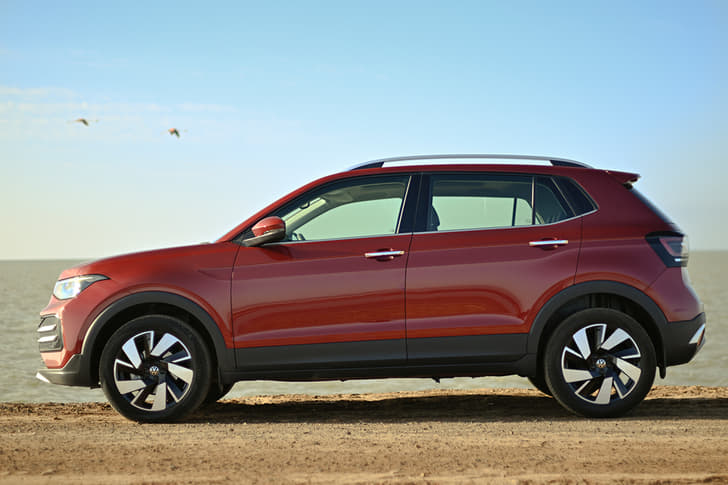
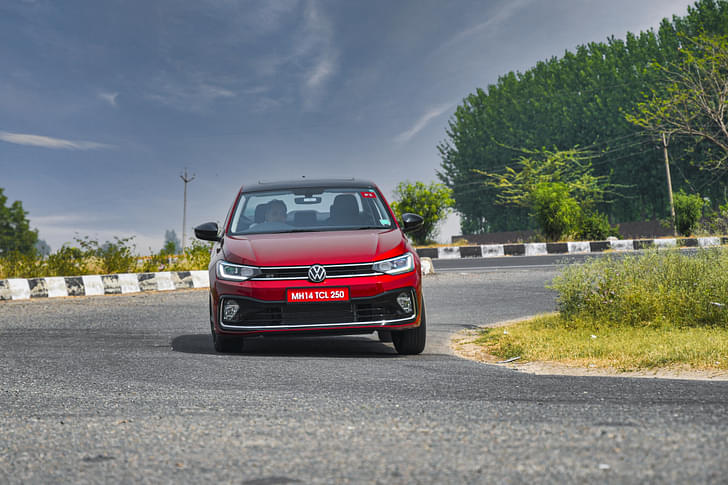
•1dI am planning to buy the Honda City facelift that was launched yesterday. How does it compare with the Volkswagen Virtus? I am also assuming that the government will continue supporting E20 fuel even if E85 is introduced in the future. So, is it still safe to buy a petrol vehicle in Delhi/NCR?

Autocar India
The new City facelift does make a stronger case now because Honda has added genuinely useful features like a larger infotainment screen and ventilated front seats, while pricing has remained fairly sensible. But fundamentally, the character of the car has not changed.Against the VW Virtus, the choice still comes down to personality. The Virtus is the more fun to drive option, especially with the turbo petrol engines, because it feels stronger, more eager and more engaging from behind the wheel. The City, on the other hand, is the more balanced sedan. The 1.5 naturally aspirated petrol is smooth, refined and easy to live with, but if outright performance is your priority, it will not feel as quick as the turbo Virtus. The City hybrid changes that equation because it is genuinely quick and can match the 1.5 TSI for straight line pace, but it is still not what you would call an enthusiast’s car.On the fuel front, yes, it is safe to buy a petrol car in Delhi NCR. Current mainstream petrol cars are already E20 compatible, and even if India eventually pushes toward higher ethanol blends, that transition will be gradual rather than an overnight switch. Beyond a certain point, if the country were to move meaningfully toward very high blends like E85, manufacturers would need proper flex fuel engines engineered for that fuel, and the government would also need to continue offering lower blend fuel options during any transition.
Jones solomon
•1wI currently own a 2012 Maruti Wagon R for city use and a 2022 Maruti Suzuki XL6 as our family MPV. I am now planning to buy another car mainly for my personal use. I am considering the Honda City 2026 and wanted to know whether it would be a good option for me.

Autocar India
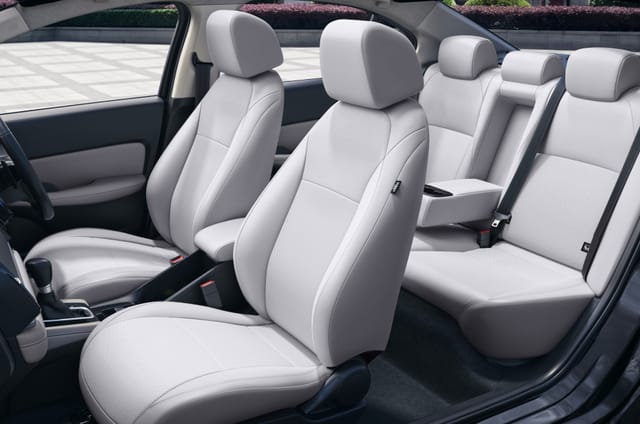
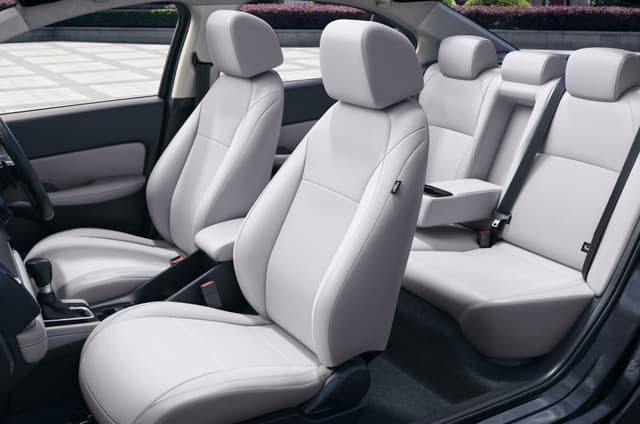
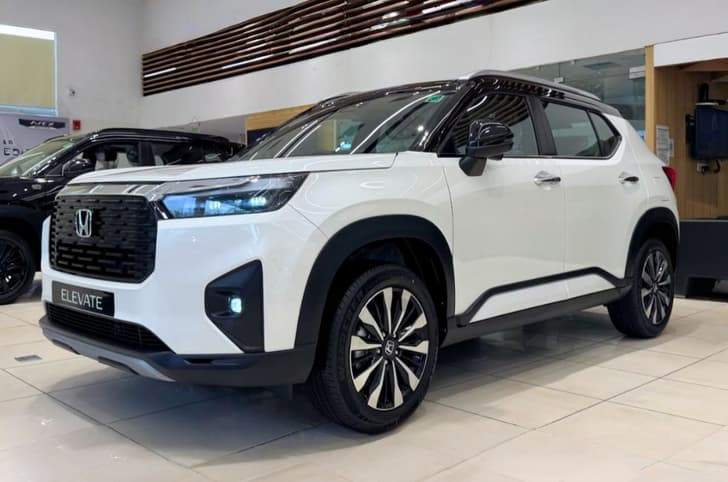
You already have a city runabout and a family MPV, so for personal use with some relaxed highway drives, the Honda City automatic fits well. The newly updated 2026 City is well equipped, with a more premium feel than your Wagon R, plus better long-distance comfort. The City’s cabin is roomy, the seats are supportive, and the petrol engine feels smooth and quiet in traffic. It also has easy, light steering that makes daily use simple, and Honda’s service network is widespread.One thing to keep in mind: the car sits lower than taller vehicles, so very large speed breakers or rough roads need care. As far as sedans go, it’s a solid choice, but if you are open to considering an SUV, the Honda Elevate offers a similar experience.
Shailesh Bala
•1wI live in Thane and work in Navi Mumbai, with a daily running of approximately 65 km. I am confused between buying a sedan or an SUV within a budget of around ₹15–20 lakh for a mix of city and highway driving. My priorities are comfort and good fuel efficiency, especially considering rising petrol prices. I am not interested in CNG or EVs. I will also be turning 60 in a few months, so ease of driving, seating comfort, and overall convenience are important factors for me. Could you please advise which type of car and which models would best suit my needs?

Autocar India
Since you're looking for comfort and fuel efficiency, you could consider the 1.5 NA petrol versions of the Maruti Victoris or Maruti Grand Vitara. Both these are competent, no-nonsense cars that will meet your requirements. Also, being high-riding vehicles, ingress-egress will be easier than in your Honda City, and because you're seated higher up, visibility is also quite good. Since these cars are very similar beneath their skin, pick the one that you think looks better outside and in. You won't go wrong picking either.
Sandeep Patel
•1wMy usage will be around 30 km per day, three days a week, plus a couple of weekend trips. So I don’t want just a typical city car. I’d like something that feels a bit fun to drive as well. Could you suggest some options? I see there are turbo-petrol choices available, but the Honda City’s 1.5 i-VTEC also seems like a strong and powerful naturally aspirated option. One thing I noticed during a test drive, though, was the tyre noise. Even at around 30kph, it felt noticeable and a bit annoying. Is that actually a concern in real-world city or moderate-speed driving, or am I overthinking the NVH levels? Some owners do mention that tyre and road noise in the Honda City can be more noticeable than expected, especially depending on the road surface and tyres.

Autocar India
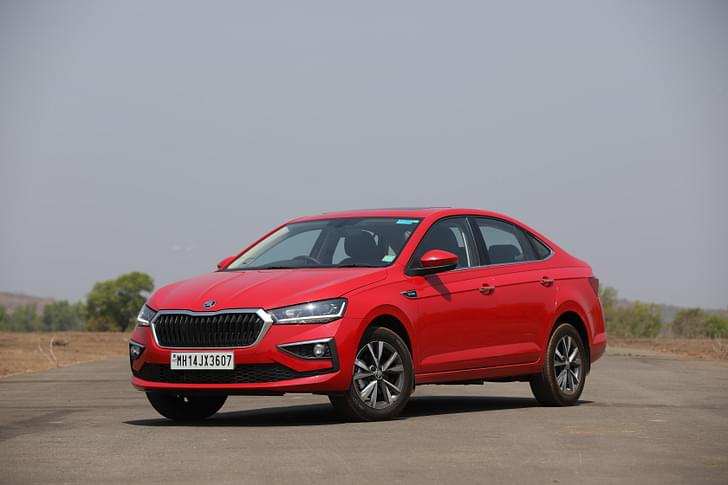
For light weekday use, occasional highway trips, and a slightly fun driving experience, the Volkswagen Virtus 1.0 turbo-petrol manual suits your requirements better. It feels quick without needing to rev hard, so gaps in traffic and hill climbs are easy. The steering is light in the city, yet the car stays steady on open roads, and the big boot makes weekend runs simple. The manual is also enjoyable to use if you like being involved while driving.About the Honda City’s tyre noise: it does let in more tyre and road noise than you might expect on rough or concrete roads, but it is rarely a deal-breaker. It also varies a lot with tyre brand and pressure. Switching to a quieter set of tyres later usually helps.Two trade-offs with the Virtus: the rear seat is not as wide as the Honda City’s, and it won’t be as fuel-efficient. A close alternative with a similar driving feel is the Skoda Slavia. If you love the City’s smooth engine and spacious cabin, then that is still the one to get. Just keep in mind that a facelift is expected soon, so either wait for that or negotiate a good discount on the current stock.
Chinmay Deo
•2wI am planning to buy a sedan under 20L in the Mumbai region. It's going to be used mostly for city roads and sometimes on highways. I prefer an automatic transmission. Please suggest.

Autocar India
Mostly city use in Mumbai, with the odd highway run and a Rs. 20 lakh cap points to the Honda City automatic as the best fit. The CVT automatic is very smooth, which makes stop-start traffic easy, and the light steering and clear view out help in tight lanes and parking. It rides comfortably over broken patches and speed bumps common in Mumbai, yet feels steady on the highway. Cabin space is generous, so family rides stay relaxed.Two things to note: the NA engine won't have the punch of a turbo petrol, and you still need to slow for very tall speed breakers when the car is full.If you want an alternative with a stronger punch for highway use, the Skoda Slavia 1.0-litre automatic is the lively pick and still easy to drive in town. Overall, for your mix, the Honda City automatic lines up best.
Vasu
•2wI own a Honda City 4th Generation and have been getting an average fuel efficiency of 16.1 km/l over 85,000 km. Would it be worth installing a CNG kit to improve the mileage further? Please suggest.

Autocar India
With the kind of mileage you are already seeing from your 4th generation Honda City, I would not rush to fit a CNG kit. Around 16 kpl over 85,000 km is actually a healthy real world figure for a petrol sedan, and since the City is known for its smoothness and refinement, adding an aftermarket CNG kit will inevitably change the character of the car. Honda does not offer a factory CNG option for the City, so any retrofit will be third party, which means compromises in boot space, some loss in outright performance and the added variable of installation quality and long term reliability. Honda also recommends using fuel that meets the vehicle specifications, and aftermarket modifications can complicate warranty or support considerations on newer cars.A CNG conversion only starts making strong financial sense if your running is very high and you plan to keep the car for several more years to recover the kit cost. If your annual usage is moderate, the payback period can be longer than expected. The only real case for going CNG here is if fuel cost reduction is your absolute top priority. Otherwise, given how well your City is already performing, I would leave it as is and enjoy the refinement rather than fixing something that is not really broken.
Santhosh
•2wI am looking to buy a sedan, my driving is like 70 city and 30 highway which one will be good for me

Autocar India
Given your requirements, you should consider the Hyundai Verna IVT. It is powered by a refined 115hp, 1.5-litre petrol engine paired with a smooth CVT automatic gearbox, which will make your city drives stress-free. The sedan comes with a large boot, a spacious and premium cabin, and a comfortable ride quality, all of which you will appreciate on long highways.Being a Hyundai, the Verna is also reliable, and its widespread service network means your ownership experience should be smooth. Alternatively, you can consider the Honda City CVT, which offers a better rear seat than the Verna, but it is not as refined or feature-rich as the Hyundai.
Akshay Nayak
•2wI am planning to buy a new car and have narrowed my choice down to the Skoda Slavia/VW Virtus with the 1.5 DSG. I really love how both cars drive, and the DSG feels like magic. However, 90% of my driving is in the city, and I live in one of the most traffic-congested areas of Mumbai (Malad). Would it be a wise decision to go for the DSG gearbox? Which other cars would you recommend in this segment (no SUVs)?

Autocar India
Go for the Volkswagen Virtus 1.0 TSI automatic rather than the 1.5 DSG, given your 90 percent city use in Malad’s heavy stop start traffic. You get the same cabin, driving position and overall feel you liked, but the 1.0’s torque converter automatic is far better suited to daily Mumbai conditions as it is smoother at low speeds, easier to modulate in bumper to bumper traffic and less stressful to live with over time. The 1.5 DSG, while genuinely quick and engaging with its fast shifts, can feel jerky at crawling speeds, tends to heat up in prolonged traffic and can be expensive to repair once out of warranty, which makes it less ideal for your usage. The 1.0 still feels adequately quick in the city with light controls and easy drivability, so you are not really giving up much unless you drive hard on open roads. If you are considering alternatives, the Honda City CVT and Hyundai Verna IVT are even smoother in traffic and very easy to live with, while the City e:HEV is the best for city efficiency if you are willing to stretch. The only drawback with the 1.0 is that it lacks the punch and sharp shift feel of the 1.5 DSG on highways, but overall it is the far more practical and stress free choice for your driving conditions.
Peasant Sampan
•3wHello Autocar, I am planning to buy a sedan, with almost 90% city usage. Please suggest a suitable option. Also, is it true that for my usage, naturally aspirated (NA) engines are better suited than turbo-petrol engines?

Autocar India
For your usage, a naturally aspirated petrol with a CVT or IVT is the best fit. These setups are smoother, easier to drive in traffic and more predictable, which matters far more in city conditions than outright performance. So yes, in your case, NA engines are better suited than turbo petrol.The Hyundai Verna IVT stands out as the most well-rounded option for city driving. The engine is smooth, the IVT gearbox is very intuitive in stop-and-go traffic, and the overall driving experience is effortless. It feels refined and easy to live with daily.The Honda City Hybrid is worth considering if your running is high. It offers excellent fuel efficiency, strong performance and is very easy to drive in the city thanks to its hybrid system. However, it comes with a higher upfront cost, and the battery placement results in a higher boot floor, which slightly affects practicality.Compared to the Verna, the standard Honda City CVT is also an option, but the engine feels a bit noisier, and the gearbox is not as intuitive as the Verna’s IVT in everyday use.
Sachin Bhosle
•3wHi Autocar Team, I am looking for a powerful sedan for a daily commute of around 80 km, with most of the driving on highways, along with a 600 km long drive on most weekends. I am looking for a car with solid build quality, no sunroof, and one that feels planted at high speeds. It should also offer strong safety, including ADAS features. Additionally, I would prefer a sedan with good steering feel and engaging driving dynamics.

Autocar India
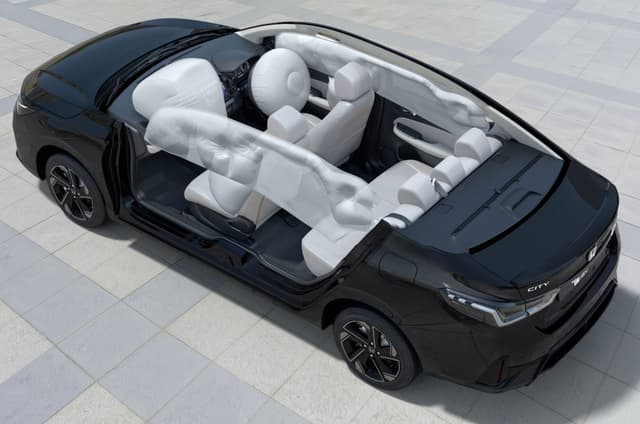
With 80 km a day, mostly on highways and a 600 km run most months, you need a safe, steady sedan that feels good at speed and does not force a sunroof. In that brief, the Honda City V CVT with Honda Sensing fits best because it gives you ADAS without a sunroof and stays calm and secure on fast roads.The City’s steering is light in town but feels natural and sure as speed builds, and the car remains composed over rough patches. The cabin is well-made, and you get core safety features like six airbags and stability control.Do note: the City is not the most powerful in this price band, so if you want very quick bursts for overtakes, you will need to press the engine harder, and the CVT can sound loud when you do.If you want stronger power and a more connected feel and can give up ADAS or the no-sunroof requirement, look at the Volkswagen Virtus 1.5 TSI DSG or Skoda Slavia 1.5 TSI DSG. They feel very strong on the highway, and their steering has more weight, but they miss ADAS, and top versions will add a sunroof. Overall, for your highway-heavy use, ADAS and no-sunroof requirement, the City V CVT lines up best.