Autocar India
SP

Sandeep Patel

5d

My usage will be around 30 km per day, three days a week, plus a couple of weekend trips. So I don’t want just a typical city car. I’d like something that feels a bit fun to drive as well. Could you suggest some options? I see there are turbo-petrol choices available, but the Honda City’s 1.5 i-VTEC also seems like a strong and powerful naturally aspirated option. One thing I noticed during a test drive, though, was the tyre noise. Even at around 30kph, it felt noticeable and a bit annoying. Is that actually a concern in real-world city or moderate-speed driving, or am I overthinking the NVH levels? Some owners do mention that tyre and road noise in the Honda City can be more noticeable than expected, especially depending on the road surface and tyres.

Autocar India team

Autocar India

Verified
56s
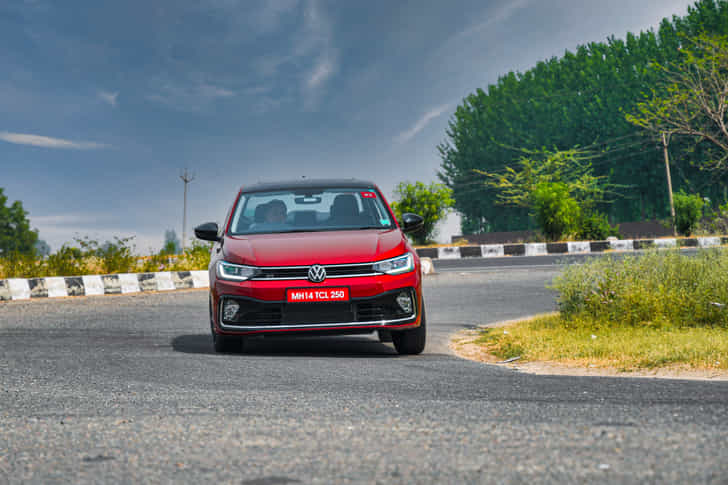
For light weekday use, occasional highway trips, and a slightly fun driving experience, the Volkswagen Virtus 1.0 turbo-petrol manual suits your requirements better. It feels quick without needing to rev hard, so gaps in traffic and hill climbs are easy. The steering is light in the city, yet the car stays steady on open roads, and the big boot makes weekend runs simple. The manual is also enjoyable to use if you like being involved while driving.
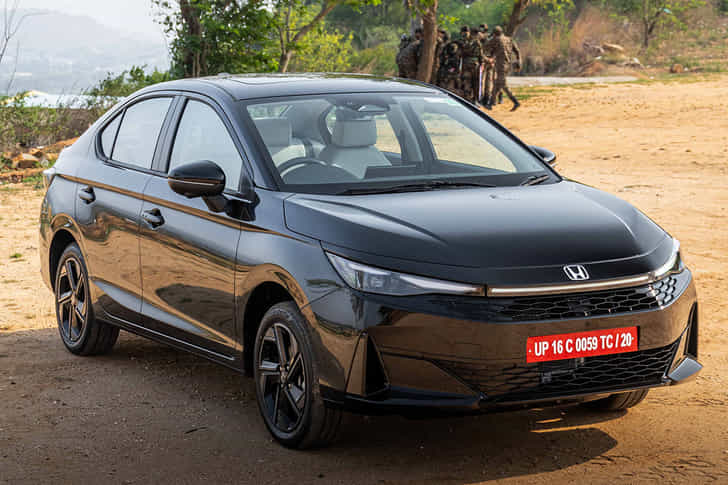
About the Honda City’s tyre noise: it does let in more tyre and road noise than you might expect on rough or concrete roads, but it is rarely a deal-breaker. It also varies a lot with tyre brand and pressure. Switching to a quieter set of tyres later usually helps.
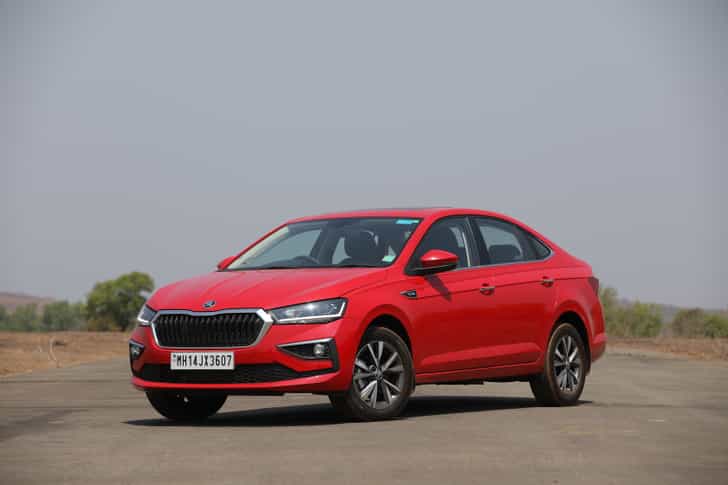
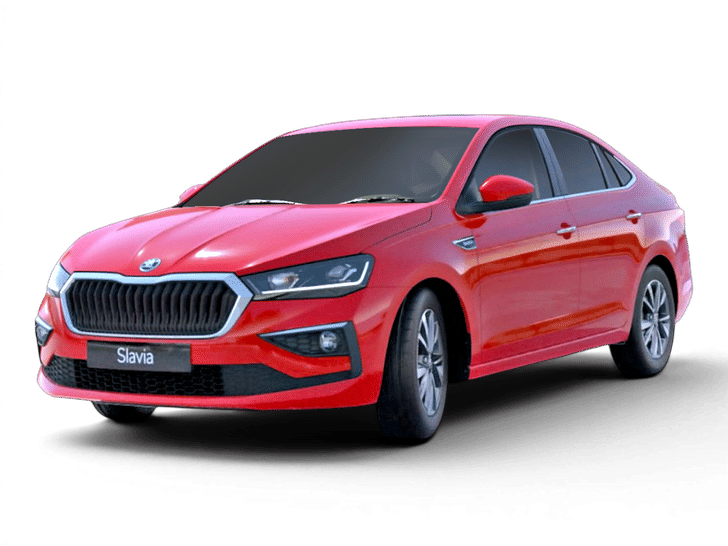
Two trade-offs with the Virtus: the rear seat is not as wide as the Honda City’s, and it won’t be as fuel-efficient. A close alternative with a similar driving feel is the Skoda Slavia. If you love the City’s smooth engine and spacious cabin, then that is still the one to get. Just keep in mind that a facelift is expected soon, so either wait for that or negotiate a good discount on the current stock.
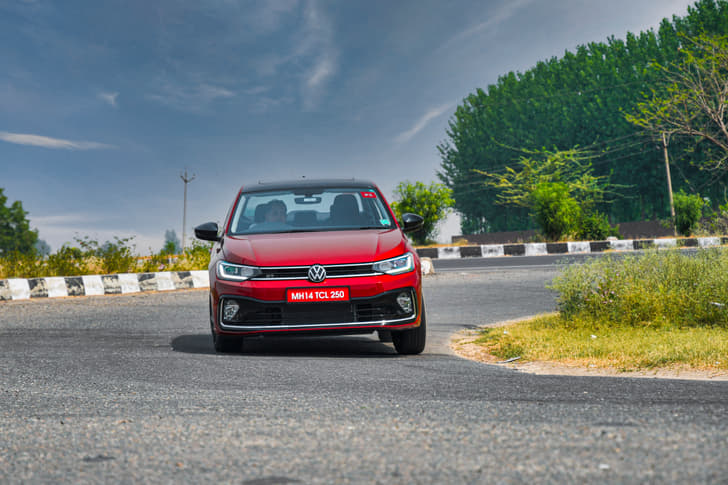
Volkswagen Virtus

Volkswagen Virtus

Want to sell your car?

Sell your car at the right price, without the stress.

More questions on similar cars

PM

Ponnazhagan M

4w

I am looking for an automatic transmission car that can handle a mix of 60% city, 30% highway, and 10% mountain driving. Right now, I am stuck between the Virtus and Kushaq, though I am leaning towards the Virtus.

Autocar India team

Autocar India

Verified
1d

The Volkswagen Virtus is a strong fit for your driving mix, and the choice essentially comes down to whether you prefer a sedan or an SUV.The Virtus, in particular, has clear advantages. It offers a more compliant ride compared to the Skoda Kushaq, which tends to feel a bit firmer over broken roads. Its lower centre of gravity also gives it an edge in handling, especially on mountain roads, where it feels more planted and predictable. High-speed stability is another strength, making it well-suited for your highway usage.From a practicality standpoint, the Virtus also scores with a more spacious rear seat and a larger boot, which adds to its appeal as an all-rounder.The Kushaq’s main advantage is its higher ground clearance and taller seating position. This makes it easier to deal with rough patches, poor roads, and tricky urban conditions, while also giving a more commanding view of the road, something many drivers prefer in city traffic.So, if your priority is driving comfort, stability, and overall dynamics, the Virtus is the better pick. If you value ease of driving in tough road conditions and an SUV stance, the Kushaq makes a case. The 1.5 TSI version with the 7-speed DSG auto transmission for both the Virtus and the Kushaq suits your usage best.

VehicleVolkswagen Virtus
VehicleSkoda Kushaq
NK

Nishant Kanodia

1d

How is the WLTP range figure calculated and claimed by car manufacturers? In real-world driving, these figures are almost never achieved. For example, my Citroën eC3 has a claimed WLTP range of 320 km, but even at 100% charge, the car usually shows only around 230 km of range. Why is there such a large difference between the claimed range and the actual real-world range in EVs?

Autocar India team

Autocar India

Verified
18h

That headline range comes from a fixed lab test. In Europe, it is WLTP. In India, most brands quote the ARAI/MIDC result. For the Citroen eC3, the 320 km figure is from the Indian ARAI test. This is derived from running the car in a controlled environment - on a rolling road in a lab, at set gentle speeds, with no AC, light load and its battery temperature too is maintained at optimum levels. In the real world, however, different driving styles, ambient temperatures, air-con use, and gradient changes are likely to hamper efficiency. So the real-world figure is usually much lower than the manufacturer's claimed numbers.In our real-world tests, the eC3 delivered 228km, which is largely in line with the 230 km predicted range that's displayed when your car's battery is fully charged. The vehicle's on-board computer studies your previous driving style, based on which it displays a predicted range number.To check your real range, charge to 100%, reset the trip, drive to about 10-15% SoC and see the kilometres covered. If it is far lower than expected, even with calm driving, check tyre pressures and ask the dealer to scan for software updates or battery health.

VehicleCitroen eC3
VI

Vipul

3d

While driving my Tata Punch, I suddenly noticed that whenever I applied the brakes and shifted to a lower gear, the smell of petrol would spread inside the cabin. What could be the reason for this? It happened when the fuel tank had little fuel left. Could that be related to the issue? Because after refuelling the tank, I could no longer notice the smell while shifting to lower gears. Please advise.

Autocar India team

Autocar India

Verified
2d

This sounds like fuel vapour entering the cabin when you slow down and downshift. When the tank is very low, fuel tends to slosh around more, which increases vapour movement inside the tank. As you lift off the throttle and brake, the vapour control system becomes more active, and if there is a weak hose, loose connection or faulty seal, those vapours can escape near the engine bay or fuel filler area. The cabin ventilation system can then pull that smell inside. Filling the tank reduces the empty space in the tank, which can explain why the smell disappeared after refuelling.Start with the simple checks. Make sure the fuel cap is tightened properly and clicks into place, and inspect the rubber seal on the cap for any cracks or damage. If the smell returns, get the car inspected soon. Ask the Tata workshop to specifically check the fuel lines for seepage, the tank vent and EVAP vapour lines, the purge valve, fuel pump seals and also for any rodent damage to smaller hoses near the firewall, which is not uncommon.If the smell is strong, keep the windows open and avoid long drives until it is checked. In many cases it turns out to be a small leak or a loose hose, but because petrol fumes are a safety concern, it is worth fixing promptly.

VehicleTata Punch

Popular discussions right now

Posted on: 16 May 2026