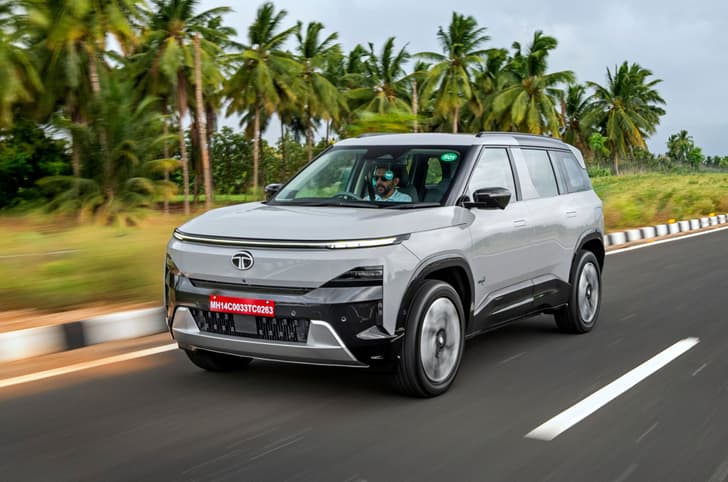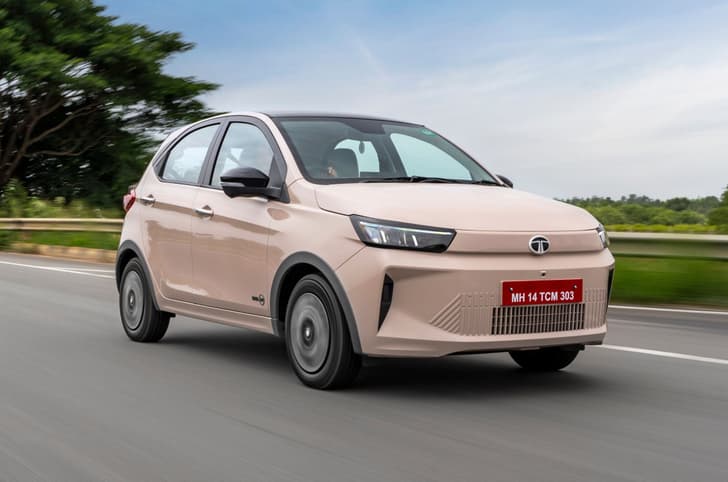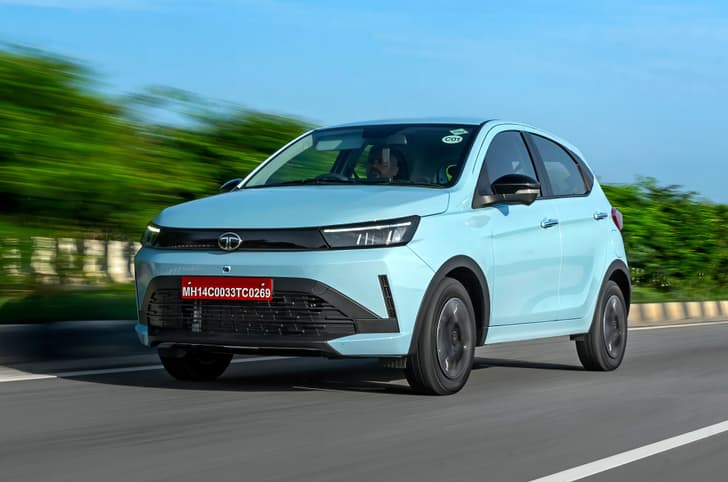


Tata Motors has so far managed to remain largely unaffected with the semiconductor shortage, when it comes to its passenger vehicle division. The carmaker stepped up its supply chain coordination and is riding a strong wave of demand for its products. It’s currently third in the PV market share rankings, with a 10.78 percent share, after Maruti Suzuki and Hyundai Motor India. However, this could change soon when the shortage finally starts affecting the carmaker, as seen by the waiting periods of the EVs.
- Tata Motors claims it has a 71 percent share of passenger EV market
- The carmaker received a booking for 350 XPres-T EVs from a Delhi fleet operator
- Company recently created a subsidiary to accelerate its EV business
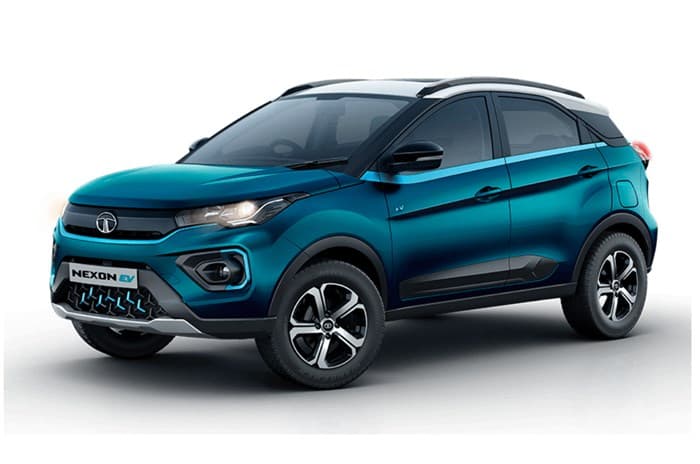
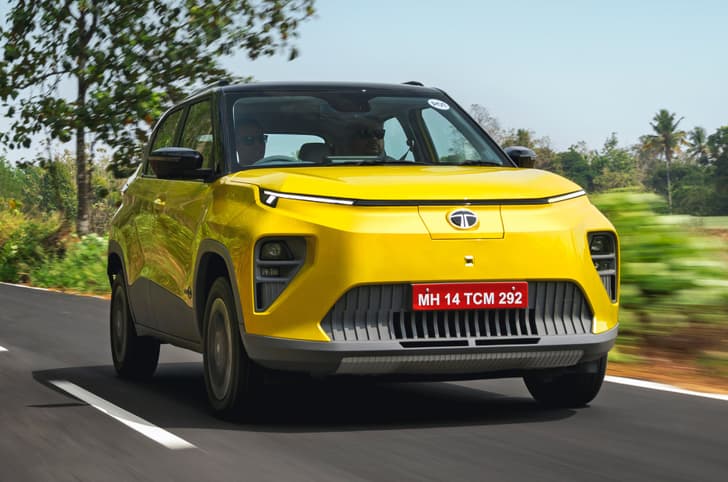
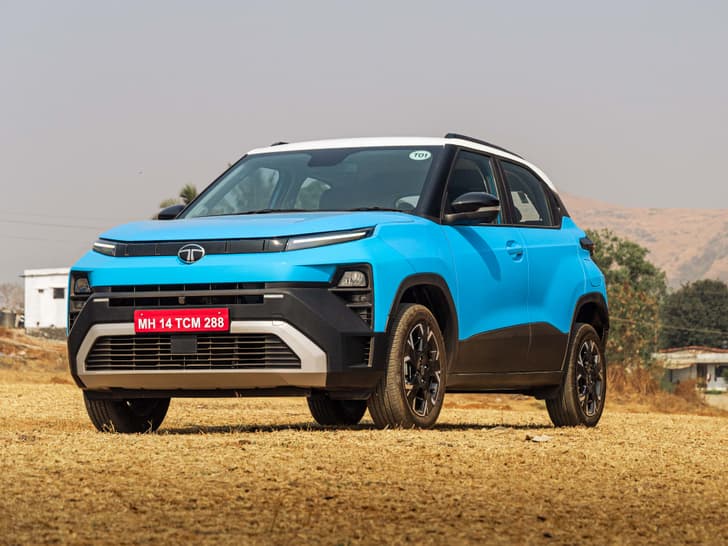
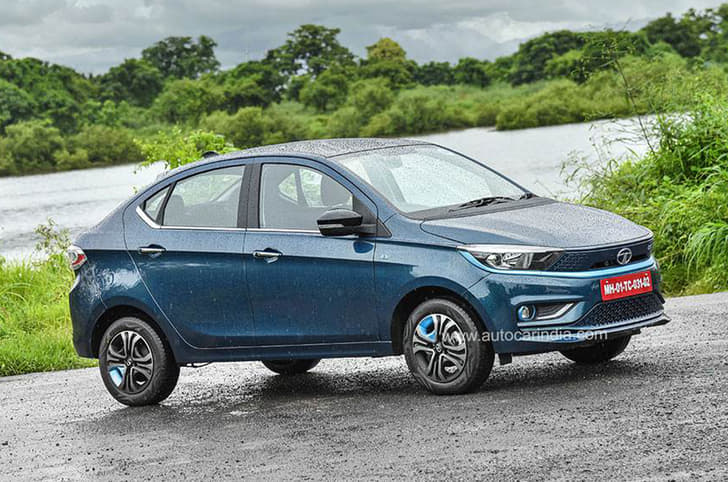
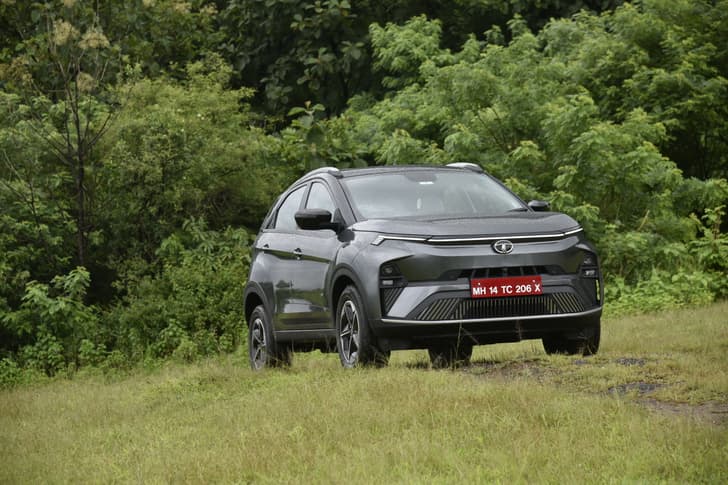
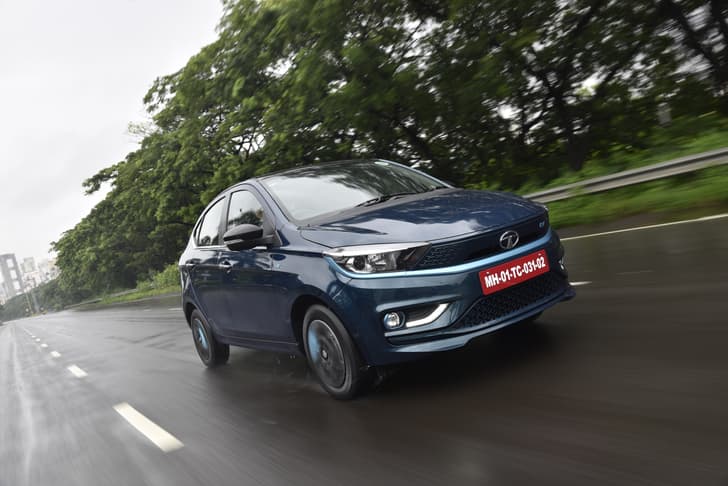
In October, Tata registered a handsome 43.6 percent year on year (YoY) growth with sales of 33,925 units (as against 23,617 in the same period last year). Of this, 1,586 units (or 4.67 percent) comprised full-electric models – the Tata Nexon EV, Tigor EV and Xpres-T EV. These EVs registered a notable 276 percent YoY growth as well (October 2020: 1,078). At present, the company has an overwhelming share of the electric PV market – maybe, in part, because there is barely any competition around.
Tata’s EV sales may not be hunky-dory for long
However, despite having many tailwinds in its favour, including high petrol and diesel prices which are driving consumers to move towards electric, as well as favourable state government policies, Tata Motors' speedy EV sales could slow down – thanks to the global semiconductor shortage.
Given the delays and the steep rise in commodity prices, demand for its PVs has far outstripped supply. Speaking at a media meet earlier, PB Balaji, CFO, Tata Motors said, “The average waiting time for most passenger vehicles is around six to eight weeks. For the more popular models, it is around nine to ten weeks and for electric vehicles, it is up to six months waiting time.”
According to Balaji, in an ideal situation, a customer can wait for “a maximum of 30 days”. What has further helped the growing demand for EVs is the constant rise in fuel prices. In fact, in October, the cost of diesel has risen sharply by Rs 8.78 a litre, or 8.97 percent, and petrol in Mumbai became costlier by Rs 7.55 a litre, or 6.99 percent. The price difference between the two fuel variants is just Rs 8.88 now.
Tata Motors’ future outlook
The carmaker has expanded its portfolio with the addition of the Tigor EV which was launched on August 31 at an aggressive Rs 11.99 lakh. Also, recognising the growing demand from fleet users, Tata introduced the Xpres-T EV in mid-September. On October 29, the company bagged a supply order from Delhi-NCR electric fleet operator BluSmart for 350 Xpres-T EVs.
Tata Motors says it has sold 4,419 EVs in the first half of this financial year compared to 4,218 EVs in the whole of last year. EVs now account for 3 percent of Tata Motors’ PV sales, while diesel and petrol account for 23 percent and 74 percent respectively. The company claims it has a 71 percent market share in the electric passenger vehicle segment.
In fact, the company is looking to further accelerate EV push with its new subsidiary, which will see TPG Rise Climate, along with co-investors, invest Rs 7,500 crore in compulsory convertible instruments to secure between 11 to 15 percent stake in the company – valued at $9.1 billion (Rs 67,349 crore).

 Viraaj Bhatnagar
 Dipan Sur
 Dhruv Dhaka

 Saptarshi Mondal