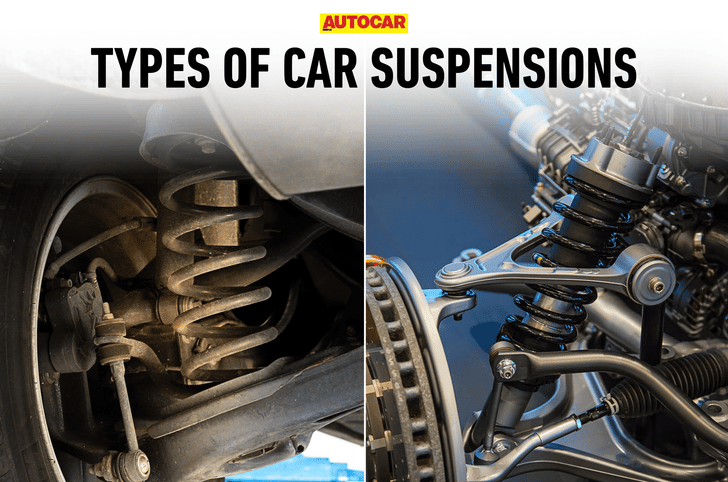
A car’s suspension system is crucial for providing comfort, improving the ride quality and stability across different surfaces and vehicle speeds. Automakers choose suspension systems based on their cost, real-world application and packaging constraints. While there have been several suspension types over the years, we break down those that are primarily used in cars sold in the market right now, explaining the advantages and disadvantages of each.
1. Non-independent suspension
Commonly known as a solid axle or rigid axle suspension
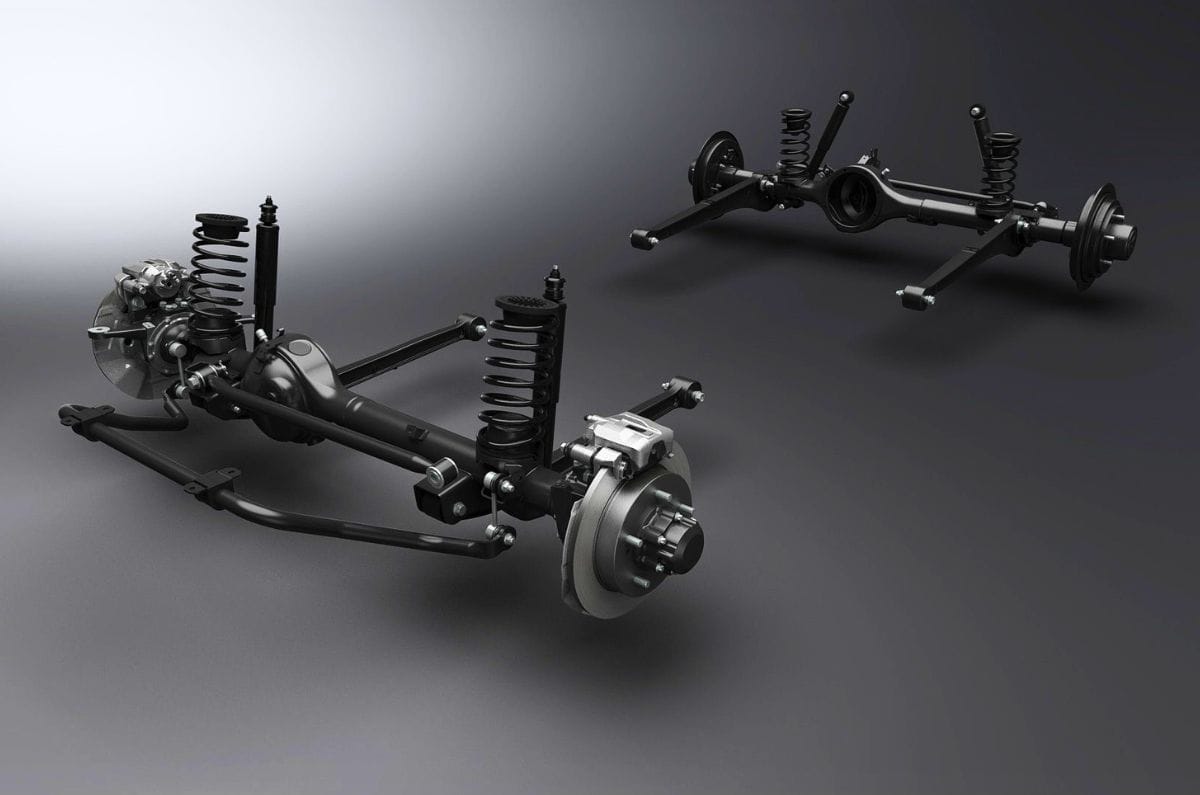
A non-independent suspension – also known as a solid axle or rigid axle suspension – is one of the oldest and simplest suspension designs still in use. The setup consists of a solid metal axle connecting the wheels, which acts as the primary load-bearing member. It’s then paired with coils or old-school leaf springs to absorb bumps and maintain stability. The inherent simplicity and no-nonsense construction of such a suspension makes it ideal in high-stress applications like trucks and heavy-duty pickups. Finally, rigid axles can also be configured as 'live axles' – named so because they house a differential to power the wheels.
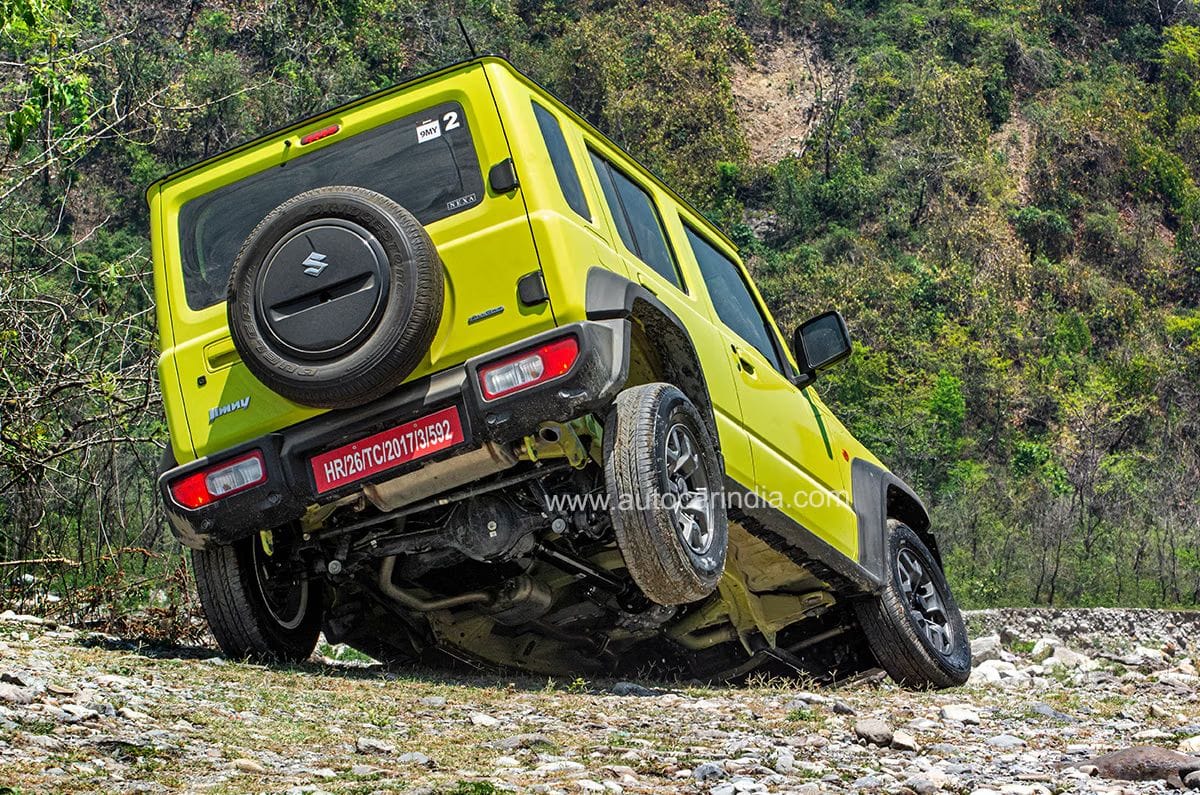
It’s not just commercial vehicles where we find a non-independent suspension. The Maruti Suzuki Jimny and Jeep Wrangler feature solid axles at the front and rear, wherein the immense wheel articulation afforded by this setup makes tackling rugged terrain easier. However, since the wheels are mechanically connected, whatever happens on one side automatically affects the other – hitting a pothole on the left side, for example, will translate to unnecessary reaction on the right side. This means that ride quality is poorer and handling less precise when compared to more modern setups.
2. Semi-independent suspension
This ubiquitous setup is more specifically called ‘twist beam’ or ‘torsion beam’
The relatively simple design of the semi-independent suspension makes it a common feature in affordable cars, especially at the rear. The design utilises a metal beam and coil springs – not too unlike a solid axle setup – but one offering plenty more functional flexibility. While the coil springs carry the vehicle’s weight, the twist (or torsion) beam translates its vertical movements into a twisting force that’s sent along the length of this main cross-member. The torsional rigidity of this metal beam doubles as an anti-roll bar.
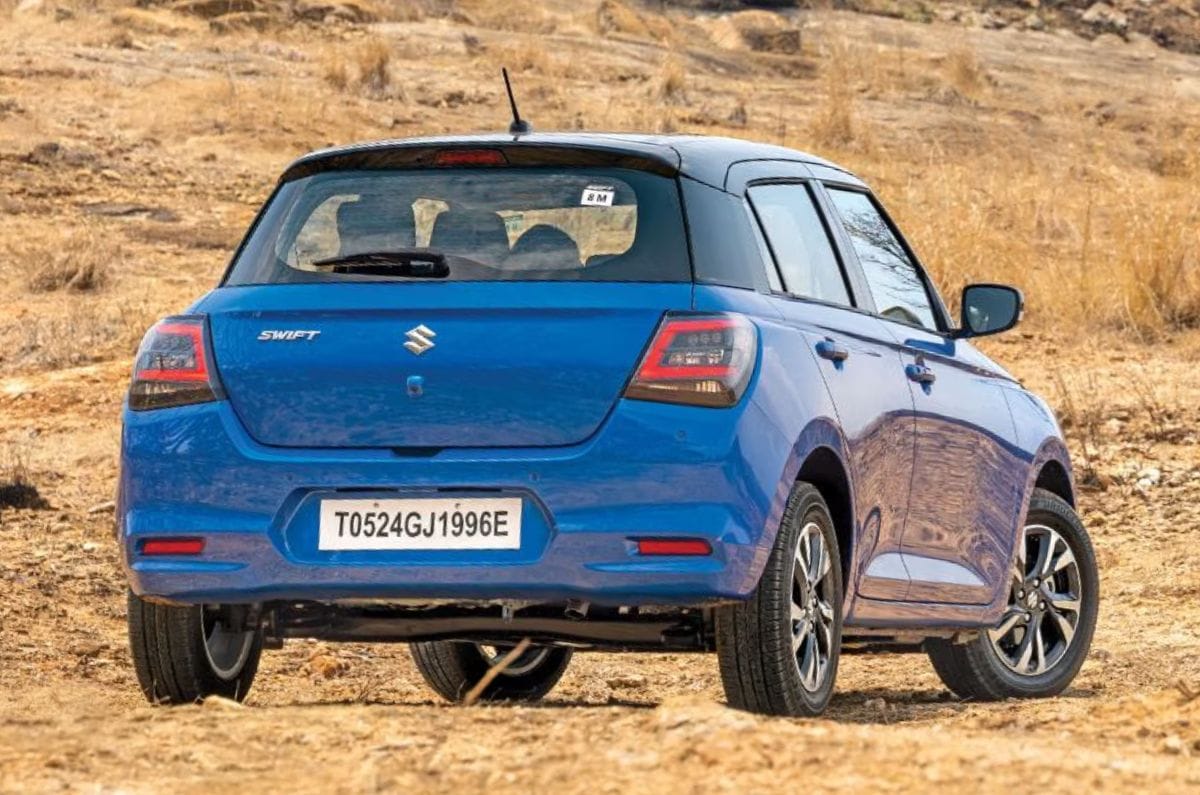
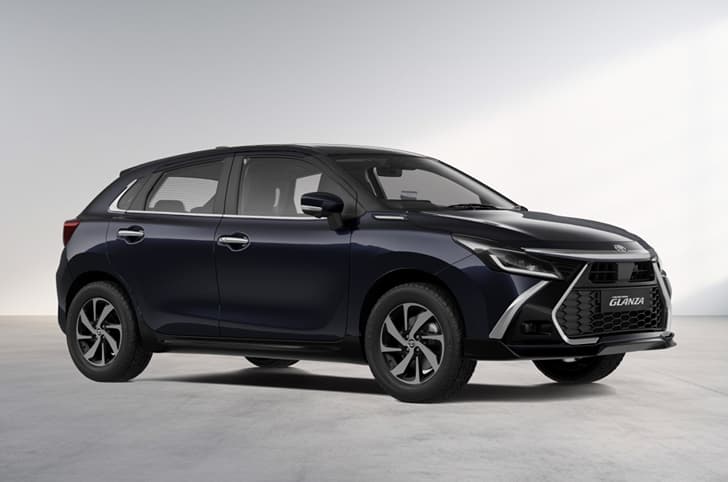
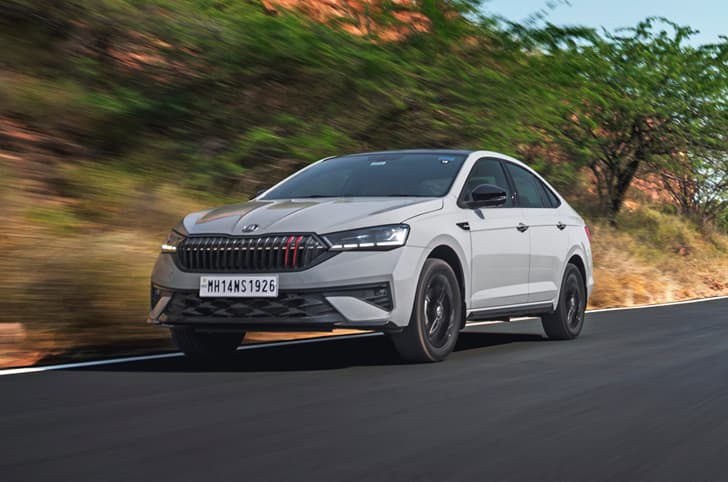
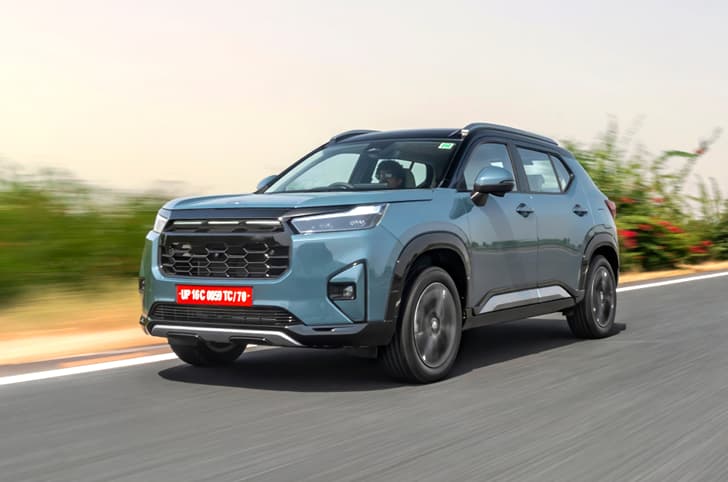
Almost every major carmaker (in India and abroad) equips their affordable models with a semi-independent suspension at the back. Most mass-market hatchbacks, sedans and crossovers/SUVs that aren’t performance-oriented, have a twist-beam rear suspension. Apart from being cost-effective, a semi-independent suspension offers a balanced mix of ride and handling characteristics. Its relatively compact packaging also allows carmakers to better optimise rear-cabin seating and boot space. While not as polished as fully independent systems, twist-beam setups are better at isolating single-sided bump encounters than solid axle systems.
3. Fully independent suspension
MacPherson Strut
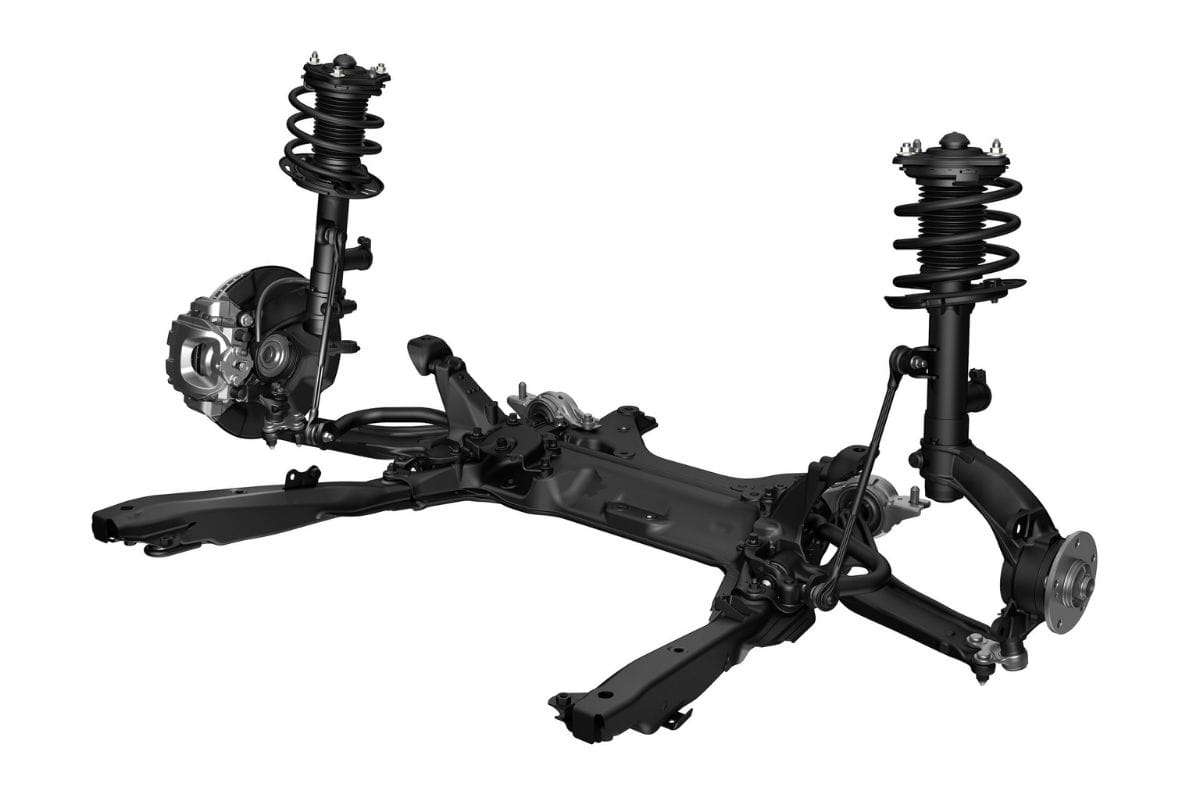
One of the most common types of independent suspension is the MacPherson Strut, named after American automobile engineer Earle S. MacPherson. Primarily used at the front, the system comprises of a coil spring wrapped around a shock absorber and this unit also functions as the upper control arm for the suspension. Almost all affordable models from brands like Maruti Suzuki, Tata Motors and Hyundai use this setup.
Double wishbone
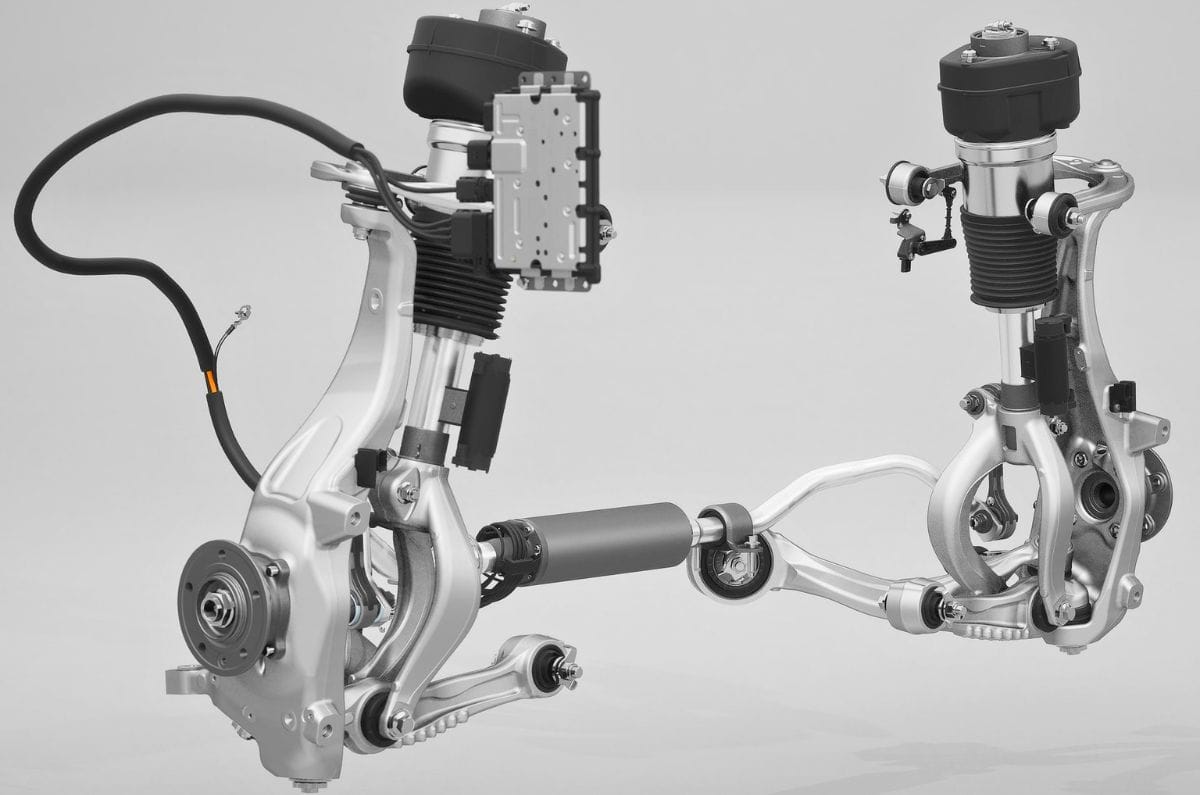
The more expensive double wishbone design uses upper and lower control arms to hold the wheel in place. This type of suspension is used in the front of SUVs like the Mahindra Thar Roxx and Toyota Fortuner. It’s also featured at the front of high-end models like the erstwhile Jaguar F-Type, the BMW 5-Series, and in most of Land Rover’s line-up. Consuming less vertical space than a MacPherson Strut, the double wishbone fits well in low-slung sports cars and other high-end performance models where it helps deliver predictable traction and steering feedback.
Multi-Link suspension
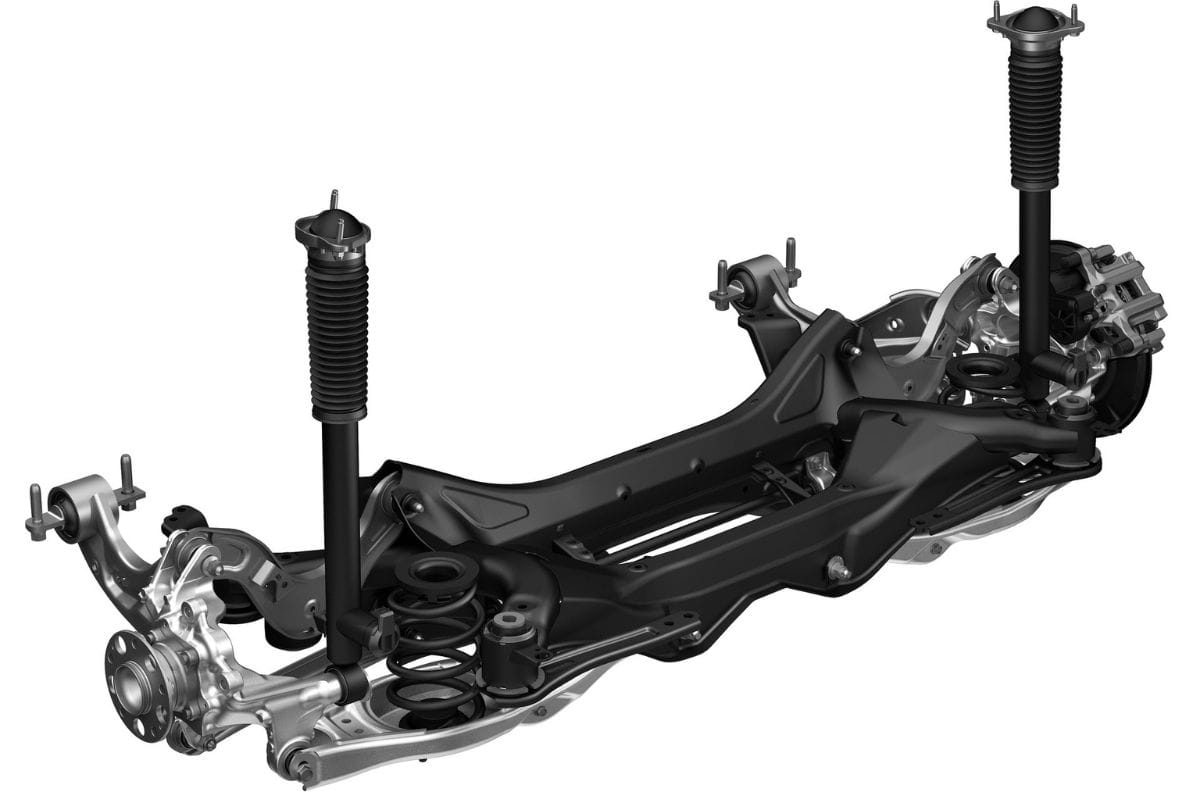
Making its debut with the Mercedes-Benz 190E is the more complex and pricier multi-link system. Here, the suspension duties are distributed among three or more independent control arms, along with the requisite springs and shock absorbers, resulting in a plusher ride and even better handling than any other independent suspension design. Cars that get this suspension design include the Honda Accord, Audi A6 and also the Volkswagen Golf R.
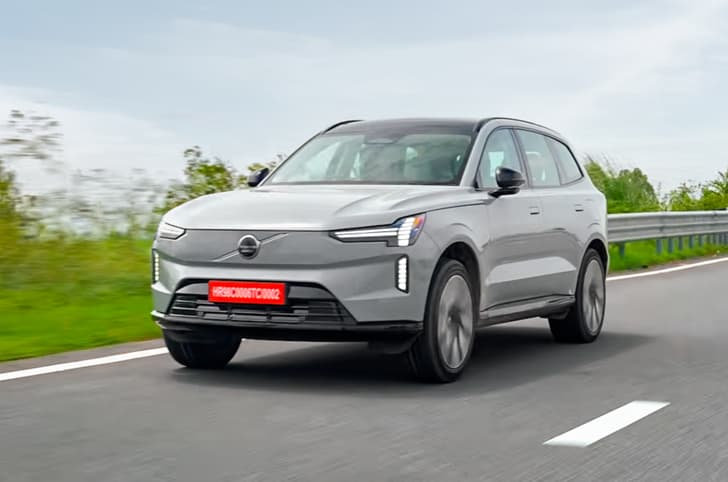
The suspension system in a modern-day car takes into account a wide variety of use-case scenarios. Affordable models mostly use MacPherson Struts at the front and a torsion/twist-beam setup at the back for an optimum ride-handling balance without pushing up costs. However, high-end cars usually feature a fully independent setup all around and for sportier applications, a double wishbone or multi-link suspension paired with active dampers is often the norm.

 Uday Singh
 Dipan Sur
 Glenn Noronha