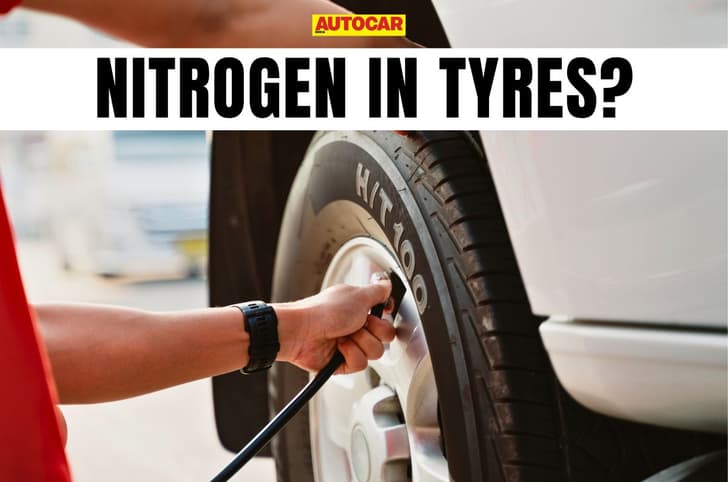
It is generally believed that filling tyres with nitrogen offers benefits such as puncture prevention, better fuel efficiency, higher performance and longer tyre life. So, for your car tyres, should you consider nitrogen over regular air since the latter is already 78 percent nitrogen? Or are you overthinking as basic as air in a tyre? Let us find out.
What is the difference between nitrogen and regular air?
Nitrogen is dry and inert compared to regular air
Regular air contains around 78 percent nitrogen and 21 percent oxygen, with the rest made up of gases such as carbon dioxide, argon, neon, helium, krypton and xenon. In comparison, the nitrogen used to fill tyres has a purity of almost 100 percent. As pure nitrogen has no oxygen, it is dry, whereas normal air is not.
Pros and cons of using nitrogen in tyres
Nitrogen, being dry, helps maintain more stable tyre pressure than regular air

Unlike pure nitrogen, regular compressed air introduces moisture into tyres. As the rubber warms up during driving, this moisture turns into vapour, leading to inconsistent tyre pressure. Conversely, dry nitrogen is devoid of water vapour, so it helps maintain a more stable tyre pressure. Fluctuating pressure is one of the reasons why tyres with regular air are more prone to high-temperature blowouts than those filled with nitrogen.
The moisture in the air also leads to corrosion of the metal rims over time. Moreover, nitrogen molecules are larger and slightly less permeable than oxygen molecules. Hence, nitrogen tends to leak out at a slower rate.
Nitrogen comes at a price and is not as easily available as regular air
While the charges for filling regular air are negligible, or even zero if you do it at fuel pumps, nitrogen is chargeable at fuel stations and all-tyre service workshops. And depending on your area, a top-up for all four tyres of your car can cost you anything between Rs 150 and Rs 200.
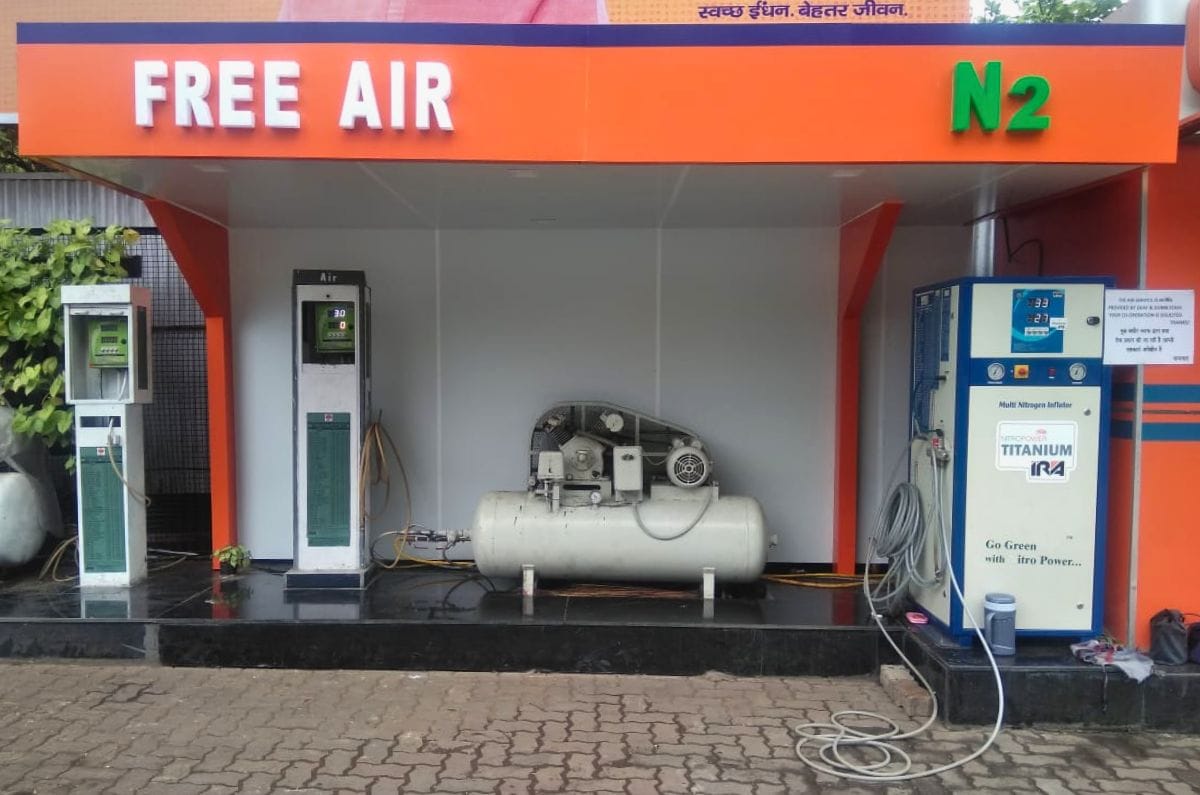
Moreover, the availability of nitrogen-filling stations, especially in underdeveloped areas and on new expressways, is uncertain. In case of a tyre puncture or air loss in such areas, you may need to refill the tyres with regular air. While mixing regular air with the inert nitrogen gas in tyres does not have an immediate impact, in the long run, the water content in the regular air can convert into vapour at high temperatures, mixing with nitrogen. This can lead to unpredictable tyre pressure under both hot and cold conditions, ultimately defeating the purpose of filling tyres with nitrogen.
Should you use nitrogen instead of regular air for tyres?
Nitrogen surely has its benefits, but it is not a substitute for poor tyre maintenance
If you want to do long highway runs, filling tyres with nitrogen could mean one less worry on the trip, thanks to fewer fluctuations in tyre temperature, thus maintaining a more stable tyre pressure. Also, if you are planning high-speed runs, especially on tracks, nitrogen is recommended, as it maintains an optimal tyre temperature, lowering the chances of a tyre blowout. This is also the reason why motorsports and aerospace primarily use nitrogen in tyres.

For regular drives, however, it is recommended to just use regular air. Check tyre pressures regularly to maintain good tyre health, which would also save costs in the long run. Common beliefs about nitrogen contributing to puncture prevention, better fuel efficiency, zero tyre heating and dramatically longer tyre life are untrue. Tyre maintenance, which includes practices such as regular pressure monitoring, proper wheel alignment, tyre rotation at regular intervals and cautious driving, is a more important factor for tyre health than the type of air.

 Uday Singh

 Glenn Noronha