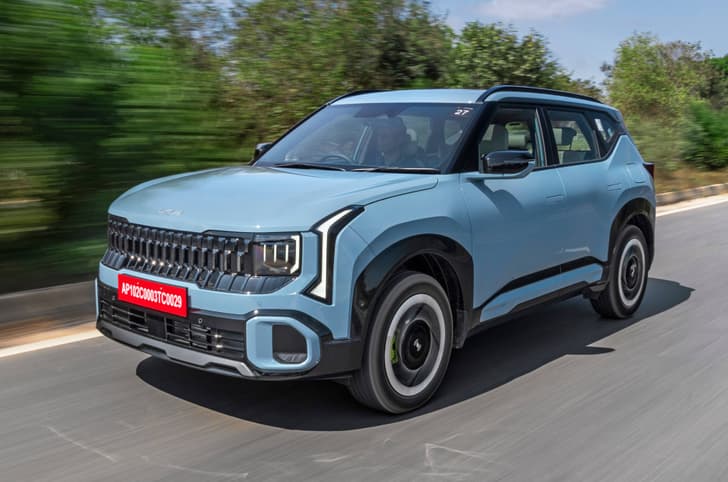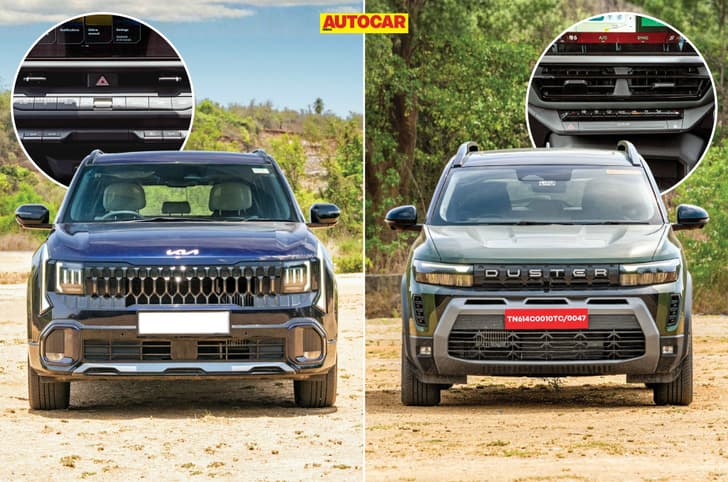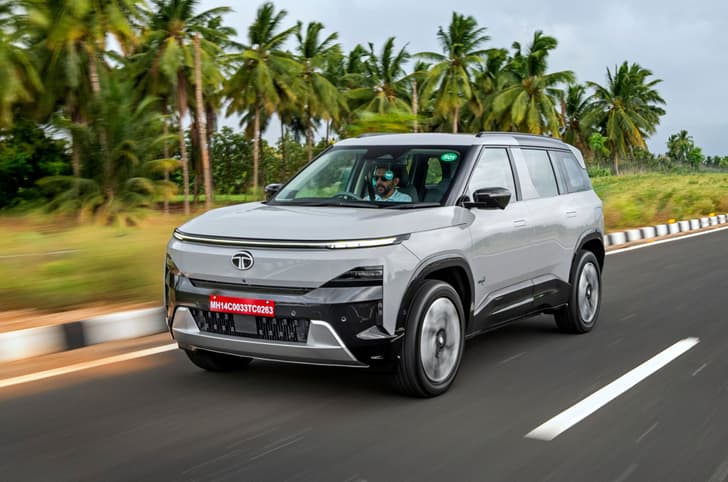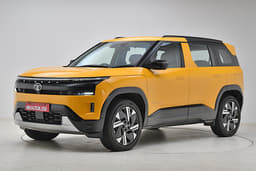


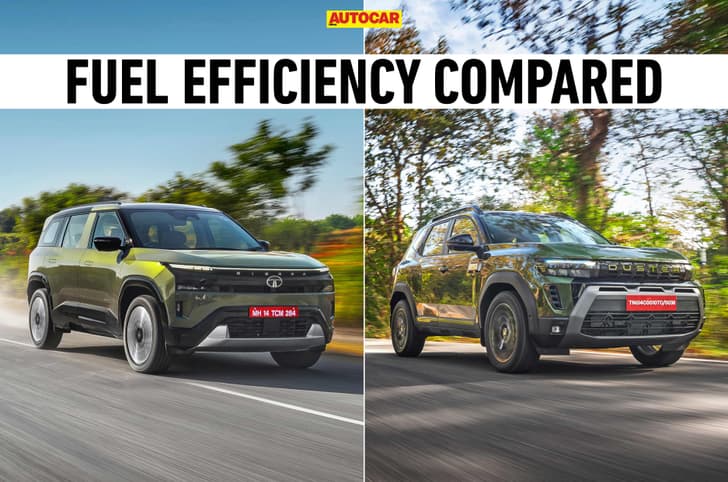
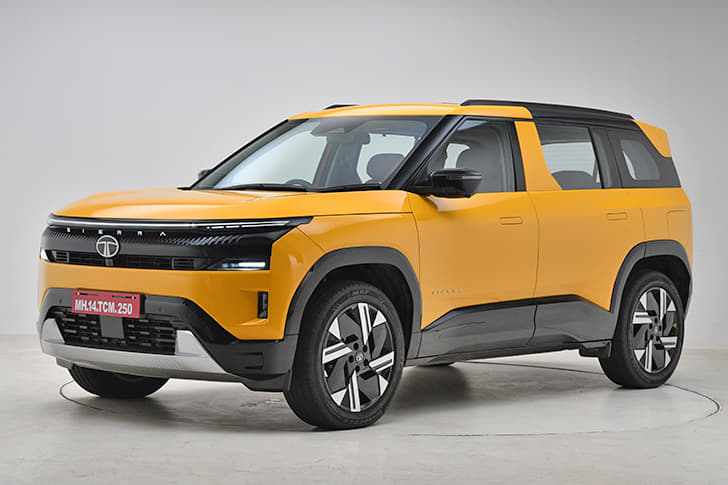
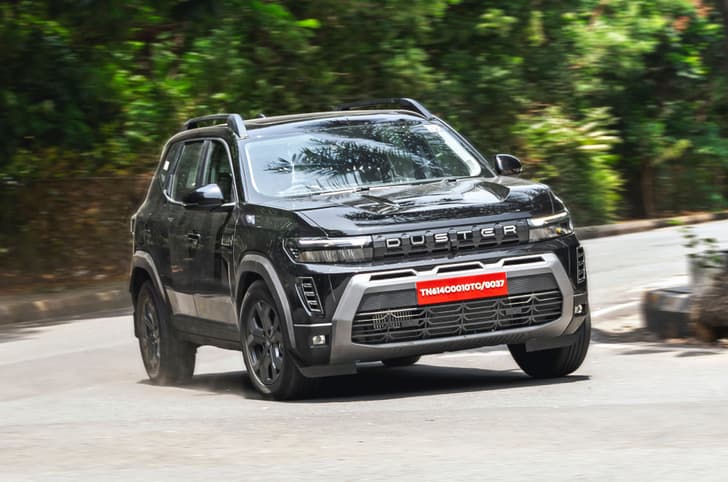
The Tata Sierra and Renault Duster are among the most powerful options in the midsize SUV space. According to ARAI-rated fuel-efficiency figures, the Duster can go over 3km further than the Sierra on a litre of fuel. But is that so in the real world? We have tested the fuel efficiency of their turbo-petrol automatic versions, and here are the results.
Explore the full specs, features and a price breakdown in our Sierra vs Duster comparison.
Tata Sierra vs Renault Duster turbo-petrol AT: Specifications and price
Sierra has the larger engine, but Duster produces more power
The turbo-petrol versions of the Sierra and Duster are powered by 1.5-litre and 1.3-litre direct-injection units, respectively. While the Sierra gets a 6-speed torque-converter automatic gearbox, the Duster has a 6-speed dual-clutch transmission (DCT). However, the Duster has a power advantage, is 189kg lighter than the Sierra and is also more affordable. The only similarity is that both have a 50-litre fuel tank.
Tata Sierra vs Renault Duster turbo-petrol AT: Real-world fuel efficiency
Duster is more efficient, albeit by a whisker
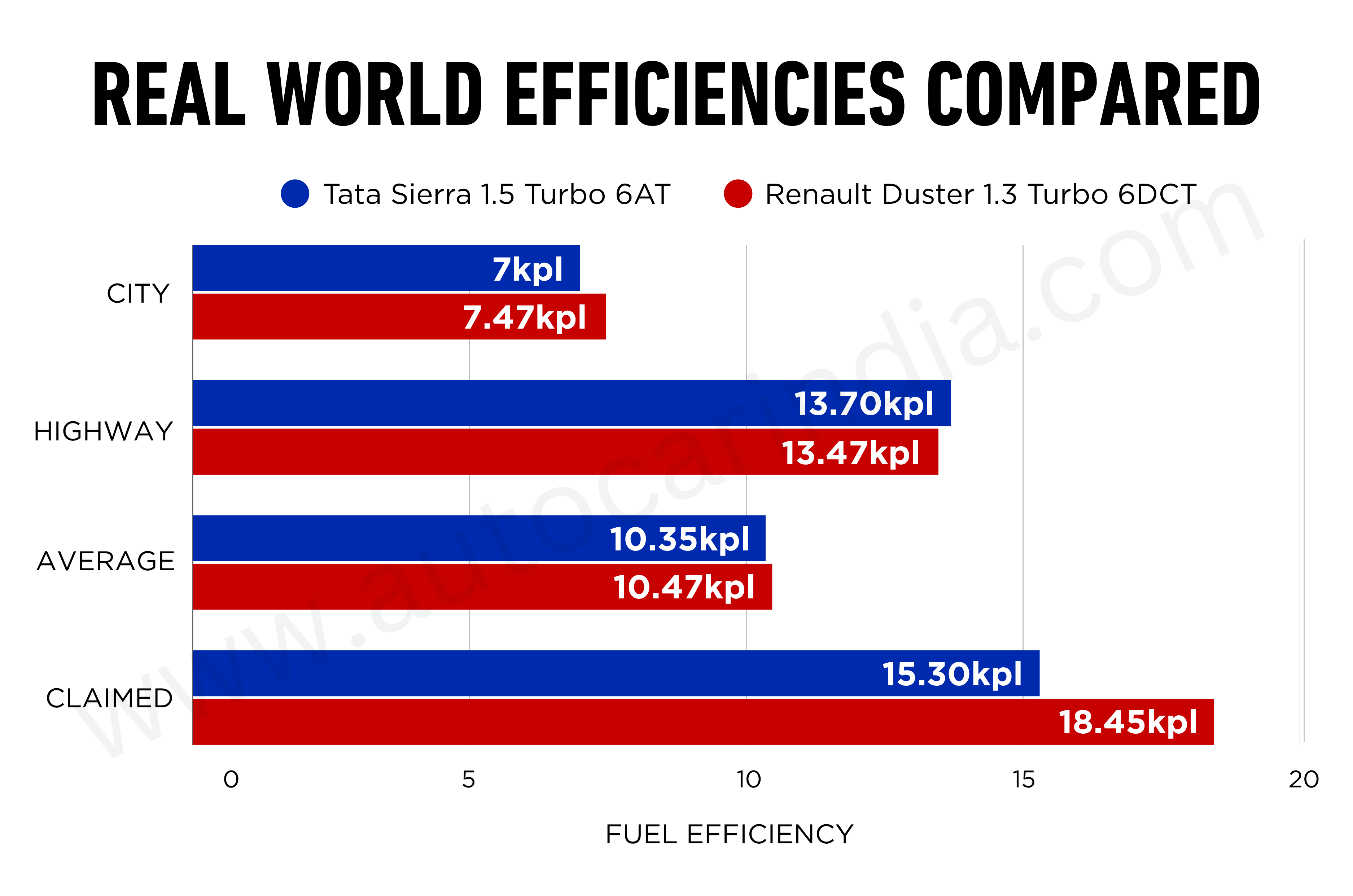
Overall, the Renault Duster outperformed the Tata Sierra in our real-world mileage tests, but the gap between the two SUVs was minuscule. In the city, the Duster delivered 0.47kpl additional mileage, while the Sierra outperformed it by 0.23kpl on the highway. As a result, the average fuel efficiency of the Duster was just 0.12kpl more than the Sierra’s, even though the Duster is lighter and has a slightly smaller engine. Another thing to note is that the Duster’s engine has an auto start/stop function, which the Sierra lacks. Despite a noticeable gap in their claimed ARAI efficiency, the real-world figures of both SUVs are neck and neck, with the Duster going only 6km further than the Sierra on a tankful of fuel.
Autocar India’s fuel-efficiency testing
Before our real-world fuel-efficiency tests, we fill our test cars’ tanks to the brim and maintain tyre pressures based on the manufacturer’s recommendations. These cars are driven in fixed city and highway loops in and around Navi Mumbai, and we maintain certain average speeds. Throughout the tests, there is only one person in each car, operating the air conditioner and other electricals, such as the audio system, indicators and wipers, when required, just like a regular user would. Periodic driver swaps further neutralise variations in driver patterns. At the end of each cycle, we calculate efficiency by filling the tanks to full again.
All prices are ex-showroom, India.

 Uday Singh


 Dipan Sur