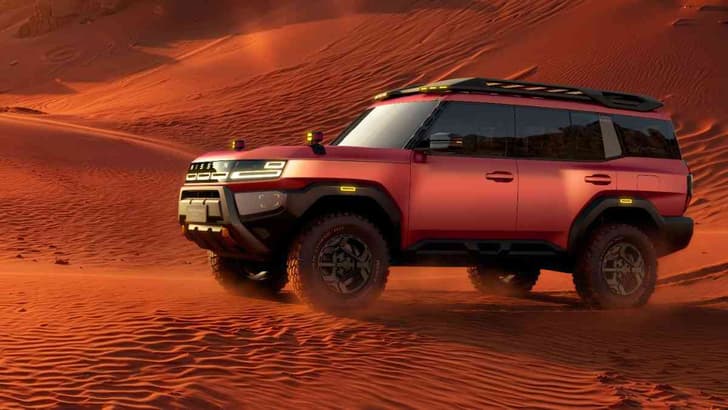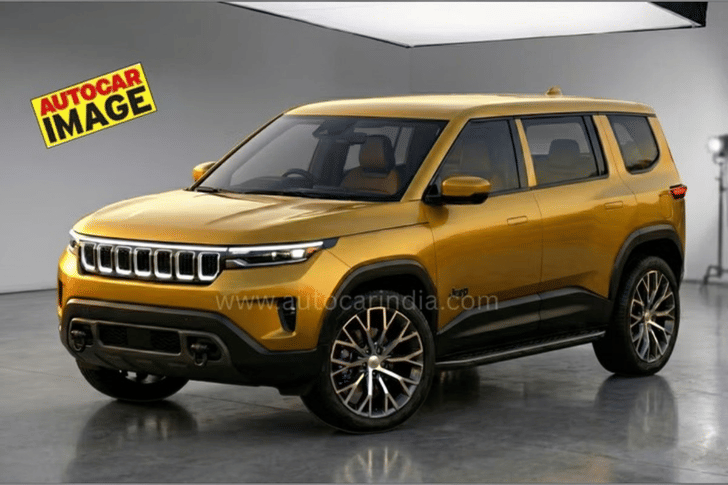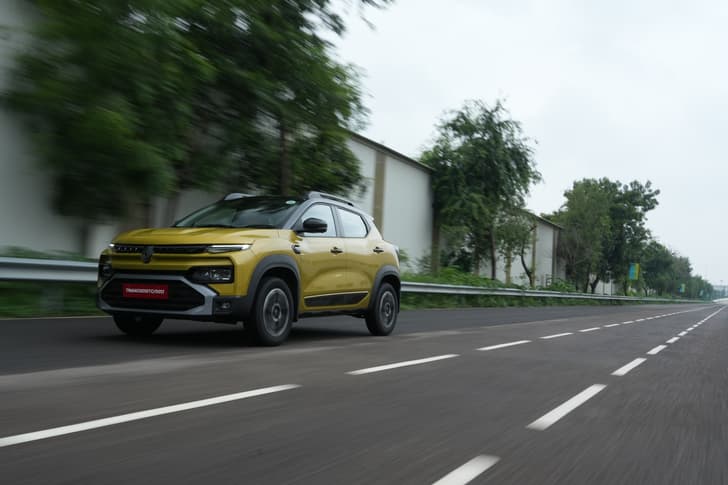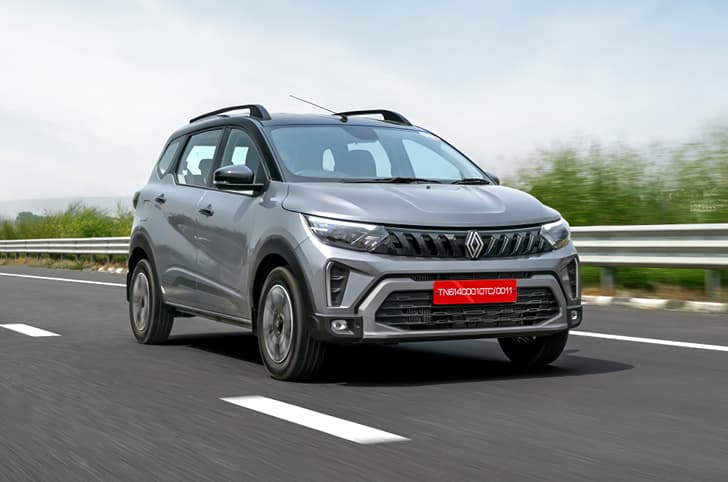

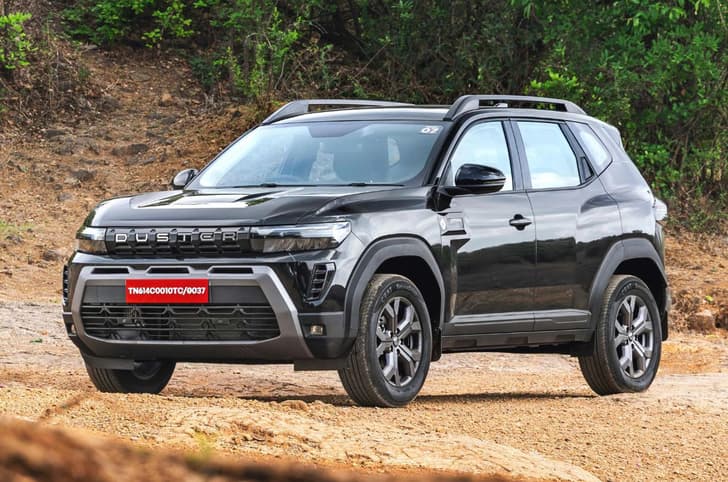
Upon its launch in March 2026, the Renault Duster entered the highly competitive midsize SUV segment. While the Duster is available in up to six trim levels, only the lower ones (Authentic, Evolution and Techno) are offered with the 1.0-litre turbo-petrol engine and manual transmission (MT). If you’re planning to buy the Renault Duster 1.0 MT, read this first as we explain some of its pros and cons.
Responsive midrange and light clutch
Keeping up with city traffic is easy
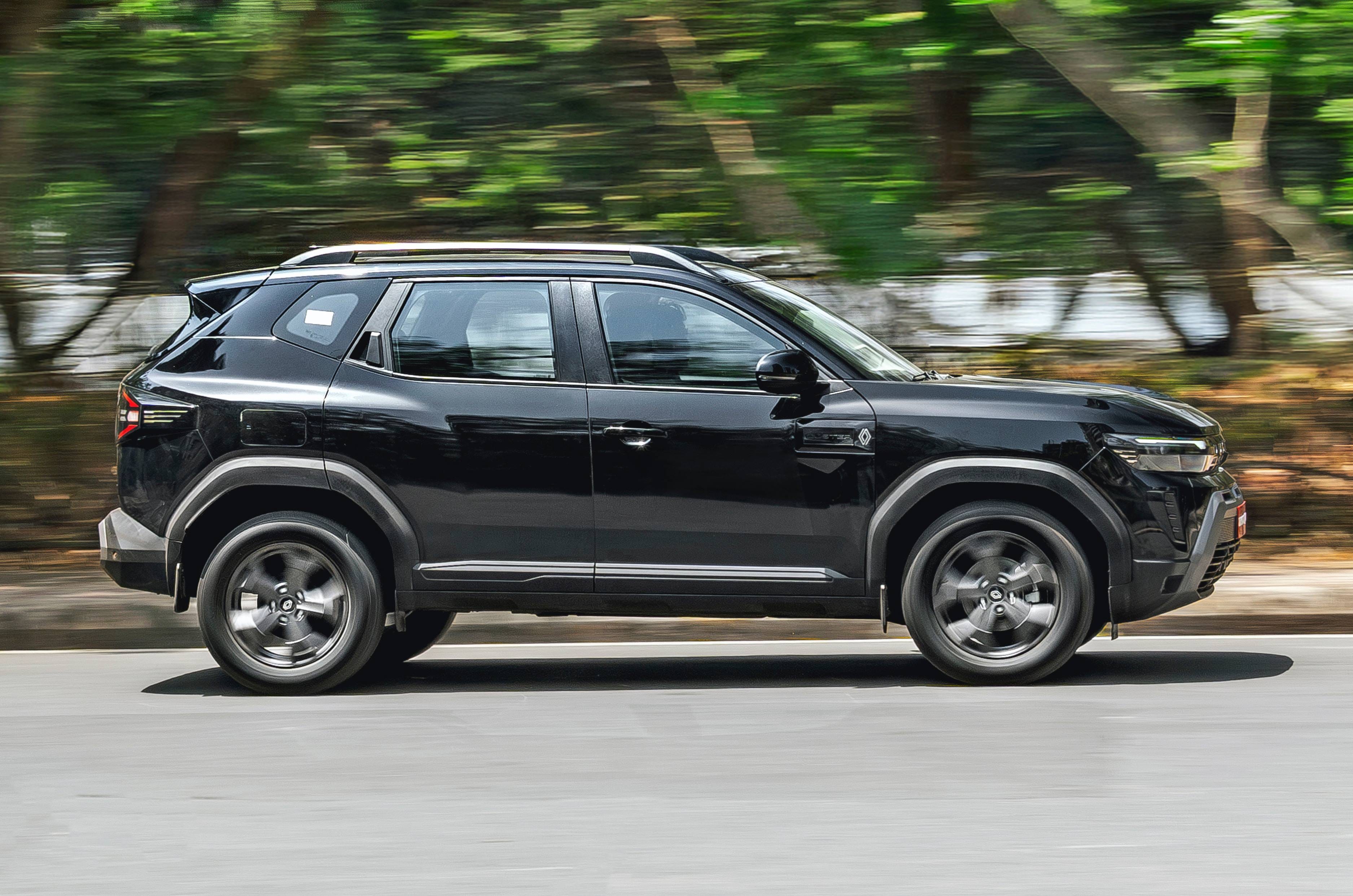
Borrowed from the top-spec Kiger, this three-cylinder turbo-petrol engine uses multi-point fuel injection (MPFi). While it puts out the same 100hp as in the Kiger turbo, Renault has managed to extract another 6Nm, for a peak torque of 166Nm. Once past 2,000rpm, this engine not only feels responsive but also revs all the way till redline without hesitation. This three-pot mill also responds decently to part-throttle inputs. The 6-speed manual gearbox is fairly precise, while the clutch is light and easy to modulate. All of this means that it’s easy to drive the Duster 1.0 MT through traffic.
Pliant ride and good handling
The Duster is both comfortable and fun around corners
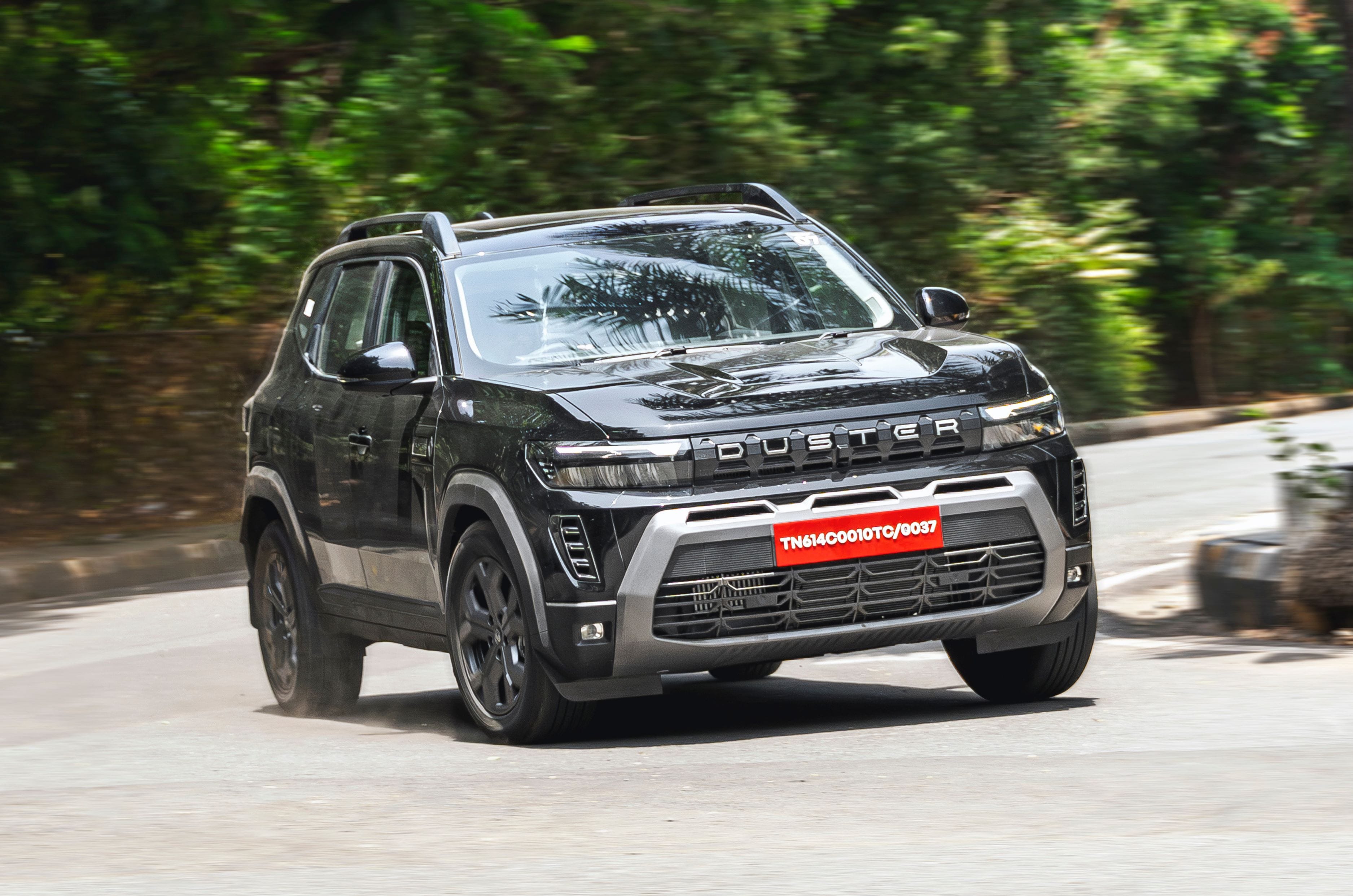
The Renault Duster 1.0 MT strikes the right balance between ride comfort and capable handling, especially for a midsize SUV. The ride quality is aided by the smaller 17-inch wheels, while the SUV goes over bad roads and potholes without complaint. Threading corners at speeds in the Duster is fun, courtesy of its precise steering and manageable body roll. Even as the speed rises, the Duster maintains its composure.
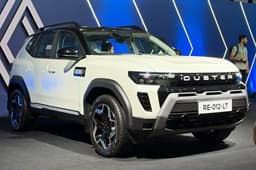
Spacious and well-equipped cabin
The value-for-money mid-spec trim is well kitted out with modern conveniences
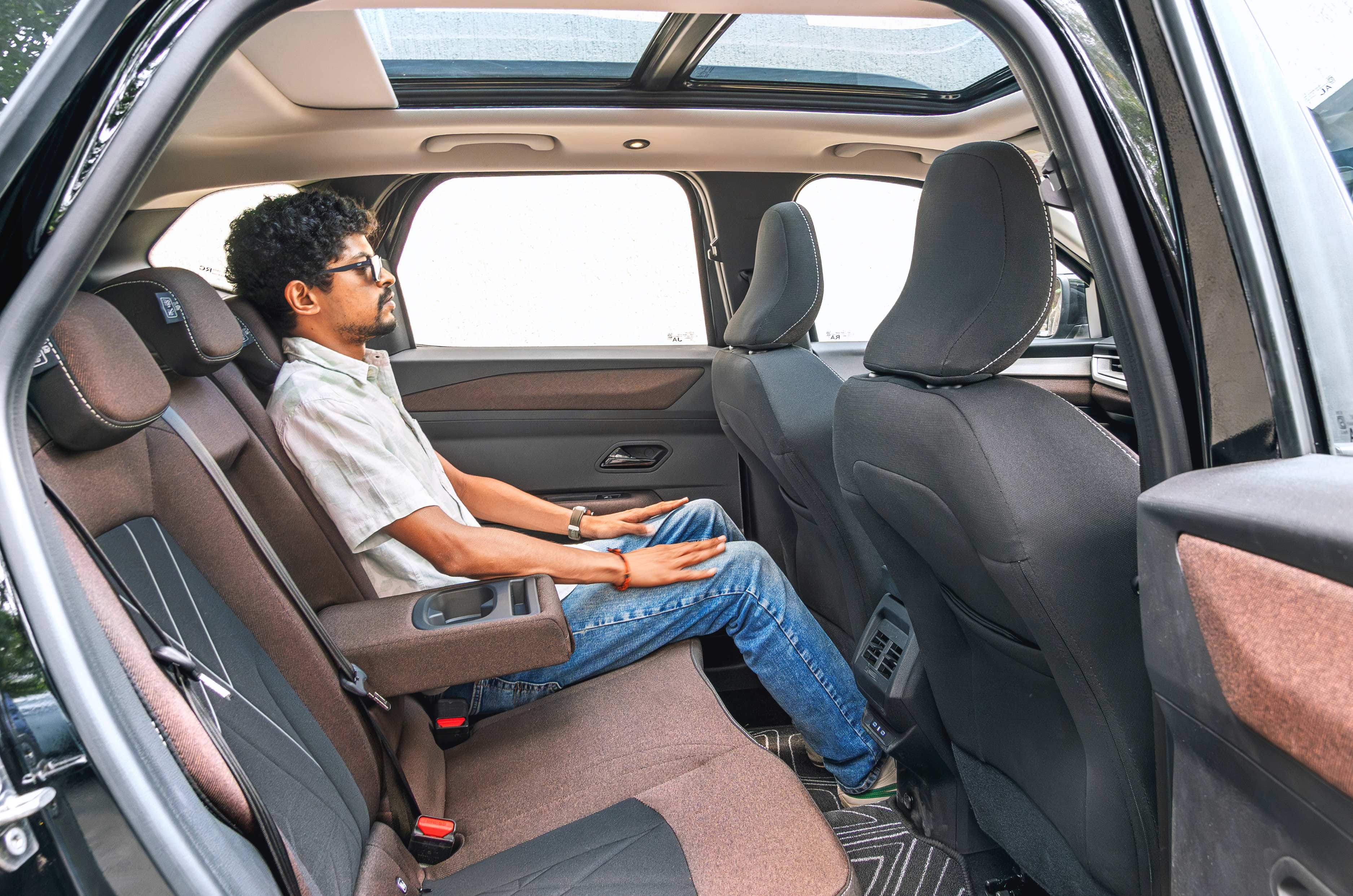
The Duster’s interior offers plenty of space, especially at the back. There’s plenty of headroom and kneeroom even for those who are six feet tall. Those seated in the rear get conveniences such as a centre armrest with cupholders, dedicated AC vents and USB Type-C ports. The front seats are also not lacking in space and feel comfortable with a good amount of padding. There’s also no dearth of in-cabin storage, and the 518-litre boot is the largest in this class.
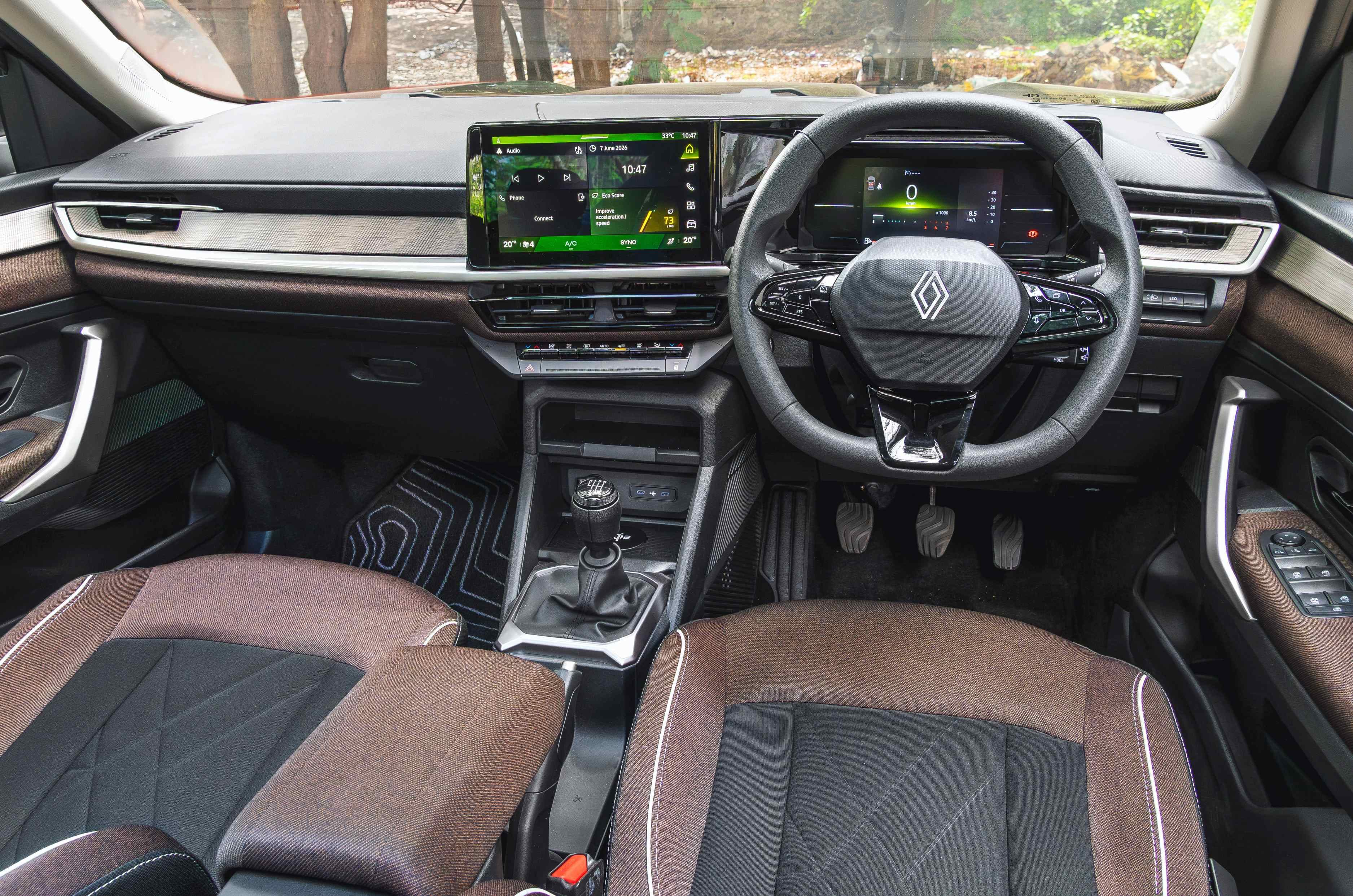
On the equipment front, the Renault Duster 1.0 MT is packing quite a lot. There’s a power-operated tailgate, a panoramic sunroof, dual-zone automatic climate control, a 6-speaker Arkamys audio system, wireless charging, connected car tech, and a 10.1-inch touchscreen. This high-resolution head unit supports wireless smartphone connectivity. Among its raft of safety tech, the Duster 1.0 MT is offered with 6 airbags, automatic LED headlamps, a reversing camera, hill-start assist, corner stability control, electronic stability programme and a tyre-pressure monitoring system. Priced at up to Rs 13.49 lakh (ex-showroom), the Duster 1.0 MT represents good value for money.
What community is saying on the Duster?
The pros aside, it’s now time to look at some of the cons of the Renault Duster 1.0 MT.
Not available in top trims
The highest trim offered with this engine-gearbox combo is the Techno
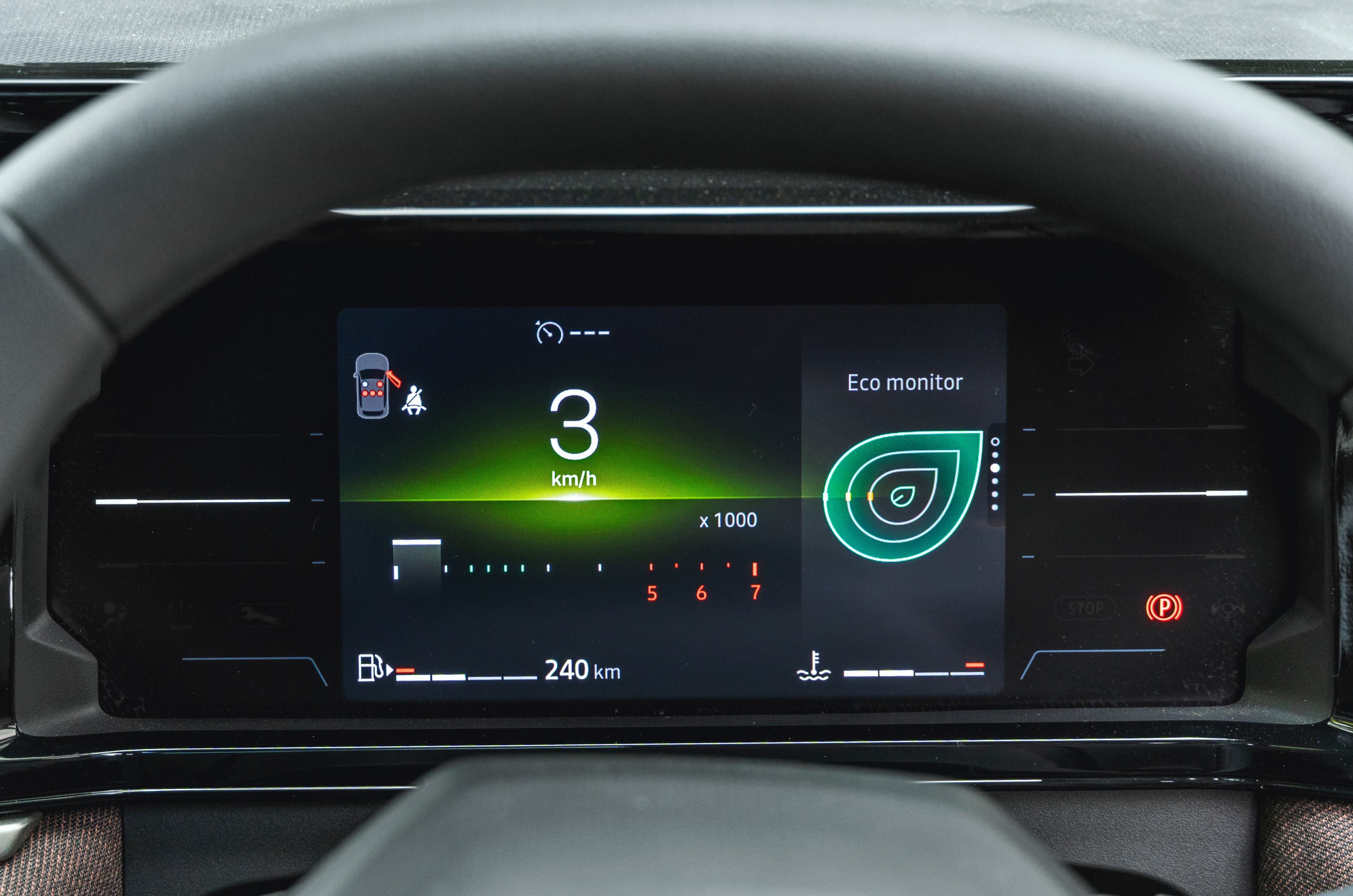
Some features are restricted to the Duster’s Techno+ and Iconic trims, which are only available with the punchier 1.3-litre turbo-petrol, direct-injection engine. These include niceties like the bigger 18-inch wheels, leatherette upholstery, the larger 10.25-inch digital gauge cluster (instead of the 7-incher), built-in Google features, powered front seats with ventilation, and advanced driving assistance systems (ADAS).
Automatic gearbox is unavailable
The 1.0-litre engine currently only gets a manual gearbox
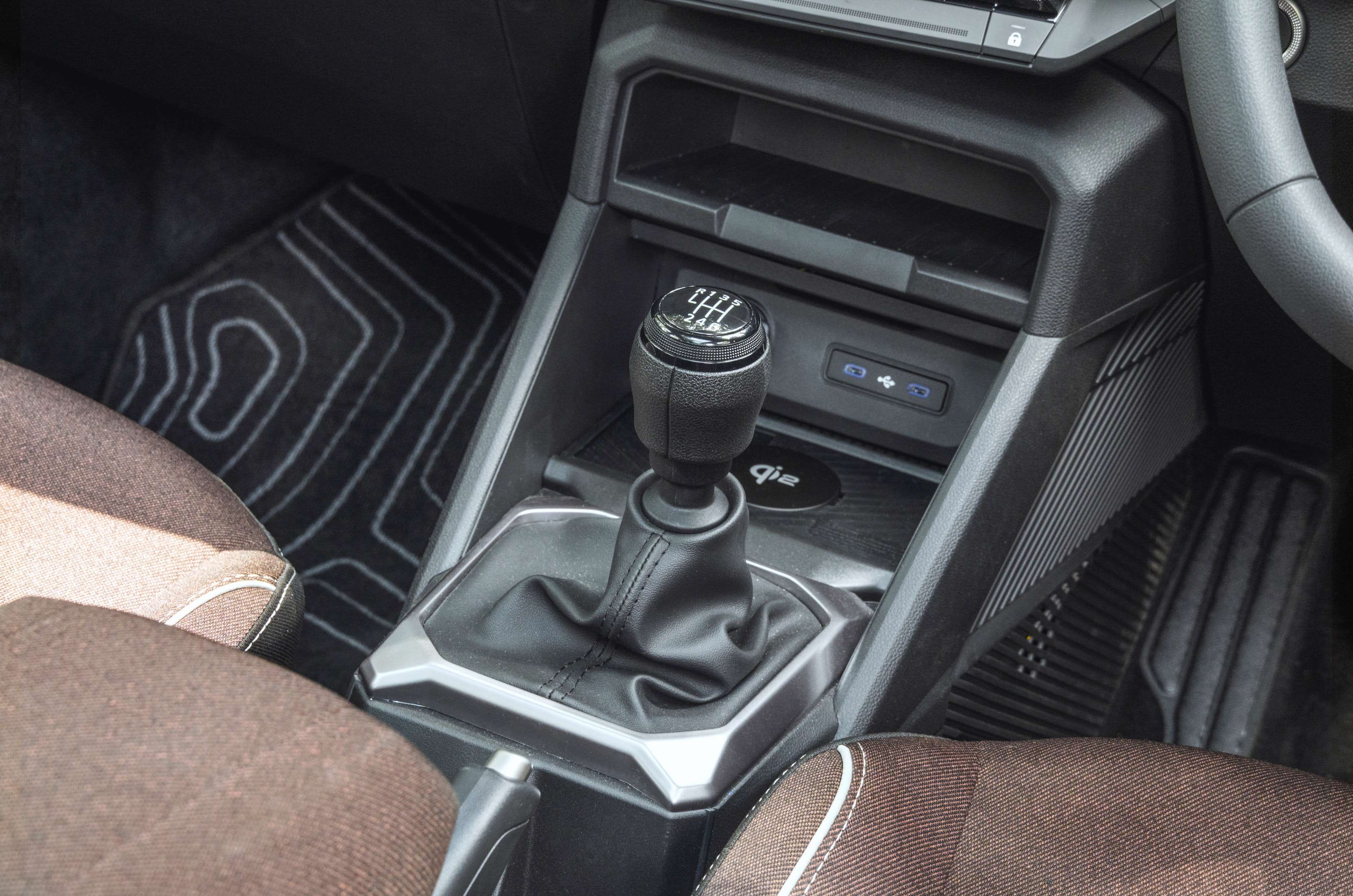
Renault offers a CVT (continuously variable transmission) with the Kiger 1.0, where its minimal 'rubberband' effect works in its favour. For buyers who want a turbo-petrol and automatic gearbox combination, this would have been a more affordable alternative to the DCT (dual-clutch automatic transmission) that's currently available with the pricier Duster 1.3. While the 6-speed manual gearbox of the Duster 1.0 is precise, it requires some effort to be moved through the gates. You’ll also need to downshift if you want to perform a quick overtake out on the highway or while tackling steep inclines, just in order to keep this three-cylinder engine in its sweet spot.

 Uday Singh
 Dipan Sur
 Glenn Noronha