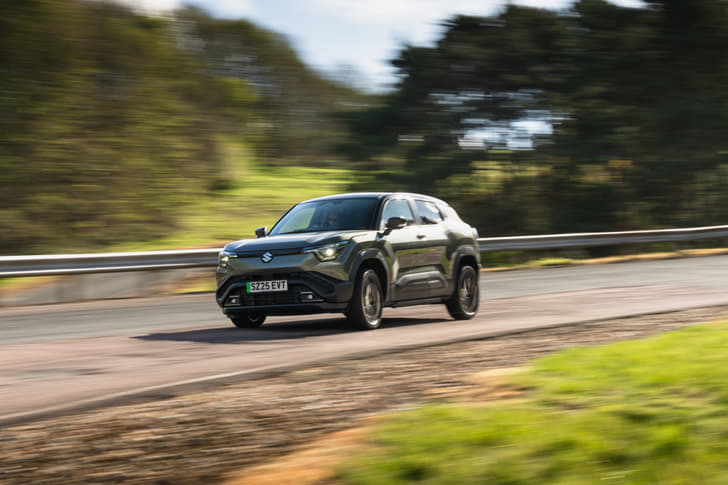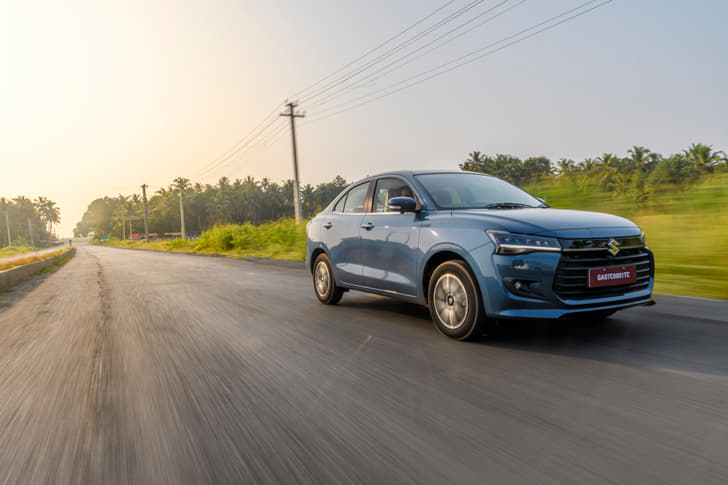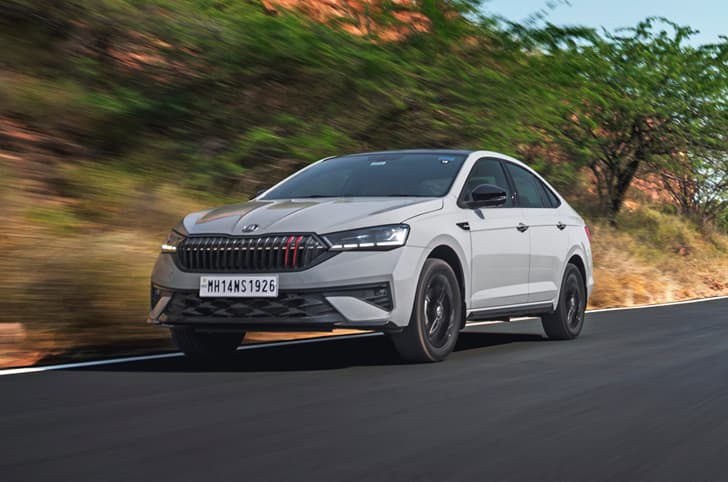

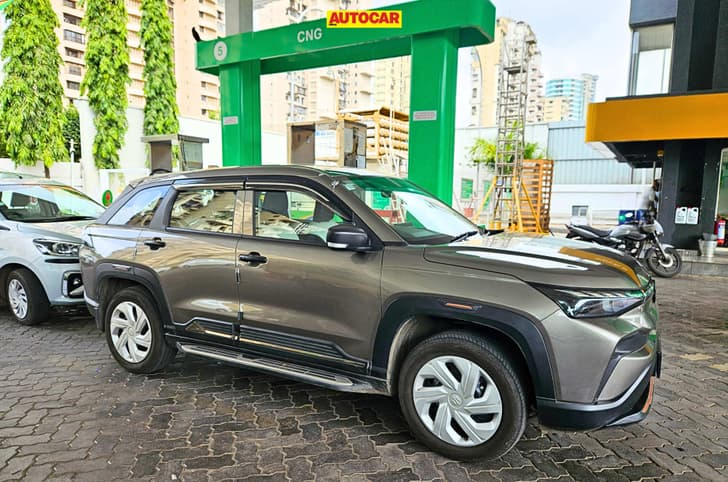
Maruti offers the Victoris midsize SUV with a range of powertrains, including a 1.5-litre petrol engine with a manual or an automatic transmission, an all-wheel-drive automatic, a strong hybrid and a CNG version. Among these, the CNG option remains particularly popular among buyers.
The Victoris CNG is powered by a 1.5-litre naturally aspirated four-cylinder engine paired with a 5-speed manual gearbox. Available in three variants priced between Rs 11.50 lakh and Rs 14.57 lakh, it carries a premium of Rs 1 lakh over the corresponding petrol versions. We put this powertrain through our real-world fuel-efficiency tests to find out just how economical it is.
Maruti Victoris CNG real-world fuel efficiency
What community is saying on the Victoris?
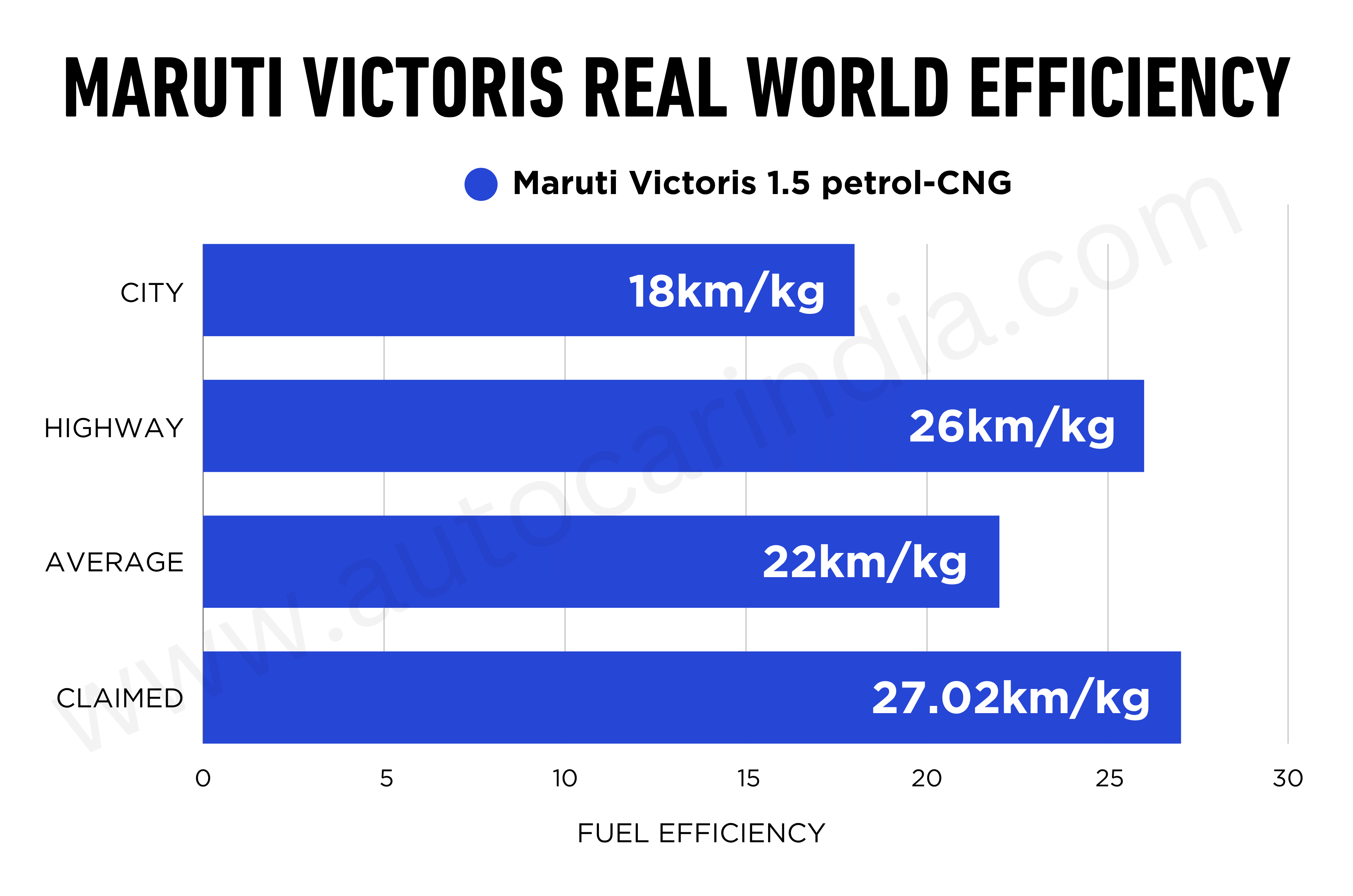
In our tests, the Victoris CNG delivered 18km/kg in the city and 26km/kg on the highway. The latter is particularly impressive, coming remarkably close to Maruti’s claimed fuel-efficiency figure of 27.02km/kg. During our tests, average speeds stood at 18kph in the city and 55kph on the highway. Under more favourable conditions, with higher average speeds and fewer stop-go interruptions, the Victoris CNG is likely to return even better efficiency figures.

The 55-litre CNG tank, mounted beneath the vehicle, can typically hold between 7.4kg and 8kg of gas, depending on ambient conditions and pump pressure. Based on our findings, owners can expect an average real-world driving range of around 180km on a full CNG fill.
Autocar India’s fuel efficiency testing
Since CNG tanks are more difficult to fill consistently due to variables such as ambient temperature and pump pressure, we did not use our standard tankful-to-tankful methodology. Instead, for our real-world tests, we emptied the CNG tank and refilled it with 2kg of CNG. We then drove the vehicle in city conditions until the gas was exhausted. The same process was repeated for the highway run. Throughout both tests, the Victoris was driven exclusively in CNG mode.
Before our real-world fuel efficiency tests, we maintain tyre pressures based on the manufacturer’s recommendations. These cars are driven in fixed city and highway loops in and around Navi Mumbai, and we maintain certain average speeds. Throughout the tests, there is only one person in each car, and the aircon is set to 22deg C in full-auto mode. We operate other electricals, such as the audio system, indicators and wipers, just like a regular user would. Periodic driver swaps further neutralise variations in driver patterns.


 Uday Singh

 Dipan Sur


 Glenn Noronha