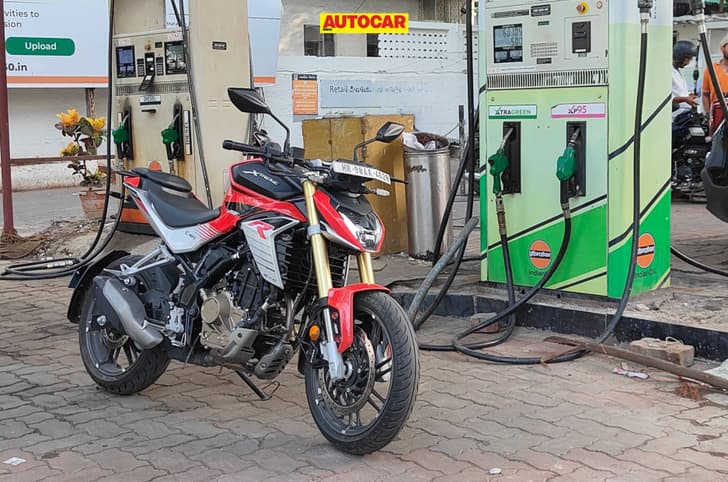

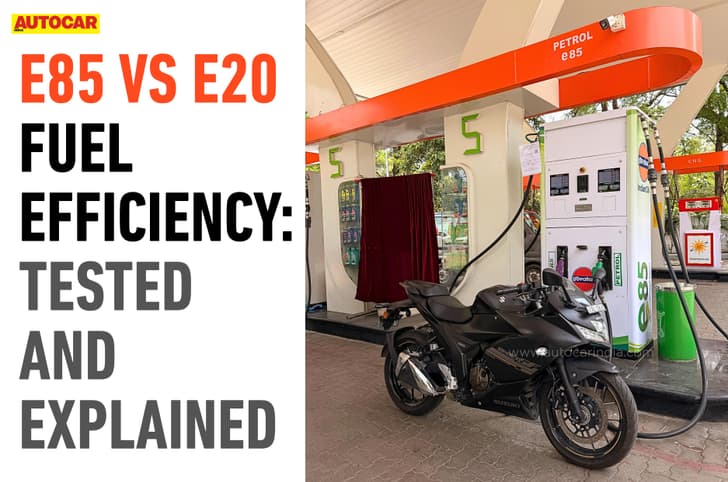
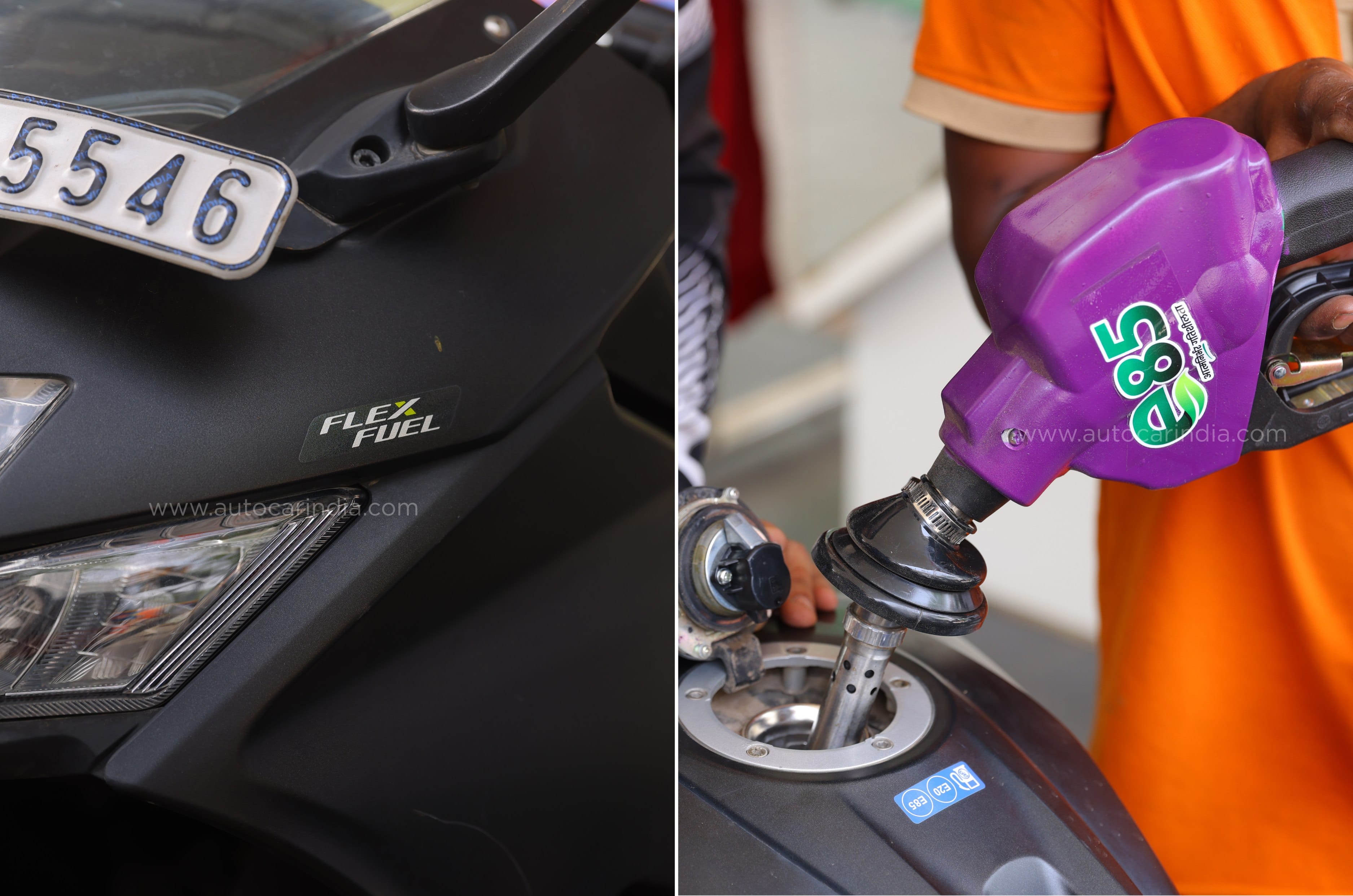
The government recently introduced E85 fuel – petrol blended with 85 percent ethanol – at Rs 82.12 per litre in Delhi, which is Rs 20 lower than E20, the current baseline fuel available nationwide. Naturally, the first question on everyone’s minds was how big a drop does E85 have on a vehicle’s fuel efficiency? Ethanol does have a lower energy content than petrol, with pure petrol standing at around 32MJ/l (megajoule/litre), E20 hovering around 30.5MJ/l and E85 dropping down to 23.5 to 24MJ/l.
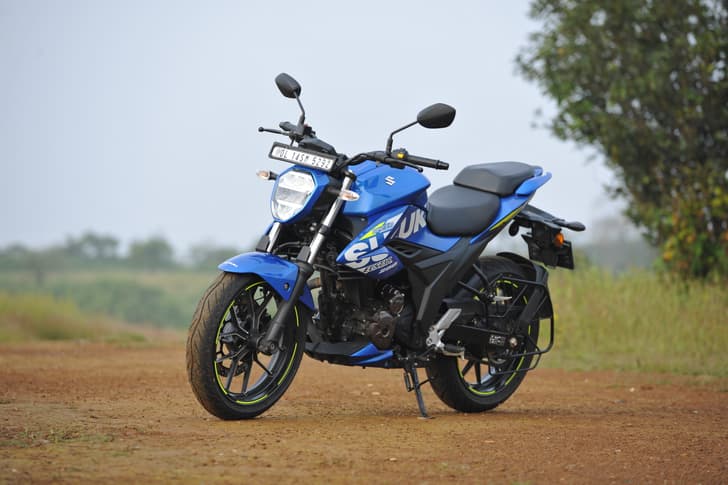
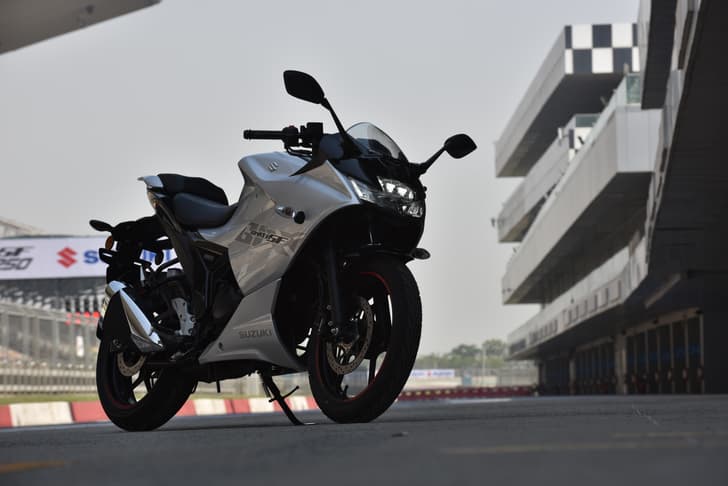
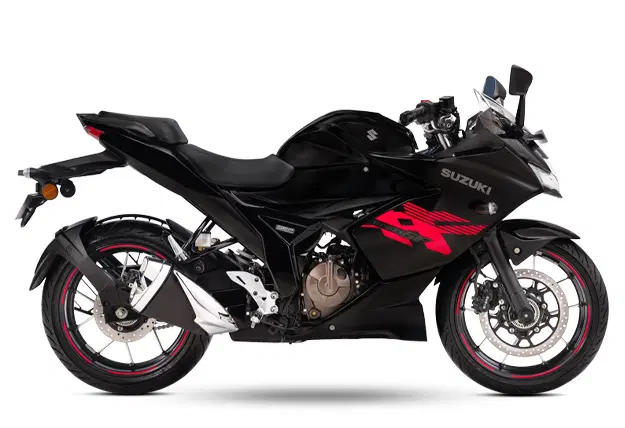
To understand the impact of this, we conducted a real-world test using a Suzuki Gixxer SF 250 FFV (Flex Fuel Vehicle), which is one of the only two-wheelers on sale in India currently, capable of running on E85 fuel. Hero MotoCorp has recently launched flex-fuel versions of its popular Splendor and HF Deluxe models as well, but deliveries won’t begin until July, and while Honda used to sell a flex-fuel version of its CB300F, that bike has now been discontinued.
Autocar India’s testing methodology
The Gixxer’s fuel tank was completely drained, and we ensured that no petrol remained in the system. After that, the bike was filled to the brim with E85 fuel, and its tyre pressures were set to the manufacturer's recommended specifications. Then the bike was ridden on the same 80km loop in Delhi over two and a half hours, simulating a combined scenario of open roads with faster flowing traffic as well as more heavily trafficked roads flowing at a slower pace. During this, our average speed hovered around 29kph. Our test was conducted during the middle of the week to have the most consistent real-world traffic conditions. The fuel level was also measured from the same set of dispensers, and a brim-to-brim filling method was used.
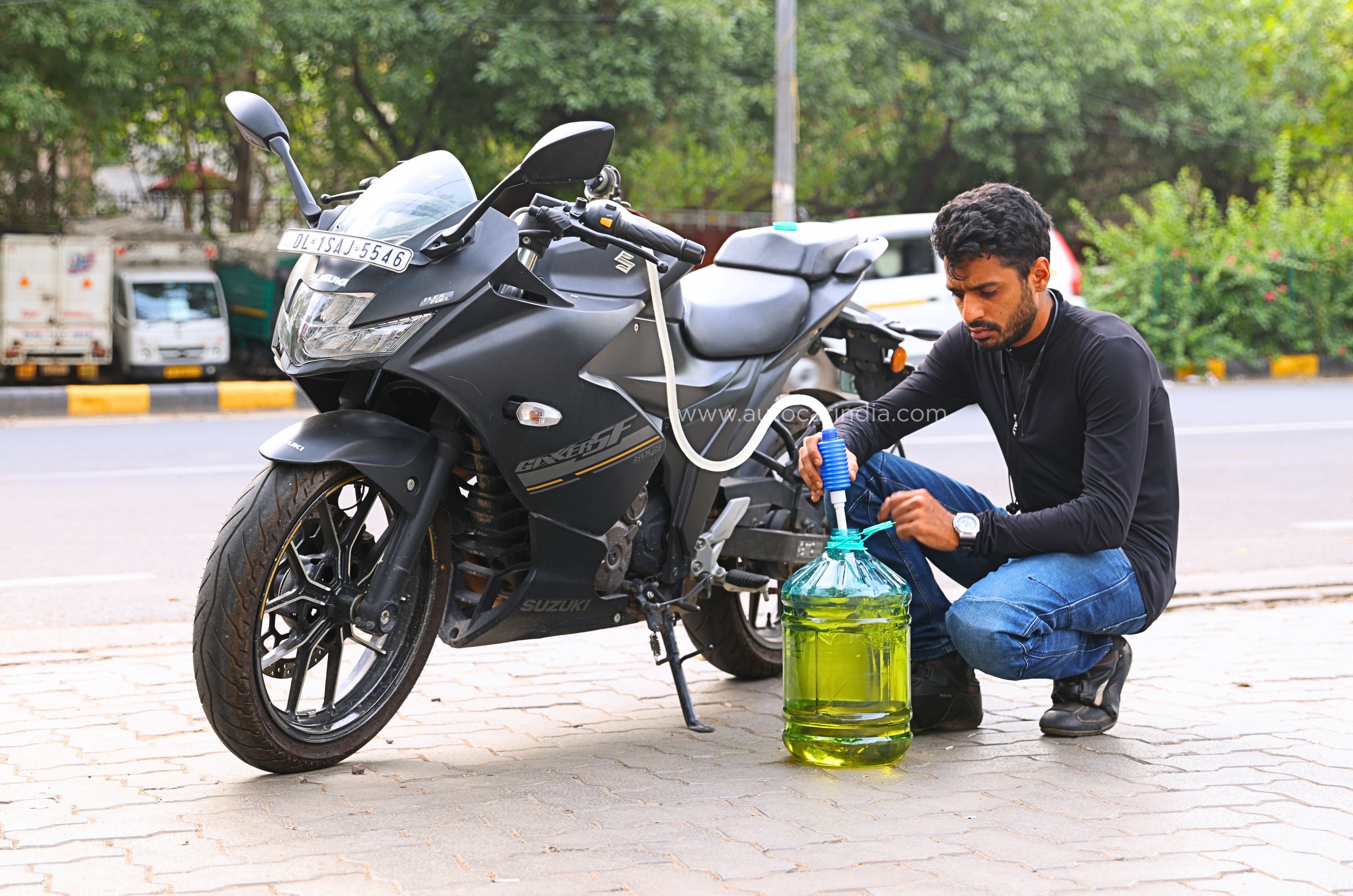
Once we finished the first run on E85, tanking up the Gixxer 250 required 2.79 litres, which meant that the bike returned 28.81kpl.
Subsequently, we drained the tank fully and let the engine idle until every last drop of E85 had been consumed. Then we proceeded to fill E20 fuel into the Gixxer and repeat the test all over again the next day. We ensured to run the test on the same route at the same time and under similar weather and traffic conditions, while also maintaining similar average speeds as before.
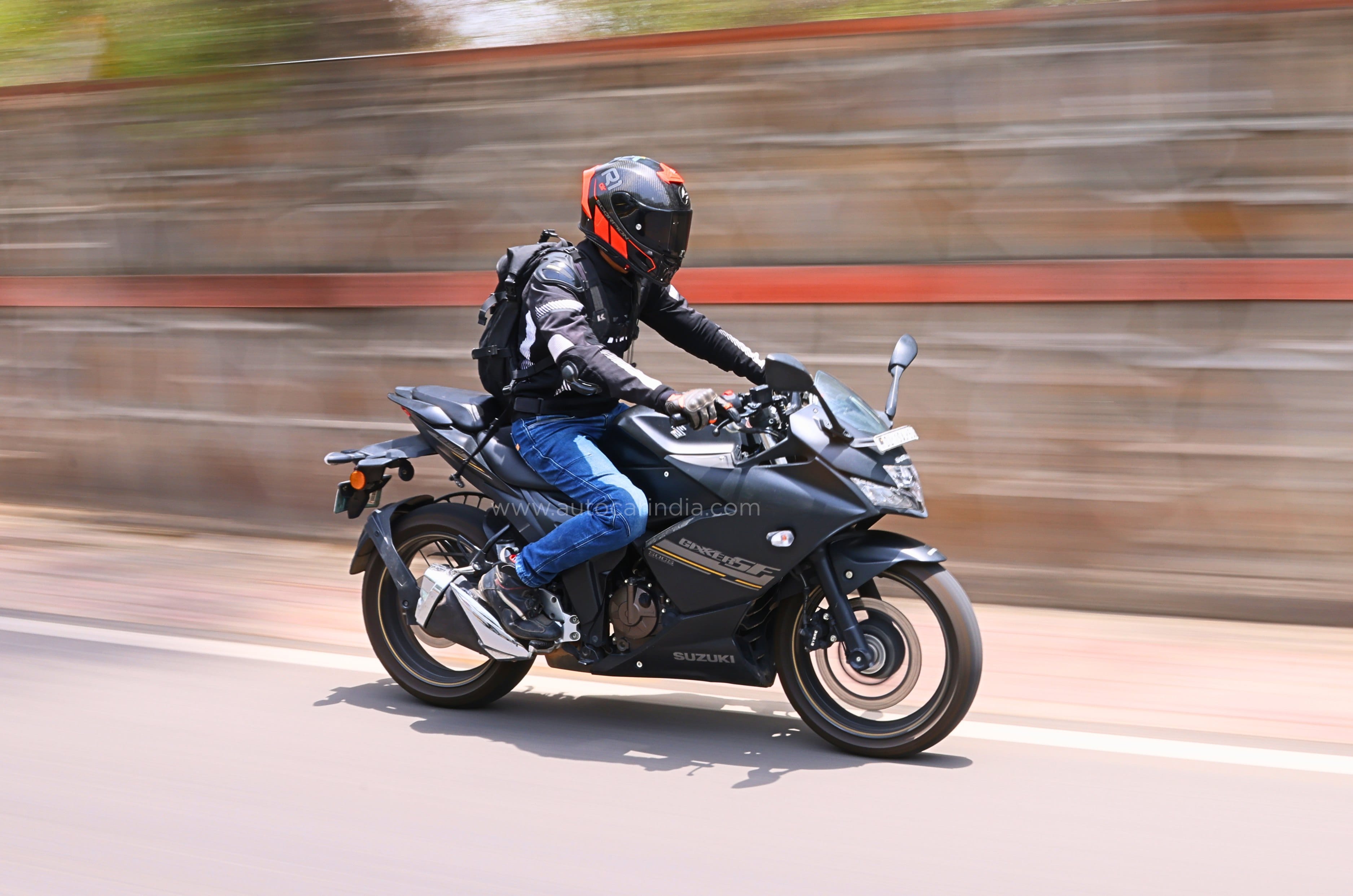
Once we finished our 80km test loop, the Suzuki needed 2.09 litres of E20 petrol to brim the tank. A simple calculation revealed that the bike gave us a much higher fuel economy number of 38.1kpl.
What does this mean for the average consumer?
From the numbers above, it is crystal clear that E85 petrol returns much lower fuel economy than E20 petrol – to be precise, 24.40 percent lower, as per our instrumented tests on this particular vehicle. That number may vary based on the vehicle, riding conditions and riding style, but this is a good indicator of what to expect.
As of today, in Delhi, E85 petrol is priced at Rs 82.12 per litre and E20 is at Rs 102.12 per litre. The difference in the pricing of the fuel works out to 19.58 percent. If one were to crunch the numbers, it becomes apparent that the differential in the pricing between E20 and E85 fuel isn’t big enough to make monetary sense for motorists to invest their hard-earned money into flex fuel vehicles – at least with the current fuel pricing structure.
When considered on a cost-per-kilometer basis, it works out to about Rs 2.68/km for E20 and Rs 2.85/km for E85 on the Suzuki Gixxer SF 250 FFV. Over a 10,000km distance, running E85 in this motorcycle at this fuel pricing will work out to an additional Rs 1,711. That difference will only get bigger with larger capacity motorcycles, and especially on cars that have much lower fuel efficiency than bikes.
Not only that, flex-fuel versions of vehicles themselves cost higher than the ones designed to run on regular petrol. For example, the flex-fuel version of the Gixxer SF 250 we tested costs Rs 1.98 lakh (ex-showroom, Delhi), which is nearly 5 percent more than the Rs 1.89 lakh regular version that runs on E20. A similar percentage difference in the purchase price can also be seen in the recently launched flex-fuel bikes from Hero MotoCorp.
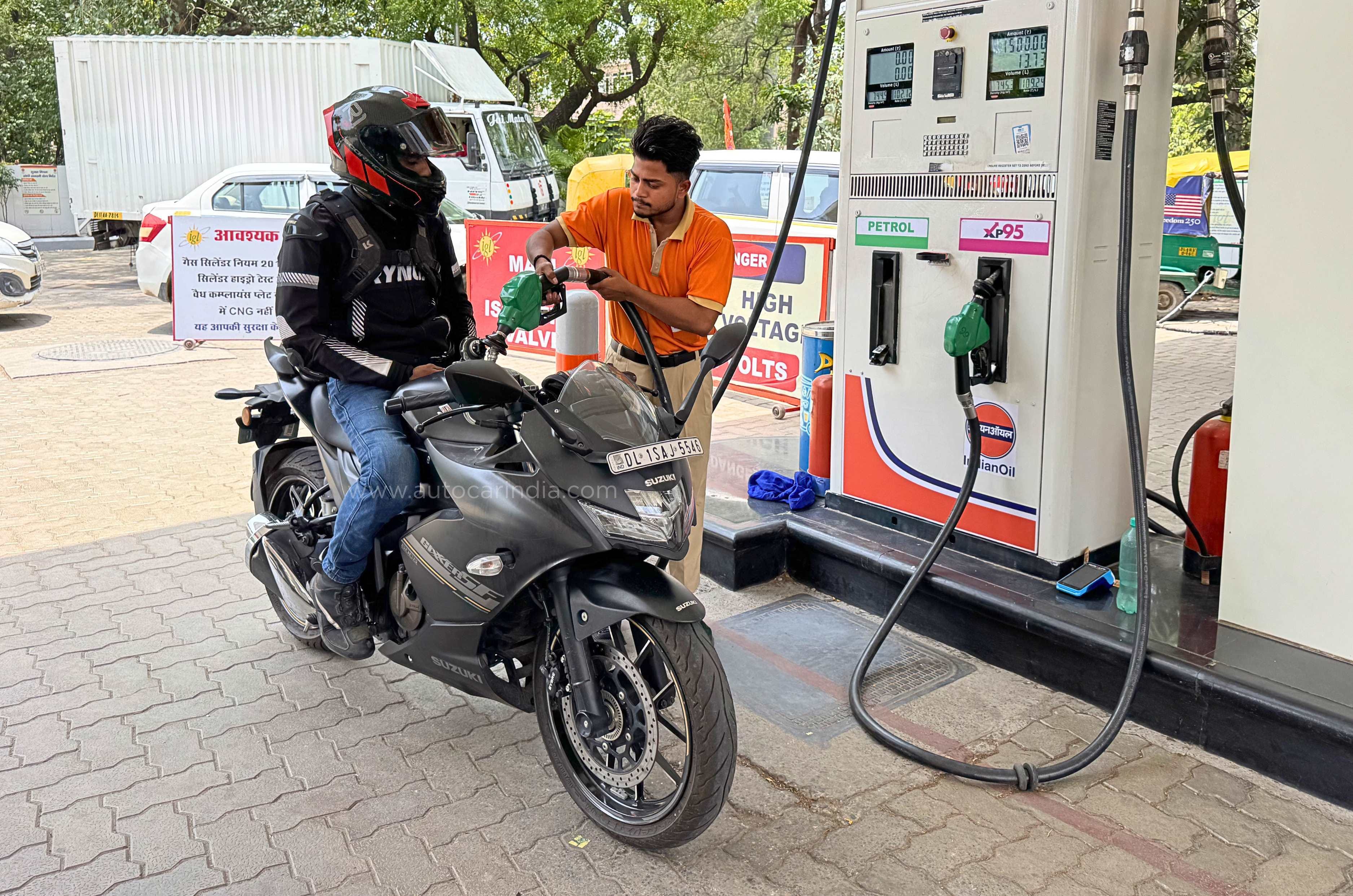
According to petroleum minister Hardeep Singh Puri, initial plans include 50-100 E85/E100 dispensing stations in the Delhi-NCR and Mumbai-Pune-Nagpur corridor, expanding to 500 stations by December 2026. Puri estimates that as many as 5,000 dispensing stations will be set up across major Indian cities by the end of 2027.
For flex-fuel vehicles to gain popularity in India, E85 needs to be priced low enough not only to match the running cost of E20, but to undercut it.

 Vishal Venugopal
 Ved Janve
 Stephen Raj Antony