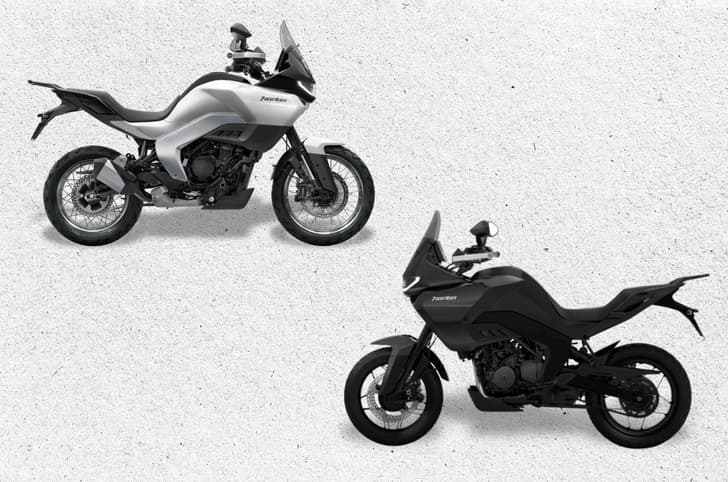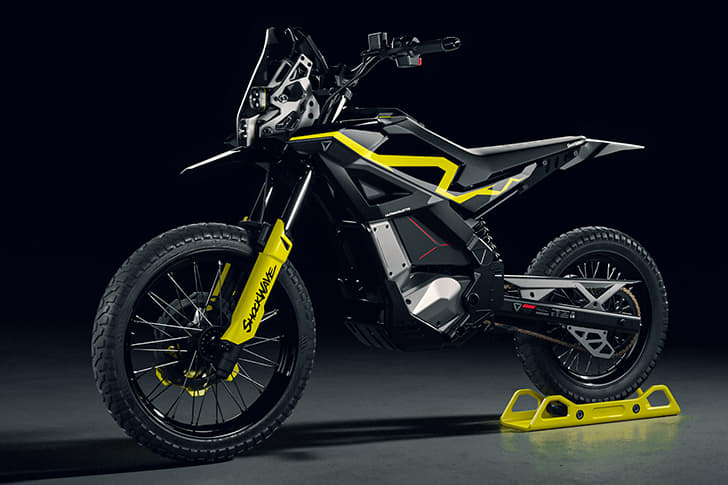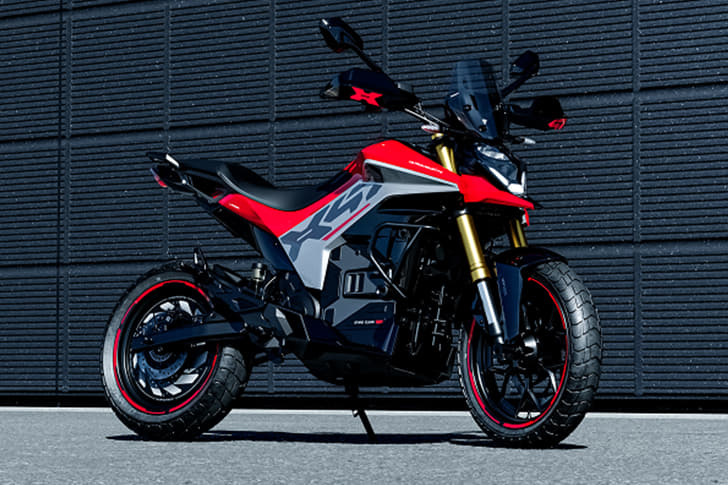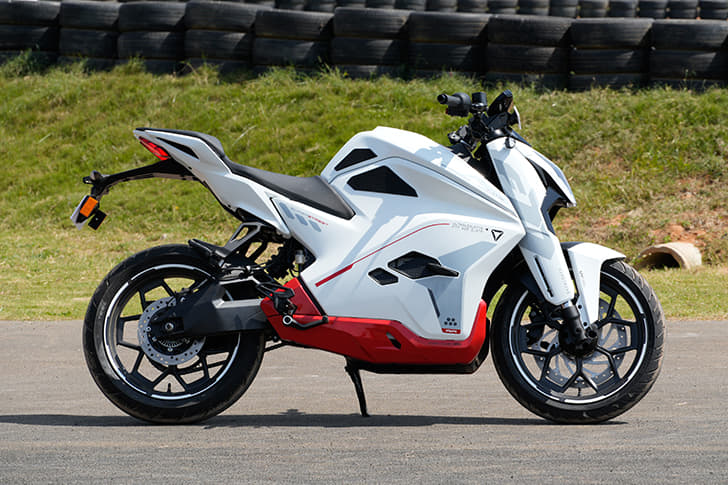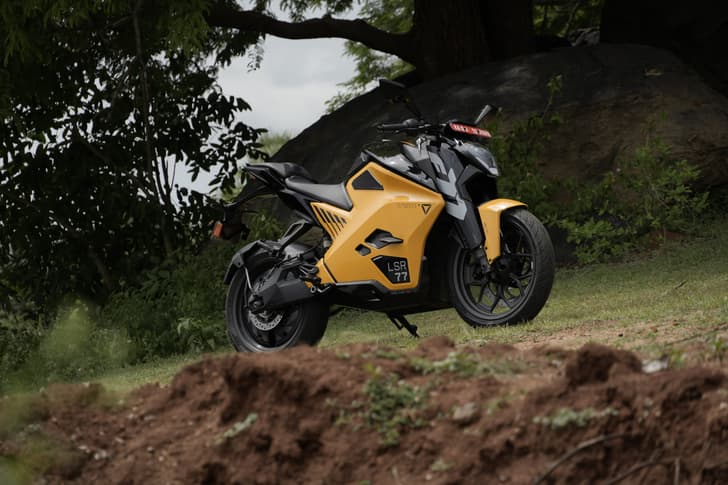

When Ultraviolette ‘launched’ the Tesseract and Shockwave in March 2025, its claim of being ready for sale in Q1 2026 seemed like a stretch, especially when the vehicles didn’t even ride out onto the stage on their own power and were presented on platforms instead. But the intent was to use the already tried-and-tested powertrain from the F77, so in theory, it was possible. However, we now know that the Tesseract has been delayed by a year to Q1 2027, and we’re still waiting for an update on the Shockwave.
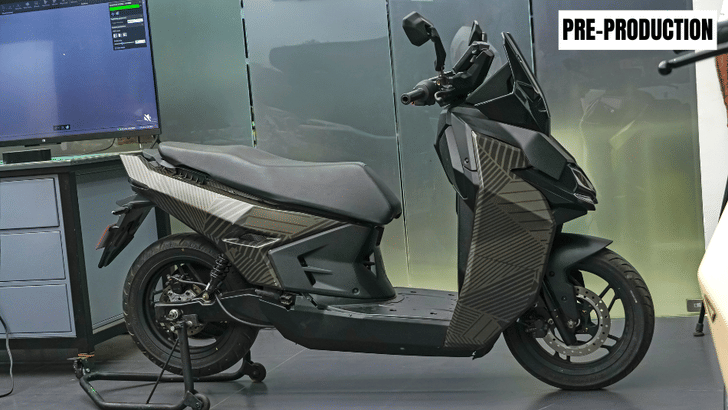
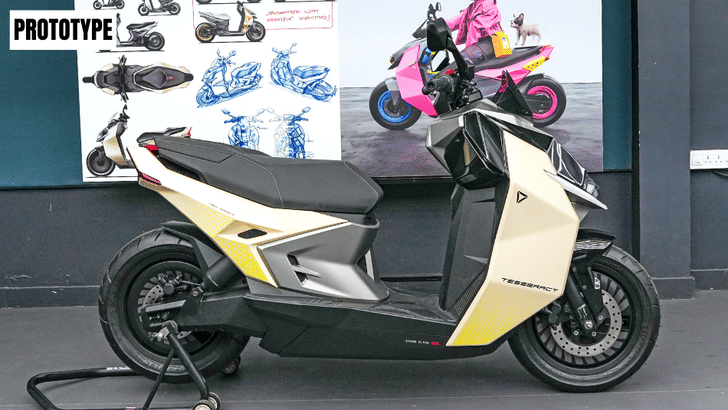
Of course, this is far from ideal, but unlike most start-ups and even some manufacturers, Ultraviolette isn’t just buying more time. Instead, it is also fully re-engineering the Tesseract after discovering that the F77’s powertrain couldn’t provide the promised performance because of thermal-management issues within the confined constraints of a scooter chassis.
The solution was to create a brand-new 100V high-voltage architecture, which the company is presently working on. The result will be smaller and lighter components while still offering the promised 15kW of peak power. More relevant is that this battery can now be charged much faster, although UV hasn’t yet shared how fast that will be.
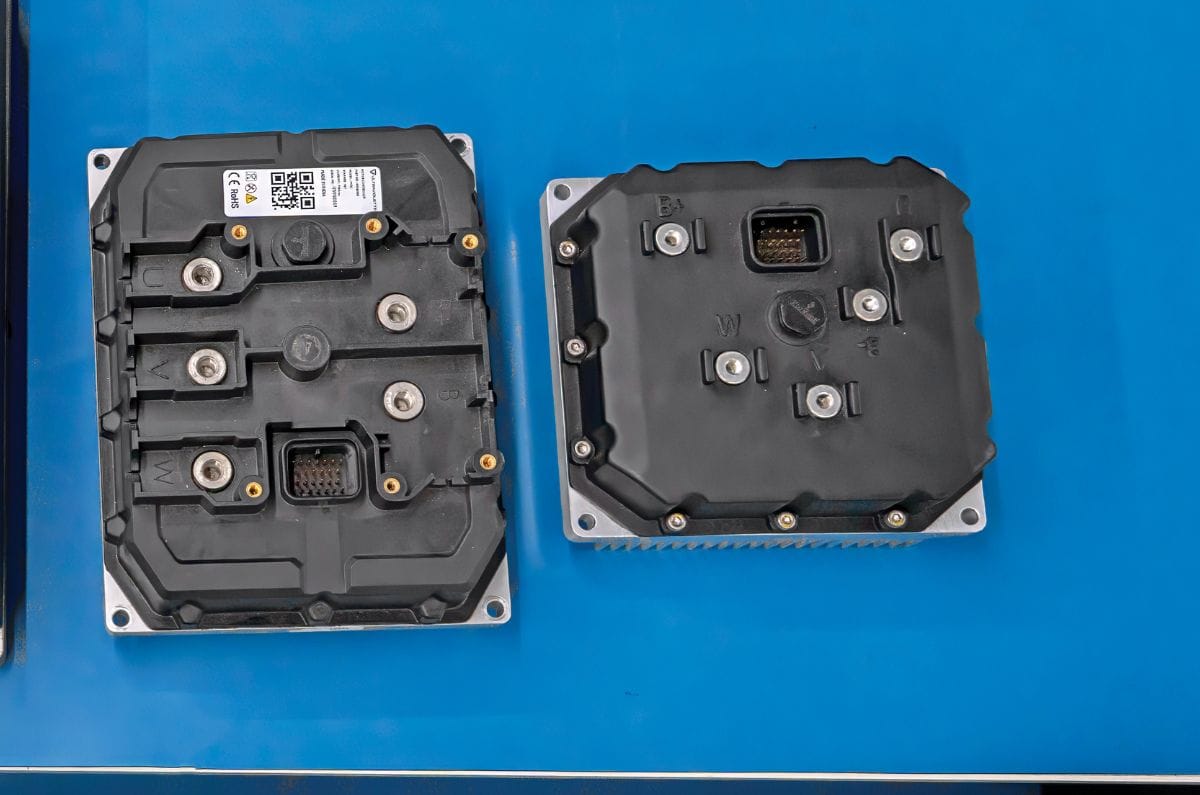
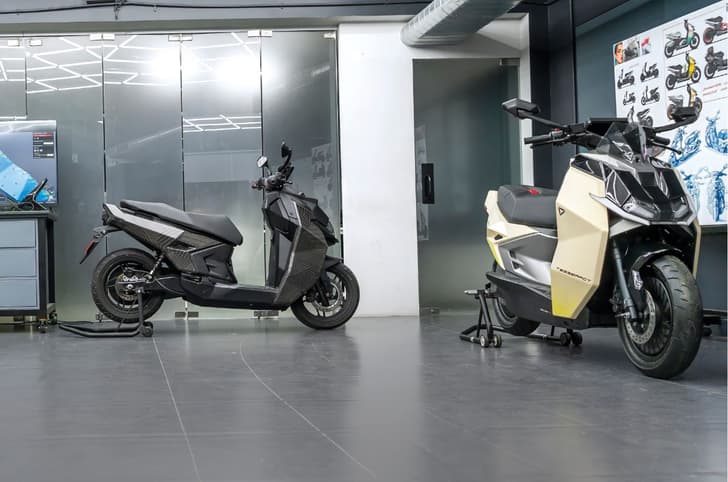
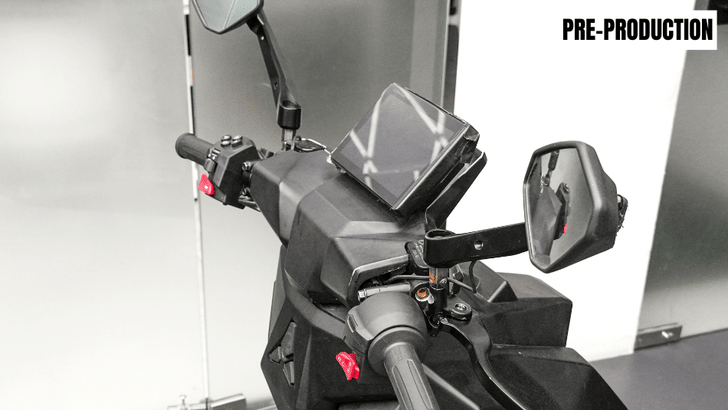
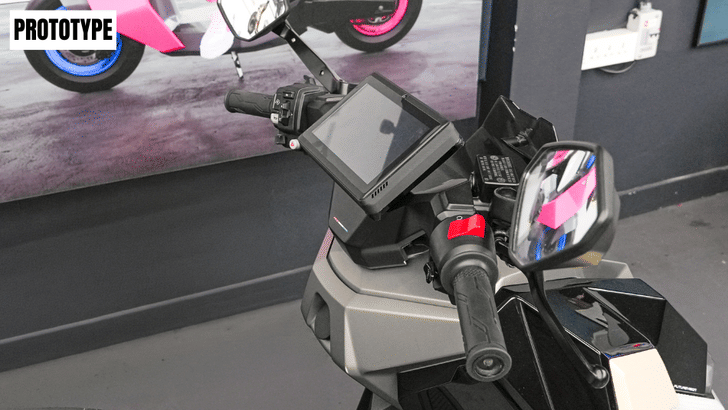
We got to see all of this work in progress during a recent visit to the company’s R&D headquarters in Bengaluru, and it was also an opportunity to see how the scooter’s design itself had evolved. After the 2025 unveil, the company sent the Tesseract prototype to multiple dealers where it received feedback from potential customers. This information was largely around comfort and practicality changes that customers would have liked on the rather wild prototype.
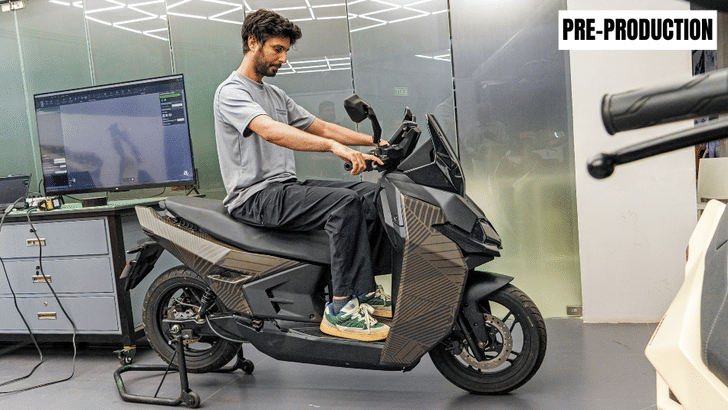
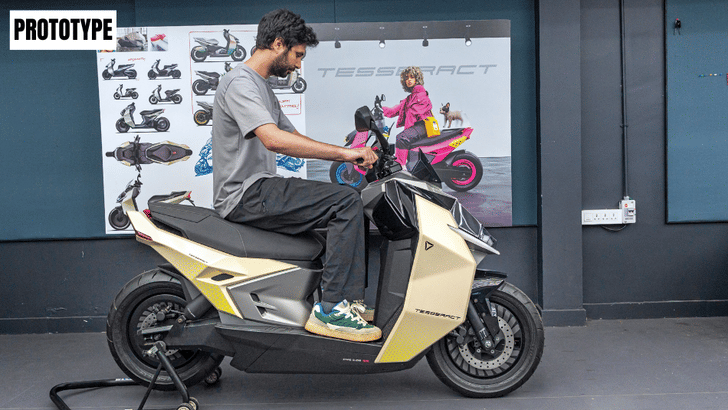
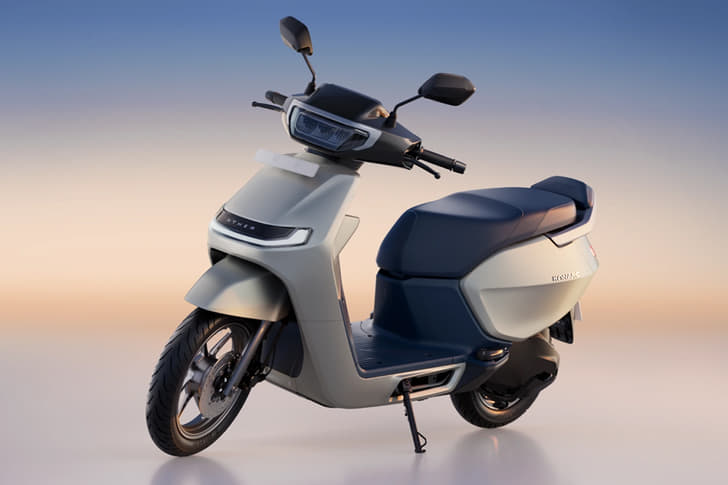
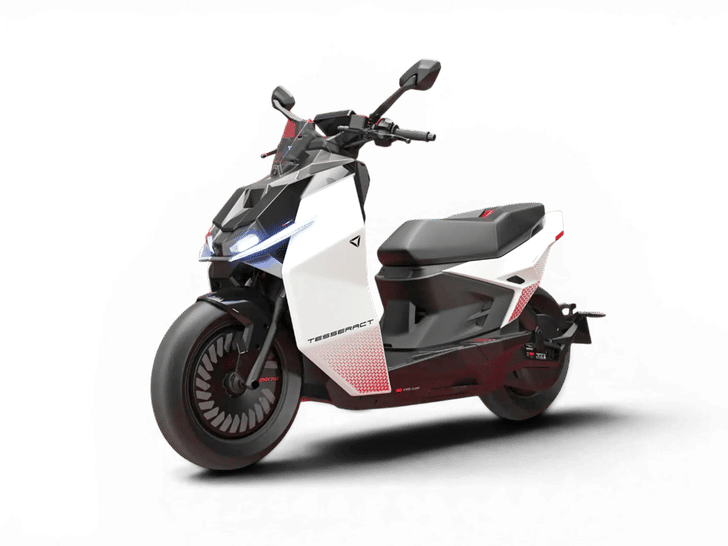
The design of the final scooter is now locked in place, and it looks familiar to the concept, but also quite different. The angle of the front panels is slightly different, and the width of the frontal area has also been reduced after many people felt it was too wide to be a city-slicing two wheeler.
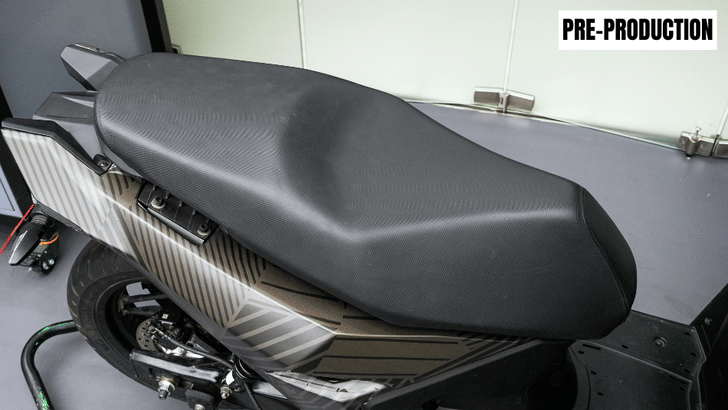
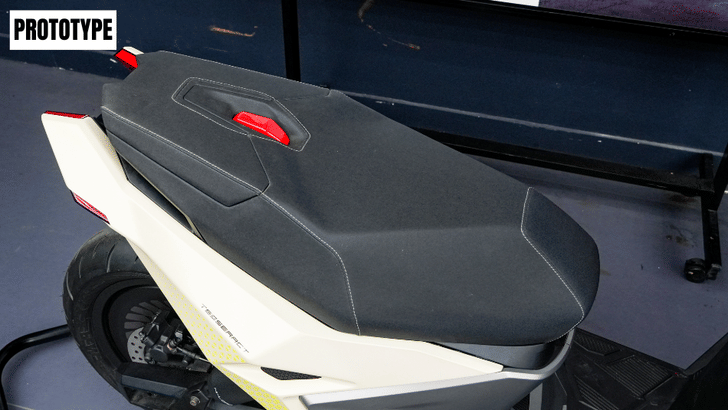
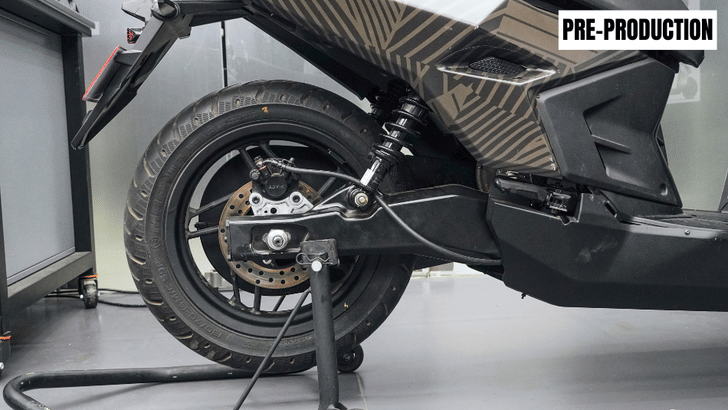
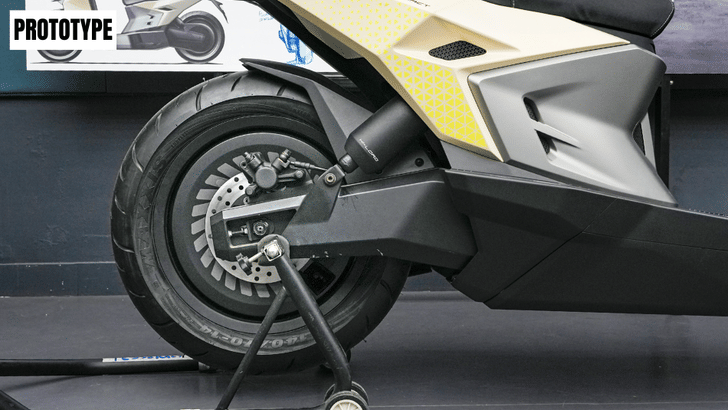
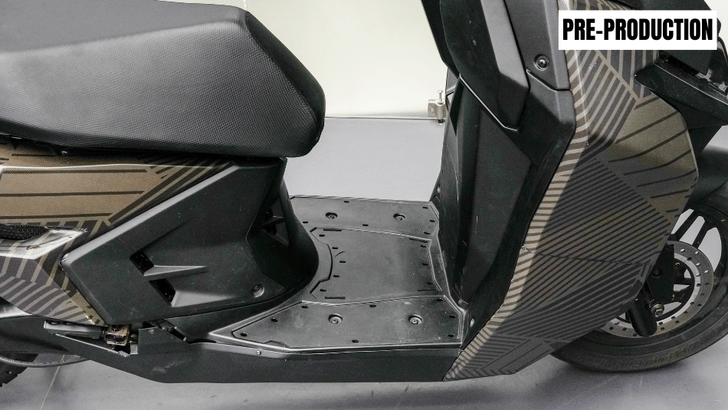
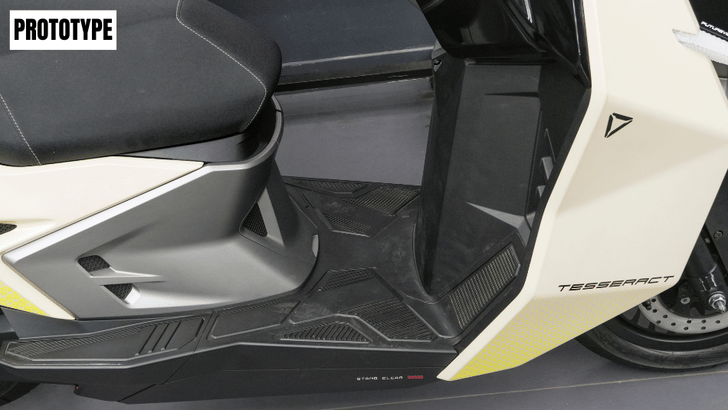
Space and comfort are another area where the Tesseract sees considerable improvements. The new seat is more spacious for both rider and pillion, and the entire subframe has been lengthened to facilitate this. Repositioned bodywork has also increased floorboard space, and practicality at the rear is improved via a conventional mudguard set-up instead of the concept’s swingarm-mounted hugger.
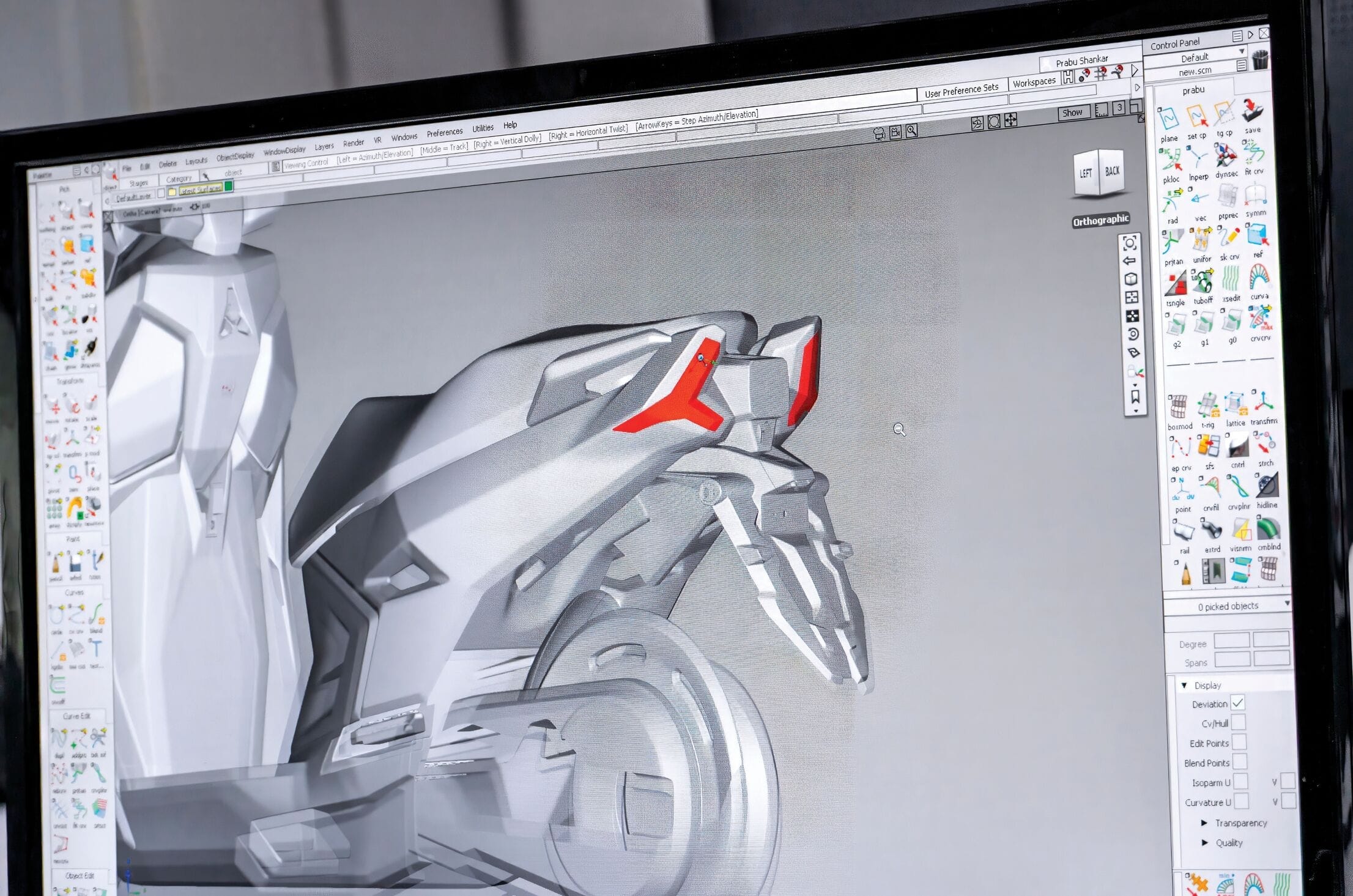
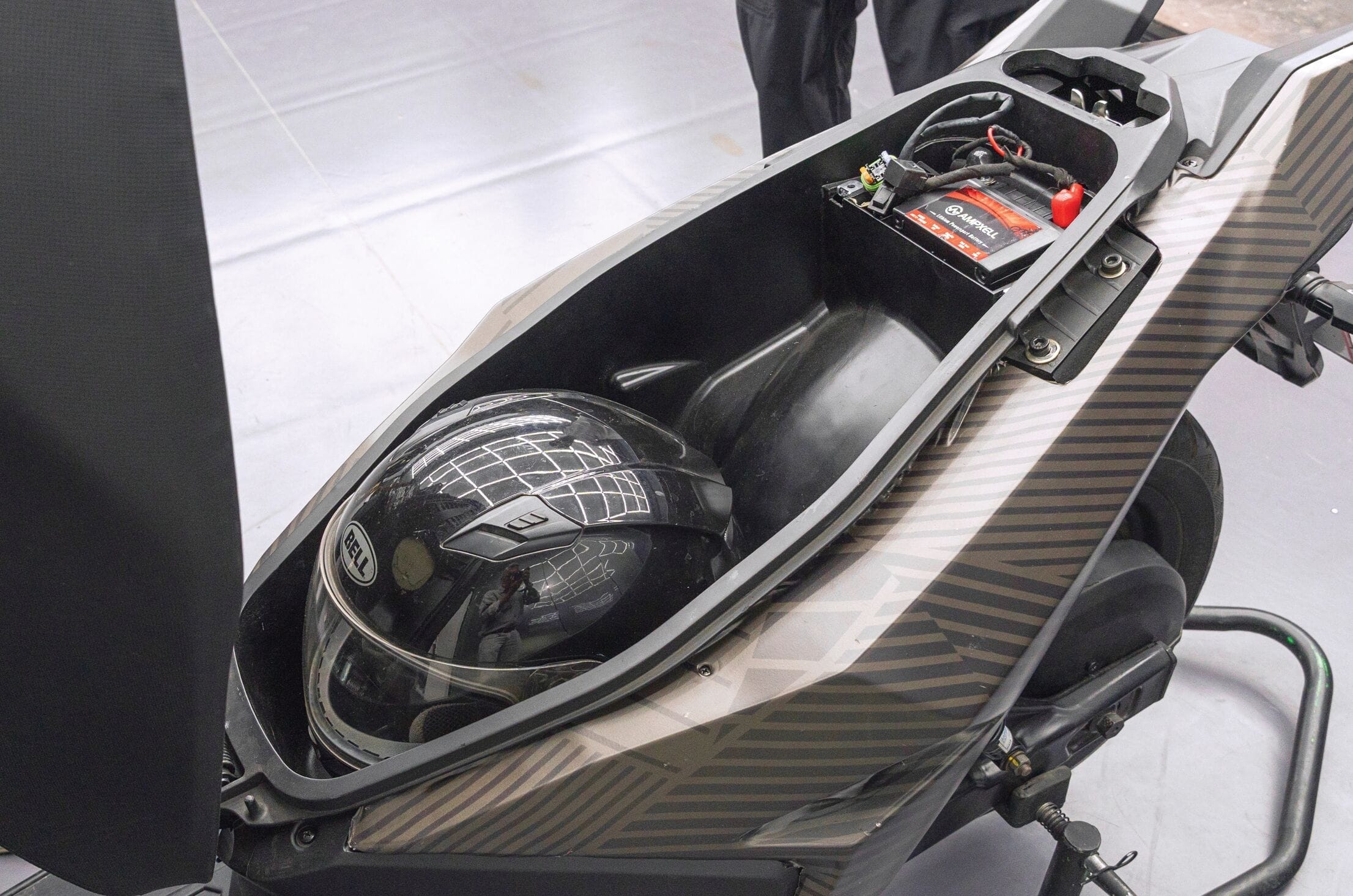
Thanks to the more compact high-voltage architecture, seat height will remain at around 780mm, and the boot will still be
over 30 litres in capacity. More relevant is that this boot can accommodate a premium full-face helmet.
While much is changing on the Tesseract, Ultraviolette also promises that the original Rs 1.2 lakh starting price for those who have already booked the scooter will not change. Moreover, it will also offer all of the promised features like radar assist and dash cams, and even the on-board charger that debuted in the X47. Naturally, these features will be spread out on a variant basis, and the three quoted battery pack sizes of 3.5kWh, 5kWh and 6kWh will still be offered.
The next few months will be the most important in this startup’s entire existence. That’s not only because it has so much engineering work to do, but also because there is a big ramp-up required in its manufacturing capability. At present, the company has a capacity of 500-600 units a month, and this will be increased at the current plant to 5,000 units a month with the addition of a second line.
However, UV says it has over 70,000 bookings for its two upcoming products, which explains why the company is currently in the process of also evaluating a second plant.
Having visited its large tech centre that hosts over 250 employees, I can assure you that this is an engineering and innovation-led start-up that is genuinely putting the work into making what no one else has so far. However, unlike with its first product, the F77, UV now has a huge number of waiting customers this time around, and the heat is very much on.

 Vishal Venugopal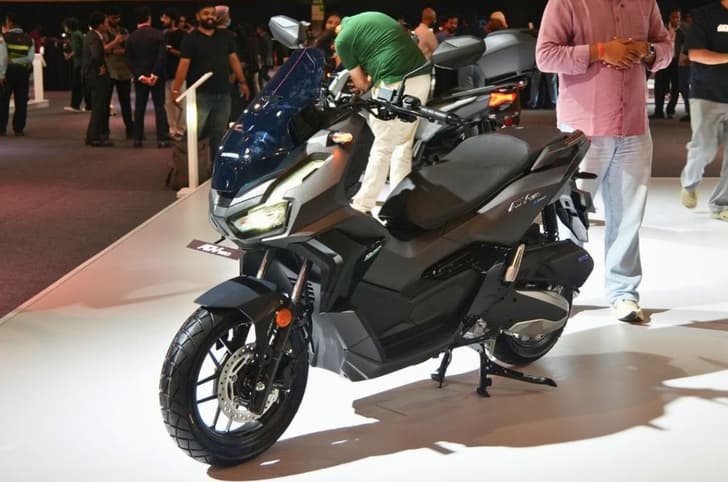
 Ved Janve
 Stephen Raj Antony