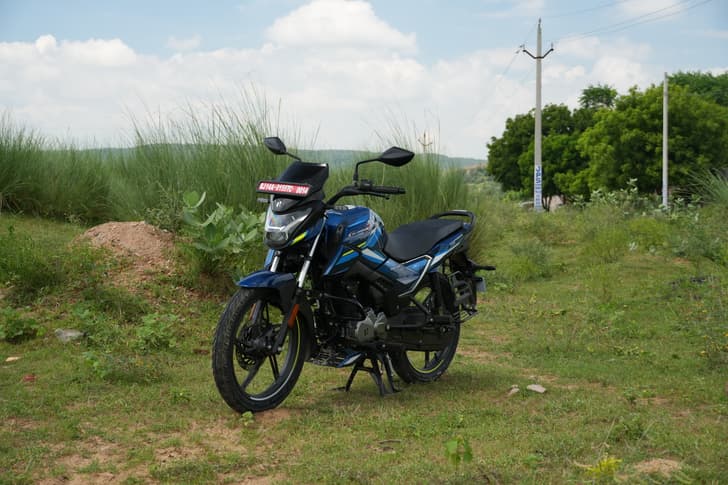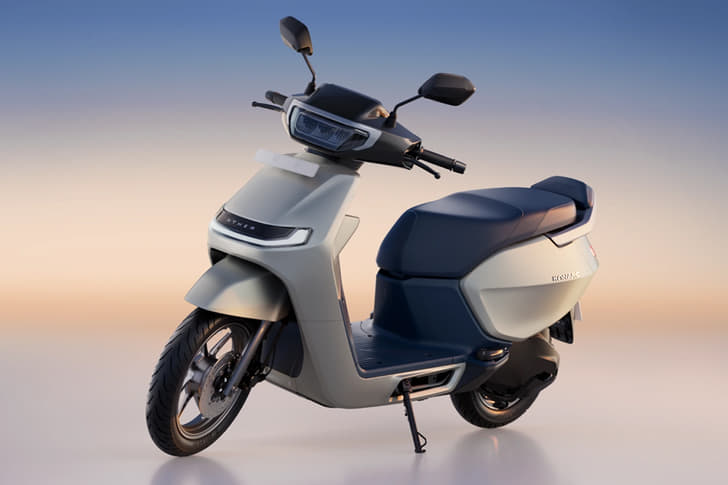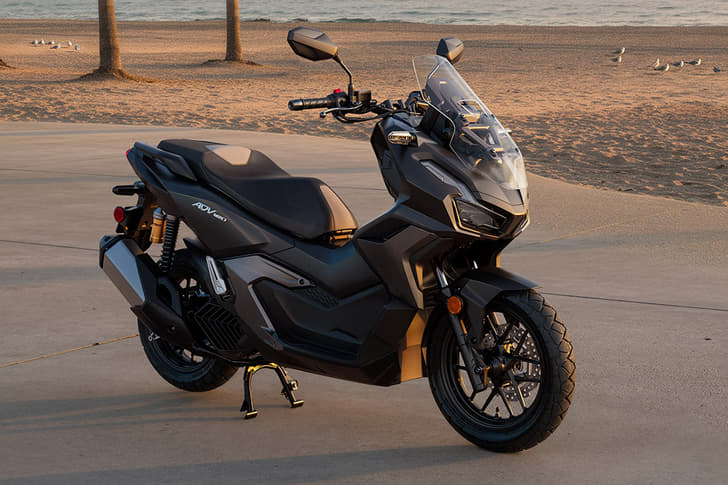

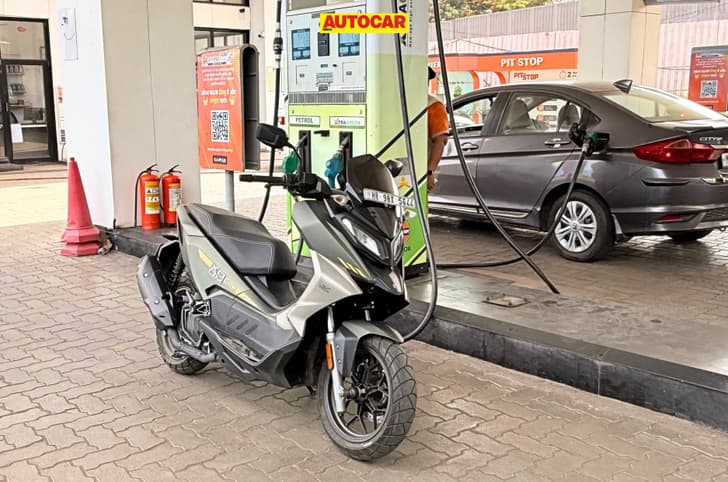
The Hero Xoom 160 is unlike anything else currently on sale in India. With its adventure-scooter styling, maxi-scooter proportions and 156cc liquid-cooled engine, it promises more performance and touring ability than a conventional scooter. But how efficient is Hero's flagship scooter in the real world? We put it through our standard fuel-efficiency test cycle to find out.
Hero Xoom 160 real-world fuel efficiency
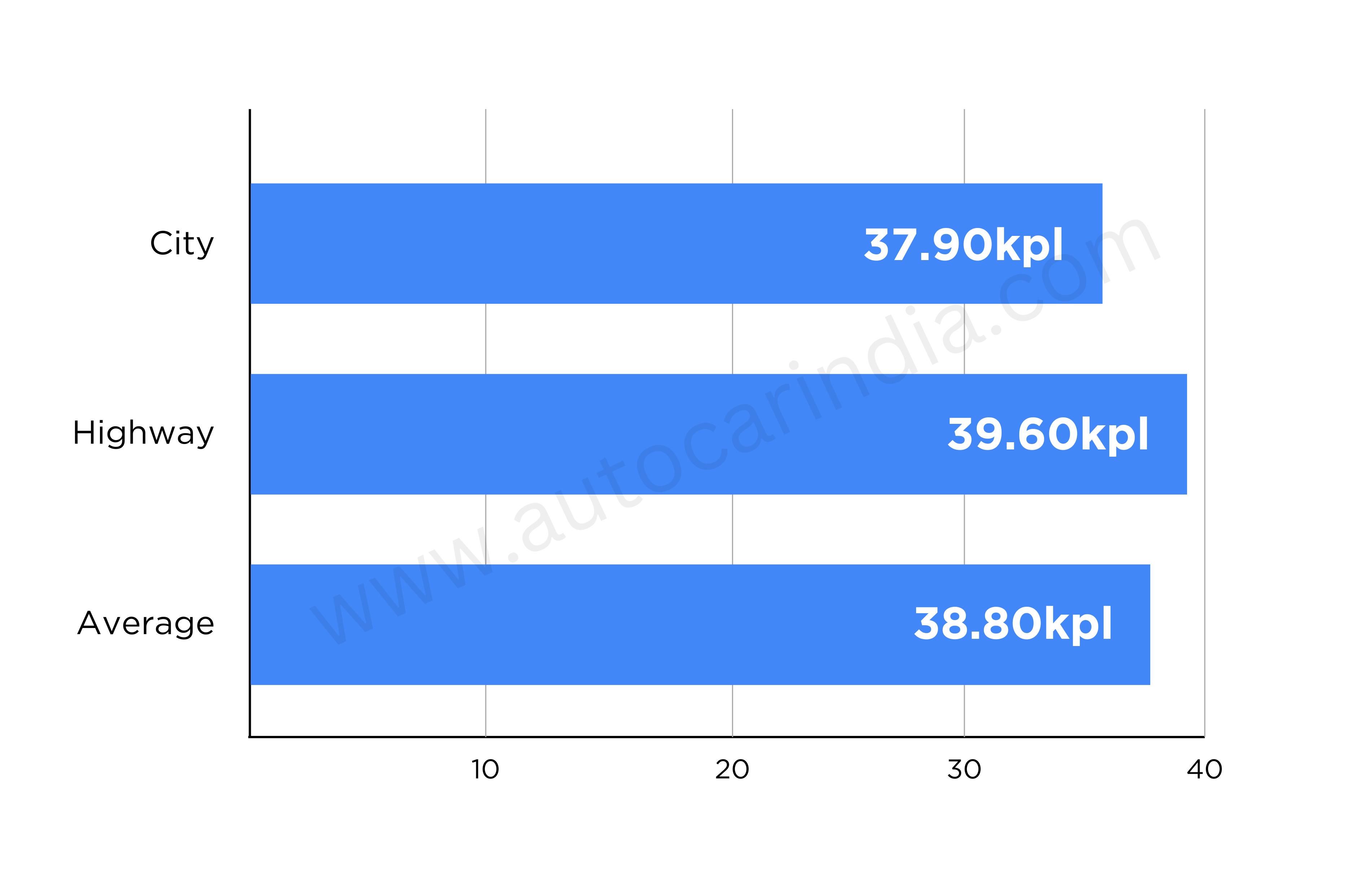
We began with our city fuel-efficiency test, riding the Xoom 160 through the busy roads of South Mumbai, where traffic congestion, frequent signals and stop-go conditions closely replicate everyday urban usage. Over a distance of 47.1km, the scooter consumed 1.24 litres of fuel, returning a fuel-efficiency figure of 37.98kpl.
The highway test followed on our fixed route, where the Xoom 160 covered 49.2km. Refilling the tank, again required 1.24 litres of fuel, resulting in a highway fuel-efficiency figure of 39.67kpl.
Taken together, the Hero Xoom 160 delivered an average fuel-efficiency figure of 38.8kpl across our test cycles.
Hero Xoom 160 fuel-efficiency analysis
At 142kg kerb, the Xoom 160 is significantly heavier than a typical scooter. Combined with its 156cc liquid-cooled engine, fuel efficiency is not its primary focus. Even so, the Xoom's real-world figures are respectable for a scooter of its size, weight and performance.
The Xoom returned a slightly higher fuel-efficiency figure on the highway than in the city. The liquid-cooled engine feels relaxed at cruising speeds and doesn't need to work particularly hard to maintain momentum, which helps it achieve a marginally better result outside urban conditions.
It is worth noting that our tests were conducted during Mumbai's summer months, with ambient temperatures hovering between 35 and 40 degrees Celsius, which can have a minor impact on fuel consumption.
Autocar India's fuel-efficiency testing
Our fuel-efficiency testing routine starts by first brimming the tank and ensuring the scooter is running the manufacturer's recommended tyre pressures. The scooter is then ridden on fixed city and highway routes, where we maintain pre-determined average speeds that best replicate real-world riding conditions while also respecting speed limits. Rider weight and payload are kept consistent across tests to ensure repeatable results. At the end of each test cycle, the fuel tank is filled to the brim once again, allowing us to accurately calculate fuel consumption against the distance covered.
 Vishal Venugopal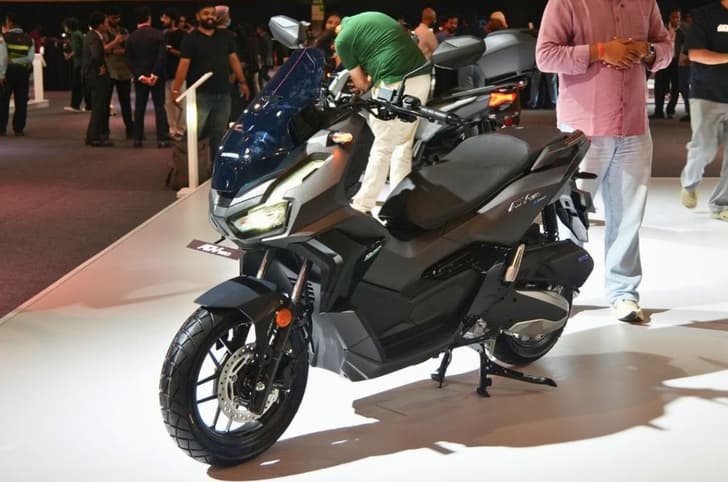
 Stephen Raj Antony