Tata Motors has outlined an aggressive mid-term plan to bridge critical product gaps across its portfolio, particularly in the Rs 10 lakh-20 lakh price band and premium SUV segment, with a Rs 33,000 crore-35,000 crore investment over the next five years. The company is lining up 30 new passenger vehicle models, including seven all-new nameplates, to reverse the recent drop in sales and target an 18-20 percent market share by FY30.
The strategy is centred around expanding its presence in under-served segments – urban compact EVs, lifestyle SUVs, midsize family cars and premium electric SUVs – while refreshing its ICE portfolio. The next phase will see Tata Motors move beyond volume-driven nameplates like Nexon and Punch to a more layered, multi-product strategy targeting specific use cases and customer profiles.
Details on upcoming Tata models
Two new compact EVs and sub-4m compact SUV inbound.
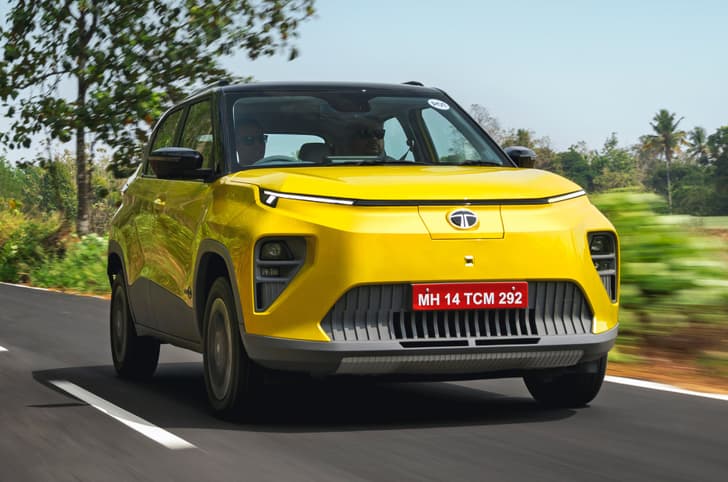
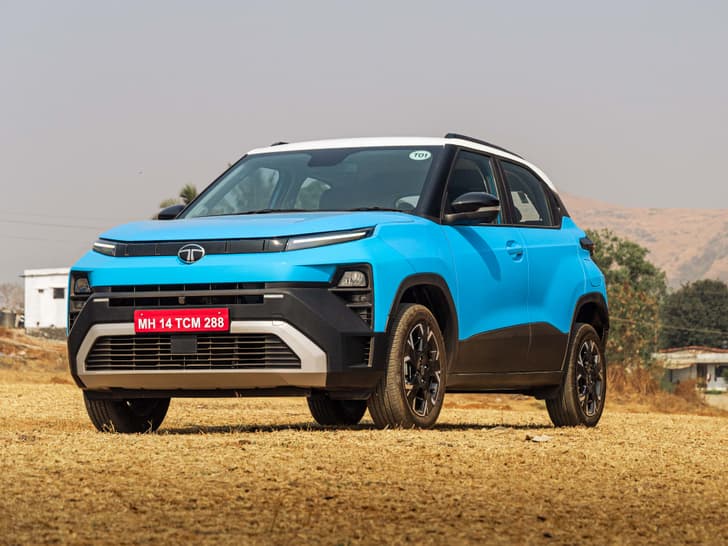
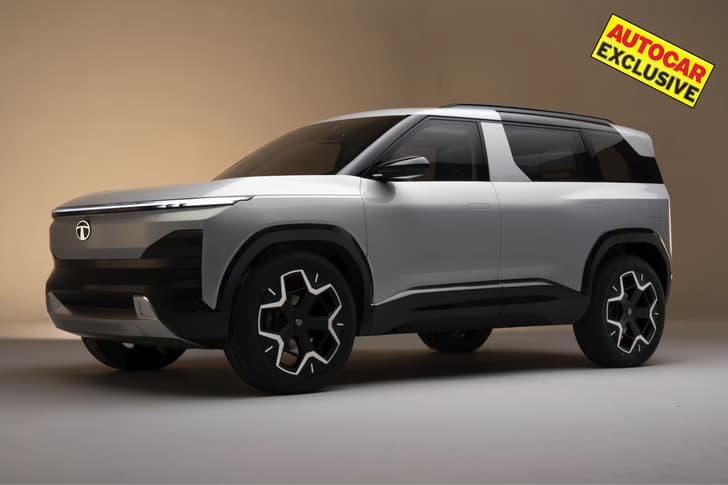
Autocar India understands that upcoming Tata models, including the facelifted Punch (slated for October 2025), the next-gen Nexon – codenamed Garud – scheduled for H2 2026, the next-gen Harrier and Safari (called Taurus and Leo, respectively) planned for 2027, two compact EVs internally dubbed 'Kuno' and 'Terra', and a sub-4m lifestyle SUV called the 'Scarlet', will target previously unexplored sub-segments.
Hybrid Tata SUVs may launch in 2027.
Range extender hybrid SUVs (REX/REV) are also being actively studied for a potential launch in 2027-28, say people in the know.
An email sent to Tata Motors did not elicit any response.
Tata's product ambitions for the coming years
23 model refreshes and facelifts planned alongside growth in nameplates.
Shailesh Chandra, managing director, Tata Motors Passenger Vehicles and Tata Passenger Electric Mobility, recently told investors and media that the company will expand the number of nameplates from eight to 15. This includes the Sierra, two Avinya models, two new ICE products and two new EVs. In addition, it will launch 23 refreshes and facelifts.
The Rs 10 lakh-20 lakh range will be a key battleground as Tata addresses a segment where its presence has historically been limited. With new products like the Nexon replacement and the all-new Sierra, the company hopes to gain market share against Hyundai, Mahindra and Toyota.
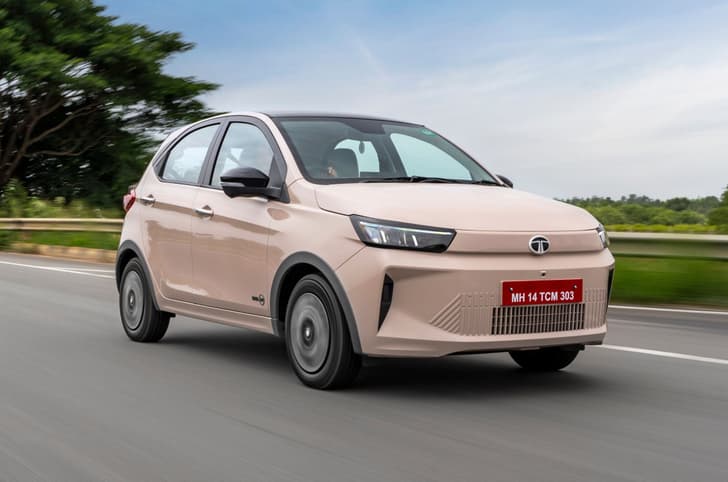
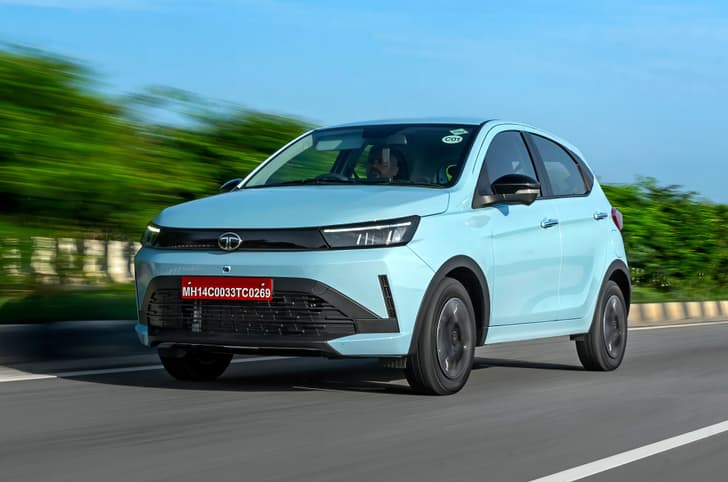
He admitted that model stagnation in the hatchback category had affected the company’s momentum, but said refreshed versions of the Tiago and the Altroz are already helping recover lost ground.
Next-gen Harrier and Safari may leverage new platform that offers AWD.
With Mahindra marching ahead in the above Rs 20 lakh SUV segment – Tata is mooting a new platform that is likely to spawn an all new Harrier and Safari, and they are likely to be bigger, bolder and better. People in the know say that apart from vehicle length increasing by 100-200mm, they may sport new silhouettes, be high on tech and connectivity and get four-wheel drive capabilities.
Tata EV plans
50 percent EV market share is the goal.
On the EV front, Tata Motors plans to retain its leadership and regain its 50 percent market share, which recently dropped to 35 percent in May 2025.
The company is adopting a three-tiered approach: entry-level EVs below Rs 12 lakh offering roughly 200km of range; mid-segment EVs between Rs 12 lakh-20 lakh with around 300-350km of range; and premium EVs above Rs 20 lakh capable of travelling over 400km on a single charge. Two differentiated products will be offered in each segment.
Chandra explained the strategy as 2-2-2 – two offerings in each segment of the market: entry, mid and premium segment.
Avinya brand to comprise of Tata's Gen 3 EVs.
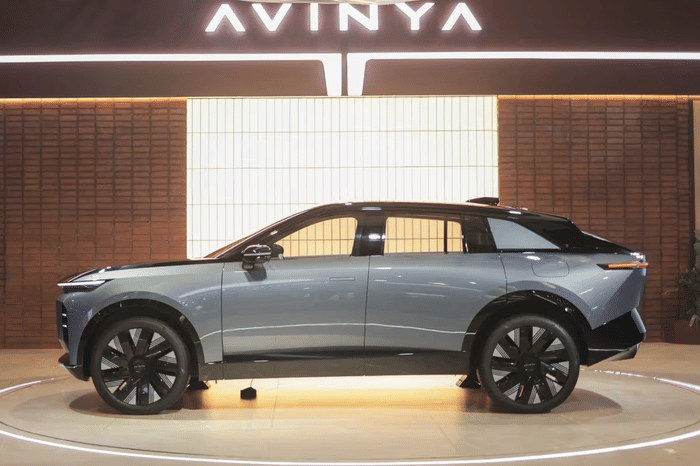
Tata’s premium EV ambitions will materialise under the Avinya brand, which will house multiple Gen-3 electric vehicles starting in 2027. Built on a new platform, these EVs will offer long range, fast charging and a software-rich experience. Two concepts have already been showcased and industrialisation is underway.
Increased investment in digital architectures.
A significant R&D thrust in the area of software-defined vehicles (SDVs) is also underway. Tata is developing centralised computing, OTA updates and ADAS systems under a new SDV architecture called TiDal. Over 100 engineers are working with Desay SV and group companies like Tata Technologies, Elxsi and TCS to enable next-gen digital cockpits and connectivity.
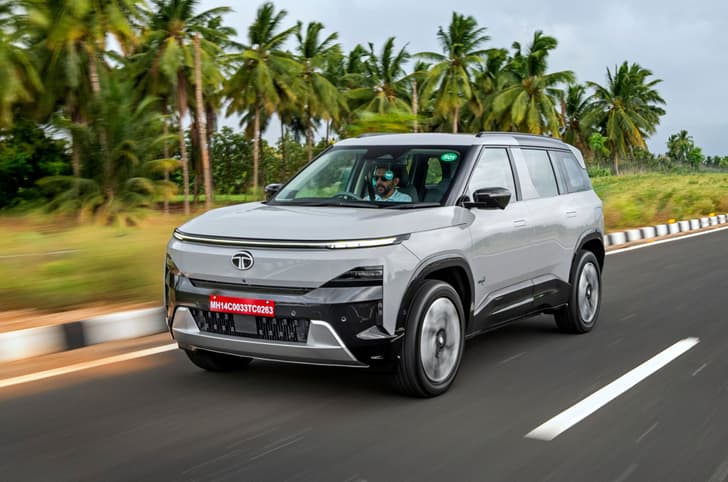
The Harrier EV, whose deliveries have begun, and Sierra EV – coming in H2 FY26 – are both key to the company’s premium EV strategy.
Tata to significantly grow EV charging network.
To support growing electrification, Tata Motors is investing in charging infrastructure, targeting 4 lakh chargers by 2030, including 500 high-capacity megachargers. It is also working on improving home and workplace charging convenience. At the same time, Tata is developing hybrids for specific performance or competitive needs in premium petrol segments, although EVs remain the strategic core.
To ensure financial resilience, Tata Motors has set a target of 10 percent earnings before income, tax, depreciation and amortisation (EBITDA) across its PV and EV businesses. Network expansion on both sales and service fronts will accompany the product blitz to deliver a seamless ownership experience.
With a clear roadmap to bridge gaps, push premiumisation, and embrace digital and electric transformation, Tata Motors is aiming to reposition itself as a full-spectrum player in India’s fast-evolving automotive landscape. Whether this ambitious multi-front investment plan can help the company reclaim market share and challenge established rivals will unfold over the next five years.
WITH INPUTS FROM HORMAZD SORABJEE
 Autocar India News Desk
 Dhruv Dhaka
 Dipan Sur