Derik Motors-Eraviputhoor
Kattathurai Post, Opp. Manjadi Road, Eraviputhoor Kadai, Kanyakumari, Tamil Nadu 629158
Last Updated on: 23 Jun 2026
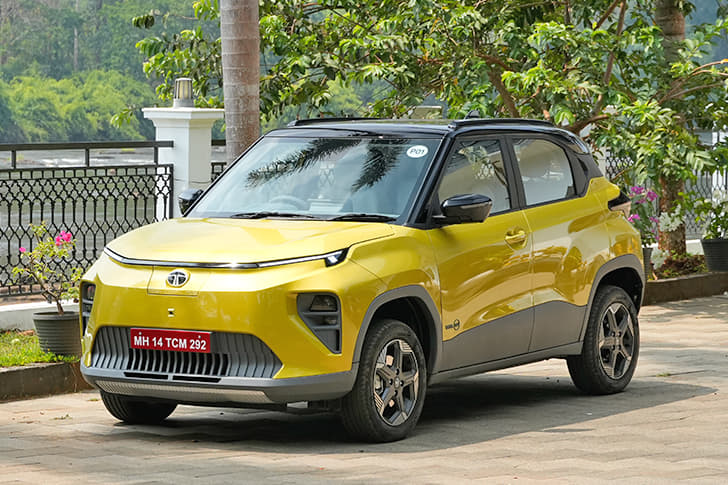
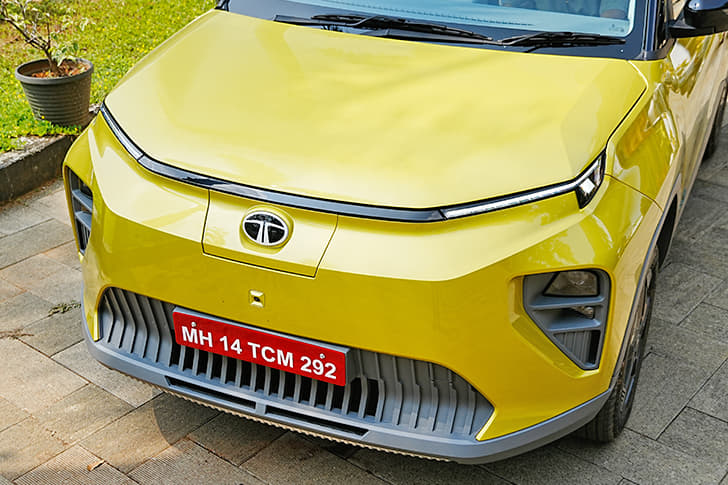
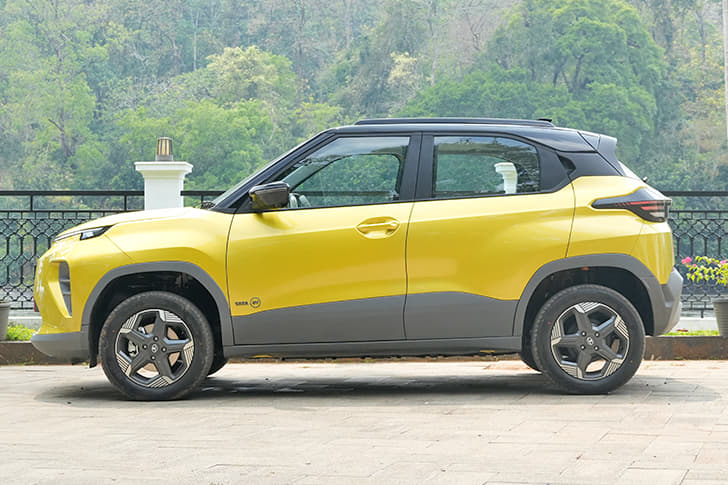
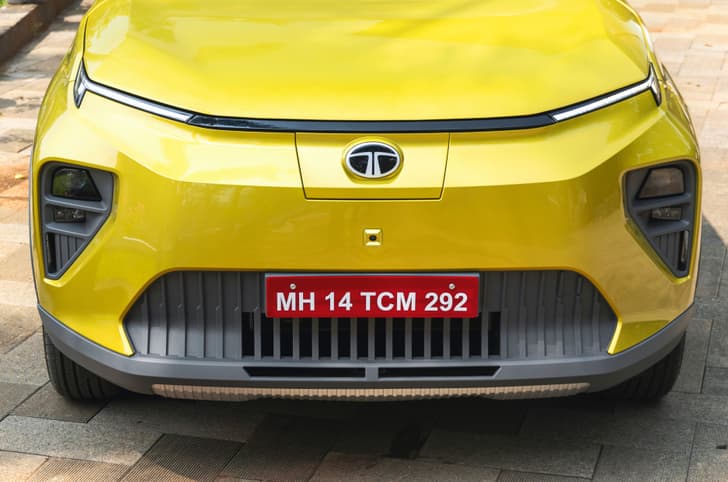
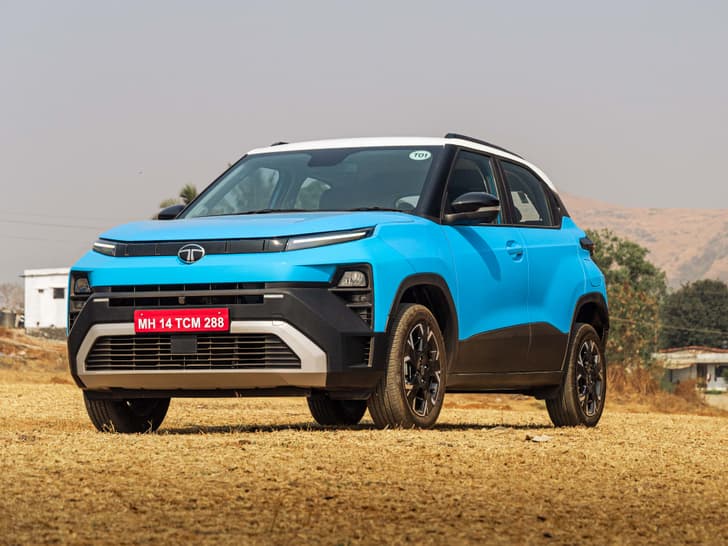
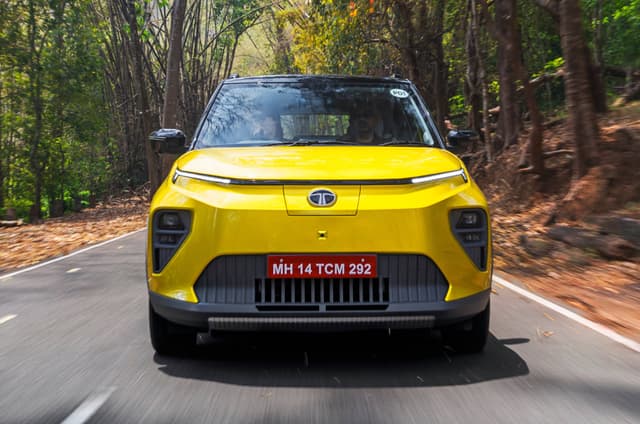
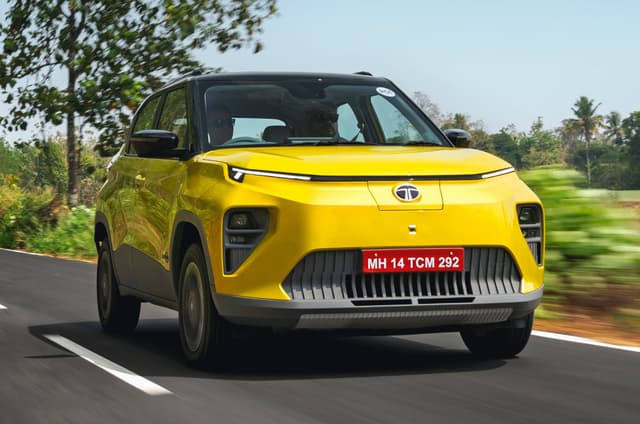
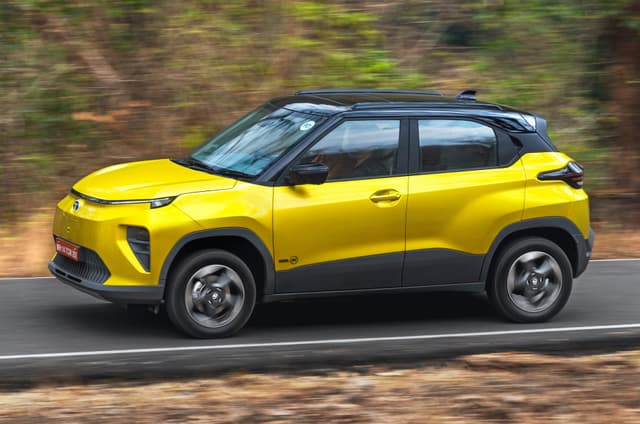
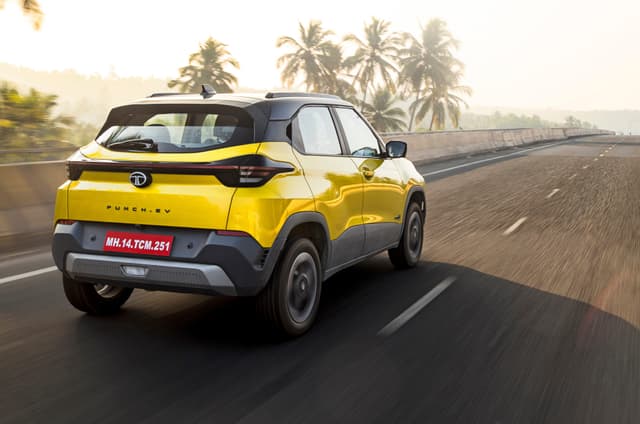
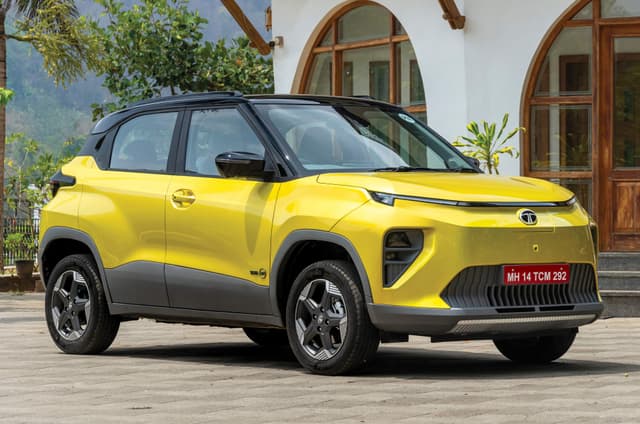
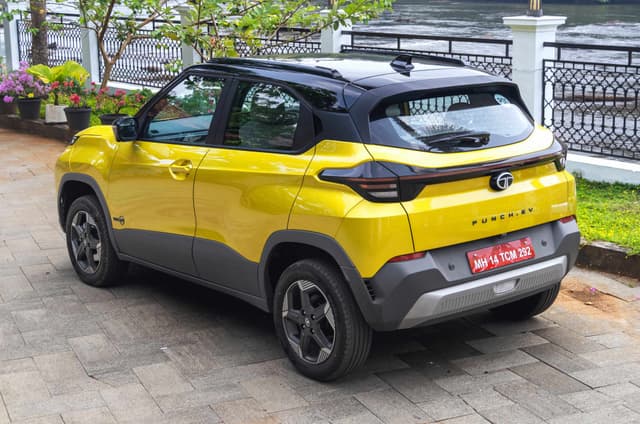
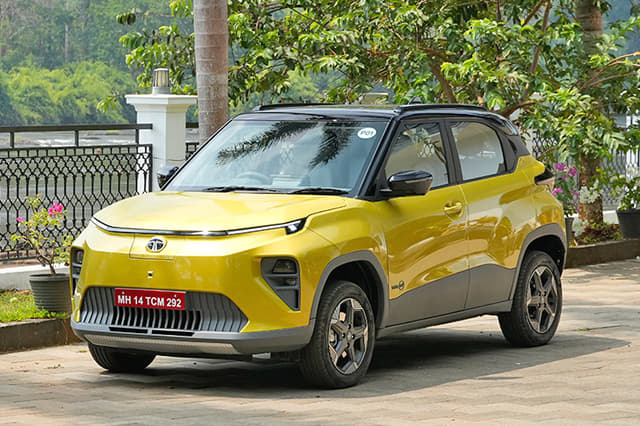
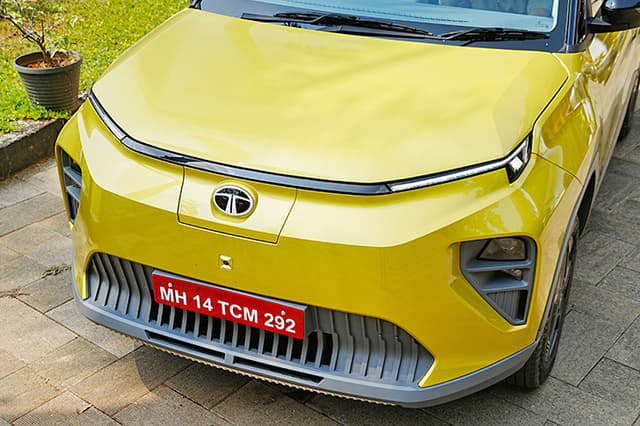
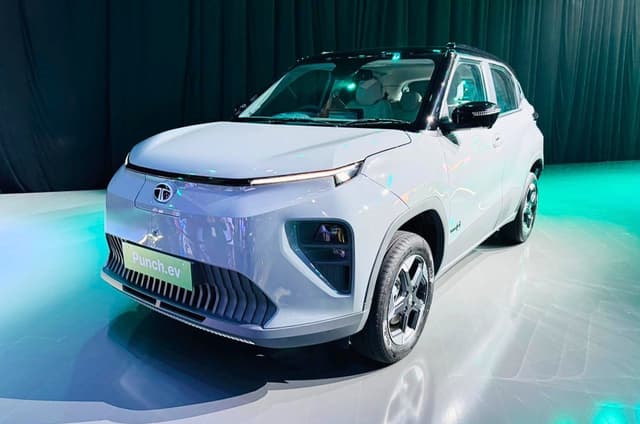
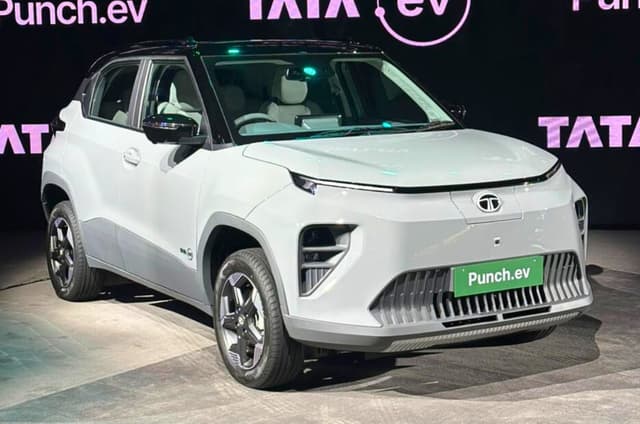
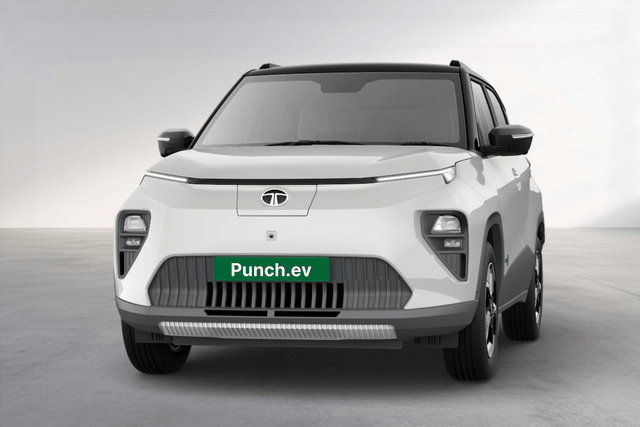
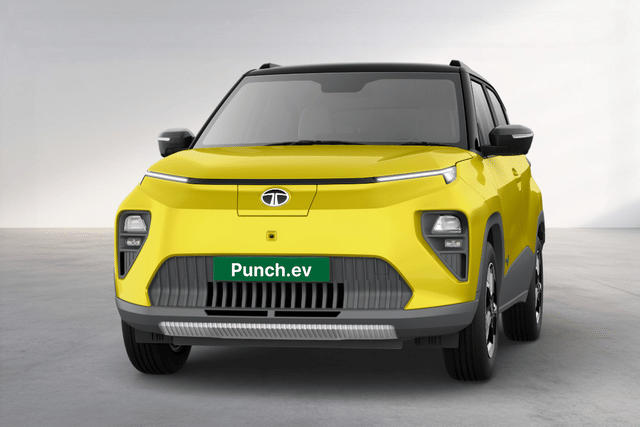
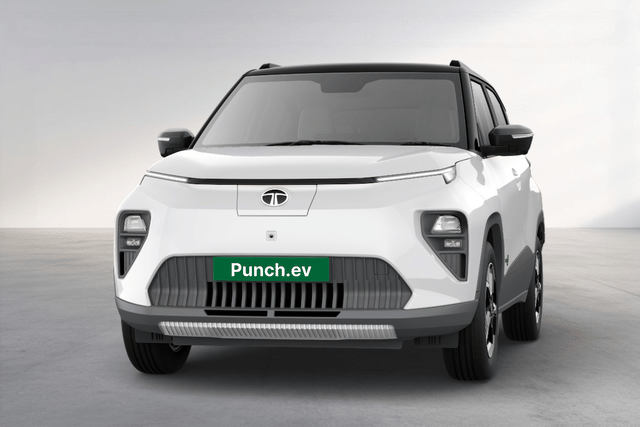
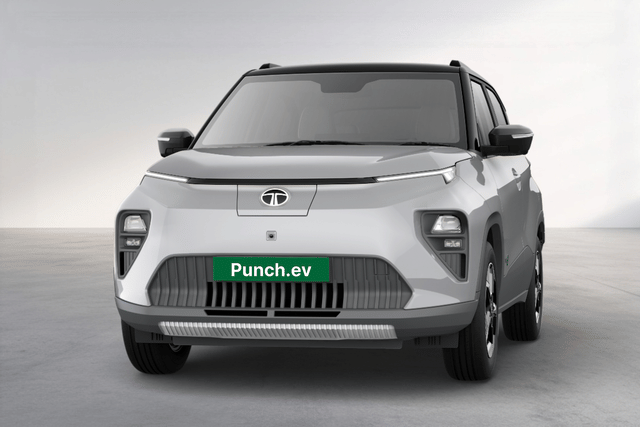
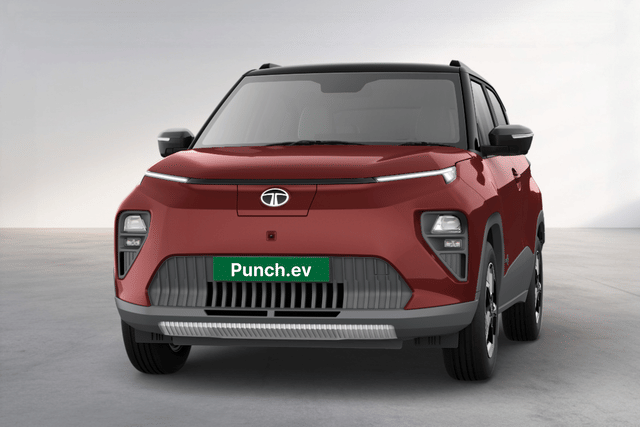
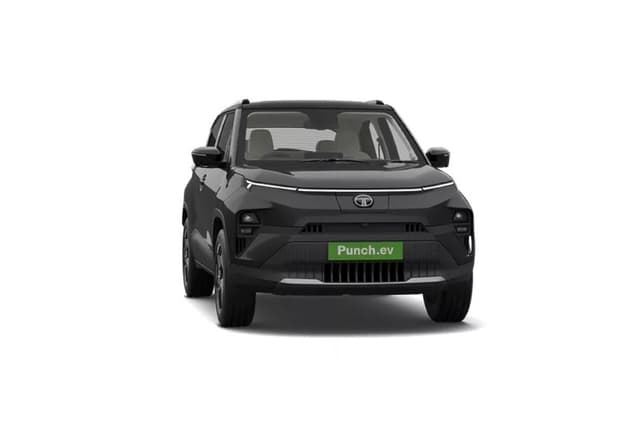
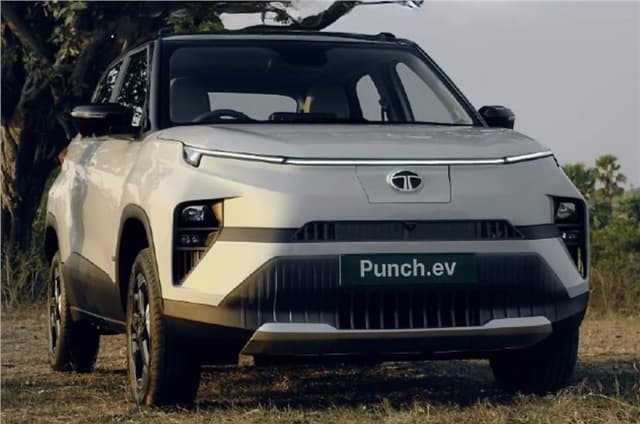
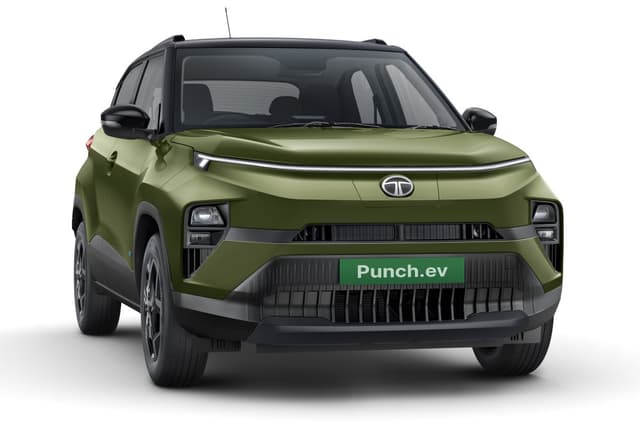
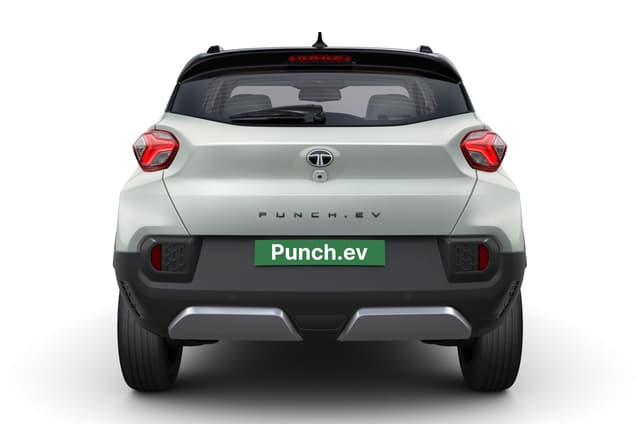
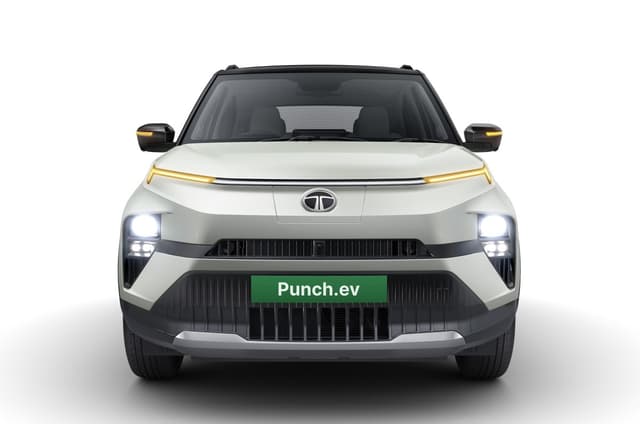
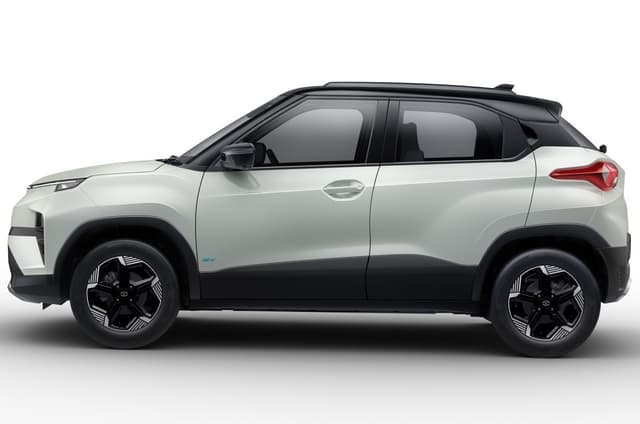
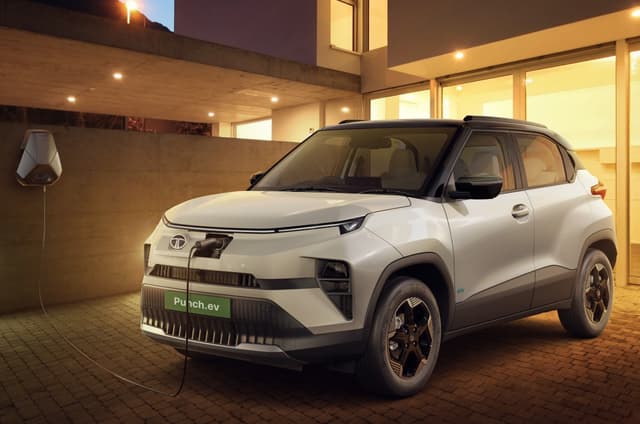
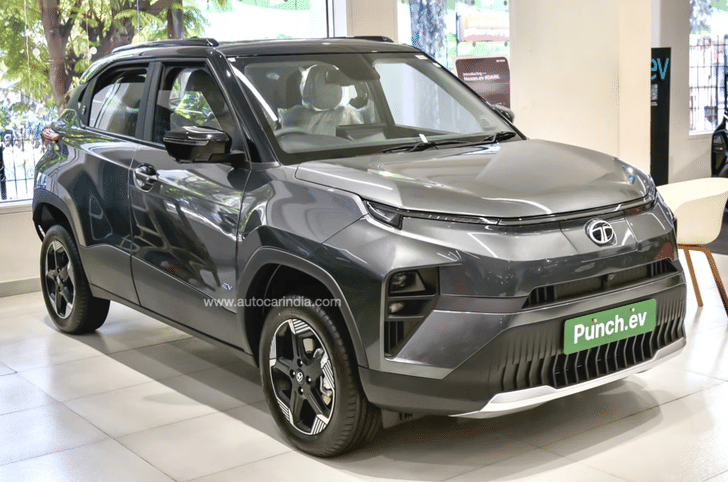
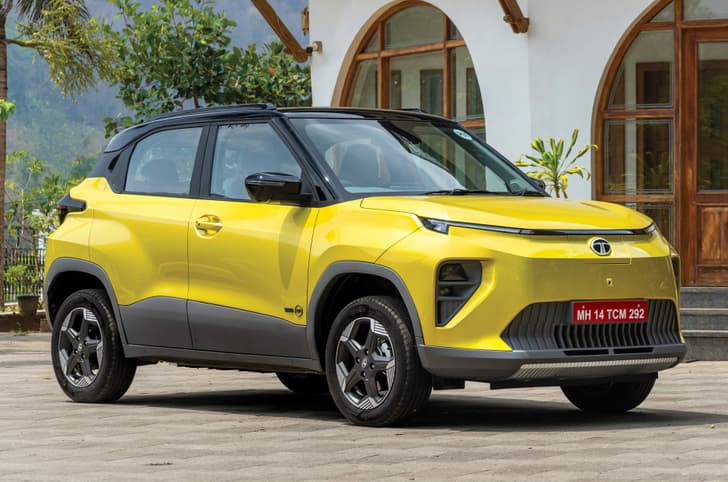
Tata Punch EV price in Kanyakumari
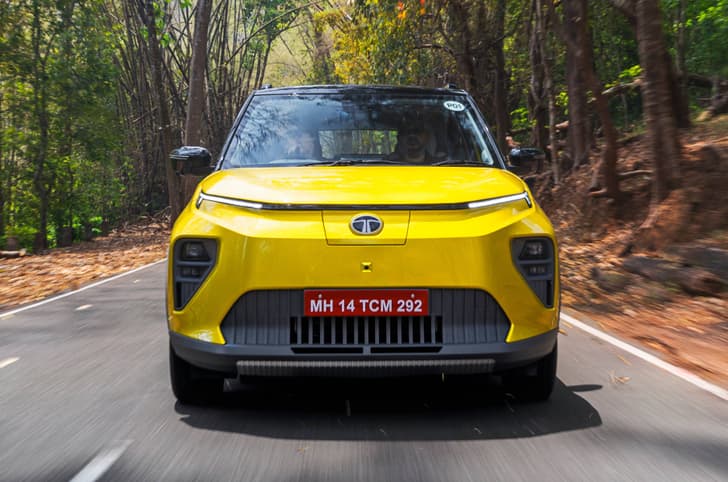
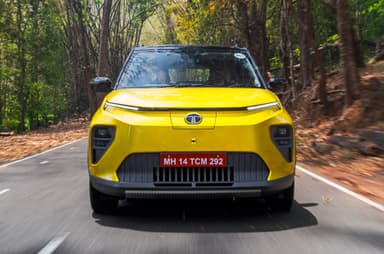
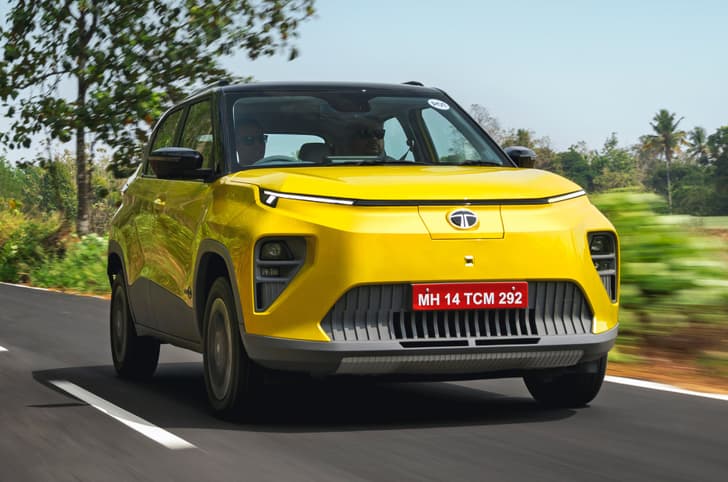
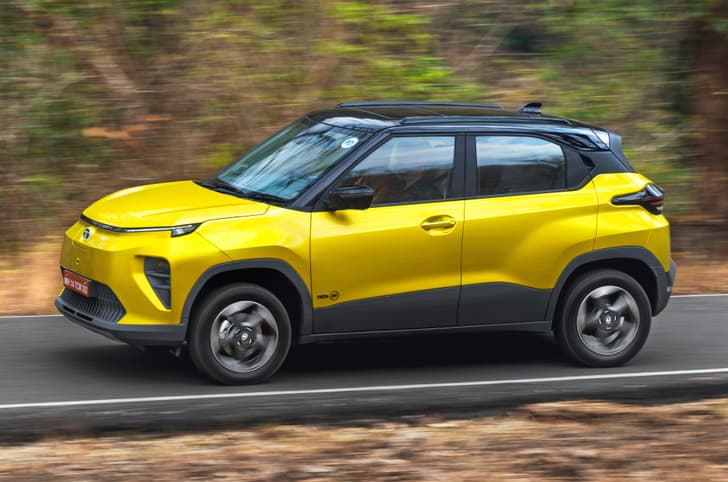
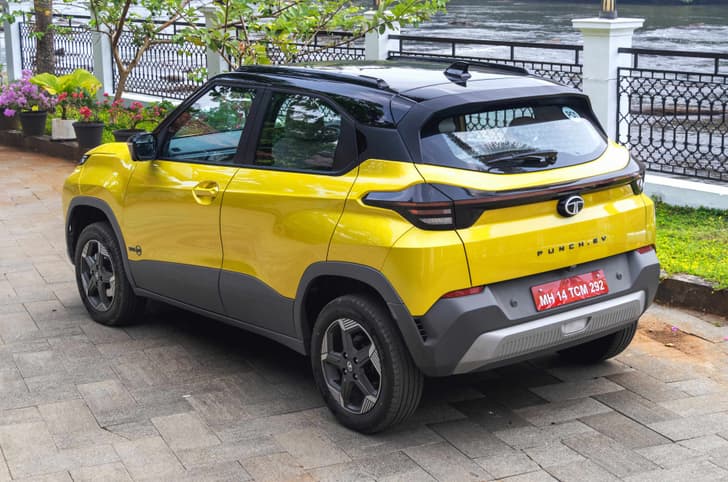
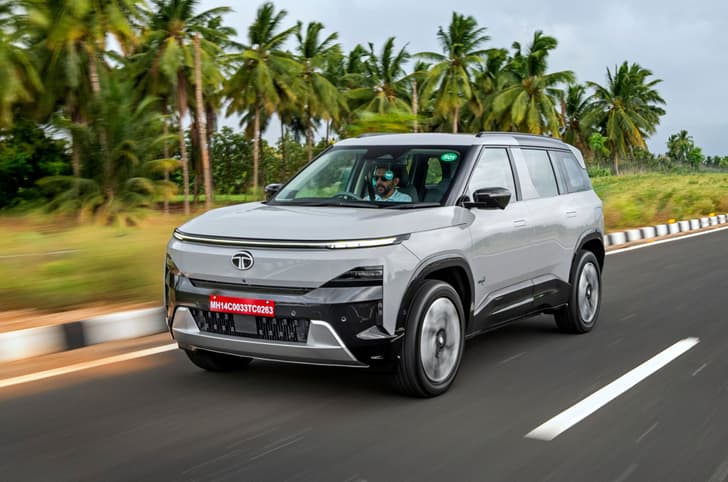
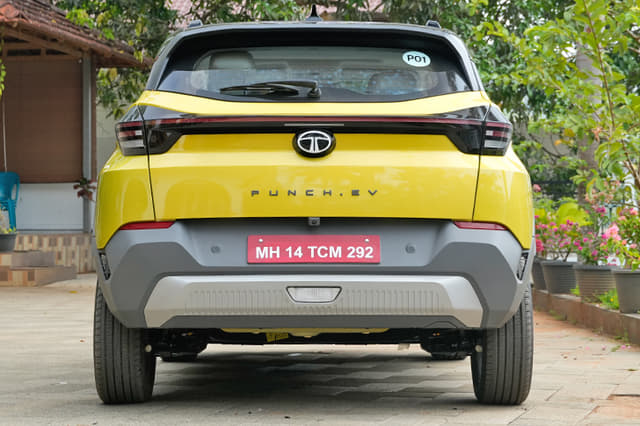
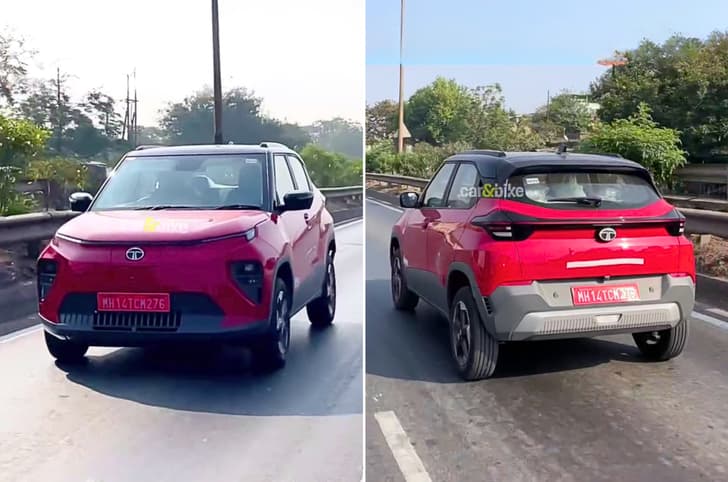
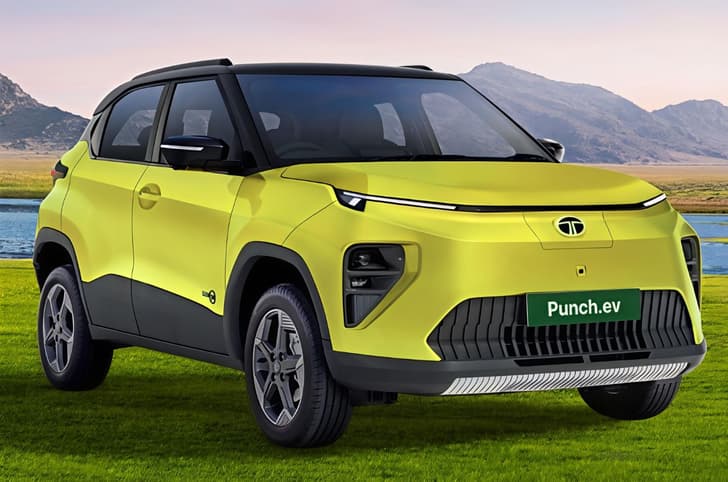
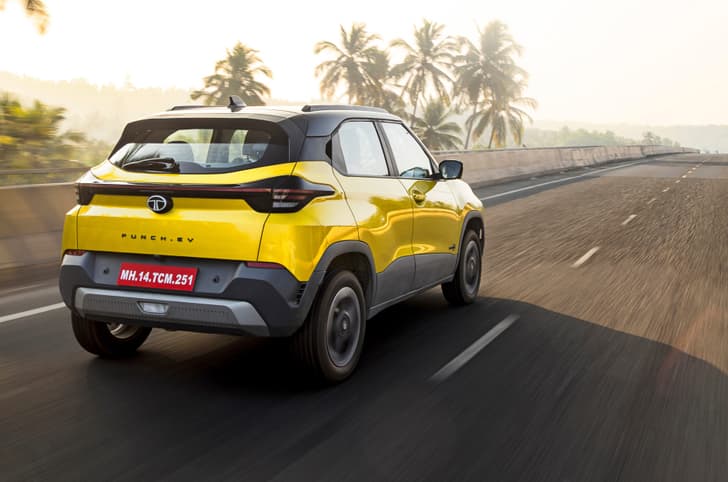
The Tata Punch EV price in Kanyakumari starts at ₹10.13 lakh for the Smart 30 base variant, including all taxes, RTO fees and insurance. In comparison, the Tata Punch EV Empowered + S 40 top model price in Kanyakumari is ₹13.35 lakh.
* Estimated on-road price. Final amount may vary.
Download the complete brochure with specs, features, and variants.
Planning to buy Punch EV? Here are a few dealers in Kanyakumari
Kattathurai Post, Opp. Manjadi Road, Eraviputhoor Kadai, Kanyakumari, Tamil Nadu 629158


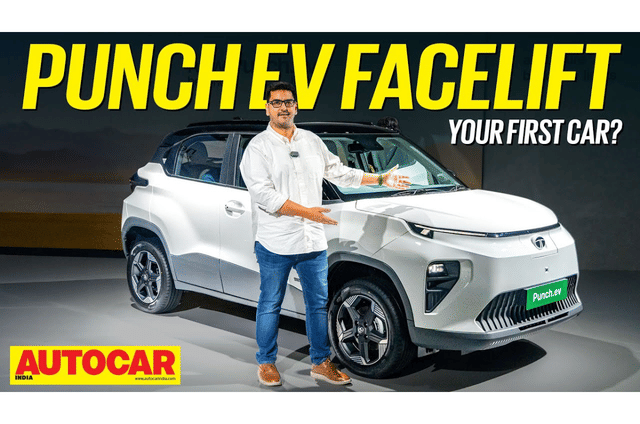
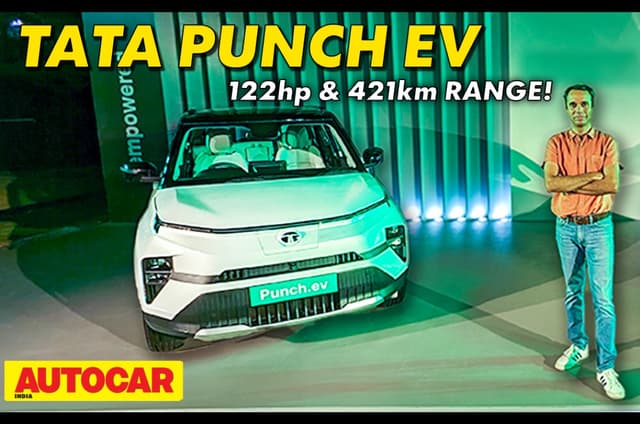
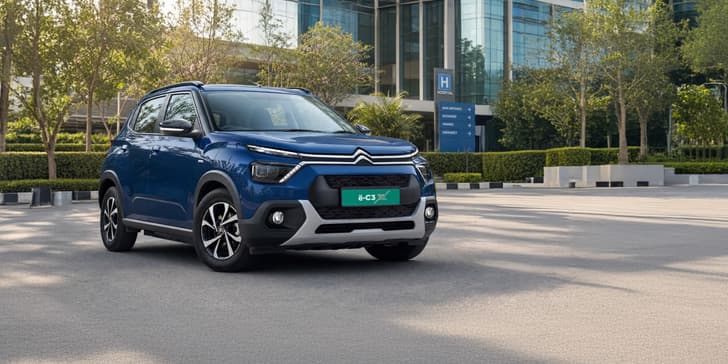
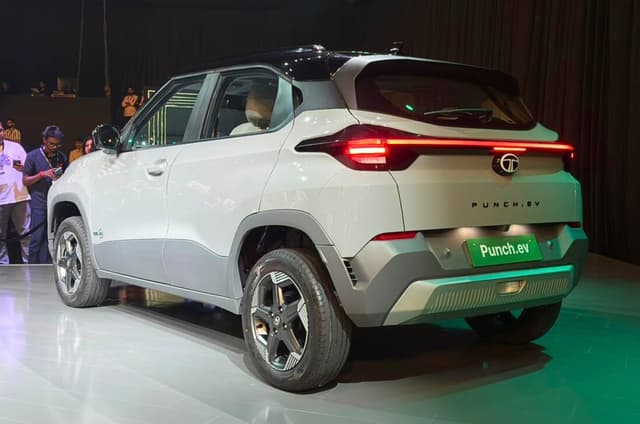
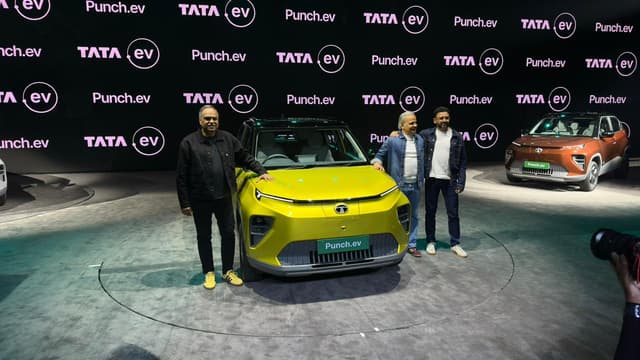
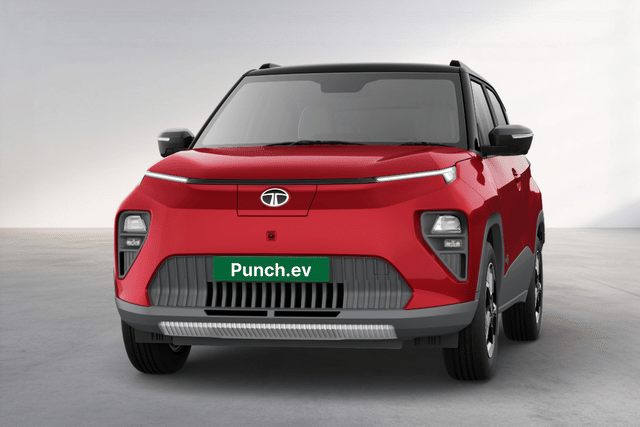
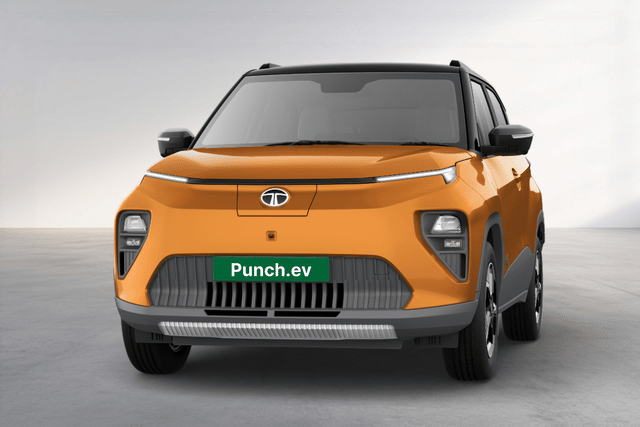
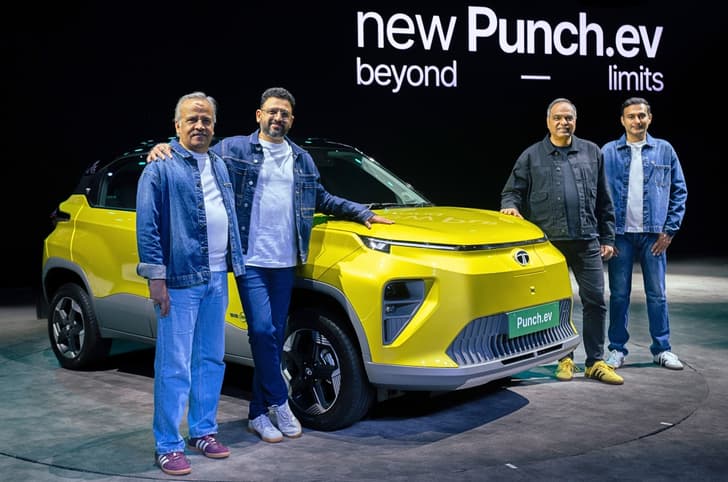
The Punch EV price range is Rs 9.69 lakh to Rs 12.59 lakh (ex-showroom), which is much more affordable than the ex-showroom pricing of its key rival, the Citroen eC3 (Rs 12.9 lakh-13.26 lakh).
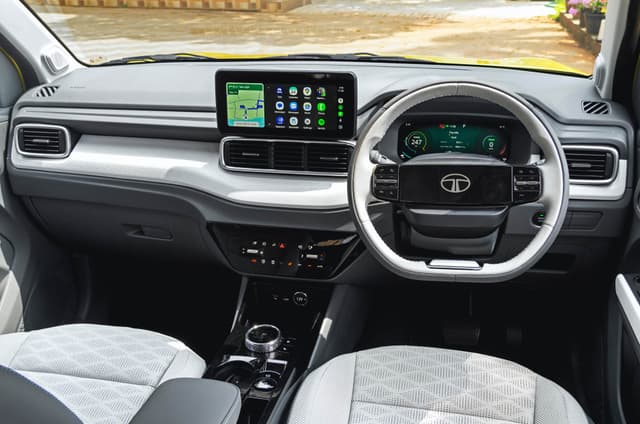
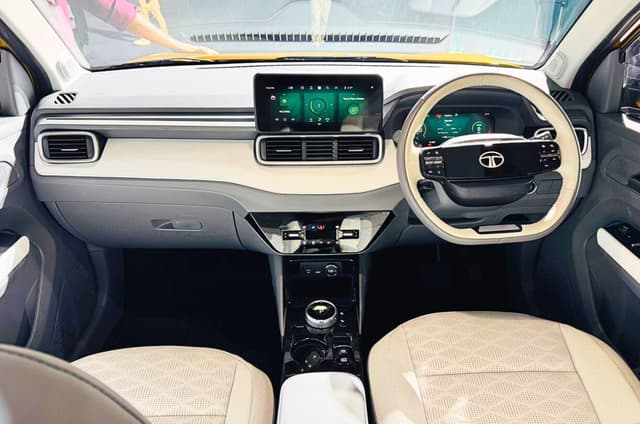
Given that the Punch EV now offers larger batteries, greater range, and more power, all the while being more affordable than the pre-facelift model, it's safe to call it a value-for-money offering.
Hi Autocar team, I'm replacing my 2017 Maruti Baleno Alpha petrol and would appreciate your recommendations. Location - Currently based in Pune - BH registration planned because there is a reasonable possibility of moving to another state in the future (likely Madhya Pradesh or Bangalore or Delhi) Usage - Primarily city driving (90%+) - Occasional highway trips, sometimes very long (up to 1,000 km) - Usually 2 adults + 1 child - Must comfortably accommodate 4 adults + 1 child when required - Annual running currently under 8,000 km, but could increase significantly because there will be two drivers and an automatic car is likely to be used more Drivers - One experienced driver comfortable with any size car - Second driver is relatively new and gets intimidated by judging the front-left corner and vehicle dimensions - Features such as a rear camera have helped significantly in building confidence Budget - Initially started looking around the Rs. 10 lakh on-road mark - Comfortable spending around Rs.14-16 lakh if the improvement in safety, confidence and ownership experience is clearly noticeable - Looking for the best overall fit rather than trying to maximise budget Priorities (in order) 1. Reliability and hassle-free ownership 2. Safety 3. Easy manoeuvrability and confidence in city traffic What I dislike about my current Baleno - Feels flimsy and dents very easily - Doesn't inspire confidence on highways anymore - Braking confidence is not great Preferences - Automatic transmission is mandatory - Open to petrol, hybrid or EV - Dedicated parking is available, and home charging is possible - Mostly good roads with occasional monsoon-related road damage - I value predictable ownership, service quality and peace of mind more than outright performance Test-drive observations We have driven a few hatchbacks and compact SUVs with automatic transmissions. One thing that became clear is that a commanding seating position and a clearer view of the road ahead significantly increase confidence, especially for the newer driver. However, we are still unsure whether this benefit alone justifies moving up from a hatchback to an SUV. Long-term thinking Initially, I thought a small hatchback would be ideal because I could pass it on to my parents after 3-5 years. However, if a slightly larger vehicle provides substantially better safety, comfort and confidence, I would rather keep it for 5-10 years and buy my parents a separate car later. Question Based on the above requirements, what would be your top 5 recommendations and in what order? More importantly: - Which body style would you choose: premium hatchback, compact SUV, midsize SUV, hybrid SUV or EV? - Which popular models would you eliminate despite their popularity, and why? - How much weight should I give to reliability versus crash safety when choosing a family car that will mostly be driven in the city but occasionally undertake long highway trips? - Am I likely to regret staying with a hatchback, or is moving up a segment the more sensible long-term decision for my use case?
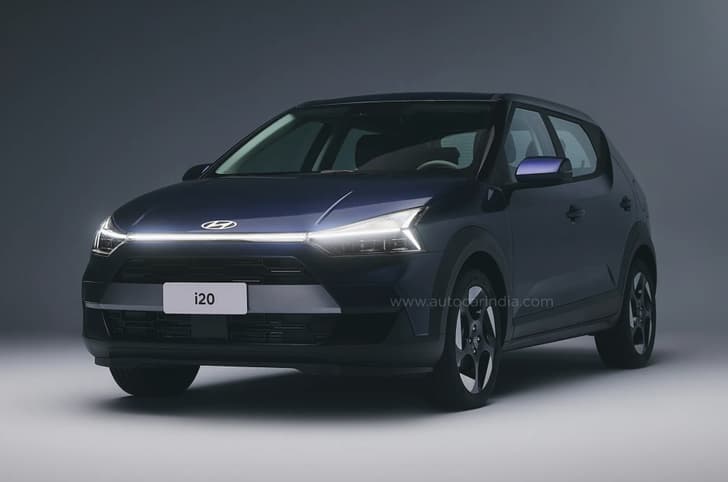
Given your requirements, a compact SUV would be a good next car for you. The higher seating will put the new driver at ease and will have a great bearing on confidence behind the wheel. Your priority for space, reliability and stress-free ownership leads us to the Maruti Suzuki Brezza AT and Hyundai Venue DCT. The Brezza is a no-nonsense compact SUV with good space, proven reliability and a practical interior. Your comfort and experience with Maruti's aftersales make it the one we'd recommend for you. You'll get a similar hassle-free experience with Hyundai as well. The new Venue ticks the important boxes for you, but it is pricey at the top end, in case the latest features are a must-have. The Venue's turbo-petrol engine does deliver punchier performance than the Brezza, but fuel economy isn't as good. If you want a larger SUV, there's the Honda Elevate CVT. However, the new driver in the family might not feel as comfortable driving it, given its size. If the hatchback form factor suits you, the Hyundai i20 CVT is a very likeable choice. Among EVs, the Punch EV is an option, but your running doesn't really justify going electric. You'd rather spend similar money on a larger or better-equipped petrol-automatic car.
Current car: Honda City V i-DTEC. Budget: Rs. 12-17 lakh. Electric only. Daily commute: 50-80km. Shortlisted: Nexon EV Fearless 45, MG Windsor EV and Punch EV. Looking for a good 5-seater and still exploring more options.
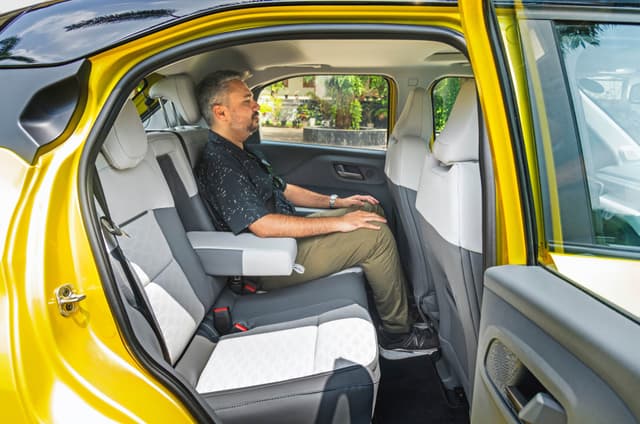
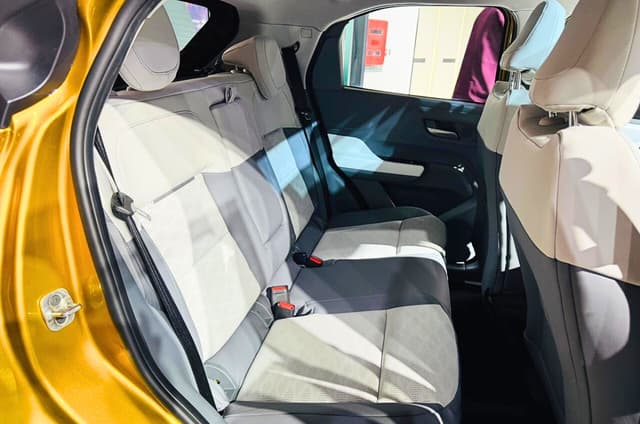
For your requirements, we think you should go for the MG Windsor. It offers the most space within your budget, and since seating 5 is a priority, it is the best choice. Your budget won't get you the 'Pro' variant with the larger battery, but given your daily usage of 50-80km, the standard version is more than enough. Plus, you should be able to get the fully loaded Essence variant, with all the bells and whistles, in your budget.The Tata Nexon EV is your next best bet, and though not quite as spacious as the MG, it's got the softer suspension, and you and your passengers will appreciate the resultant comfort. It has a larger battery, so the real-world range will be higher, but given your usage, it shouldn't make much of a difference. The issue is you'll only get a mid-range variant in your budget, so you might have to give up a few features. The Punch EV is simply too cramped in the rear seat to be used as a regular five-seater, compared to these two.Whichever you choose, make sure you can have a home charger installed, as that's essential to running an EV as your only car.
My average running is approximately 2,000km per month. I want to buy a normal small-segment hatchback EV as a second car for the family, which can significantly reduce my running costs and offer better resale value.
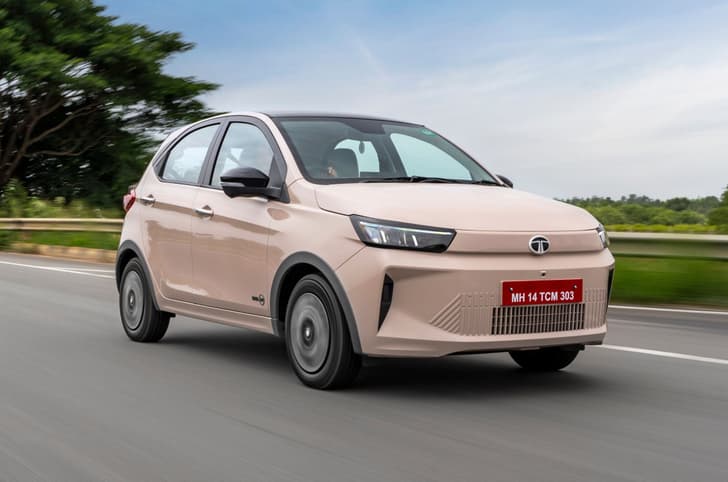
The Tata Tiago EV is a solid choice for your needs. Your 2,000 km a month will slash running costs if you charge at home, and the Tiago EV is a simple, normal 5‑door hatch that fits city life better than anything else electric at this price. It has proper rear seats and a usable boot for family errands, so it works well as a second car without feeling like a compromise. Resale should be decent too, since Tata EVs are in high demand.For daily 60-70 km, the Tiago EV 24kWh will handle a full day with AC on and still have a buffer. Overnight top‑ups on a regular 15A socket are easy, so you rarely need public charging.If you want a larger car and a bit more range, it is worth considering the Punch EV 30kWh.The only real catch with the Tiago EV is highway use. You’ll need to plan stops and keep speeds sensible to protect range, but you have your primary car for that.
Which car to buy under 15 lakhs? EV/CNG/Diesel/Petrol, and which model to go for?
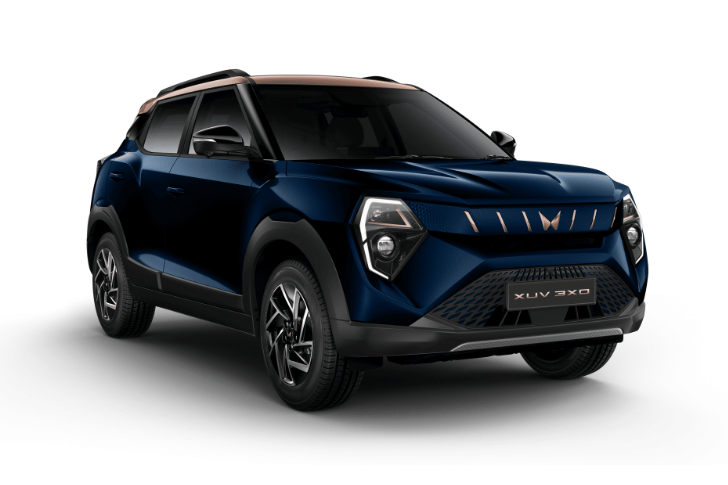
Get the Maruti Suzuki Fronx petrol. It fits under Rs. 15 lakh easily, is very easy to drive in the city, and gives good real-world mileage, so your running costs stay low without the fuss of CNG or charging. Maruti’s huge service network also keeps ownership simple for many years. The flip side is it isn’t very exciting to drive, and the rear isn’t the widest, but as a first, no-drama car, it just works.If your daily drive is mostly city and you have a private parking spot with power, an EV will save the most per km. Look at the Tata Tiago EV for the cheapest entry, or the Tata Punch EV for a more solid small SUV feel. If you do long highway trips or 1,000+ km a month, diesel makes sense - the Hyundai Venue, Kia Sonet and Mahindra XUV 3XO diesels are the pick. If you only want rock-bottom fuel costs and don’t mind slower performance, CNG works - Maruti Wagon R CNG for city or Ertiga if you need 7 seats.
I am looking to buy an EV. My monthly usage ranges from 500 km to 1,000 km, and my budget is under Rs. 15 lakh. Could you please suggest the best EV options for my requirements?
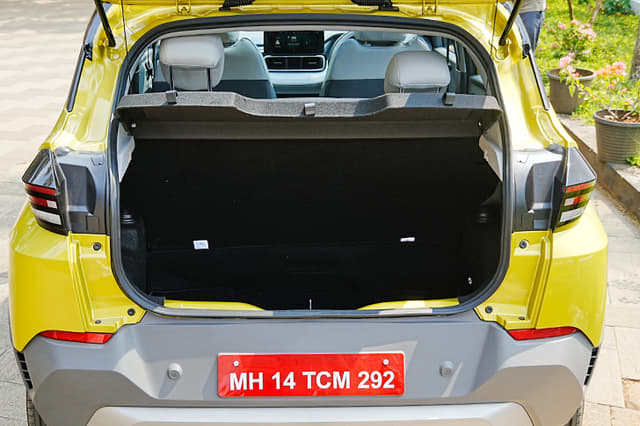
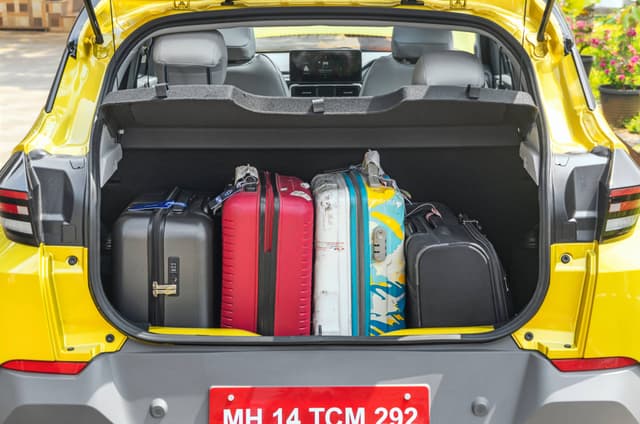
Get the Tata Punch EV 40kWh. Your 500-1000 km a month is exactly its sweet spot, and the price is comfortably under Rs. 15 lakh in most cities. One home charge a week should be enough for your normal city usage, and you'll still have room for a short weekend round-trip. It is easy to drive and park, rides well on bad roads, and Tata’s EV service reach is pretty wide now.If you plan to use it on highways, it will need some planning around chargers, and the boot is modest. If you want even more range and a larger vehicle, the Tata Nexon EV 45kWh mid-level trims are an option, but won't get as many features and will stretch your budget. For most first-time EV buyers at this budget, the Punch EV 40 is the best choice.
My daily running is around 50 km, and I take one long trip every month. I currently drive a Honda Amaze Diesel, but I am now planning to replace it. I am confused about whether I should choose an EV, a petrol car, or a diesel car under Rs. 15 lakh. My key requirements are a smooth transmission, excellent fuel efficiency, and strong safety. Considering my usage pattern and priorities, which type of car would be the best choice for me?
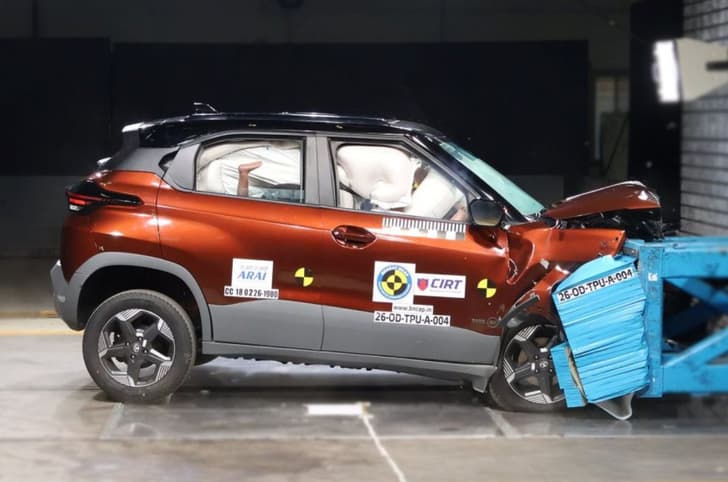
The Honda Amaze Diesel has served you well, but given your current usage pattern, a diesel would not be our first choice today.With a daily running of around 50km and just one long trip a month, both petrol and EV options make more sense. If you have access to home charging, an EV can significantly reduce your running costs. In that case, the Tata Punch EV Long Range would be a strong contender. It offers good safety credentials, smooth performance and more than enough range for your daily commute and occasional longer journeys.If you'd rather stick with an ICE vehicle, the Skoda Kylaq Automatic would be our recommendation. Its torque-converter automatic gearbox is smooth and reliable, the turbo-petrol engine offers strong performance and it has solid safety credentials. However, it won't match an EV for running costs.
I am planning to buy a car, and my average usage is around 500 to 1,000 km per month. Would an EV be suitable for my requirements? My budget is under Rs. 15 lakh. Could you please advise?
Yes, an EV can make sense for your usage, especially if you have access to home charging.With a monthly running of 500-1,000km, you may not recover the higher upfront cost of an EV as quickly as a high-mileage user would, but the lower running costs, smooth driving experience and ease of use in city traffic are still significant advantages. The key factor is whether you can conveniently charge the car at home or work.In your budget, the Tata Punch EV Long Range would be the recommendation. It offers a good balance of range, performance, practicality and safety, while being one of the more sorted EVs currently on sale. It is also comfortable enough for the occasional highway trip and its compact dimensions make it easy to live with on a daily basis.If you can stretch your budget slightly, the MG Windsor EV is also worth considering. It offers a more spacious cabin, better rear-seat comfort and feels like a larger, more premium car overall.
I currently own a Kia Seltos (2021, top-spec variant). However, my daily commute has now increased to around 110 km, and I am considering purchasing a reasonably priced EV for single-person daily use. Could you please suggest the best electric vehicle options for my requirements?
The Tata Punch EV Long Range would be the recommendation here. It is compact, easy to drive and park, offers enough performance for everyday use and has more than enough real-world range to comfortably handle your 110km daily commute. It also feels like one of Tata's more sorted EV products and offers good value for money.If you want something even more focused on urban commuting, the MG Comet EV is worth considering, but with a 110km daily drive, the Punch EV's larger battery and greater range provide a much bigger comfort buffer.If your budget stretches a little further, the MG Windsor EV is another excellent option, offering a more spacious cabin and a more premium feel.
I am planning to buy a new car in the range of 10-12 lakhs. As far as calculations go, Punch EV fits perfectly; however, I am hearing mixed reviews about EVs, both positive and negative. Please suggest a future-proof car in that range that offers the perfect combination of a driver's car and a family car in terms of space, with a good reputation for brand service.
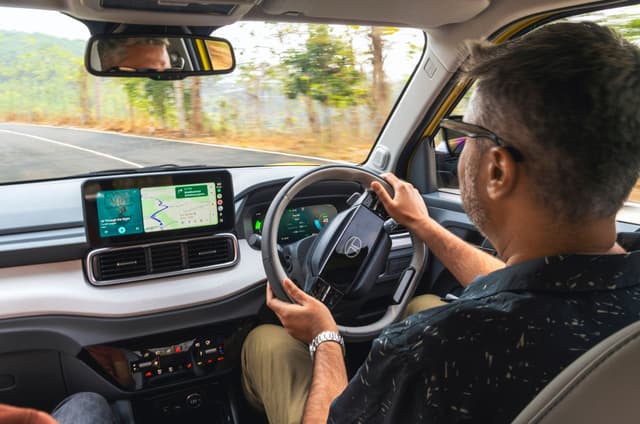
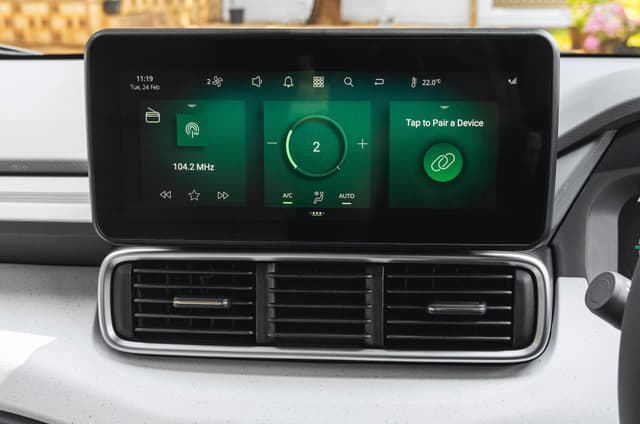
Despite the mixed opinions surrounding electric cars in general, the Tata Punch EV has emerged as one of the most popular electric cars in the country and feels more sorted than many of Tata's other products. It offers strong performance, good space for a small SUV and low running costs.The reality is that at Rs 10-12 lakh, Tata is effectively your only choice if you want a mainstream EV, and the products themselves are fundamentally good. The bigger question is whether you're comfortable with the ownership experience and service network, which is where opinions tend to vary more than the cars themselves.If you're open to petrol power, the Skoda Kylaq Signature AT deserves serious consideration. It is a genuine driver's car with a smooth torque-converter automatic, strong safety credentials and enough space for a family of four. It also benefits from Skoda's improving service experience and avoids any uncertainty around charging infrastructure or battery technology.
I am looking to upgrade my 19-year-old i10 Era and am seeking a vehicle that offers a great blend of comfort and longevity for the next 15 years. My budget is 12-16 lakh. While I am happy with my current car, I need something with more power for overtaking and lower maintenance requirements. Although my current annual usage is low (approximately 2,000-3,000km), I expect this to increase with a new car. My primary use will be city driving in Kochi with three passengers, but I need enough space and comfort for occasional long drives and airport runs. I am prioritising value for money. My current picks: Tata Punch EV (Empowered S+) - around 14 lakh Pros: The instant torque and overtaking performance are appealing. Shock absorbers are also nice. There are features (but not sure how much they will help me). Concerns: Tata’s quality control, long-term service consistency, and uncertainty around EV resale value and technology depreciation. Mahindra XUV 3XO (MX2 Pro TC Automatic) around ₹12 lakh Pros: Feels like a proper, spacious SUV. Cons: Lower fuel efficiency and higher RTO costs compared to an EV. Skoda Kylaq (Signature TC Automatic) - around 12.75 lakh Pros: Excellent reviews for handling and engine performance. Cons: Lower fuel efficiency and higher RTO costs compared to an EV. Citroen Aircross (X You Manual) - around 10 lakh Pros: Excellent reviews for ride comfort and handling. Cons: Manual transmission and concerns about the brand's service network. Overall, what should I choose between a manual, an automatic and an EV? Are automatics a no-brainer these days? Is the Punch EV a good option now?
Given your priorities of comfort, longevity, low maintenance and value for money, the Skoda Kylaq Signature AT would be the recommendation from your shortlist.The Tata Punch EV is actually one of Tata's more sorted products, and the instant torque will certainly make overtaking effortless. However, if you're planning to keep the car for the next 15 years, there are still some unknowns around long-term battery technology, resale values and how EVs will evolve over such a long ownership period. It makes sense as an EV, but perhaps not as the safest long-term bet.The Mahindra XUV 3XO offers more space and feels like a bigger vehicle, but its fuel efficiency is likely to be lower than the Kylaq's, and it doesn't feel quite as polished from behind the wheel.The Kylaq strikes a sweet spot. Its turbo-petrol engine provides the performance you're looking for, the torque-converter automatic is smooth and reliable, and the car feels well engineered. It is also likely to be easier to live with over the long term than an electric car if your goal is to keep it for 15 years.As for manual versus automatic, for a predominantly city-driven car in 2026, an automatic is increasingly becoming the default choice. Modern torque-converter automatics such as the one in the Kylaq are smooth, reliable and remove much of the fatigue associated with urban driving.