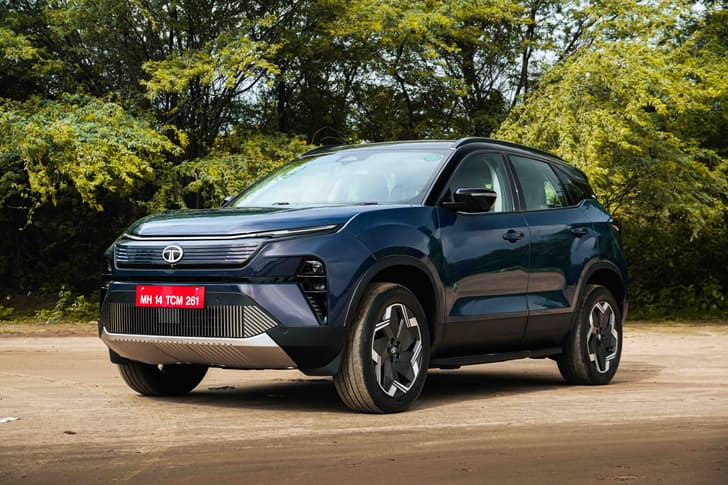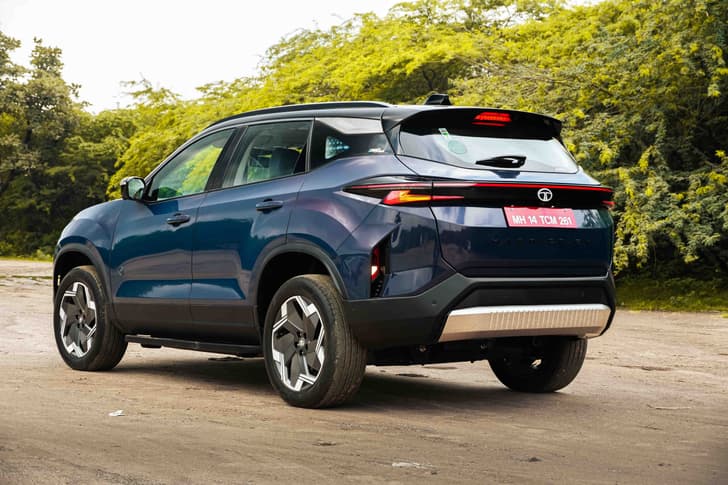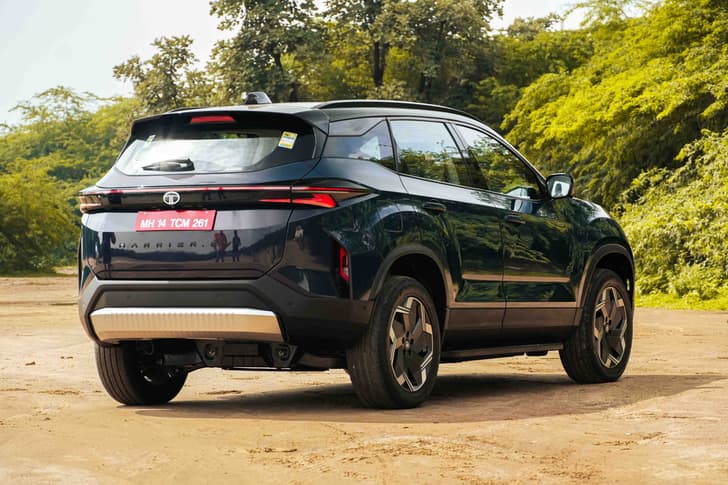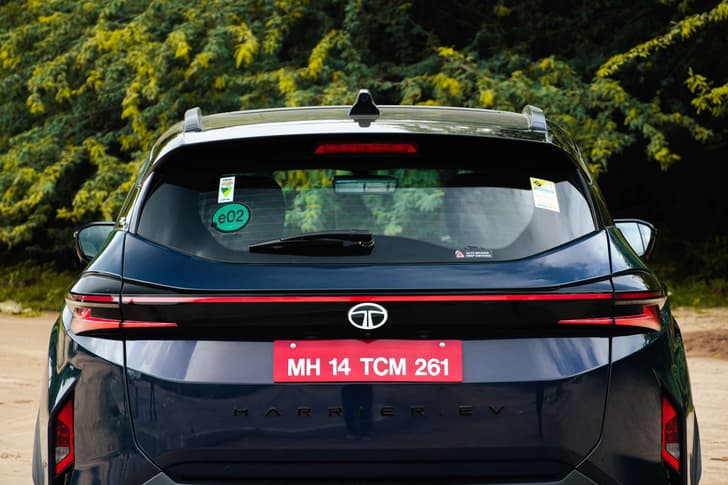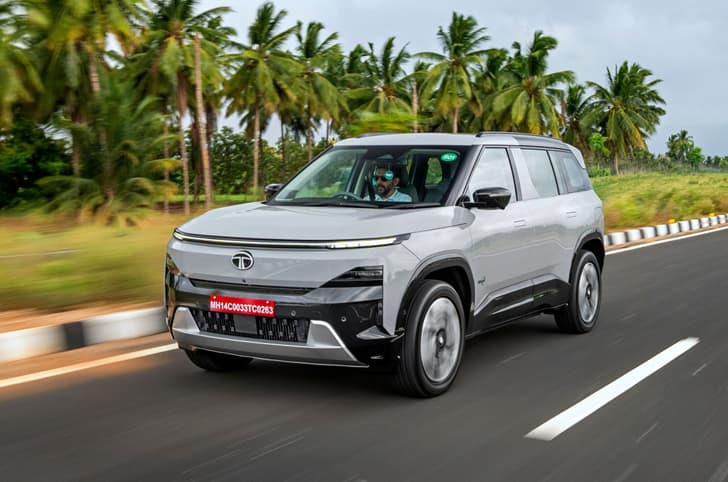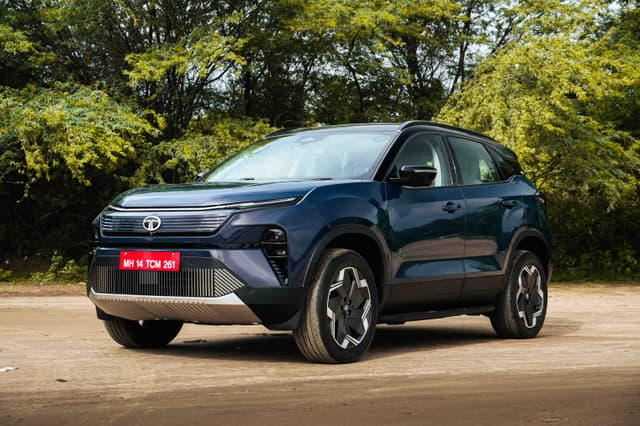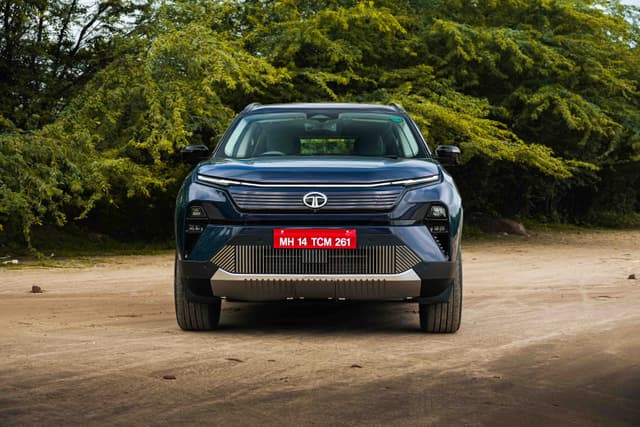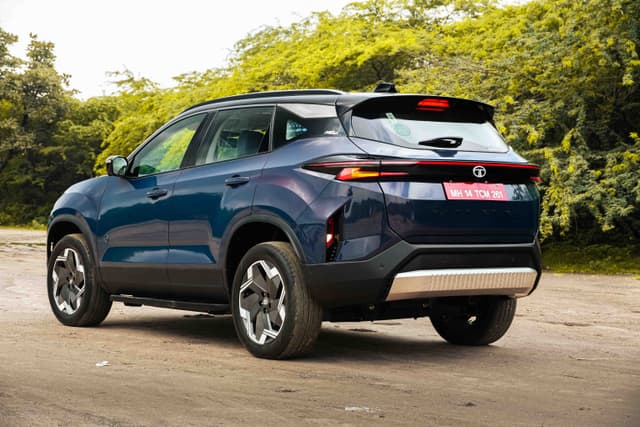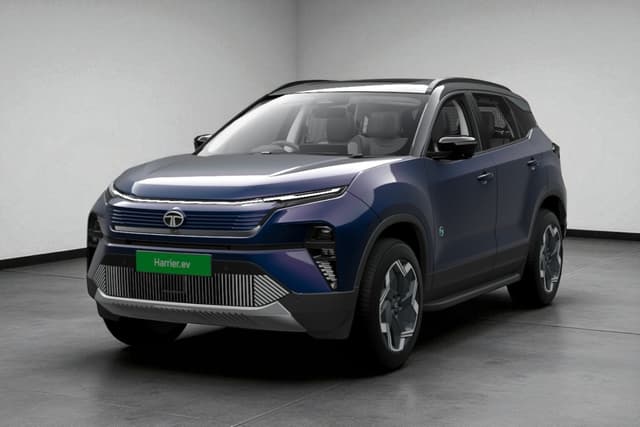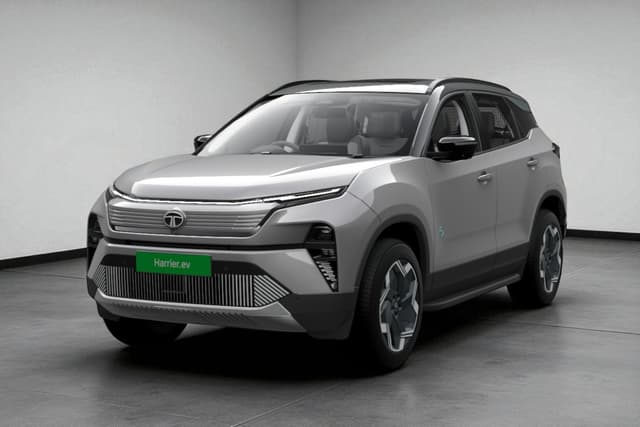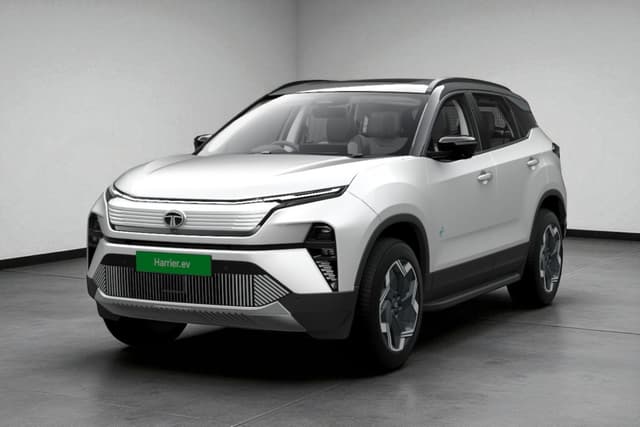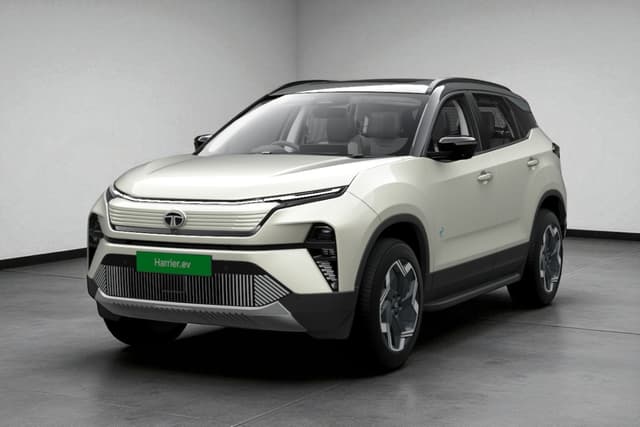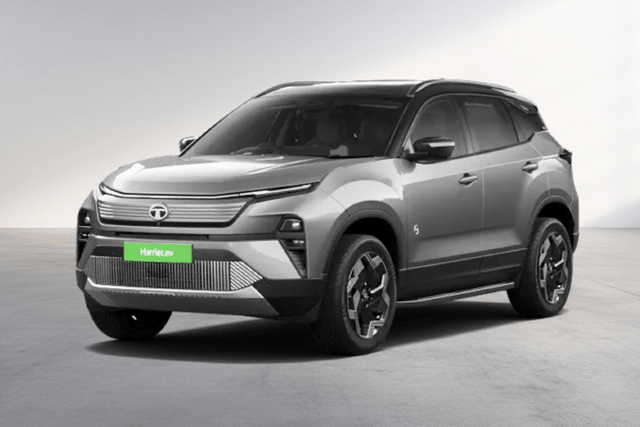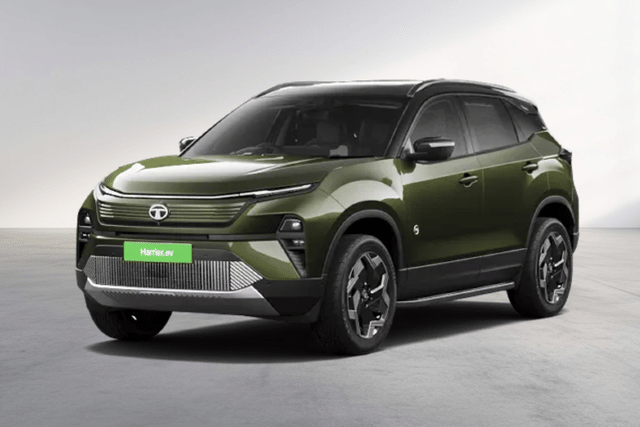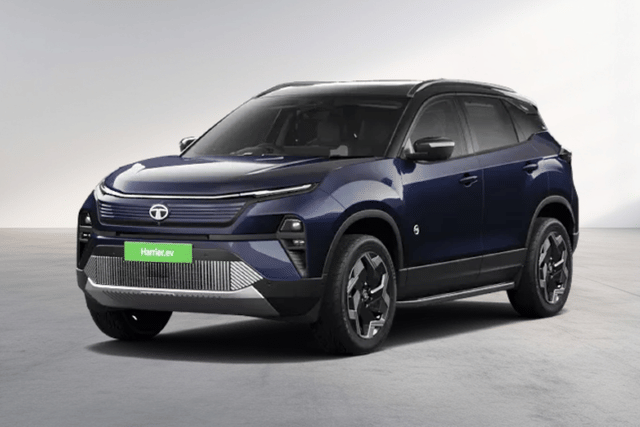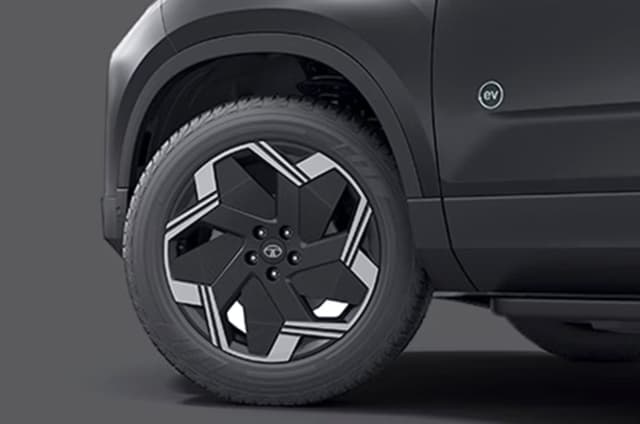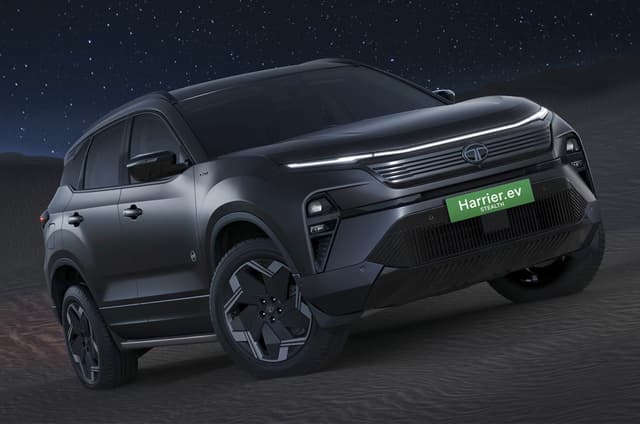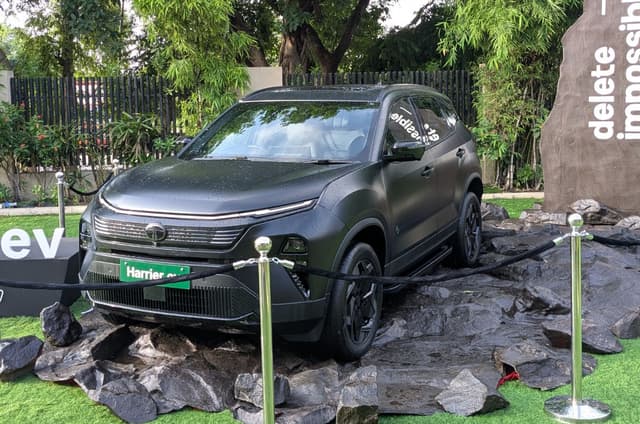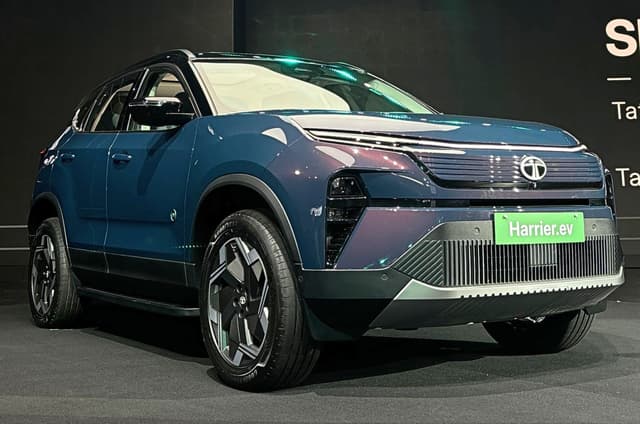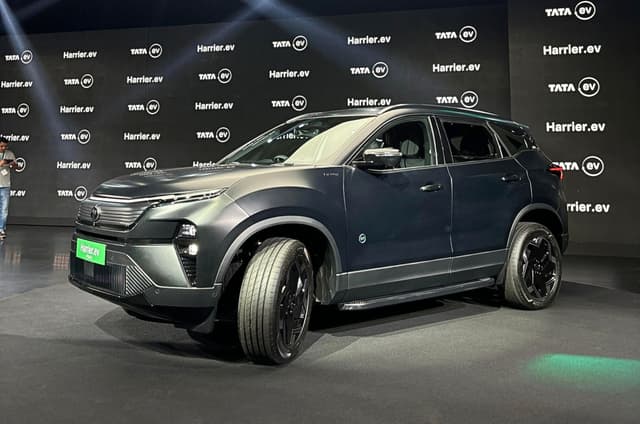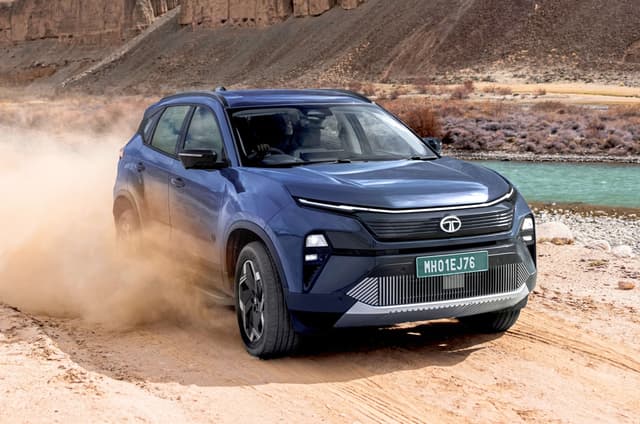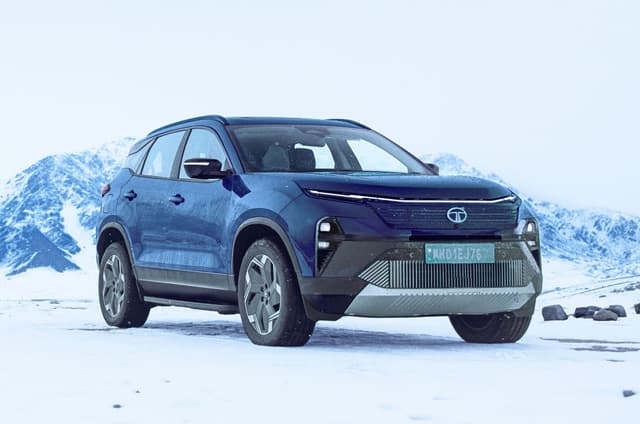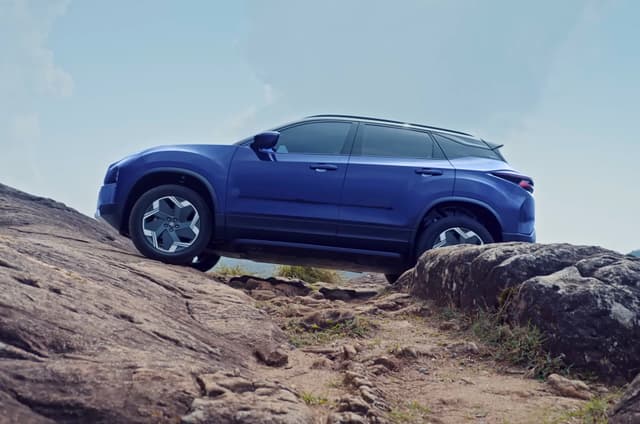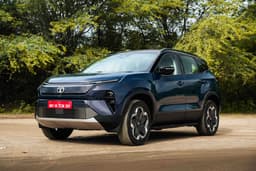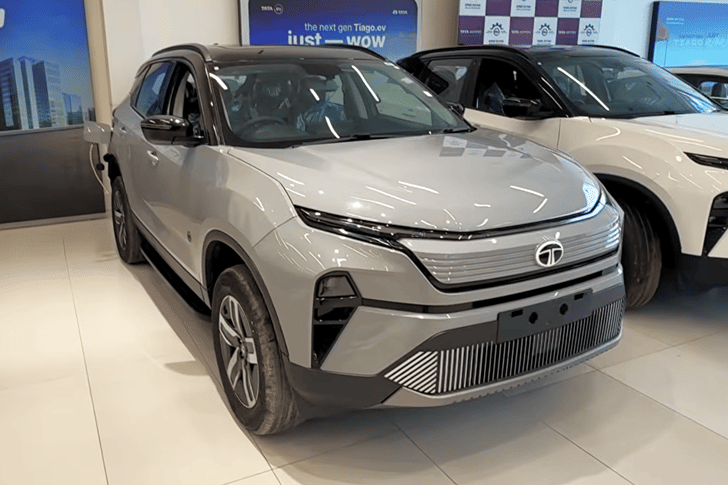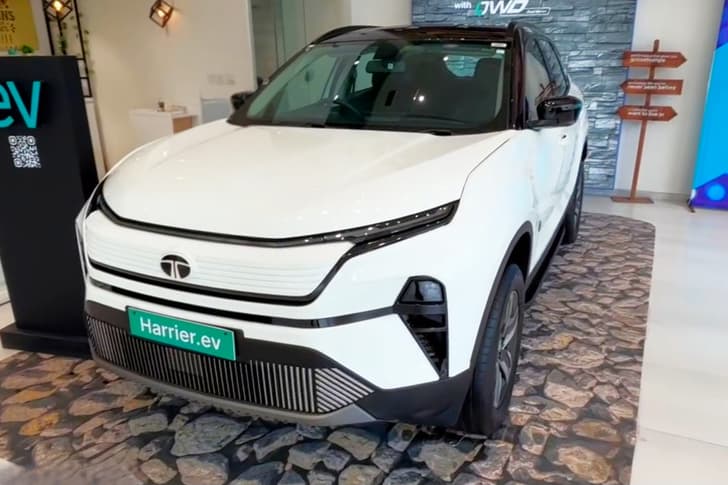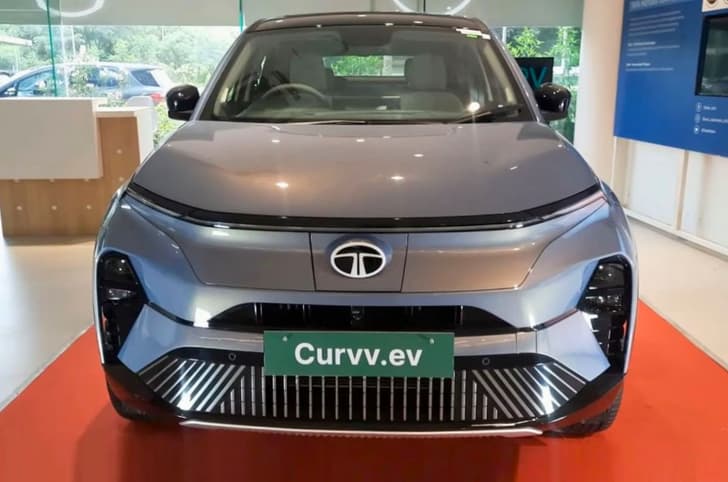
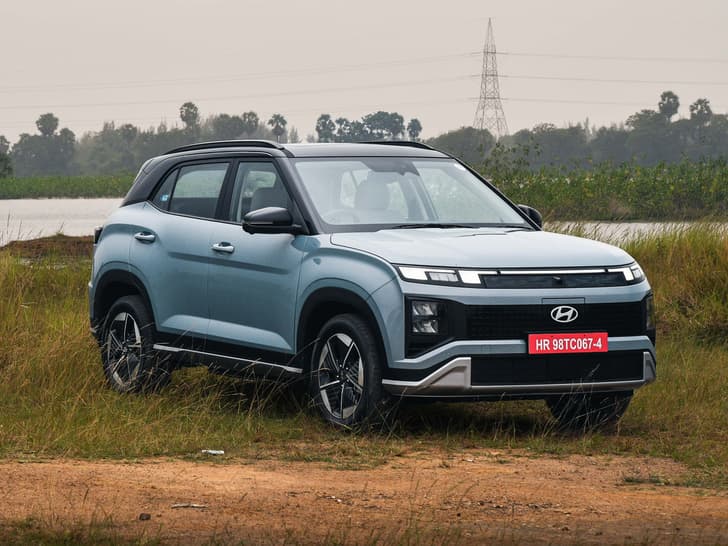
Best Electric SUV Overall Package


Tata Harrier EV price in Birbhum
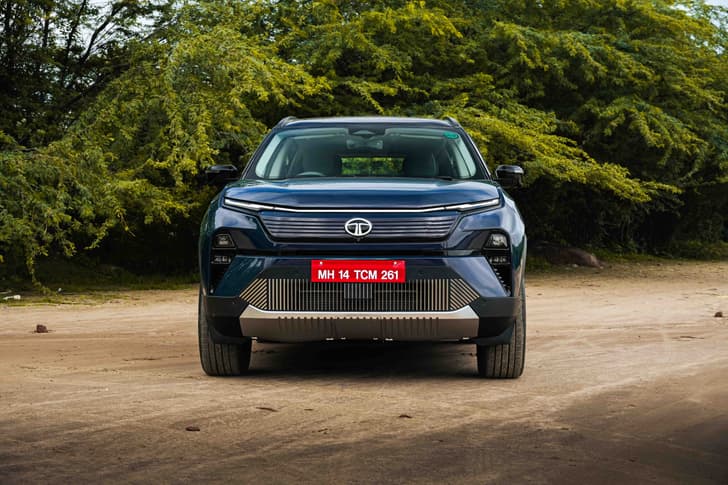
For Birbhum, the on-road price starts at 23.21 lakh for the Adventure 65 and goes up to 31.20 lakh for the Empowered 75 AWD. The Fearless + 75 is priced at 26.94 lakh, placing it between the entry-level and top-end variants.
Those planning to finance the purchase can get the Adventure 65 with a loan of 20,90,000, resulting in a monthly EMI of 33,626. The Empowered 75 AWD requires a loan of 28,10,000, with the monthly EMI standing at 45,210.
Why prices change from the base model to the top model:
The on-road price of the Tata Harrier EV can vary, depending on the state, RTO charges, and insurance. So, the on-road price of the same variant can differ from city to city.
* Estimated on-road price. Final amount may vary.
Planning to buy Harrier EV? Here are a few dealers in Birbhum
Ground Floor, Batail More, Rampurhat
The Tata Harrier EV Adventure 65 costs ₹23,21,235 on-road in Birbhum. At 9.00% interest for 7 years, your estimated EMI is ₹33,614 per month.
Tell us about your experience
Tata Harrier EV Official Brochure
Download the complete brochure with specs, features, and variants.
Hear from the
Join the Discussions


.jpg?w=640&q=75&fm=auto)


Get answers from Autocar experts and owners
Up to ₹2.75 lakhs off on the Harrier EV! I think this a good discount to finally get convinced for an electric SUV.
Dear Autocar Team, I currently own a Dzire diesel manual (2018) and now I am planning to buy a new car but I am very confused between Harrier EV Fearless Plus 75kwh and the XEV 9S Pack Two Above 79kwh. Although, I love diesel cars but since I live in Faridabad, my biggest concern is about increasing bans and restrictions on diesel cars. My main usage is on highways and bit within the city. I have clocked 1.3 lakh km on my Dzire in 8-9 years. I am getting the exact Harrier EV model for Rs. 22 lakh (on-road) whereas the XEV 9S will cost around Rs. 27-28 lakh (on-road) and that is my biggest confusion. Should I spend this additional amount on the XEV 9S for Harrier ev because I don't want any hassles as an since I plan to keep the car for the next several years.
Since your choice is between these two exact models, go for the Tata Harrier EV Fearless Plus 75kWh at Rs 22 lakh on-road. It is a much better value proposition given the Rs. 5-6 lakh savings over the Mahindra XEV 9S. The Harrier EV is a solidly-built, hardy SUV that's comfy for 5 adults and their luggage.Sure, the XEV 9S gives you the flexibility of three-rows of seating; a lighter steering with a tighter turning radius; and with a larger battery and a more efficient electric powertrain, real-world range will be better. But since you don't specifically need a three-row SUV, the Harrier EV's lower price makes it the more sensible buy.
Hello Autocar, I'm planning to buy an EV with a budget of around Rs. 20-22 lakh (ex-showroom). Although I can stretch it a bit if it's worth it. The models that I'm currently considering are Tata Sierra Adventure 75, Tata Harrier EV Adventure 65 and Mahindra XEV 9e 59 kWh (base variant). My usage will be around 70% city driving. I also own a 2025 Hyundai Creta Petrol CVT, so I'm looking for an EV that genuinely feels like an upgrade rather than just a different powertrain. Among these, I liked the XEV 9e the most, but I'm a bit concerned about the long-term practicality and battery life of the 59 kWh pack, since it's the smallest battery among the three. Which one would you recommend, and is there any other EV in this price range that I should consider?
Go for the Mahindra XEV 9e 59 kWh. It is the most complete electric car from the ones you're considering and will genuinely feel like an upgrade over your Creta. The Sierra and Harrier EV are good cars, but the XEV 9e feels more premium, more modern and more sorted as an overall package. Going for the smaller 59 kWh battery should not be a concern since it is still a large pack, and Mahindra’s battery management system is well engineered. The car is also more efficient than the Tata EVs, so real-world range is not as far behind as the numbers would suggest. The only reason to stretch to the larger battery is if you regularly do very long highway runs. For your 70% city usage, the 59 kWh pack is more than sufficient. The Sierra EV is the better Tata EV, but the XEV 9e is the better car overall.
I am planning to buy an EV in the ₹20-25 lakh price range. My key requirements include around 500 km range, along with good space, comfort, and overall refinement. I have shortlisted the Tata Harrier EV and the Hyundai Creta EV, and I am also waiting for the Tata Sierra EV to be revealed. Which of these would make the most sense for my needs?
The Hyundai Creta Electric Excellence LR is the one that fits your brief best. It fits within your price range, and it has a cabin that is comfy and easy to live with for a family of four. Also, Hyundai’s EVs are usually very refined and smooth to drive in traffic, which matches your focus on a calm, polished experience.Two things to keep in mind for your needs. First, in this budget, a true 500 km in real use is tough. The Creta Electric may have a claimed range of 473km (ARAI), but we managed to get a real-world figure of 432km in our testing. Second, fast charging speeds on mid-price EVs like the Creta are usually modest, so plan stops on longer trips accordingly.The Tata Harrier EV will suit you only if you can stretch the budget. Being a bigger car with a larger battery, it will be roomier inside and offer more range. The Tata Sierra EV is worth waiting for only if you love the look and want a roomier cabin. But prices, exact specifications and launch timing are not final yet.
Hi AutocarIndia, I have a budget of ₹23-25 lakh. My monthly running is approximately 12,000-14,000 km, with around 70% city driving and 30% highway usage. I am confused between choosing a petrol vehicle and an EV. I am not considering a diesel option since my driving is not very regular at times, and I am concerned about potential DPF clogging issues. Currently, I am evaluating the Mahindra XUV 7XO A7 T petrol, which costs around ₹25 lakh on-road in Pune. However, considering the current global war situation, I feel petrol prices may increase permanently, which is making me seriously consider an EV. I am therefore looking at the Tata Harrier EV Fearless Plus 75 kWh, which is priced around ₹27 lakh. Though I have heard that some discounts are available, and the effective price could come down to around ₹26 lakhs. Given my usage pattern, budget, and long-term cost concerns, please guide me on whether a petrol or EV would be the better choice and help me decide between these options. Thanks in advance.
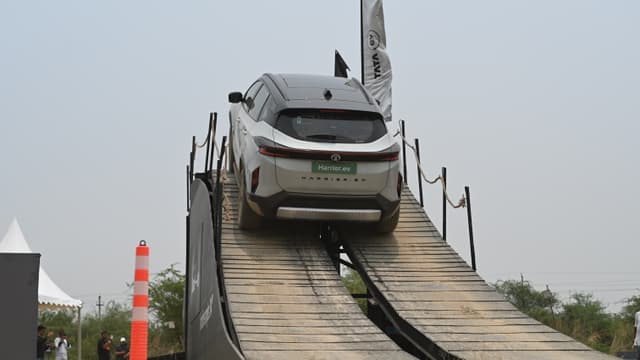
The Mahindra XUV 7XO petrol does not suit this kind of running. A turbo petrol will be significantly more expensive to run over time, and with your usage, the fuel cost difference will be substantial.The Tata Harrier EV makes far more sense here. It offers very low running costs per km, smooth and effortless driving in the city, and strong performance on highways. With your high usage, the savings on fuel will add up quickly and justify the higher initial cost.The key condition is charging. If you have reliable home or office charging, the EV becomes a very practical and economical solution. Without that, managing frequent charging will become inconvenient.On your concern about diesel, in your case, it is actually not an issue. With such high and consistent running, DPF problems will not arise, as the car will regularly get the kind of driving needed to keep the system healthy.


Last Updated on: 26 Nov 2026