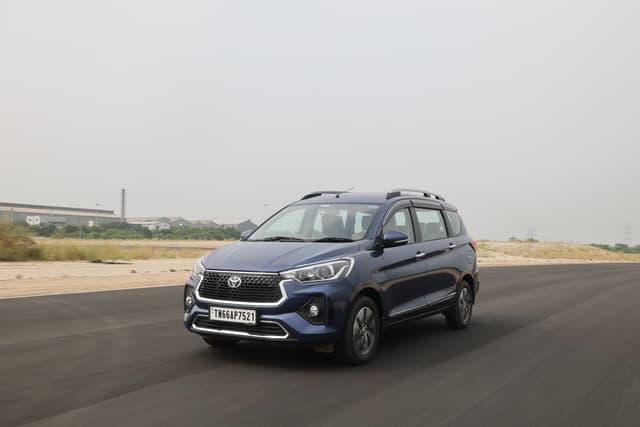
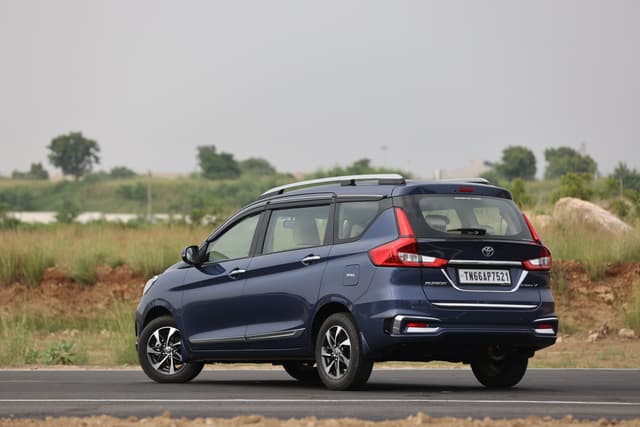
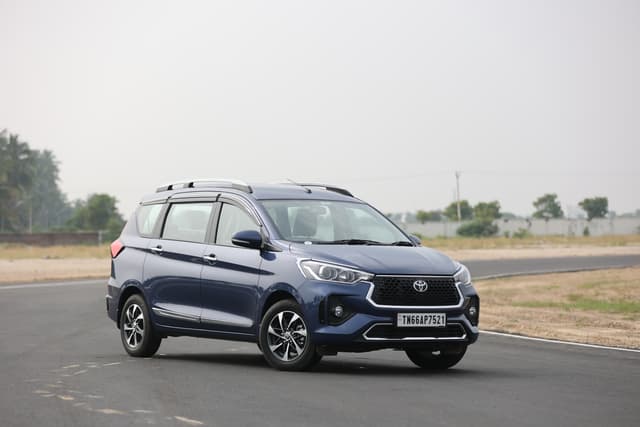
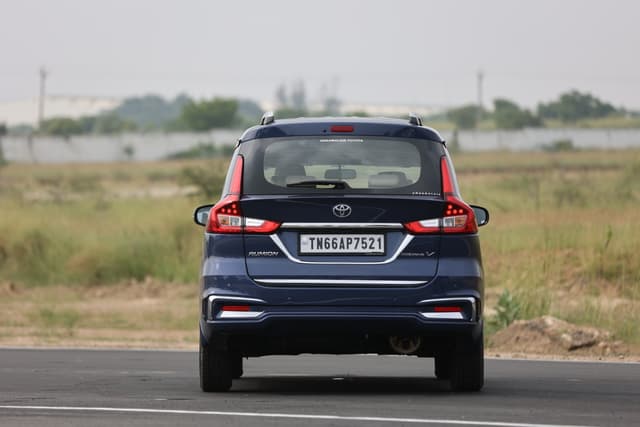
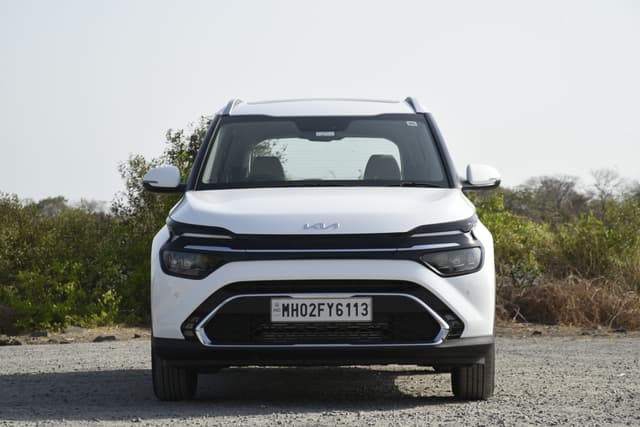
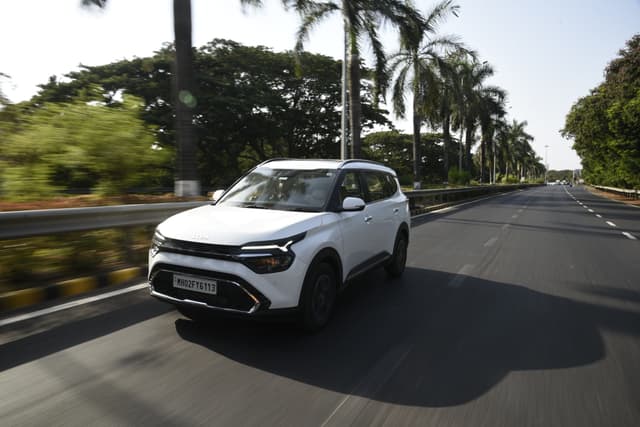
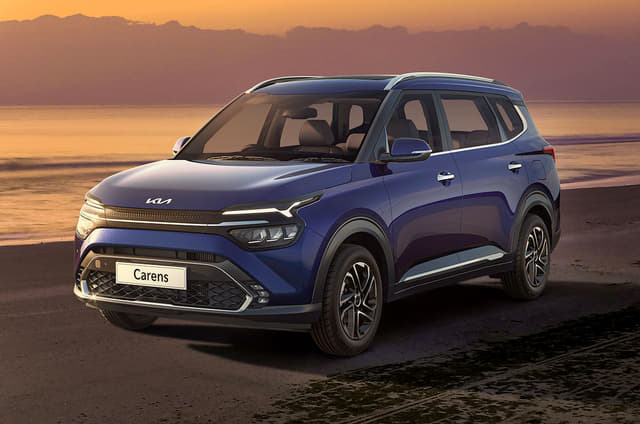
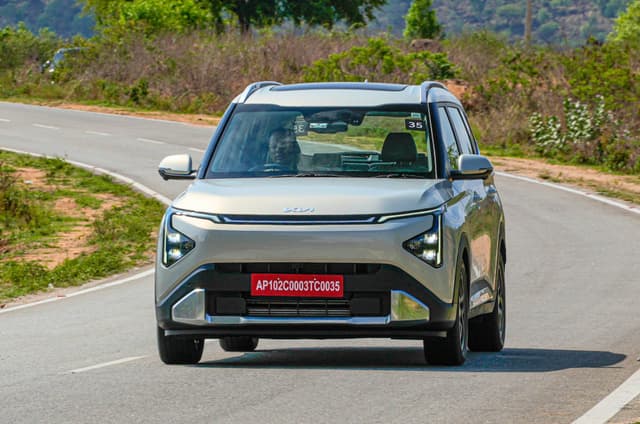
Mpv Petrol Cars in India (9)
Discover the best Mpv Petrol Cars. Our comprehensive guide covers detailed specifications, expert reviews, pricing information, and buying advice for Mpv Petrol Cars. Find the perfect cars that matches your requirements and budget.


Find cars by transmission
Trending Questions on Cars - Answered by Autocar Experts
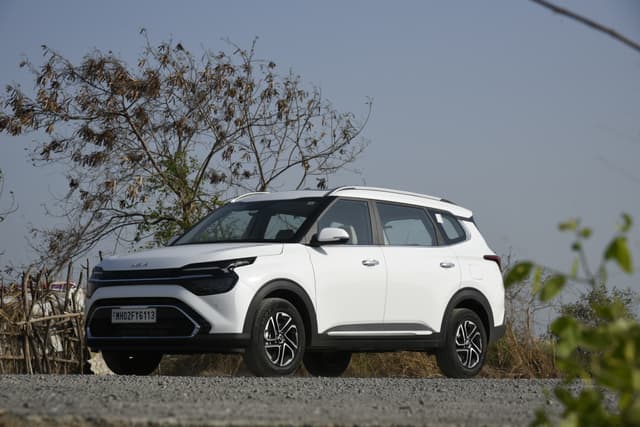
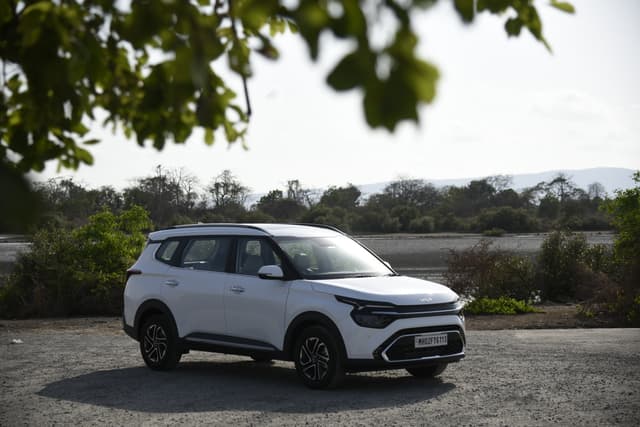
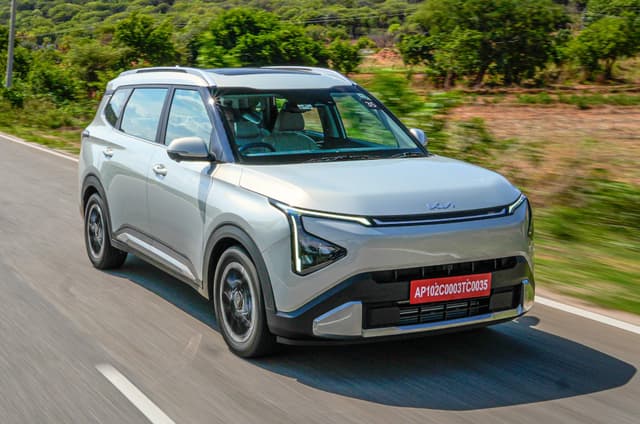
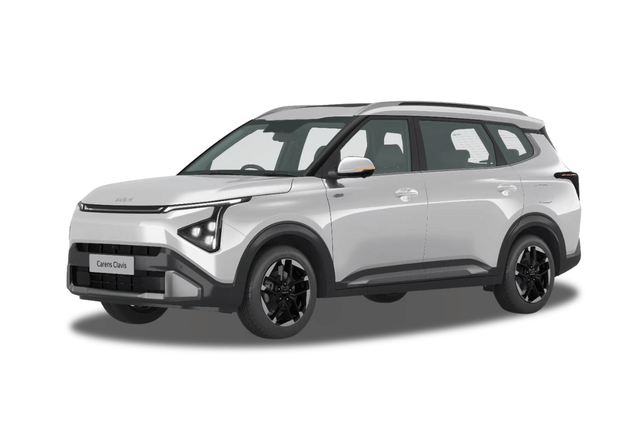
I want to buy a 7-seater family car. I am confused between the Kia Carens Clavis petrol DCT and the Carens Clavis diesel automatic. My daily usage is around 20 km, including 6 km on the highway and 14 km in the city. We also take two long family highway trips every year. My annual running is around 8,000 km. Since the petrol DCT's mileage isn't great, I prefer the diesel automatic. However, I'm concerned about DPF issues. Is it still okay to buy the diesel, considering it allows manual regeneration?
Go for the Kia Carens Clavis petrol automatic. With only 8,000 km a year and mostly city runs, the diesel’s DPF will be the bigger headache than any fuel savings. Short commutes are exactly what trigger frequent regens; yes, you can do manual regeneration, but stopping to run that cycle now and then gets old fast, and ignoring it can put the car in limp mode. Your two highway trips a year will not balance this.The petrol will be smoother and quieter in town. Although it delivers lower fuel efficiency, the annual fuel cost difference at your level of usage is relatively small. You also avoid the higher servicing costs associated with a diesel.If you still lean diesel, be ready to add a proper 20-30 minute highway spin once a week to keep the DPF happy. Otherwise, pick the petrol and drive with a light foot in traffic to keep mileage reasonable.
I'm currently using a used Maruti Ritz and want to upgrade to either a 5-seater or a 7-seater with a naturally aspirated petrol engine and a torque-converter automatic transmission. My preference is for long-distance comfort for my elderly parents, reasonable maintenance costs, reliability, and an automatic transmission because I've heard it is the best (please suggest if any other). My usage is usually office commuting, which will be shared between my bike and this car, at around 25km per day, along with weekend drives within the city, probably one trip outside Mumbai every month, and travel to my hometown once every three months (500km one way, including ghat roads). So, I want something that is good for city driving as well as a capable tourer. Additionally, it should be able to carry heavy luggage for our trips. My budget is less than Rs 15 lakh on-road.
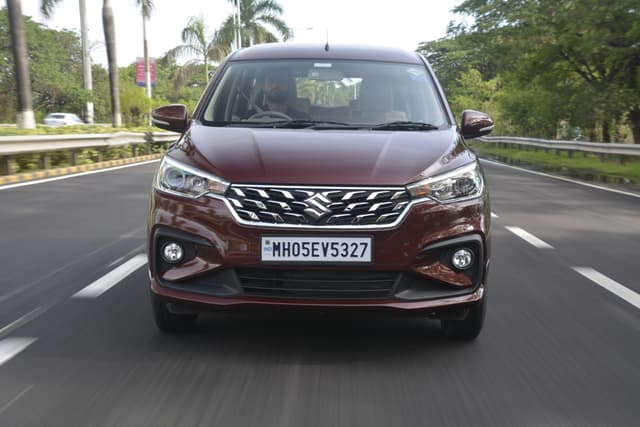
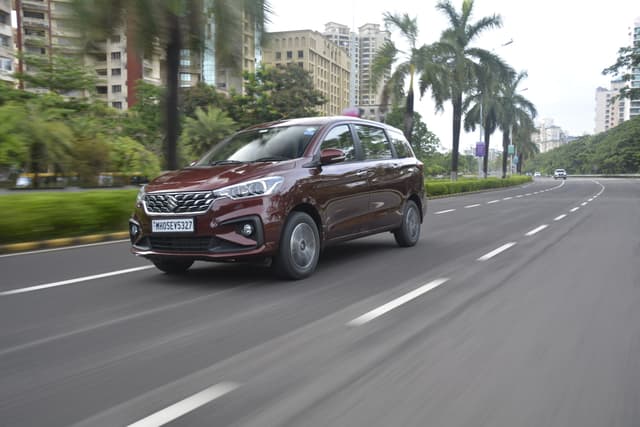
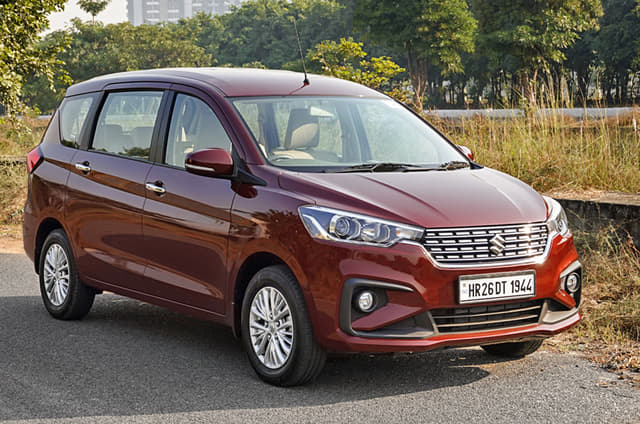
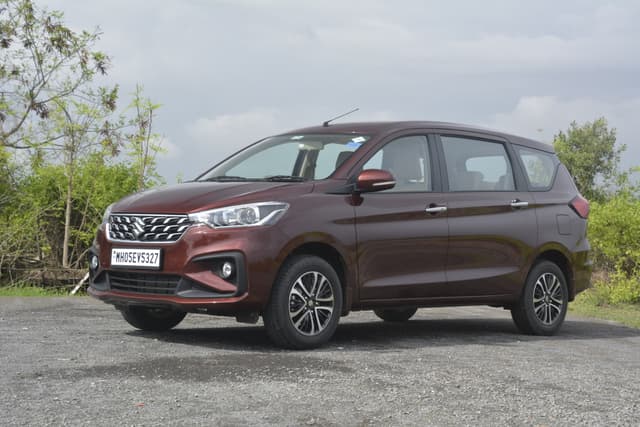
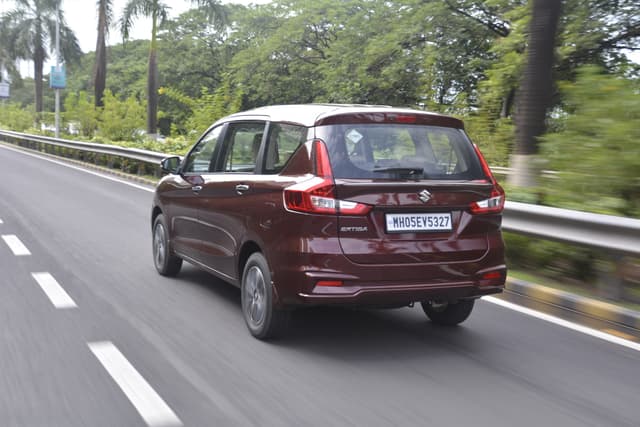
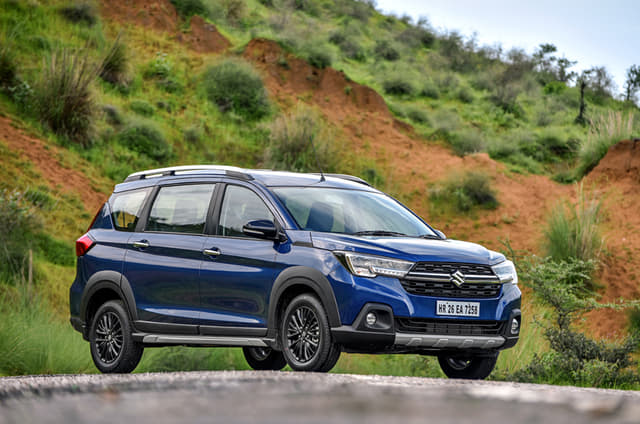
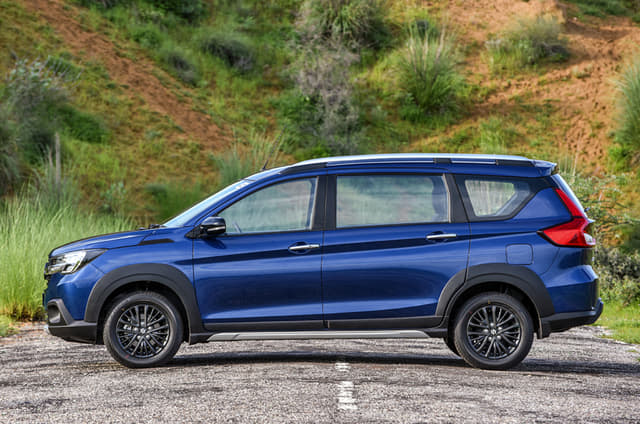
Go for the Maruti Suzuki Ertiga 1.5 petrol automatic. It meets your NA and torque-converter ask, is easy for Mumbai traffic, and offers the most comfort and luggage space under Rs. 15 lakh. Your parents will like the easy step-in, supportive second row that slides and reclines, and the soft ride on bad roads. For tours, fold the third row, and you get a huge, flat boot that swallows heavy bags without drama.The 6-speed torque-converter is smooth on ghats and in stop-go, and Maruti’s 1.5 is proven, simple, and inexpensive to run. Real-world fuel economy is decent if you keep speeds steady. VXi AT should fit your budget in Mumbai, but do check local on-road quotes.One downside is that with a full load on steep climbs, you will need to plan for overtaking. It’s not quick, just calm. If you don’t need seven seats, the Maruti Suzuki Brezza 1.5 AT is tighter to drive and is easier to park, but its boot is smaller, and the AT variants can stretch your budget. Wait for the update due later this year, though. The torque converter suits your use best. No need to chase other types.
My annual running is approx 30,000 km, mostly on highways. I am looking for a reliable 7-8 seater car which can give me good fuel efficiency and must be safe- preference would be a 5-star safety rating. Because I am stationed in Delhi, diesel cars have a 10-year life while petrol cars can be used for 15 years. Please suggest some options.
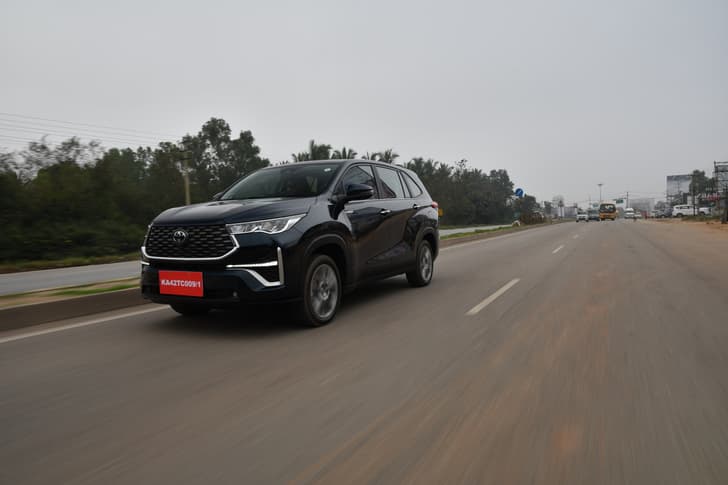
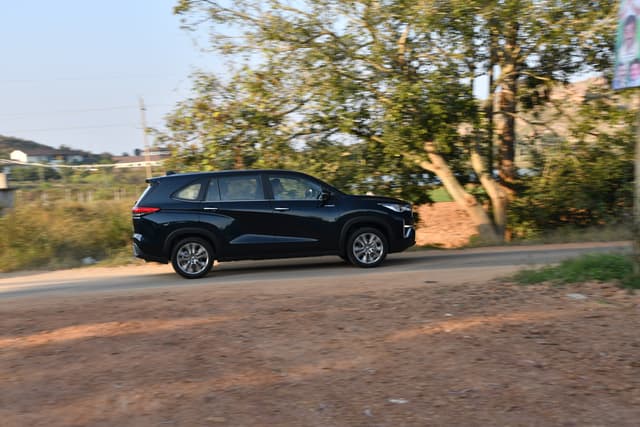
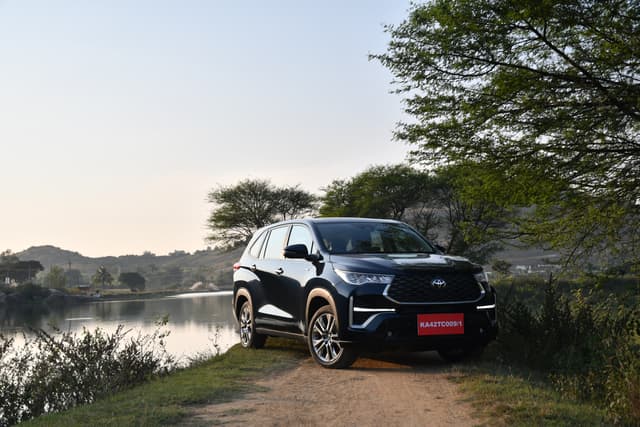
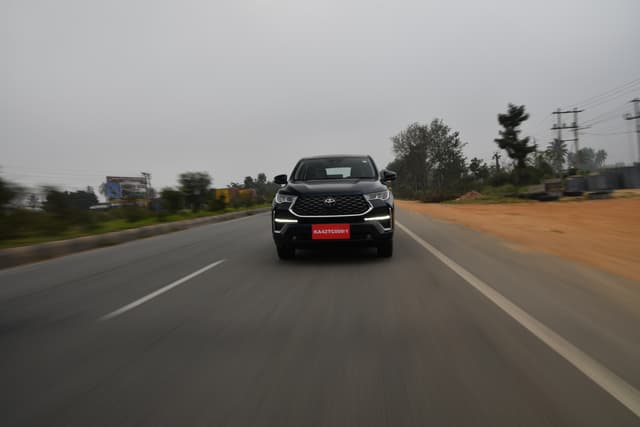
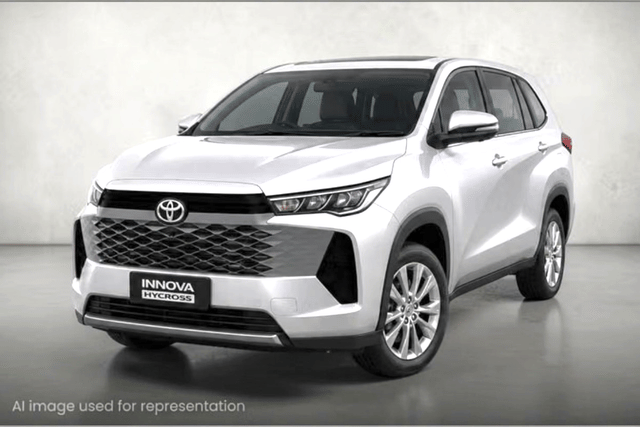
Go for the Toyota Innova HyCross hybrid. Since your running of 30,000 km a year on highways is quite high and you need a car for 15 years in Delhi, the HyCross’ petrol-hybrid fits both - expect real 16-18 kpl on steady highway cruises. It is a true 7-8 seater with a comfortable second row, a usable third row, and the sort of reliability that lets you rack up big miles without drama. It is also easy and calm to drive long distances, and higher trims add helpful highway aids like adaptive cruise.The Hycross also get multiple airbags, active safety tech and has received a full 5-star crash safety rating from Bharat NCAP. If you want the same powertrain and prefer Maruti's service, look at the Maruti Suzuki Invicto, which is essentially the same.
Which automatic 7-seater variant would be the best choice for my family between Mahindra XUV 7XO or Kia Carens Clavis? My usage pattern is mainly city driving in Bangalore with regular long-distance drives with family trips around twice a year. I am looking for a comfortable and practical 7-seater for family use. It should have good fuel efficiency, reliability, ride comfort, safety, and luggage space. My main concern is the uncertainty about the future of E20/E30 petrol fuel policies, although I am also comfortable buying a diesel vehicle. Please suggest the best automatic variant in either the Kia Carens Clavis or Mahindra XUV 7XO, considering long-term ownership, running costs, maintenance, resale value, and suitability for Bangalore traffic. My current vehicle is a Ford EcoSport.
Go for the Kia Carens Clavis diesel automatic, because it suits Bangalore traffic better and still handles your long drives with more usable luggage space. The Carens is easier to park and thread through city gaps than the larger XUV 7XO, its diesel automatic is smooth and far more efficient in stop-go Bangalore, and with all three rows up you still get a meaningful boot for a family trip.Your ethanol worry is a non-issue with the diesel. The 1.5 diesel is proven, service costs are reasonable, and Kia’s network in and around Bangalore is strong, which helps long-term ownership and resale. Ride comfort is calm enough for the highway, the third row is friendlier for adults than most, and the cabin is very family focused.One drawback is that it does not feel as powerful as the XUV 7XO. If you regularly cruise very fast or want the extra tech, the XUV 7XO diesel automatic is the alternate, but expect higher fuel bills and tighter boot and third row.
I want to buy a petrol 7-seater, preferably an automatic vehicle, mostly for city commutes with one or two long trips per year. My running is very low, around 200-300km per month. What options do I have within a budget of Rs 25 lakh? Low maintenance and value for money are my priorities.
Consider the Kia Carens Clavis 1.5 turbo-petrol DCT. It is not so large as to become cumbersome in the city, yet it comfortably seats seven and has a genuinely usable third row. The 1.5-litre turbo-petrol engine has enough power when fully loaded, and highway performance is strong too. Your budget will get you one of the mid or upper trims, which are very well equipped and offer good value for money. Kia’s after-sales service also has a good reputation in India.One catch is that the DCT can hesitate at times, but overall, it is quite smooth.If you want a more SUV-like presence, the Hyundai Alcazar is a solid choice too. It uses the same powertrain as the Clavis, so the driving experience is broadly similar. However, the Alcazar’s third row is not quite as comfortable for adults as the Clavis’s.Overall, the Kia Carens Clavis is a good fit for your needs.
Hi, So I need a 6/7 seater automatic car with occasional city driving and a bi-monthly out of town drive of around 500kms one way (otherwise monthly running of only 500 kms with 3 kms trips 4-5 times in a day). On road budget is around 21 lacs max, and a few essential points are: No Sunroof, Driver Seat Memory function, dual zone ac, physical ac buttons and side mirror auto adjustment on putting reverse gear. Also, confused if petrol should be taken because of recent Ethanol blending So far, I could select No car, which has all of the above, with Kia Clavis coming close.
The Kia Carens Clavis is probably the closest match to your requirements at this price point. The challenge is that the combination of features you're looking for is typically found on higher variants. In the Clavis, you'll need to move up the variant ladder to get most of these features, and that means accepting the sunroof as part of the package.As for the petrol versus diesel debate, your usage pattern actually favours petrol. Your monthly running is relatively low, and the frequent 3km city trips are not ideal for modern diesel engines. The occasional 500km highway journeys are easily handled by a petrol automatic. Ethanol blending should not be a major concern either, as modern petrol cars are engineered to run on the fuels currently available and planned for India.
I have a VW Taigun 1.5 GT Plus (automatic) and a Skoda Rapid. I'm planning to go for a new, bigger car in 6-9 months. My budget is 26-28 lakhs. It has to be automatic (petrol or EV), have 3 rows, and have excellent after-sales. The primary use would be as a family car that can seat 5 comfortably. I like the 7XO, but somehow the fit and finish felt worse than my Taigun. Great after sales is a key consideration. For this, I can stretch my budget by 10-15% if no good options exist.
Buy the Toyota Innova HyCross hybrid automatic. It is the only other bigger 3-row with space that will feel like a real step up from your Taigun. For a family of five, it is superb - wide, airy, comfy second row, and the hybrid makes city driving smooth and quiet while keeping running costs low. Toyota service, parts availability, and resale are about the best you can get at this price, and the cabin fit and panel consistency are better than those of the 7XO you sampled.The catch is the price and waiting period. The sweet-spot VX (O) and ZX trims push beyond Rs 30 lakh on road, and waiting periods can be long, so keep that in mind. Also, it will not feel as sharp to drive as your Taigun 1.5 TSI.If that's too far out of budget, two other options you can consider are the Hyundai Alcazar petrol or the Kia Carens Clavis EV. The Hyundai gets you the SUV body style, a punchy petrol-DCT combo, and comfy seating for 5 with the option of two smaller seats in the third row. The Clavis EV, meanwhile, may have a less desirable MPV shape, but it actually has more interior space and an equally well put-together cabin. Both Hyundai and Kia offer an excellent after-sales experience.
Hi experts, I have a query regarding our next family car purchase. We currently own a 2008 Hyundai Santro that has covered around 77,000 km so far. My parents are now planning to upgrade to a more spacious 7-seater. A few points about our usage: • We are a family of four, so the third row will remain folded most of the time and will primarily be used as additional luggage space. • Our annual running is quite low. • Around 70% of our driving is on highways. • We intend to keep the new vehicle for the next 10-12 years. The shortlisted models are: * Mahindra XUV 7XO AX7 Petrol Manual * Mahindra Scorpio N Z8 Select Petrol Manual * Hyundai Alcazar Prestige * Tata Safari Adventure X Plus Petrol Manual One concern that is making the decision difficult is the possibility of higher ethanol blending in petrol in the future. We are not considering a diesel vehicle because our low running could lead to DPF-related issues. Considering our usage pattern, long-term ownership plans, and concerns about future fuel standards, which option would you recommend and why? Thank you in advance for your guidance.
Pick the Mahindra XUV 7XO AX7 petrol manual. Your driving is mostly highway and you plan to keep it 10-12 years, and this one feels the most relaxed and secure at speed, with a comfy second row and a big, usable boot when the third row is folded. The performance, refinement and reliability of the engine is also very good but the only downside is a low fuel economy, single digits or low double digit figures if you are careful. But since your driving is low this should not be a big issue. The XUV 7XO is E20-ready, as are the others, so your ethanol worry for the next decade is largely covered. If blends rise beyond E20 later, expect a small drop in economy across all petrol rather than a single clear loser. Between the rest, the Tata Safari would be an option, as it too offers a very good ride quality and stability at speed is good. The third row is also more comfortable but this would not be an advantage for you given that it would remain a luggage area only. As for the Scorpio N, it is tough but heavy and bouncy on long highway runs and noticeably thirstier; it suits rough roads more than long fast cruises. The Alcazar is easier to drive in the city and will use less fuel, but it is narrower, and it does not feel as planted or as reassuring as the Mahindra or the Tata on long highways.
Hello, We are a family of four, although my elder son lives in a different city and visits us once every couple of months. Our cars are almost entirely chauffeur-driven, though I do occasionally enjoy driving on long trips myself. I had booked the Toyota Innova Hycross VX 7-seater primarily for its excellent second-row comfort and practicality. However, with the recent rise in petrol prices and growing government discussions about E25/E30 fuel blending, I am now reconsidering whether to cancel the booking and instead opt for the Mahindra XEV 9e. I personally prefer practical, no-nonsense cars over feature-heavy luxury gimmicks. For example, I specifically chose the lower Hycross variant because I do not really care for features like ottoman seats, which actually compromise legroom for me, or panoramic sunroofs. Similarly, the triple-screen layout in the XEV 9e also feels unnecessary to me. What attracts me towards the XEV 9e is the possibility of being relatively future-proof against changing fuel policies and rising fuel costs. However, I also understand that the XEV’s fixed second-row setup may not be as spacious or comfortable as the Hycross for chauffeur-driven usage. My priority is a comfortable, premium-feeling, reliable, and sensible long-term ownership experience within a budget of around ₹30–35 lakh. Between the Toyota Innova Hycross VX and the Mahindra XEV 9e, which one would you recommend, considering comfort, practicality, future readiness, ownership experience, reliability, chauffeur-driven comfort, and long-term peace of mind?
For your very specific use case, we would actually stick with the Innova Hycross VX rather than switch to the Mahindra XEV 9e.The reason is simple. You are almost entirely chauffeur-driven, value second row comfort, want a no-nonsense premium family car and do not care for gadgetry for its own sake. That is exactly where the Hycross plays to its strengths. The second row comfort and sheer sense of space in the Hycross is simply better, especially since you have consciously chosen the VX to avoid gimmicks while keeping the practical bits that matter. The XEV 9e is an impressive EV, but its fixed rear bench and lower knee room make it less ideal for a chauffeur-driven owner who will spend meaningful time in the back.On the fuel and ethanol concern, we would not let that drive the decision. The Hycross hybrid is already very efficient for a vehicle of its size, and while E25/E30 discussions are ongoing, any move beyond current blends will be gradual. Beyond a certain threshold, proper flex fuel solutions and lower blend availability for existing cars would need to coexist. We would not cancel a purchase decision around a hypothetical future policy shift.
Please suggest a car for my usage requirements. My monthly running is around 2,000-2,500 km, with daily travel of nearly 200 km for commuting within Delhi NCR, so I am not considering a diesel car. I am a first-time buyer looking for a safe and reliable 5-seater family car. My driving ratio will be around 65% highway and 35% city use.
With a daily 200 km Delhi-NCR commute, mostly highway, five seats and no diesel, the Toyota Urban Cruiser Hyryder strong-hybrid (petrol automatic) is the best fit. It keeps engine revs low on the highway and switches to electric drive often in slow city parts, so it feels smooth and calm after a long day. Toyota’s hybrid tech has a strong track record, and the brand’s wide service reach adds peace of mind for a first-time buyer. For safety, you get key features like six airbags and stability control on the higher trims, and the car feels steady at speed, which matters on expressways.Know the trade-offs. The hybrid costs more than a regular petrol, and the boot is a bit smaller because of the battery. Also, it is quick enough for safe passes, but it is not a thrill machine.If you prefer a sedan then consider the Honda City strong-hybrid.
Last Updated on: 20 Jul 2026