Upgrading to vs BE6



Last Updated on: 16 Sep 2026
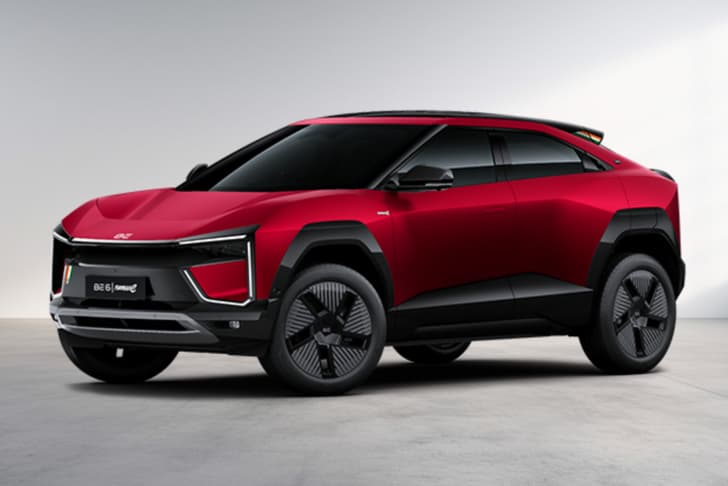
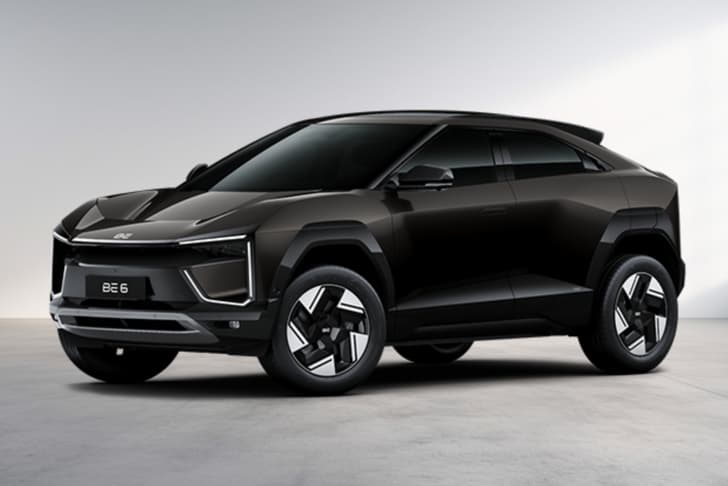
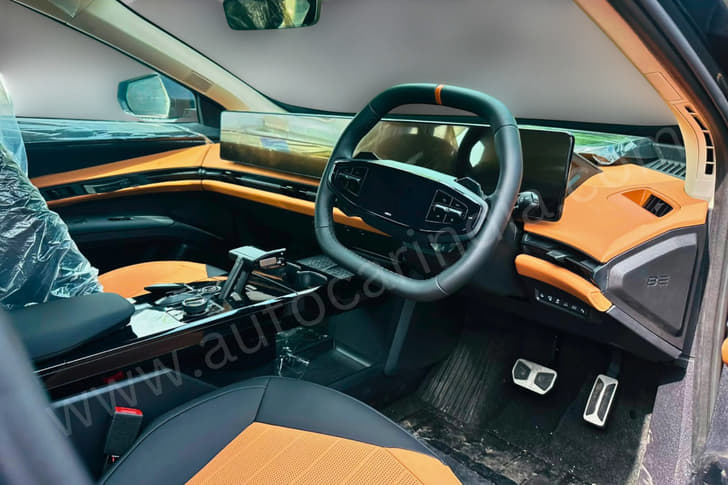
 Driver Attention Warning1-zone Climate ControlWireless Android AutoAlexa Compatibility60:40 Rear Seat Backrest SplitWith Display Tyre Pressure Monitoring System2-zone Climate ControlHarman/Kardon Branded Music SystemDigital KeySoft Touch Door TrimFixed Glass Sunroof2 Type C Second Row USB portFront Only Ventilated SeatsSequential Turn IndicatorsDigital KeyPowered Tailgate with Gesture ControlAuto Pop-Out Door HandleFixed Glass SunroofDigital KeyHarman/Kardon Branded Music SystemKeyless EntryManual Pop-Out Door HandleFixed Glass SunroofDigital KeyHarman/Kardon Branded Music System7 AirbagsAuto ParkingFront Only Ventilated SeatsAuto Pop-Out Door HandleFixed Glass Sunroof7 AirbagsAuto ParkingFront Only Ventilated SeatsAuto Pop-Out Door HandleFixed Glass Sunroof7 AirbagsAuto ParkingFront Only Ventilated SeatsAuto Pop-Out Door HandleFixed Glass Sunroof
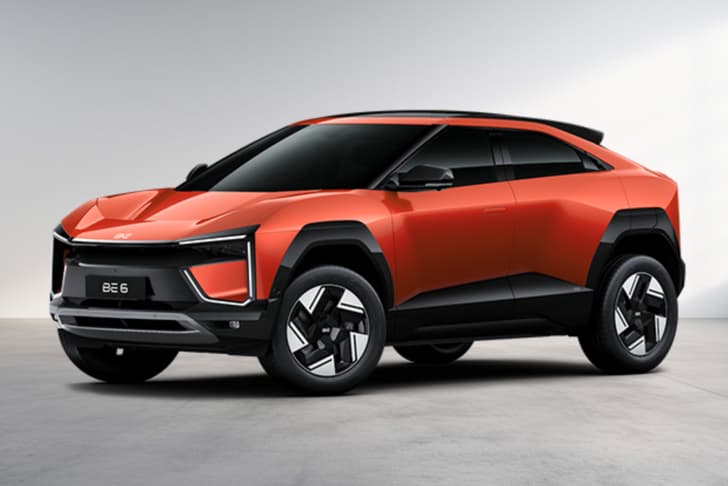
Mahindra BE 6 Sporteq Official Brochure
Download the complete brochure with specs, features, and variants.
Join the Discussions
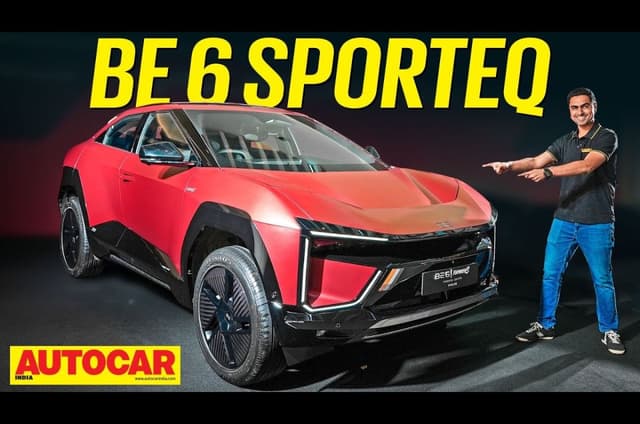
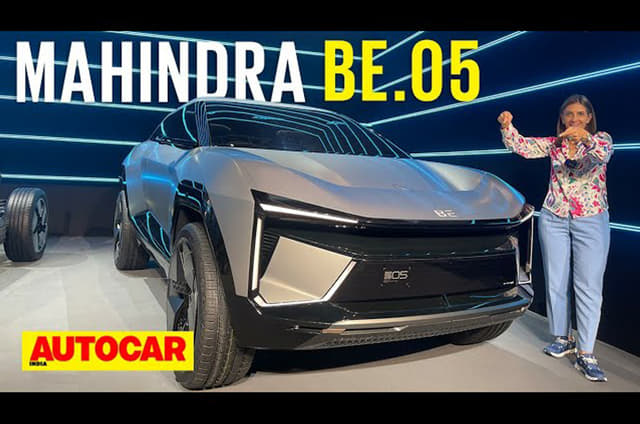
Hi, I have a Kia Carens 1.5 turbo DCT and an Xcent AMT. I am looking to replace the Xcent with an EV. My monthly running is around 20k km, with mostly city usage. I want a sporty EV in the Rs. 20-25 lakh price range that will be more enjoyable to drive than the Kia.

 Mahindra BE 6 SporteqVinfast VF7
Which is the better choice between the Mahindra BE 6 SporteQ (top-spec) and the Mahindra XEV 9e Cineluxe Edition (top-spec)?
Mahindra XEV 9eMahindra BE 6 SporteqI’m confused between the Mahindra BE 6, Tata Harrier EV, and, if not an EV, the Kia Seltos Diesel AT for my first car. I’m 27 years old, and my annual running is only around 7,000-8,000 km, with a daily commute of 15-20 km. My budget is Rs 21-22 lakh. I have access to home charging in my apartment society at Rs 10.5/kWh and workplace charging at Rs 22/kWh. If I buy the Mahindra BE 6, I plan to keep it for at least 8-10 years. If I choose the Kia Seltos Diesel AT instead, I’ll likely sell it after 4-5 years and switch to an EV once the market matures further. Considering my low annual running, long-term ownership plans, reliability, resale value, and overall ownership costs, which would you recommend: the Mahindra BE 6, Tata Harrier EV, or the Kia Seltos Diesel AT? The car will primarily be used by two people, although my parents may also start using it for regular city driving in the next 4-5 years.
Kia SeltosTata Harrier EVTata Sierra EVMahindra XEV 9eHi, I am a 27-year-old first-time car buyer from Delhi NCR. My daily commute is around 25 km, including a mix of expressway and city traffic. My monthly running will be around 600 km, with an expected annual running of 7,000-8,000 km. I have access to EV charging at my apartment (Rs. 10/kWh) and at my workplace through a Statiq charger (Rs. 22/kWh). I was considering the Mahindra BE 6 Pack Two 59 kWh, as the car will mostly be used by my wife and me. I may send it to my parents in my hometown after 4-5 years, but not before that. My budget is around Rs. 21-22 lakh. The BE 6 is currently available with a Rs. 1.5 lakh discount, and a new version is expected to be announced soon. Would you recommend buying the BE 6 now, waiting for the updated version in the hope of better discounts, or opting for a Kia Seltos Diesel (Rs. 17-19 lakh) and upgrading to an EV after 4-5 years? I am not considering petrol cars because of concerns regarding E20 and future E25 fuel compatibility.
Kia SeltosI’m planning to buy an electric SUV in Delhi with an on-road budget of Rs. 20-21 lakh. My usage will mainly involve a 30-40 km daily office commute, along with occasional weekend highway trips. The VinFast VF6 Wind Infinity has caught my attention because of its design, features, and range, but I’m hesitant about its after-sales support, service network, resale value, and long-term reliability. Given my requirements, would you recommend the VF6, or is there a better EV in this price range that offers a more dependable ownership experience?
Vinfast VF6Hyundai Creta Electric