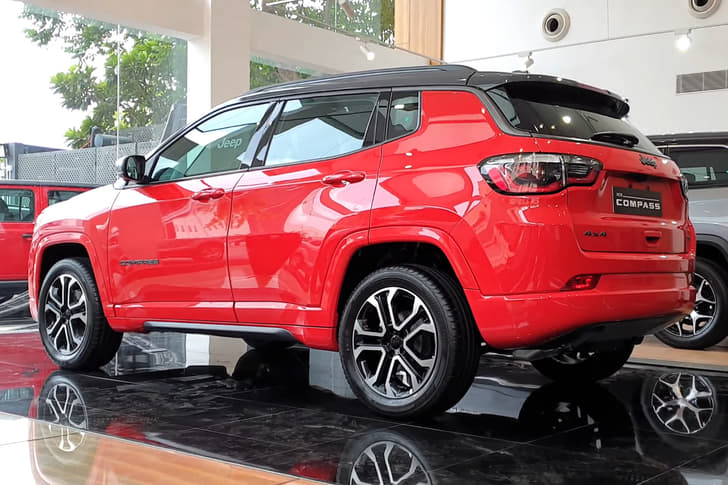
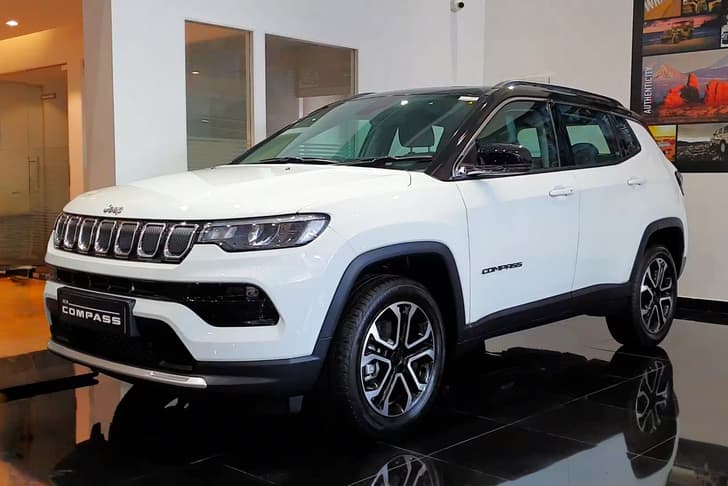
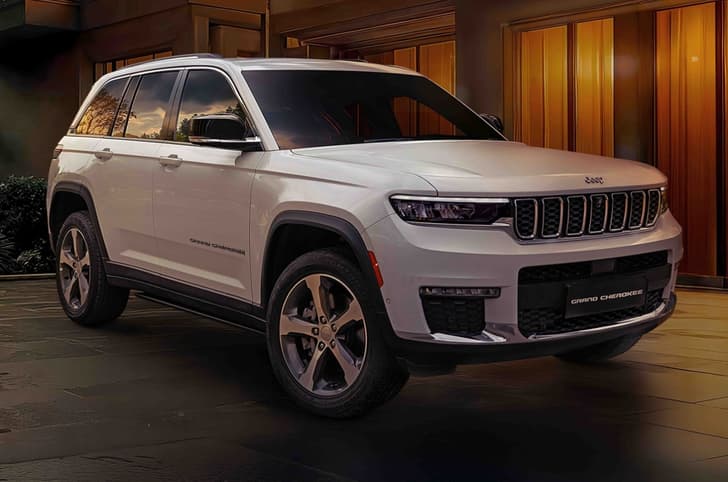
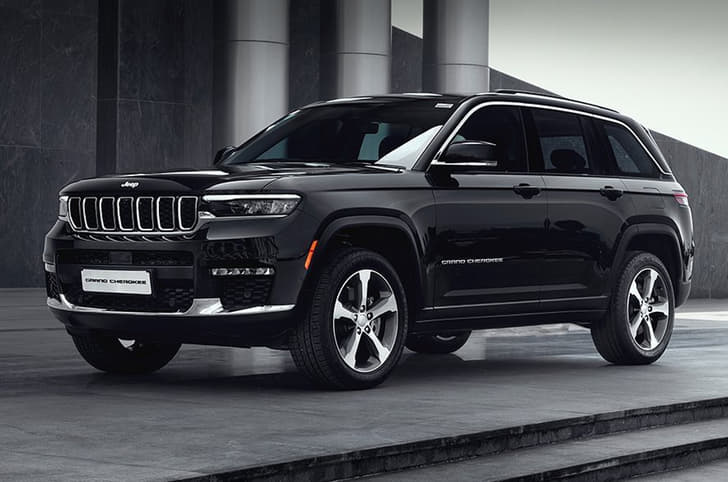
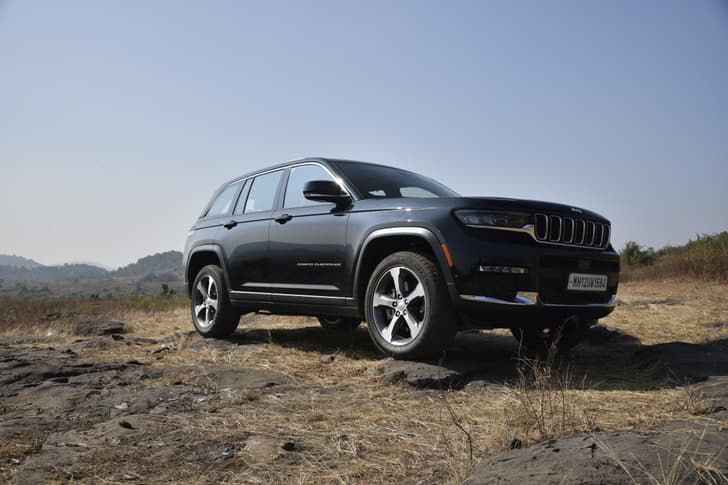
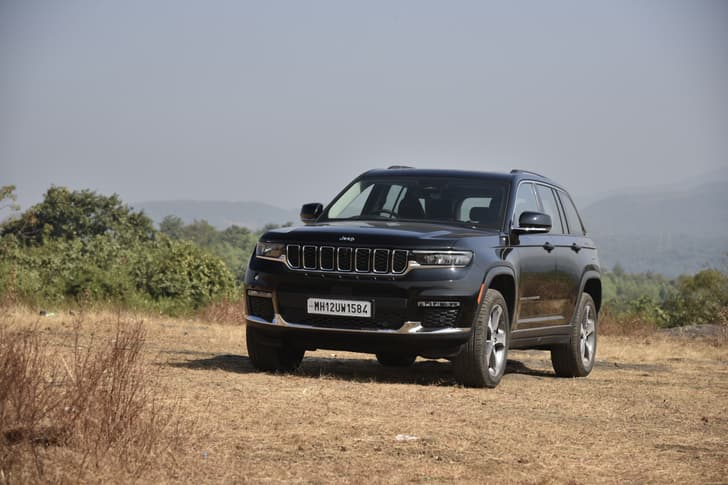
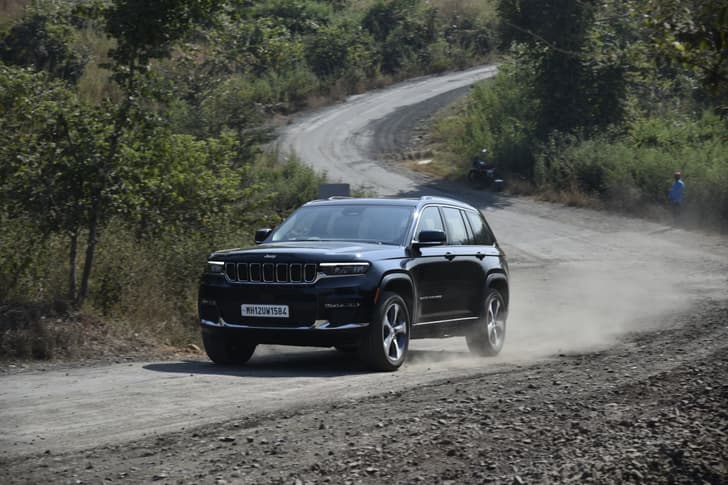
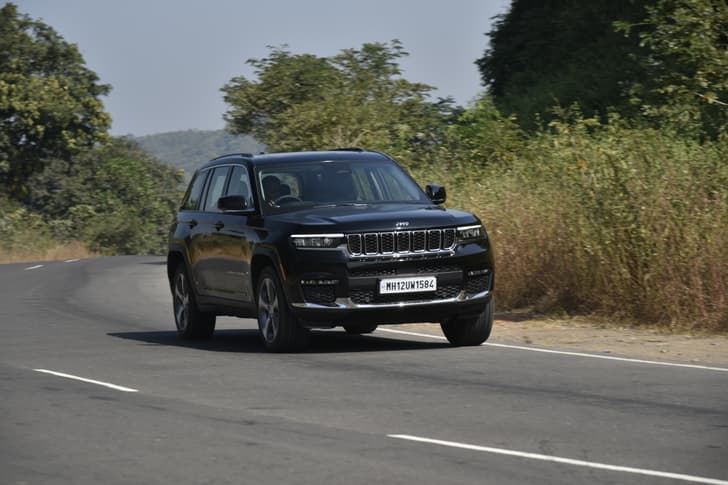
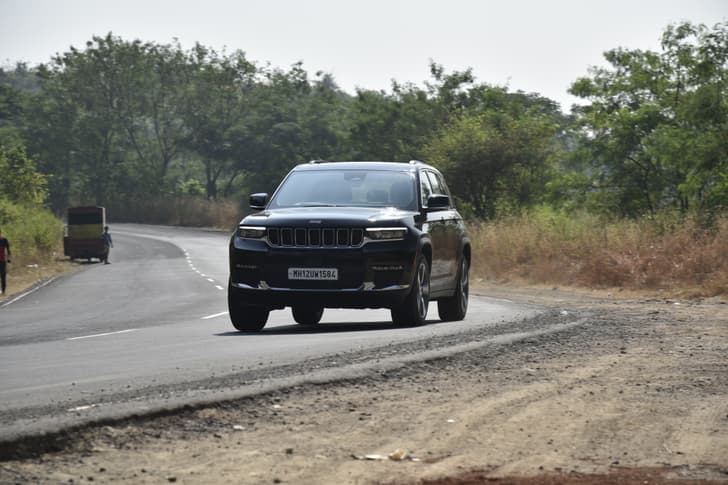
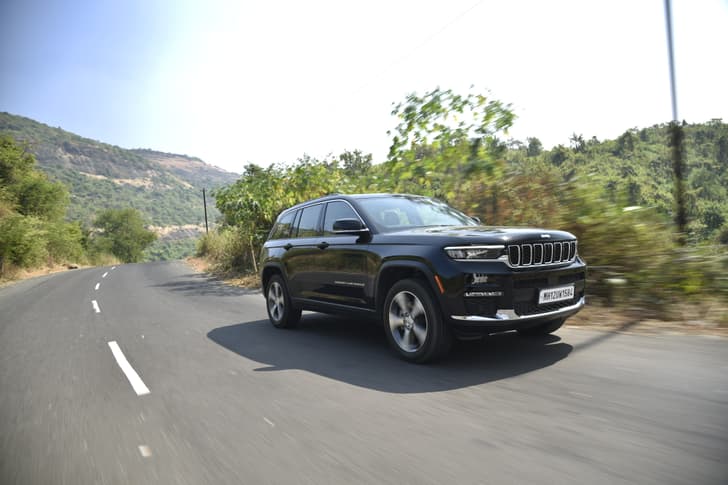
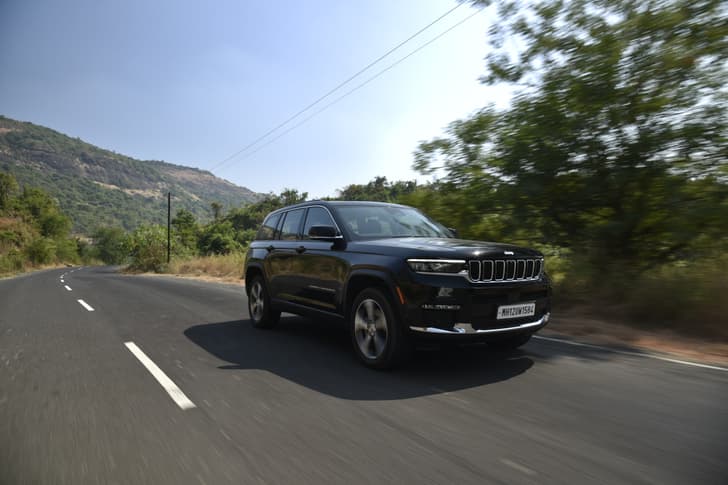
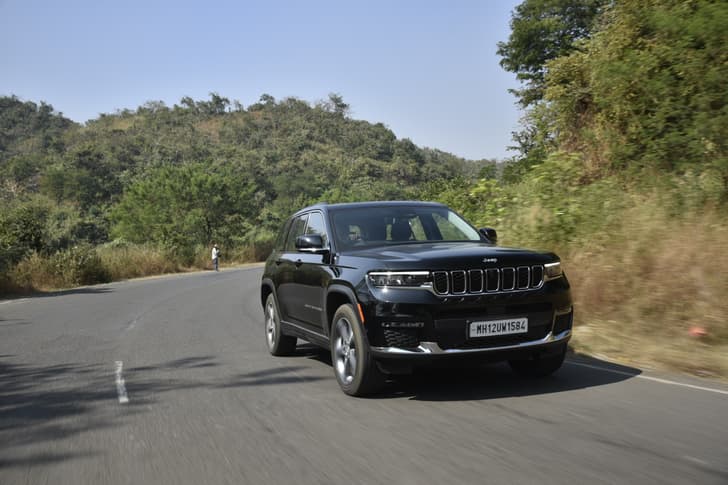
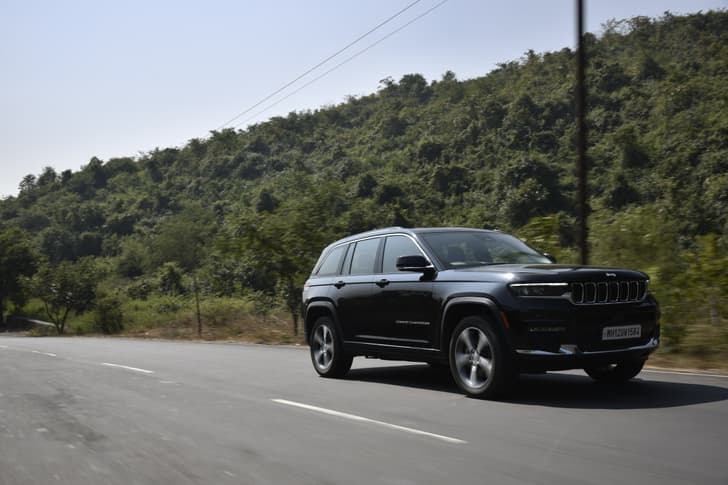
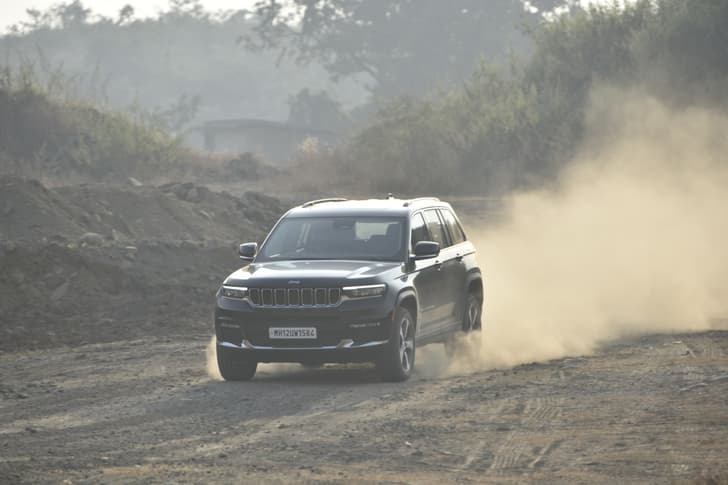
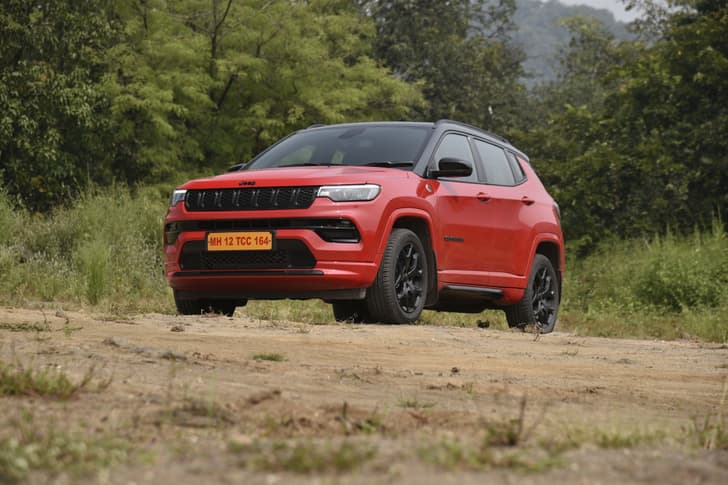
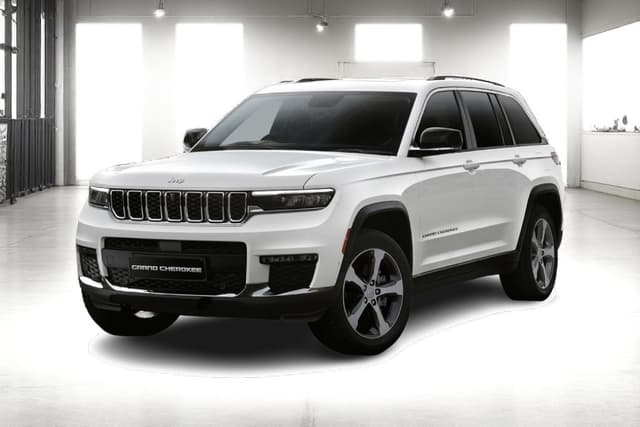
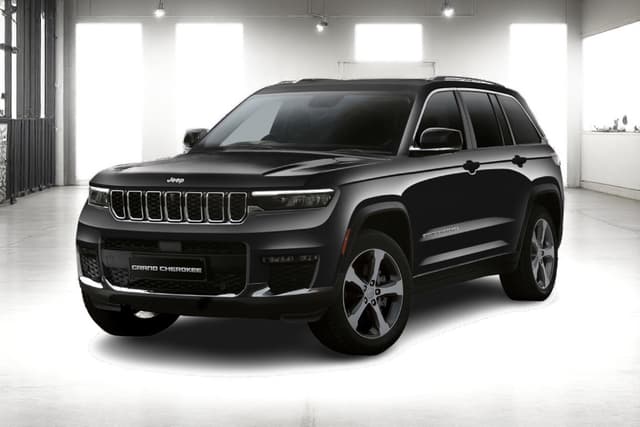
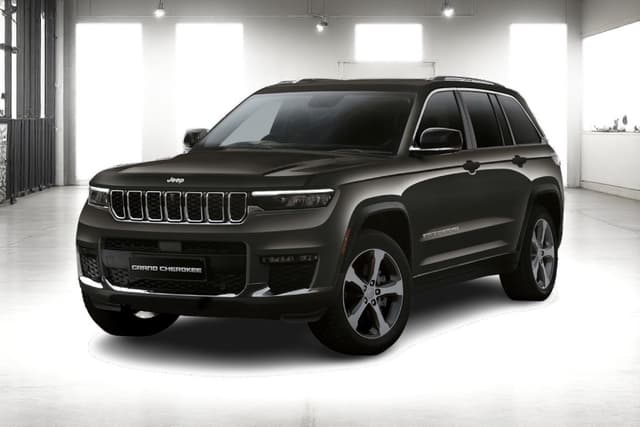
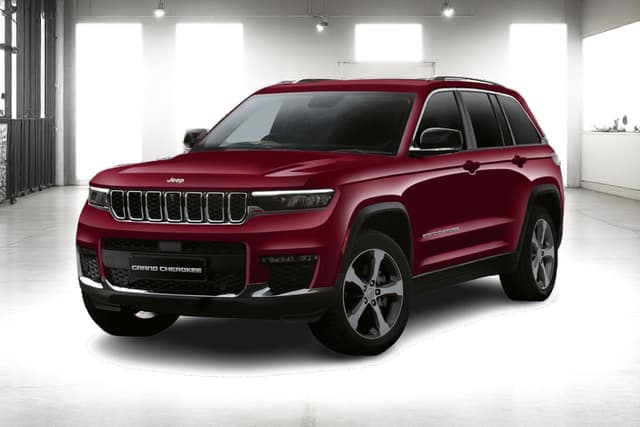
Having owned this vehicle for a year now and driven over 13,000 kilometers, here’s my experience so far: In my opinion, it is the best value‑for‑money SUV in its segment—and even above—when you consider the capability this JEEP offers. Don’t be swayed by reviews that criticize it for not offering a 6‑cylinder engine. The 6‑cylinder Penta-star is an older, non–direct-injection engine, whereas the current 2.0‑liter direct‑injection twin‑scroll turbo is far more advanced. The turbo is also integrated directly onto the cylinder head rather than being adapted later for the engine. If you look up drag race comparisons between the 6‑cylinder Penta-star and the 2.0‑liter turbo on YouTube, the results may surprise you. Yes, there is some initial turbo lag—common across all turbocharged petrol engines. I previously owned a Jeep Compass 1.4 MultiAir Turbo (Petrol Manual), and that had noticeably more lag than this. Once this engine crosses 2,000 RPM, it definitely doesn’t feel like a small 2.0‑liter. To be honest, the lag was more evident during the first 4,000–5,000 km, but now past the 10,000‑km mark, the engine has opened up significantly. Coming from the Compass, the ride isn’t as flat, mainly due to the increased height of the Grand Cherokee. However, compared to other proper 4x4 vehicles, it still offers one of the best driving experiences. It may not match the plushness of a Mercedes, BMW, or Volvo—but those aren’t true 4x4s either. What I miss: - The Frequency Selective Dampers from the Compass, which played a crucial role in vehicle dynamics. - A more premium interior feel. - OEM accessories are quite pricey (aftermarket options are much more economical). - While the 20‑inch alloys look stunning, an optional 18‑inch setup would have helped improve ride comfort.
Read more