Central Hyundai-Belmar
Sanawad Rd, Belmar, Khargone, Madhya Pradesh 451001
Last Updated on: 23 Jul 2026

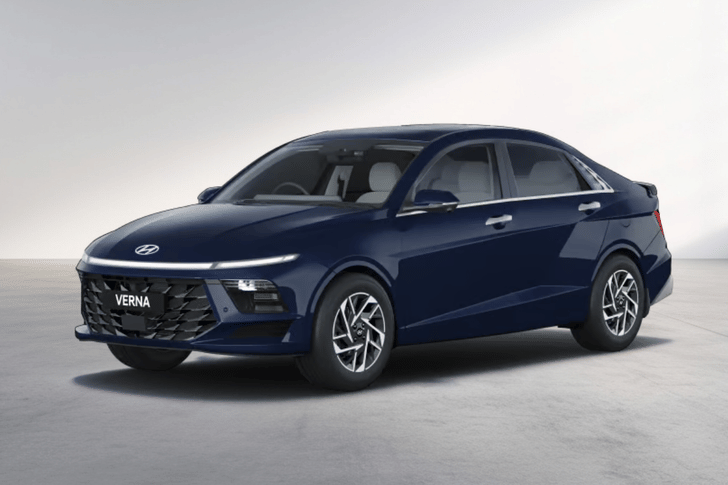
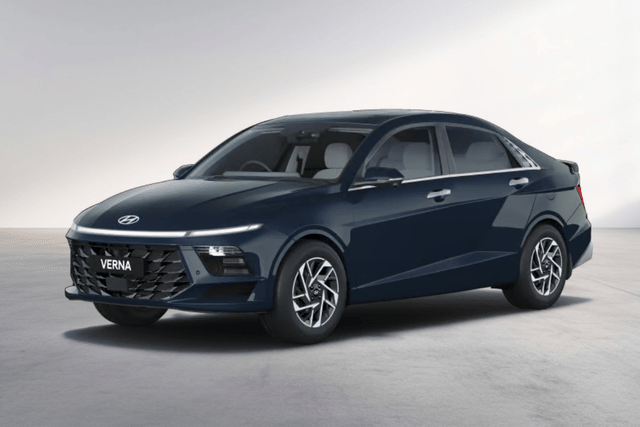
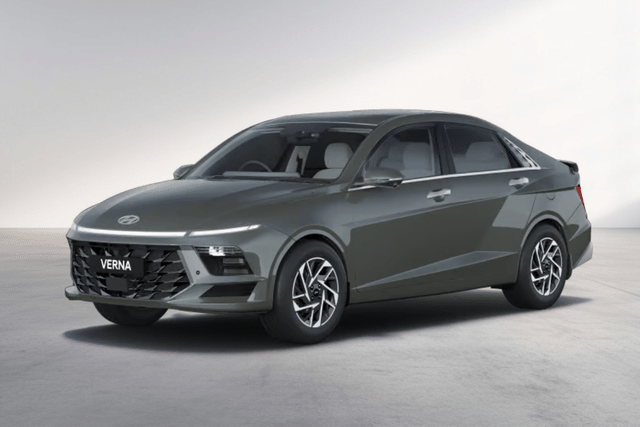
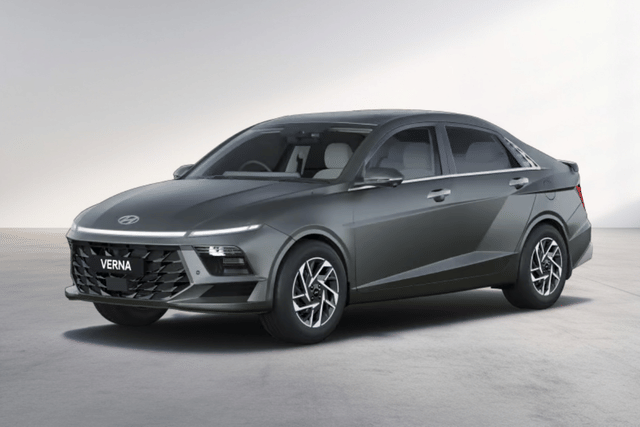
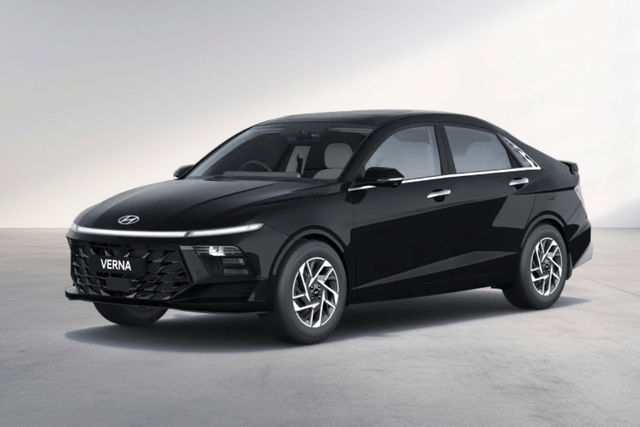
Hyundai Verna price in Khargone
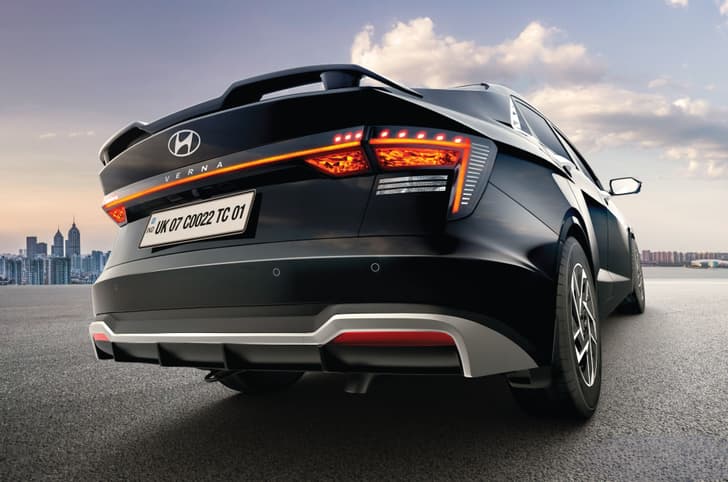
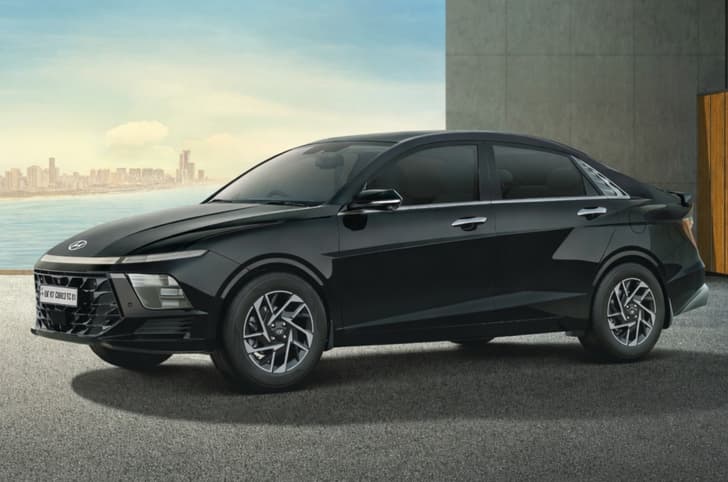
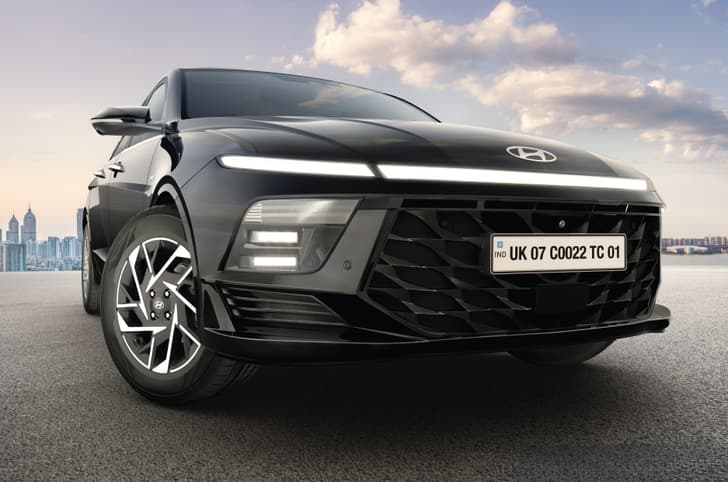
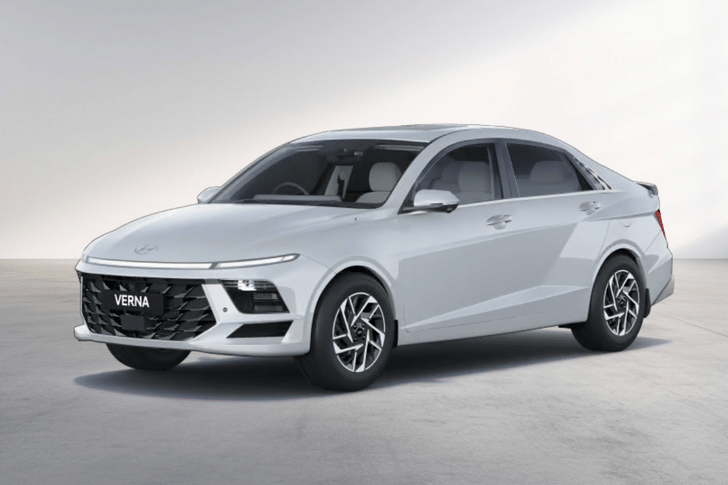
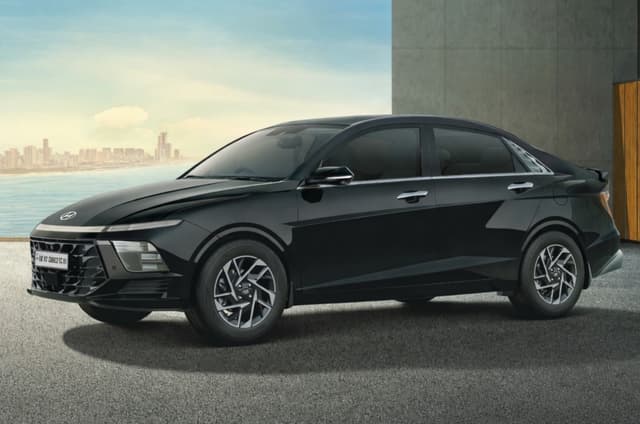
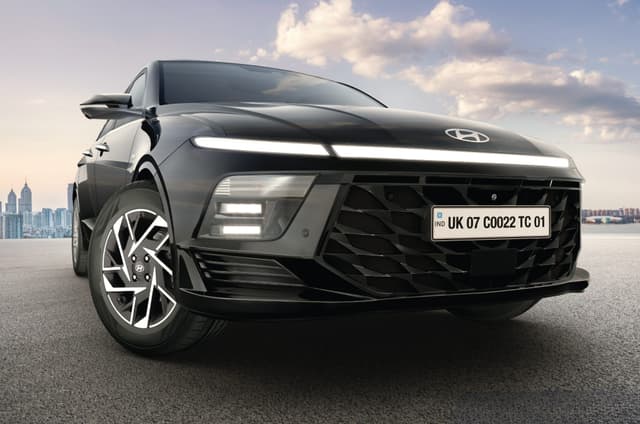
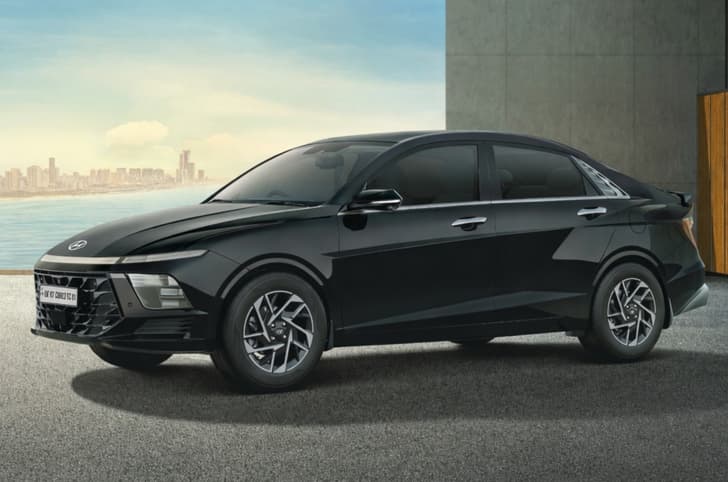
The Hyundai Verna price starts from Rs 10.99 lakh, ex-showroom, for the HX2 Petrol MT base model and goes up to Rs 18.26 lakh for the HX10 Turbo Petrol DCT top model. The Verna on road price in Khargone begins at Rs 12.54 lakh and extends to Rs 20.82 lakh. Check out the Hyundai Verna on road price in Khargone for all variants to see what fits your budget and preferences.
* Estimated on-road price. Final amount may vary.
Hyundai Verna Official Brochure
Download the complete brochure with specs, features, and variants.
Planning to buy Verna? Here are a few dealers in Khargone
Sanawad Rd, Belmar, Khargone, Madhya Pradesh 451001
.jpg?w=640&q=75&fm=auto)


Considering a 10 percent down payment and 7-year loan tenure, the Verna EMI starts at Rs 18,502 in Delhi.
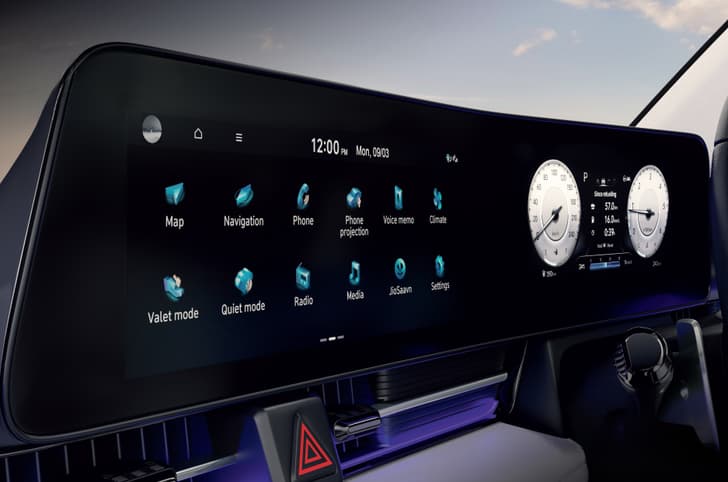
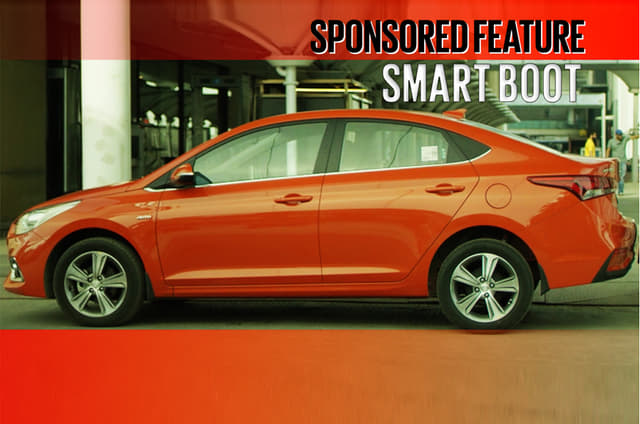
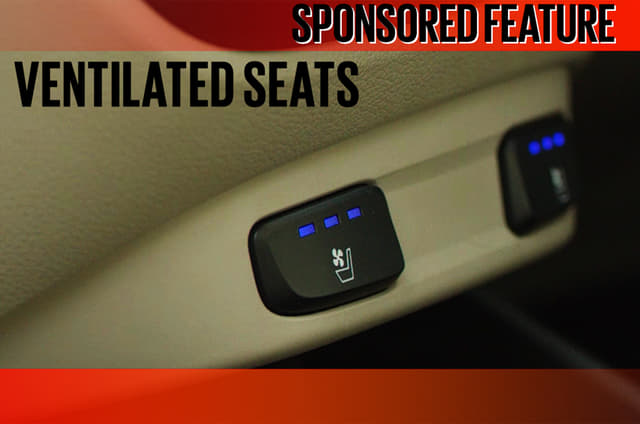
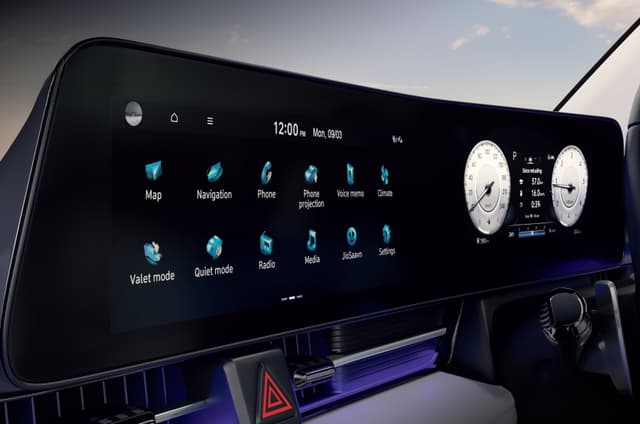
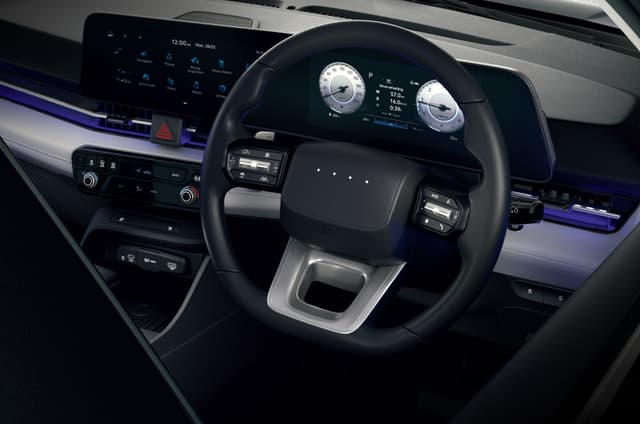
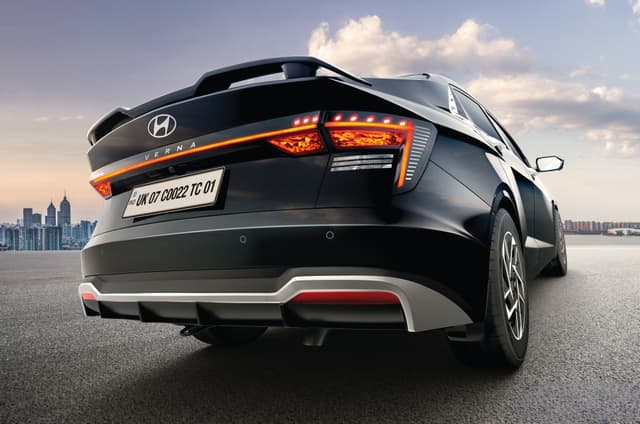
The Hyundai Verna packs a lot of features right from its base trim. Higher trims of the midsize sedan even offer the option of a turbo-petrol engine option. Overall, the Hyundai Verna does represent good value for money.
My 2025 Verna naturally aspirated automatic is providing only 7- 9 km/l mileage in the city with the AC switched on. Is this the same experience for other owners, or is there something wrong with my car? The car has run only 3.5k km so far.
That fuel efficiency figure does sound a little on the lower side for the Hyundai Verna naturally aspirated petrol automatic, but it is not necessarily abnormal depending on your driving conditions. In dense city traffic with the AC running, frequent stop-start driving and short trips, it is not uncommon for fuel efficiency to drop into the 7-9 km/l range. The Verna’s naturally aspirated petrol engine is smooth and refined, but it is not the most fuel-efficient unit in heavy urban conditions, especially when paired with an automatic gearbox.At 3,500 km, the engine is still relatively new and may improve slightly as it loosens up, but do not expect a dramatic change. If your driving is predominantly bumper-to-bumper city traffic with the AC on, this figure is within the expected range. If you start seeing figures below 7 km/l consistently, or if this Hyundai car feels sluggish or rough, it would be worth having the car checked by the service centre. Otherwise, this is largely a reflection of the driving conditions rather than a problem with the car.
I currently own a Ford Endeavour, which I use for my daily office commute, and a Hyundai Venue, which my wife and kids use. My third car is a 2018 Honda City, which I now plan to replace. I'm considering the Hyundai Verna 2026, Volkswagen Virtus 2025, and Skoda Slavia. I'll be using the new car frequently. Which one should I choose?
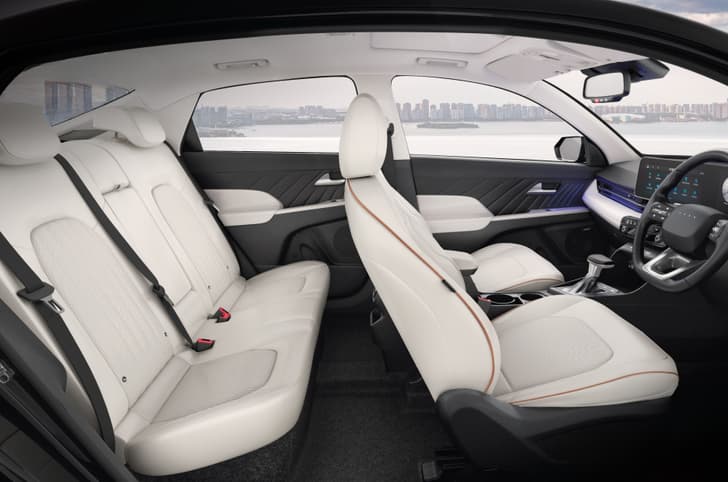
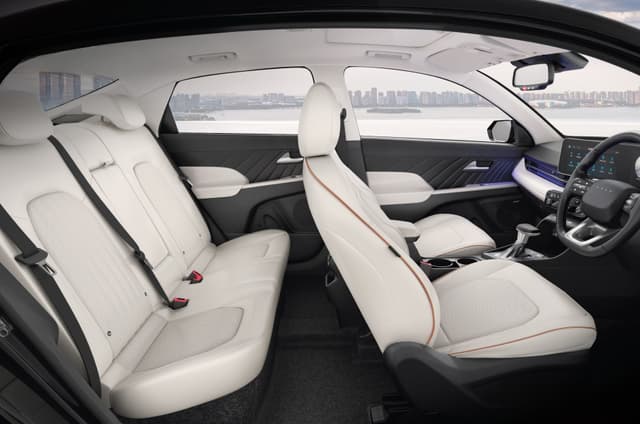
Pick the Hyundai Verna. Coming from a City, you’ll appreciate the airy cabin, big rear seat and boot, and the way it smooths out rough patches. You said you’ll use it frequently, and the Verna feels secure and relaxed at highway speeds while still being easy in tight city gaps, so it won’t feel like a step down from your Honda on the daily grind. It's also well equipped, and you get a choice of two distinct petrol engines, a 1.5-litre naturally aspirated unit and a 1.5-litre turbo-petrol. The former is the better all-rounder, smoother and lighter on the pocket, with the better auto gearbox - a CVT. The latter is punchier but drinks noticeably more fuel and gets a clunkier DCT gearbox. If your usage is mostly on the highway, the turbo petrol might make sense, but in most cases, the regular 1.5 petrol is better.The Skoda and Volkswagen are also excellent choices, especially if you enjoy driving. Their turbo engines are punchy, though they are also heavy drinkers if you are not careful, and Skoda/VW service is not quite as bulletproof as Hyundai's. Moreover, both sedans are due for a facelift very soon, so we would recommend waiting to see what's in store before taking the plunge. If you're in a hurry, though, the Verna is the safer bet.
I really liked the Hyundai Verna 1.5 Turbo DCT during the test drive. I have been driving a Honda Jazz for the last 11 years. While the Verna is definitely more powerful than the Honda City, would it still be the better choice compared to the City in terms of ride and handling? Also, how reliable is the DCT in stop-and-go traffic in Chennai? My usage is 60% within Chennai city and 40% on highways, including occasional 1,000 km drives from Chennai to Kerala.
Pick the Honda City automatic for your mix of Chennai crawl and marathon Kerala runs. The City rides a touch comfier over broken roads and has a more natural steering feel, which matters on a 1,000 km day when you are tired and just want an easy, steady car.The Hyundai Verna 1.5T DCT is the faster car and feels nicer on open roads, no question. But a dual-clutch can hesitate at times in stop-and-go traffic, whereas the City's CVT is seamless.If you crave the Verna’s shove for quick highway overtakes, it is tempting. Just be honest about your daily crawl. For hassle-free city use and relaxed long drives after 11 years in a Jazz, the City will feel familiar, calmer and easier to live with.
I prefer sedans to the pseudo SUVs available in the market. Does this make sense in 2026? In sedans, my preference is the Hyundai Verna. Should I go for the Hyundai Verna HX10 DCT or the Hyundai Verna HX10 IVT? I drive the car myself, and my running is intercity, with roughly 80% of it on highways. I drive around 2,500-3,000 km a month. Safety, mileage, performance, and easy, pocket-friendly maintenance are my main concerns. At present, I own a Hyundai i20 Asta (O) DCT.
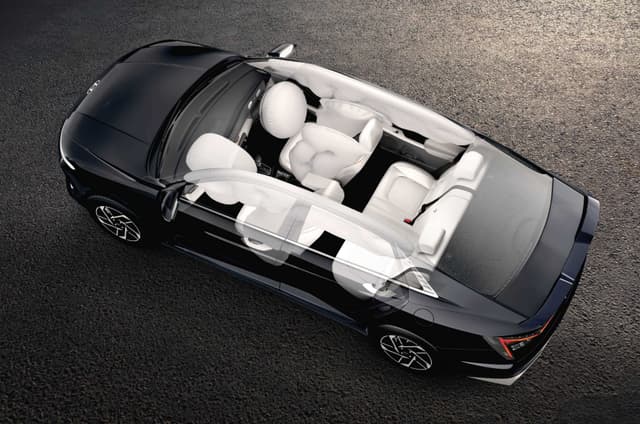
Go for the Verna HX10 DCT for your use. With 2,500-3,000km a month and 80% of it on the highway, you'll prefer the added punch from the turbo-petrol engine. The DCT is the quicker, more exciting choice. If you live for sharp overtakes and already enjoy your i20 DCT, you will like it. The 1.5 petrol IVT will be smoother in the city and slightly better on city mileage, but given your usage, the difference won't be so much.Either way, the safety kit is the same, and the Verna stays stable and quiet at speed. The Verna has also scored a 5-star Global NCAP crash test rating. And yes, choosing a sedan still makes sense in 2026 - the lower centre of gravity means better highway stability and braking, and you will usually get better mileage than a similar SUV at this price.
I own a Maruti Suzuki Ritz and want to replace it with a sedan. Should I choose the Hyundai Verna or the Honda City? I am looking for a car that is smooth and easy to drive.
Pick the Honda City, ideally the petrol automatic, because it is the smoothest and easiest to drive in traffic. Its engine is very calm at low speeds and the automatic glides along without fuss, the steering is light, and the big glass area makes it simple to place in tight streets. Coming from a Ritz, the driving position and light controls will feel natural, and the cabin is roomier, so family runs are easier too.The Verna is a strong second option if you want a sharper look and extra features. The 1.5 petrol with the automatic is smooth enough, but the turbo with the automatic can feel a bit snappy in stop-go, which takes away from that easy driving you want.If your priority is a relaxed, fuss-free sedan for city use with occasional highway trips, go City. It just feels effortless.