Autocar India

Volkswagen cars in India (7)
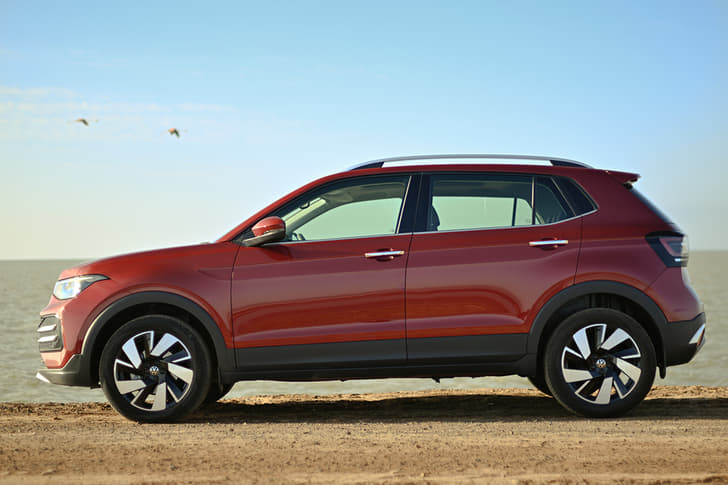
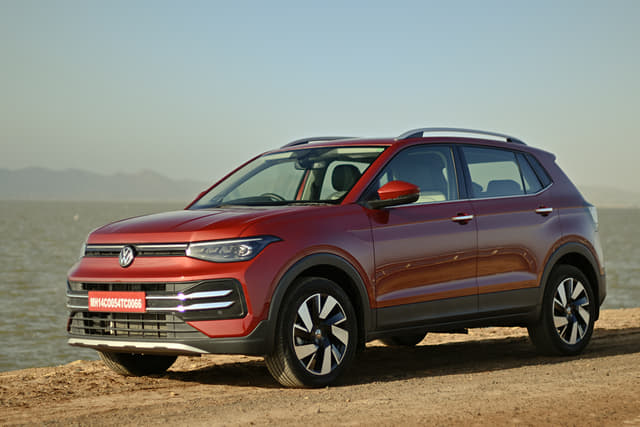
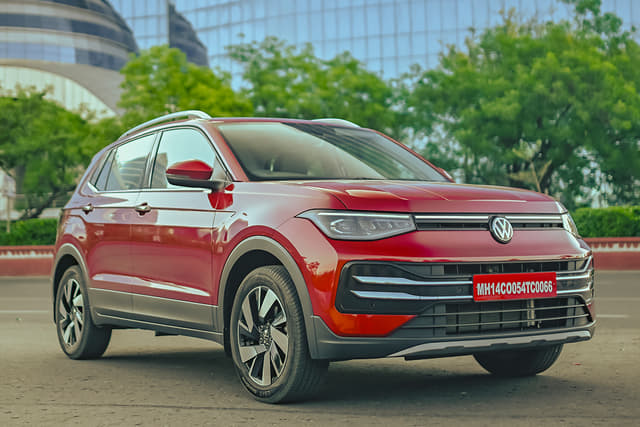
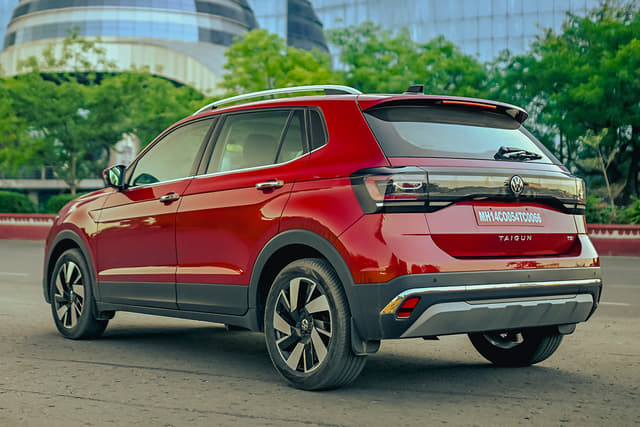
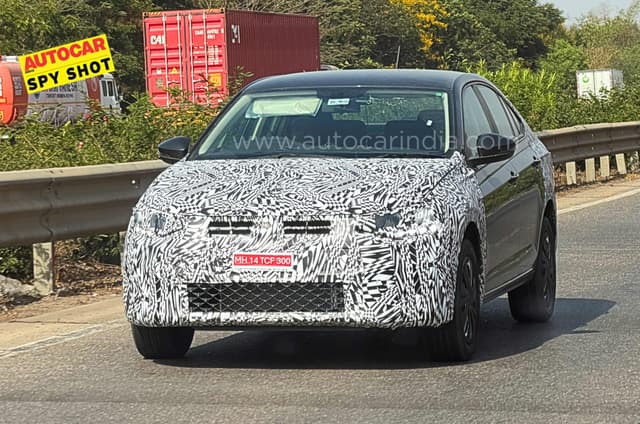
Volkswagen is a German automobile manufacturer known for its solid build quality, refined driving dynamics and turbo-petrol engines. The brand's current India lineup comprises the Virtus, Taigun, Tiguan, Tayron and Golf, catering to buyers across the sedan, SUV and performance hatchback segments. The Virtus is Volkswagen's most affordable model in India, while the Golf is its flagship offering. Over the years, Volkswagen has also sold popular models such as the Polo, Vento, Jetta, Passat, Touareg and Phaeton in India. Looking ahead, the brand is expected to expand its portfolio with the ID.4 electric SUV and the Virtus facelift. In India, Volkswagen competes with brands including Hyundai, Skoda, Honda, Toyota, Mahindra, MG and Tata Motors.

Show more
7
16.4-20.0 kmpl
Petrol
5 seater
New
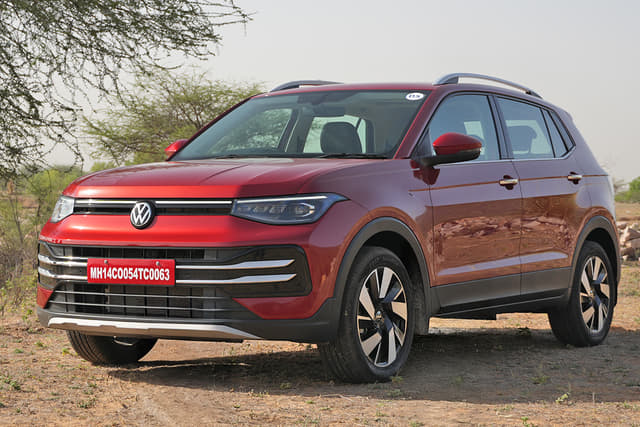
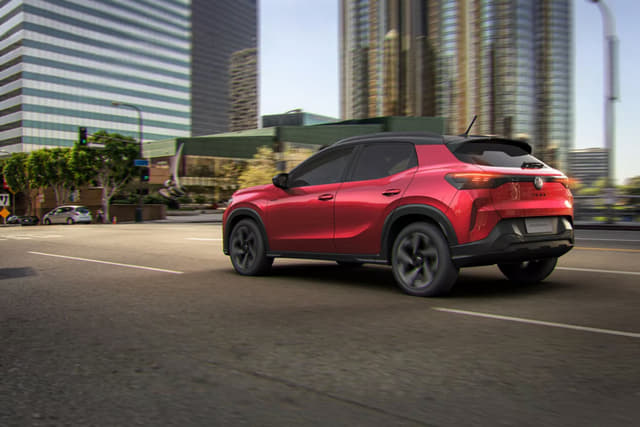
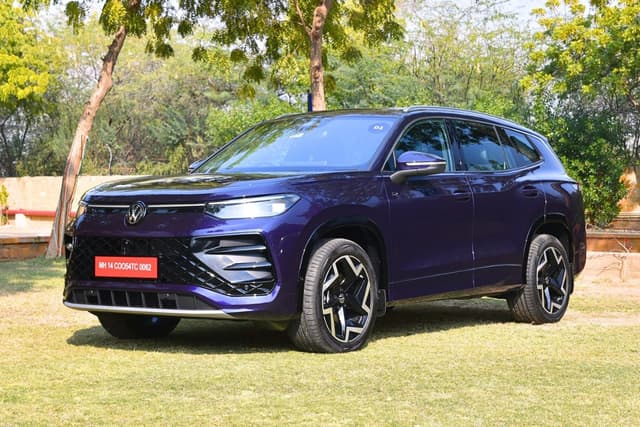
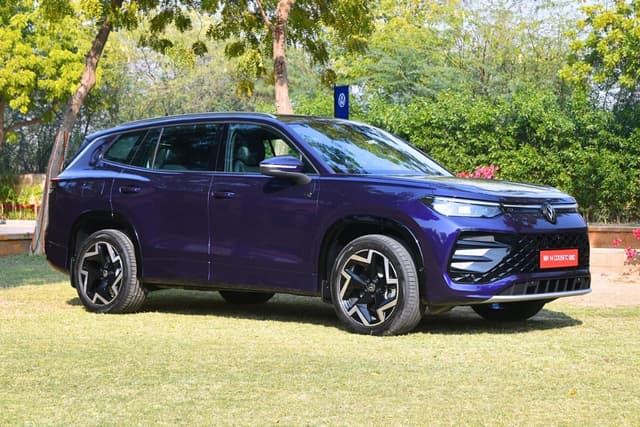
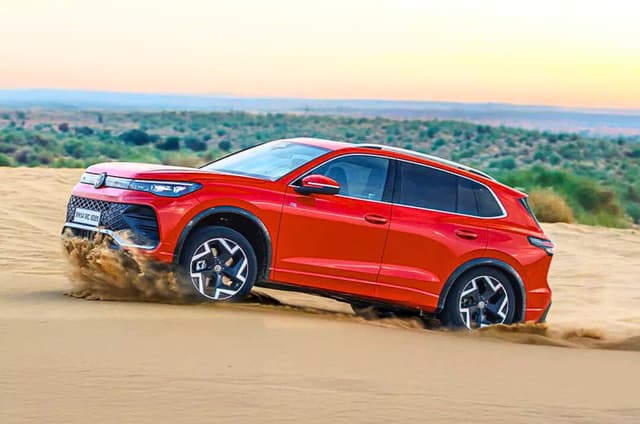
Volkswagen Tayron Front Right Three Quarter
8
Petrol
5-7 seater
SUV
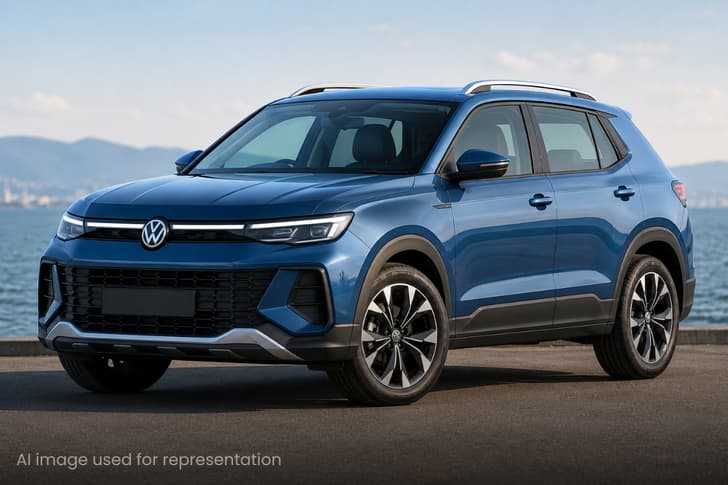
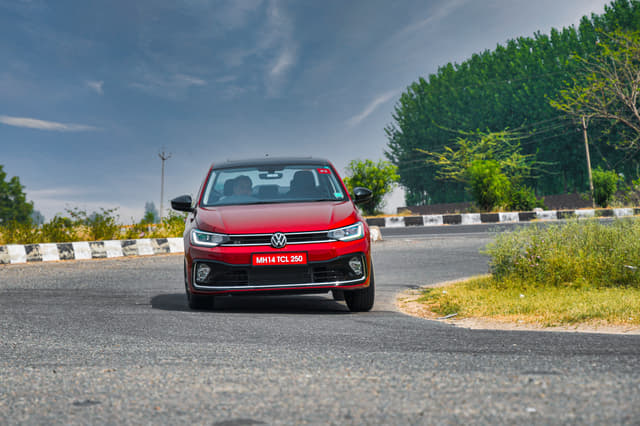
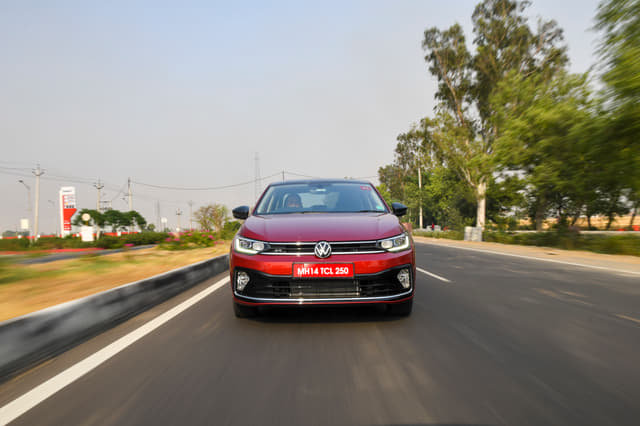
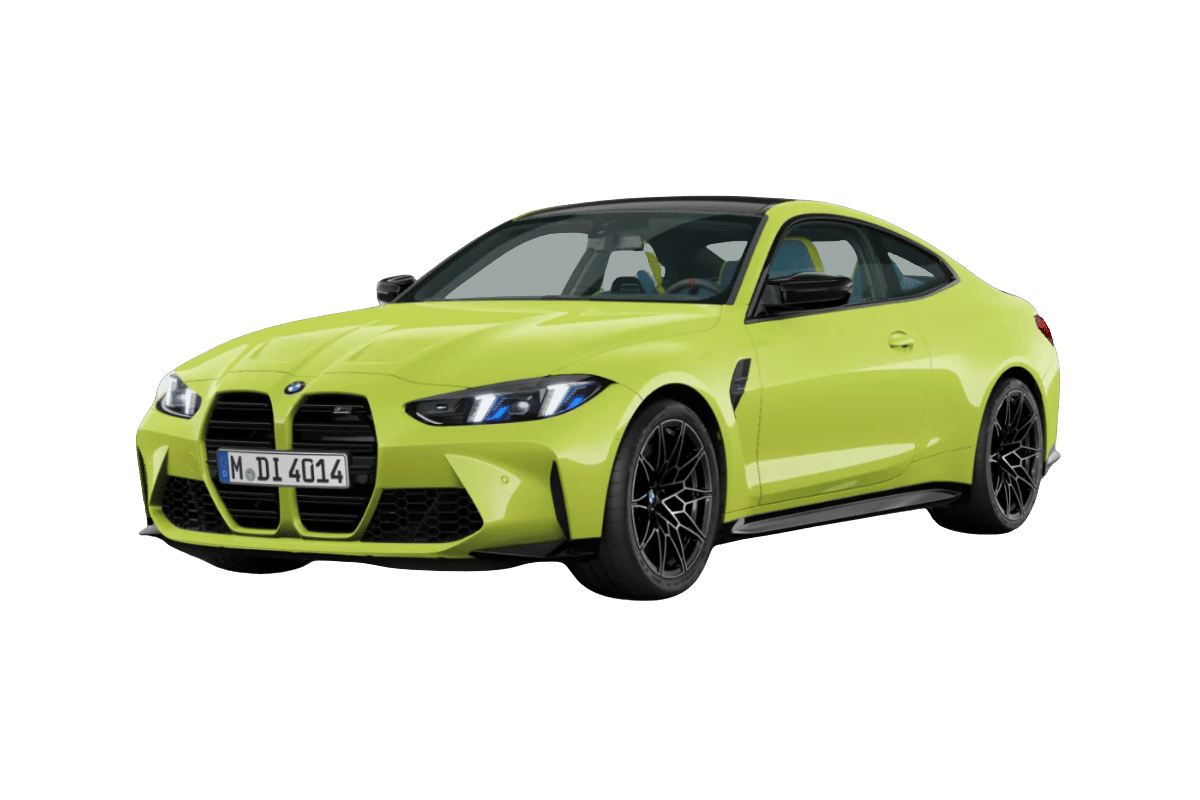
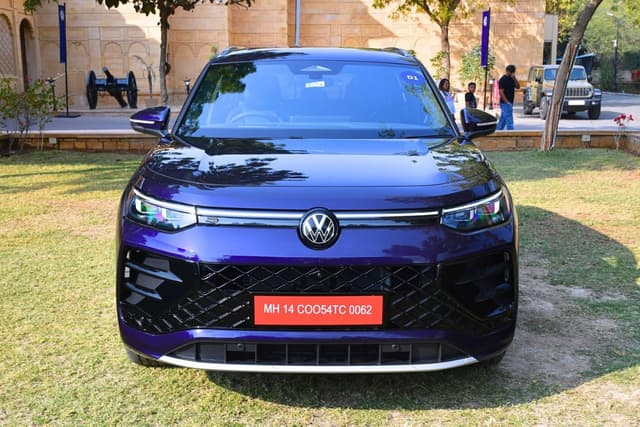
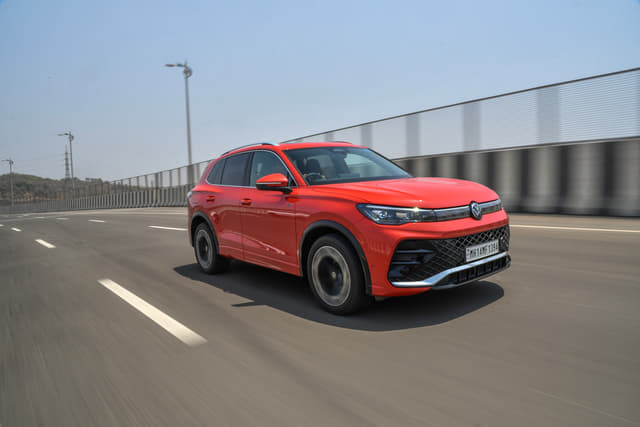
Volkswagen Virtus Front View
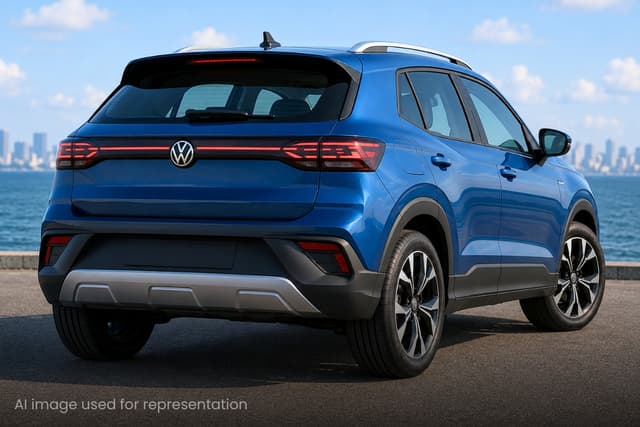
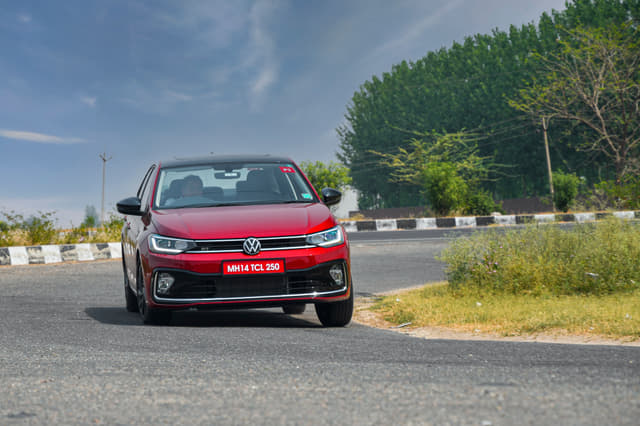
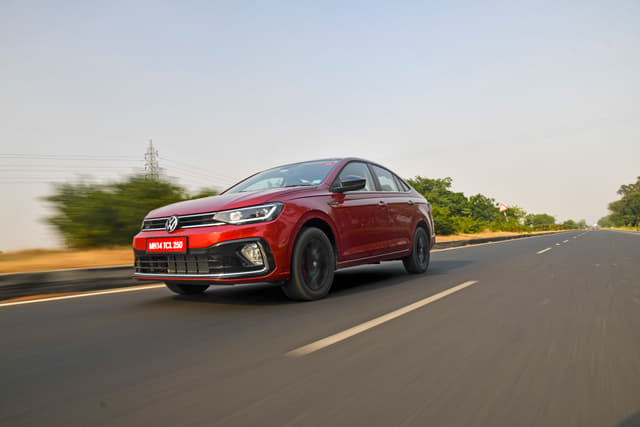
Volkswagen Virtus Front Right Three Quarter
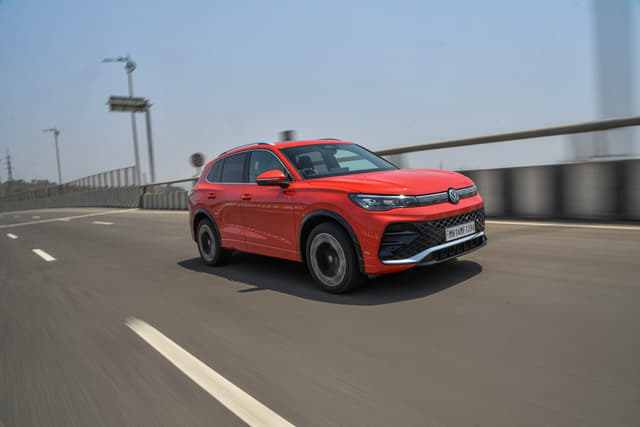
Volkswagen Virtus Front View
Volkswagen Virtus Front Right Three Quarter
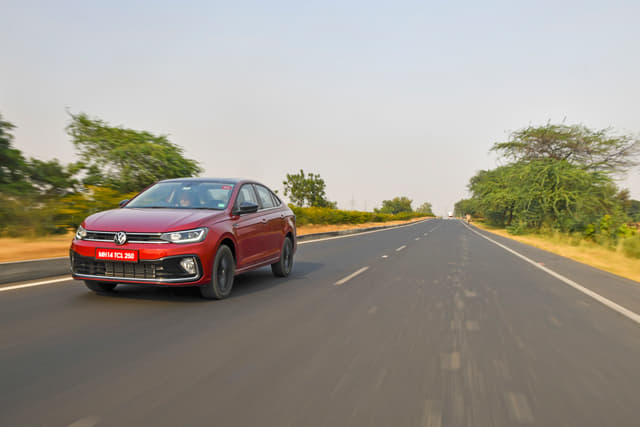
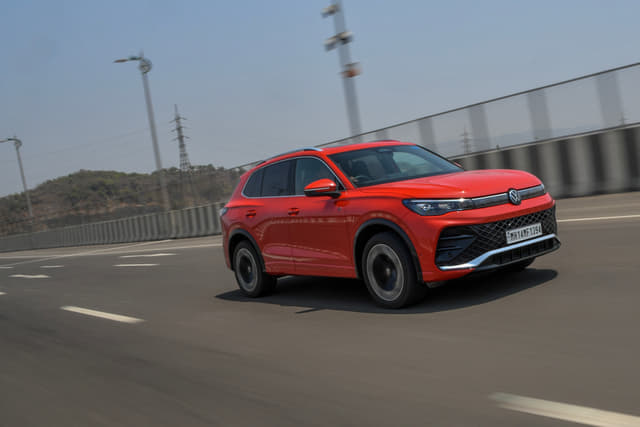
Volkswagen Virtus Front Left Three Quarter
8
18.7-20.2 kmpl
Petrol
Automatic, Manual
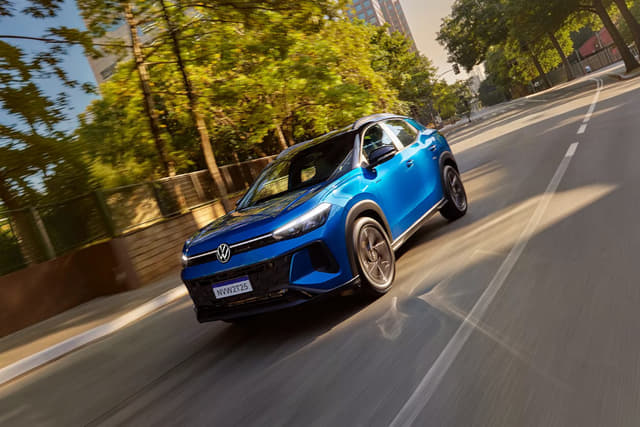
Volkswagen Tiguan Front Right Three Quarter
Volkswagen Tiguan Alloy Wheels
Volkswagen Tiguan Rear View
8
12.6 kmpl
Petrol
Automatic
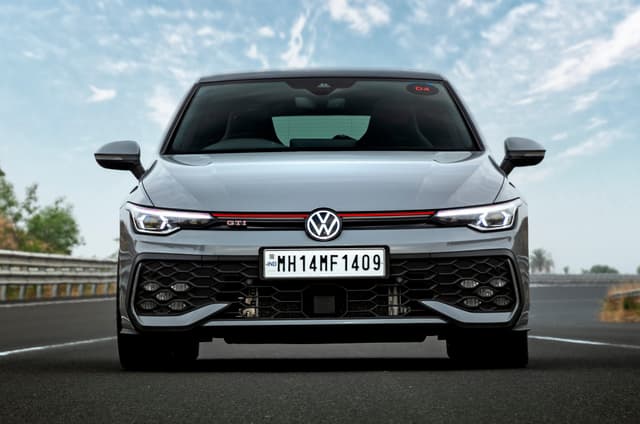
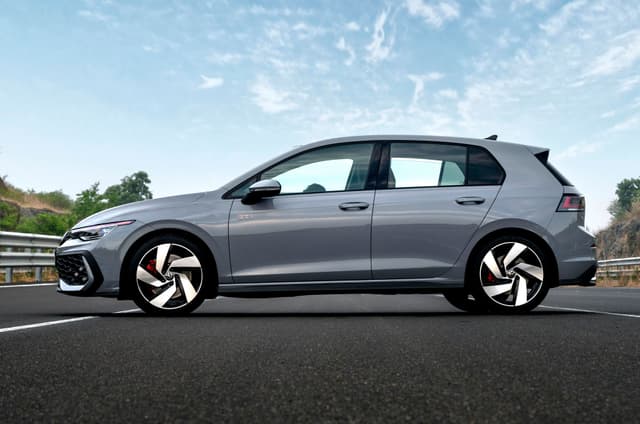
Volkswagen Golf Front View
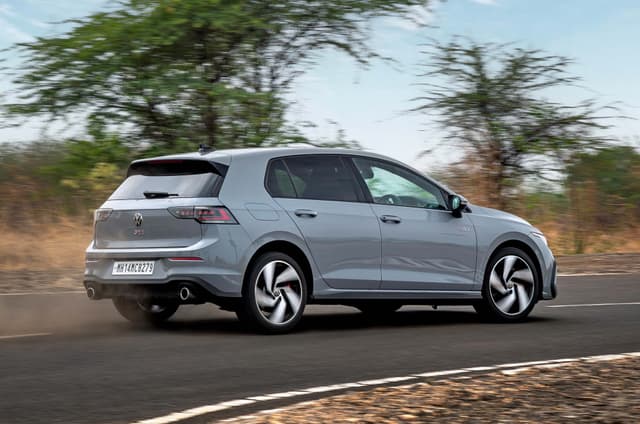
Volkswagen Golf Rear View
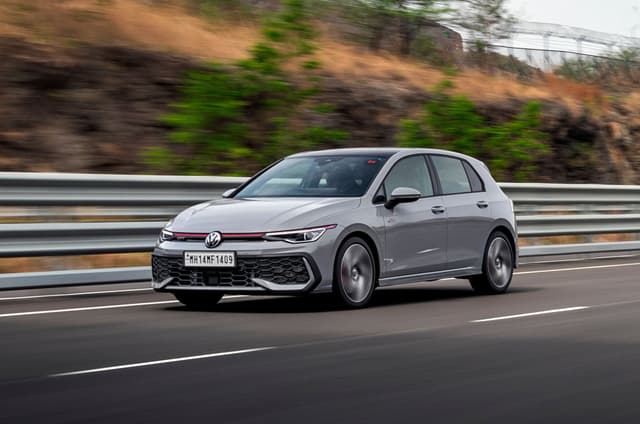
Volkswagen Golf Front Left Three Quarter
Volkswagen Golf Alloy Wheels
8
Petrol
Automatic
5 seater
Upcoming
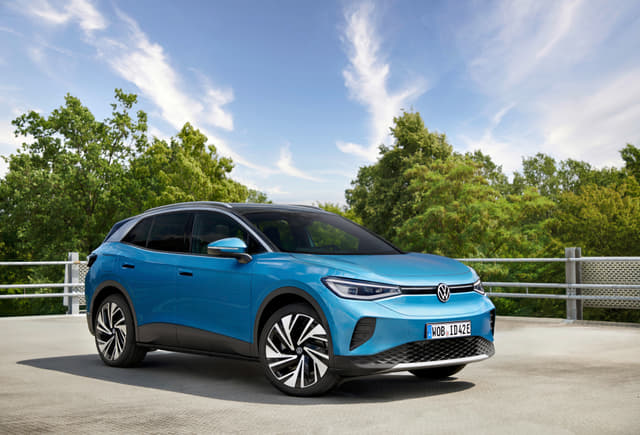
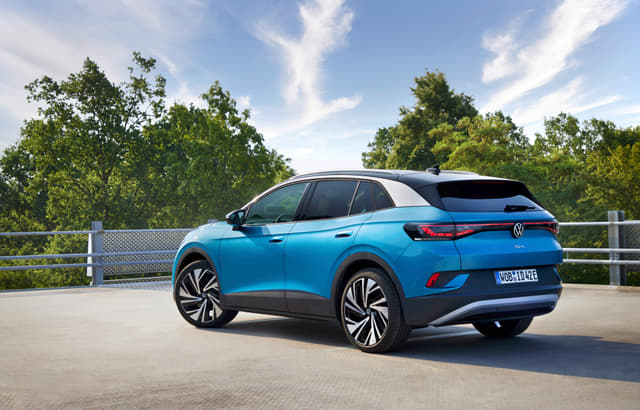
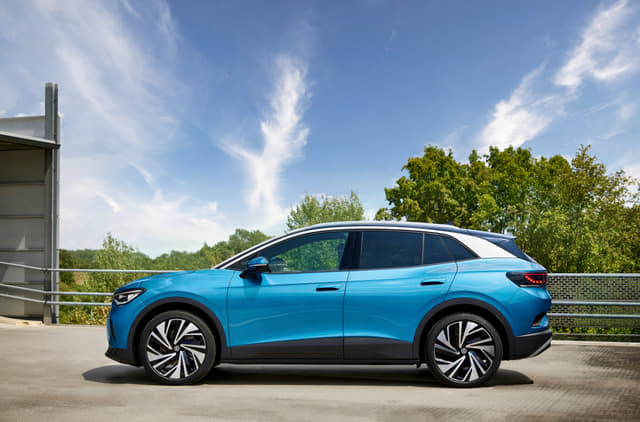
Volkswagen ID 4 Front Right Three Quarter
Volkswagen ID 4 Alloy Wheels
Volkswagen ID 4 Front Right Three Quarter
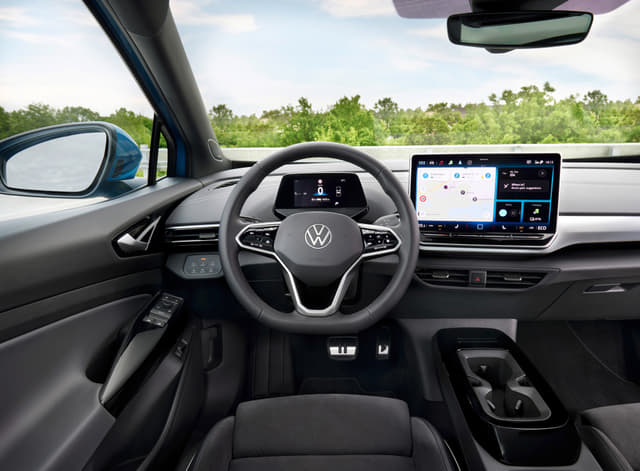
Volkswagen ID 4 Dashboard
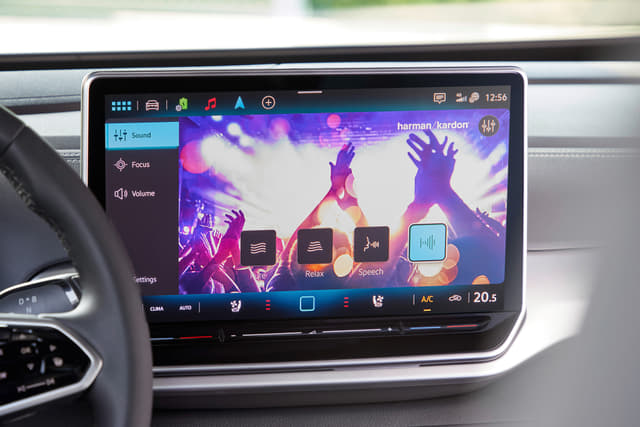
Volkswagen ID 4 Infotainment System
2026
Exp. Launch
Upcoming
2026
Exp. Launch
Petrol
Automatic
Sedan

Volkswagen Cars - FAQs

No. Volkswagen's current passenger vehicle lineup in India is powered by petrol engines. The brand discontinued diesel engines in India following the transition to BS6 emission norms.

The right Volkswagen depends on your needs. The Virtus is well suited to buyers looking for a premium midsize sedan, the Taigun is a practical compact SUV for everyday use, while the Tiguan and Tayron cater to buyers seeking larger premium SUVs. Enthusiasts looking for a performance hatchback can consider the Golf.

Volkswagen cars are known for their solid build quality, refined driving experience and turbo-petrol TSI engines. The brand also offers feature-rich interiors and a strong focus on driving dynamics, making its cars popular among enthusiasts and family buyers alike.

Volkswagen offers SUVs across different segments. The Taigun is ideal for buyers looking for a compact SUV, while the Tiguan and Tayron are better suited to those wanting a larger, more premium SUV with additional space and features.

Volkswagen does not currently sell an electric car in India, although the ID.4 electric SUV is expected to join the brand's lineup in the future.

Volkswagen has long been known for making engaging driver's cars. The Virtus GT, Taigun GT and Golf stand out for their performance-oriented TSI petrol engines and engaging driving dynamics.

Yes. Volkswagen and Skoda are both part of the Volkswagen Group and share platforms, engines and technologies. In India, models such as the Taigun and Skoda Kushaq, as well as the Virtus and Skoda Slavia, are built on the same MQB A0 IN platform but feature distinct styling, tuning and equipment.

The Virtus and Taigun are manufactured at Volkswagen's plant in Chakan, Maharashtra, with a high level of localisation for the Indian market. Other models, such as the Tiguan, Tayron and Golf, are imported into the country.

Need an expert opinion on your car related queries?

Trending Questions on Volkswagen Cars - Answered by Autocar Experts

1d

Hello Autocar, I am planning to buy the Volkswagen Virtus by the end of this month or within the next month. Should I wait for the upcoming Virtus facelift? I am considering the Virtus 1.0 GT Line Manual variant. Should I buy the current model, or would it be better to wait for the updated Virtus? I have heard that the facelift will feature a major update to the A/C compressor and other electronic components to improve overall reliability. How true is this, and would it be worth waiting?

Verified
1h

If you are planning to buy the Volkswagen Virtus 1.0 GT Line Manual, it is worth waiting for the upcoming Virtus facelift. The current Virtus is already a strong product, but the facelift is expected to bring meaningful updates, particularly improvements to the air conditioning system, which is likely to enhance the overall ownership experience.If you are not in an urgent hurry, waiting a few weeks for the updated version makes sense. If you need the car immediately, the current Virtus is still a solid choice, which will possibly be available at a discounted price, but given the timing, waiting is the more sensible option.

VehicleVolkswagen Virtus
1d

I am currently using a 2024 VW Virtus 1.5 GT (electric seats variant) and have completed 16,000 km. My current monthly running is around 1,000 km, mostly in the city. Should I continue with this car or switch to an EV? My Virtus has an online resale value of around Rs. 14 lakh, and I do not want to spend more than Rs. 3-4 lakh over its resale value. Please suggest whether I should buy an EV within this budget or continue with the Virtus.

Verified
1d

If you enjoy driving, we'd recommend you stick with your Volkswagen Virtus 1.5 GT. At 16,000km and a 1,000km/month usage pattern, mostly in the city, the car is still relatively new and well within its prime ownership window. The 1.5 TSI is a strong, efficient engine and the Virtus is a genuinely enjoyable car to drive, especially in urban conditions where its size and performance are well suited. Your budget of Rs 14 lakh resale plus Rs 3-4 lakh extra puts you in the Rs 17-18 lakh range, which limits your electric car options to models like the Tata Nexon EV, Mahindra XUV 3XO EV, MG Windsor and Kia Syros EV. While these are competent cars, they will not feel like a meaningful upgrade over the Virtus in terms of overall ownership experience. The financial case for switching to an EV at this stage is also weak given the depreciation hit you would take on a nearly new car. Unless you have a strong desire to go electric, it makes more sense to continue with the Virtus for a few more years and revisit the EV decision when your usage pattern or the EV market justifies it.

VehicleVolkswagen Virtus
VehicleTata Nexon EV
VehicleMahindra XUV 3XO EV
VehicleMG Windsor
VehicleKia Syros EV
1d

Hello, I currently drive a 2015 Honda City Petrol Manual (Stage 1 Tune) and am planning to upgrade to the Volkswagen Virtus 1.5 GT DSG. My daily commute is around 40-50 km, and I also do monthly highway drives of 400-500 km. Being a sedan enthusiast and with very limited options in the Rs. 20-25 lakh price range, would the Virtus 1.5 GT DSG be a good choice for my requirements? Thank you.

Verified
11m

Yes, the Volkswagen Virtus 1.5 GT DSG is a very good upgrade from your 2015 Honda City petrol manual, especially given your usage pattern and preferences. Your daily commute of 40- 50 km combined with regular highway runs of 400- 500 km a month makes the Virtus 1.5 GT a strong fit. The 1.5 TSI engine is genuinely punchy, and the DSG gearbox delivers quick, crisp shifts, making both city driving and highway overtakes effortless. The Virtus also has a well-sorted chassis, a comfortable ride and a spacious cabin, which will make your daily commute and long drives more enjoyable.You could also consider the updated Skoda Slavia that's likely to be launched in a few weeks, or wait for the updated Virtus that'll launch towards the end of the year. These cars will have an upgraded air-con unit (like the Skoda Kushaq and VW Taigun) that you will surely appreciate.

VehicleVolkswagen Virtus
VehicleHonda City
VehicleSkoda Slavia
VehicleSkoda Kushaq
VehicleVolkswagen Taigun
5d

Hello Autocar, I am planning to buy the Volkswagen Virtus during this festival season or within the next month. Should I wait for the upcoming Virtus facelift? I am considering the Virtus 1.0 GT Line Manual variant. Should I buy the current model and take advantage of the dealership discounts, or would it be better to wait for the updated Virtus?

Verified
5d

Go ahead and buy the Virtus 1.0 Manual GT Line now. The upcoming Virtus facelift is expected to be a mild update, with minor cosmetic changes and a few feature additions, rather than a major overhaul. This Volkswagen car will remain unchanged, with the core mechanical package, including the 1.0 TSI engine and manual gearbox. The current Virtus is already a well-sorted car with strong driving dynamics, a spacious cabin and a good feature set, and the GT Line variant is one of the most attractive trims in the range. Buying now also allows you to negotiate a better deal with dealerships, especially during the festive season. If you wait for the facelift, you will likely pay a premium for what is essentially a similar car with a few incremental updates. The only reason to wait would be if you are specifically interested in the latest cosmetic tweaks or a particular new feature. Otherwise, the current Virtus remains a strong buy, and you will not be missing out on anything significant by purchasing now.

VehicleVolkswagen Virtus
6d

I am planning to buy Honda City V CVT. Is it still worth buying the Honda City in 2026 from a long-term (7-10 years) ownership and reliability standpoint? Or should I consider other cars in the segment, such as the Virtus, Slavia, or Verna?

Verified
5d

Yes, the Honda City V CVT is still worth buying in 2026 from a long-term ownership and reliability perspective. The City remains one of the most dependable and well-rounded sedans in the segment, with a proven naturally aspirated petrol engine, smooth CVT gearbox and Honda's strong reputation for reliability and low maintenance costs. It is also a very comfortable and spacious family car, with a well-sorted ride and a premium ownership experience.The Volkswagen Virtus and Skoda Slavia are more driver-focused cars with stronger turbo petrol engines and a more engaging driving experience, but they do not have the same long-term reliability track record as the City. The Hyundai Verna is a strong all-rounder with a more feature-rich cabin and a more powerful turbo petrol option, but the City still feels more practical and better suited to long-term ownership.If your priority is a car that you can keep for 7-10 years with minimal fuss, the City remains the safest and most sensible choice in the segment. The only reason to look at the Virtus, Slavia or Verna would be if you specifically want a more powerful turbo petrol engine and good driving dynamics Otherwise, the City V CVT is still the benchmark for long-term ownership.

VehicleHonda City
VehicleVolkswagen Virtus
VehicleSkoda Slavia
VehicleHyundai Verna

Last Updated on: 29 Jul 2026