

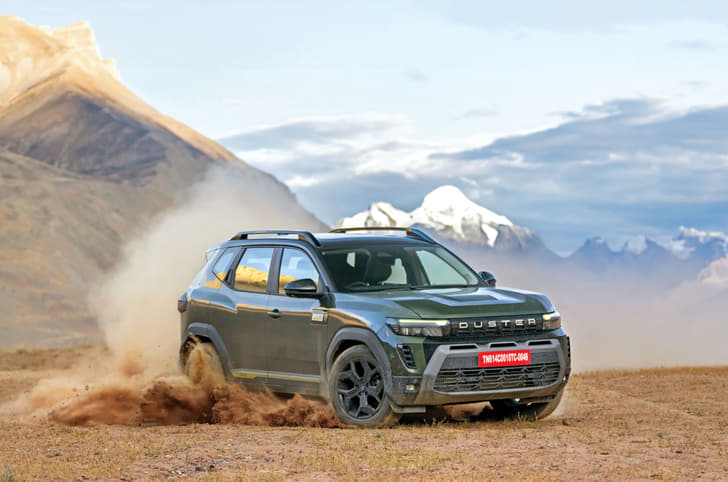
At Autocar India, we spend a lot of time talking about great driving roads. Smooth tarmac, flowing corners and fast highways are all very well, but some of the most memorable drives begin when the good roads run out. That’s the idea behind Terrible Roads to Terrific Places, a series in which we take the new Renault Duster to some of India’s most spectacular destinations, using the roads, and sometimes what passes for roads, to get there.
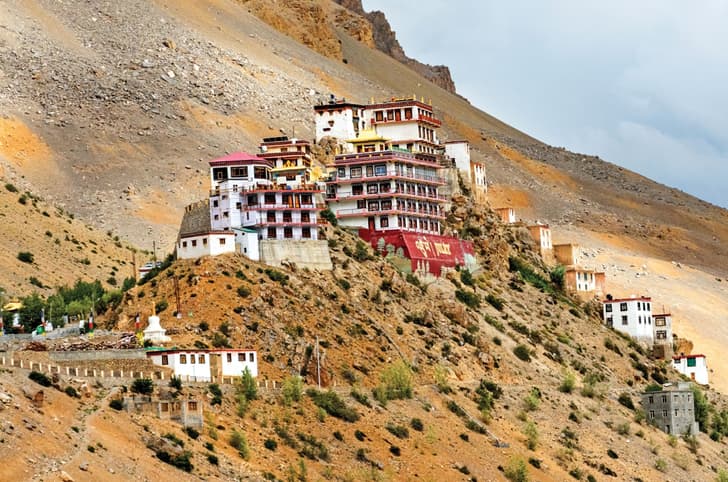
For the first drive, we picked Kibber, more than 4,200 metres above sea level in Himachal Pradesh’s Spiti Valley. Surrounded by enormous mountains and vast, stark landscapes, it’s the sort of place that looks almost too remote to be real. Getting there, however, is the tricky bit.
THE EASY PART
Our journey began in Chandigarh, with roughly 400km between us and Kibber. That might not sound like much, but distances on mountain roads aren’t like those on an expressway.

There was also the small matter of all the camera equipment and luggage that comes with a road-trip shoot. Thankfully, the Duster’s 700-litre boot (incidentally, that’s the largest in its segment) swallowed it all without complaint. With Kibber set in the navigation and Manali marked as our overnight stop, we headed out.
The first part of the drive was almost civilised. Chandigarh’s wide roads and smooth surfaces gave me time to settle into the Duster. The 10.1-inch infotainment screen, with Google services integration, handled navigation, calls and music, while directions also appeared on the 10.25-inch digital driver’s display, lowering the risk of distraction.
Once we left the city, the turbo-petrol engine had some room to stretch its legs. Paired with the six-speed dual-clutch automatic, it made light work of the highway, and then the foothills arrived; corners tightening, and I found myself reaching for the paddles. The scenery was getting better, and the driving was getting more interesting.

By evening, we were in Manali. The Duster felt ready to carry on, but we weren’t. The real test was still ahead.
ROADWORKS AHEAD
The next morning was rainy and quiet, and for a moment, staying put seemed like a very good idea. Everyone we’d spoken to, though, had offered the same warning: enjoy the tarmac while it lasts. They were right.
The transition is gradual with smooth tarmac giving way to broken tarmac, then gravel, and eventually sections where you have to wonder if the road was ever there in the first place. Corners tighten even more, roadworks appear and the surface becomes increasingly unpredictable.
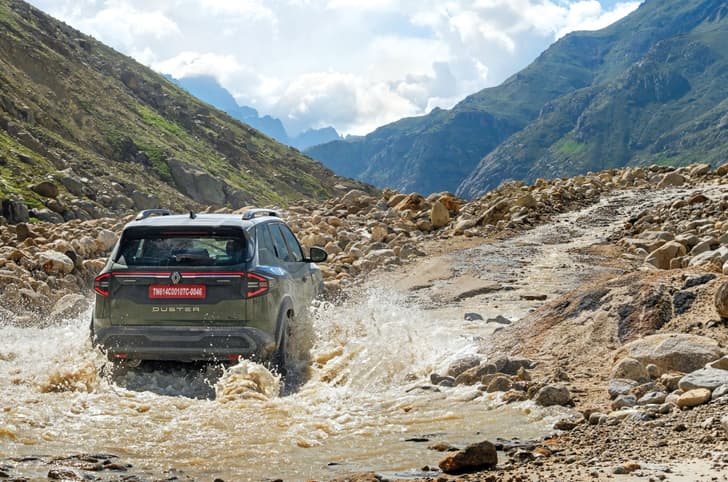
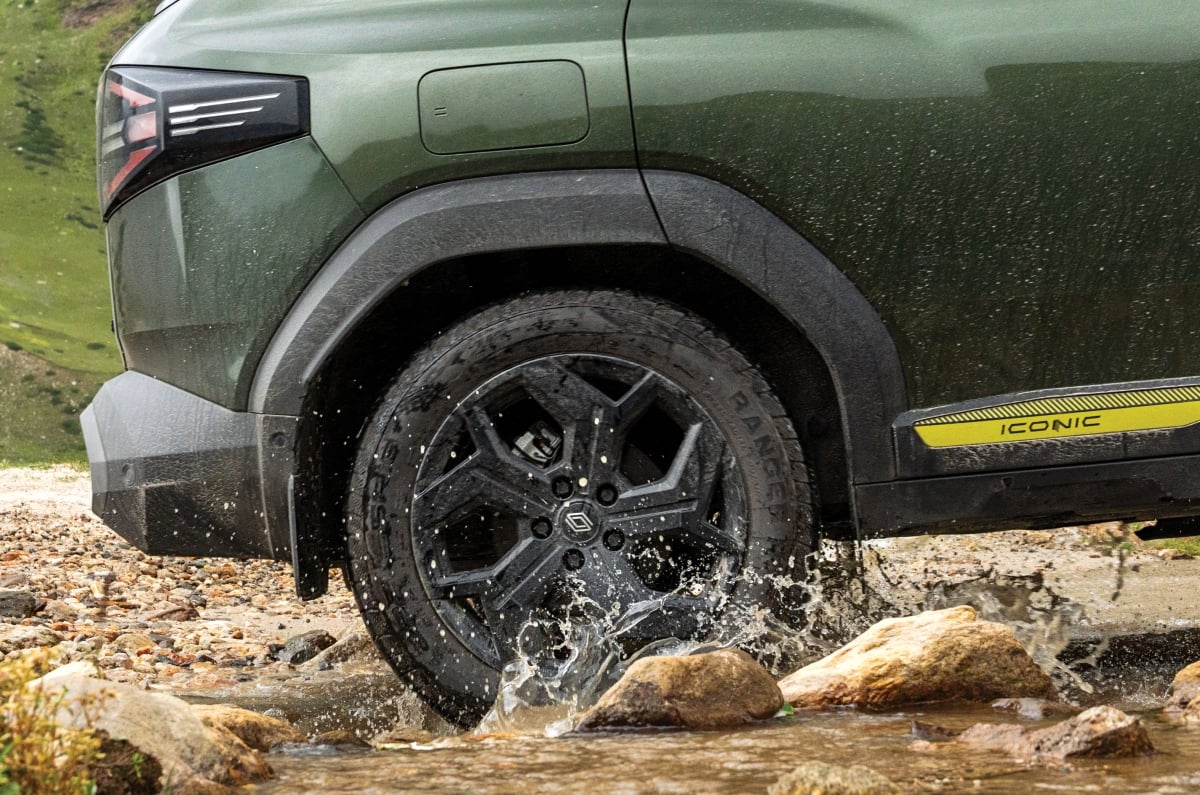
This is where the Duster started showing a different side. With 212mm of ground clearance, negotiating rocks and broken surfaces wasn’t especially worrying. More impressive was the suspension. On narrow sections with no guardrails, deep ruts and rough surfaces, remarkably little of the punishment made its way into the cabin. It’s the kind of terrain where you quickly appreciate a car that can take a beating without making every bump your problem.
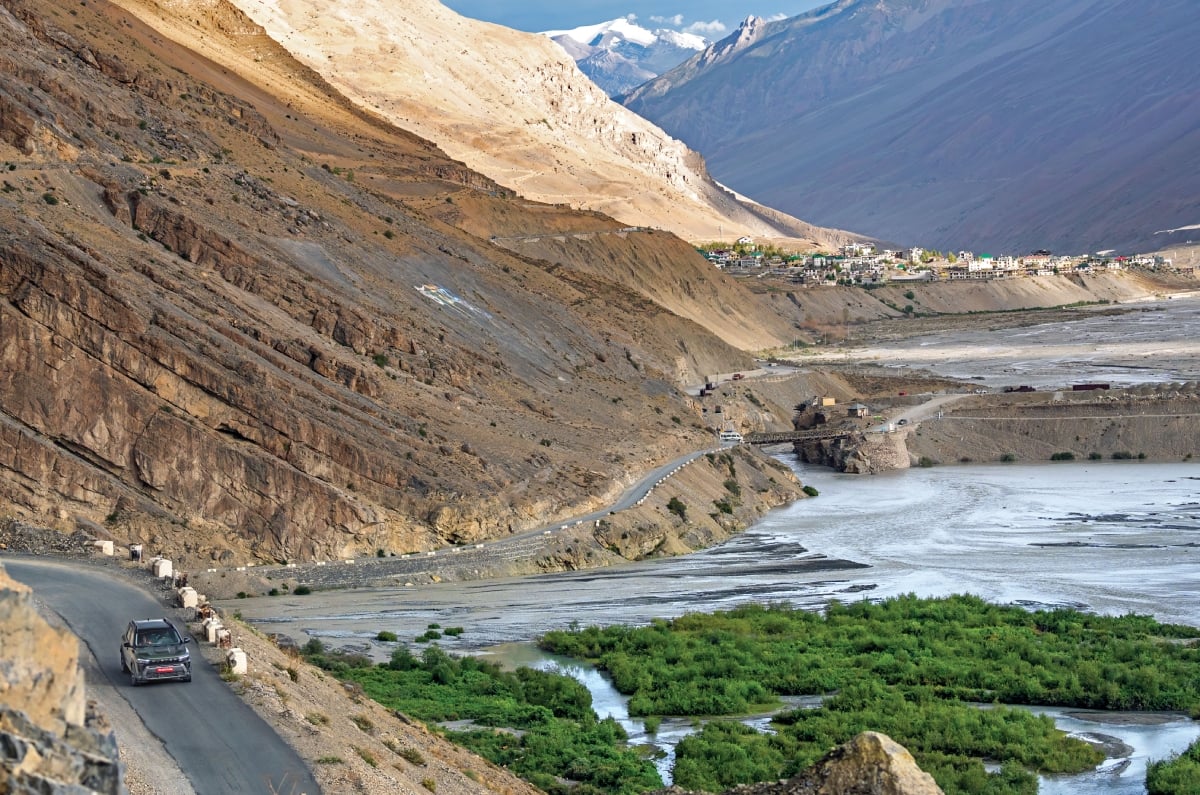
As we climbed higher, the landscape changed dramatically. The forests disappeared, villages became smaller and the gaps between them longer. Spiti is enormous, empty and almost surreal. Here, a kilometre can feel like five, especially when you’re picking your way through dirt, potholes, loose rocks, washed-away sections and water crossings.

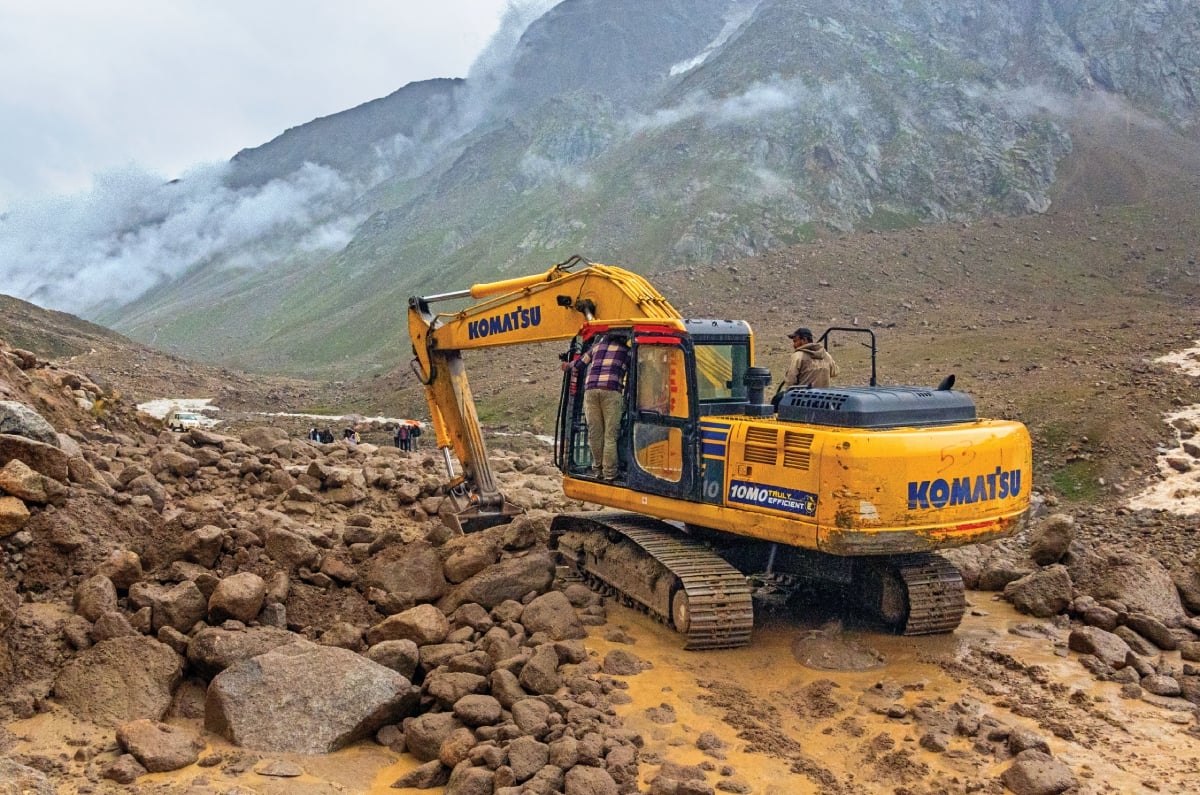
Then we hit a landslide.
An enormous pile of debris had blocked the road, so we joined the queue and waited while excavators cleared a path. That’s where we met two cyclists heading towards Kaza, one of whom happened to own a Duster back home in France. It was incredible that they were tackling these mountains on two wheels! Suddenly, our journey seemed rather comfortable. Two and a half hours later, we were moving again.
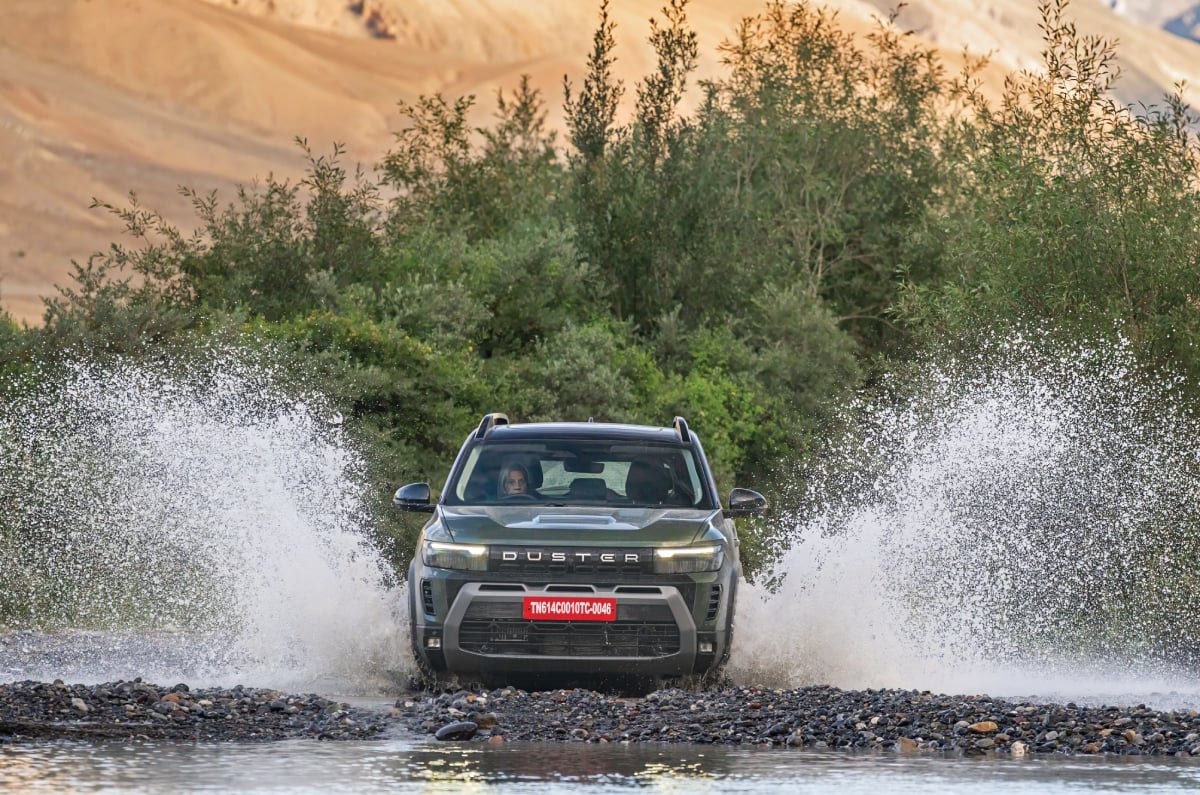
By now, dusk was setting in. The road continued to throw everything at us, from deep ruts and gravel to broken sections and water crossings. These are the moments when you want to have confidence in your car. Ground clearance helps, suspension strength matters and you need enough performance to keep moving when the going gets tough. Oncoming traffic and narrow sections also meant there was often no avoiding the worst of the potholes.
Despite it all, I never really found myself wishing for all-wheel drive. The Duster just kept going.
PEAKING AT THE SUMMIT
The landslide had delayed our arrival, and we eventually reached Kibber late at night, tired and with no idea what the place looked like. In hindsight, that may have made the next morning even better.
The first thing that struck me when I stepped outside wasn’t the view. It was the silence. There was no traffic, no rush and none of the constant background noise we’re so used to. Just a tiny village surrounded by mountains.
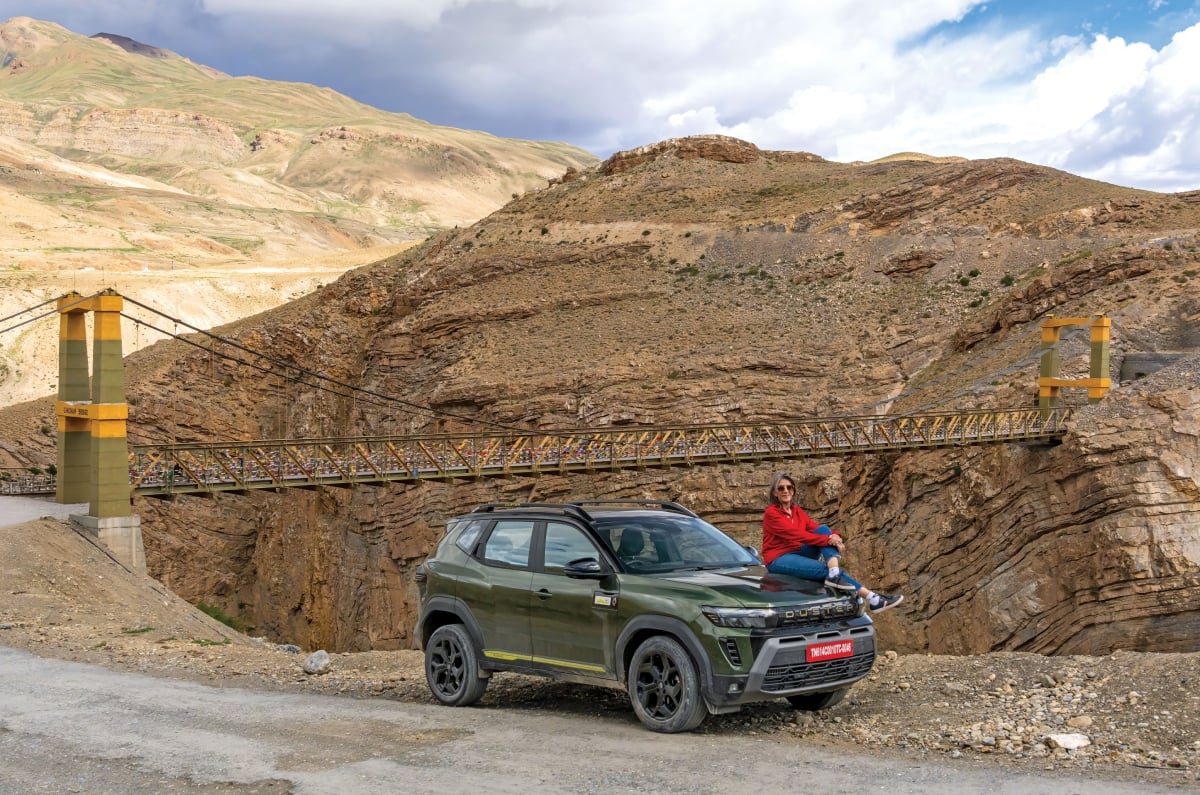
A short drive away, Chicham Bridge hangs dramatically over a vast gorge. Photos don’t quite prepare you for the scale of it. Standing there and looking down, you finally understand the landscape you’ve spent the past couple of days driving through.
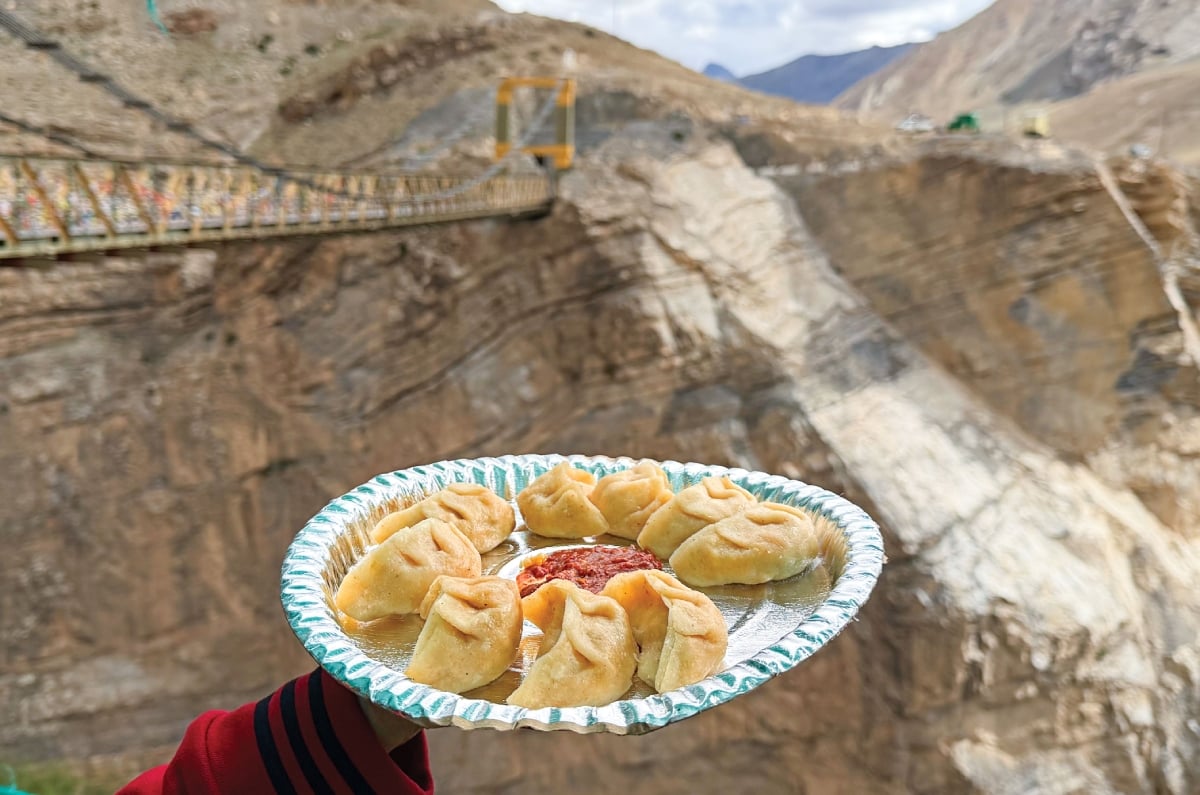
Looking back, the difficult bits quickly become part of the story rather than something to complain about. The landslide, the weather, the slow progress and the hours behind the wheel all fade away, leaving the views, the unexpected encounters and the satisfaction of having made it.
You don’t simply arrive at Kibber. You earn it. And that is exactly what Terrible Roads to Terrific Places is about. Some of India’s most unforgettable destinations aren’t easy to reach, and the road is as much a part of the experience as the destination itself. It helps, of course, to have a capable companion along the way. On this journey, the Renault Duster proved to be exactly that.
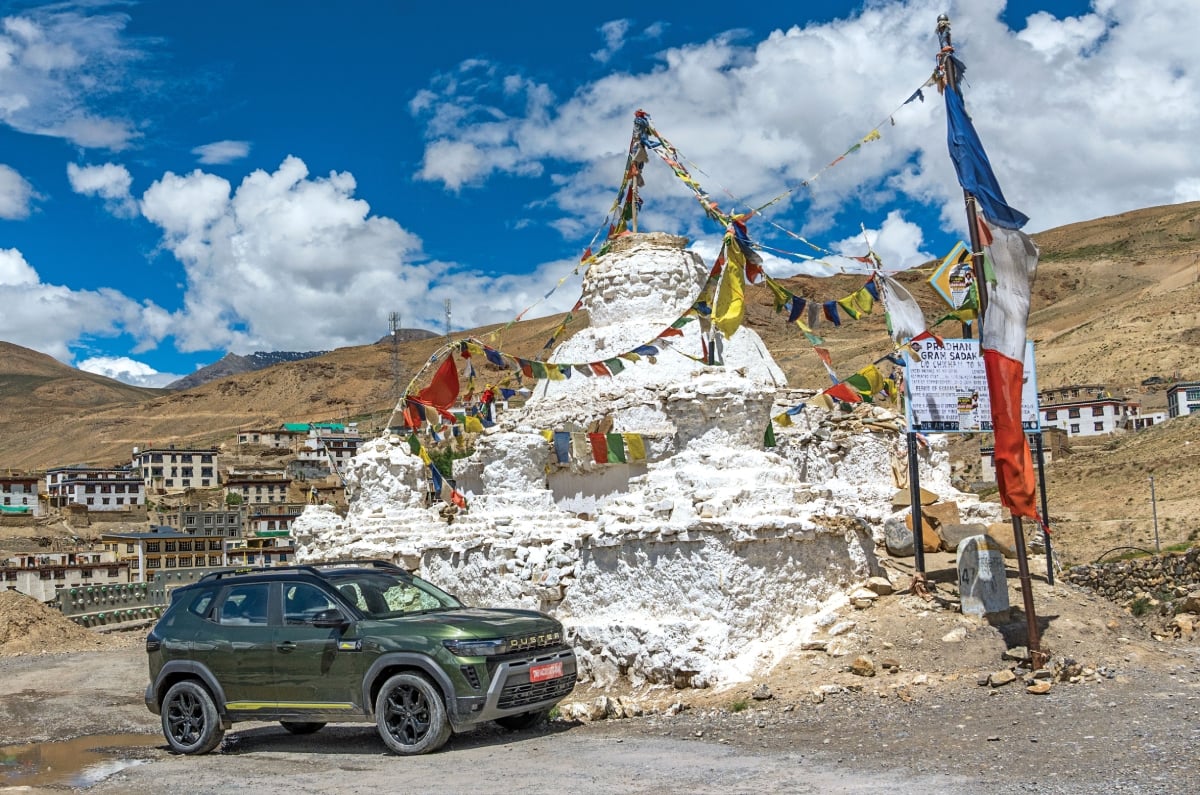
Kibber is only the beginning, so imagine where the road, or lack of one, will take us next. In fact, if you stay tuned to this series, you’ll find out soon. But for now, I’ll leave you with a little hint: it’s a lot closer to Autocar India’s home than you think.