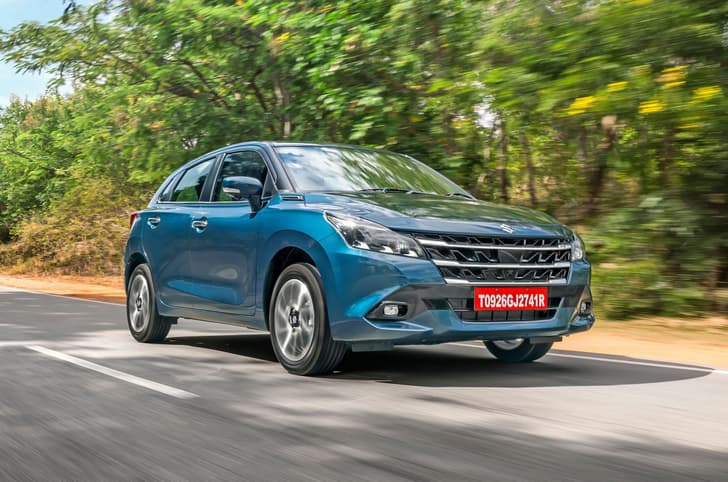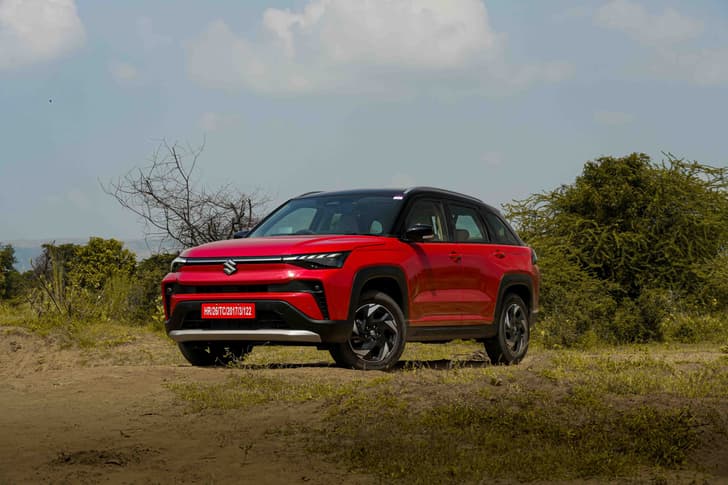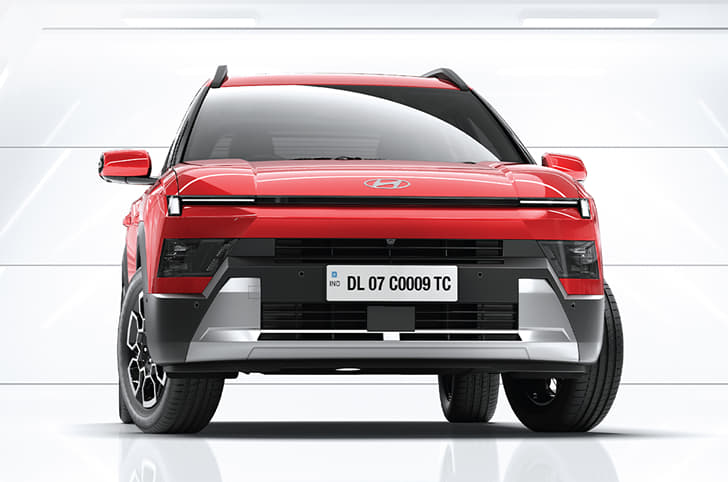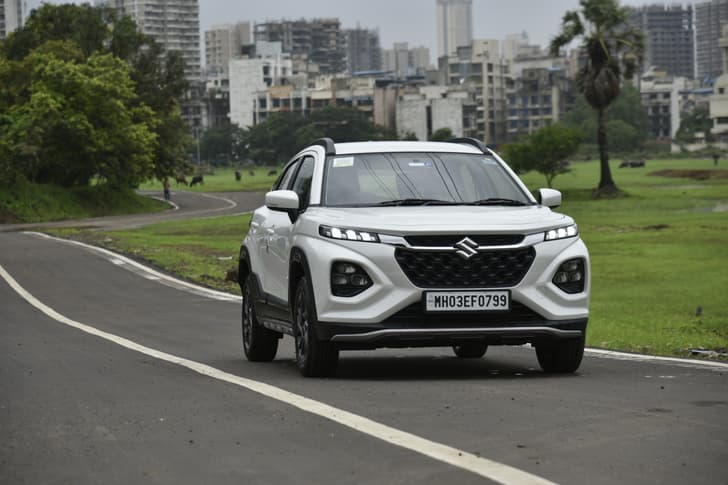


After the Maruti Fronx, the company now offers the 1.0-litre 'Boosterjet' turbo petrol engine with the Brezza. Unlike the Fronx, which is offered with a choice of manual and automatic transmission options with this engine, the Brezza is solely available with a 6-speed manual gearbox. Priced between Rs. 7.5 lakh and Rs 11.26 lakh (ex-showroom), the Brezza range is spread across four trims - LXi, VXi, ZXi and ZXi+.
- Gets an auto stop-start system; misses drive modes
- Weighs 1,195kg
- More efficient than Toyota Taisor/Maruti Fronx
We've put this new turbo-petrol variant of the Brezza through our mileage tests to find how it performs in the real world.
Maruti Brezza turbo real-world fuel efficiency explained
The three-cylinder 1.0-litre turbo petrol engine produces 110hp and 170Nm, which is 10hp and 22Nm more than the Maruti Suzuki Fronx and Toyota Taisor. And while the Fronx and Taisor get a 5-speed manual, the Brezza gets a six-speed unit.


In the city, the Brezza turbo returned 10.05kpl, whereas on the highway it returned an impressive 17.71kpl, resulting in an overall average efficiency of 13.88kpl.
The presence of an automatic engine stop-start system helps reduce fuel consumption, especially in city conditions. However, during our city run, the ambient temperature went above 40 degrees C which has impacted its city efficiency, as the AC was working hard to keep the cabin cool. We suspect that under cooler conditions, its city efficiency is likely to improve.
On the highway, having a sixth gear ratio enhances fuel efficiency. To put it in perspective, while cruising at 100kph in top gear, its engine spins at around 2500rpm. In comparison, the five-speeder in the Fronx/Taisor makes the engine spin a bit faster at 2700rpm while cruising at the same speed; and as a result, despite being 165kg lighter, the highway efficiency of the Fronx/Taisor is 1kpl lower than the Brezza Turbo.
Autocar India’s fuel efficiency testing
Before our real-world fuel efficiency tests, we fill our test cars’ tanks to the brim and maintain tyre pressures based on the manufacturer’s recommendation. These cars are driven in fixed city and highway loops in and around Navi Mumbai, and we maintain certain average speeds. Throughout the tests, there is only one person in each car, running the aircon at 22deg C in full-auto mode, and other electricals, such as the audio system, indicators, wipers and ventilated front seats, when required, just like a regular user would. Periodic driver swaps further neutralize variations in driver patterns. At the end of each cycle, we calculate efficiency by filling the tanks to full again.

 Uday Singh

 Suraj Viswanathan
 Dipan Sur