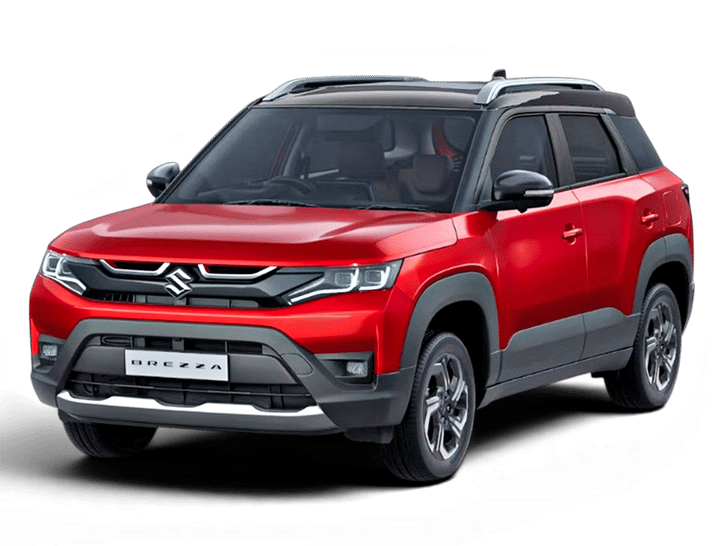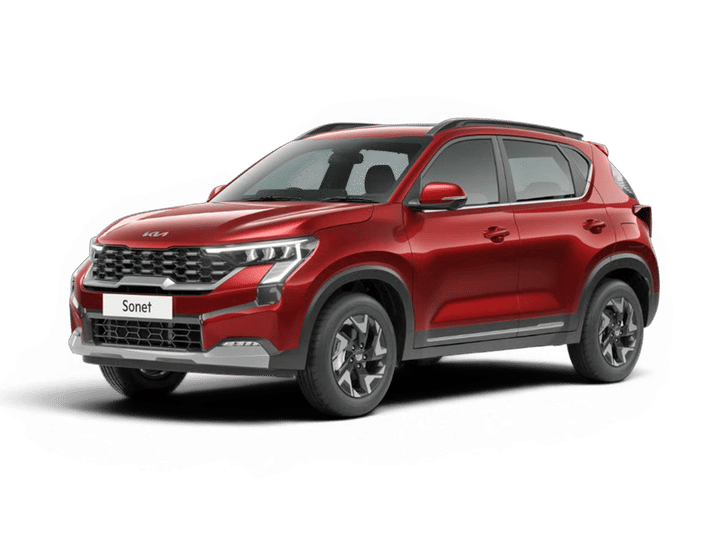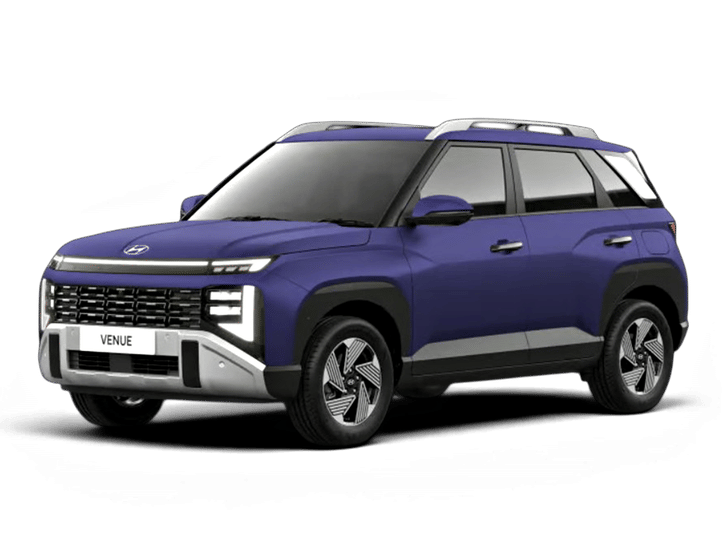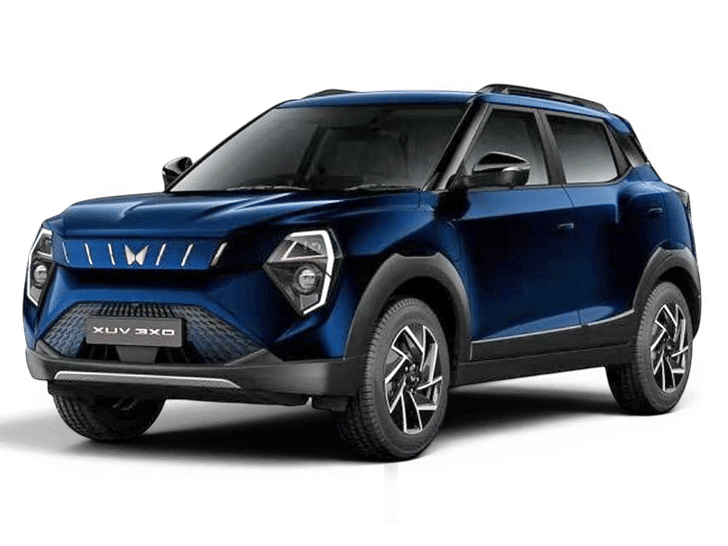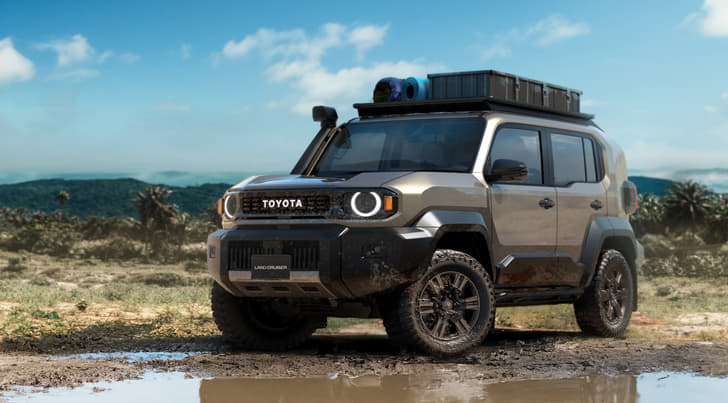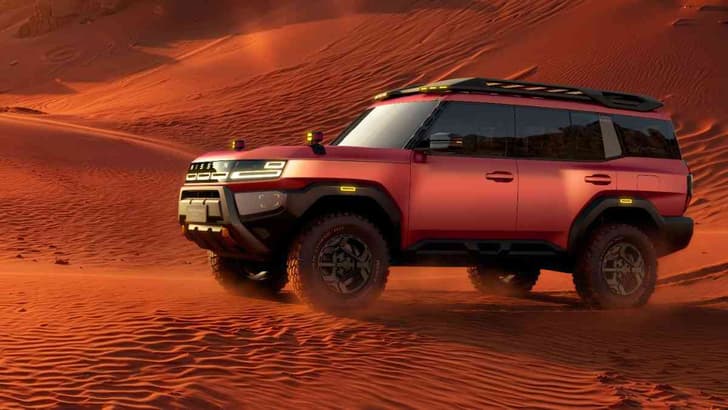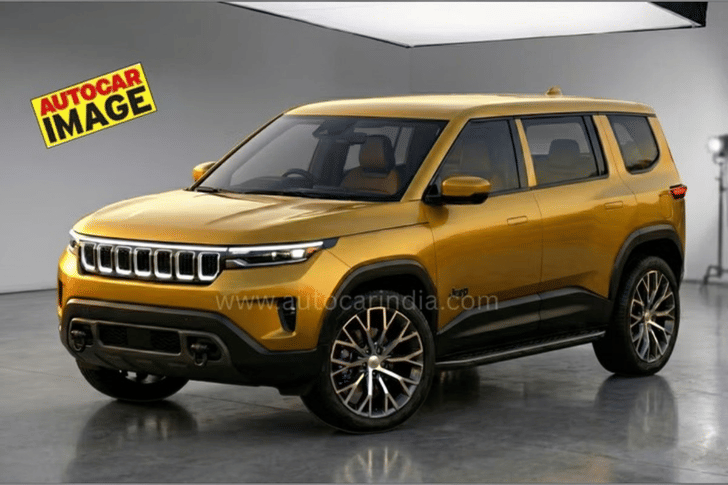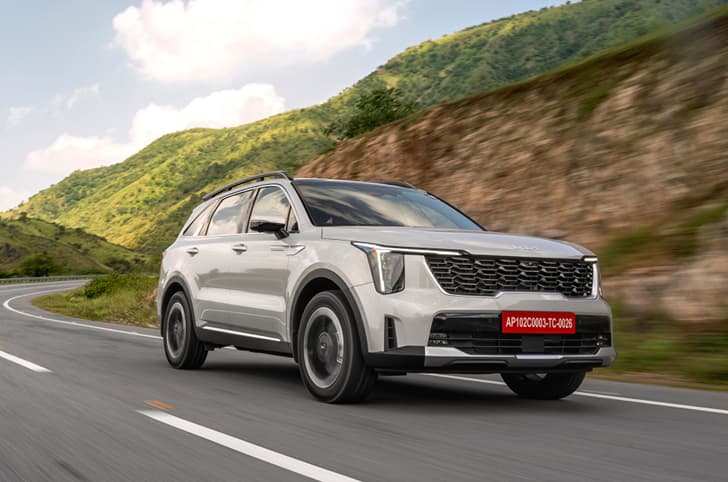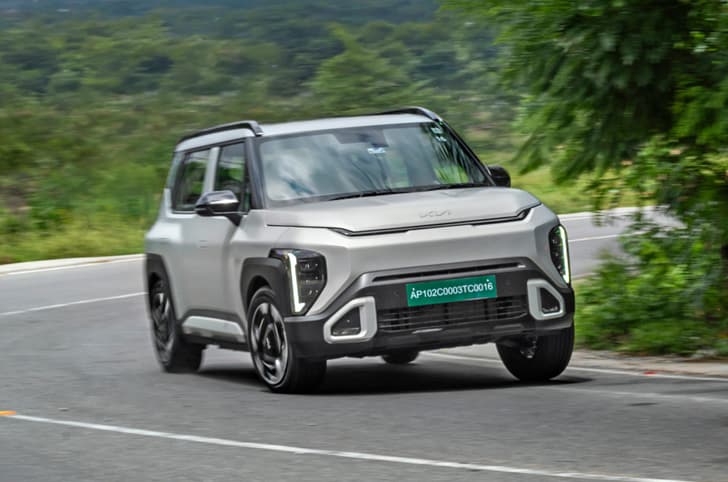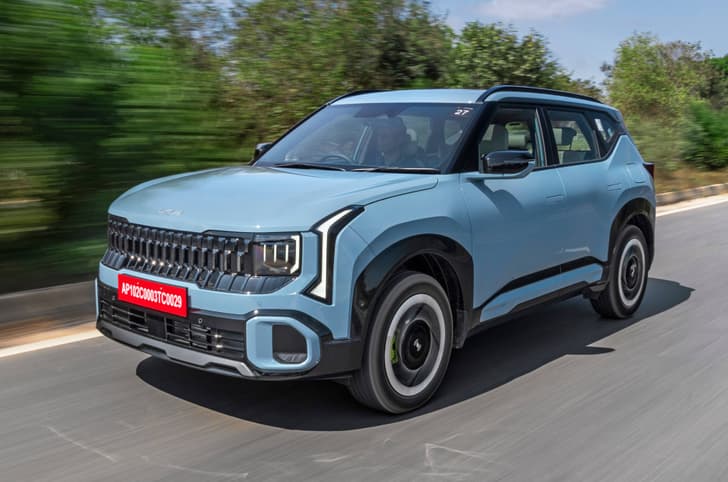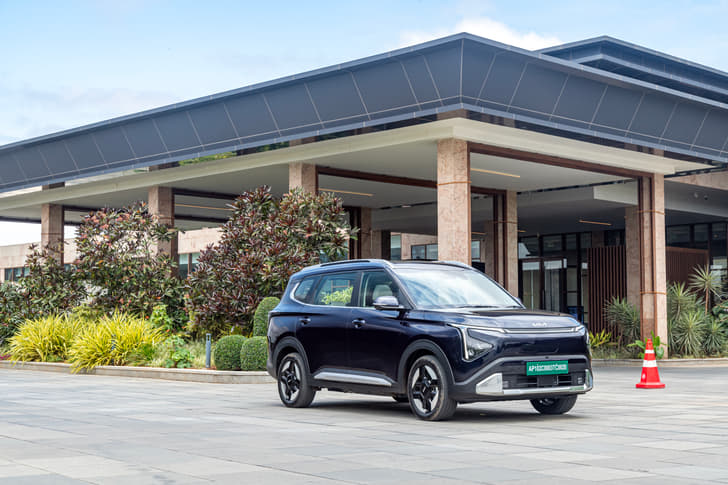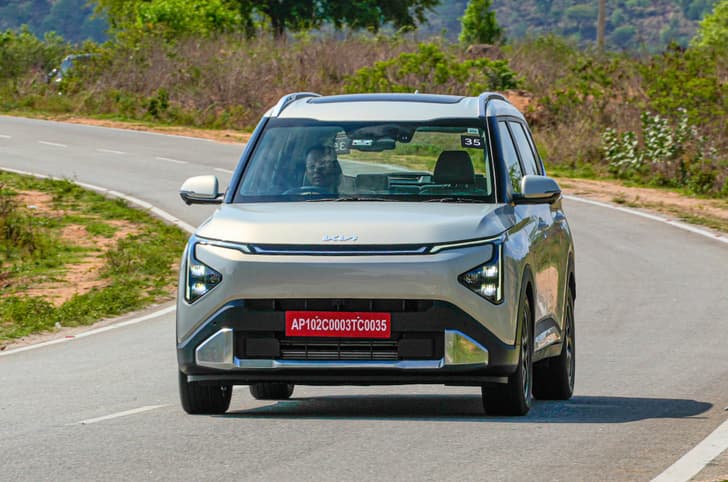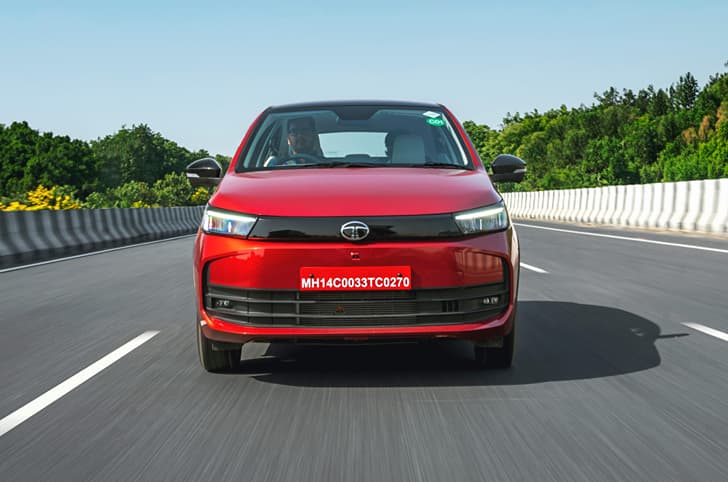

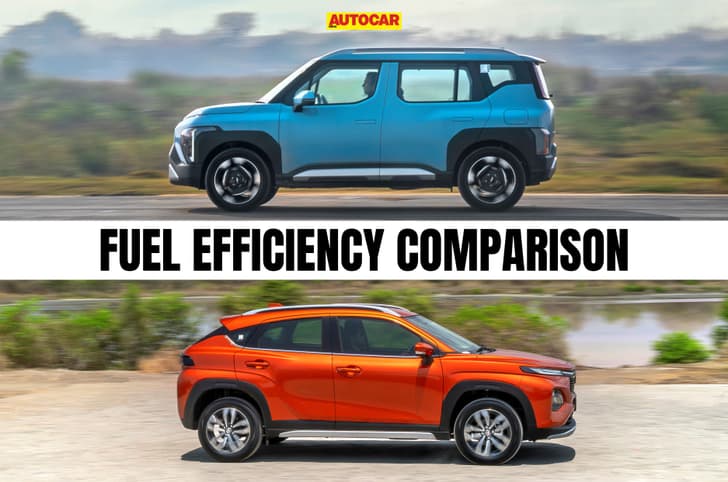
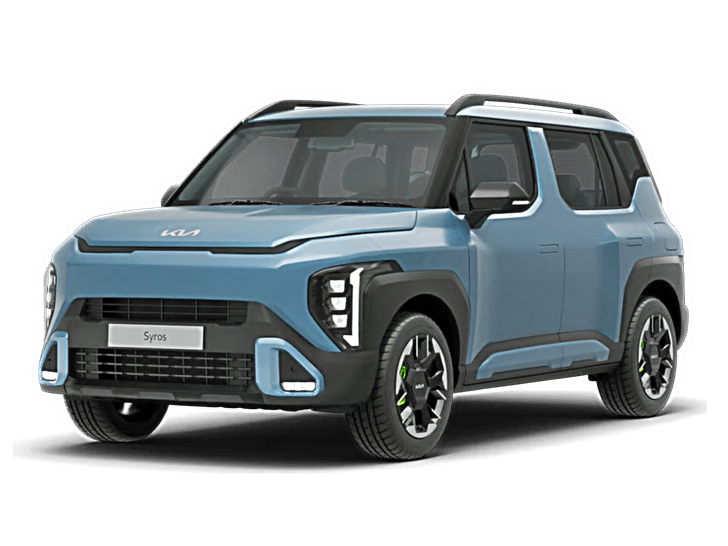
The Kia Syros is the latest entrant to the compact SUV segment, and unlike its sibling, the Sonet, it is on sale with a sole 1.0-litre turbo-petrol engine, which comes with manual and dual-clutch automatic gearbox options. The Toyota Taisor is among the more efficient compact SUVs available today, and it also comes with manual and automatic options. Here we see how the Syros and Taisor's turbo-manual fare in our real-world efficiency tests.
Explore full specs, features, and a price breakdown in our Syros vs Taisor comparison.
Kia Syros vs Toyota Taisor Turbo: specifications
Syros is more powerful, but the Taisor Turbo weighs less.
When it comes to engines, the Syros and Taisor Turbo have the same capacity and technology, but Kia’s unit produces 20hp and 24Nm more. The Syros also gets a 6-speed manual gearbox compared to the Taisor’s 5-speed unit, and has an 8-litre larger fuel tank. On the other hand, the Taisor weighs a good deal less than the Syros, as the Kia is approximately 85-95kg heavier than the Sonet, which itself weighs over 1,100kg.
What community is saying on the Syros?
Kia Syros vs Toyota Taisor Turbo: real world efficiency test results
Taisor Turbo’s average tested mileage is 2.9kpl more than the Syros petrol.
In our real world efficiency tests, the Kia Syros manual's efficiency was 9.1kpl and 12.6kpl in the city and highway, respectively, which averages to 10.85kpl. Meanwhile, the Taisor Turbo posted efficiency figures of 10.9kpl in the city and 16.7kpl on the highway, beating out the Syros with an average mileage of 13.8kpl. it should be noted that the Taisor’s real world efficiency number is 7.38kpl less than the ARAI figure, while the difference for the Syros is a similar 7.35kpl. Further, despite the Toyota’s smaller fuel tank size, it’ll be able to go further on a single tank of petrol than the Syros.
The Syros petrol’s price range starts at Rs 9.50 lakh and goes up to Rs 13.30 lakh for the manual version, while the Toyota Urban Cruiser Taisor Turbo’s price range is Rs 10.59 lakh-11.67 lakh, with the manual gearbox.
All prices, ex-showroom, India

 Uday Singh
 Dipan Sur
 Glenn Noronha