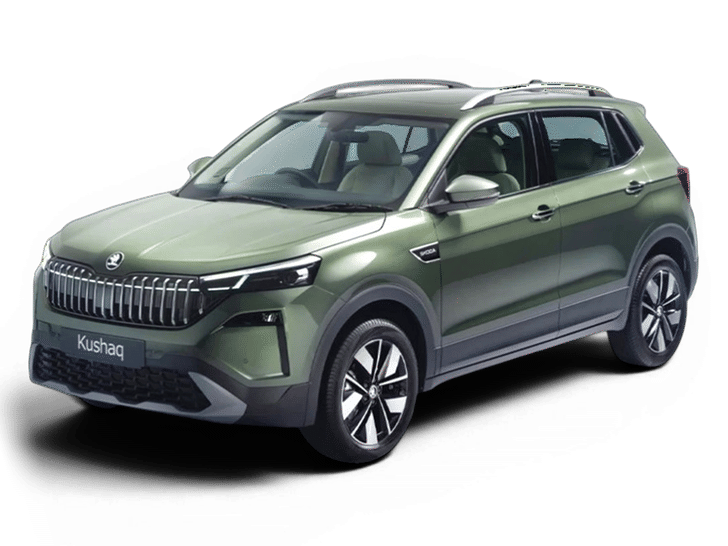




Buyers in the mid-size SUV segment are spoiled not just for choice, but also for powertrain options – ranging from petrol, turbo-petrol, diesel, CNG to even electric. However, it's the naturally aspirated petrol variants that remain the most popular, primarily due to their relatively lower prices. While these aren't the go-to choices for driving enthusiasts chasing performance, it’s still interesting to compare the 0-100kph acceleration times of the automatic versions across this segment.
Creta vs Grand Vitara vs Astor vs Elevate: Specifications
Astor is the heaviest, while the Grand Vitara has the lowest output figures
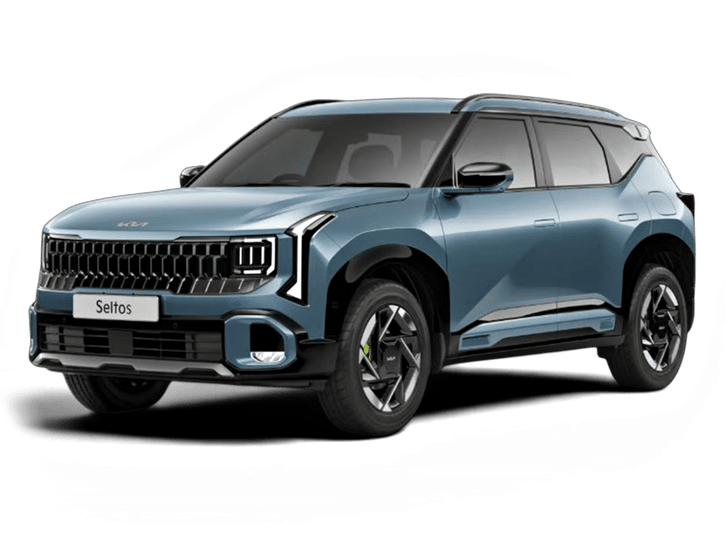
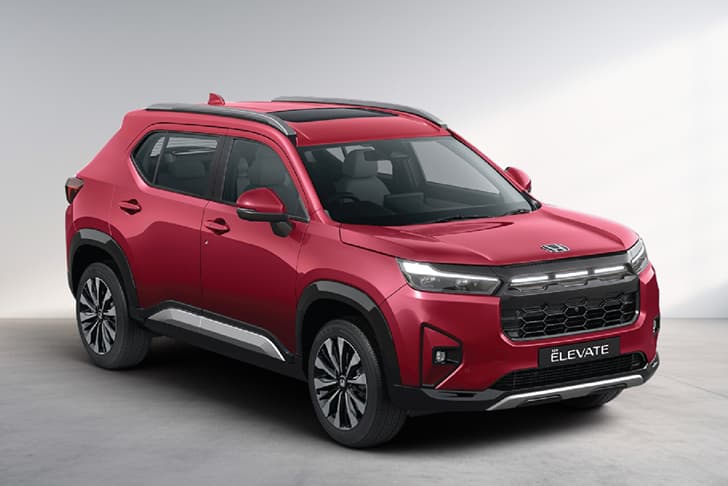
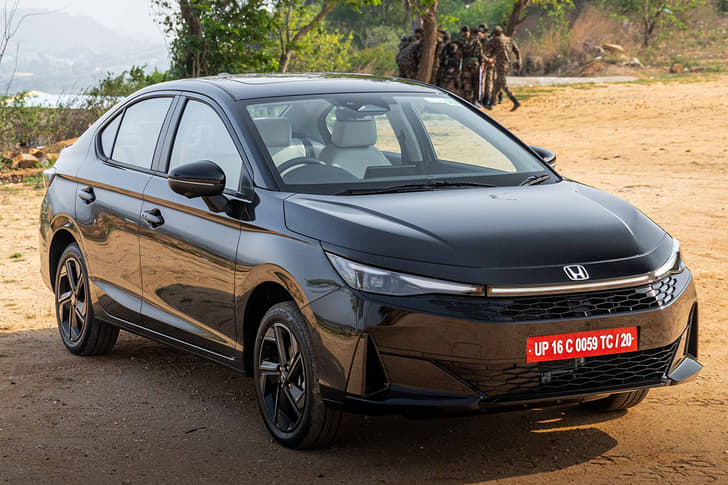
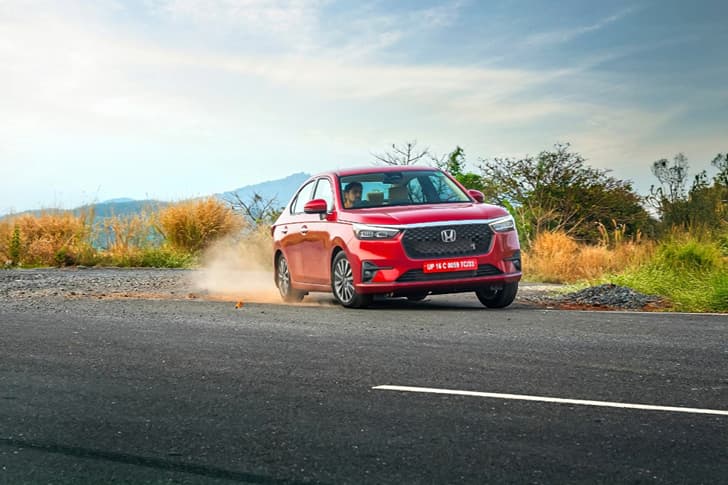
All the contenders are powered by a 1.5-litre petrol engine, but are available with different outputs and are mated to different transmissions. The Hyundai Creta’s (also representing the Kia Seltos), Honda Elevate and MG Astor get a continuously variable transmission (CVT); whereas the Maruti Grand Vitara’s (also representing the Toyota Hyryder) is mated to a 6-speed torque converter (automatic).
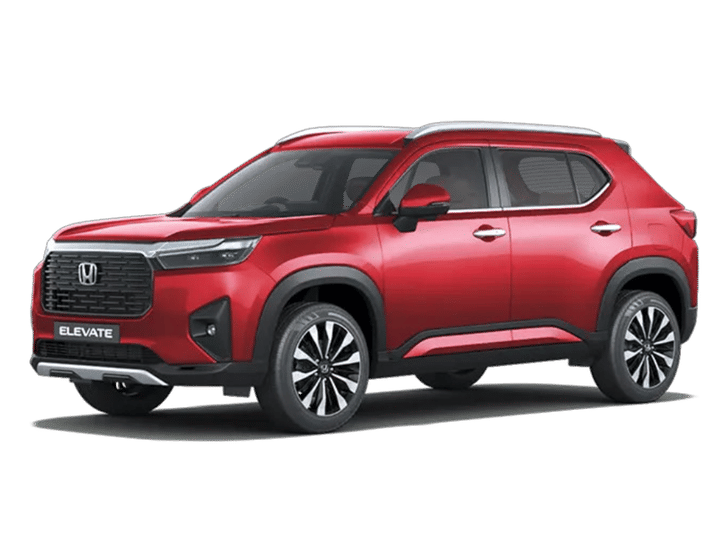
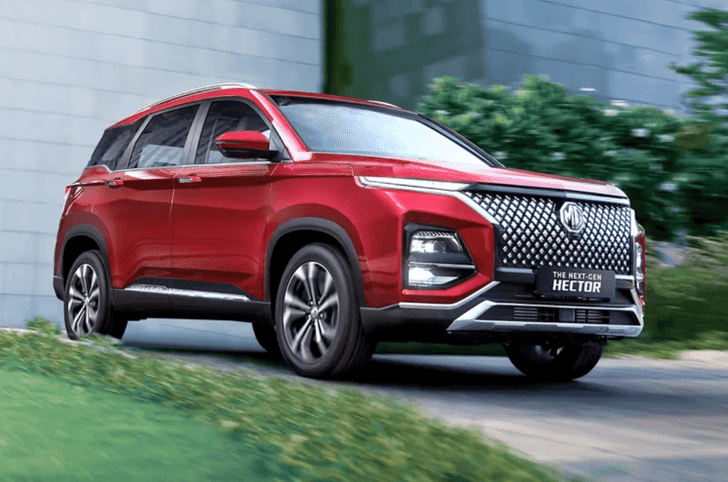
Among them, the Honda Elevate is the most powerful, while the Grand Vitara/Hyryder pair are the least. The MG Astor, interestingly, is also the heaviest at 1349kg, followed by the Creta at 1282kg, Elevate at 1258kg, and Grand Vitara at 1215kg.
Creta vs Grand Vitara vs Astor vs Elevate: acceleration tests
Elevate is the quickest in the 0-100kph sprint
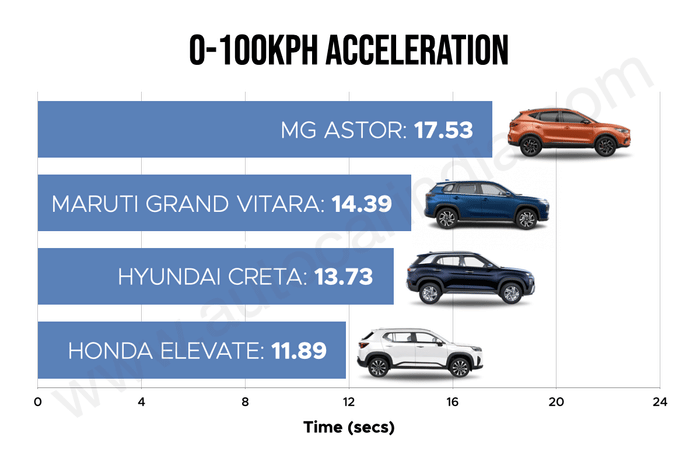
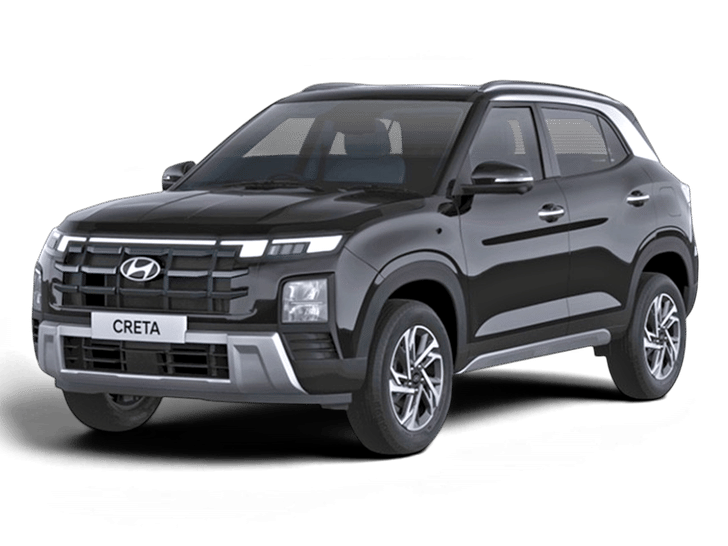
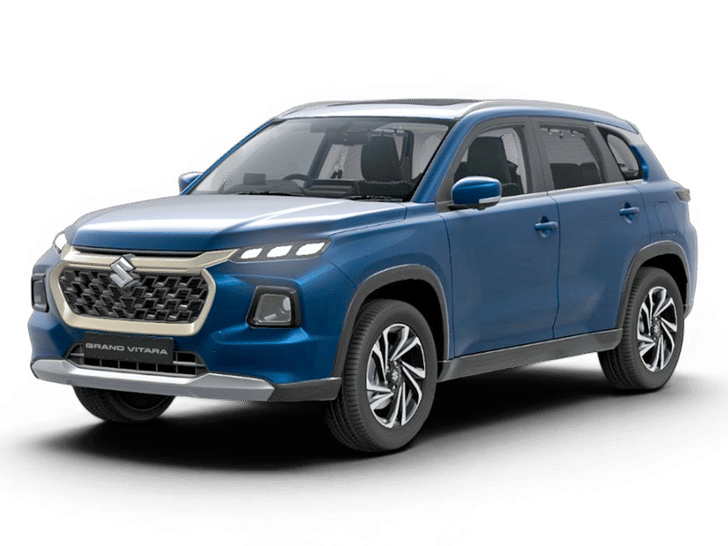
In our tests, the Honda Elevate was the quickest to accelerate from 0-100kph taking merely 11.89 seconds. The Hyundai Creta sprints to 100kph from a standstill in 13.73 seconds, while the Grand Vitara takes a lazy 14.39 second. The Astor’s heavier kerb weight and laidback power delivery result in a 0-100kph acceleration time of 17.53 seconds, making it the slowest in its class.
What community is saying on the Elevate (2023-2026)?
In our tests, the Honda Elevate was the quickest to accelerate from 0-100kph taking merely 11.89 seconds. The Hyundai Creta sprints to 100kph from a standstill in 13.73 seconds, while the Grand Vitara takes a lazy 14.39 second. The Astor’s heavier kerb weight and laidback power delivery result in a 0-100kph acceleration time of 17.53 seconds, making it the slowest in its class.
Their ranking remains the same when it comes to rolling acceleration times from 20-80kph and 40-100kph.
Autocar India’s testing standards
Before we conduct our performance tests, we check and maintain tyre pressures based on the manufacturer’s recommendation and ensure the car has a full tank of fuel. The car is then tested in a controlled environment with two people on board, and the data is collected via highly accurate GPS-based timing equipment.


 Uday Singh

 Dipan Sur


 Glenn Noronha