
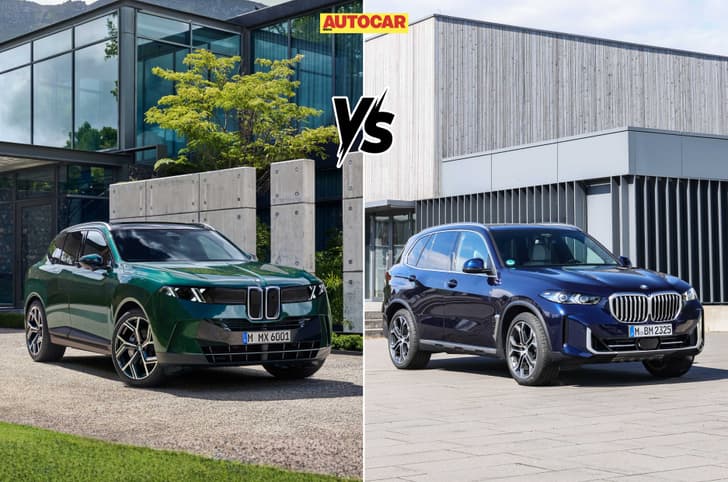
The fourth generation of the BMW X5 arrived in the Indian market in May 2019, and received a facelift in July 2023. However, the German automaker will follow this up with the introduction of the new fifth-generation model in India later on. On June 30, 2026, BMW revealed this next-gen model on the global stage. The luxury SUV comes with a thoroughly revamped exterior and interior, along with an expanded feature set and powertrain options. Here are the main differences (and some similarities) between the previous-gen and new-gen BMW X5.
BMW X5 new vs old: Exterior design
Uses the Bavarian brand’s latest Neue Klasse-based design language
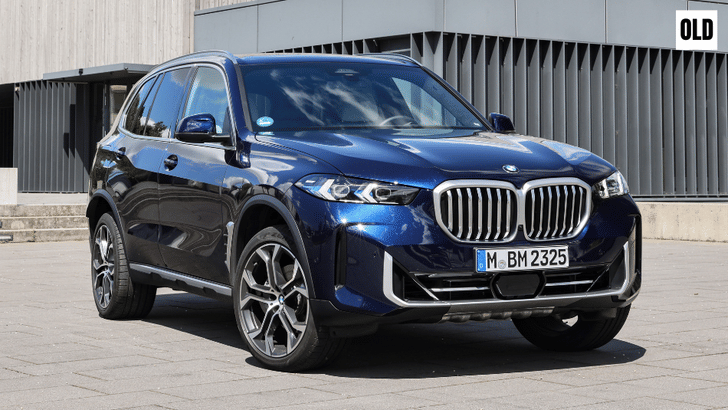
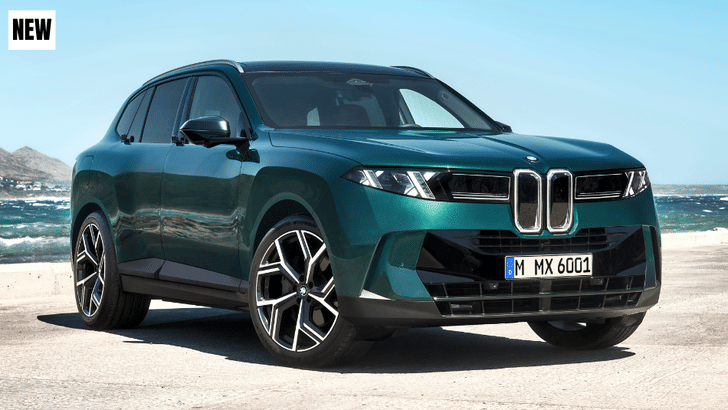
The new BMW X5 sports a more chiselled exterior with an upright front fascia and a sculpted shoulder line. The brand’s signature ‘kidney grille’ is now slimmer and taller than before and is illuminated as well. Flanking this are single-unit LED headlamps with BMW’s new ‘double-X’ lighting signature, whilst the redesigned two-tone bumper integrates multiple air intakes.
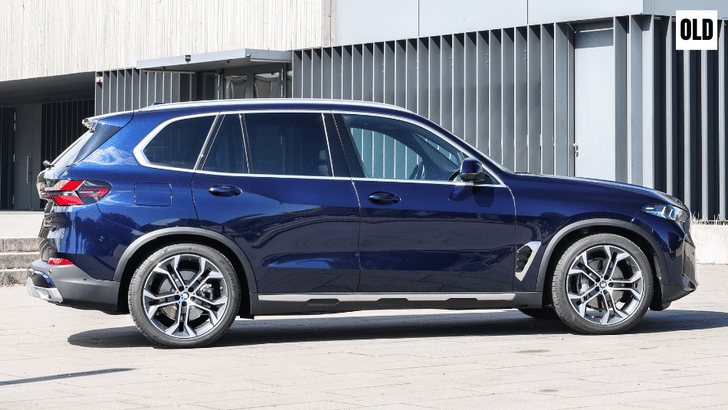
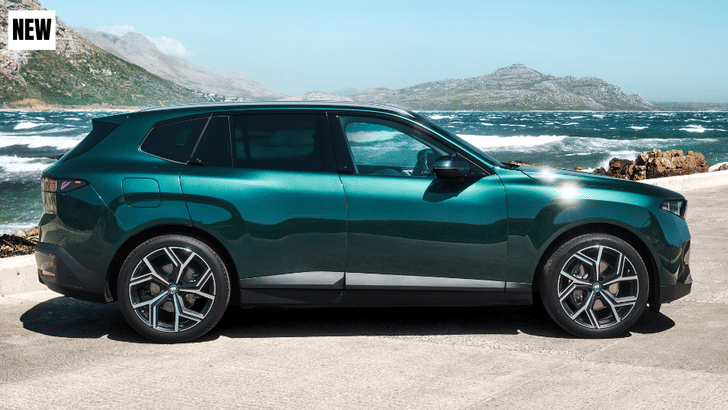
The chiselled side profile of the X5 looks sleeker than before and gets new wheel designs ranging in size from 21 to 23 inches – the latter being a size larger than what was offered with the old X5. Other new exterior details include repositioned outer rearview mirrors (ORVMs) and new winglet-style door handles compared to the previous car’s pull-type units.

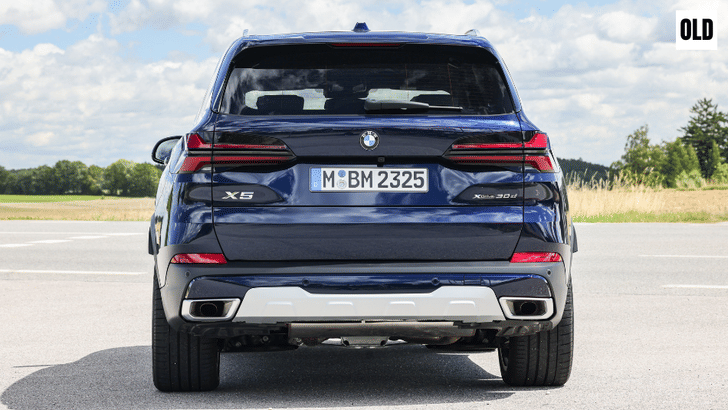
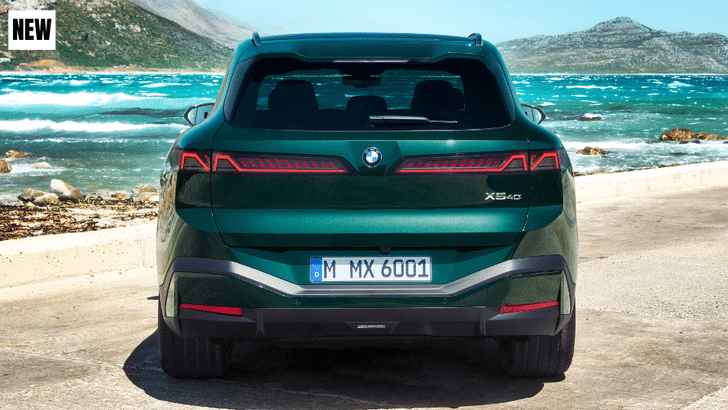
The restyled rear of the BMW X5 gets sleeker LED tail-lamps that extend further into the tailgate. The new back bumper has a more sculpted look than before, but the tailpipes are now hidden from view. Upgrading to one of the M Sport packages gets gloss-black elements alongside a sportier-looking front splitter, roof spoiler and rear diffuser.
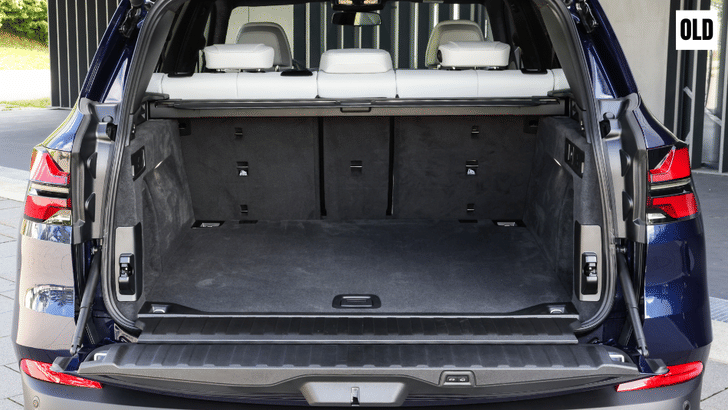
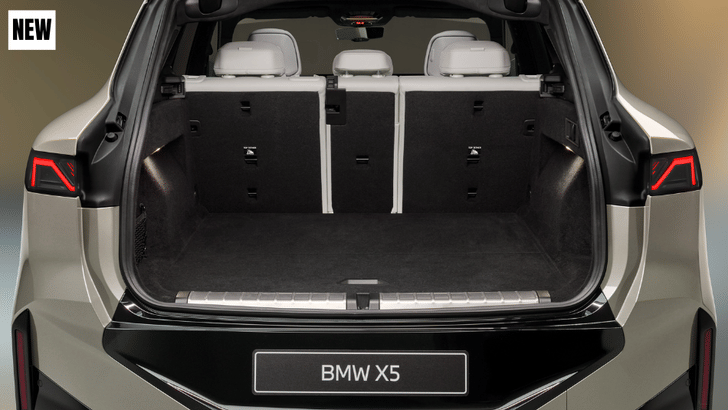
The new X5 is longer than the old one – both in terms of its overall length and wheelbase. Where the previous-gen X5 had a maximum boot capacity of 1,850 litres, the new-gen model takes that up to 2,047 litres. On the other hand, the X5 no longer gets the split-folding tailgate mechanism offered in the old model. It has been replaced by a traditional, single-unit design.
BMW X5 new vs old: Interior design and features
What community is saying on the X5?
The thoroughly updated interior looks more minimalistic and gets new design details
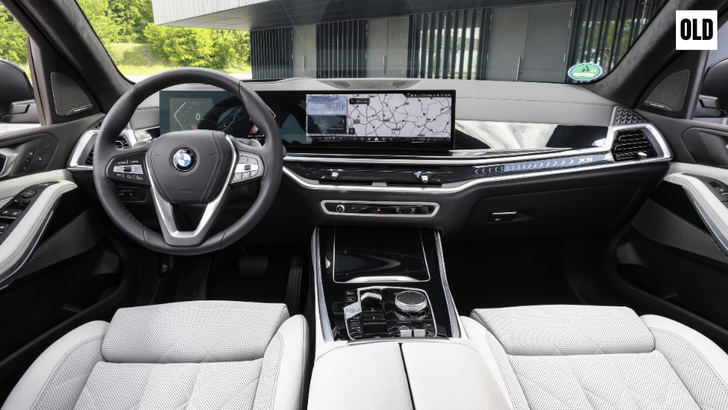
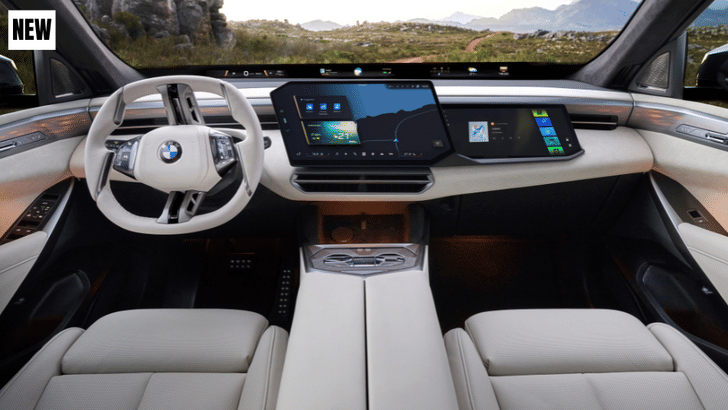
Inside the new-gen BMW X5 is a new door-to-door wraparound design featuring metallic trim and new integrated LEDs. On the other hand, the previous-gen model’s interior sported a wedge-shaped, sloping dashboard. Taking centre stage on the dashboard is the uniquely shaped ‘Panoramic iDrive’ display measuring 17.9 inches diagonally – the old X5’s main screen measured up to 14.9 inches. Right next to the primary head unit is an optional 14.6-inch front passenger display, with the other side taken up by a newly designed steering wheel. The traditional instrument cluster of the previous-gen X5 has made way for a strip of smaller screens at the base of the windscreen, called ‘Panoramic Vision’.
There are full-width climate control vents on the dashboard, with the centre vents placed below the main touchscreen. Meanwhile, the previous-gen X5 had a curved twin-screen setup and air vents with conventional direction toggles. The rotary drive selector for the iDrive is gone, while the toggle-type mechanism for drive selection has been integrated into a three-section unit on the centre console. Buttons from the dashboard have also been moved down to the centre console. Controls for the hazard lights and electronic parking brake are found here as well, along with a couple more buttons.
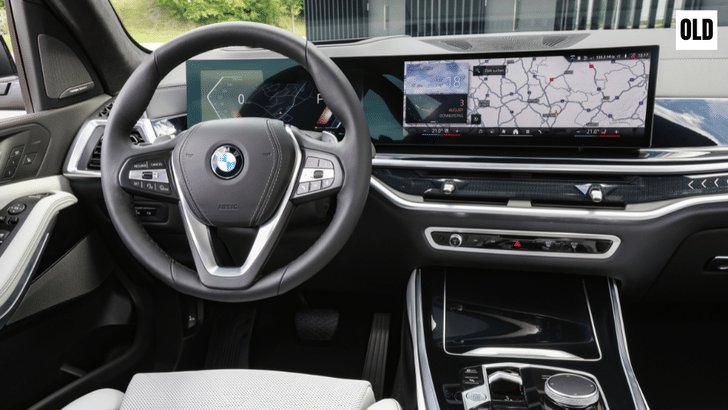
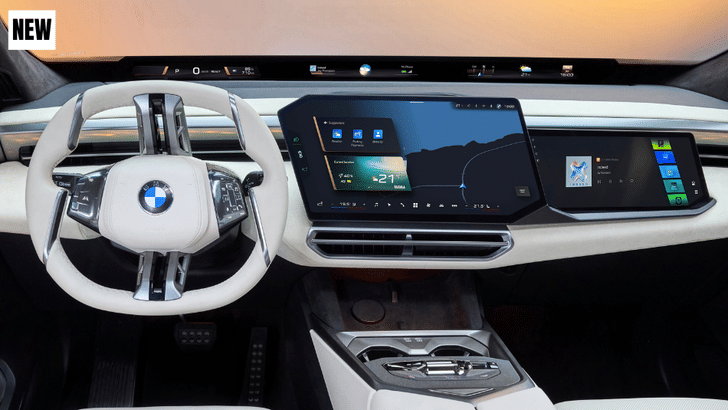
The infotainment unit uses the BMW’s new Operating System X software compared to the old car’s previous-gen iDrive software, which also featured the rotary iDrive controller. The X5’s premium audio system now supports Dolby Atmos, while the ADAS (Advanced Driver Assistance Systems) suite has also been updated. However, the new X5 will continue to be available with a head-up display, ventilated front seats with massaging functions, adaptive air suspension and a panoramic sunroof. Of course, other safety nannies such as multiple airbags, electronic stability management and surround-view cameras will be offered with the new-gen X5 too.
BMW X5 new vs old: Powertrain options
The next-gen X5 can support fully electric and hydrogen powertrains as well
One of the biggest changes between the old and new BMW X5 is the latter’s compatibility with a variety of powertrain types. Its Neue Klasse platform means the X5 now supports battery electric (BEV) and hydrogen fuel-cell electric (FCEV) options. The latter has been co-developed with Toyota, and in the iX5 Hydrogen, output is a claimed 401hp.
BMW has updated the 3.0-litre inline-six turbo-petrol engine of the 40 and 40 xDrive variants of the X5. While they still get a 48V mild-hybrid system and direct fuel injection, the output has gone up to 394hp and 580Nm. The 8-speed automatic gearbox has been retained, though. The new X5’s plug-in hybrid (PHEV) version carries forward its 3.0-litre petrol engine and electric motor combination – output for the 50e xDrive is rated at 483hp and 700Nm.
Compared to the previous-gen model, the new-gen BMW X5 will be offered in a fully electric avatar. The new iX5 60 xDrive uses an 800V architecture, along with a 144kWh lithium-ion battery pack and two electric motors. The combined output is rated at 570hp and 804Nm, while claimed range is 700km. BMW’s sixth-gen eDrive technology supports charging rates of up to 460kW, which means 10-80 percent charge in a claimed 22 minutes.
Production of the fifth-gen BMW X5 will commence at the brand’s Spartanburg plant in the US in August 2026. The combustion-only variants are set to go on sale in late November 2026, followed by the plug-in hybrid and fully electric versions in early 2027.


 Uday Singh

 Glenn Noronha
 Dipan Sur