
BMW has unveiled the fifth-generation X5, introducing a redesigned exterior, an all-new cabin and the widest range of powertrains ever offered on the luxury SUV. Alongside petrol, diesel and plug-in hybrid variants, BMW has introduced the first-ever all-electric iX5, while a hydrogen-powered version is set to join the line-up at a later stage.
- First-ever all-electric BMW iX5 offers up to 845km WLTP range
- 401hp hydrogen-powered iX5 to join the line-up later
- Production begins at Spartanburg plant in August 2026
BMW X5: Exterior design
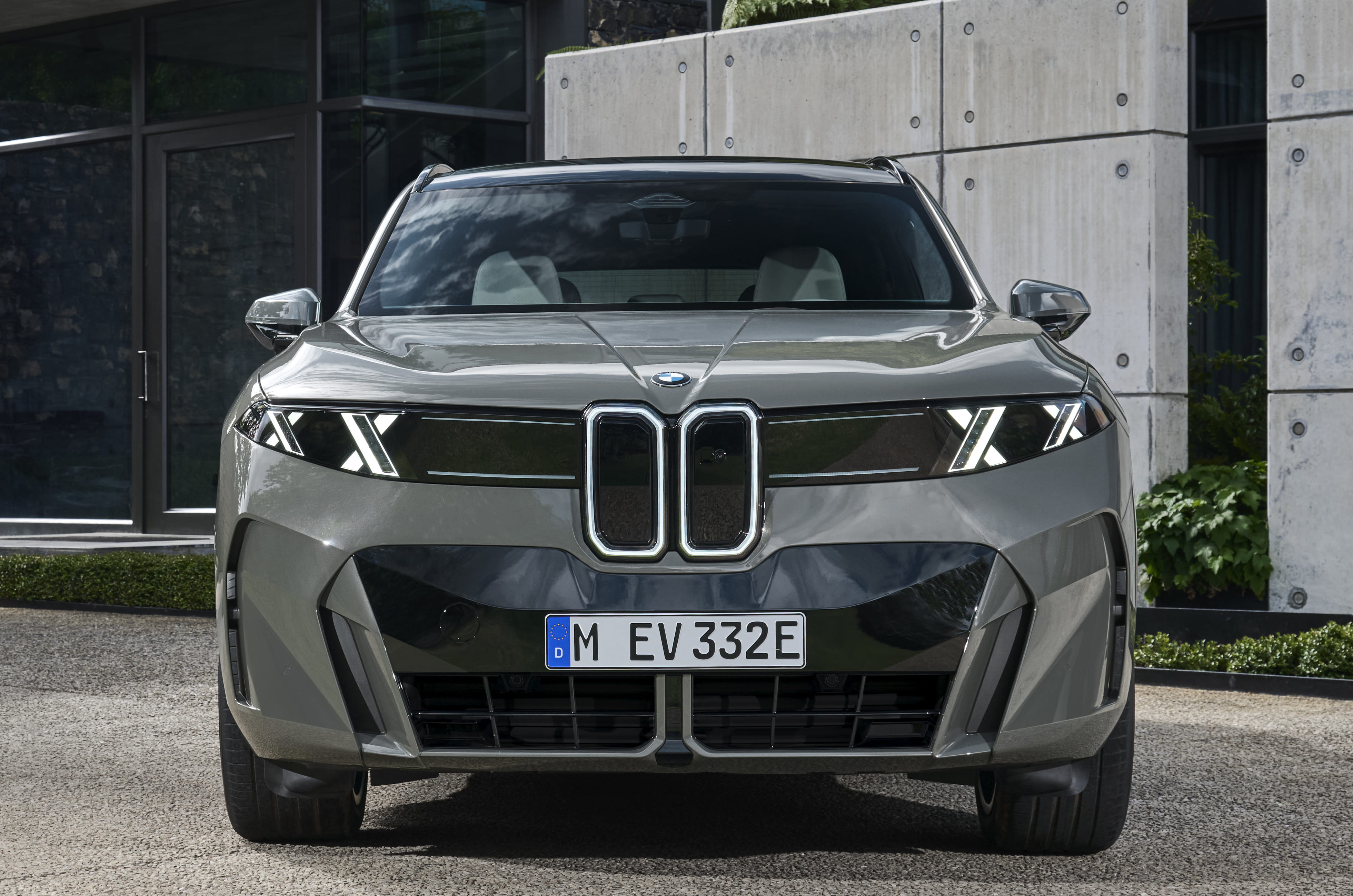
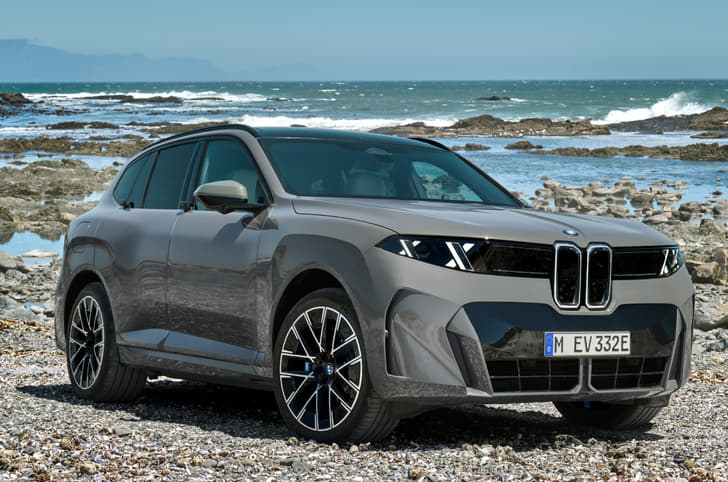
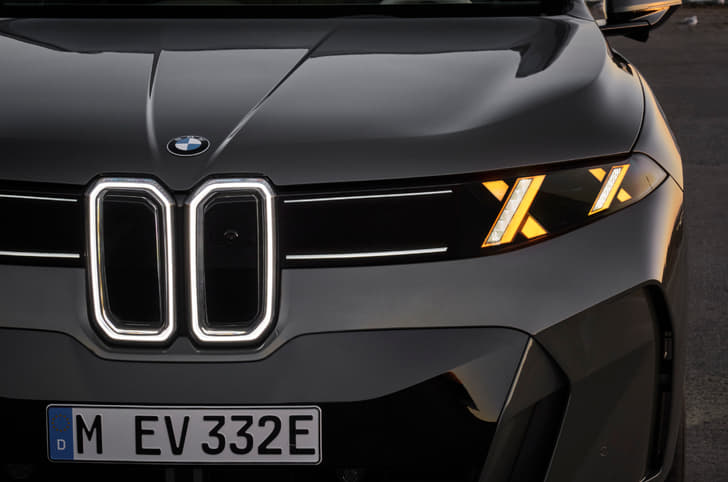
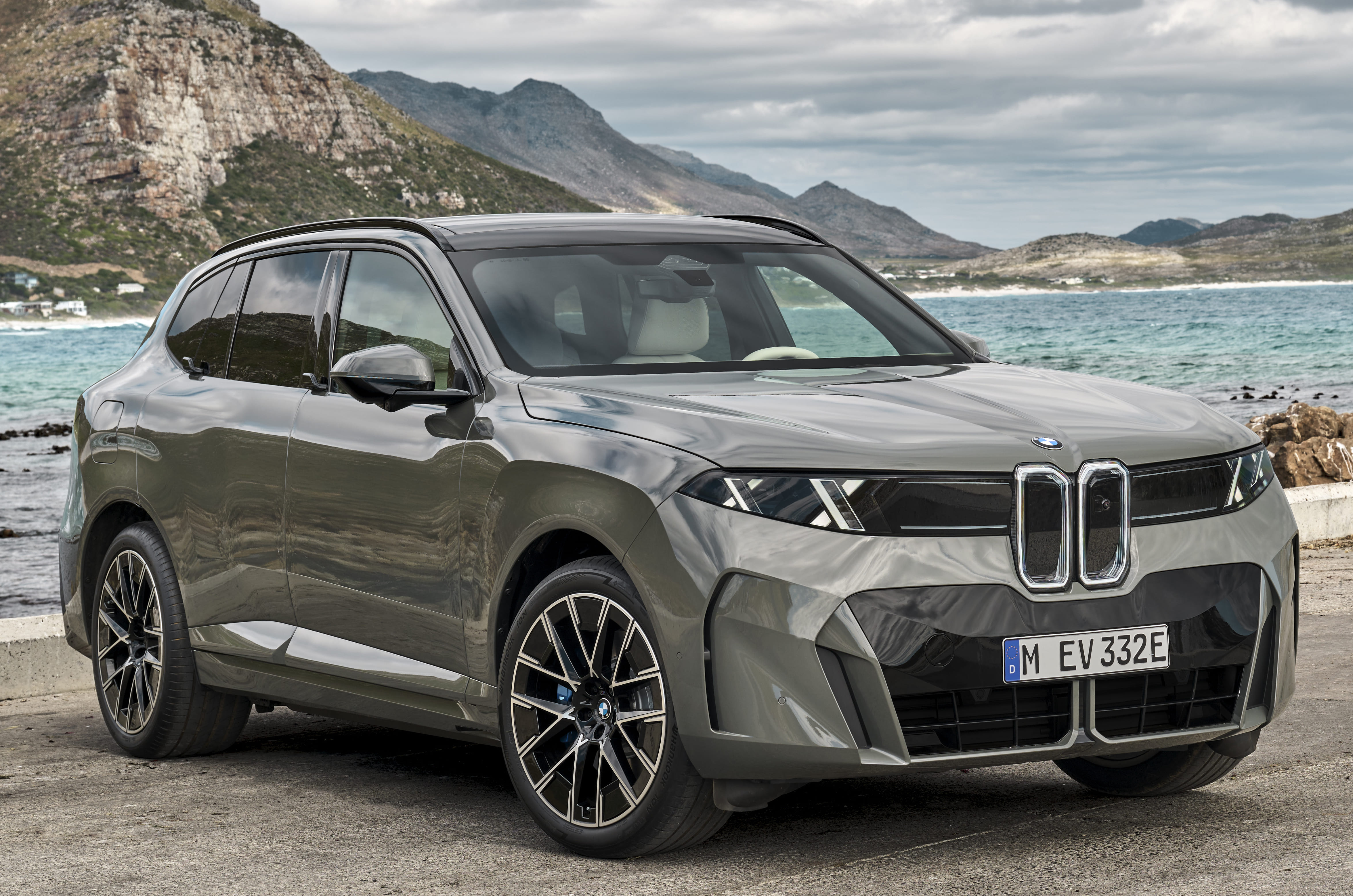
The new X5 adopts BMW’s latest Neue Klasse-inspired design language while retaining its familiar SUV proportions. The front end is taller and more upright than before, featuring a redesigned illuminated kidney grille flanked by new ‘double-X’ LED light signatures.
The new lighting units combine the daytime running lights, indicators and low-beam headlights into a single element. Adaptive LED headlights with cornering lights, matrix high beam and ‘Selective Beam’ non-dazzling technology are offered as standard.
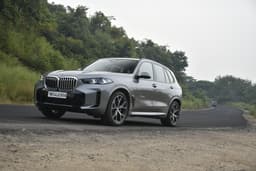
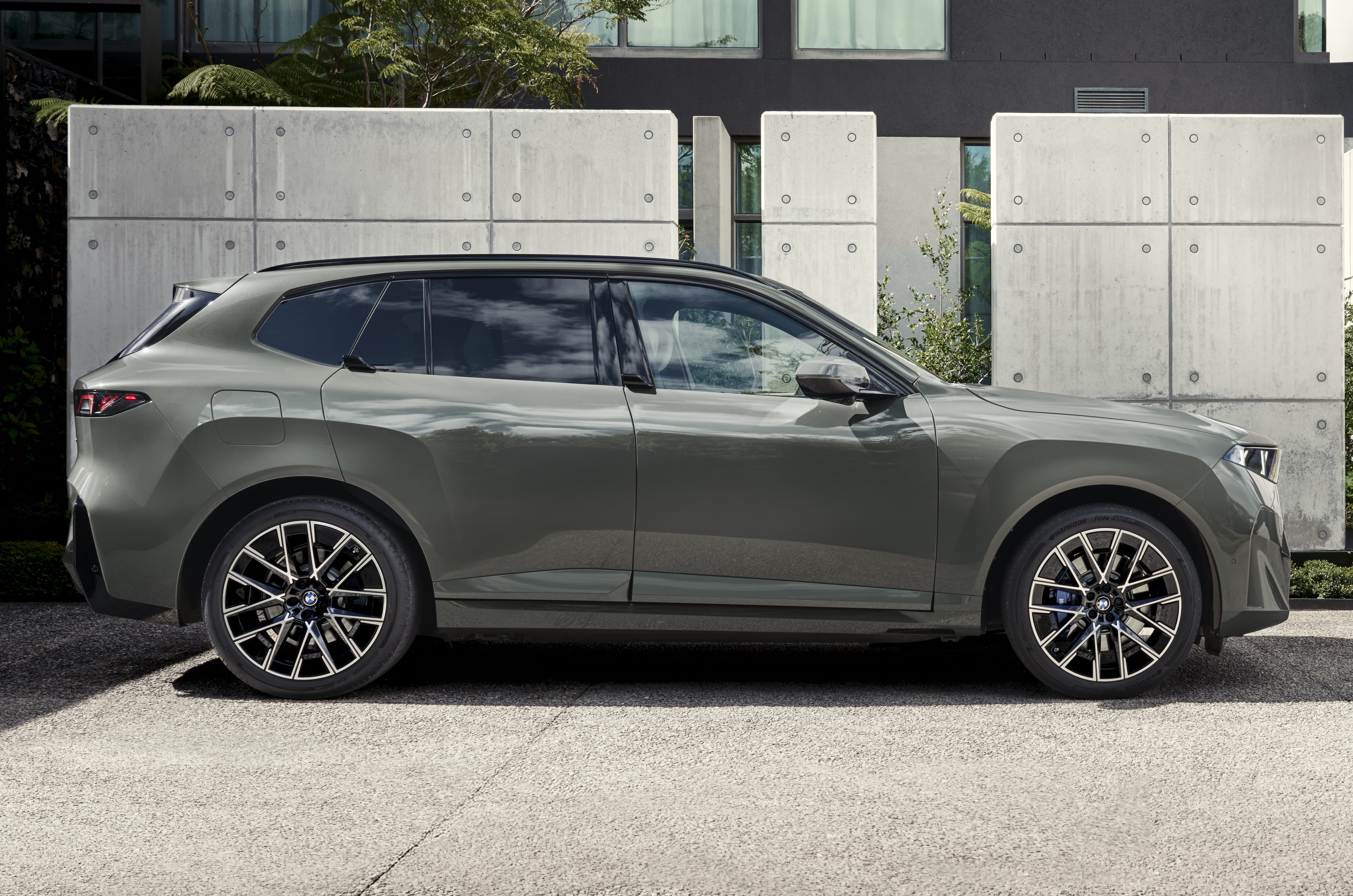
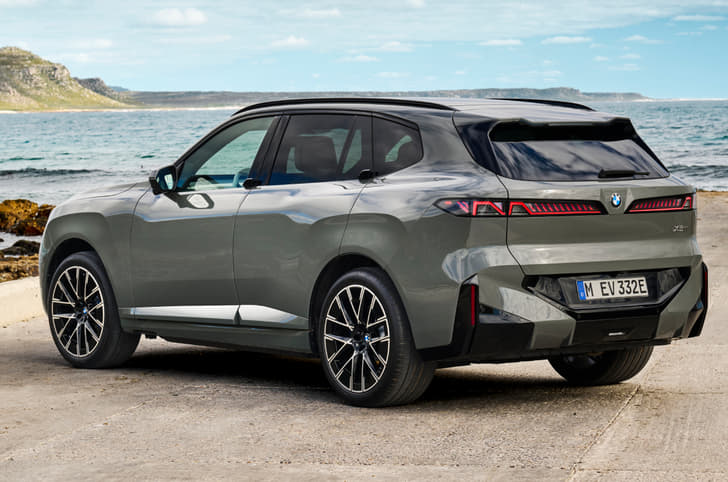
Viewed from the side, the X5 gets new electrically operated ‘BMW Winglet’ door handles integrated into the B- and C-pillars, pronounced wheel arches and a sculpted shoulder line.
At the rear, the X5 gets slimmer LED tail-lamps with a new lighting signature, a redesigned bumper and a wider stance. The range-topping M60e xDrive features a more aggressive exterior with unique styling elements, while M Sport and M Sport Pro packages continue to be offered on other trims. Buyers can choose from 11 exterior colours and alloy wheels ranging from 21 to 23 inches.
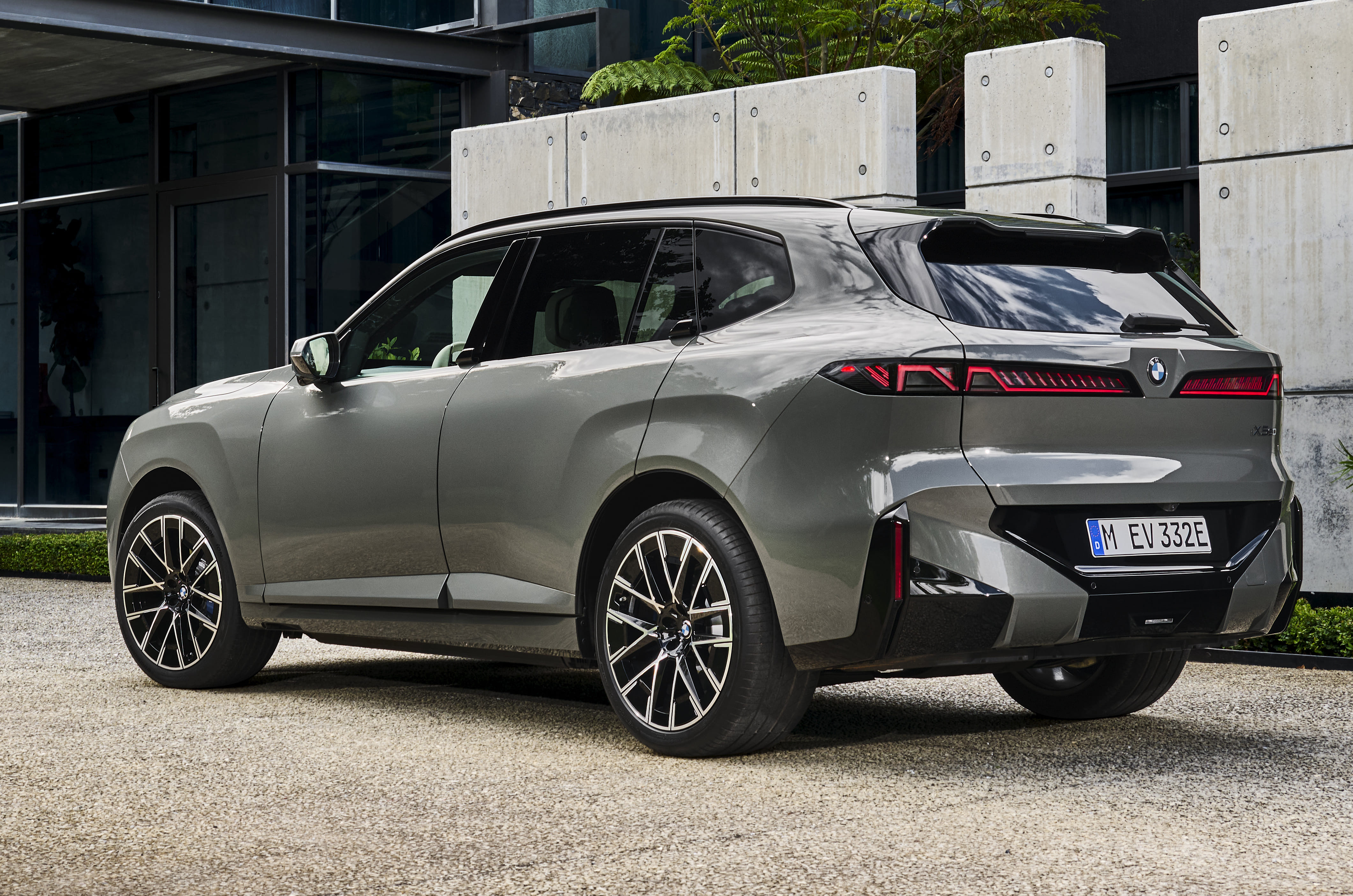
Measuring 4,994mm long and 2,000mm wide, the new X5 has a 3,035mm wheelbase. Boot space is 655 litres, expandable to 1,850 litres with the rear seats folded, while plug-in hybrid variants offer 525-1,680 litres.
BMW X5: Interior and features
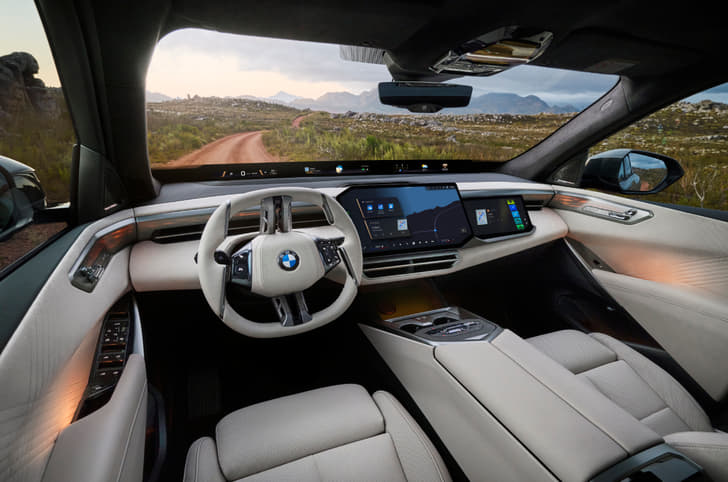
The X5 gets a completely redesigned cabin with a new dashboard layout and fewer physical controls. It now features BMW’s Panoramic iDrive display, which shows key information across the base of the windscreen, a diagonal 17.9-inch central touchscreen, a 3D head-up display and an optional passenger display. A newly designed steering wheel is also part of the update.
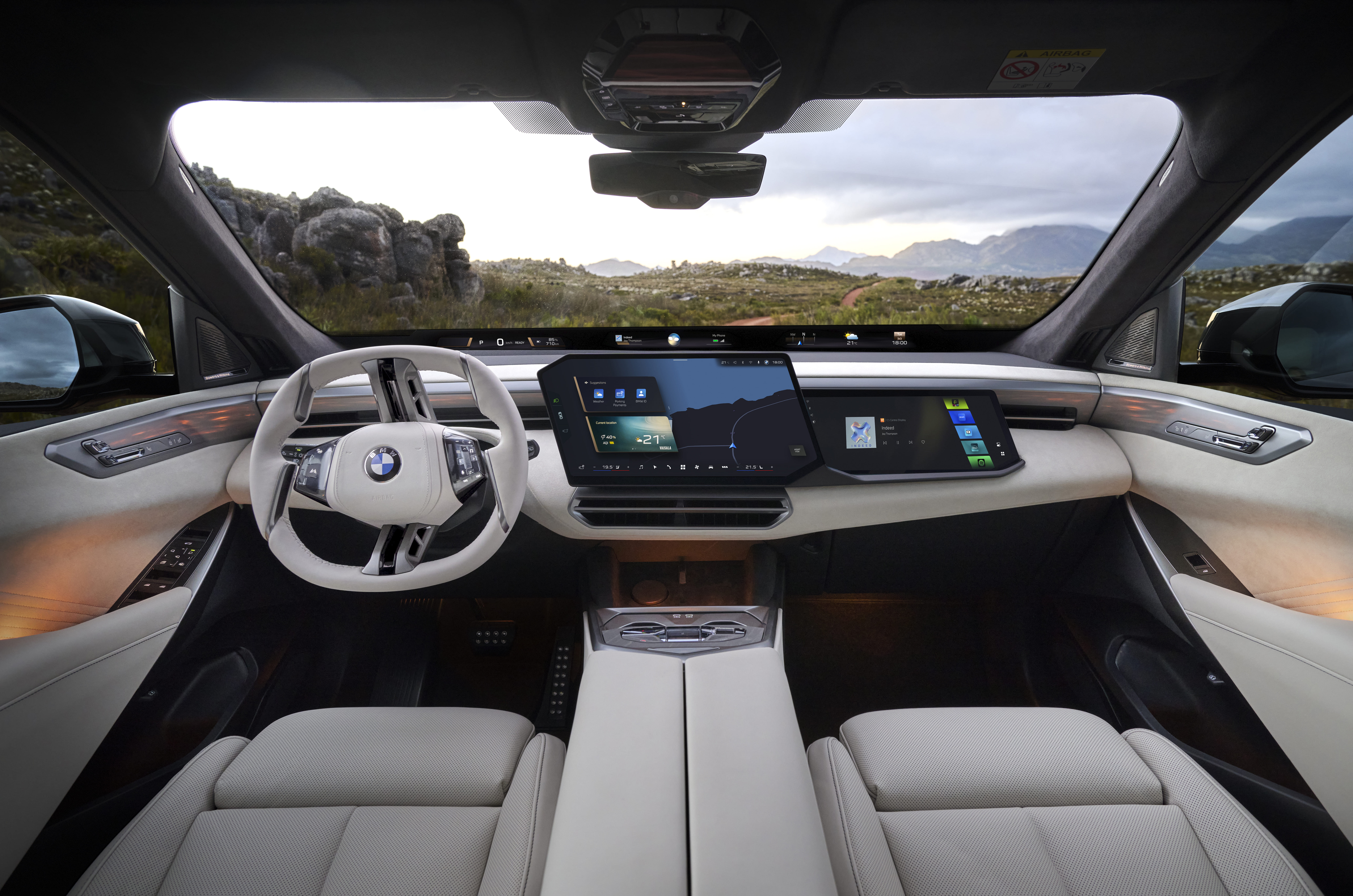
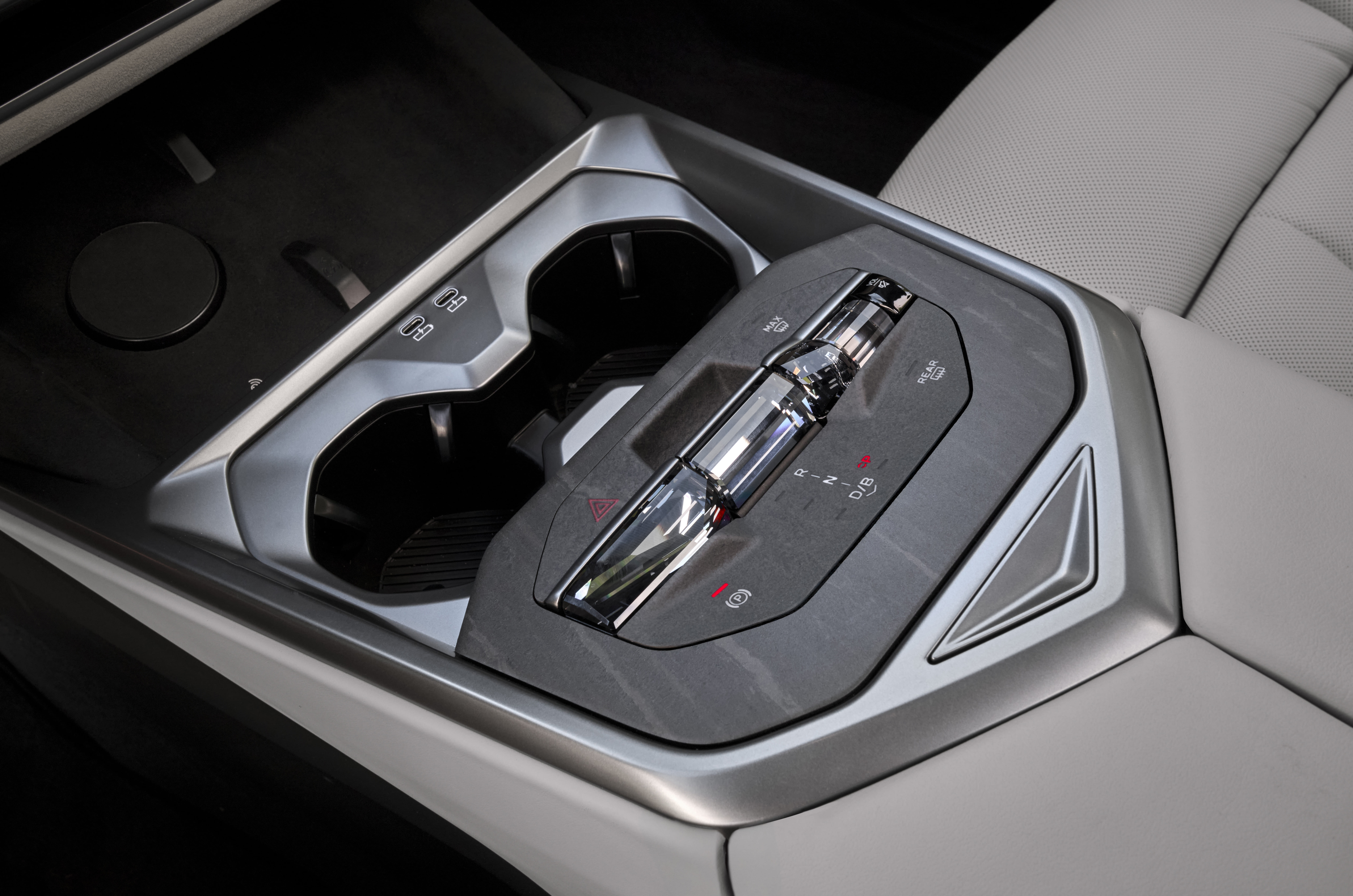
There are new trim finishes, including optional slate and glass accents, along with extended ambient lighting. Other highlights include a standard panoramic glass roof, sports seats, optional ventilated multifunction front seats with a massage function, automatic soft-close doors, wireless charging, over-the-air software updates and a Bowers & Wilkins surround sound system with Dolby Atmos support. Buyers can also opt for four-zone climate control, while rear passengers get a dedicated touchscreen to control the climate system.
The X5 also gets Level 2 driver-assistance functions, including adaptive cruise control, lane-keeping assist, highway and urban driving assist, parking assist and automatic emergency braking. Other safety features include multiple airbags, tyre-pressure monitoring and electronic stability control.
What community is saying on the X5?
BMW X5: Powertrains
The fifth-generation X5 will be offered with five powertrain options, making it the first BMW model to be available with petrol, diesel, plug-in hybrid (PHEV), battery-electric (EV) and, later, hydrogen fuel-cell power. The line-up comprises the X5 40 xDrive petrol, the X5 40d xDrive diesel, the X5 50e xDrive and X5 M60e xDrive plug-in hybrids and the all-electric iX5 60 xDrive.
The production-spec iX5 Hydrogen will use BMW’s third-generation fuel-cell powertrain, co-developed with Toyota, producing 401hp. It will have two carbon-fibre-reinforced tanks for storing hydrogen, and BMW claims the refuelling times will be similar to conventional petrol or diesel models.
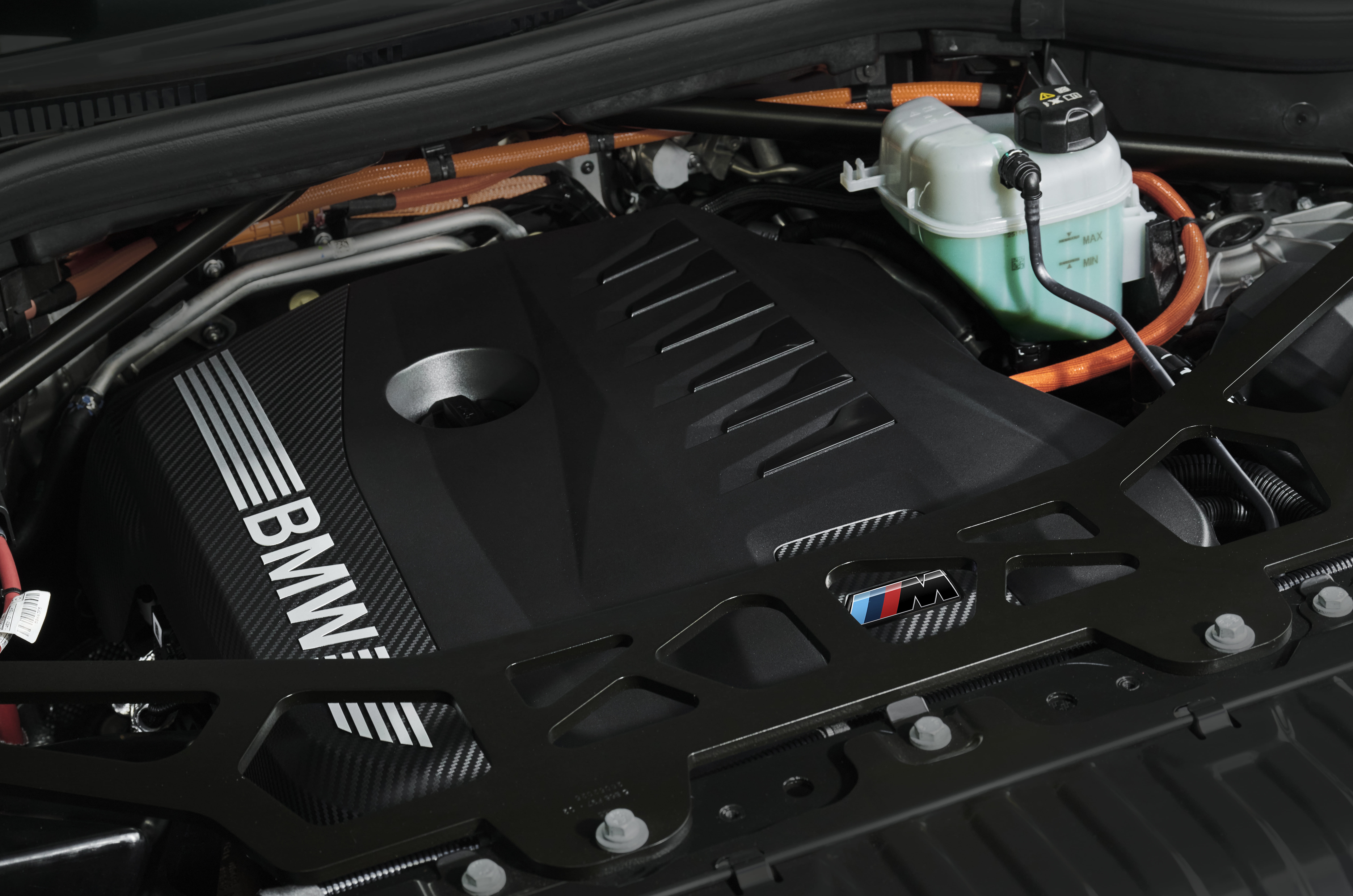
The X5 40 xDrive packs a 3.0-litre six-cylinder turbo-petrol engine with 48V mild-hybrid assistance, producing 400hp and 580Nm, while the X5 40d xDrive develops 313hp and 670Nm.
The X5 50e xDrive plug-in hybrid combines a 3.0-litre petrol engine with an electric motor to produce 489hp and 700Nm, while the range-topping X5 M60e xDrive develops 612hp and 800Nm. Both PHEVs offer an electric-only WLTP range of up to 102km and support AC charging at up to 11kW.
BMW iX5: Battery, charging, range and performance
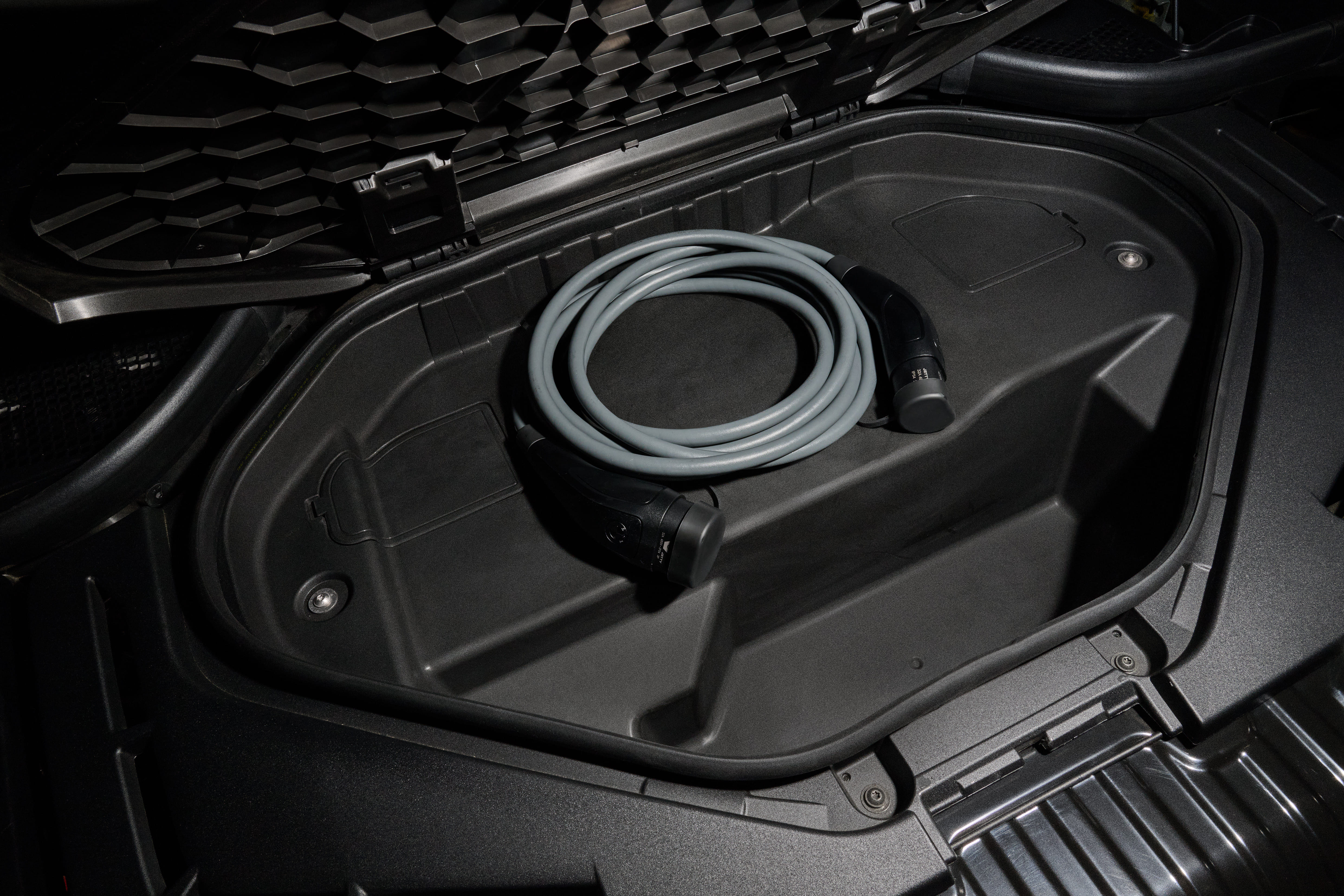
The iX5 uses a 141kWh battery pack and an 800V electrical architecture. Its dual-motor powertrain produces 578hp and 805Nm. BMW claims a 0-100kph time of 4.6 seconds, a top speed of 210kph and a WLTP range of up to 845km. The battery supports DC fast charging at up to 460kW, allowing a 10-80 percent charge in 23 minutes. It also supports up to 22kW AC charging and bidirectional charging.
BMW has also revised the X5’s chassis, with adaptive suspension fitted as standard across the range. Adaptive Chassis Control and adaptive air suspension are available on selected variants.
BMW X5: Production and launch timeline
Production of the fifth-generation X5 will begin at BMW’s Spartanburg plant in the US in August 2026. The petrol and diesel models will go on sale globally from late November 2026, while the iX5 and plug-in hybrid variants will follow in early 2027.

 Viraaj Bhatnagar
 Dipan Sur