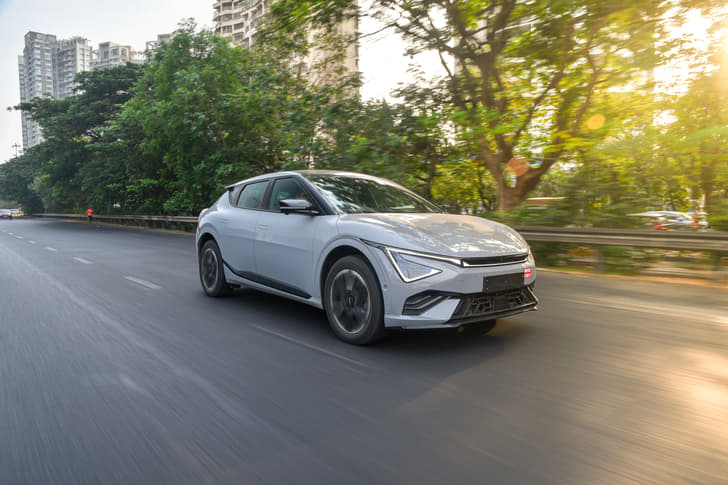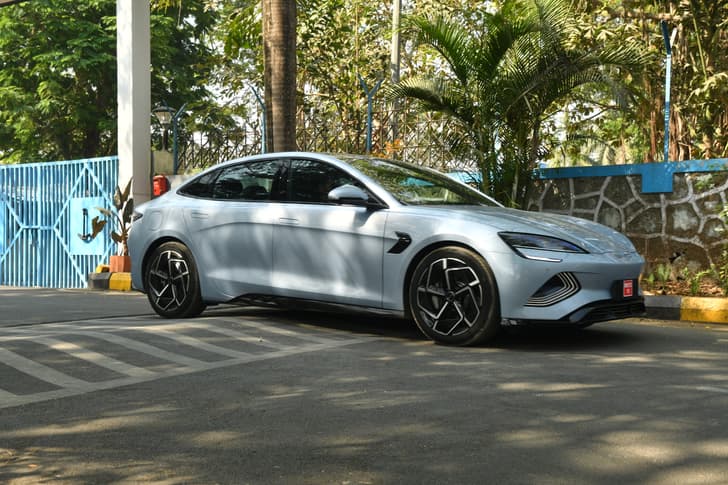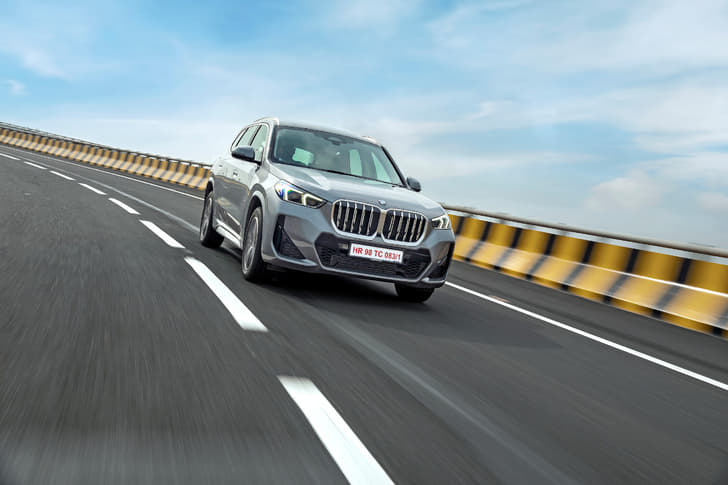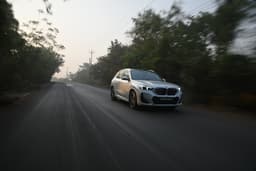
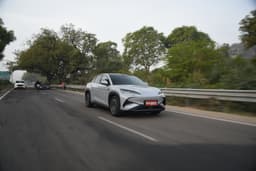

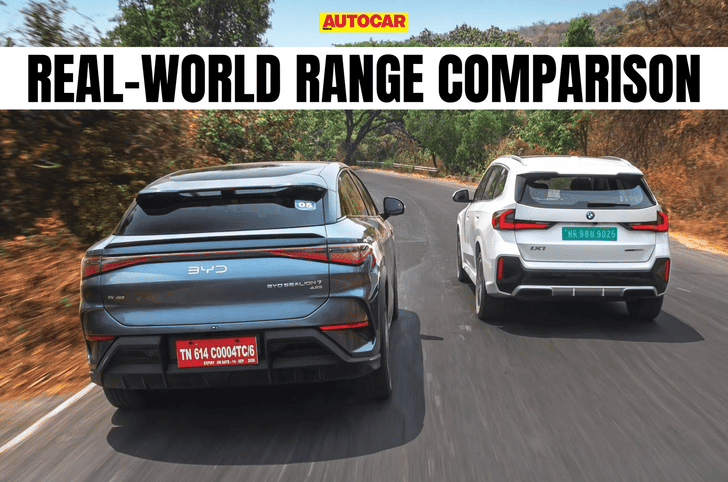
The iX1 LWB is the most affordable BMW eSUV in India, priced at Rs 51.40 lakh (ex-showroom). At a similar price point, the BYD Sealion 7 is also available with a claimed range of 500km+, which is close to the BMW’s figure. But which of these two eSUVs offers a higher range in real-world conditions? To find out, we revisit our test data, obtained by putting both the iX1 LWB and Sealion 7 through their paces in city and highway driving conditions.
BMW iX1 LWB vs BYD Sealion 7: Specifications and price
Sealion 7 is offered with a larger battery and a more potent dual-motor AWD setup
The BYD Sealion 7’s 82.56kWh battery pack is 16.16kWh larger than the one in the iX1 LWB. Plus, this BYD comes with a dual-motor AWD setup, while the iX1 is a front-wheel-drive (FWD) model. The advantage of that extra motor is reflected in the output, as the Sealion 7 produces a whopping 326hp and 440Nm more than the iX1 LWB. It is also 4.1 seconds quicker than the BMW in a 0-100kph run.
However, the BMW iX1 eDrive20L is the more affordable option, priced Rs 3.5 lakh lower than the BYD Sealion 7 Performance.
BMW iX1 LWB vs BYD Sealion 7: Real-world range
The BMW iX1 has a higher real-world range than the Sealion 7
The claimed range figures for the iX1 and the Sealion 7 cannot be compared as they are tested on different cycles (ARAI versus NEDC). However, in our real-world tests, the iX1 delivered more range in both city and highway driving conditions.
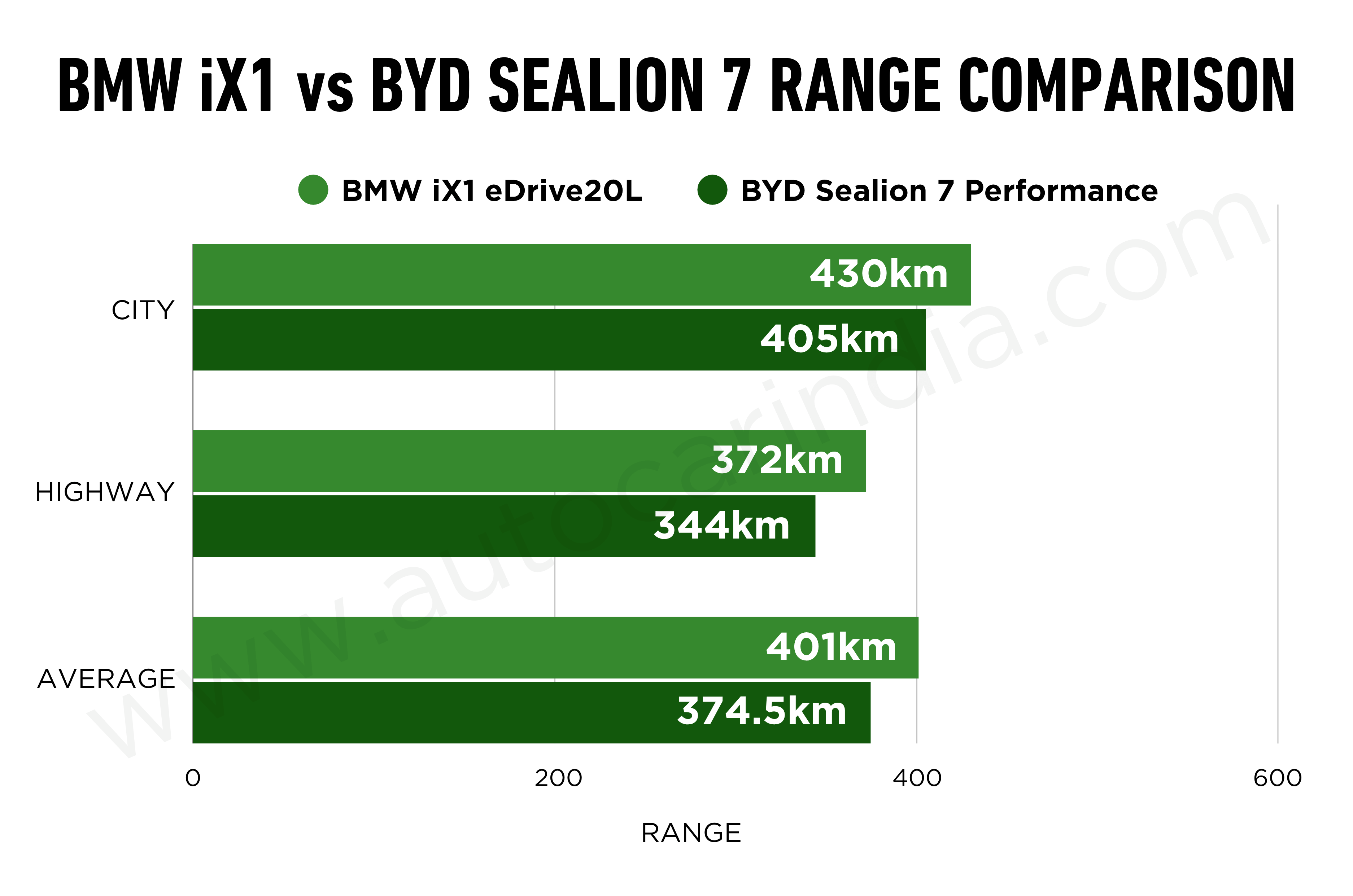
In city conditions, the iX1 LWB is 1.58km/kWh more efficient than the Sealion 7, resulting in a 25km higher range. It’s a similar story on the highway, as the BMW achieves 5.60km/kWh, which is 1.43km/kWh more than the Sealion 7, and goes 28km further than its rival. Hence, on average, the iX1 can cover 26.5km more than the Sealion 7 on a full charge.
Autocar India’s range testing
For our real-world range test, we begin with each car’s battery fully charged and tyre pressures set as per the manufacturer’s recommendations. We drive the cars on a fixed loop covering both city and highway stretches while maintaining set average speeds. We then calculate the range based on the percentage of charge consumed. The AC is set to 22deg C in auto mode, and features such as the music system, lights and ventilated seats are used as needed, just as a regular user would. This approach ensures consistency and gives a clear idea of what to expect in daily use.
Prices are ex-showroom, India.

 Uday Singh
 Glenn Noronha