Autocar India
•6w

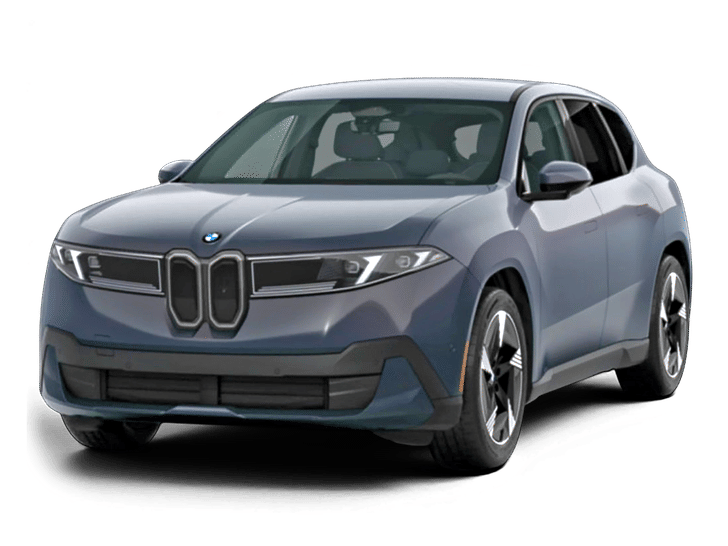
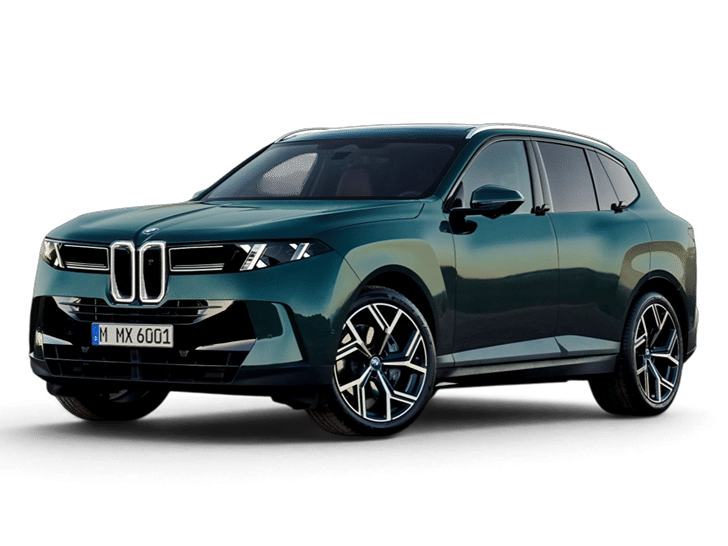
I’m looking for an entry-level luxury EV, with space, comfort, good ride quality and futuristic features as my top priorities. My budget is under Rs 65 lakh. Which one should I choose between the BMW iX1 LWB and Mercedes-Benz CLA EV, or would it be better to wait for the Mercedes-Benz GLA EV?

Verified
•6w

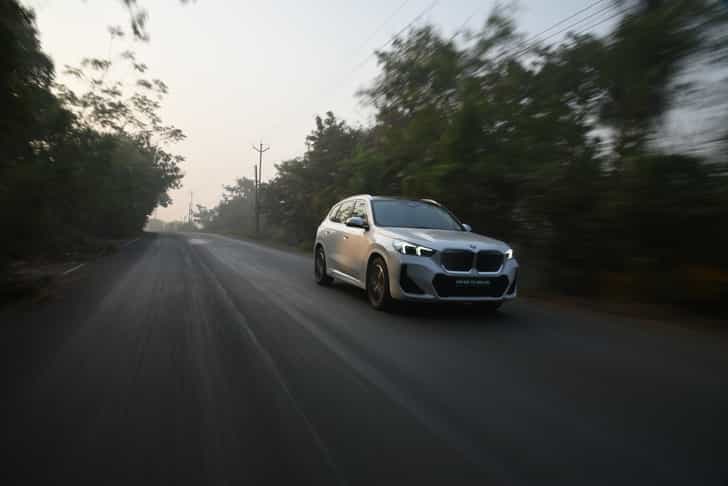
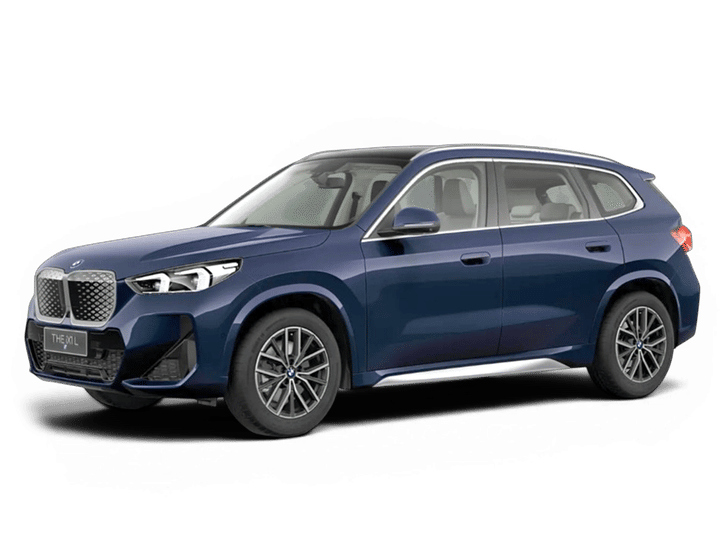
The BMW iX1 LWB is the best fit for your priorities of space, comfort and ride quality. The long-wheelbase version offers a genuinely spacious rear seat, which is a clear advantage over the Mercedes-Benz CLA Electric. The iX1 also rides well and feels like a well-rounded premium EV, with a practical boot and a comfortable cabin that will work well for daily use and longer journeys.

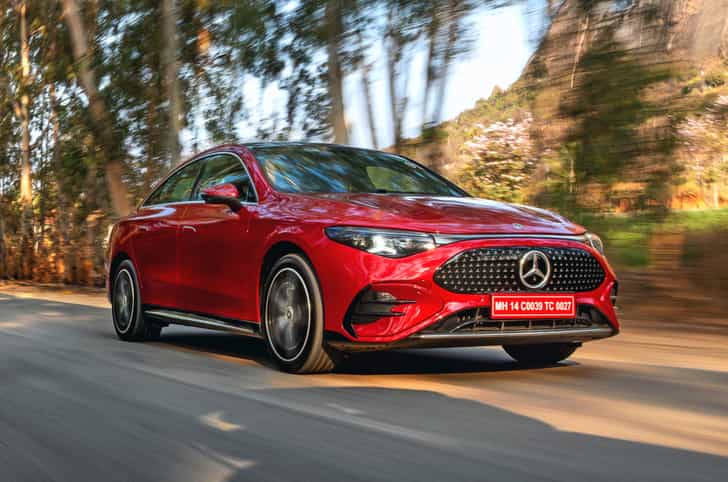
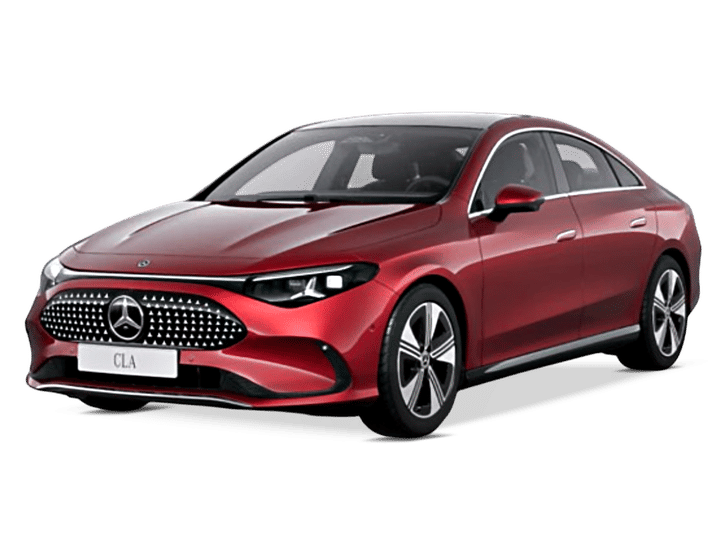
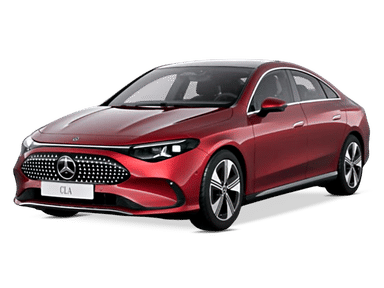
The CLA EV is a stylish product, with a noticeably more attractive interior and a better feature set. Performance is better, and it will also deliver a healthier range compared to the BMW iX1. But do keep in mind that it is pricier, and its backseat detracts from a luxurious experience on account of its upright backrest and low seating. 

So if you're going to be driving by yourself with one passenger for the most part, then the CLA EV seems to be the better option. But if backseat comfort matters to you as much as the drive, then opt for the BMW iX1.
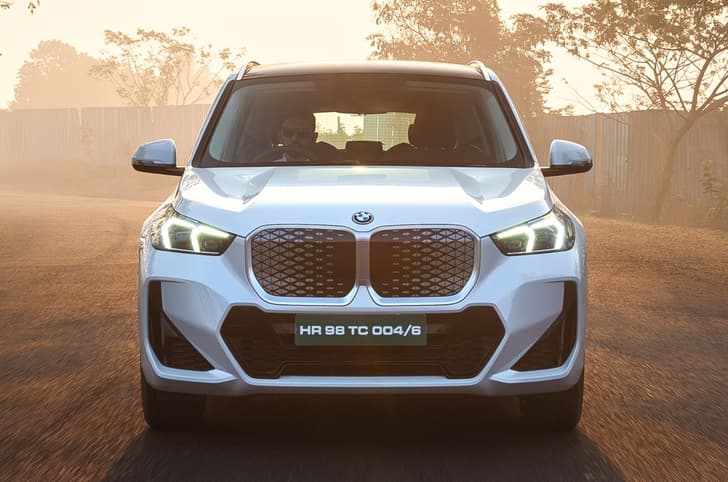
BMW iX1 LWB

BMW iX1 LWB

More posts on similar cars

•15h

Hi Autocar, I’m unable to decide between the Renault Duster 1.3 petrol DCT Iconic and the Duster Hybrid Emotion. While I like what the hybrid has to offer, the current discounts on the petrol variant put the on-road price difference at close to Rs 3 lakh, which makes me question whether the hybrid’s additional upfront cost will ever pay off. My usage would be around 60 percent highway and 40 percent city, and I expect to drive about 7,000 km a year. Beyond the pure price equation, is there anything about the hybrid that should make me consider it?

Verified
•1h

With your annual running of just 7,000km, the Duster Hybrid's extra Rs 3 lakh is unlikely to be recovered through fuel savings alone. However, the hybrid does have a significant advantage in city driving: based on our tests, the real-world fuel efficiency difference between the 1.3 turbo petrol DCT and the hybrid can be around 10kpl in the city. That is a substantial gap, especially if a third to two-fifths of your driving is in town.The hybrid also has advantages beyond economy. Its 160hp powertrain is more powerful and refined, delivering strong acceleration while keeping the ride and handling excellent. It's also a good highway cruiser, so you're not sacrificing performance for better mileage.However, because you cover 60 per cent of your distance on highways, the fuel saving will be smaller than it would be for someone who drives mainly in the city. The petrol DCT is also significantly more efficient on the highway than in town, returning 13.47kpl in our test, but its overall tested average was 10.47kpl.If you value the hybrid's refinement, performance and city efficiency, it is worth considering. But at just 7,000km a year, the Rs 3 lakh premium is difficult to justify on fuel savings alone.

VehicleRenault Duster

Has E20 fuel affected your mileage?

Is ADAS worth paying extra for in a car?

Popular discussions right now

Upcoming launch buzz

Community discussions on upcoming launches
Add a photo of your GLA

First sightings, real road conditions, delivery buzz

Posted on: 16 Sept 2026