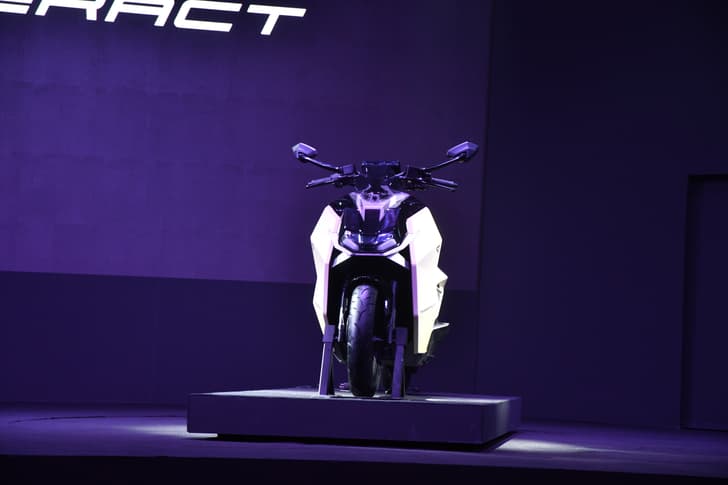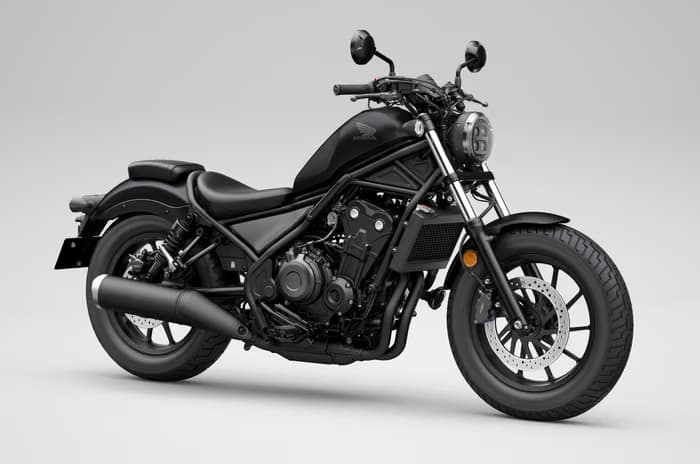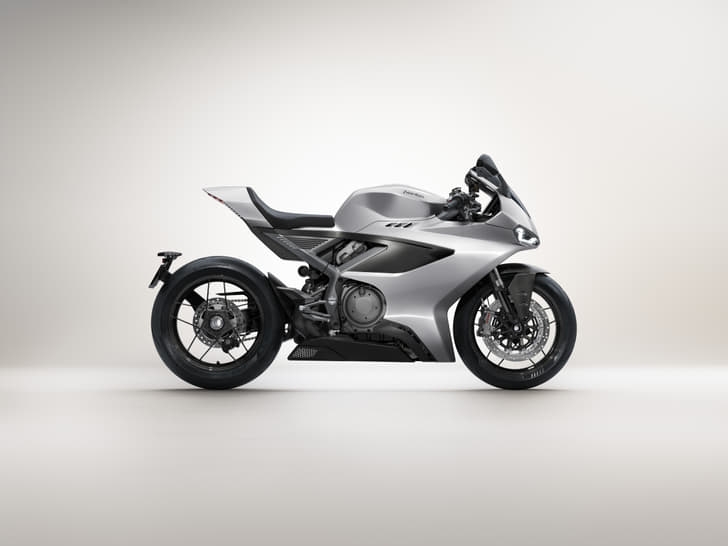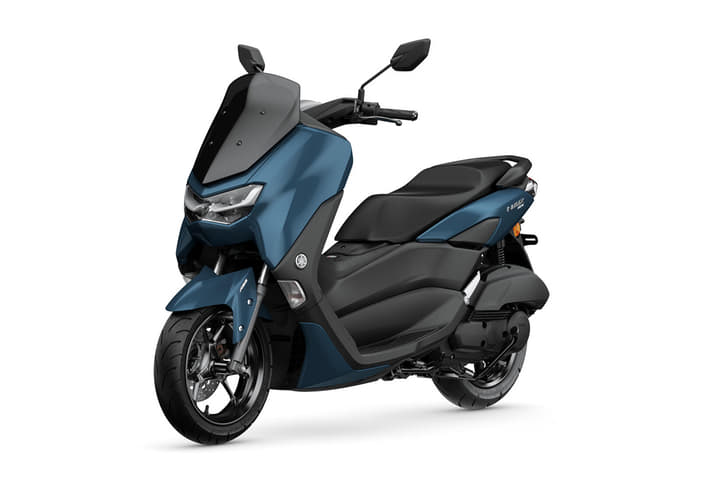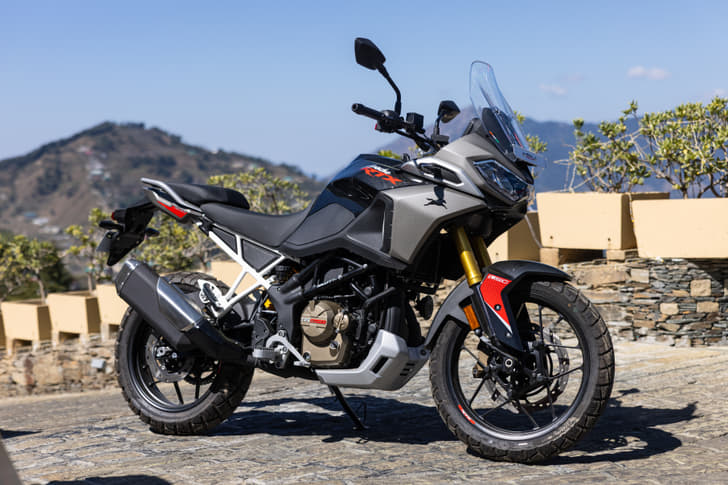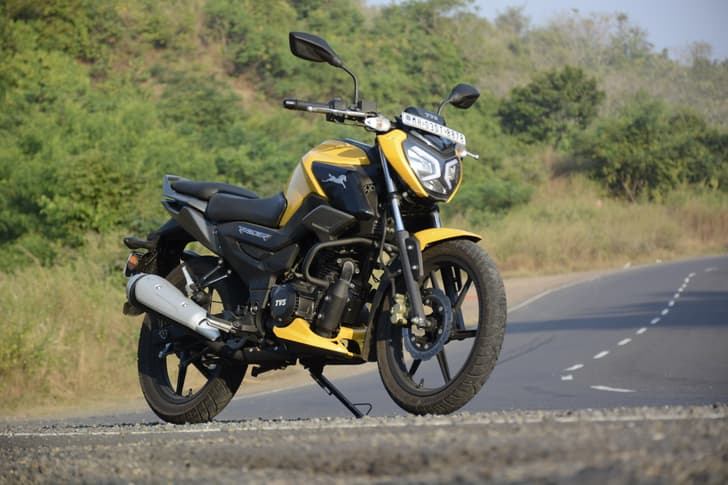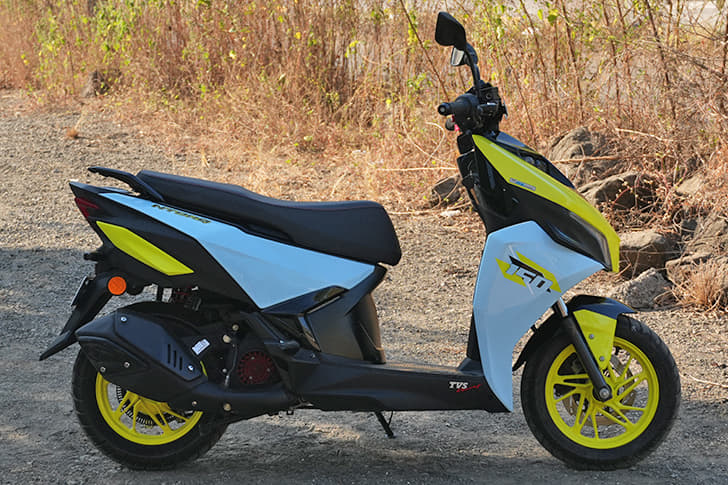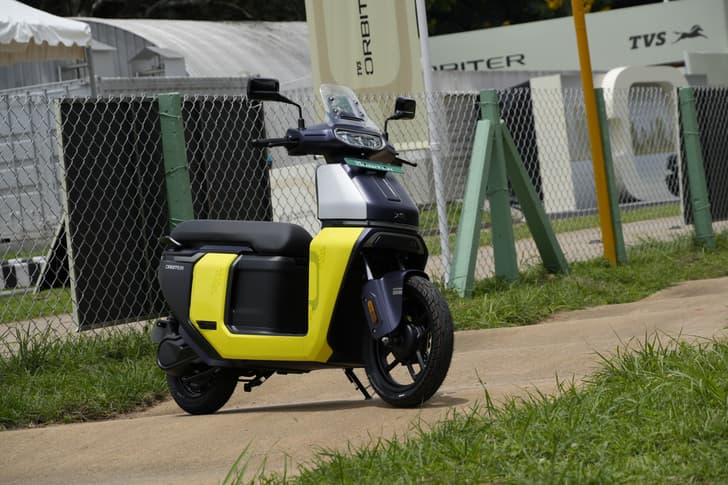

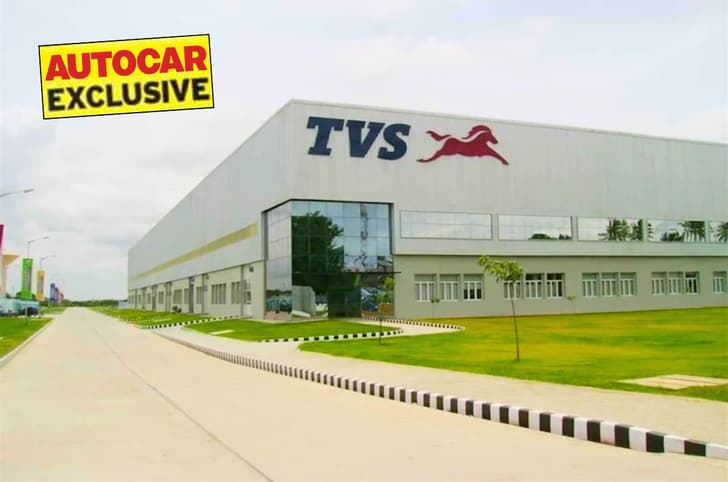
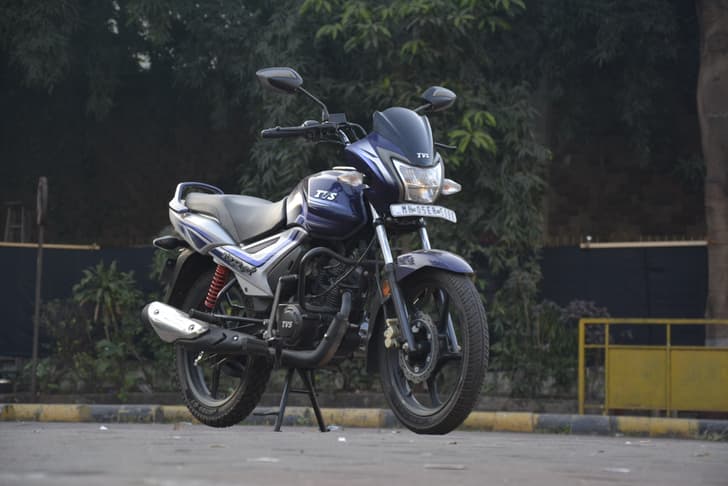
TVS Motor Company is evaluating plans to set up a new manufacturing facility, likely in Gujarat or Madhya Pradesh, as it prepares to support strong growth in volumes expected over the next few years, according to sources familiar with the matter. Sources said plans for a new plant come as the automaker is working towards increasing annual production to about 10 million units by the end of the decade.
- TVS already has three plants across India
- Existing manufacturing facilities are operating near full capacity
- Rising demand in local and export markets has necessitated this development
TVS edging close to Honda in terms of Indian two-wheeler production
It has a big presence in emerging export markets like Africa
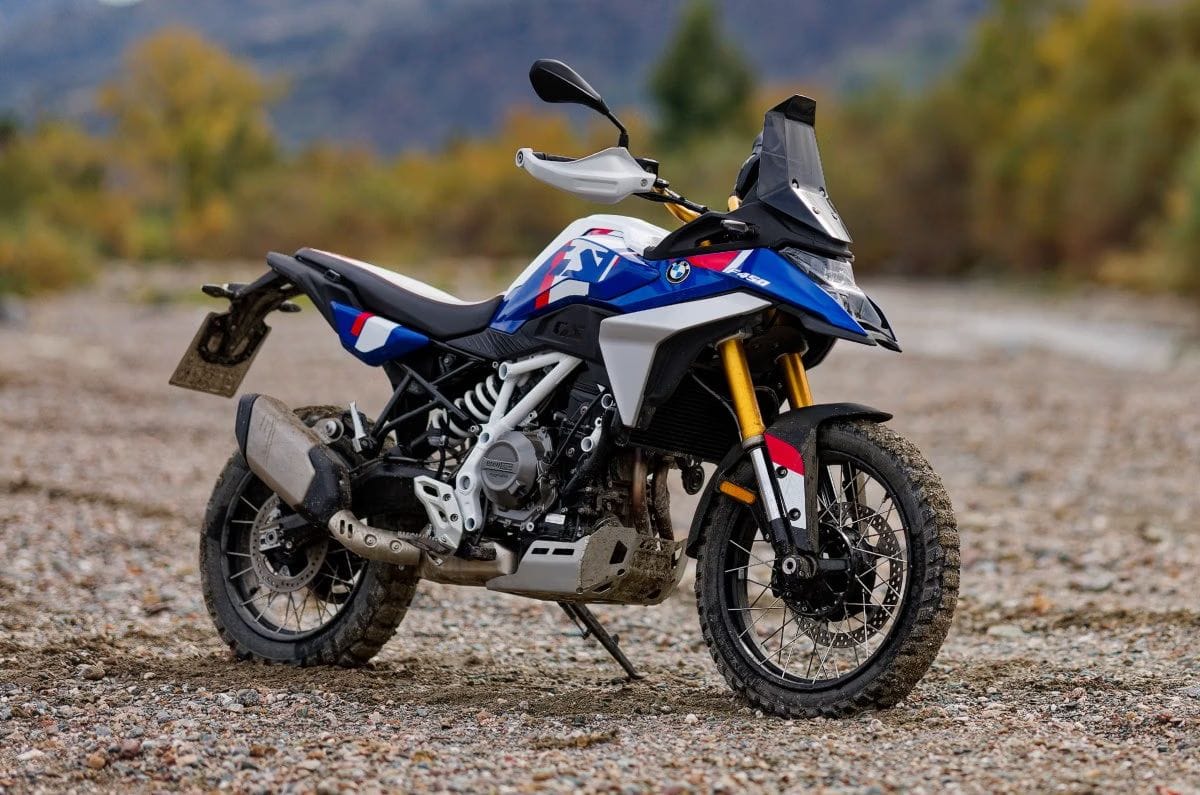
TVS has also been ramping up its three-wheeler production and even has a pact with Hyundai to manufacture last-mile mobility-focused electric three-wheelers and micro four-wheelers. Moreover, TVS entirely manufactures the BMW CE 02, and its strategic partnership with BMW Motorrad will yield future models based on the same platform as the incoming F 450 GS.
Sources said locations in Gujarat, Madhya Pradesh, Tamil Nadu and Karnataka are being explored for the new facility. This plant is expected to come up by 2028, and the automaker could be looking at a capacity of 2-2.5 million units, which is scalable. An email query sent to TVS Motor Company seeking comment on the proposed new plant and production plans did not elicit a response.
In 2025, TVS Motor signed a Memorandum of Understanding (MoU) with the Karnataka government to invest Rs 2,000 crore in the state over the next five years as it plans to set up a global capability centre and expand production and engineering capabilities.
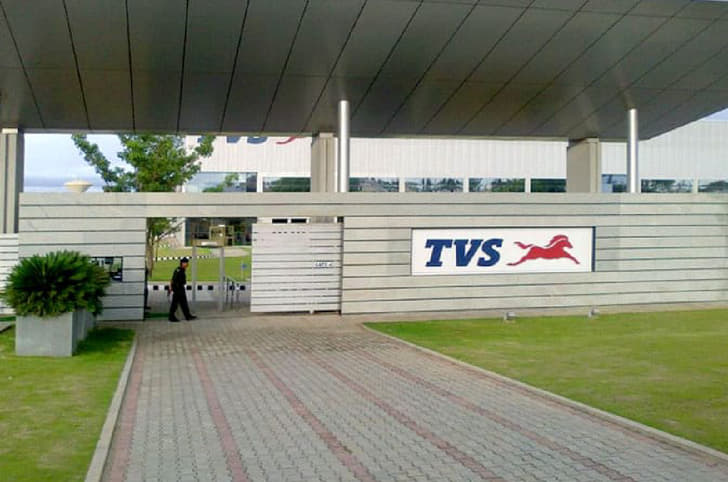
Utilisation levels at its existing manufacturing facilities are running high, pushing the company to scale up its capacity, sources said. TVS currently has three manufacturing plants in India – Hosur (Tamil Nadu), Mysore (Karnataka) and Nalagarh (Himachal Pradesh). It also has an overseas facility in Karawang, Indonesia, with an estimated total capacity of 6.4 million units. The company has steadily ramped up output from these plants over the past few years in response to rising demand in both domestic and export markets.
TVS surpassed Yamaha last year to become the world’s third-largest manufacturer by sales volume globally and currently holds a two-wheeler market share of close to 20 percent in India. The company has been gradually strengthening its position in the domestic market, with its share rising from around 16 percent three years ago.
The manufacturer’s growth strategy, supported by a diversified product portfolio spanning scooters, midsize and premium motorcycles, electric two-wheelers and international markets, has helped the automaker expand its presence and improve scale in both domestic and international operations.
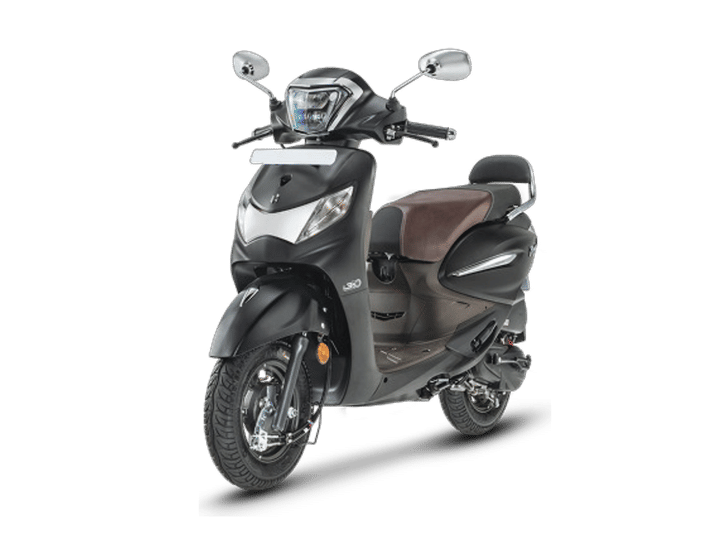
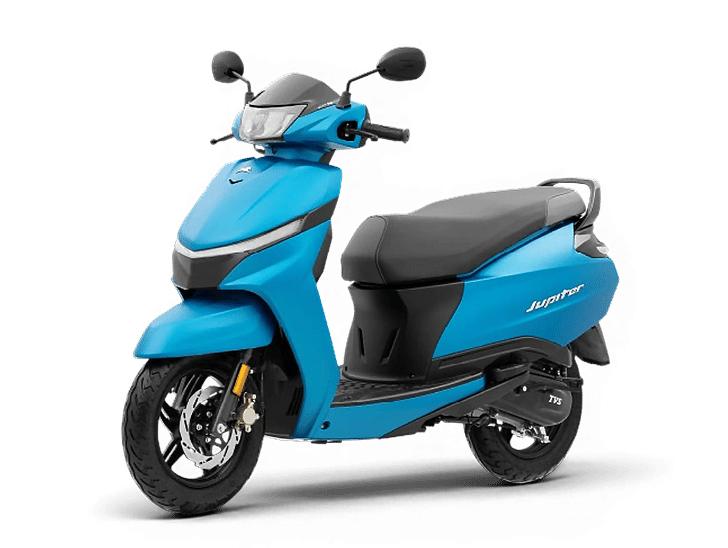
What community is saying on the Jupiter?
Demand trends across the industry are also influencing the company’s capacity planning. Growth in recent years has increasingly shifted towards premium motorcycles, scooters and electric two-wheelers, segments where TVS Motor is building momentum through regular product updates and capacity investments.
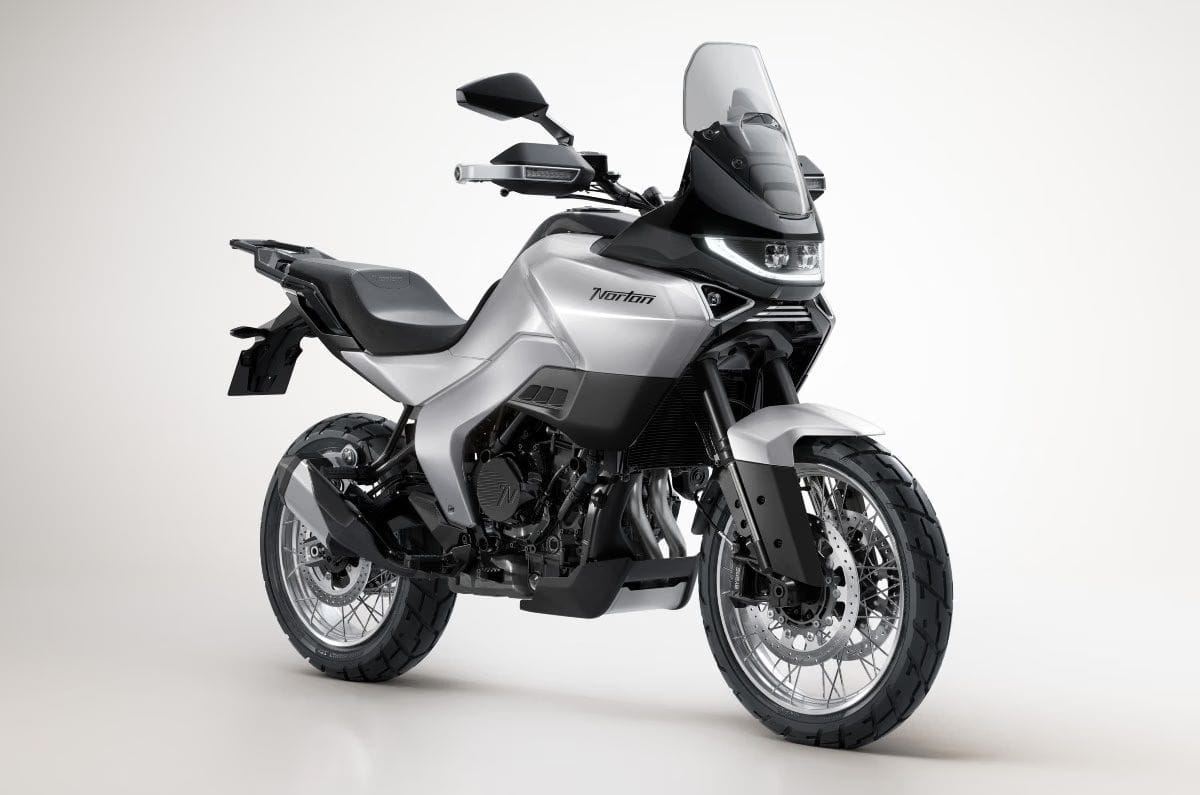
Exports remain another important driver for TVS, which owns the fabled British brand Norton Motorcycles and has built a strong presence in developing markets, particularly in Africa, contributing meaningful volumes to its overall output. This growing international footprint has increased the need for additional manufacturing capacity to support both domestic and overseas demand.
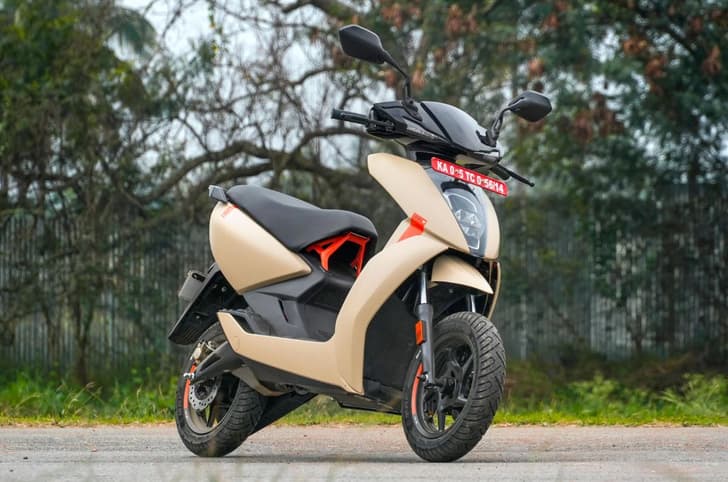
Electric mobility has emerged as another major factor shaping the company’s expansion plans. TVS has become the leader in India’s electric two-wheeler market, and rising consumer adoption has been pushing production volumes higher. Its annual electric two-wheeler output is approaching 5 lakh units, reflecting steady growth in the segment.
According to sources, the company plans to raise output by 15-22 percent, which could translate to 6.8 million to 7.2 million units in FY27. The planned capacity expansion is essential to support this growth trajectory and maintain supply continuity across markets.
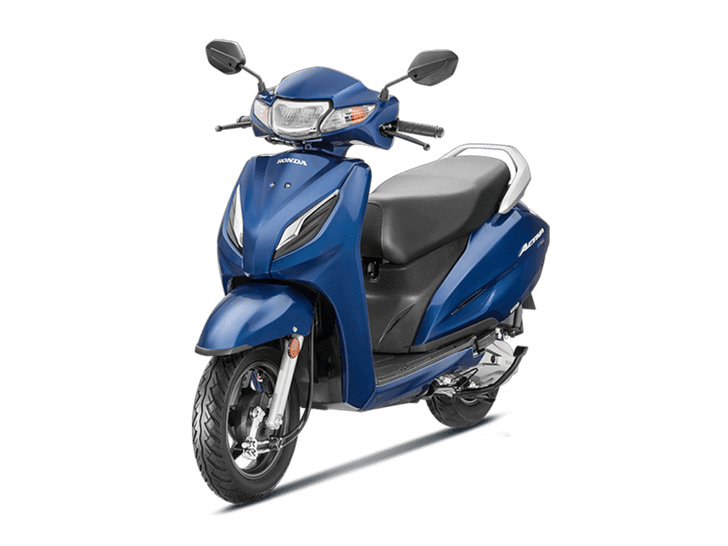
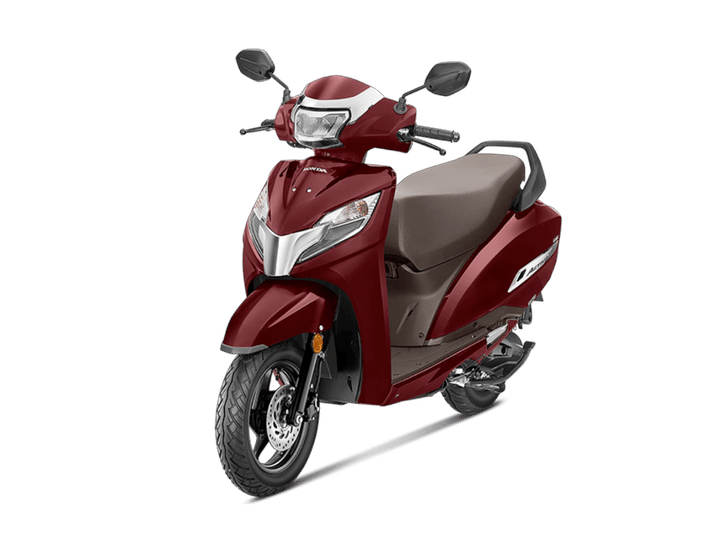
This production target positions TVS Motor closer to Honda Motorcycle and Scooter India in terms of output levels and could intensify competition into a three-way fight for the number one position in India’s two-wheeler market. The company has been steadily narrowing the gap with larger rivals over the past few years, supported by consistent growth across multiple product segments.
TVS Motor’s production rose to an estimated 5.7 million units in FY26, representing a growth of about 22 percent over the preceding financial year. Between April and February FY26, the company produced 5.09 million units, up 20 percent year on year, indicating sustained momentum in demand and manufacturing activity.
With inputs from KIRAN MURALI


 Autocar India News Desk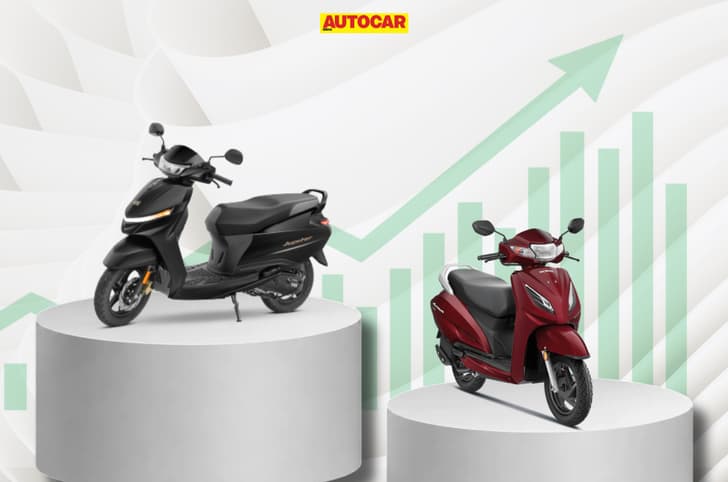
 Dhruv Dhaka
 Uday Singh