Last Updated on: 28 Jul 2026

Volkswagen Virtus price in West Khasi Hills
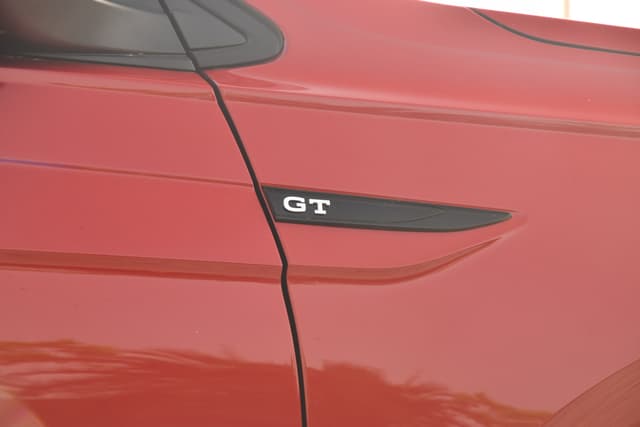
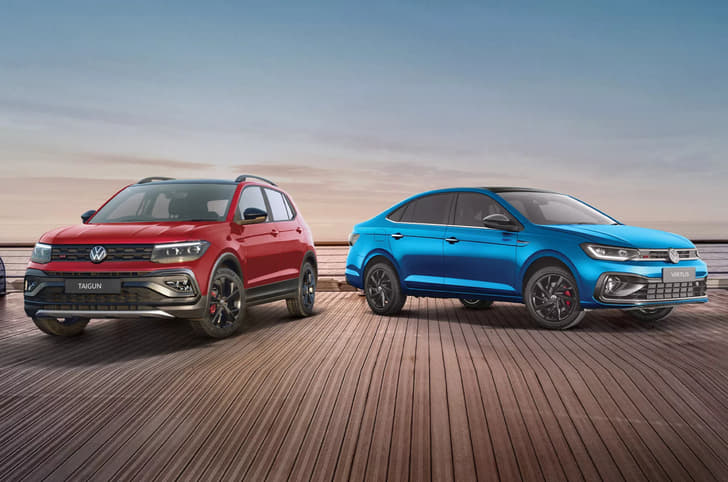
The Volkswagen Virtus price in West Khasi Hills starts at Rs 10.71 lakh for the base Comfortline MT variant, while the Virtus top model price is Rs 19.20 lakh (ex-showroom) for the top-spec GT Plus Sport AT variant.
The Virtus on road price in West Khasi Hills ranges from Rs 12.00 lakh to Rs 21.89 lakh, and the Virtus is available in 11 variants.
Volkswagen Virtus price in West Khasi Hills
The Volkswagen Virtus price in West Khasi Hills starts at Rs 10.71 lakh for the base Comfortline MT variant, while the Virtus top model price is Rs 19.20 lakh (ex-showroom) for the top-spec GT Plus Sport AT variant.
The Virtus on road price in West Khasi Hills ranges from Rs 12.00 lakh to Rs 21.89 lakh, and the Virtus is available in 11 variants.
Volkswagen Virtus On Road Price by Variants
* Estimated on-road price. Final amount may vary.
Volkswagen Virtus Official Brochure
Download the complete brochure with specs, features, and variants.
Calculate your fuel cost for Volkswagen Virtus
On Road Price of Volkswagen Virtus Alternatives in West Khasi Hills

Volkswagen Virtus Images
Volkswagen Virtus Colours
Volkswagen Virtus news
Volkswagen Virtus videos


Volkswagen Virtus FAQs
The Virtus price is on the higher side of the midsize sedan segment, but for those looking for a fun-to-drive car, there aren't many better options in this price bracket.
The price difference between the top-spec versions of the Virtus 1.0 TSI and 1.5 TSI is roughly Rs 2.5 lakh.
The price difference between the Virtus 1.0 TSI MT and AT is Rs 1.1 lakh-1.2 lakh.
Questions you may find useful
I am currently using a 2024 VW Virtus 1.5 GT (electric seats variant) and have completed 16,000 km. My current monthly running is around 1,000 km, mostly in the city. Should I continue with this car or switch to an EV? My Virtus has an online resale value of around Rs. 14 lakh, and I do not want to spend more than Rs. 3-4 lakh over its resale value. Please suggest whether I should buy an EV within this budget or continue with the Virtus.
If you enjoy driving, we'd recommend you stick with your Volkswagen Virtus 1.5 GT. At 16,000km and a 1,000km/month usage pattern, mostly in the city, the car is still relatively new and well within its prime ownership window. The 1.5 TSI is a strong, efficient engine and the Virtus is a genuinely enjoyable car to drive, especially in urban conditions where its size and performance are well suited. Your budget of Rs 14 lakh resale plus Rs 3-4 lakh extra puts you in the Rs 17-18 lakh range, which limits your electric car options to models like the Tata Nexon EV, Mahindra XUV 3XO EV, MG Windsor and Kia Syros EV. While these are competent cars, they will not feel like a meaningful upgrade over the Virtus in terms of overall ownership experience. The financial case for switching to an EV at this stage is also weak given the depreciation hit you would take on a nearly new car. Unless you have a strong desire to go electric, it makes more sense to continue with the Virtus for a few more years and revisit the EV decision when your usage pattern or the EV market justifies it.
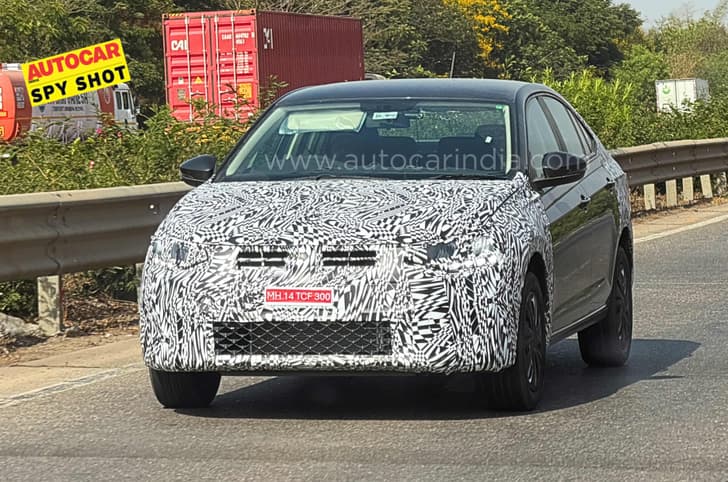
Hello Autocar, I am planning to buy the Volkswagen Virtus during this festival season or within the next month. Should I wait for the upcoming Virtus facelift? I am considering the Virtus 1.0 GT Line Manual variant. Should I buy the current model and take advantage of the dealership discounts, or would it be better to wait for the updated Virtus?
Go ahead and buy the Virtus 1.0 Manual GT Line now. The upcoming Virtus facelift is expected to be a mild update, with minor cosmetic changes and a few feature additions, rather than a major overhaul. This Volkswagen car will remain unchanged, with the core mechanical package, including the 1.0 TSI engine and manual gearbox. The current Virtus is already a well-sorted car with strong driving dynamics, a spacious cabin and a good feature set, and the GT Line variant is one of the most attractive trims in the range. Buying now also allows you to negotiate a better deal with dealerships, especially during the festive season. If you wait for the facelift, you will likely pay a premium for what is essentially a similar car with a few incremental updates. The only reason to wait would be if you are specifically interested in the latest cosmetic tweaks or a particular new feature. Otherwise, the current Virtus remains a strong buy, and you will not be missing out on anything significant by purchasing now.
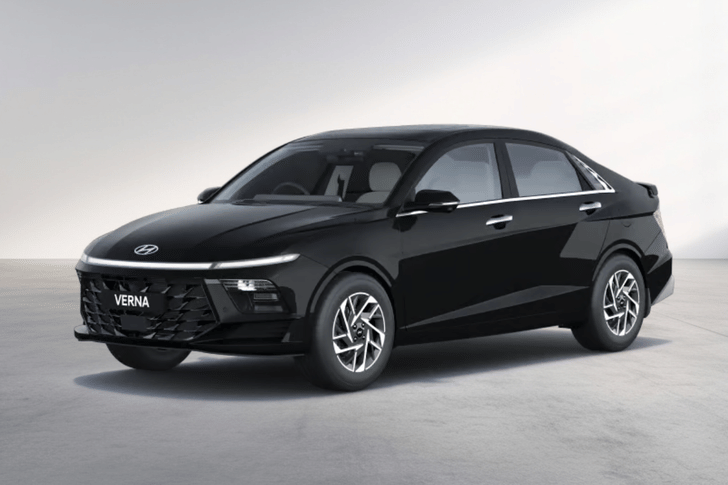
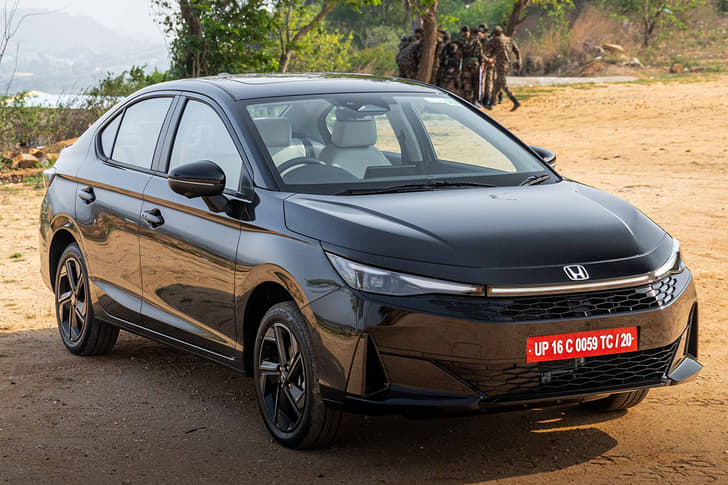
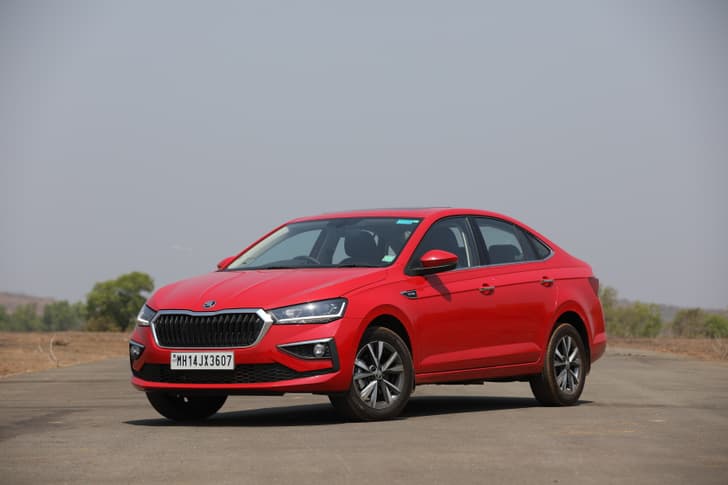
I am planning to buy Honda City V CVT. Is it still worth buying the Honda City in 2026 from a long-term (7-10 years) ownership and reliability standpoint? Or should I consider other cars in the segment, such as the Virtus, Slavia, or Verna?
Yes, the Honda City V CVT is still worth buying in 2026 from a long-term ownership and reliability perspective. The City remains one of the most dependable and well-rounded sedans in the segment, with a proven naturally aspirated petrol engine, smooth CVT gearbox and Honda's strong reputation for reliability and low maintenance costs. It is also a very comfortable and spacious family car, with a well-sorted ride and a premium ownership experience.The Volkswagen Virtus and Skoda Slavia are more driver-focused cars with stronger turbo petrol engines and a more engaging driving experience, but they do not have the same long-term reliability track record as the City. The Hyundai Verna is a strong all-rounder with a more feature-rich cabin and a more powerful turbo petrol option, but the City still feels more practical and better suited to long-term ownership.If your priority is a car that you can keep for 7-10 years with minimal fuss, the City remains the safest and most sensible choice in the segment. The only reason to look at the Virtus, Slavia or Verna would be if you specifically want a more powerful turbo petrol engine and good driving dynamics Otherwise, the City V CVT is still the benchmark for long-term ownership.
I am looking to upgrade from my current car, a Hyundai Aura 1.2 Petrol, as I find it a little boring to drive. I drive around 8,000 to 10,000 km a year, out of which 1,500 to 2,000 km are road trips. My budget is under Rs 25 lakh. I have shortlisted the Volkswagen Virtus, Honda Elevate, and the Renault Duster. I wanted to know whether I should buy a car now or wait for the E20 fuel-related issues to settle. Also considering the facelifts for the Elevate and Virtus are expected soon, so I am wondering if it would be better to wait for those. One more question is should I buy one of these brand-new cars, or would it be wiser to consider a pre-owned car from a higher segment within the same budget? Thank you!
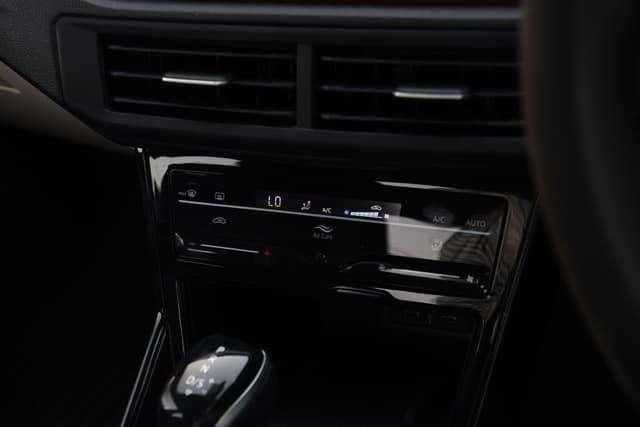
Go for the Volkswagen Virtus GT with the 1.5 TSI engine and DSG gearbox. Since you are upgrading from a Hyundai Aura 1.2 Petrol and find it boring to drive, it's clear that driving experience matters to you. Among your shortlisted cars, the Virtus is the most engaging to drive, with a strong turbo petrol engine and a genuinely enjoyable chassis.It would also be worth waiting a few months for the facelift. It is expected to bring more features, sharper look and an improved air-conditioning system.The Renault Duster is quite engaging too, while offering the practicality and ground clearance of an SUV. However, it is not spacious for its size and nor is it very fuel efficient. The Honda Elevate is the most sensible long-term ownership choice, but it is not as exciting to drive as the Virtus and is due to receive a facelift soon.As for E20 fuel, do not wait. All three cars are E20 compliant, and there is no confirmed official roadmap beyond E20 at the moment. Modern engines are designed to run on E20 fuel, and the impact is limited to lower fuel efficiency, regardless of the model.Regarding a new versus pre-owned car, your budget is sufficient to buy a top-spec Virtus or a well-equipped Duster. There is little reason to compromise on a used car. Moreover, there are not too many engaging options in the segment above that make a compelling used-car buy within your budget. Buying new gives you the full warranty, and an ownership experience that is likely to be more satisfying in the long run.
I currently have a Hyundai Eon and I am planning to upgrade to the Virtus GT. How good is the Virtus over bad roads in the city? Does it make passengers uncomfortable? If yes, should I consider Slavia?
As far as your query regarding the Virtus GT or Slavia goes, both cars are mechanically identical, and the difference between their ride quality, if any, is negligible. Pick the one that appeals to you more. For bad city roads, these cars ride better than you’d expect, with enough ground clearance and suspension travel to clear tall speed breakers and swallow most potholes. Also, stability is rock-solid, which inspires great confidence at highway speeds.Volkswagen will be launching the updated Virtus towards the end of this year. It is likely to get some cosmetic enhancements, new features, and, more importantly, an upgraded air-con unit for more effective cooling. If you can, do wait for that.
Volkswagen Virtus On Road Price in India
Upcoming Cars


Volkswagen Cars


Trending Cars

Latest Cars


.jpg?w=640&q=75&fm=auto)