
Last Updated on: 22 Jul 2026

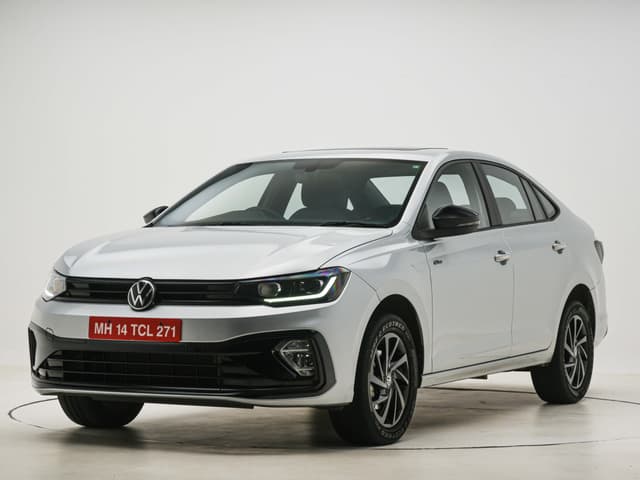
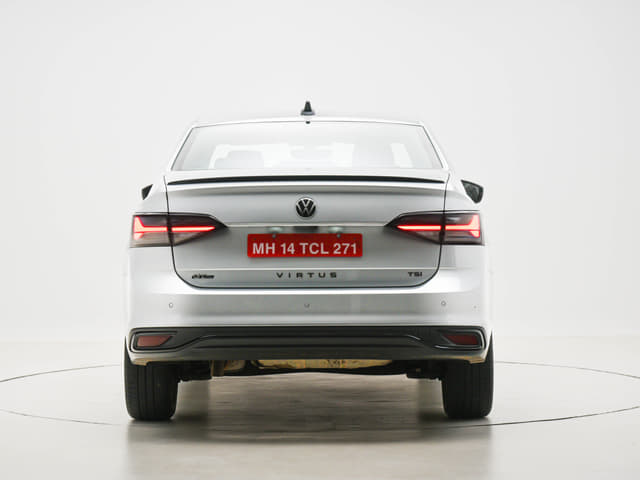
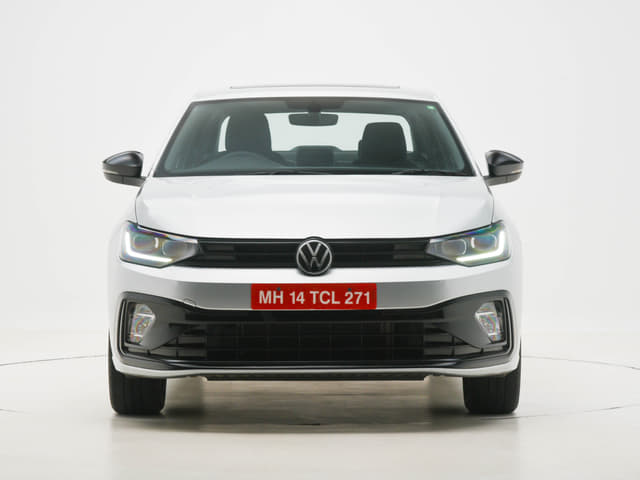
Volkswagen Virtus price in Latur
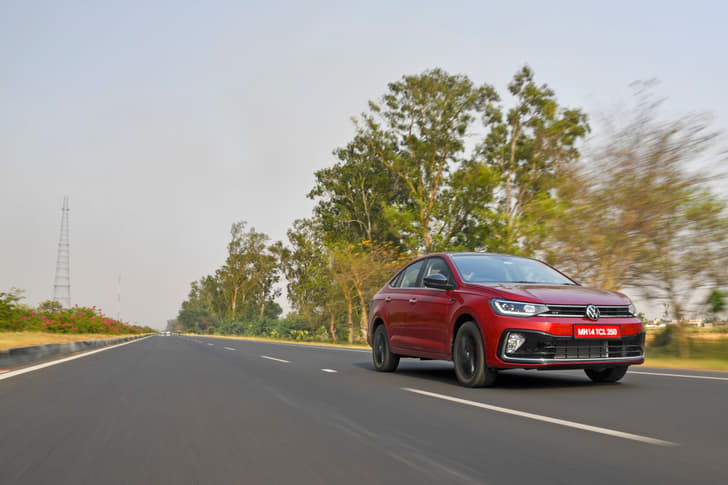
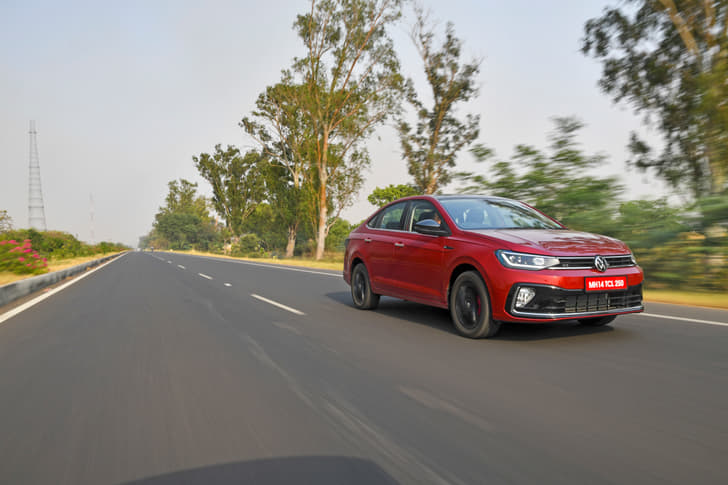
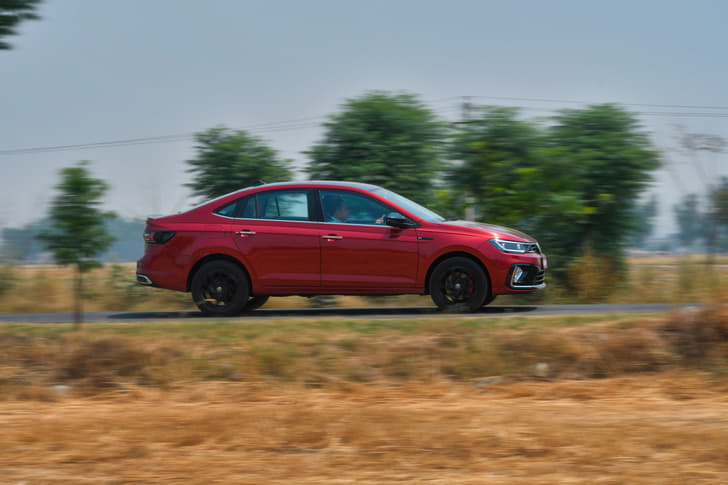
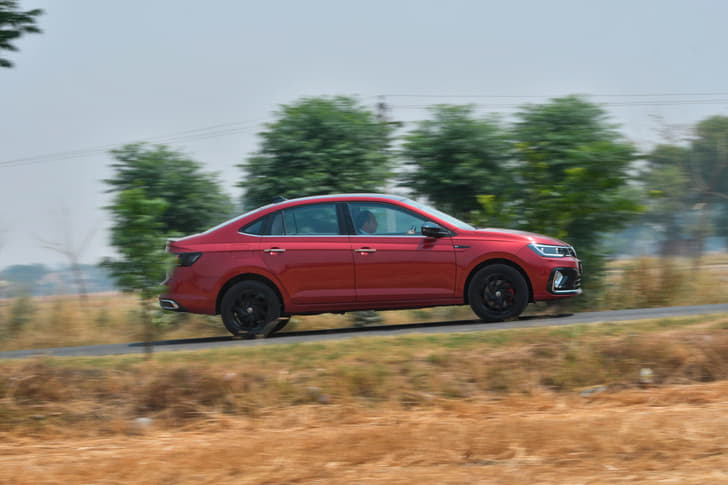
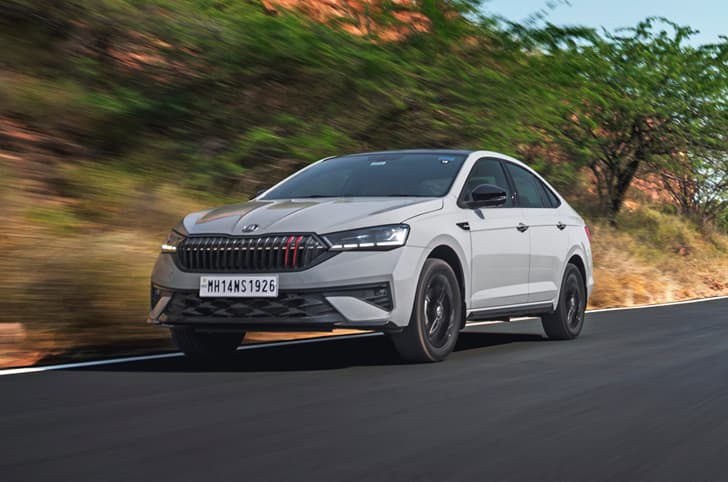
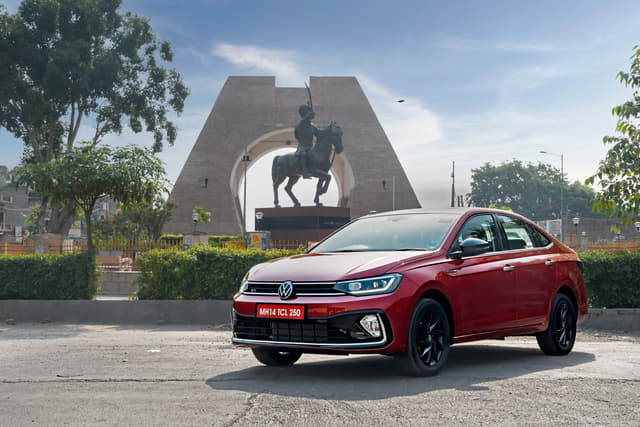
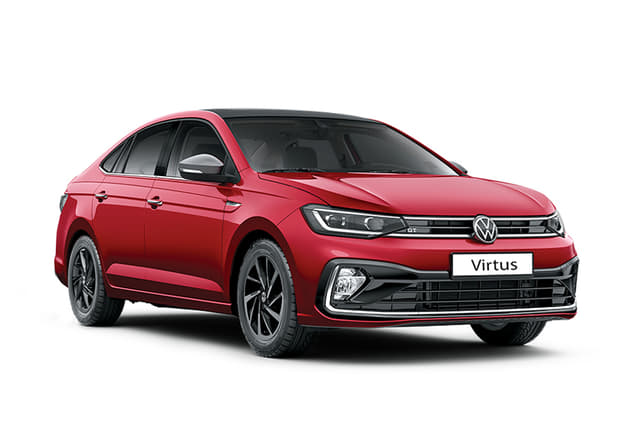
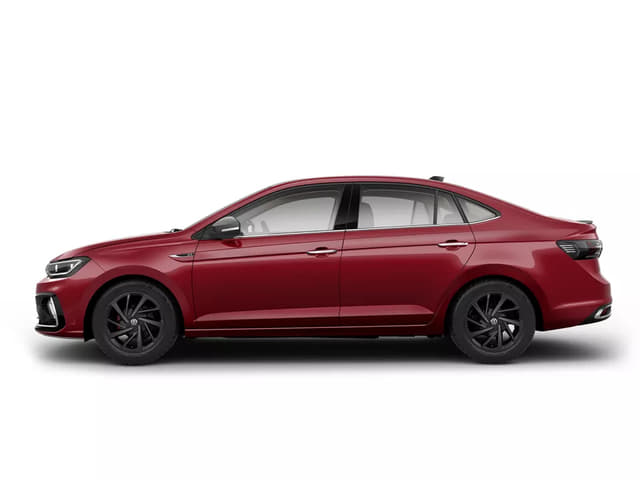
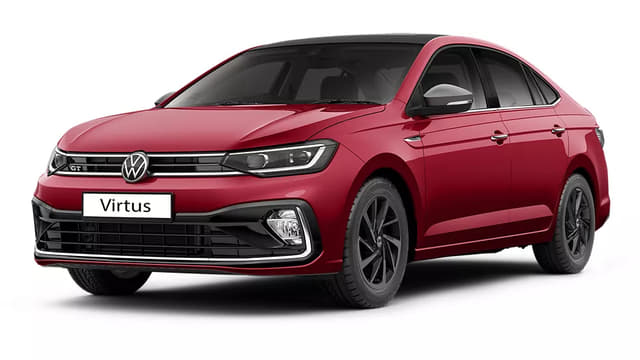
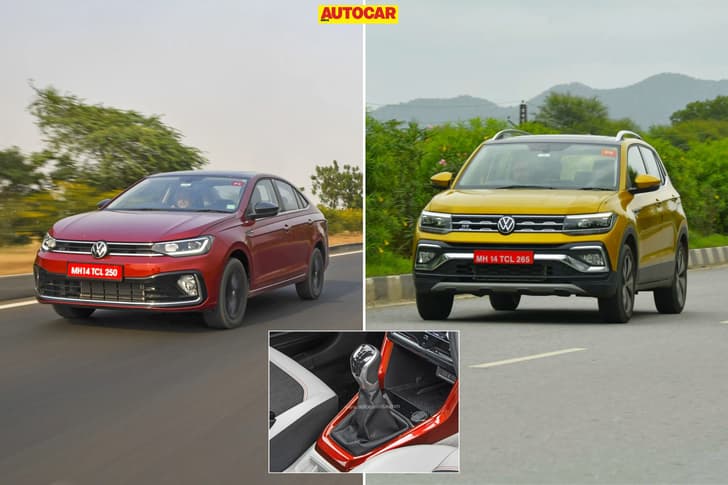
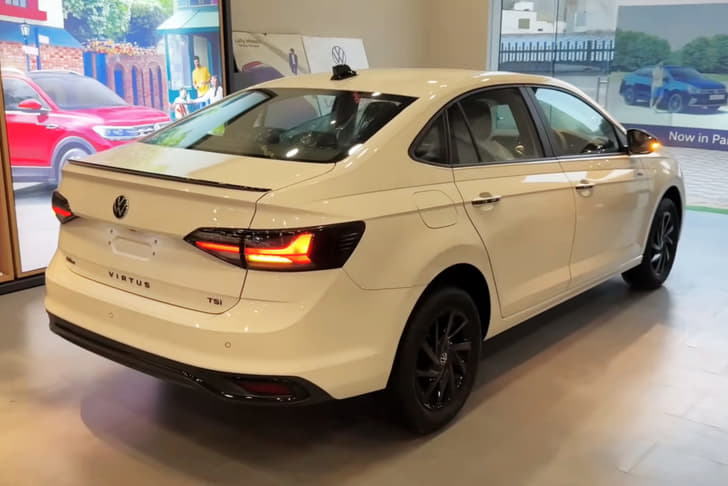
The Volkswagen Virtus price in Latur starts at Rs 10.71 lakh for the Comfortline MT variant, while the Virtus top model price is Rs 19.20 lakh (ex-showroom). The Virtus on road price in Latur ranges from Rs 12.64 lakh to Rs 22.66 lakh, and the Virtus is available in 11 variants.
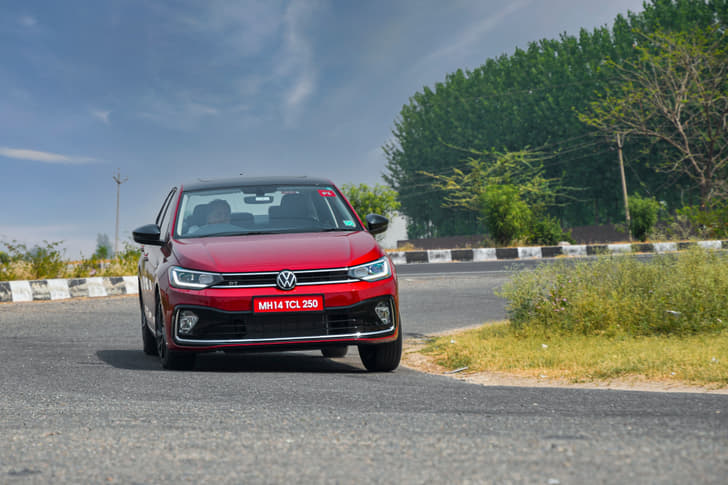
Volkswagen Virtus price in Latur
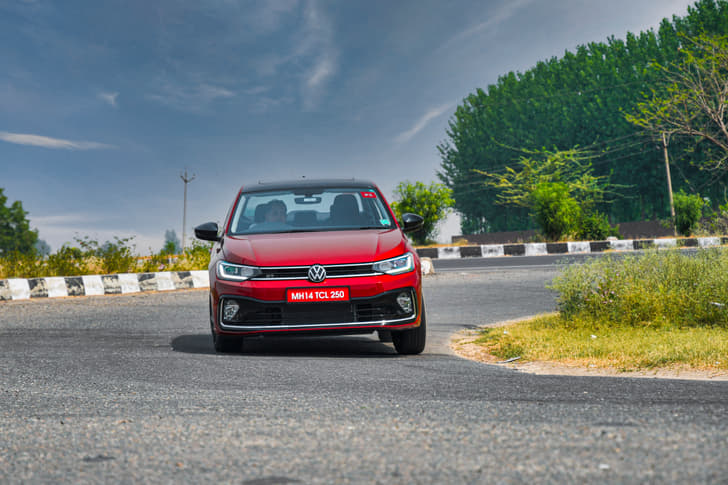
The Volkswagen Virtus price in Latur starts at Rs 10.71 lakh for the Comfortline MT variant, while the Virtus top model price is Rs 19.20 lakh (ex-showroom). The Virtus on road price in Latur ranges from Rs 12.64 lakh to Rs 22.66 lakh, and the Virtus is available in 11 variants.
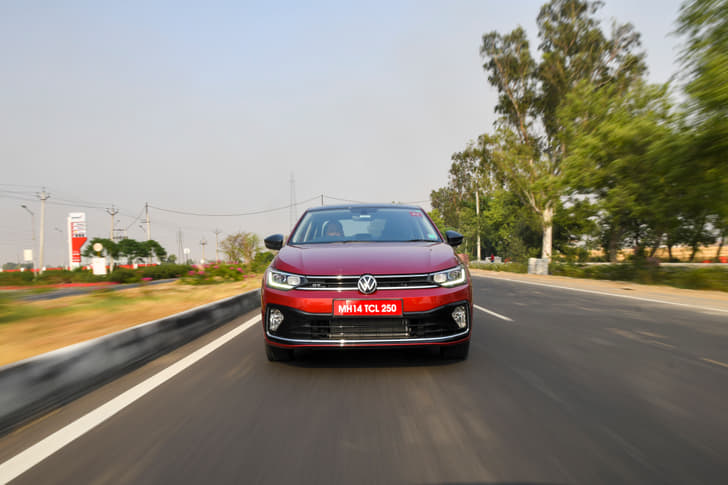
Volkswagen Virtus On Road Price by Variants
* Estimated on-road price. Final amount may vary.
Volkswagen Virtus Official Brochure
Download the complete brochure with specs, features, and variants.

Calculate your fuel cost for Volkswagen Virtus
Volkswagen Virtus Images
Volkswagen Virtus Colours
Volkswagen Virtus news
Volkswagen Virtus videos


Volkswagen Virtus FAQs
The Virtus price is on the higher side of the midsize sedan segment, but for those looking for a fun-to-drive car, there aren't many better options in this price bracket.
Questions you may find useful
I am looking to upgrade from my current car, a Hyundai Aura 1.2 Petrol, as I find it a little boring to drive. I drive around 8,000 to 10,000 km a year, out of which 1,500 to 2,000 km are road trips. My budget is under Rs 25 lakh. I have shortlisted the Volkswagen Virtus, Honda Elevate, and the Renault Duster. I wanted to know whether I should buy a car now or wait for the E20 fuel-related issues to settle. Also considering the facelifts for the Elevate and Virtus are expected soon, so I am wondering if it would be better to wait for those. One more question is should I buy one of these brand-new cars, or would it be wiser to consider a pre-owned car from a higher segment within the same budget? Thank you!
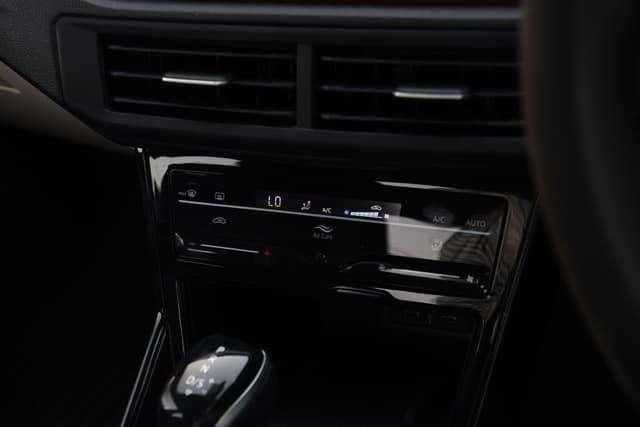
Go for the Volkswagen Virtus GT with the 1.5 TSI engine and DSG gearbox. Since you are upgrading from a Hyundai Aura 1.2 Petrol and find it boring to drive, it's clear that driving experience matters to you. Among your shortlisted cars, the Virtus is the most engaging to drive, with a strong turbo petrol engine and a genuinely enjoyable chassis.It would also be worth waiting a few months for the facelift. It is expected to bring more features, sharper look and an improved air-conditioning system.The Renault Duster is quite engaging too, while offering the practicality and ground clearance of an SUV. However, it is not spacious for its size and nor is it very fuel efficient. The Honda Elevate is the most sensible long-term ownership choice, but it is not as exciting to drive as the Virtus and is due to receive a facelift soon.As for E20 fuel, do not wait. All three cars are E20 compliant, and there is no confirmed official roadmap beyond E20 at the moment. Modern engines are designed to run on E20 fuel, and the impact is limited to lower fuel efficiency, regardless of the model.Regarding a new versus pre-owned car, your budget is sufficient to buy a top-spec Virtus or a well-equipped Duster. There is little reason to compromise on a used car. Moreover, there are not too many engaging options in the segment above that make a compelling used-car buy within your budget. Buying new gives you the full warranty, and an ownership experience that is likely to be more satisfying in the long run.
I currently have a Hyundai Eon and I am planning to upgrade to the Virtus GT. How good is the Virtus over bad roads in the city? Does it make passengers uncomfortable? If yes, should I consider Slavia?
As far as your query regarding the Virtus GT or Slavia goes, both cars are mechanically identical, and the difference between their ride quality, if any, is negligible. Pick the one that appeals to you more. For bad city roads, these cars ride better than you’d expect, with enough ground clearance and suspension travel to clear tall speed breakers and swallow most potholes. Also, stability is rock-solid, which inspires great confidence at highway speeds.Volkswagen will be launching the updated Virtus towards the end of this year. It is likely to get some cosmetic enhancements, new features, and, more importantly, an upgraded air-con unit for more effective cooling. If you can, do wait for that.
My daily running is around 50 km, and I am looking for a 1.5-litre petrol manual sedan. Which would be the better choice among the Honda City SV, Volkswagen Virtus, and Hyundai Verna? Considering my usage pattern, which of these offers the best balance of performance, comfort, fuel efficiency, and long-term ownership experience?
Honda City SV manual suits your 50 km daily run best. Its 1.5 petrol is the smoothest here and the clutch and steering are light, so long city commutes will feel easier. In real traffic you will usually see better economy than the other two, and the rear seat space and ride comfort are still the class benchmark for family use.Volkswagen Virtus 1.5 TSI is no longer available with a manual so your choices are either the 1.5 TSI DSG or the 1.0 TSI manual. They are the fun pick if you love strong mid‑range and highway performance. For daily stop‑go, though, the turbo’s appetite will make it a bit costlier to run.Hyundai Verna 1.5 manual is very smooth and well equipped, but the Honda City still remains the better car to drive and be driven in.
I have a budget of Rs. 12 lakh and am currently driving a Tata Tiago, which I have owned for the past 10 years. I am now looking to upgrade and would appreciate suggestions in both the sedan and SUV segments. My biggest dilemma is deciding whether I should choose a sedan or an SUV. In the sedan category, I am considering the Volkswagen Virtus and Skoda Slavia. In the SUV segment, I am looking at the Tata Nexon. Please suggest if there are any better options than these as well. My driving is evenly split between city and highway usage, and I am a light user with an average monthly running of around 1,000 km. Considering my requirements, which type of vehicle would be the better choice, and which models should I shortlist?
The first thing to note is that with a Rs. 12 lakh budget, the Volkswagen Virtus and Skoda Slavia may be difficult to fit in unless you're looking at entry-level variants or stretching your budget. The Tata Nexon, on the other hand, sits much more comfortably within your range.Between a sedan and an SUV, we'd lean towards a sedan for your usage pattern. With your driving split evenly between city and highway and a relatively modest monthly running of around 1,000km, a sedan generally offers better ride comfort, superior highway stability and a more engaging driving experience. Coming from a Tata Tiago, a Virtus or Slavia will feel like a substantial upgrade in terms of refinement, space and overall quality.If your budget is firm at Rs 12. lakh, we'd suggest looking at the Skoda Kylaq Automatic or Honda Amaze CVT as well. The Kylaq offers SUV practicality, strong safety credentials and a fun turbo-petrol engine, while the Amaze provides the smoothest automatic experience and excellent long-term ownership appeal.The Tata Nexon remains a good all-rounder with strong safety credentials and a practical cabin, but if your heart is set on a Virtus or Slavia and you can stretch the budget, they are the more rewarding cars to own and drive.
I am planning to buy a new car for my wife with a budget of Rs 11-13 lakh and an occasional daily run of 20-30km. I have already booked the Hyundai Venue HX5 DCT, but I have come across mixed reviews regarding its fuel efficiency and high-speed stability. I own a Virtus GT as my primary car. Another option I am considering is the MG Windsor EV, although it would require an additional Rs 3 lakh. Please suggest which one I should buy.
Go ahead with the Hyundai Venue DCT you’ve booked. For a 20-30km daily run and as the second car alongside your Virtus GT, it fits your Rs. 11-13 lakh budget, is compact and easy to park, and the automatic makes city driving simple for your wife.About those reviews: at typical highway speeds, the Venue feels settled enough. It will not match your Virtus’ rock-solid high-speed stability, but for the occasional fast run, it is perfectly fine. The one gripe is that the steering does not weigh up enough at highway speeds. Being a turbo-petrol, it is also quite sensitive to driving style, so expect city fuel efficiency to be in the 10-12kpl range.If you are looking for an alternative, consider the Skoda Kylaq. It feels more planted than the Venue on the highway, and its torque-converter automatic shifts more smoothly. However, the rear seat is not as spacious.Overall, for your usage, the Venue DCT remains a sensible choice.
Upcoming Cars


Volkswagen Cars


Trending Cars


Latest Cars


.jpg?w=640&q=75&fm=auto)