Govind Cars-Beed
Shri Shivajirao Kadam, Jalna Road, Beed, Maharashtra 431122
10:00 AM - 7:00 PM
7949292306Last Updated on: 27 Aug 2026

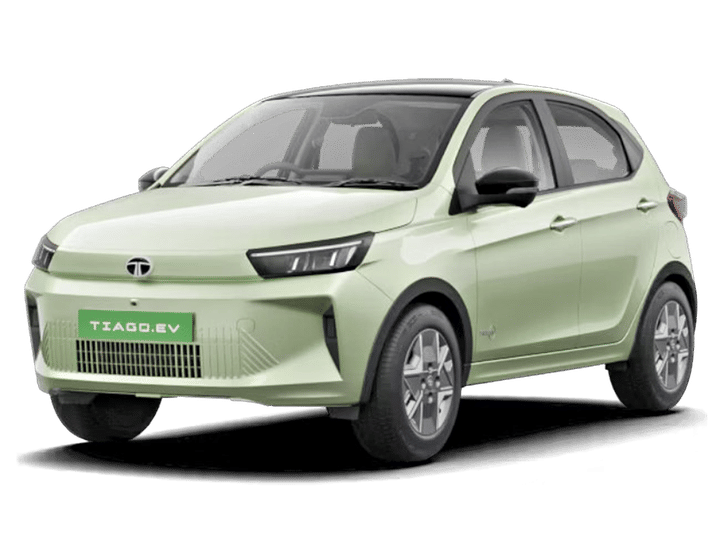
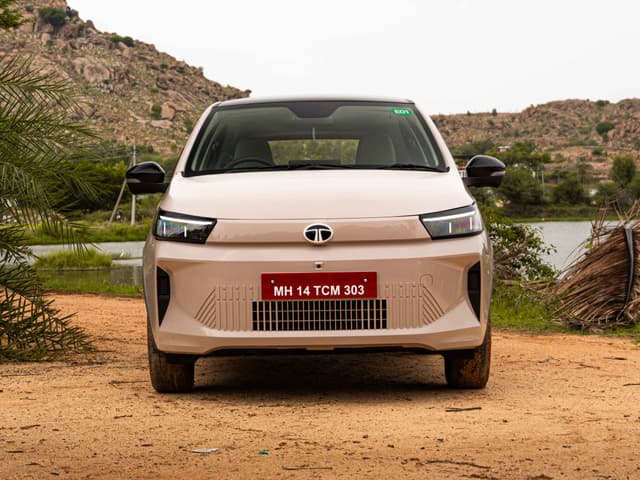
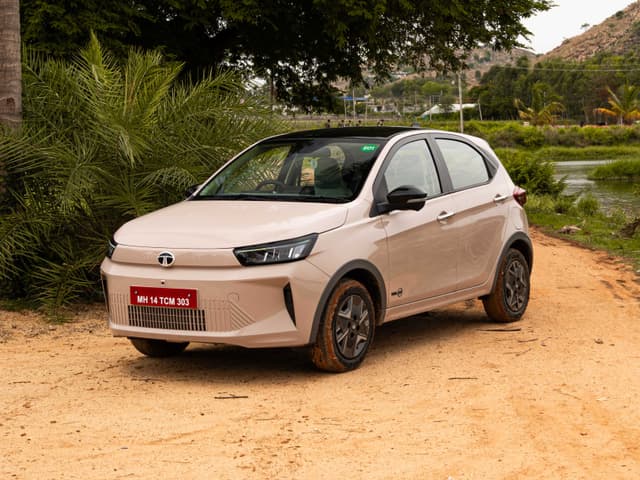
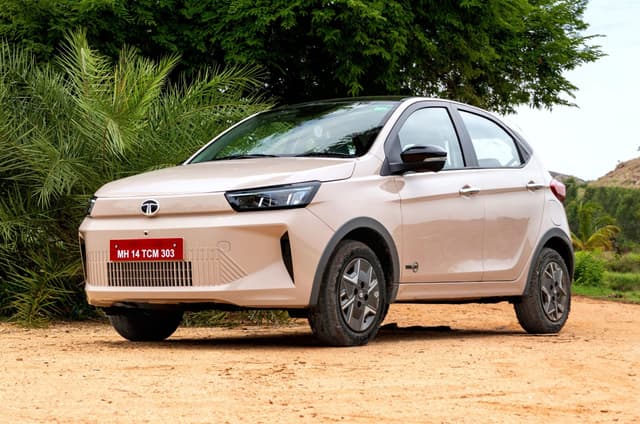
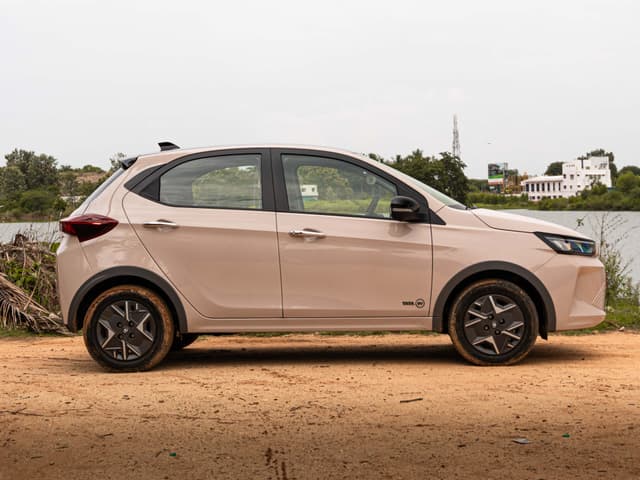
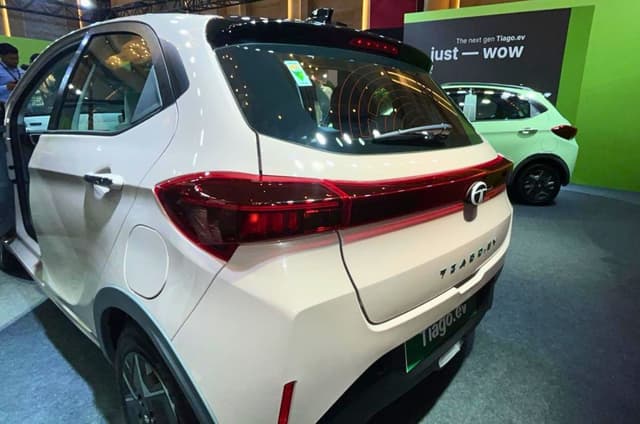
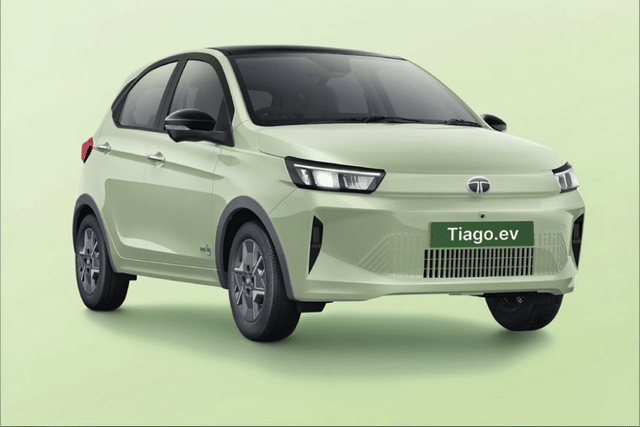
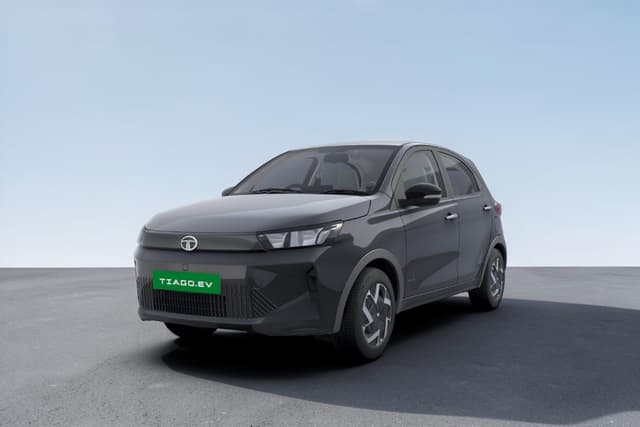
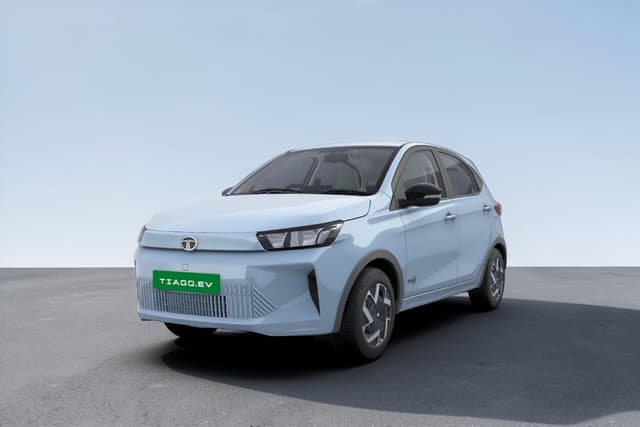
Tata Tiago EV price in Beed
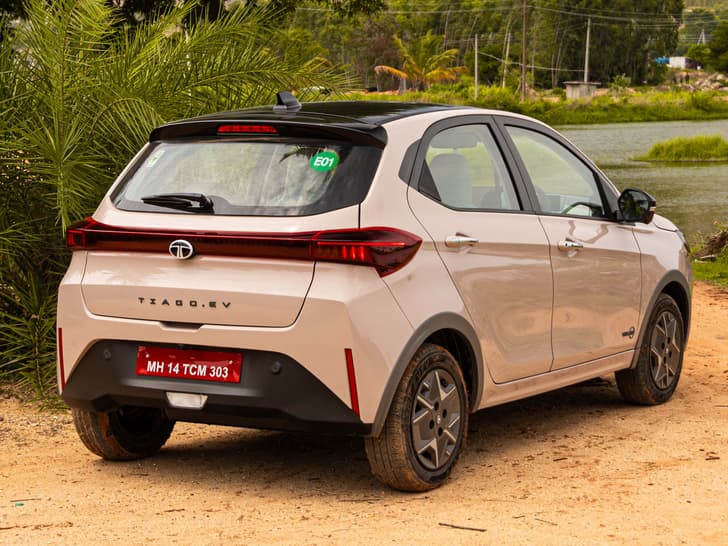
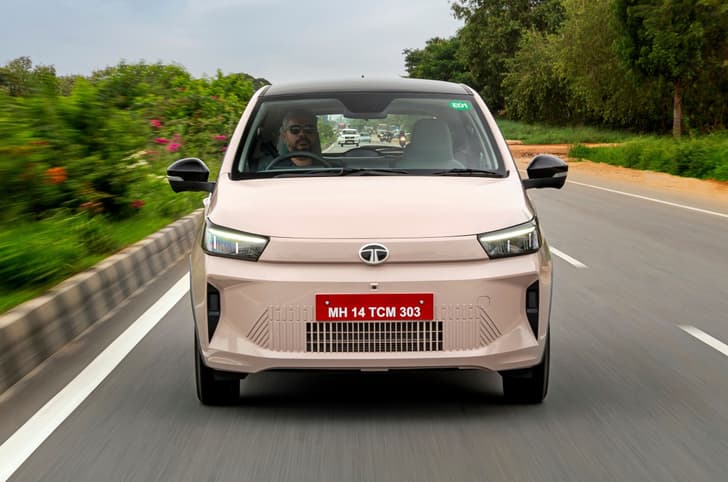
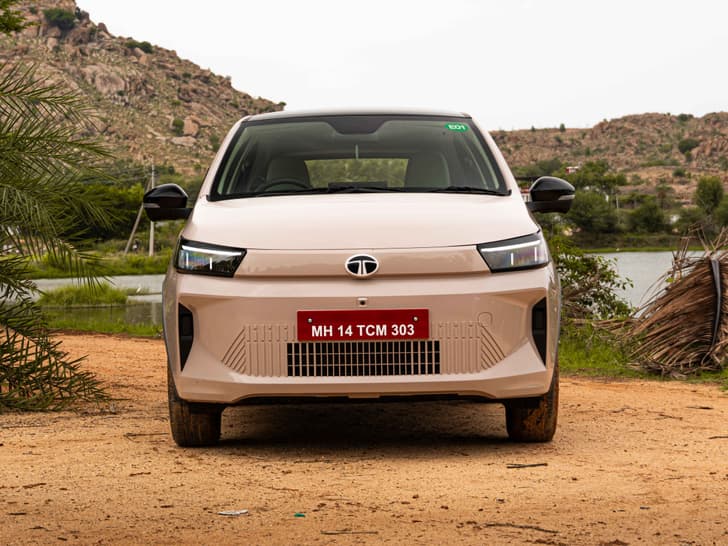
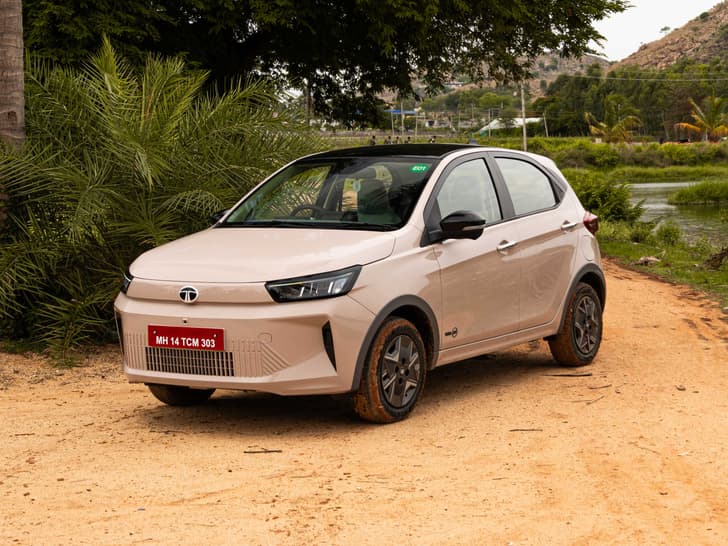
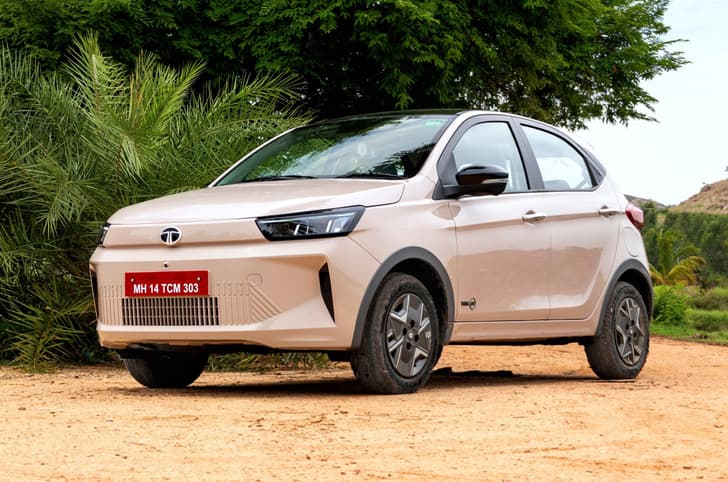
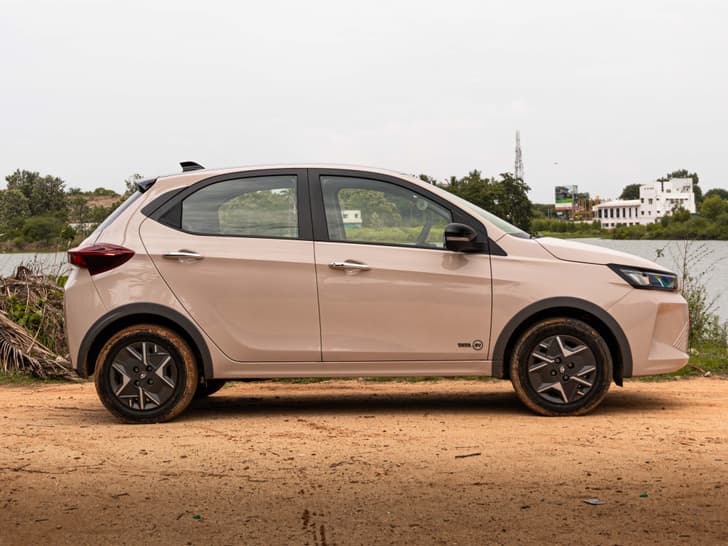
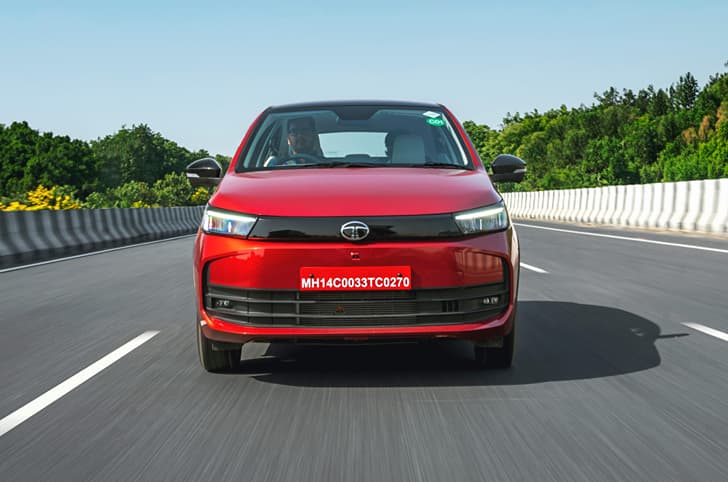
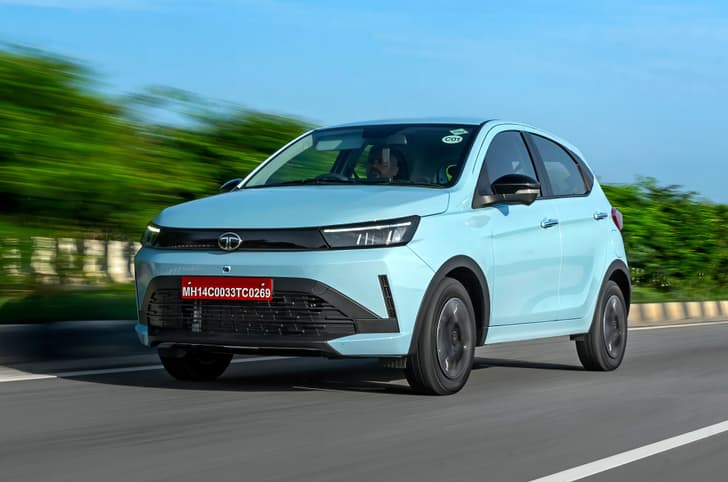
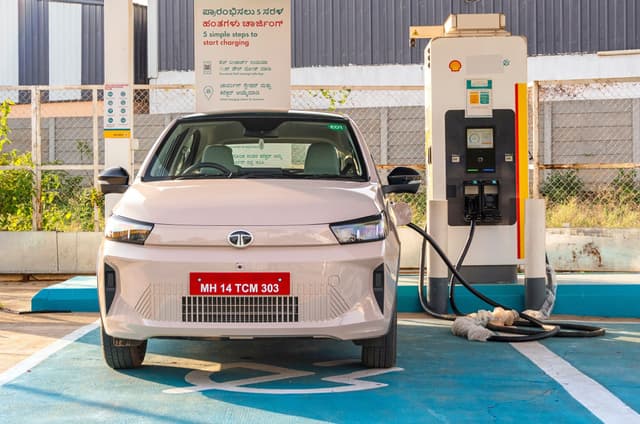
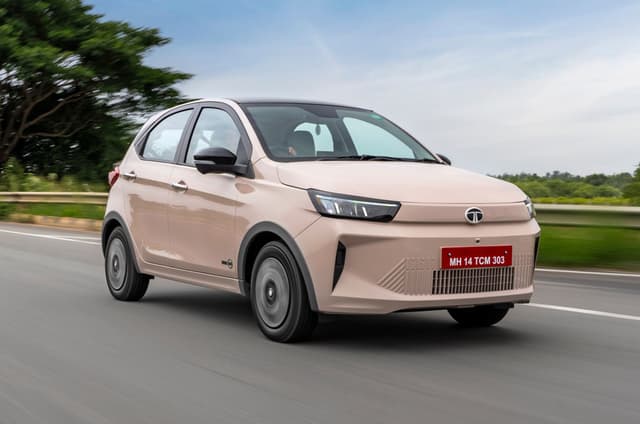
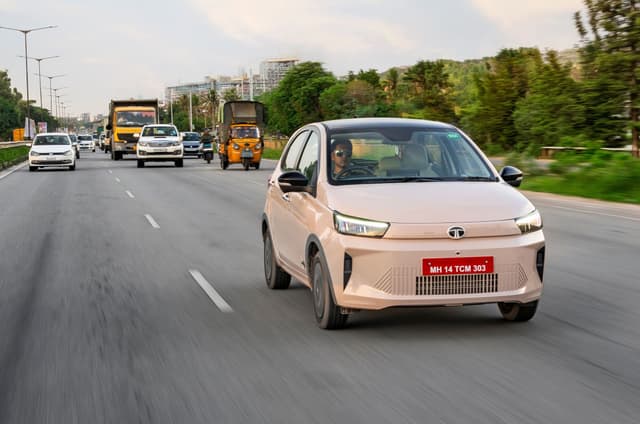
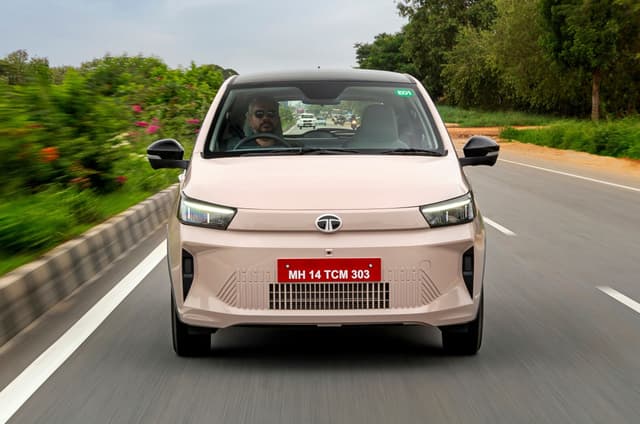
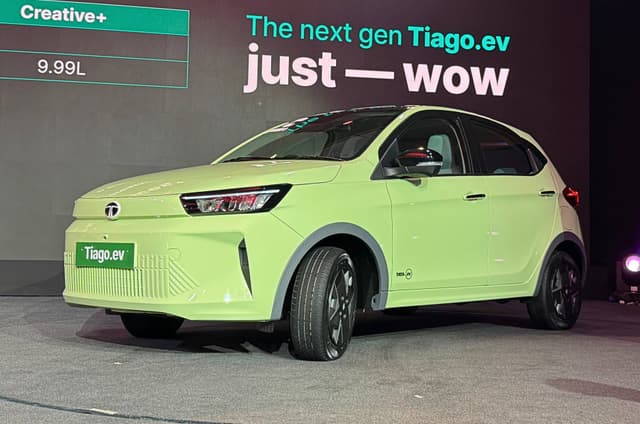
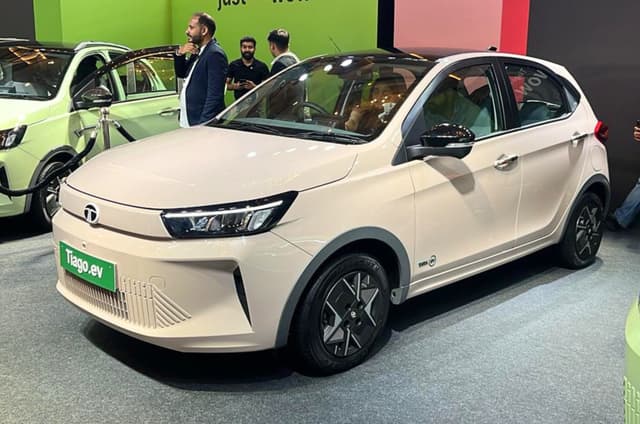
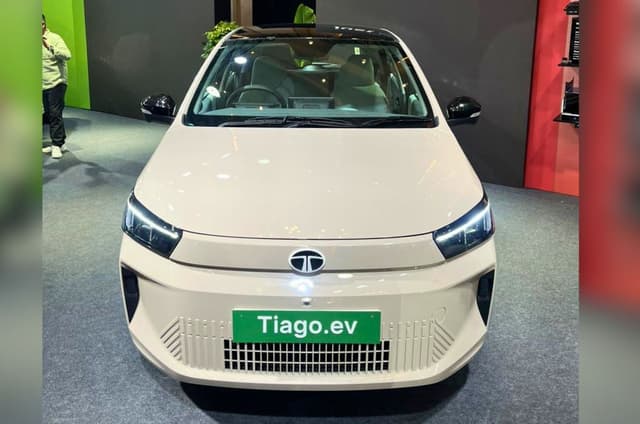
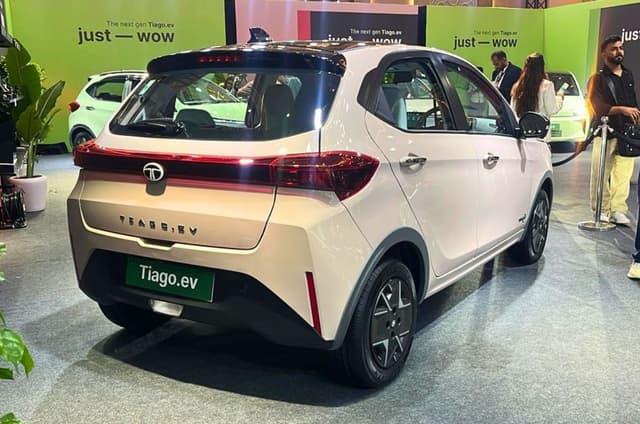
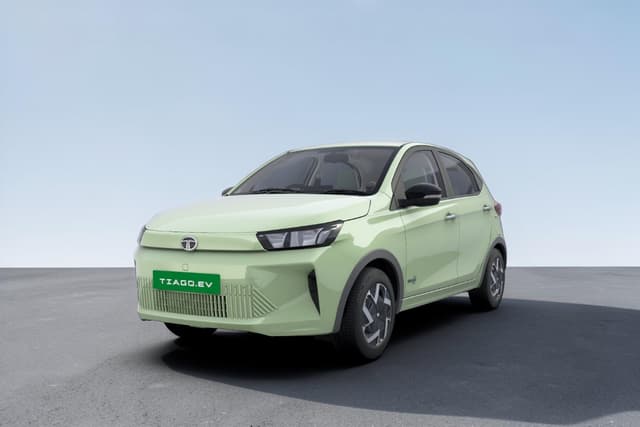
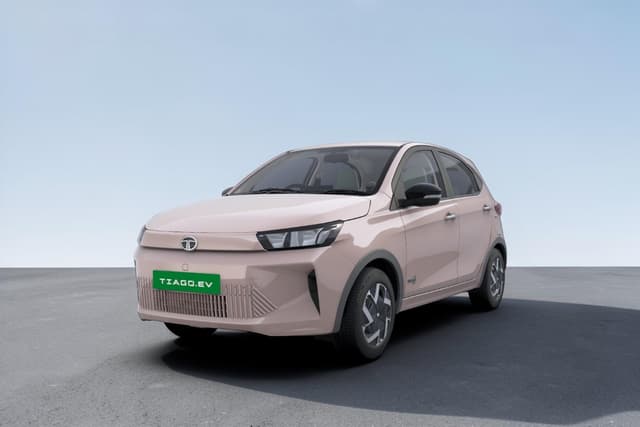
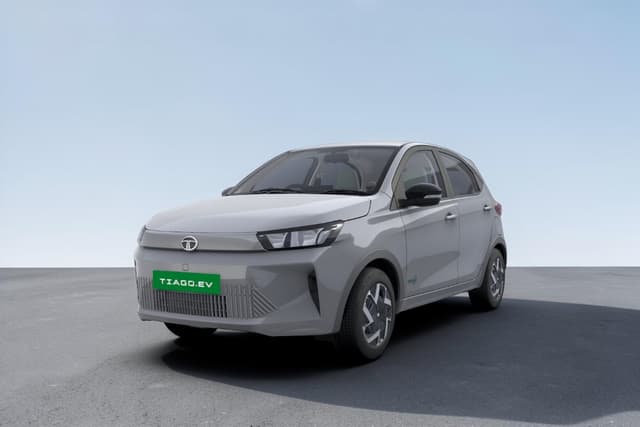
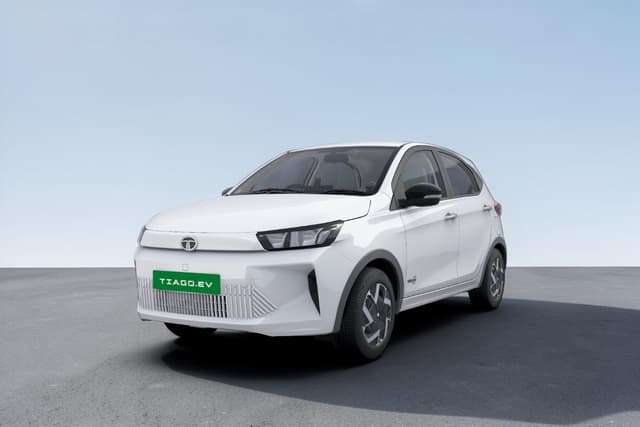
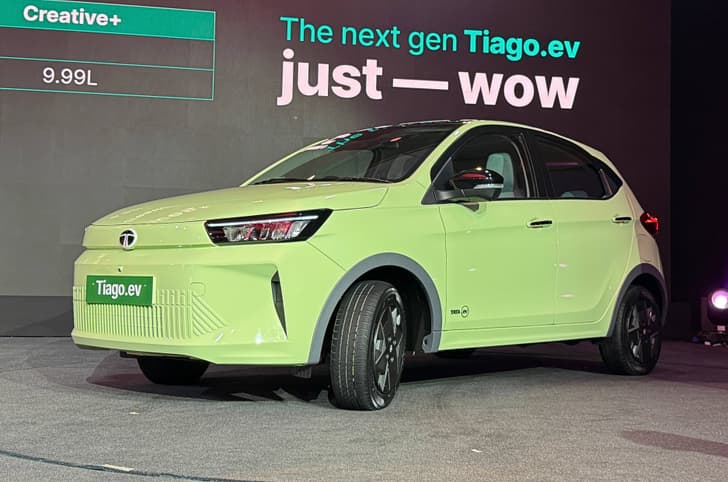
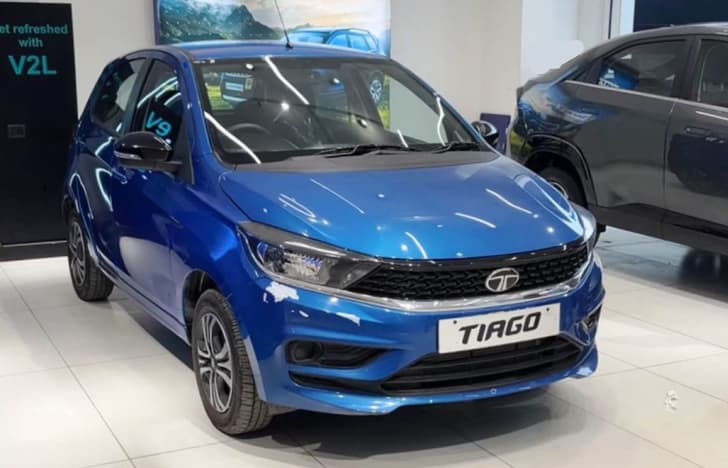
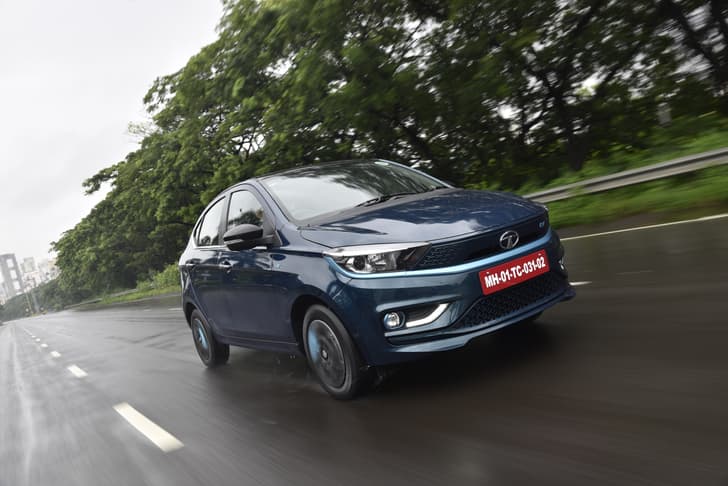
The Tata Tiago EV price in India starts at Rs 6.99 lakh (ex-showroom). 2026 Tiago EV top model price is Rs 9.99 lakh (ex-showroom). Tata Tiago EV on road price in Beed begins at Rs 7.31 lakh and extends to Rs 10.45 lakh. Check the Tata Tiago EV on road price in your city for the variants to see what fits your budget and preferences.
* Estimated on-road price. Final amount may vary.
Tell us about your experience
Tata Tiago EV Official Brochure
Download the complete brochure with specs, features, and variants.
Planning to buy Tiago EV? Here are a few dealers in Beed
Shri Shivajirao Kadam, Jalna Road, Beed, Maharashtra 431122
10:00 AM - 7:00 PM
7949292306Ground Floor Parli Ambejogai State Highway Parli, Besides Hero Showroom, Beed, Maharashtra 431518
10:00 AM - 7:00 PM
7949292309Ground Floor Parli Ambejogai State Highway parli, Besides Hero Showroom, Beed, Maharashtra 431520
9:30 AM - 9:00 PM
919167043096


The Tata Tiago EV on road price in Beed starts at Rs 7.31 lakh.
Tata Tiago EV price in Beed starts at Rs 6.99 lakh (ex-showroom).
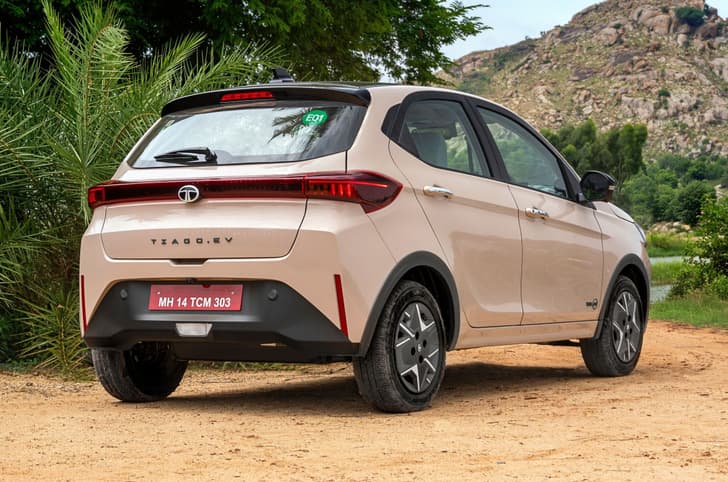
The range-wide price difference between the Tiago EV and Tiago ICE is about Rs 2 lakh.
Opting for the BAAS programme knocks off Rs 2.3 lakh off the starting price of the Tiago EV.
Hi Autocar Team, I currently own a 2016 Maruti Suzuki Ciaz diesel, which I plan to keep for highway trips, long-distance travel and as a backup vehicle. I am looking to buy a second car purely as a city EV for Chennai, with a budget of around Rs 15 lakh on-road, though I can stretch slightly if justified. My typical usage includes daily city driving, client meetings, airport runs and occasional family outings. I drive around 10,000km per year and usually keep my cars for 7-9 years or until they reach around 1 lakh kilometres. My priorities are: ride comfort and suspension, reliability over 7-9 years, battery warranty and long-term ownership confidence, service network and availability of parts, ease of driving and parking in city traffic, resale value after 7-9 years, and real-world range of at least 300km. I have already test-driven several EVs, including the Mahindra BE 6, Hyundai Creta EV, Kia Carens EV, MG ZS EV, Maruti e Vitara and VinFast VF 6. While I liked the Mahindra and VinFast products, I am now wondering whether a smaller and more affordable EV makes more sense since I already have the Ciaz for highway duties. Which EV would you recommend as the best secondary city car for long-term ownership in India today? Would you choose the Tata Punch EV, Nexon EV, Tiago EV, MG Windsor EV or another option altogether? Looking forward to your advice.
Pick the Tata Nexon EV 45kWh. For a Chennai city car, it rides over broken roads better than most, slips into tight parking spaces, and still delivers over 300km on a single charge. You already have the Ciaz for highway duties, so the Nexon EV’s size, light steering and good visibility make daily client visits and airport runs stress-free.For long-term ownership, Tata’s EV footprint is the widest in India today, with parts and service support across most cities, and the 8-year/1.6 lakh km battery warranty aligns well with your 7-9 year ownership plan. The battery chemistry also handles heat well, which matters in Chennai. Running costs remain low, and strong demand should help resale values compared to many other EVs.The Punch EV and Tiago EV are good options too, but they will fall well short of your requirement of 300km-plus on a single charge. The MG Windsor EV is worth considering if you want a more spacious cabin, though the real-world range of this MPV is not as strong as the Nexon EV’s.One honest niggle: Tata’s service quality can be inconsistent, so make sure you choose a good dealer with a strong reputation.
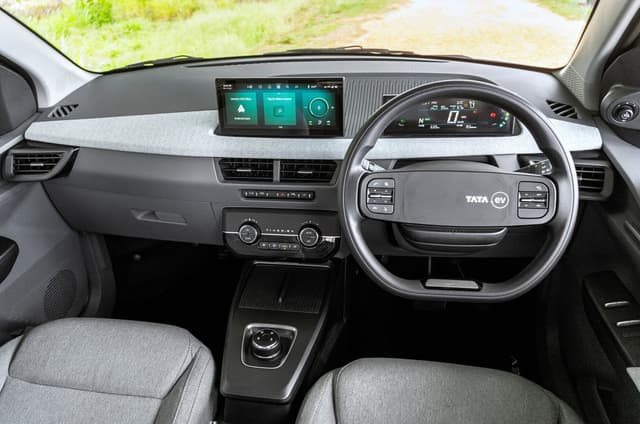
I currently have a Tiago XZA 2019 model, but I am the 3rd owner. I am considering buying a Tiago EV 2025 model as it is available at discounted prices. What do you think? Will it be a sound financial decision?
The Tata Tiago EV is a good option if most of your usage is within city limits and you have the option to install a charger at your home or workplace. Range is comfortable for intra-city commutes, but it's not the ideal long-distance car.You'll find the Tiago EV far superior to your current Tiago in performance, smoothness and refinement. At the same time, the EV retains the easy-to-drive nature, tough build and comfortable ride of the Tiago petrol.
I currently use a second-hand, 13.5-year-old Hyundai Verna 1.6 diesel for my daily office commute of around 30-35 km. My annual running is less than 9,000km, but as the car is getting old, I will need to replace it soon. I am looking for a reliable, economical and fun-to-drive car for my daily mix of city and highway driving. A few months ago, I drove a third-generation Swift manual and really liked its nimble handling, slick controls and free-revving engine. However, I am a little concerned about the new Swift's 1.2-litre three-cylinder engine, although I have not driven it yet. How do the Fronx and Baleno compare with the Swift? I prefer the Fronx over the Baleno purely because of its looks. I am not planning to buy immediately and can wait for a few months if there are suitable new launches coming. Rear-seat space and long-distance comfort are not priorities, as I already have a Tata Curvv diesel for family use and highway trips. I would prefer a compact car for city driving. I enjoy driving a manual, as my commute does not involve much bumper-to-bumper traffic, although I would still prefer a light clutch and slick gear shifts. As I am early in my career, I plan to keep this car for a long time, so I would also like it to be suitable for future ethanol blends beyond E20. Would it also make sense to consider the Tiago EV or Punch EV? My concerns are their higher upfront cost, which may be difficult to justify given my low annual running, and long-term reliability. I also already own a Tata car. My initial budget was Rs 8 lakh, but stretching the budget for an EV would also bring the Skoda Kylaq into consideration, although I understand it is not particularly fuel efficient. What would you recommend below Rs 8 lakh for my requirements?
Given your requirements, the Maruti Suzuki Swift remains the most sensible choice. Your running is under 9,000 km a year, so a petrol car makes the most sense, and the Swift’s compact size, light controls and nimble handling are exactly what you enjoyed in your old Verna. The new 1.2-litre three-cylinder engine is not something to worry about. It is a free-revving unit with good refinement and a light, slick gearbox, and Maruti’s long-term reliability record is strong. It is also very fuel-efficient, as it delivered 14kpl in the city and 19kpl on the highway in our real-world tests.The Fronx and Baleno are both good cars, but they are larger and not quite as engaging to drive as the Swift. You also do not need the extra space or rear-seat comfort, given you already have a Tata Curvv Diesel for family duties. On the EV front, the Tiago EV and Punch EV are worth considering, but your running is too low to justify the higher upfront cost, and you already have a Tata car in the garage.If you want to keep the budget under Rs 8 lakh, the Swift is the best fit. However, if you feel you need a larger car, the Baleno is a solid choice.
Hi, I currently own a 2018 Swift AMT ZXi and plan to replace it with an EV. My daily running is around 25-30 km in Mumbai city traffic, and I have a charging socket available in my society. My budget is around Rs. 8-12 lakh. Please advise whether I should opt for an EV or an ICE car. I am looking for a car that is similar in size to the Swift.
With a daily running of 25-30 km in Mumbai city traffic and a dedicated charging socket at home, you are in the ideal use case for an electric car. Your running is high enough for the lower running costs of an EV to make sense, and the predictability of your usage means you will rarely need to rely on public charging. Your budget of Rs 8-12 lakh and requirement for a Swift-sized car point you towards the Tata Tiago EV, which is the most sensible choice in this scenario. It is compact, easy to drive in the city, and offers a range that is more than sufficient for your daily needs. The Tiago EV also benefits from Tata's established EV ecosystem and service network, which is important for long-term ownership confidence.The only reason to consider an ICE alternative would be if you regularly do long highway trips or are uncomfortable with the idea of planning charging stops. Given your usage pattern, that does not seem to be the case. The Tiago EV will give you a quieter, smoother and more cost-effective city driving experience than any ICE car in this price range.
For ladies, which car is best for 35 km of daily running? EV, petrol, or CNG with automatic transmission? Please suggest which car to buy.
For a daily run of 35km, the decision between petrol, CNG and EV comes down to ownership priorities, irrespective of the driver's gender. A CNG car is the most cost-effective option, but it comes with compromises on boot space, convenience and refuelling time. A petrol car is the simplest and most hassle-free option, but running costs will be higher over time. An electric car makes the most sense if you have access to home charging, as it offers the lowest running costs and a smooth, quiet driving experience, but it is the most expensive to buy.If your budget is Rs 5-10 lakh, it rules out most EVs, and you will essentially have to choose between the MG Comet and the Tata Tiago EV. If you're okay with these options, the Tiago EV is the better all-rounder, offering more space, comfort, range and features, while the more affordable, ultra-compact Comet has the advantage of being easier to park. The Comet's small battery will require you to charge more often, even with a limited usage of 35km per day. EVs are smoother than petrol or CNG cars, and the running costs are the lowest, so if either of these two cars meets your needs, you should go down the EV route.
| Cities | On road price |
|---|---|
Ahmednagar | ₹7.31 - ₹10.45 Lakh |
Akola | ₹7.31 - ₹10.45 Lakh |
Nanded | ₹7.31 - ₹10.45 Lakh |
Ratnagiri | ₹7.31 - ₹10.45 Lakh |