
Last Updated on: 06 Aug 2026
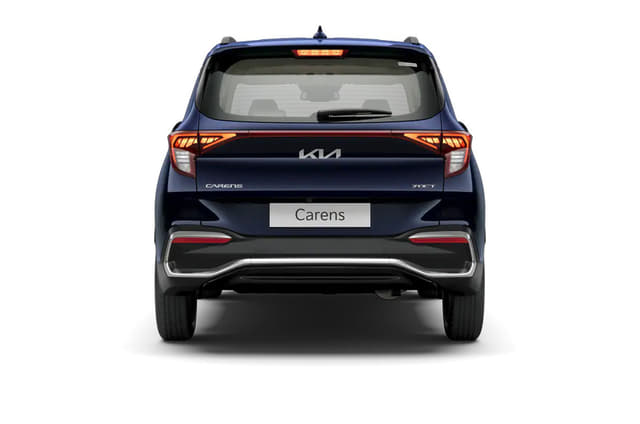
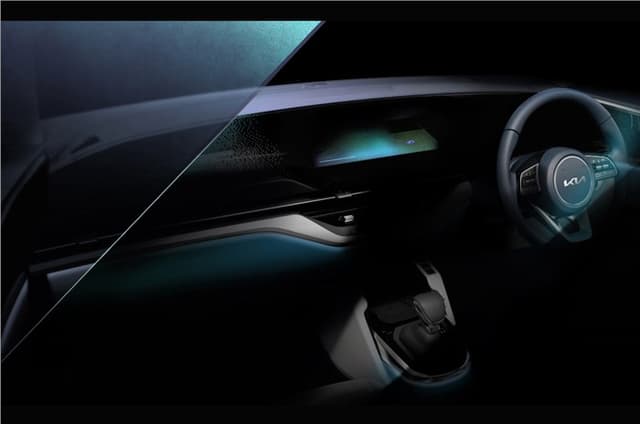
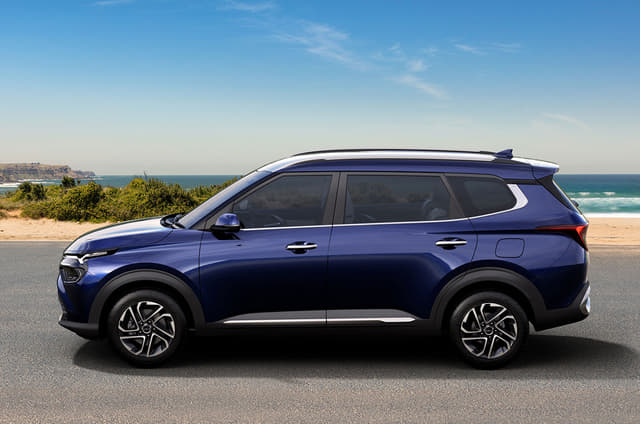
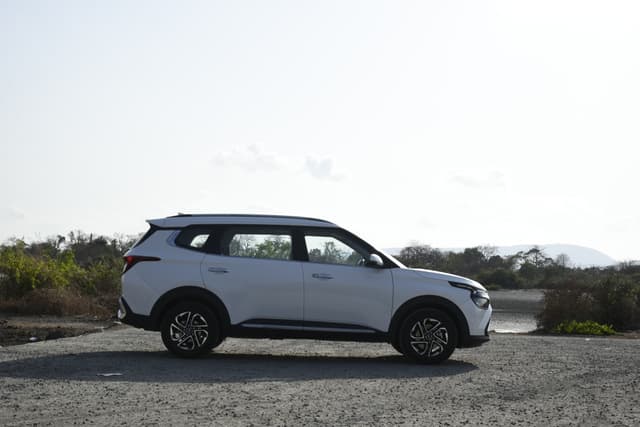
Kia Carens price in Kasganj
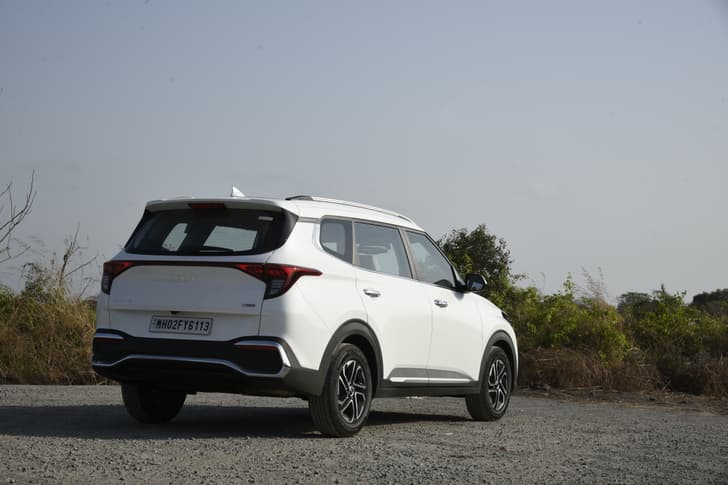
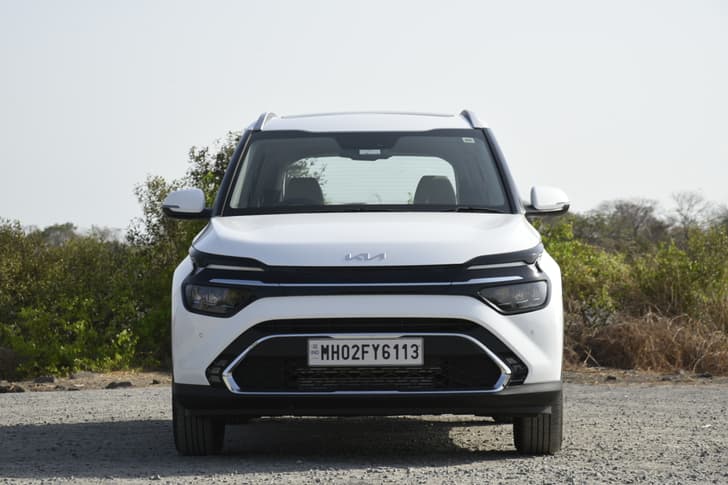
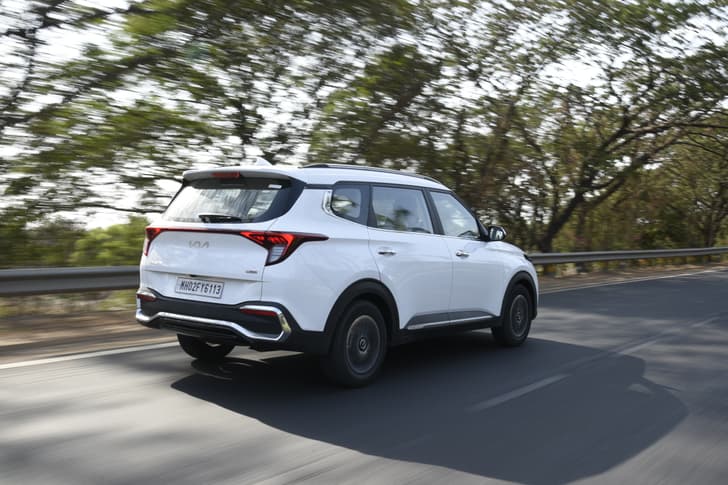
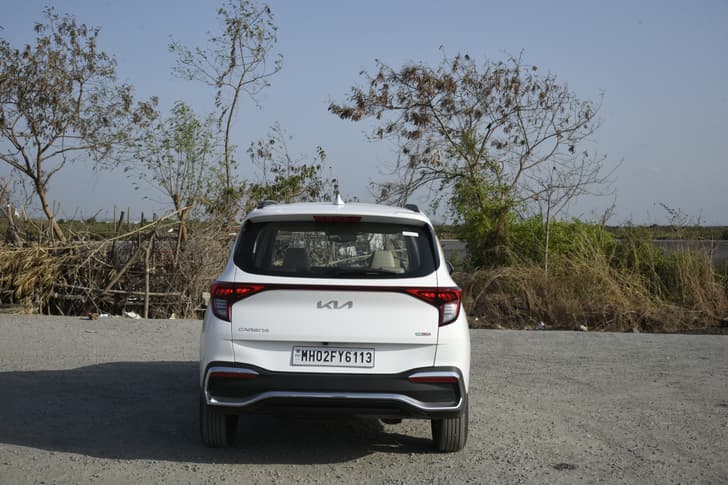
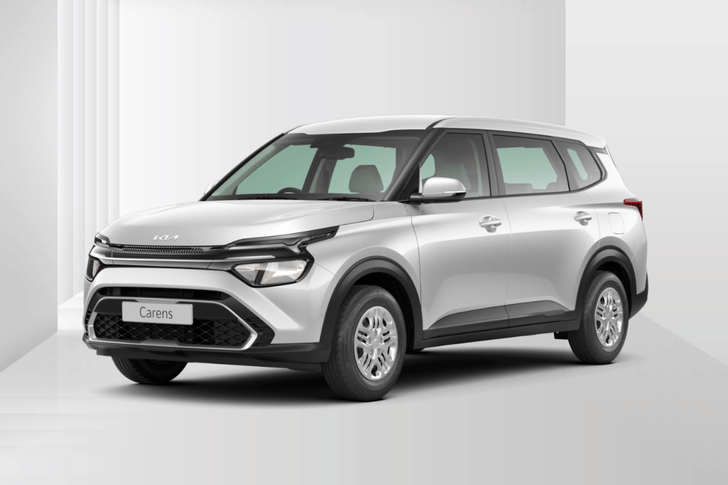
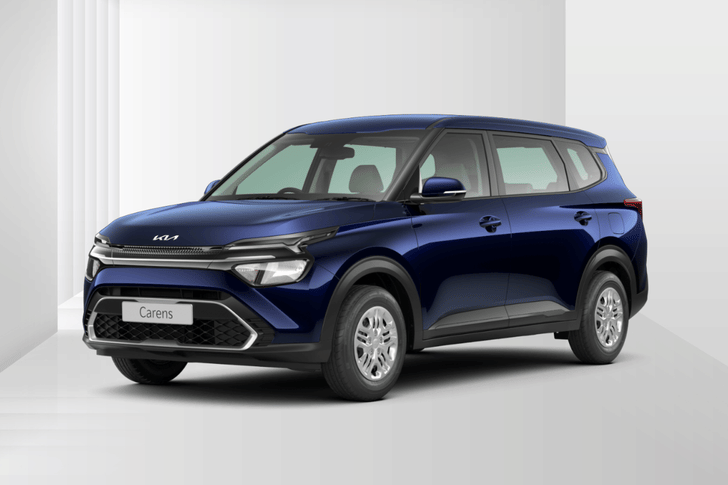
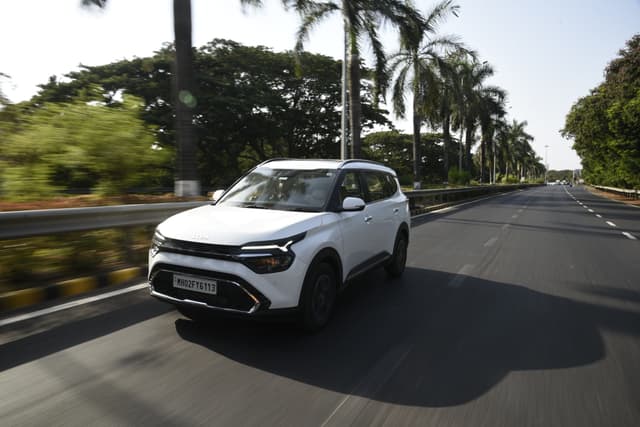
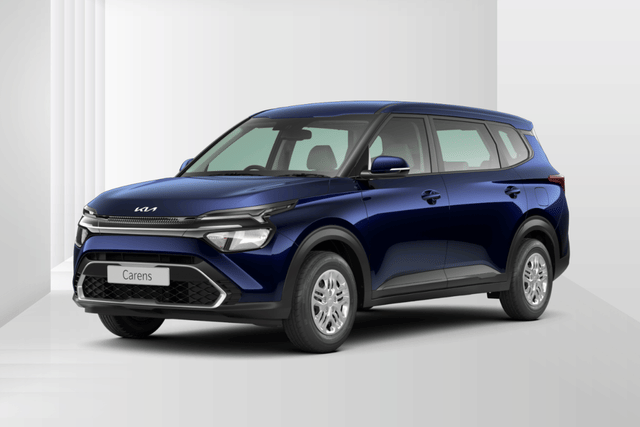
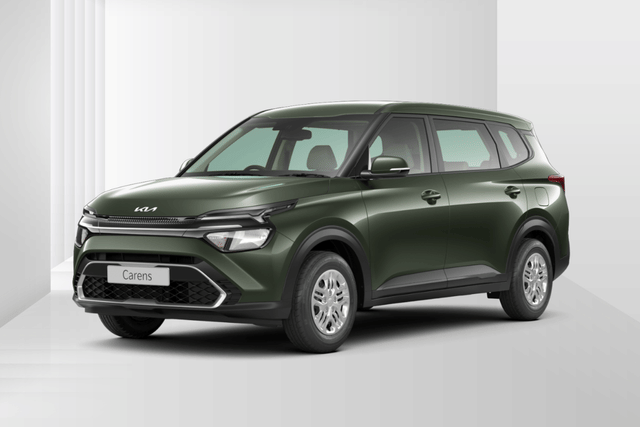
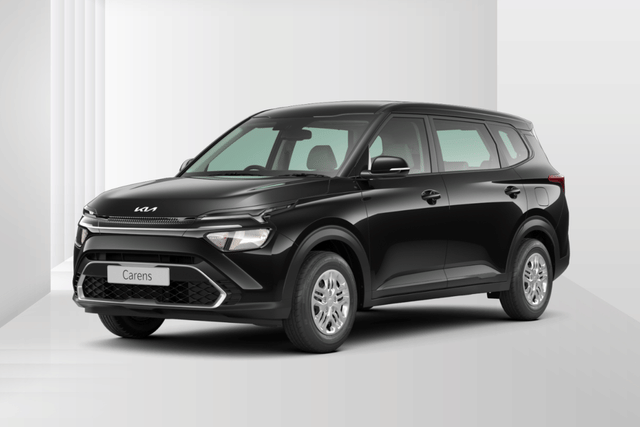
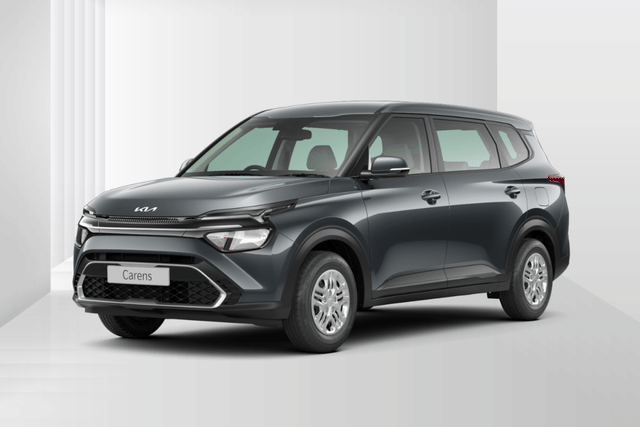
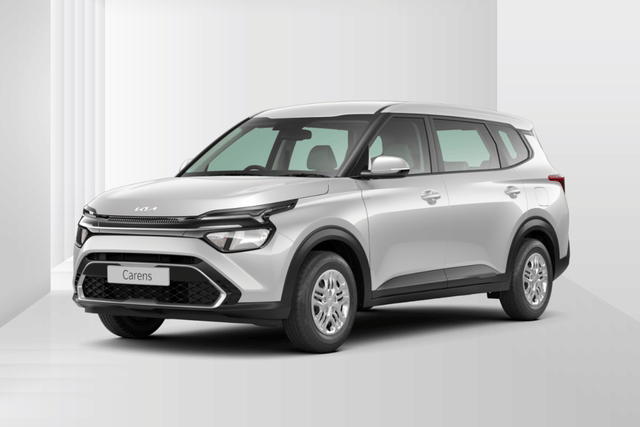
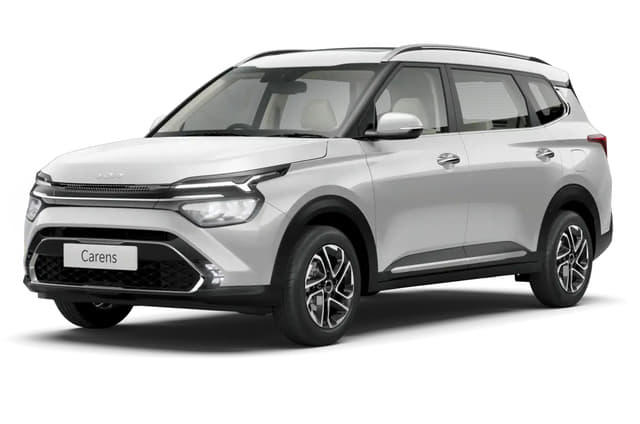
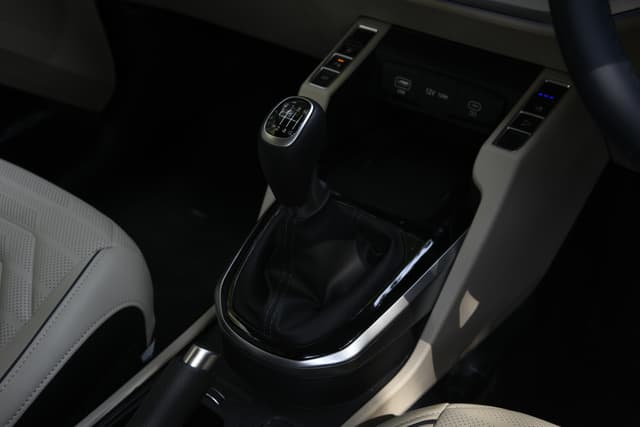
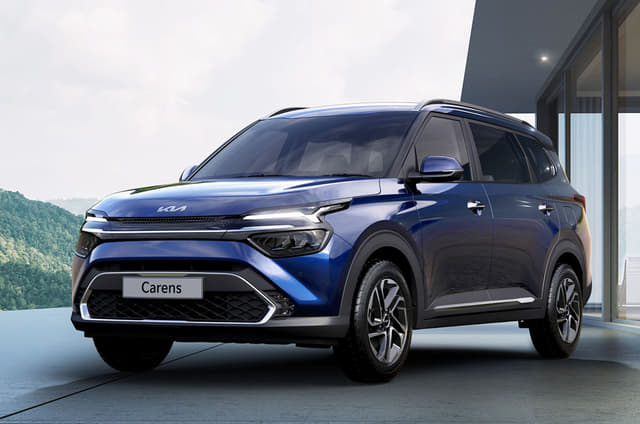
Kia builds the Carens with a 6-speed manual gearbox only, with no automatic option anywhere in the range, so the real fork in the road for buyers is petrol versus diesel rather than manual versus automatic. That decision plays out differently from city to city once statutory costs are layered onto the ex-showroom sticker. In Kasganj, the base variant, Premium (O) Petrol MT, is priced at Rs. 11.02 lakh ex-showroom for August 2026, which climbs to Rs. 12.57 lakh on-road once RTO registration, insurance and other charges are factored in.
- Base variant, Premium (O) Petrol MT: Rs. 12.57 lakh on-road in Kasganj
- Premium (O) Diesel MT, the top model in the lineup, brings the torquier diesel engine to the range: Rs. 14.69 lakh on-road
- The 6-speed manual is the only gearbox across the Carens lineup; Kia has not listed an automatic variant, so fuel type and running costs, not transmission choice, are what decide the spend
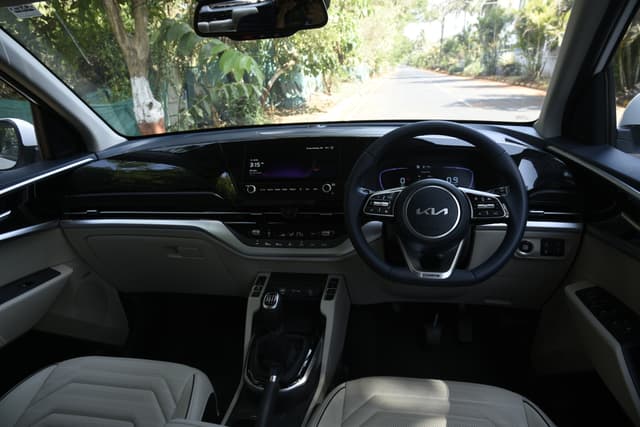
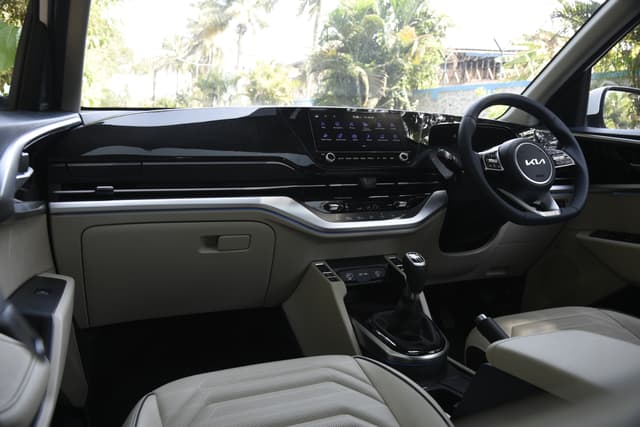
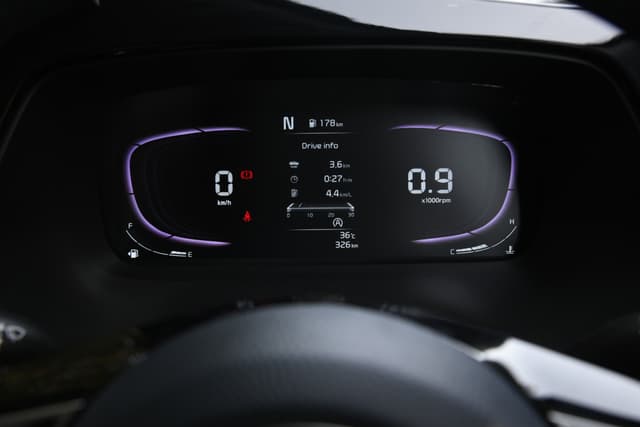
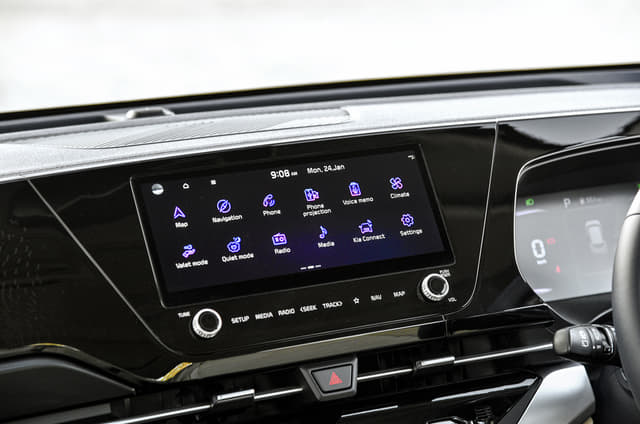
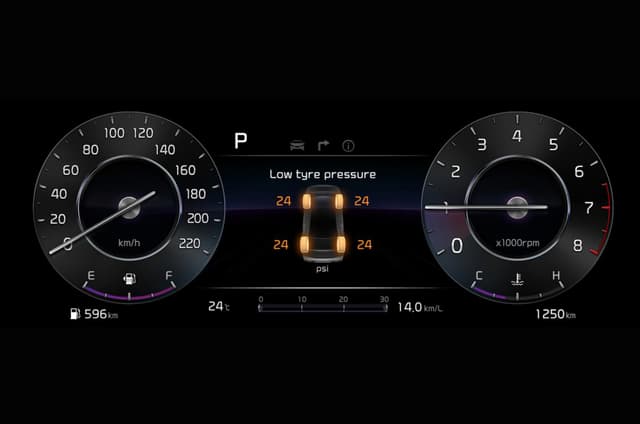
- Best value pick: Premium (O) Petrol MT, since even this base model comes with electronic stability control, a fully digital instrument cluster and phone-based navigation, so stepping up to the diesel top variant is worth it mainly for buyers who need the extra torque
An EMI works out to Rs. 18,181 on a loan of Rs. 11,30,000 for the base model, Premium (O) Petrol MT, a useful reference point before weighing whether the diesel's extra torque justifies its premium. With only two variants on offer in Kasganj, this is less a trim-hunting exercise and more a straightforward petrol-versus-diesel call based on how the car will actually be used.
Kia Carens price in Kasganj
Kia builds the Carens with a 6-speed manual gearbox only, with no automatic option anywhere in the range, so the real fork in the road for buyers is petrol versus diesel rather than manual versus automatic. That decision plays out differently from city to city once statutory costs are layered onto the ex-showroom sticker. In Kasganj, the base variant, Premium (O) Petrol MT, is priced at Rs. 11.02 lakh ex-showroom for August 2026, which climbs to Rs. 12.57 lakh on-road once RTO registration, insurance and other charges are factored in.
- Base variant, Premium (O) Petrol MT: Rs. 12.57 lakh on-road in Kasganj
- Premium (O) Diesel MT, the top model in the lineup, brings the torquier diesel engine to the range: Rs. 14.69 lakh on-road
- The 6-speed manual is the only gearbox across the Carens lineup; Kia has not listed an automatic variant, so fuel type and running costs, not transmission choice, are what decide the spend
- Best value pick: Premium (O) Petrol MT, since even this base model comes with electronic stability control, a fully digital instrument cluster and phone-based navigation, so stepping up to the diesel top variant is worth it mainly for buyers who need the extra torque
An EMI works out to Rs. 18,181 on a loan of Rs. 11,30,000 for the base model, Premium (O) Petrol MT, a useful reference point before weighing whether the diesel's extra torque justifies its premium. With only two variants on offer in Kasganj, this is less a trim-hunting exercise and more a straightforward petrol-versus-diesel call based on how the car will actually be used.
Kia Carens On Road Price by Variants
* Estimated on-road price. Final amount may vary.
Kia Carens Booking & Test Drive - User Reviews
Tell us about your experience
Kia Carens Official Brochure
Download the complete brochure with specs, features, and variants.
Kia Carens Images
Kia Carens news
Kia Carens videos
Kia Carens FAQs
The Kia Carens 6 seater variants are no longer on sale.
The Kia Carens diesel is around Rs 1.9 lakh more expensive than the petrol version.
Questions you may find useful
I'm looking for your expert opinion to help me finalise my next used family car. I'm currently considering the MG Hector Plus Sharp Pro 1.5 Turbo Petrol MT (2024), Hyundai Alcazar 2.0 MPI Petrol, Kia Carens 1.5 Naturally Aspirated Petrol, and Maruti XL6 Alpha Plus Petrol. My usage is around 500 km per month (approximately 6,000 km per year), with most of my driving being in the city. My family consists of four members, and while I rarely need the third row, having a 6- or 7-seater is a bonus for occasional family trips. I plan to keep the car for at least 7 to 10 years. Fuel economy is not a priority; instead, I value comfort, features, reliability, and good performance. Long-term dependability, ease of maintenance, and a hassle-free ownership experience are far more important to me than mileage. One of my biggest concerns is the increasing use of ethanol-blended petrol, with E20 already in use and the possibility of higher blends such as E30 in the future. I'm unsure whether I should avoid turbo-petrol engines for long-term ownership or whether modern turbocharged engines are reliable enough. Based on my usage, which of these four cars would you recommend? Would you choose a naturally aspirated engine, such as those in the Alcazar, Carens, or XL6, over the MG Hector's 1.5-litre turbo-petrol for someone planning to keep the vehicle for 7 to 10 years? How concerned should I be about E20 or future E30 fuel and its long-term impact on these engines? Is the MG Hector's 1.5 Turbo Petrol engine dependable enough for long-term ownership, or would you prefer the Hyundai 2.0 MPI or the other naturally aspirated options? Is the Kia Carens 1.5 NA petrol sufficiently powerful for occasional trips with six or seven passengers, or is it likely to feel underpowered? Similarly, is the Maruti XL6 Alpha Plus adequately powered for highway driving with a full load, or does its 1.5-litre mild-hybrid engine struggle in such conditions? Finally, how would you rank these four cars in terms of long-term reliability, performance (especially when fully loaded), build quality and safety, maintenance costs, service network, feature list, and overall ownership experience? If this were your own long-term family car purchase, which one would you choose and why? I'd really appreciate an unbiased recommendation based on my specific requirements rather than general market popularity. Thank you!
Based on your usage and priorities, the Hyundai Alcazar 2.0 naturally aspirated petrol would be our recommendation. Your monthly running is low, the third row will only be used occasionally, and you're looking for a comfortable, feature-rich family car that can be kept for 7 to 10 years. The Alcazar strikes the right balance. Its 2.0-litre naturally aspirated petrol engine is a simple, proven unit that should be easy to own over the long term, while also offering better performance than the Kia Caren's 1.5-litre naturally aspirated petrol engine. Hyundai cars also have a strong reputation for reliability and aftersales support, which becomes even more important for long-term ownership.As for the E20/E30 question, there's little reason to worry. The Alcazar's 2.0 engine is likely E10 compliant but will run on E20 just fine, and while higher ethanol blends can lead to a slight reduction in fuel efficiency, they are unlikely to have a significant impact on long-term reliability.The MG Hector 1.5 turbo petrol is a good engine, but it is a heavier car and the turbo petrol will not offer any real advantage in your running. The Carens is the more practical and better packaged family car, but since you aren't frequently using the third row, the Alcazar is the better pick.
I commute nearly 90 km a day for work. I previously drove a 10-year-old Honda Jazz petrol and wanted to switch to an EV, but I live in a gated society where the committee doesn't permit residents to install a personal charger - I'd have to rely entirely on the common charger they provide. That dependency made me uncomfortable running an EV as my only car, so I bought a pre-owned 2024 Kia Carens diesel instead. I now plan to run two cars: the EV for my daily 90 km commute, and the Carens diesel for long drives and highway trips. My budget for the EV is under Rs. 15 lakhs, and I'd be charging only on the shared society charger. Which options would you recommend?
Given your 90km daily commute and the fact that you will be relying entirely on a shared society charger, the key is to choose an electric car with a strong real-world range and fast enough charging speeds. The Tata Punch EV is the most sensible recommendation here. This Tata car should give you a real-world range of around 250km, which gives you plenty of buffer for your daily commute even if you cannot charge every single day. Tata’s EV ecosystem is well established, and the Punch EV is a proven product with good service reach and a robust ownership track record. The Tata Nexon EV is another strong option. It is larger and more spacious, and with a larger battery, you could get more out of a single charge. However, since you have a Carens diesel for big-car duties, the smaller Punch EV makes for a far better city car. Plus, while you will only get a low-spec variant of the Nexon EV in your budget, you will get a fully loaded variant with all the bells and whistles. Both Tata EVs charge at up to 7.2kW on an AC charger and 60kW on a DC fast charger, which is decent when you have to use a common charger.
I commute nearly 90 km a day for work. I previously drove a 10-year-old Honda Jazz petrol and wanted to switch to an EV, but I live in a gated society where the committee doesn't permit residents to install a personal charger. I would have to rely entirely on the common charger they provided that made me uncomfortable running an EV as my only car, so I bought a pre-owned 2024 Kia Carens diesel instead. I now plan to keep two cars: an EV for my daily 90 km commute, and Carens diesel for long drives and highway trips. My budget for the EV is under Rs. 15 lakhs, and I would be charging only on shared society charger. Which options would you recommend?
Given your 90 km daily commute and the fact that you already have a Carens diesel for long trips, an electric car makes a lot of sense as your primary city car. The key consideration here is your charging situation which is relying solely on a shared society charger. That means you need an EV with good efficiency and a battery size that gives you enough buffer so you are not constantly worrying about range.The Tata Nexon EV is the most sensible recommendation here. It is well priced, efficient and has a battery size that is well suited to your daily commute. The car itself is compact and easy to drive in the city, but still feels substantial enough for occasional highway use. Most importantly, it has enough range to allow you the flexibility of charging it every other day in case your society's common charger is occupied. Get into the practise of topping up your battery whenever the common charger is free so you are always topped up and ready to go.
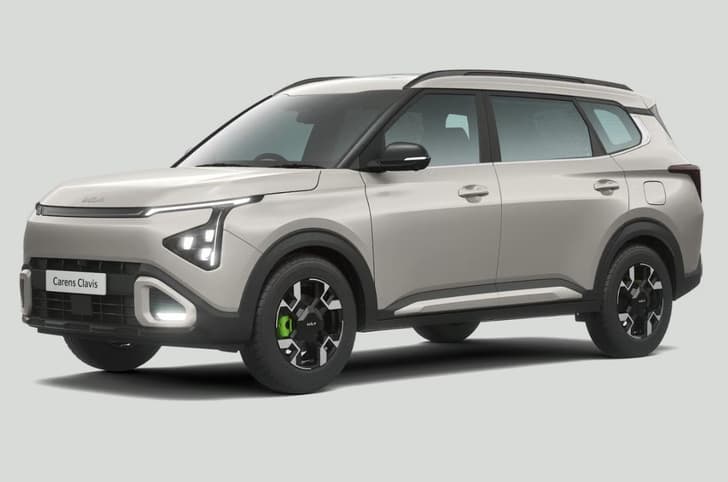
I want to buy 6/ 7 Seater car, budget-friendly. Also, more comfortable in all three rows. I chose Kia Clavis and Xl6. I did test drive both vehicles. I'm comfortable with XL6. More leg room in all three rows. But experts in many forum they praised Clavis. Most of my family members are above 5.9. So I feel XL 6 would be a better option. Suggest to me what's best?
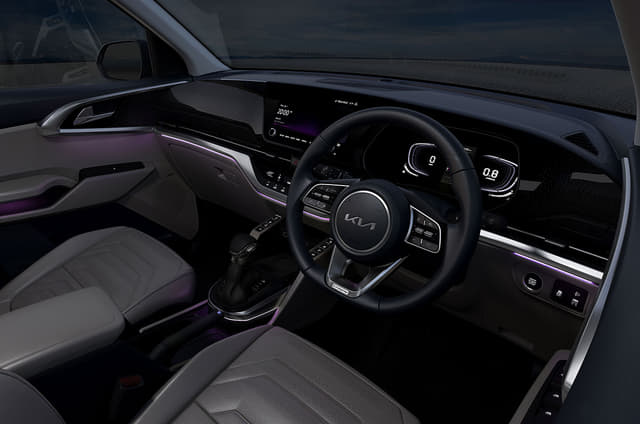
The Kia Carens has a roomier third row, as well as a middle-row bench seat option, while the XL6 is only available with captain chairs. But if you and your family members found the Maruti XL6 more comfortable, and you're fine with the six-seater layout, then that is the one you should get. It is a fuss-free, no-nonsense offering, and with Maruti's widespread, as well as proven, reputation for reliability, it is an option you can't go wrong with.
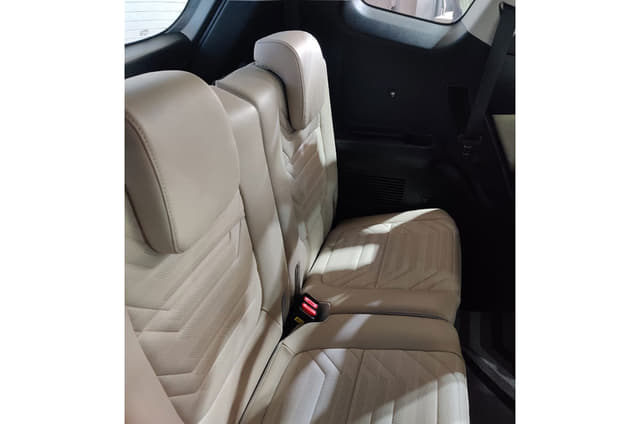
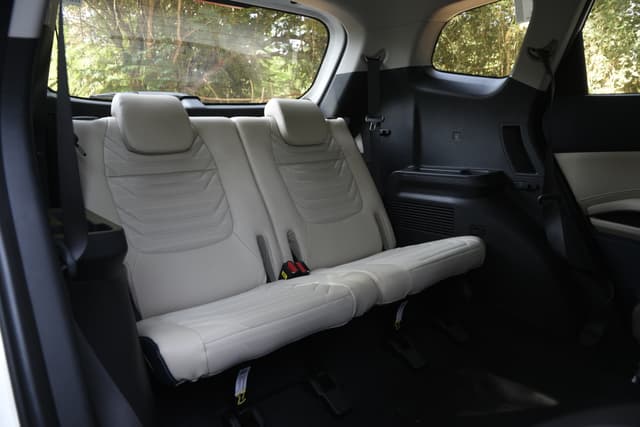

How is the life of my Kia Carens diesel automatic purchased in 2023?
Your 2023 Kia Carens Diesel Automatic should have a long and healthy life ahead of it, provided it is maintained properly and used in a manner that suits a modern diesel.The good news is that your car is still relatively new, and the 1.5-litre diesel engine has proven to be a refined and dependable unit. If your driving includes regular highway runs or trips where the engine gets fully warmed up, there is no reason why the car cannot comfortably serve you for well over a decade. Modern diesels are capable of very high mileages when maintained correctly.The main thing to watch out for is the DPF (Diesel Particulate Filter). If your usage is predominantly short city trips, the DPF can clog over time. However, if you regularly drive on highways or take longer journeys, the system should regenerate naturally and remain trouble-free.
Kia Carens On Road Price in India
Upcoming Cars


Kia Cars


Trending Cars


Latest Cars