Autocar India
•1w

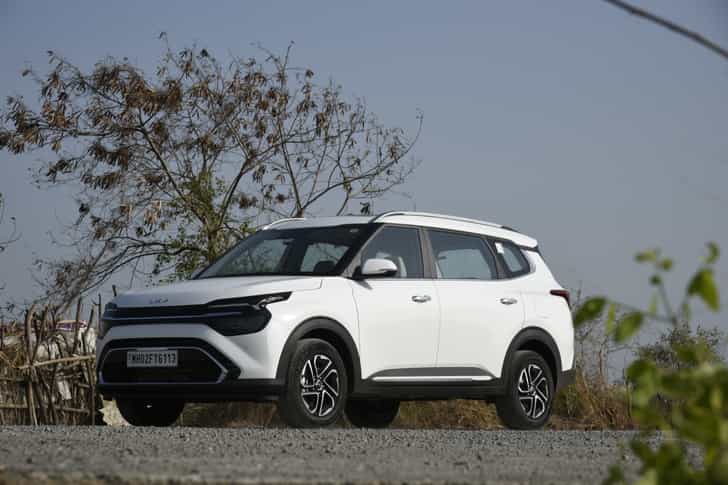
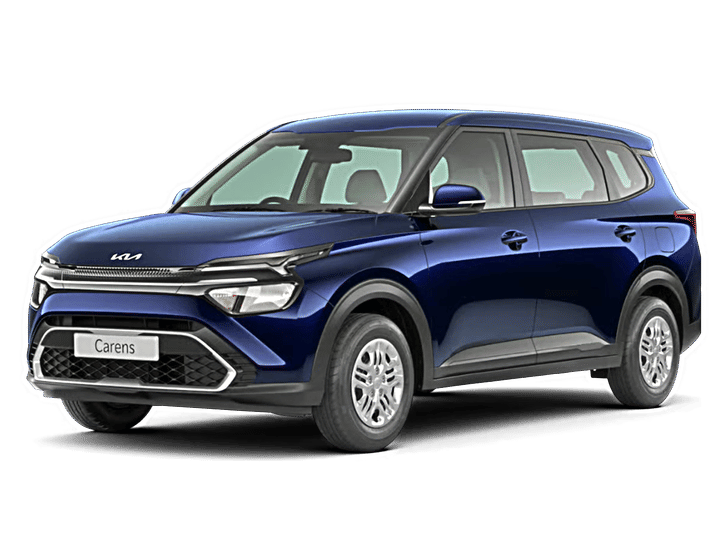
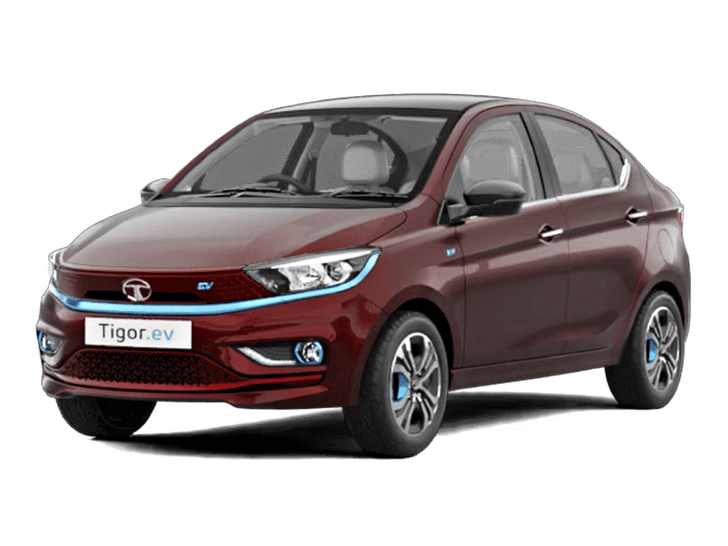
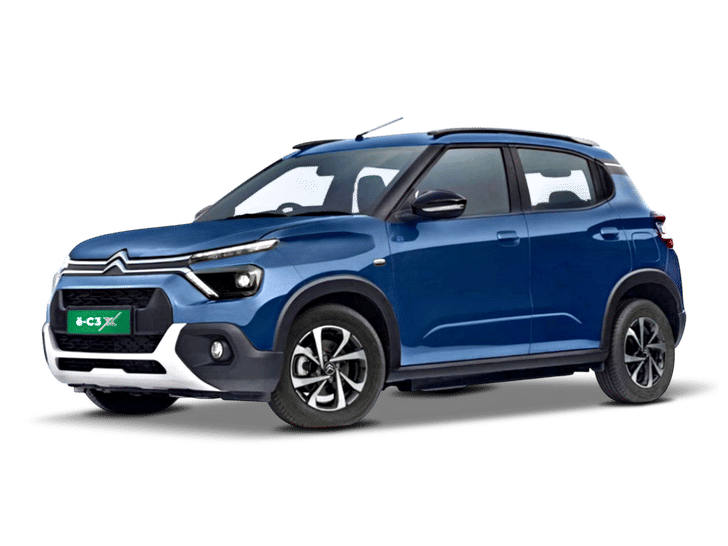
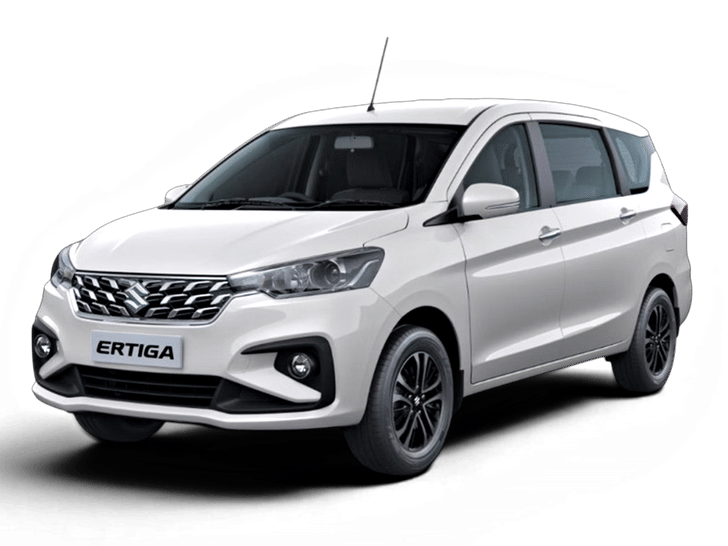
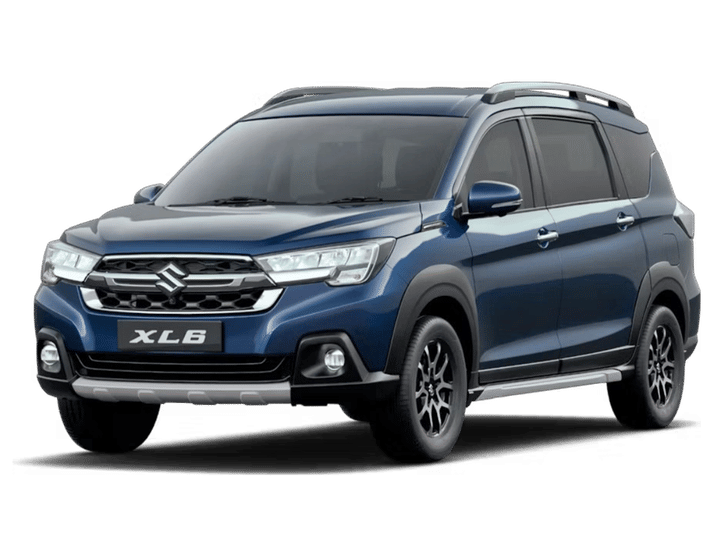
Hi, I am looking to purchase a second car exclusively for commute to work. I travel 40 km daily (Mon-Fri). I have a Kia Carens DCT for other trips. Now, I am looking for a small Petrol AMT/EV with good mileage and rear-seat comfort. Should I go for Tiago EV base variant or look into petrol AMT of 4-m cars?

Verified
•3m

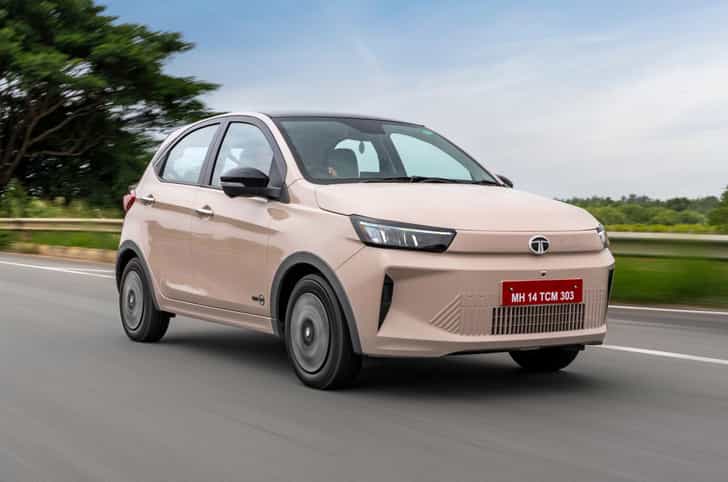
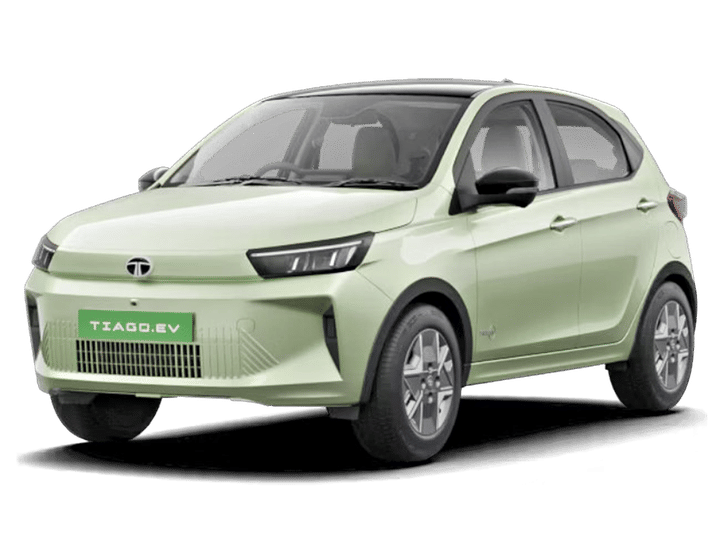
The Tata Tiago EV is an excellent fit for your daily 40km commute, especially since you already have a Kia Carens DCT for family trips and longer journeys. The Tiago EV is built around exactly this kind of urban use, with light controls, good visibility, a plush ride and low running costs. The 2026 update has also improved seat comfort and added rear AC vents, making it a more comfortable everyday car. 
Autocar India.

With home charging, you can charge overnight and avoid petrol station visits altogether. The 24kWh version has a claimed range of 285km, with around 200km being a more realistic expectation, so your weekday commute should be easy to manage. The main thing to check is rear seat comfort in person, as space is adequate rather than generous.
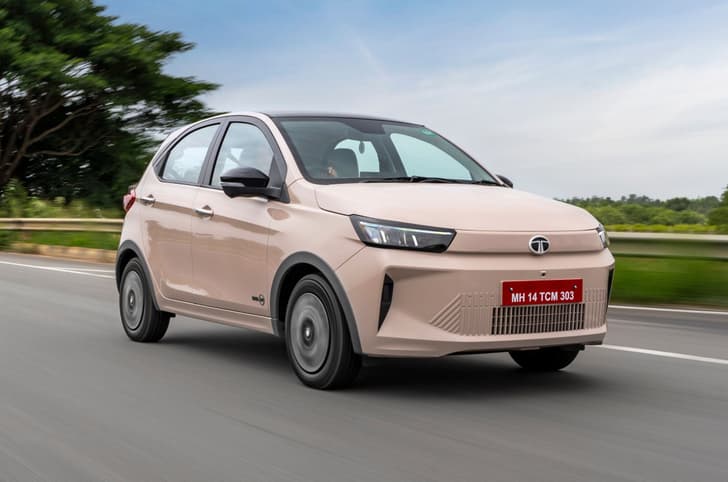
Tata Tiago EV

Tata Tiago EV

More posts on similar cars

•19h

Hi! My annual running is around 9,000km in the city and 3,000km on highways. Should I buy the petrol Maruti Suzuki Dzire ZXi or the Brezza VXi with the 1.0-litre turbo-petrol engine and manual transmission? The Brezza felt a bit too wide and large for city use, and making U-turns is likely to be more difficult than in the Dzire. I also found the Brezza's softer seats potentially tiring over a 500km highway drive. I'm concerned that the turbo-petrol engine will be more complicated to maintain because of GPF cleaning requirements and the need for RON 95 fuel. Carbon build-up could also be an issue, given that only 30% of my annual running is on highways. On hills, I wonder if the turbo engine will leave me wanting more. By contrast, the Dzire felt more nimble and easy to manoeuvre. Its 15-inch tyres should also be fine for highway use. At cruising speeds below 100kph with two or three people on board, wouldn't it be nearly as good as the Brezza? The popular Z12E engine should also get an upgrade if E27 becomes the baseline fuel. However, would the heavier Brezza be safer in a crash? I plan to sell the car after four or five years, by which time the EV market should have stabilised. Wouldn't the petrol Dzire also have better resale value than the Brezza? Given my usage, what are the reasons I should seriously consider the Brezza?

Verified
•33m

From what you have described, go for the Maruti Suzuki Dzire. You clearly prefer its compact dimensions, lighter feel and easy manoeuvrability, and with 9,000km of city driving annually, these advantages will matter far more often than the Brezza's higher ground clearance or SUV stance. The Dzire should also be perfectly capable of comfortable highway cruising at under 100kph with two or three occupants.The Brezza's main reasons for consideration are its higher ground clearance, more commanding driving position, more potent turbo petrol engine and greater flexibility on rough roads. However, if you already find it too wide for city use and have concerns about its engine and long term maintenance, there is little reason to stretch yourself into it.Both the new Dzire and Brezza have been crash-tested, so the comparison should use their actual ratings rather than assume the heavier SUV is safer. The new Dzire scored 5 stars for adult and child occupant protection under Bharat NCAP. The Maruti Suzuki Brezza has also received a five-star BNCAP rating for both adult and child protection. So, there is no reason to choose the Brezza solely because you assume it will be safer in a crash.

VehicleMaruti Suzuki Dzire
VehicleMaruti Suzuki Brezza
•14h

I’m from Visakhapatnam and am planning to buy a new SUV. I have been using a Honda Amaze diesel since 2013. Before that, I owned a Maruti 800 for 10 years. I am 63 years old and retired, and my annual running will be around 9,000-10,000 km. My driving will mostly involve a mix of city and highway use, and I intend to keep the car for 10-12 years. Mileage is one of my biggest priorities, followed by looks, driving enjoyment and long-term ownership costs. My budget is around Rs 16-17 lakh, and I want an automatic transmission. I also have a home charging facility. Should I consider the Kia Syros EV? My main concern is its boxy styling, which I don't particularly like. I also don't want a panoramic sunroof. Could you suggest which variant would suit my requirements from the following options: Kia Syros EV, Hyundai Bayon, Maruti Suzuki Victoris, Grand Vitara, Fronx facelift, Volkswagen Taigun, Honda Elevate and Toyota Urban Cruiser Hyryder?

Verified
•1h

If you can get past the styling of the Kia Syros EV, it is a compelling option for your requirements. It is smooth and powerful; the regenerative braking is beautifully calibrated, and the real-world range is good. Despite being under four metres long, it is surprisingly spacious and has a large boot, making it practical for family use. With home charging available and your intention to keep the car for 10 to 12 years, it is worth serious consideration. Just make sure you are comfortable with the design before committing.If you prefer an ICE vehicle and fuel efficiency is your biggest priority, the Maruti Suzuki Victoris strong hybrid is worth looking at. With current offers, it could come close to your budget, and its biggest advantage is fuel economy, with over 20kpl possible even in city driving.

VehicleKia Syros EV
VehicleMaruti Suzuki Victoris

Has E20 fuel affected your mileage?

Is ADAS worth paying extra for in a car?

Popular discussions right now

Upcoming launch buzz

Community discussions on upcoming launches
Add a photo of your Tiago

First sightings, real road conditions, delivery buzz

Posted on: 28 Oct 2026