
Last Updated on: 08 May 2026
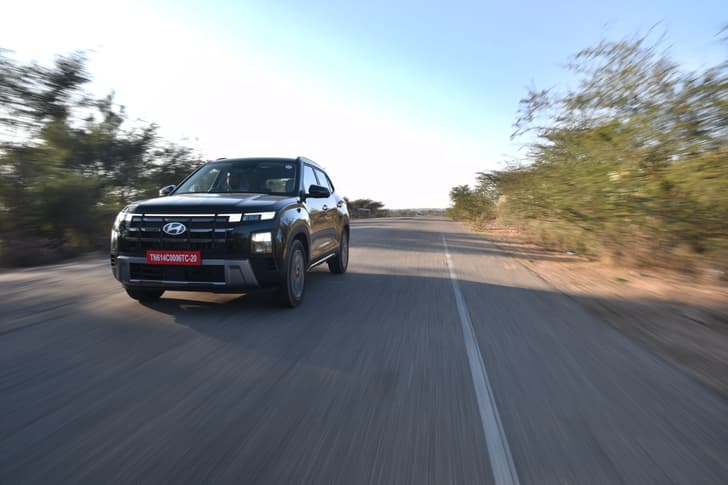
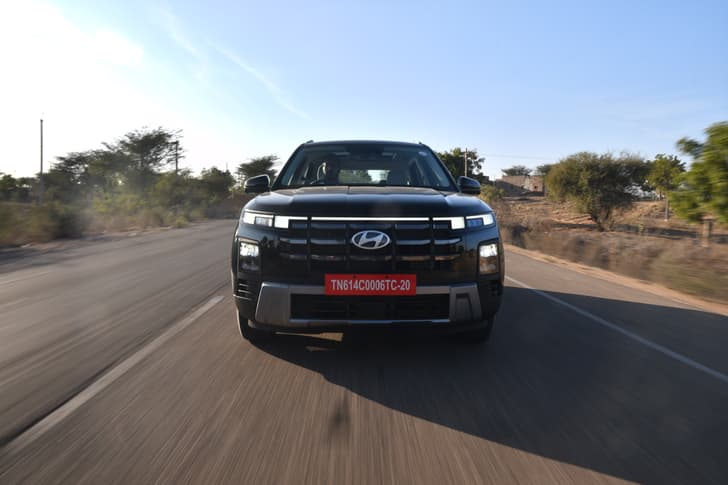
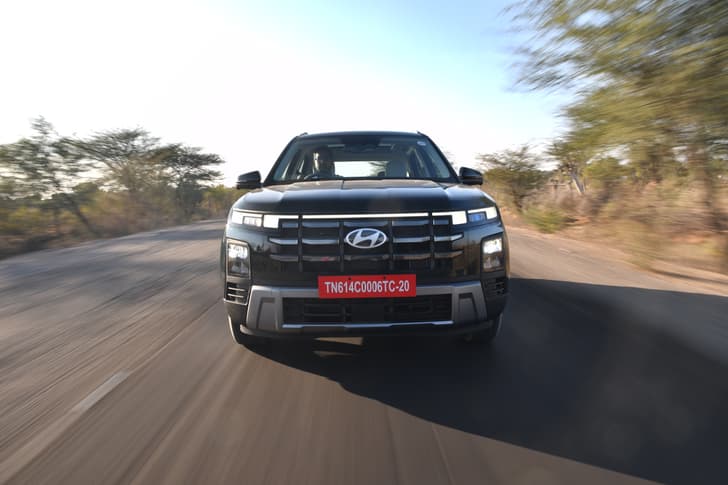
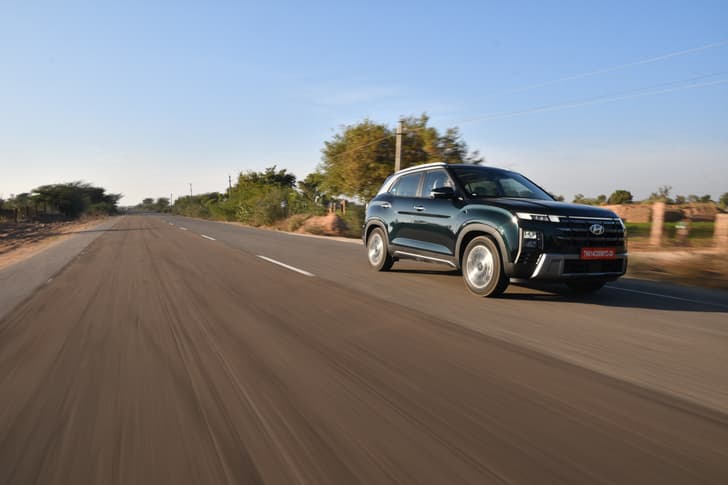
Hyundai Creta price in Gajapati
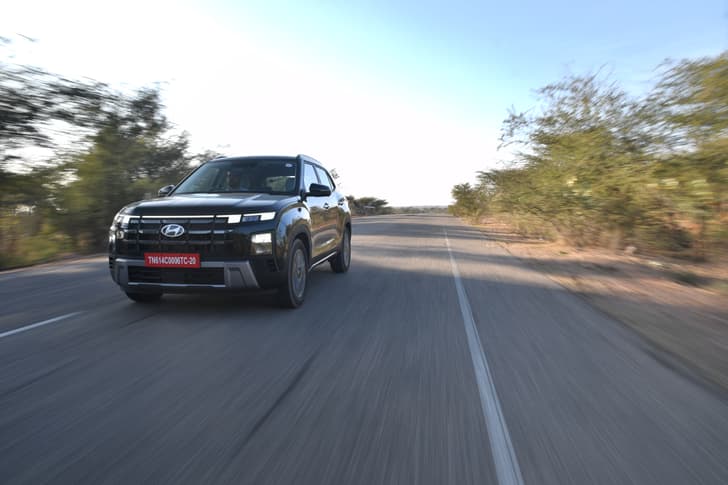
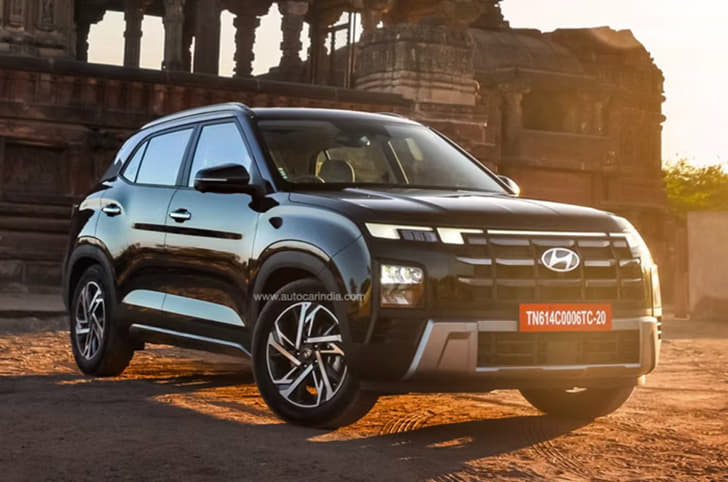
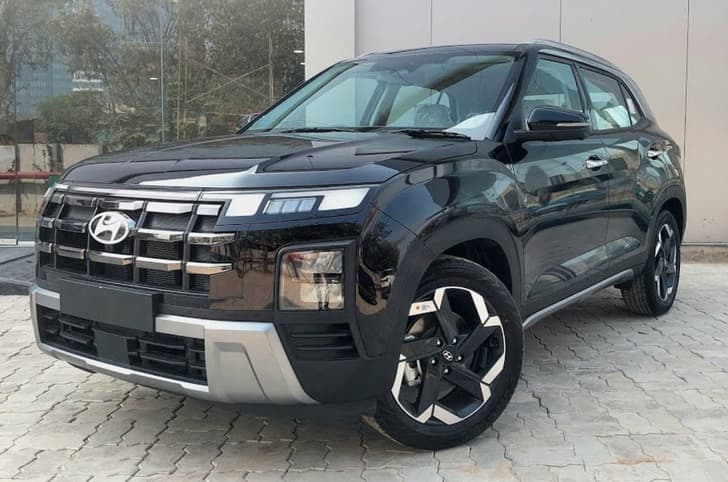
The Hyundai Creta on road price in Gajapati ranges from Rs 12.56 lakh for the base model to Rs 23.71 lakh for the top variant (including all taxes, RTO fees, and insurance). In comparison, the ex-showroom prices of Creta in Gajapati are between Rs 10.79 lakh and Rs 20.05 lakh.
Hyundai Creta price list in Gajapati 2026 (ex-showroom)
Creta 1.5 NA petrol price range
- E: Rs 10.79 lakh
- EX: Rs 11.96 lakh
- EX(O): Rs 12.59 lakh to Rs 13.94 lakh
- S: Rs 13.07 lakh
- SX: Rs 14.94 lakh to Rs 17.38 lakh
- SX(O): Rs 16.86 lakh to Rs 17.58 lakh
Creta 1.5 turbo petrol price range
- SX(O): Rs 19.49 lakh to Rs 19.64 lakh
Creta 1.5 diesel price range
- E: Rs 12.40 lakh
- EX: Rs 13.49 lakh
- EX(O): Rs 14.12 lakh to Rs 15.47 lakh
- S: Rs 14.48 lakh
- SX: Rs 17.31 lakh to Rs 17.45 lakh
- SX(O): Rs 18.39 lakh to Rs 19.79 lakh
Hyundai Creta price & variants
Price of Hyundai Creta alternatives
Hyundai Creta news
Hyundai Creta Images
Hyundai Creta videos


Hyundai Creta Colours
Hyundai Creta FAQs
The base model of Hyundai Creta (Petrol E MT) price in Gajapati is ₹10.79 lakh, ex-showroom.
The base-spec (Petrol E MT) Hyundai Creta on road price in Gajapati is ₹12.56 lakh.
The Hyundai Creta (Diesel EX(O) AT) price in Gajapati is ₹16.04 lakh ex-showroom.
The Creta top model (Turbo Petrol King DCT) price in Gajapati is ₹20.05 lakh ex-showroom.
The Hyundai Creta top model on road price in Gajapati is ₹23.71 lakh.
The Creta price in Gajapati starts from Rs 10.79 lakh to Rs 20.05 lakh ex-showroom
The on road price of Creta starts from Rs 12.56 lakh and goes upto Rs 23.71 lakh.
The Creta diesel price in Gajapati starts from Rs 12.40 lakh (Hyundai Creta Diesel E MT) ex-showroom price.
The Creta automatic price in Gajapati starts Rs 13.94 lakh (Hyundai Creta Petrol EX(O) CVT) ex-showroom price.
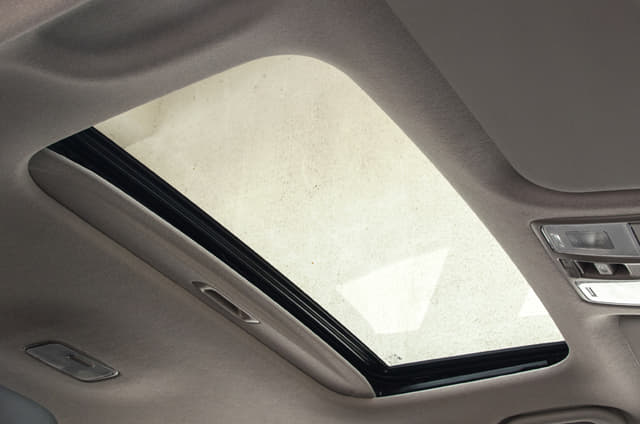
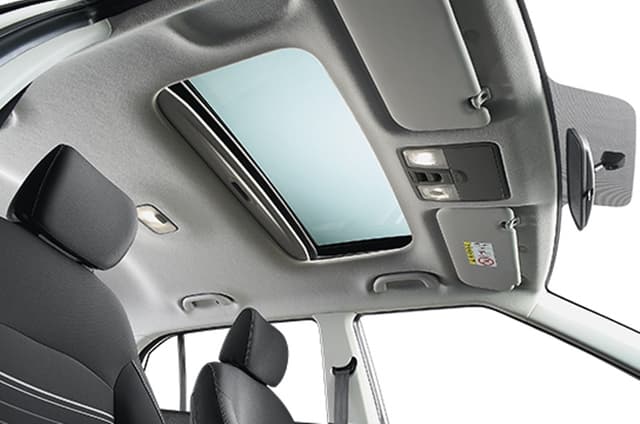
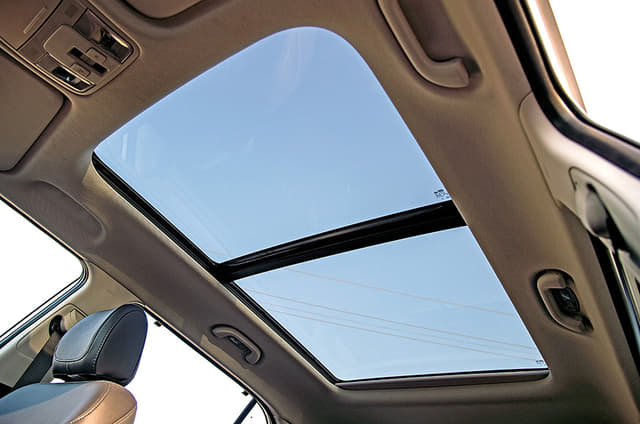
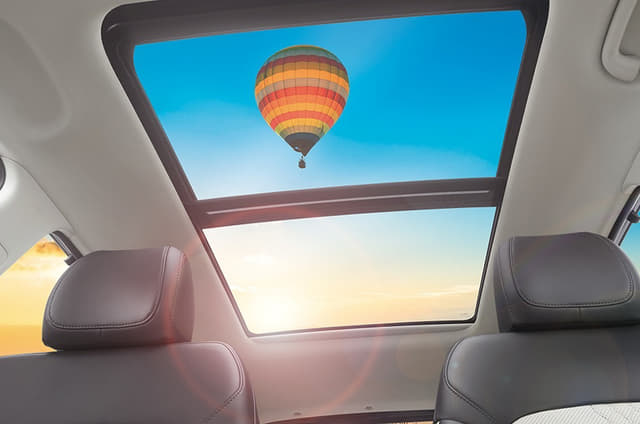
In Gajapati, The price of Creta with sunroof starts from Rs 12.58 lakh (Hyundai Creta Petrol EX(O) MT) ex-showroom price.
The Creta on road price starts from Rs 12.56 lakh and goes upto Rs 23.71 lakh.
The on road price of Hyundai Creta base model is Rs 12.56 lakh depending on the city and taxes.
The Creta top model on road price is Rs 23.71 lakh depending on the city and taxes.
Questions you may find useful
AB
•1dHi, I am looking to buy a midsize SUV and am confused between the Kia Seltos and Hyundai Creta, both in automatic variants. However, I am slightly inclined towards the Creta because of Hyundai’s brand value and its stronger resale value. My running is quite low, and we usually take the car out only twice a week for leisure drives. Could you please help me decide which would be the better option for my usage?

Autocar India
You should consider the Hyundai Creta 1.5 petrol IVT automatic for your needs. The 1.5 naturally aspirated petrol engine is smooth and refined, and paired with the seamless CVT automatic, it makes for a calm and stress-free driving experience. And since your running is low, petrol makes more sense than diesel. Compared to the Kia Seltos, the Creta rides a touch softer, which you'll appreciate on your long drives. Hyundai’s dealer network and resale value are also strong, so your ownership will be simple, and you’ll likely get a bit more back when you sell later.A couple of trade-offs to note. The IVT is tuned for smoothness, not speed, so it won’t feel as quick as the turbo-petrol DCT versions. Also, the Seltos is a bit larger and has a more premium interior than the Creta. So if that's what you're looking for, then a Seltos makes sense, as both SUVs are mechanically identical.
Ketan
•2dI am planning to buy an EV in the ₹20-25 lakh price range. My key requirements include around 500 km range, along with good space, comfort, and overall refinement. I have shortlisted the Tata Harrier EV and the Hyundai Creta EV, and I am also waiting for the Tata Sierra EV to be revealed. Which of these would make the most sense for my needs?

Autocar India
The Hyundai Creta Electric Excellence LR is the one that fits your brief best. It fits within your price range, and it has a cabin that is comfy and easy to live with for a family of four. Also, Hyundai’s EVs are usually very refined and smooth to drive in traffic, which matches your focus on a calm, polished experience.Two things to keep in mind for your needs. First, in this budget, a true 500 km in real use is tough. The Creta Electric may have a claimed range of 473km (ARAI), but we managed to get a real-world figure of 432km in our testing. Second, fast charging speeds on mid-price EVs like the Creta are usually modest, so plan stops on longer trips accordingly.The Tata Harrier EV will suit you only if you can stretch the budget. Being a bigger car with a larger battery, it will be roomier inside and offer more range. The Tata Sierra EV is worth waiting for only if you love the look and want a roomier cabin. But prices, exact specifications and launch timing are not final yet.
Kishan
•3dI live in Jamshedpur and currently drive a Renault Kiger with the naturally aspirated engine. We are planning to upgrade our car to either Maruti Grand Vitara, Victoris, or Hyundai Creta. We are a middle-class family and want to keep our next car for at least 15 years. Since E85 fuel is expected to be introduced in the future, would it be more sensible to buy a CNG Maruti for peace of mind, or should we go for a petrol-only car? We want to make the right long-term decision, as we are concerned that if the government pushes E85 aggressively in the future, it may become difficult to sell our current car or buy another one. Please suggest. Our budget is ₹13-14 lakh.

Autocar India
Go for either the Maruti Suzuki Victoris or the Maruti Suzuki Grand Vitara petrol, as both are fundamentally the same underneath and suit your requirement for long term, stress free ownership very well. Since you plan to keep the car for 15 years, your focus should be on reliability, ease of maintenance and peace of mind rather than worrying too much about E85 right now, because regular petrol cars are not expected to suddenly become unusable in the future.Between the two, the Victoris is the newer and more modern feeling car with a better quality interior, more features and a more premium overall cabin experience. The only drawback with the Victoris is that the sloping roofline slightly affects cabin airiness compared to the Grand Vitara, but overall both are excellent long term family SUVs and you can choose based on whether you value a more premium cabin or a more practical, airy feel.As for CNG, it only makes sense if your running is very high and you want to maximise fuel savings. Otherwise, a regular petrol version is the safer and simpler long term option with fewer compromises on boot space, drivability and convenience.
Neeraj Kumar
•4dI am looking to buy an automatic hybrid car. I currently own a Hyundai Creta SX+ diesel.

Autocar India
Without knowing your budget or exact requirements, it will be hard to suggest the ideal car for you. If you're looking at an SUV to replace your Hyundai Creta, go for the Maruti Victoris ZXI+ (O) strong hybrid, which comes paired with an eCVT automatic gearbox. The Victoris' strong hybrid powertrain has an excellent claimed efficiency of 28.65kpl, and the top-spec ZXI+ (O) is packed with features like a panoramic sunroof, ventilated front seats, 360-degree camera and much more. Furthermore, the SUV has also received a full, 5-star crash safety rating from Bharat NCAP and being a Maruti, it will be easy and stress-free to maintain too. You can even opt for the Maruti Grand Vitara or Toyota Hyryder strong hybrids as they are mechanically identical, but miss a few features.
vishal
•5dI am thinking of booking the Hyundai Creta S(O) Petrol Manual. My monthly running will not be very high, and the car will mostly be used for city drives, with only occasional highway trips.

Autocar India
Mostly city use, low monthly running, and only rare highway trips - in that case the Hyundai Creta S(O) petrol manual is a sound pick and you can go ahead with it. The 1.5 petrol feels smooth and quiet at low speeds, so it suits stop-start city driving, and it pulls cleanly from slow speeds without you having to shift gears all the time. The steering is light and the view out is good, which makes tight lanes and parking easier. Since your running is low, petrol is the right fuel too, so you avoid the higher buy price and upkeep of a diesel.Keep a couple of things to keep in mind for your use. If your daily route has heavy, bumper-to-bumper traffic, working the clutch and gear lever can get tiring after a while. In that case, the S(O) IVT automatic is an automatic that feels very smooth in the city and is worth a look if it fits your budget. Also, on the few highway runs that you do, the manual is steady and comfortable at normal speeds, but quick overtakes will need a downshift.Overall, for mainly city roams and light annual use, the Creta S(O) petrol manual fits your brief well. Pick the IVT only if you want an easier, no-shift drive every day.
Aneesh R Nair
•6dI am a serving Air Force officer and get transferred every three years. My daily car usage within the station is limited to about 10-15 km, with frequent start-stops. I also take occasional long drives of 700-1,000 km once every two months. I enjoy driving in the mountains, but do not do any serious off-roading. I already own a hatchback that my wife uses for short drives, and I am now looking to upgrade to an SUV. My family size is 2+1, and I prefer a 5-seater SUV with a 5-star safety rating. My budget is under ₹20 lakh (ex-showroom). I am confused between the diesel and petrol options. My current choices include the Harrier/Safari, Duster, Sierra, and Kushaq. Could you please help me choose the right car and variant? Suggestions for any other suitable options are also welcome.

Autocar India
With short daily runs inside base and a big highway trip every couple of months, under Rs. 20 lakh, the Tata Sierra is a good fit for you. Your use is lots of start-stop and only 10-15 km a day, the 1.5-litre turbo petrol engine with the automatic is the better pick, and you avoid the diesel’s DPF filter, which can clog with frequent short trips. For the mountains and those 700-1000 km drives, the Sierra's turbo petrol pulls cleanly on inclines and during quick overtakes, it feels stable at speed, and it carries a full 5-star crash rating. Ground clearance is good enough for bad roads and hill routes without being bulky to park.Tata also has a wider service network compared to Skoda and Renault, so it'll be easier to find workshops near remote postings.One trade-off to note. Tata service experience can be hit or miss, and if that is an issue, then consider the Hyundai Creta.Overall, for your usage pattern and budget, the Sierra lines up best.
Anil
•1wI am planning to upgrade from my current Suzuki Baleno top-spec Alpha variant. I am looking for higher ground clearance, ventilated seats, a 360-degree camera, and a smoother transmission (unlike my current AMT). I am considering the Duster, Seltos, Victoris, and Creta. My annual driving is mostly in the city and under 10,000 km. Kindly suggest the best option.

Autocar India
You are looking for higher ground clearance, smoother automatic, cooled seats and a more premium experience, and the Seltos delivers on all of these. The IVT gearbox is very smooth in city traffic, a clear step up from your current AMT, and the naturally aspirated petrol is refined and easy to drive for your low, city-heavy running. Being a newer generation car, it also feels more premium inside and out, offers better space and has a well-sorted ride that suits both city and occasional highway use.The Duster is a strong alternative if you prioritise driving feel. The turbo petrol with DCT is more engaging, but in daily city use it will not feel as smooth as the Seltos IVT, and fuel efficiency will also be lower. The Grand Vitara is efficient and easy to drive, but it does not feel as premium and the engine and gearbox combination is not as strong or responsive as the Seltos. It is also not as spacious. The Creta shares a similar powertrain, but being the older car, it does not feel as fresh or as premium inside, is slightly less spacious and costs similar money, which makes the Seltos the better pick.
Sajjad Haider
•1wHi, I am confused between the Maruti Suzuki Brezza ZXi Plus Automatic, Kia Seltos Base Variant, and Hyundai Creta Base Variant. My budget is around ₹14.5 lakh. My monthly running will be approximately 1,000–1,100 km, with occasional highway trips twice a year. My priorities are safety, peace of mind, comfort, and decent mileage. I am based in Lucknow.

Autocar India
Your usage is moderate, mostly city with occasional highway trips, and you want a stress-free ownership experience. The Maruti Suzuki Brezza fits this perfectly. It has a smooth and reliable torque converter automatic, a comfortable ride for daily use and Maruti’s strong service network, which ensures low maintenance and hassle-free ownership over time. It also delivers decent real-world mileage for a petrol SUV, which matters for your running.Now, comparing your other options. The Kia Seltos base and Hyundai Creta base are from a higher segment and are bigger, more spacious cars. The Seltos especially offers better rear seat space and a larger boot, which is useful for family trips. However, within your budget, you are getting only the base variants, which means you miss out on key features and, more importantly,So the choice comes down to this. The Brezza gives you a complete, well-equipped and easy-to-own package. The Creta and Seltos give you a bigger car, but in a stripped-down form.
Koustav Dutta
•1wHi, I’m planning to buy my first car with a budget of around 13-14 lakh. My usage will be minimal, mostly occasional office travel and a few long drives each year (like Ladakh or Spiti). Based on this, I’ve decided to opt for a petrol manual, naturally aspirated engine, as I prefer a simpler and more reliable setup (also a bit concerned about future fuel changes, like E85). Initially, I shortlisted the Kia Sonet because of its looks, but I’ve seen reviews mentioning it lacks power on highways and in hilly terrains, especially during overtakes. I also considered Honda Elevate, Toyota Hyryder, and Hyundai Creta. However, after comparing base variants, I found the Kia Seltos (2026) to be the most value-for-money option. It offers key features, like a display, all-disc brakes, steering-mounted controls, cruise control, TPMS, Rear view camera, parking sensor, speakers, etc., which are missing in the base variants of the other cars. I’m also not interested in a sunroof. Given my usage and priorities, would you recommend going ahead with the Seltos, or should I reconsider any of the other options?

Autocar India
Light daily use with a few tough hill trips in a Rs. 13-14 lakh cap points you straight to the Kia Seltos HTE 1.5 petrol base manual. From your list, it fits your brief best because the 1.5-litre naturally aspirated motor feels adequate on highways and hills compared to smaller engines, and the base trim still gives you the useful everyday features you care about without paying for a sunroof or extra frills.Why does it suit you? First, power and gearing. Versus the Sonet’s smaller petrol, the Seltos feels stronger when you need a quick overtake or a climb with luggage, so you will shift less and feel more relaxed on the highway. Second, you’ve called out features like a touchscreen, steering controls, cruise control, rear camera and TPMS. The Seltos base packs most of these, so you don’t need to step up to a variant just to avoid living with a bare cabin. Third, your choice of a simple petrol manual lines up well with the Seltos 1.5, which is a proven, easy-to-own engine.A couple of trade-offs to note. On broken roads at low speeds, the Honda Elevate and Hyundai Creta ride softer over bad patches, but their base trims miss many of the features you want. Also, like any non-turbo petrol at high altitude, you will need to use lower gears on steep climbs.Given your priorities, go ahead with the Seltos 1.5 petrol base manual. It lines up with your needs and budget the best.
Abhijeet sinha
•1wHi, Abhijeet this side. I am looking for a car with good mileage, as my daily run is around 100 km from Bhiwadi to Gurgaon and back. My usage is roughly 60% highway and 40% city traffic, although highways can get heavily congested during peak hours. I have a family of five, including my parents, and I prefer using my car for long trips rather than public transport. EVs are not an option for me due to infrastructure concerns. Currently, I own a Nissan Magnite XV Red Edition (manual, NA engine), but its mileage has dropped to around 11.5 kpl. I am not sure if this is due to E20 fuel. I plan to sell this car and do not want to keep two vehicles. Please advise whether I should opt for a hybrid or a diesel car. My budget is up to 20 lakh, but I would prefer to stay closer to 15 lakh if possible. It all depends on your guidance.

Autocar India
Opt for a strong hybrid, specifically the Toyota Urban Cruiser Hyryder strong hybrid. It is the best fit for your usage and long-term ownership. Your daily running is very high, with a mix of highway and heavy traffic. In this kind of use, the stop-and-go sections hurt fuel efficiency the most, and this is where a strong hybrid makes a clear difference. It can run on battery at low speeds, cuts fuel use in traffic and makes the drive smoother and less tiring compared to a diesel or petrol car. Over time, this will reflect in significantly lower running costs.A diesel car, such as the Hyundai Creta or Kia Seltos, will still do well on open highways and feel stronger during quick overtakes. But your route is not purely highway, and the traffic component reduces that advantage. Also, being in the NCR region, diesel ownership comes with long-term limitations, which the hybrid avoids completely.