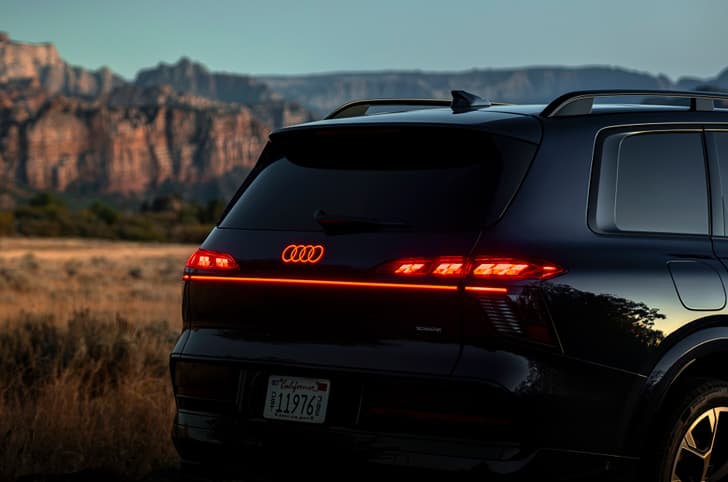
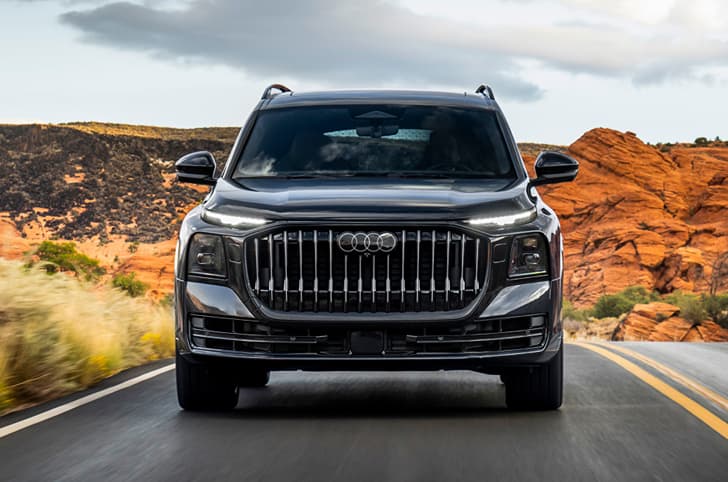
The new Sierra EV promises to be one of Tata’s best products yet, combining the stylish and spacious Sierra ICE SUV with an electric powertrain that promises more refinement, efficiency and performance too. The SUV is offered with 63kWh and 75kWh battery options, along with rear-wheel-drive and all-wheeldrive configurations. However, it is the range-topping 75kWh dual-motor AWD version that makes the strongest impression, and it’s the one we’ve subjected to our real-world tests.
Sierra EV Exterior Design and Engineering9
Looks similar to ICE Sierra; uses Harrier EV’s ‘acti.ev+’ platform
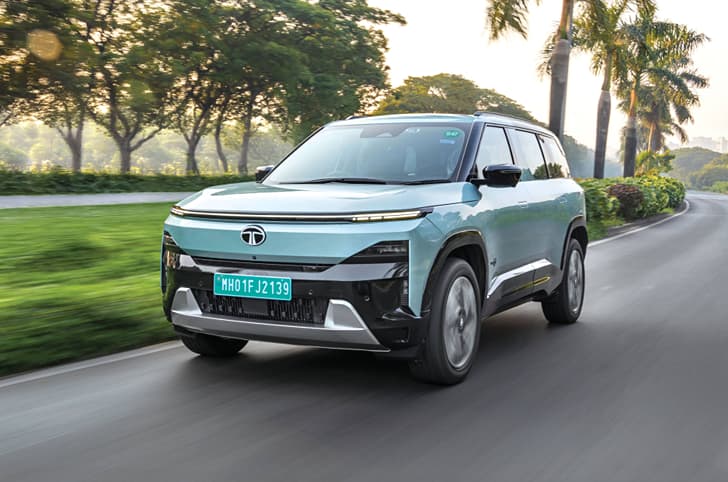
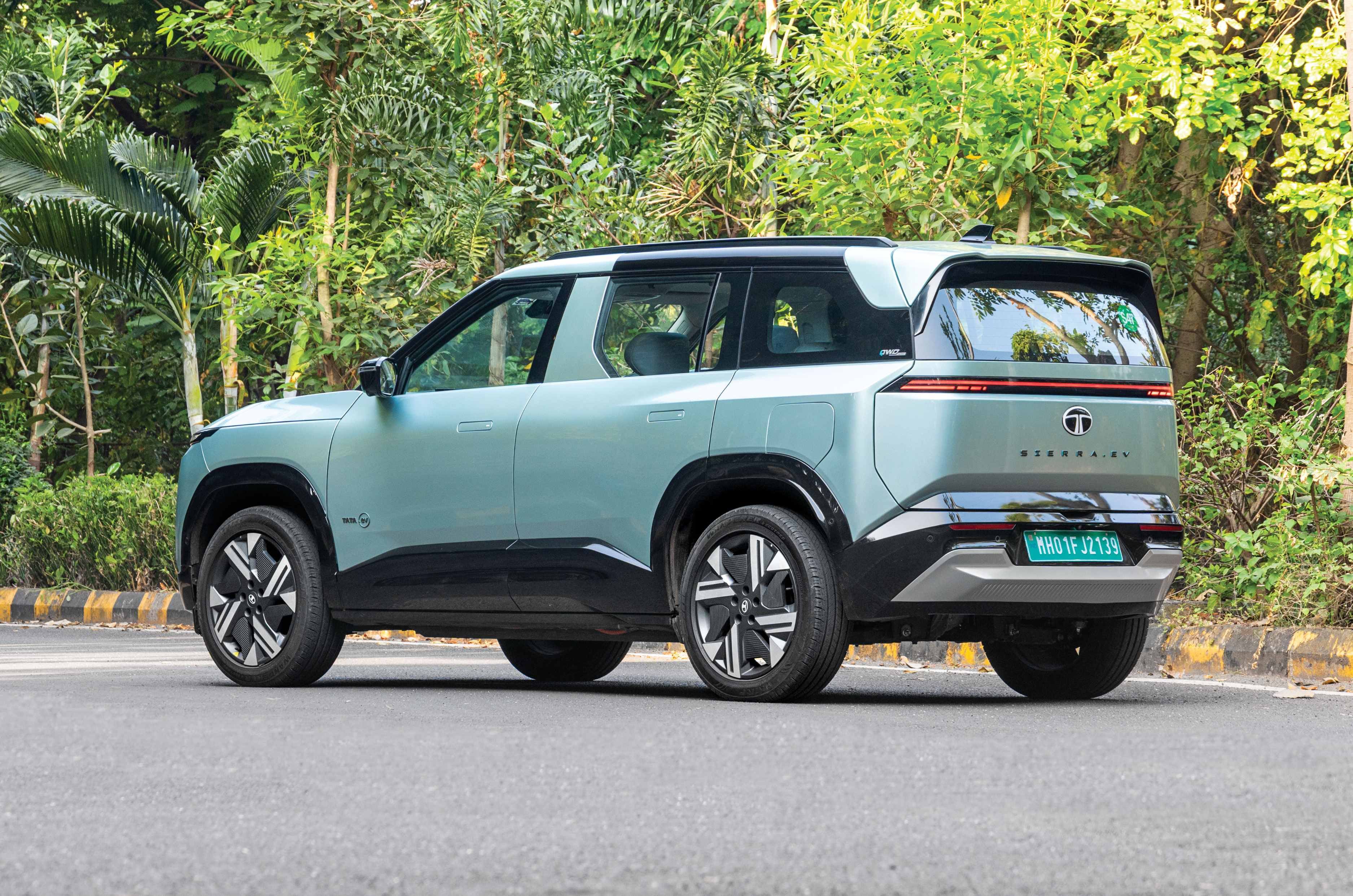
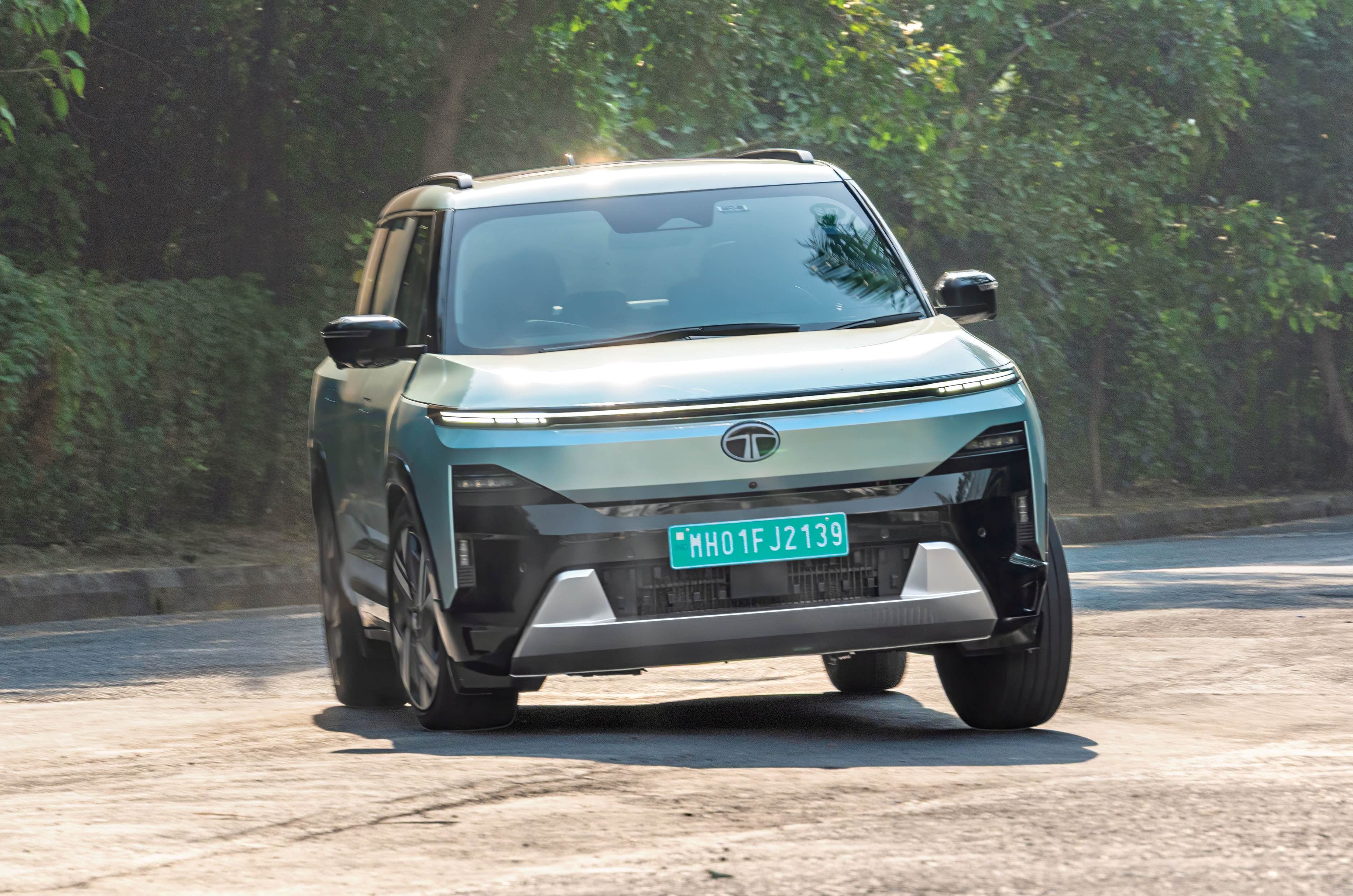
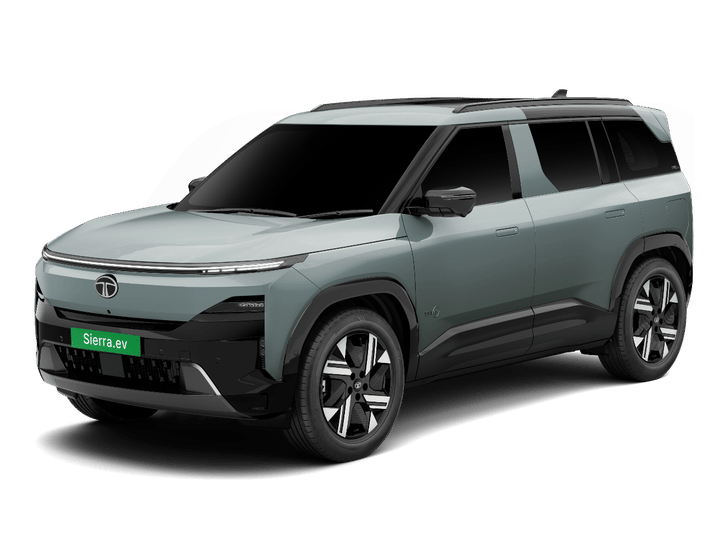
Like the ICE, the Sierra EV makes a great impression in terms of design. What’s nice, though, is that Tata has refrained from adopting an excessively rounded, aerodynamic silhouette, as is common with modern EVs, and has instead retained the upright, boxy proportions that made the original Sierra distinctive. The result is an SUV with immense road presence, while subtle changes give it an identity of its own over the ICE.
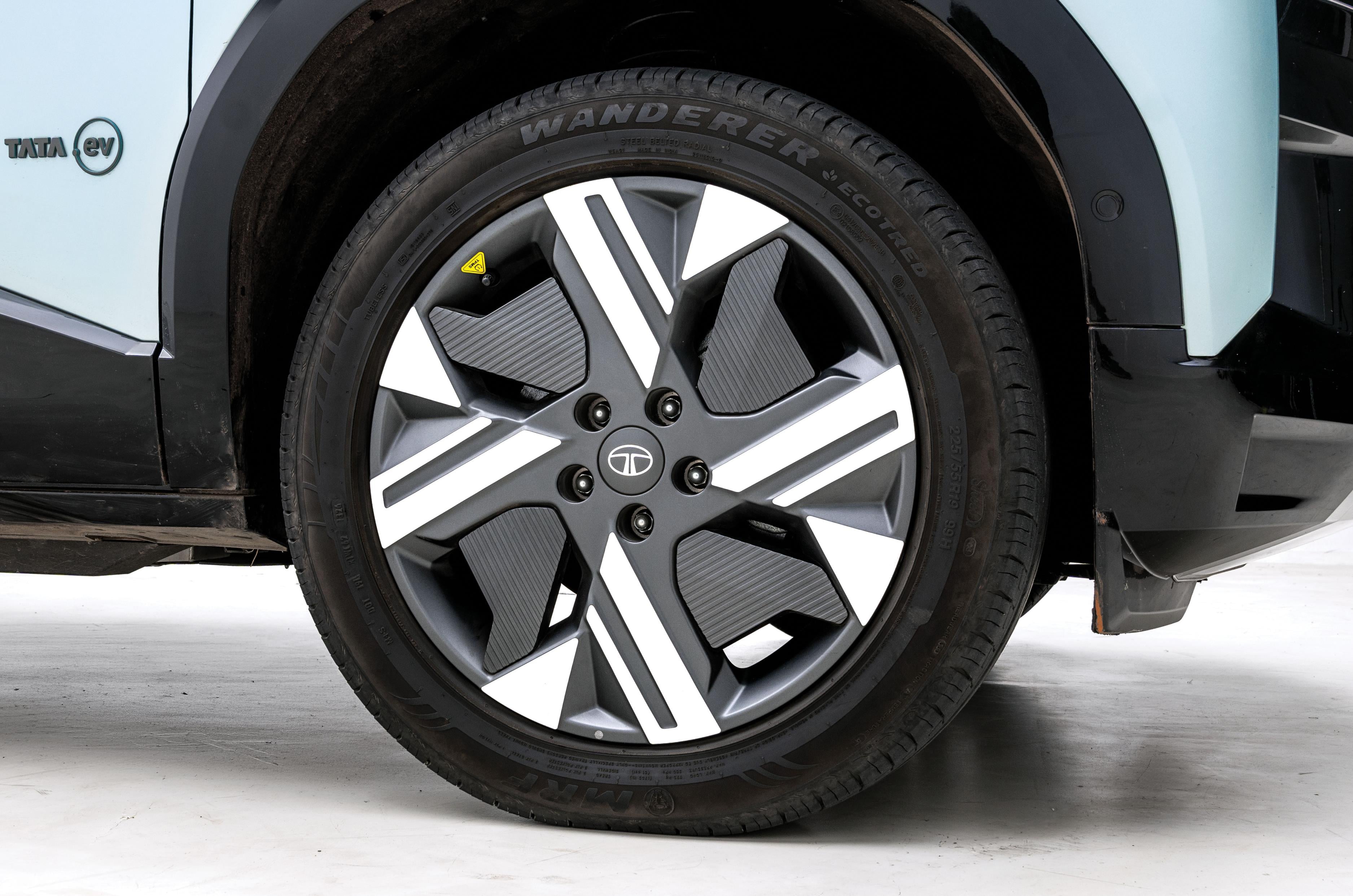
The most noticeable difference from the ICE version is at the front, where the gloss-black headlamp surround and grille have been replaced by a body-coloured panel to create a grille-less appearance. The gloss-black treatment has been moved lower down to the bumper, while the Sierra lettering on top of the Tata logo has been given a miss. The ‘tata.ev’ badges on the sides and the ‘Sierra.ev’ badge on the rear receive bluecoloured outlining. The 19-inch alloy wheels retain the same design as the ICE model, although they get a different finish. The overall design is unmistakably Sierra, and that is perhaps its biggest strength. Tata has resisted the temptation to make the electric version look dramatically different simply for the sake of differentiation.
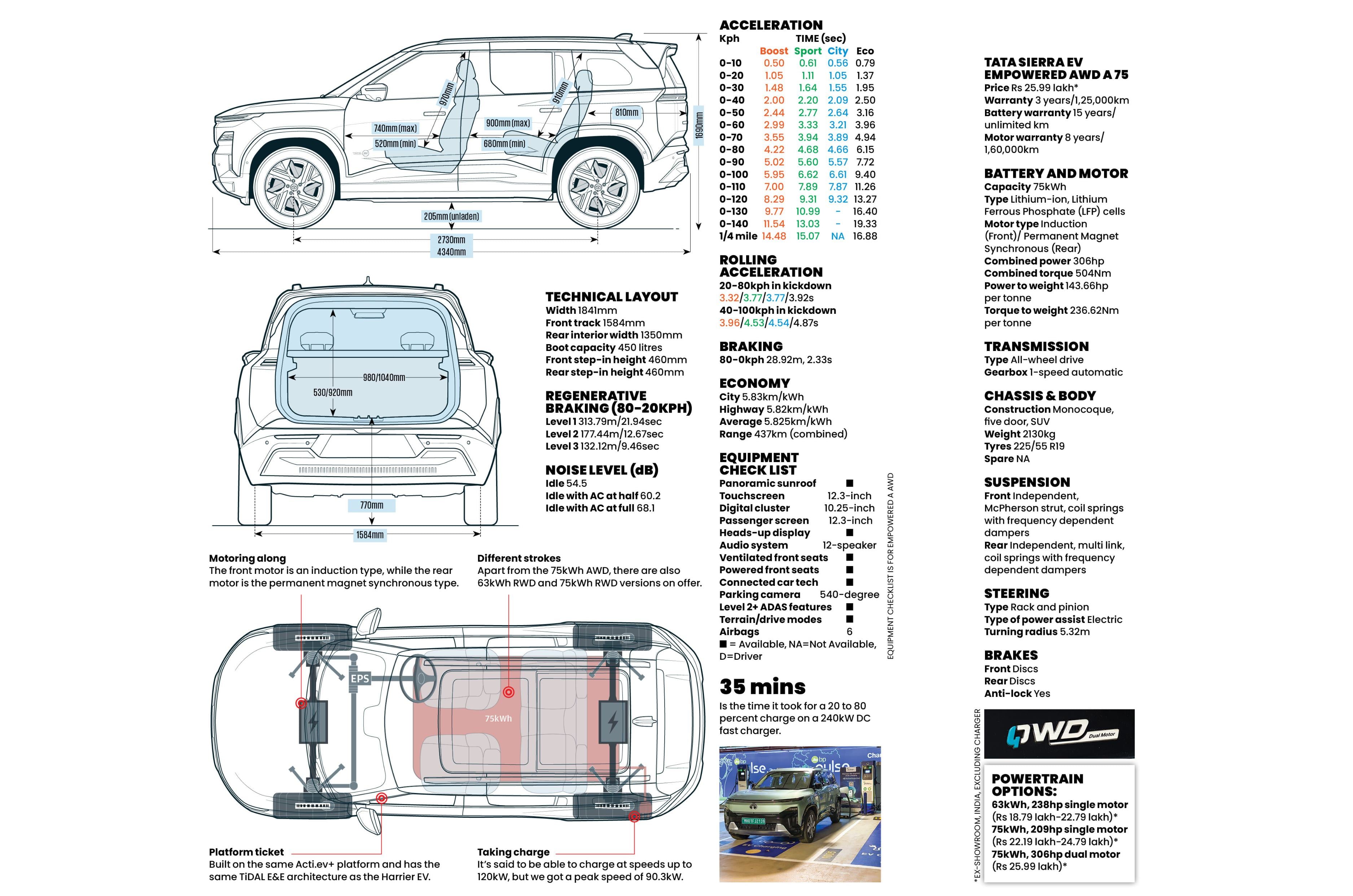
Underneath, however, the changes are more substantial. Rather than the ICE’s ‘ARGOS’ platform, the Sierra EV is built on the ‘Acti.ev+’ platform and uses Tata’s ‘TiDAL’ electric and electronic architecture. Both these are shared with the Harrier EV. The Sierra EV also uses prismatic cells with a cell-to-pack construction, which helps accommodate the large battery without significantly compromising cabin space or ground clearance (205mm unladen). The battery, meanwhile, uses lithium ferrous phosphate (LFP) cell chemistry.
Sierra EV Interior Space and Comfort7
Big on space and comfort, but fit/ finish and storage is a weak link
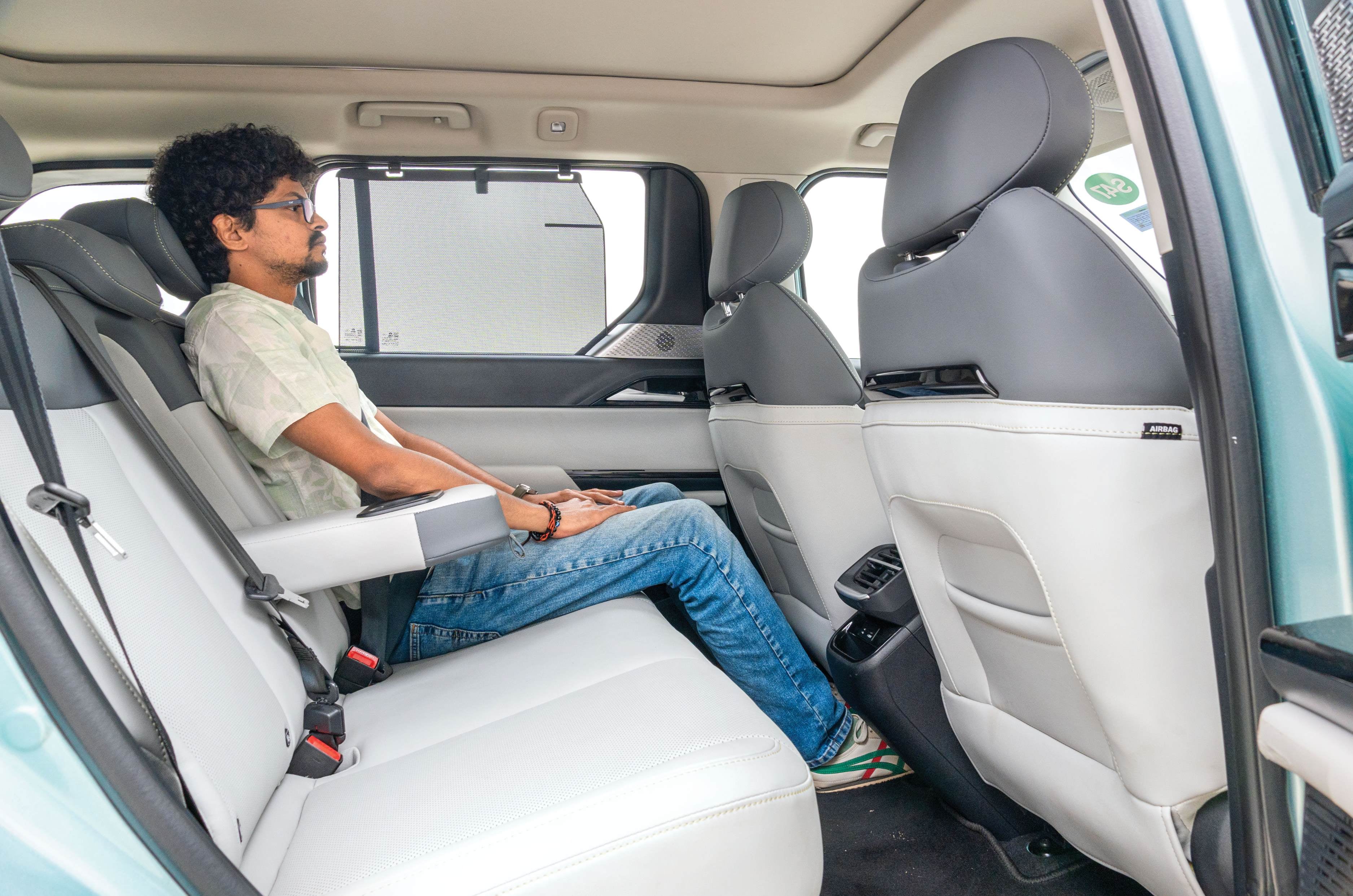
The transition to electric power has done little to compromise its interior space, and that’s a very good thing. According to Tata,the cabin floor has risen by less than an inch compared with the ICE version, and this difference is barely perceptible from the rear seat.
Ample leg and headroom easily fits three abreast, and you do not sit in a knees-up position despite battery below.
There is generous legroom and headroom, and the seat is wide enough for three abreast, aided by the flat floor. The rear backrest can also be reclined, and you get sunblinds (although the L-shaped B-pillar means there is a sizable portion of the window that’s not shaded). The cabin also feels very airy, helped by the large glass area, light colours and the huge panoramic sunroof. Interestingly, this top-spec Empowered A AWD variant doesn’t get a boss mode – to slide the passenger seat forward from the rear – as the front passenger seat is electrically adjustable. Lower trims with manual seat controls continue to get a boss mode like the ICE Sierra.
Layered dash design with multiple textures, trims and dual-tone cream and grey upholstery is attractive, however, inconsistencies like rough plastic edges and misaligned stitching dampen the experience; console spaces could have been better given its an EV.
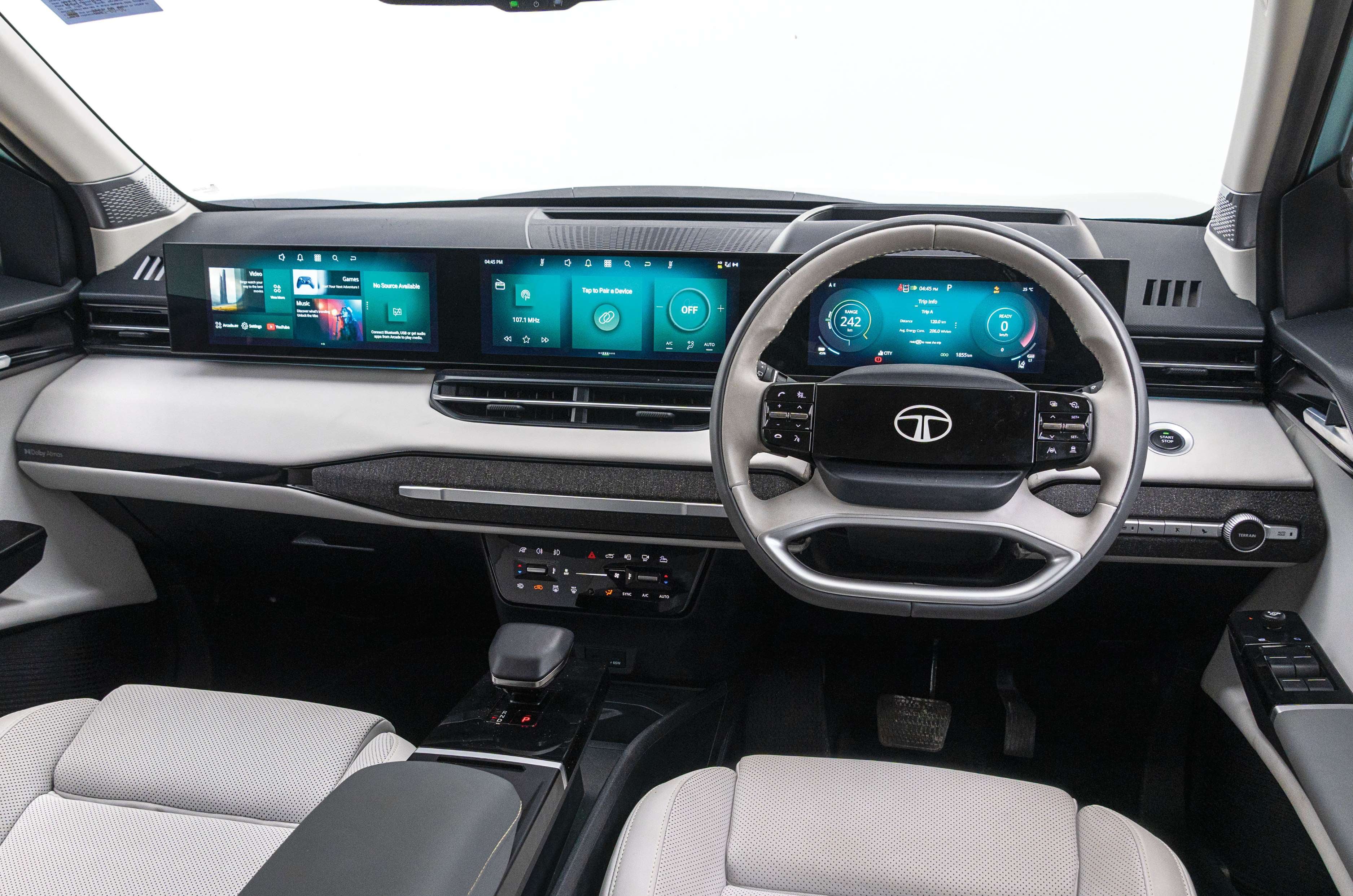
Up front, the dashboard looks modern and contemporary, with cream-coloured leatherette surfaces and a textured fabric section around the central soundbar speaker. The three-screen arrangement gives the cabin a high-tech feel, while lower down, you get a touch-capacitive panel for HVAC controls. The four-spoke steering is shared with the Harrier and features a black middle panel with an illuminated Tata logo.
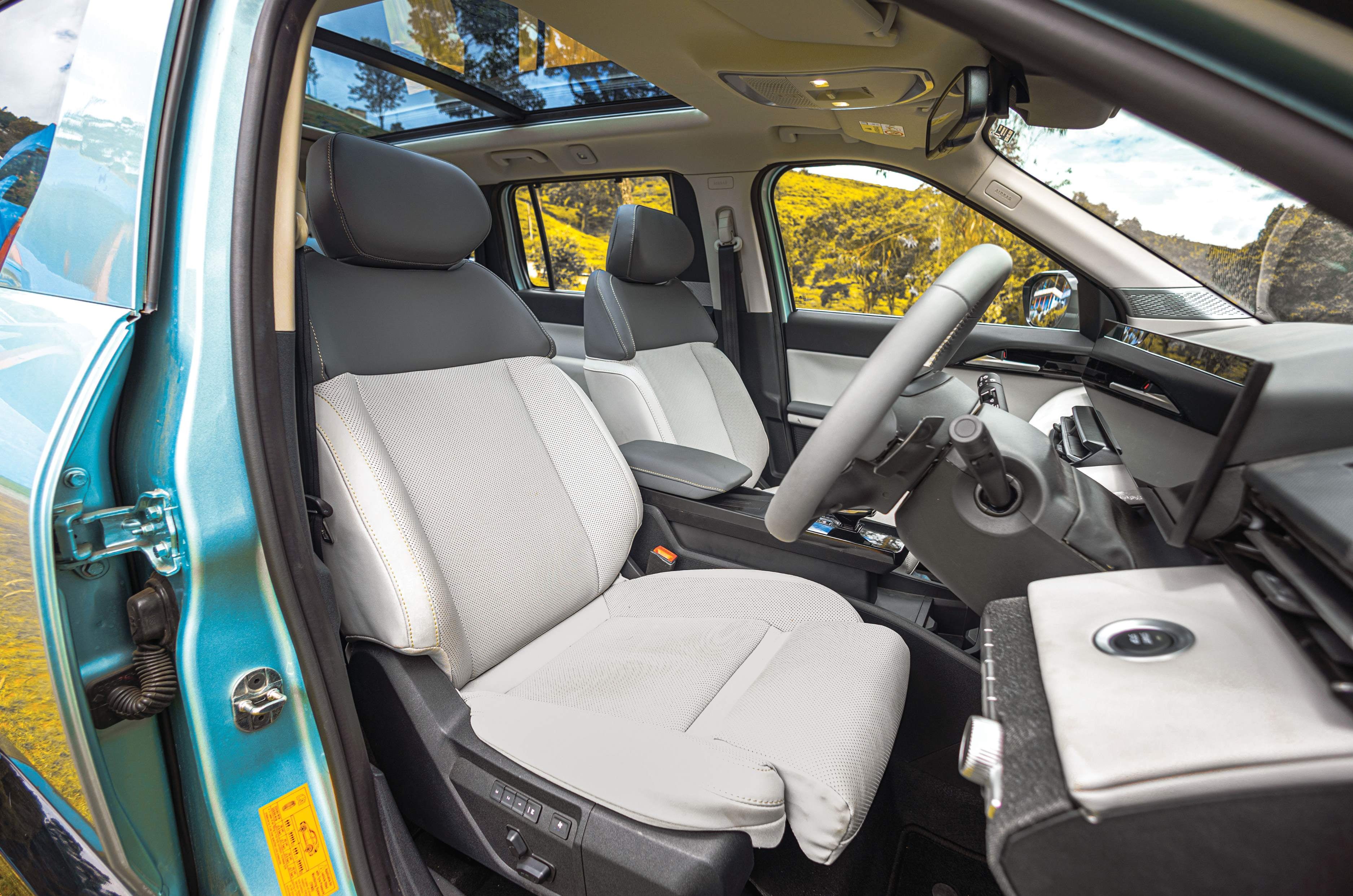
Supportive front seats can accommodate larger frames andhave good shoulder support; both are powered and ventilated.
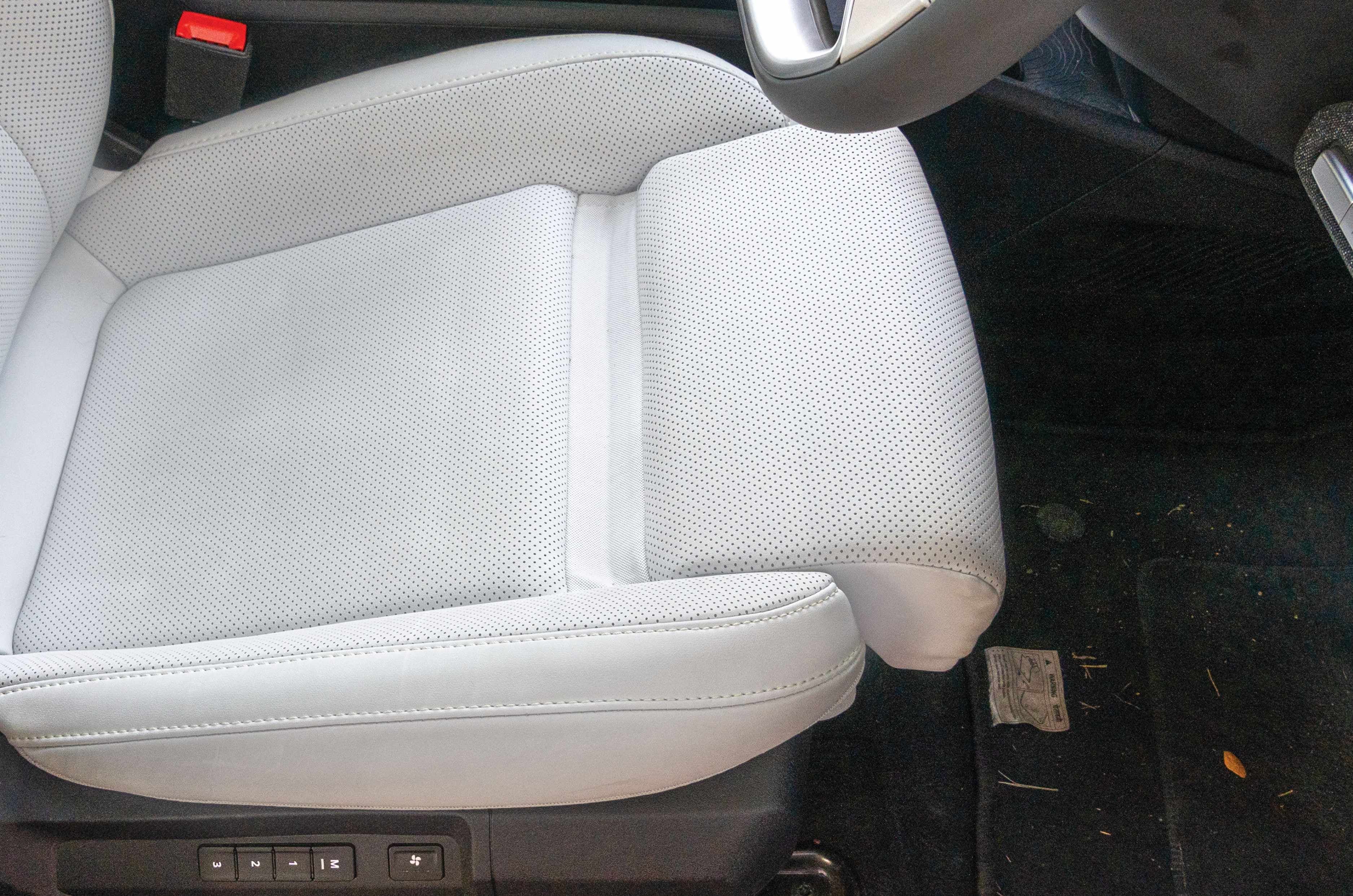
The front seats are exceptionally comfortable, offering very good shoulder support and extendable thigh support, too. They are powered and ventilated, while the driver’s seat also gets a memory function. The buttons for the ventilation are on the seat base, which is tricky to access.
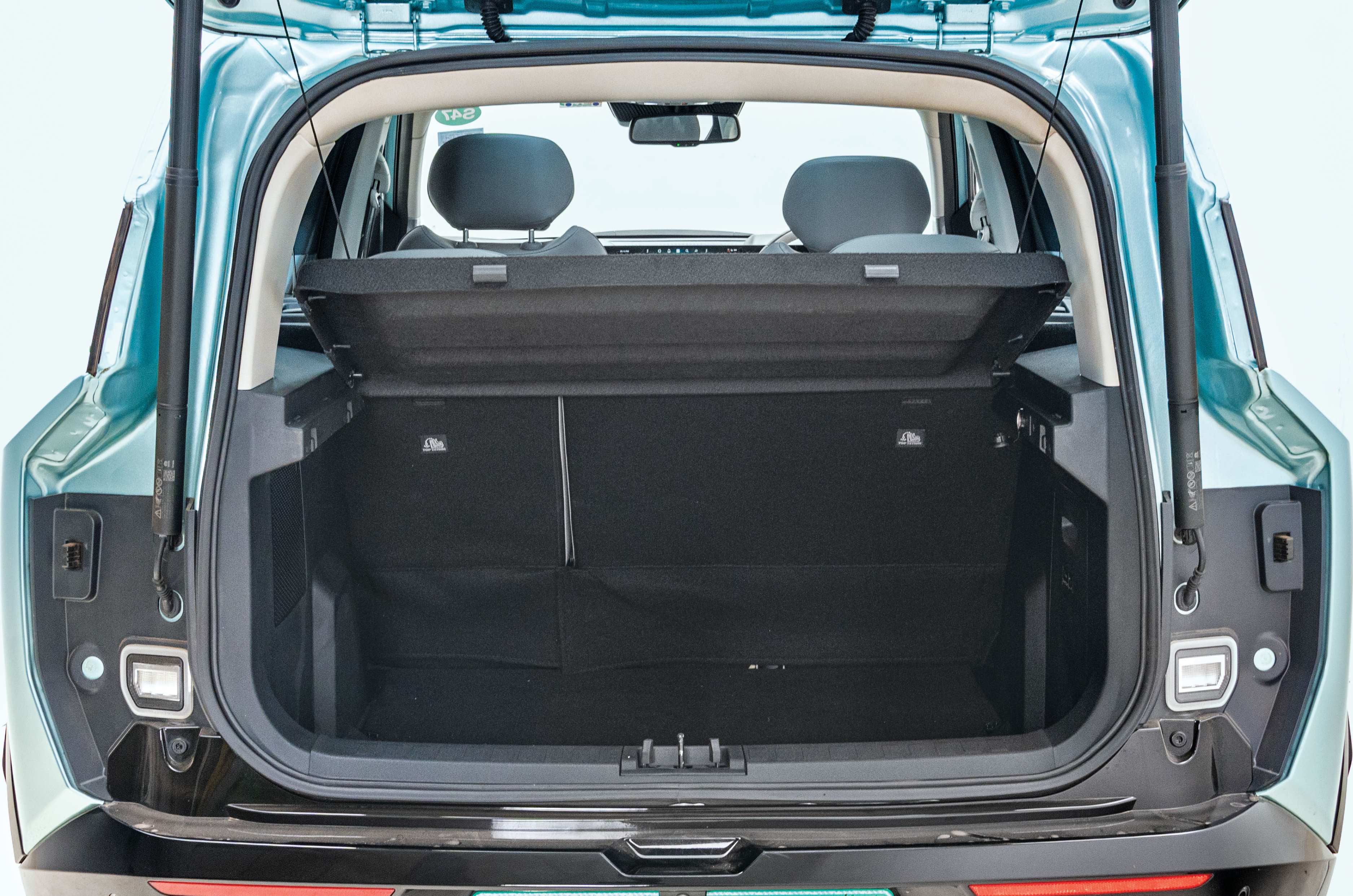
Measures 450 litres till parcel shelf and is well-shaped; no storage or spare under the floor thanks to the motor.
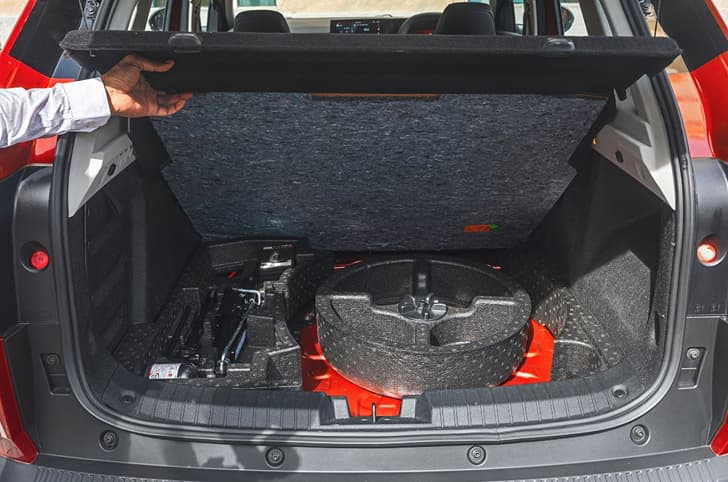
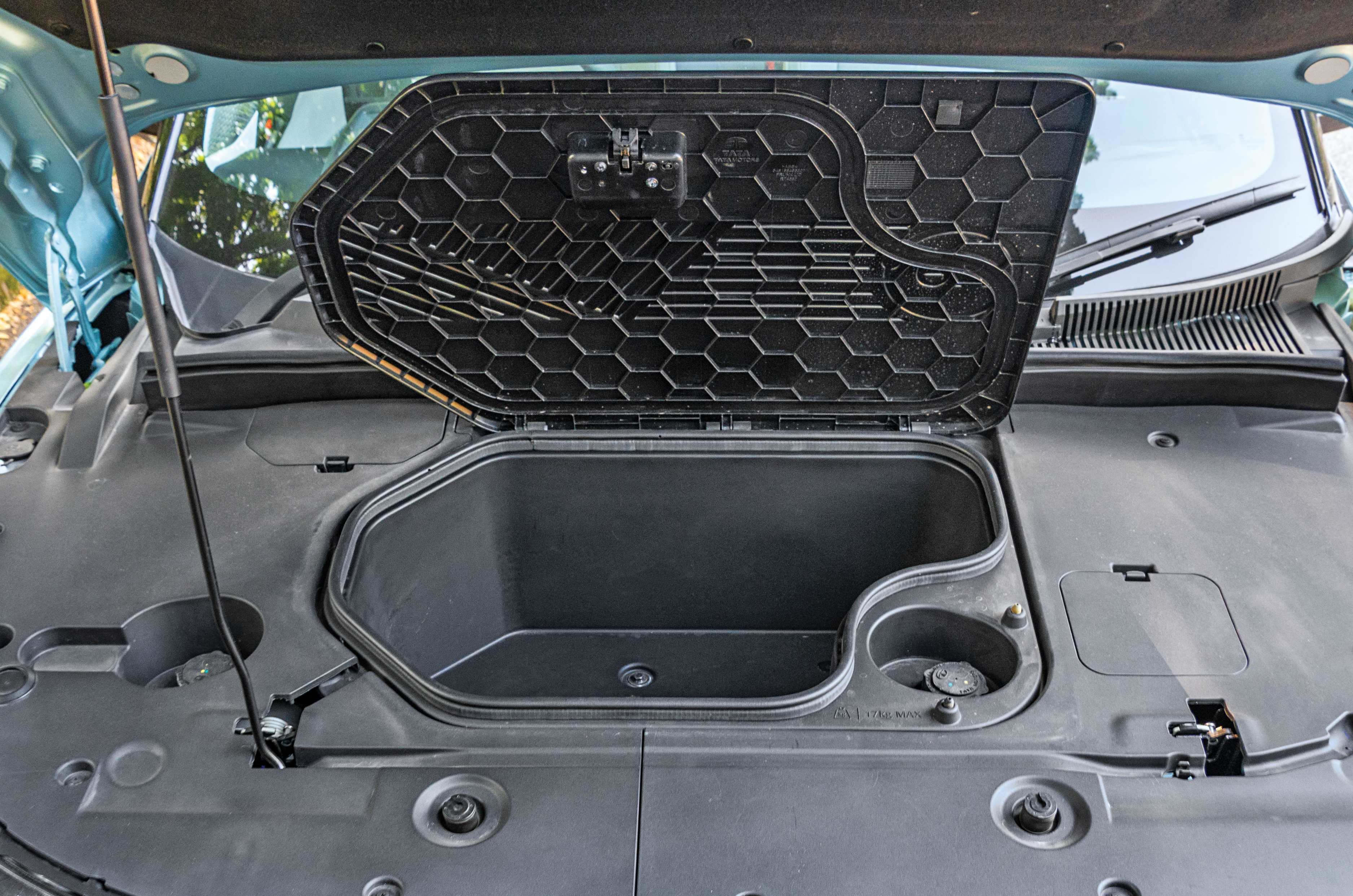
Boot capacity is another strong point. At 622 litres, measured up to the roof, the Sierra EV retains the ICE model’s generous luggage capacity. The boot is also wellshaped and the loading lip isn’t too high. The front boot or frunk enhances practicality, although the AWD’s 35-litre capacity is smaller than the 55 litres available in single-motor versions. It is still a useful space to carry the charging cables, soft bags or other small items. However, there is one significant compromise: the spare wheel has been deleted thanks to the rear motor. Instead, you only get a puncture repair kit, which is disappointing since it is likely to see long-distance highway use.
Frunk in the AWD is a small 35 litres that can only fit a backpack; RWD versions get a larger 55-litre space.
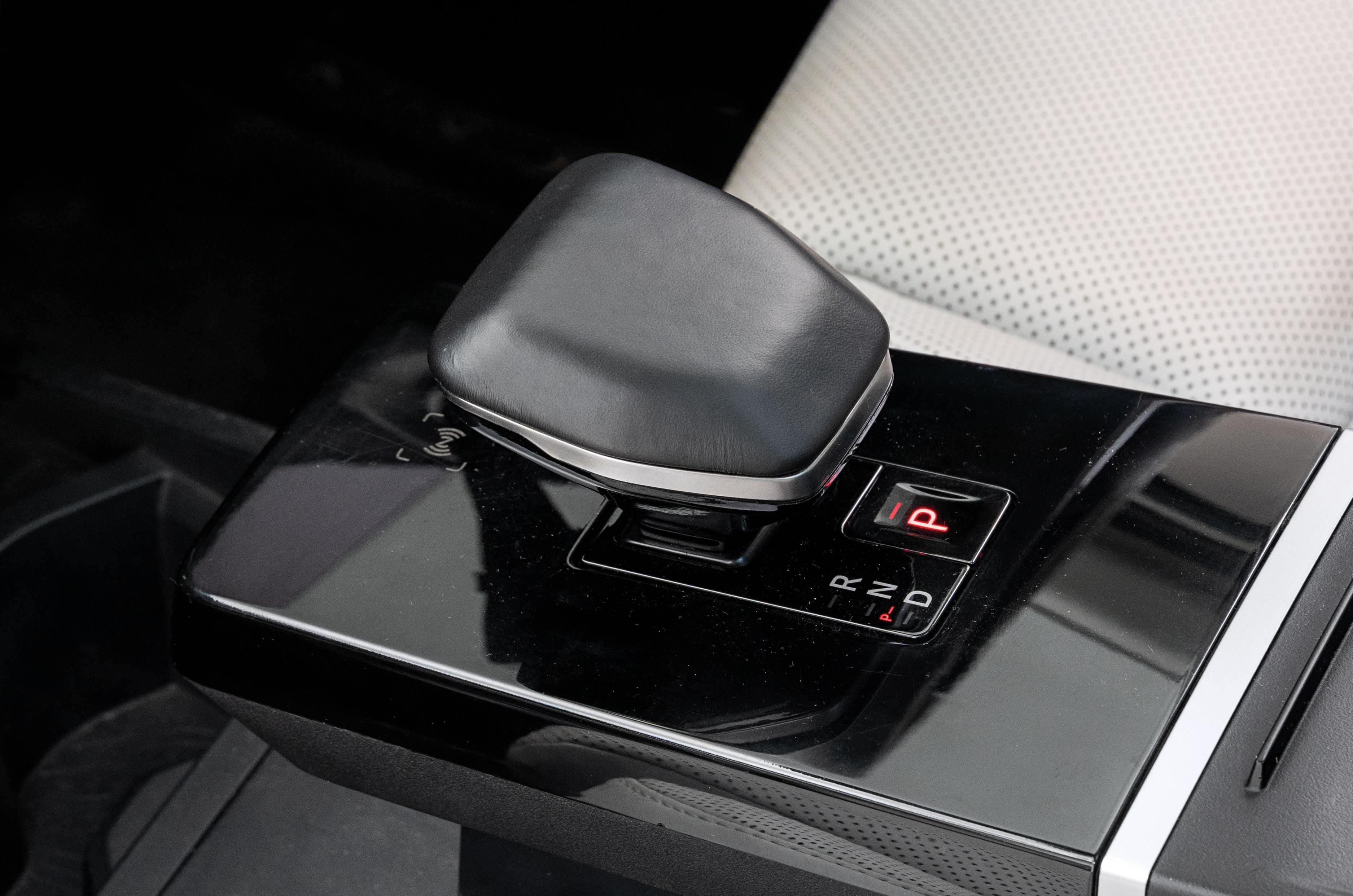
The interior also has some ergonomic shortcomings. While the dashboard design looks attractive, the execution is inconsistent. There are hard plastics, some rough edges and uneven stitching, which isn’t a nice thing, particularly at this price point. The centre-console pedestal, which houses the drive selector, looks nice but does have its shortcomings.
Extendable thigh support for the front two seats genuinely enhances comfort, especially for taller drivers.
The drive selector feels flimsy and takes a pause before shifting between reverse, neutral and drive. The centre console is positioned at a comfortable height, but the structure wastes the space underneath it. Especially when you consider this is an EV and there is no need for a traditional transmission tunnel in the centre. Then the storage compartment under the centre armrest is narrow and difficult to access, while the cupholders are small and positioned rather awkwardly at the base of the dashboard. Even the wireless charger could do with a more prominent lip, as your phone flies out when cornering. The umbrella holders integrated into the door pockets are a thoughtful addition, but the absence of drain plugs means collected water has nowhere to escape.
Stubby gear lever feels plasticky and is fiddly to use; also takes some time to toggle between R, N and D.
The Sierra EV is, therefore, a spacious and comfortable family SUV with an attractive cabin design, but quality, certain ergonomics and attention to detail leave more to be desired. Still, they shouldn’t be deal breakers.
Sierra EV Features and Safety8
Huge feature list has every base covered; some electronic niggles
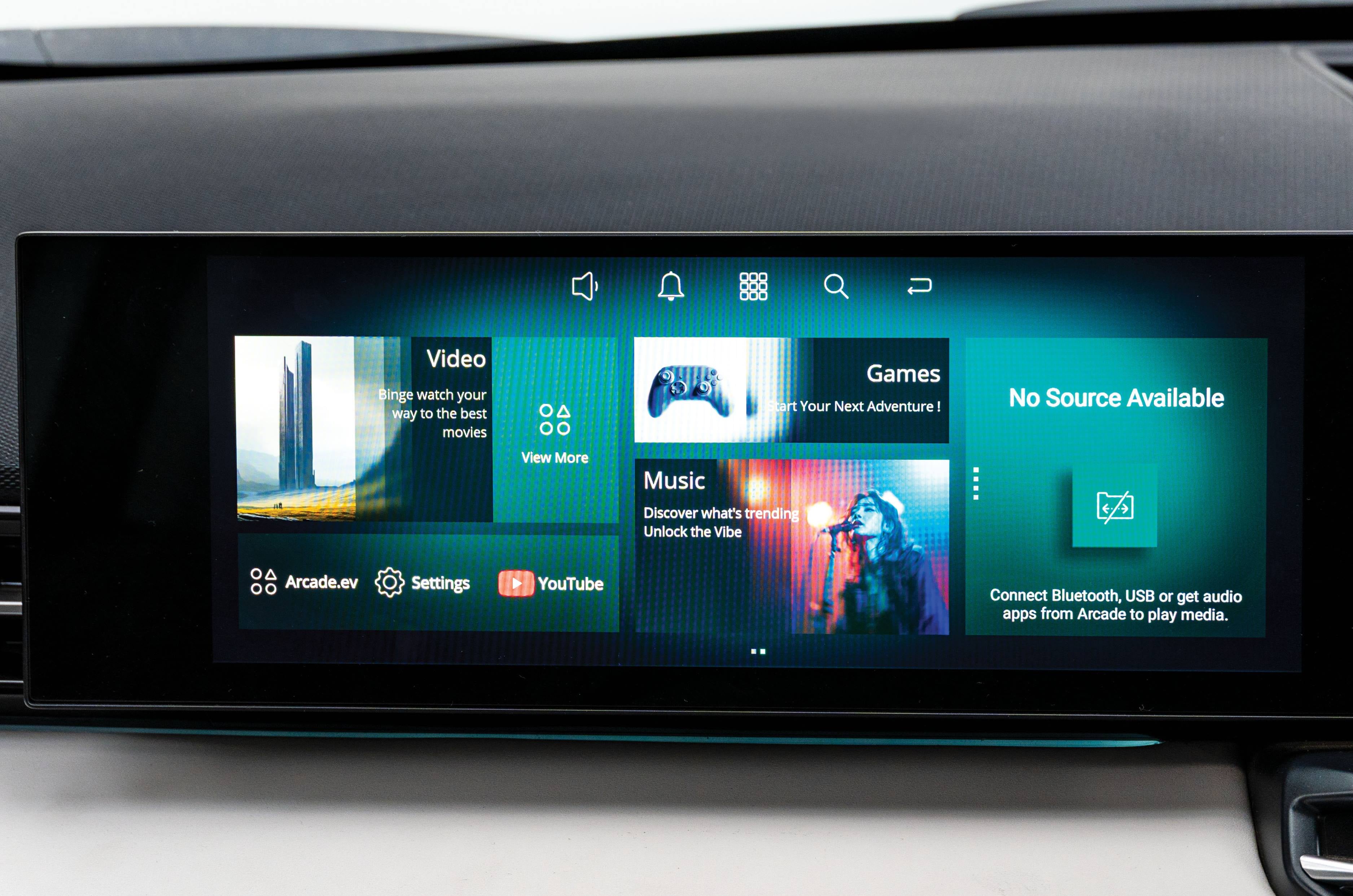
Screen is crisp but is more of a novelty than a useful feature; lacks a privacy filter, which is distracting while driving.
The Sierra EV’s equipment list is one of its strongest selling points, particularly in this range-topping Empowered A trim. Tata has equipped it with a comprehensive suite of comfort, convenience, infotainment and driver-assistance features.
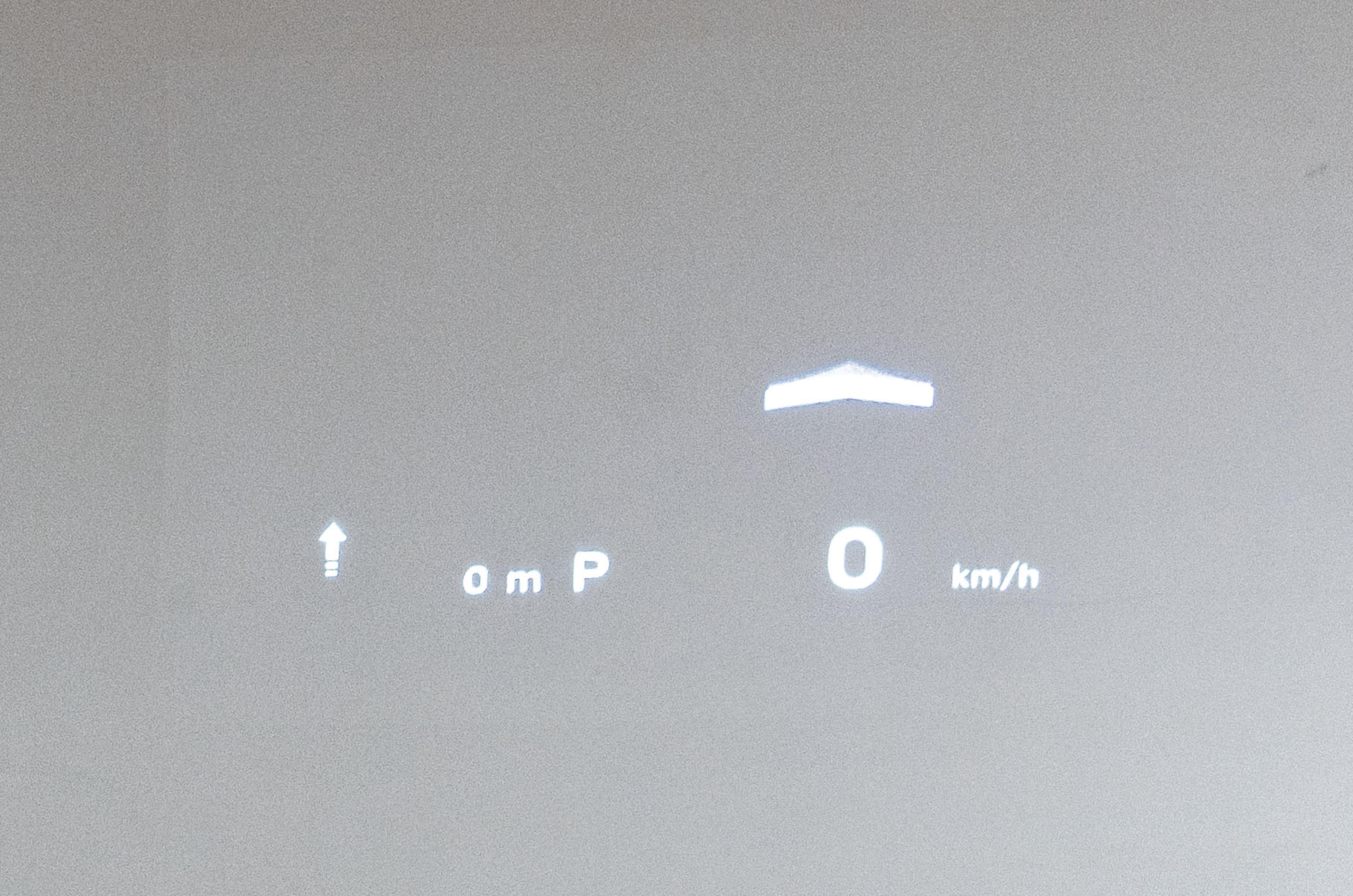
The dashboard’s three-screen arrangement is complemented by a head-up display, giving the driver access to important information without having to constantly look down at the instrument cluster. The cluster measures 10.25 inches and it’s bright and crisp, although its layout feels cluttered. The head-up display instead provides a cleaner and more focused presentation, using AR animations.
The main infotainment screen features smooth animations and crisp graphics, and is highly responsive to the touch. The menus are also logically laid out, so it doesn’t take very long to get used to. Then there’s also a third passenger screen, which can play games and stream videos, although its actual usefulness is debatable and it lacks a privacy filter, which is distracting while driving. There’s also a multiplayer gaming suite that allows passengers to connect their smartphones and play games using the vehicle’s system.
Detailed head-up display works well and has a clean, uncluttered layout; makes use of Augmented Reality (AR).
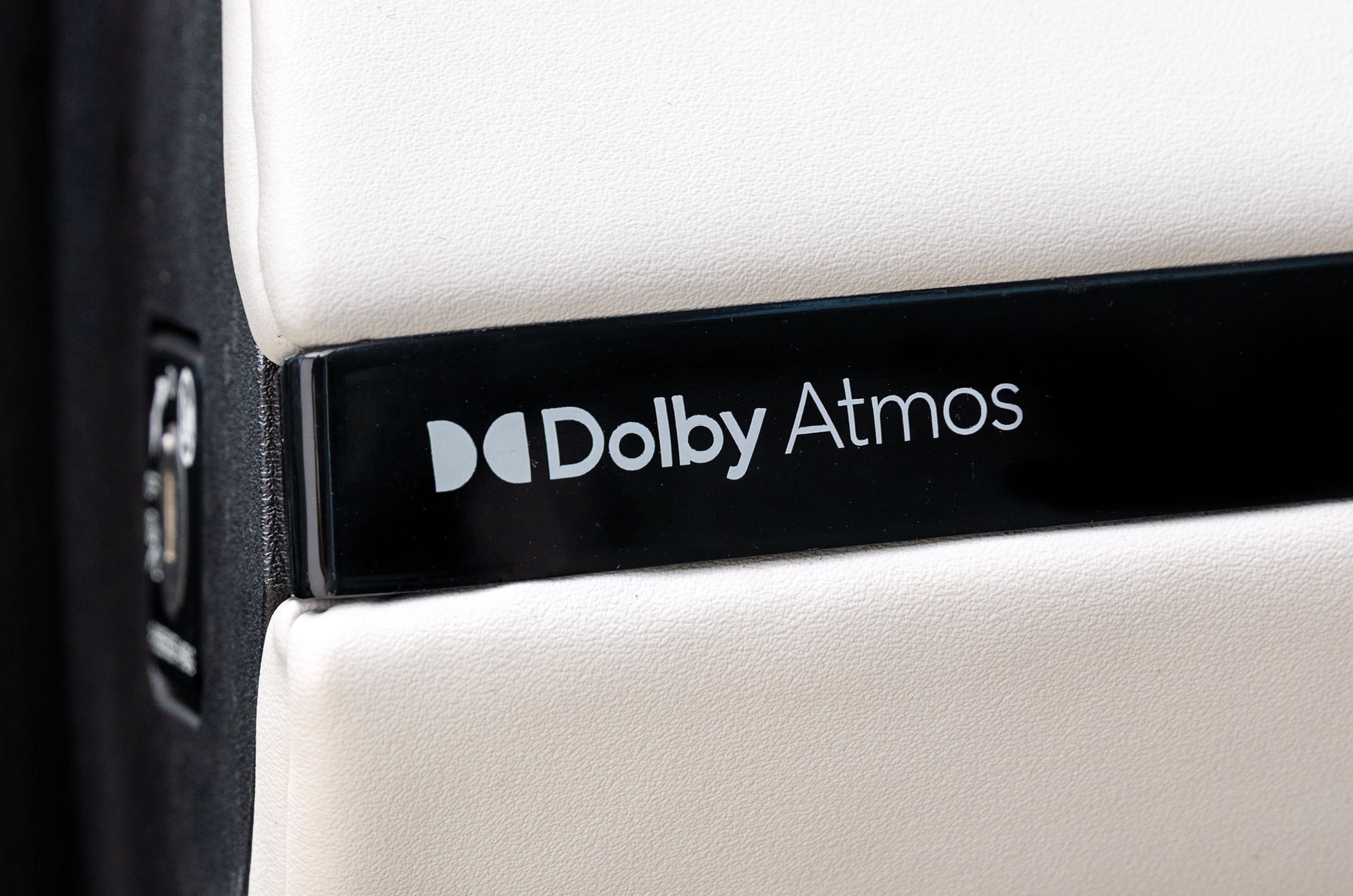
Comfort and convenience equipment includes powered and ventilated front seats, leatherette upholstery, a panoramic sunroof, dual-zone automatic climate control, a superb 12-speaker JBL Black audio system with Dolby Atmos, onboard air purifier, ambient lighting, connected-car tech and so much more. One particularly useful feature is the integration with Google Maps, which can predict the battery’s state of charge at the destination. There’s even a Summon mode in which the car can be moved forward or backwards for a short distance using the key fob.
The Sierra EV also gets multiple driving, regenerative braking and terrain modes, along with a comprehensive Level 2+ ADAS suite on the top-spec variant. In our time with the SUV, the ADAS features seemed well calibrated to our road conditions. The auto emergency braking wasn’t too sensitive, the adaptive cruise control worked well, and the lanekeep assist wasn’t too intrusive.
As for other safety kit, you get six airbags, ESC, a 540-degree parking camera (360-deg with an ‘invisible bonnet’ view), front and rear parking sensors and much more. Like its ICE sibling, the Sierra EV has also achieved a five-star
12-speaker JBL Black audio system with Dolby Atmos sounds fantastic and is highly customisable as well
In our time with the car, however, we faced a few electronic glitches. Firstly, the car would take ages to recognise the key, despite using both the NFC card and key fob. We almost always had to place the card in front of the gear selector and place the key fob on the start/ stop button for it to read the key. In one instance, the charging gun refused to lock into the port and the infotainment touchscreen also froze, prompting a reset. The SUV even closed the mirrors once while moving on its own. It’s these sorts of electronic niggles that spoil the experience, and they need to be ironed out by Tata Motors.
Overall, the Sierra EV is exceptionally well equipped. While not every feature will be used regularly and some others require fine-tuning, the combination of comfort equipment, connected technology and driver assistance is befitting of its premium character.
Tata Sierra EV Performance and Refinement9
Refined, potent dual-motor setup; gets many drive/ terrain modes
The Sierra EV is available in three powertrain configurations: a 63kWh battery with a single rear-mounted motor, a 75kWh battery with a single rear-mounted motor, and the range-topping 75kWh dual-motor AWD version, which we’ve tested here. It uses a 140hp induction motor at the front and a 209hp permanent magnet synchronous motor at the rear, producing a combined output of 306hp and 504Nm of torque.
Despite weighing 2,130kg, the Sierra EV AWD is seriously quick. We managed a 0-100kph time of 5.95sec in Boost mode, just shy of the claimed 5.8sec time, and a quarter-mile time of 14.48sec. Rolling acceleration is impressive too, with 20-80kph done in 3.32sec and 40-100kph in 3.96sec.
However, its power delivery is more understated than the numbers suggest. Rather than delivering a dramatic surge of acceleration from standstill, the Sierra EV builds speed smoothly and progressively. There is, however, a small dead zone initially, after which the power starts being delivered. This makes precise throttle control slightly difficult in stop-and-go traffic. The powertrain is very refined, with very little noise or vibration, making it particularly well suited to everyday driving.
The SUV gets four driving modes – Eco, City, Sport and Boost. Eco mode noticeably dulls the throttle response and performance, while the differences between City and Sport are less pronounced. Boost is where the Sierra EV feels the most immediate. It also gets a ‘Drift Mode’, which sends most of the power to the rear wheels.
Apart from providing additional traction, the AWD system also adds another dimension to the Sierra EV’s capabilities. It features six terrain response modes – Normal, Snow/Grass, Mud/Ruts, Sand, Rock Crawl and Custom – all of which optimise traction, power delivery and braking depending on the surface and chosen mode. That, coupled with the generous ground clearance and short overhangs, mean the Sierra EV is quite capable off-road. This makes it more versatile than a conventional single-motor, two-wheel-drive EV.
Regenerative braking can also be adjusted through four levels, L0 to L3, using steering-mounted paddles. There is a noticeable difference in deceleration between modes, though there’s no singlepedal mode. It is also worth noting that L3 mode felt a bit abrupt in engagement and will take time to get used to. The brakes bring this SUV to a halt from 80kph in 2.33sec and 28.92m, which is respectable, but they lack an initial bite and the pedal feels spongy.
Tata Sierra EV Ride Comfort and Handling8
Composed ride over all surfaces; is adept at cornering too
The EV’s low centre of gravity makes it a keen handler; there is some body roll present, but it does not feel top-heavy
Ride comfort and handling is one of the Sierra EV’s strengths. Despite its over 2.1-tonne kerb weight and large 19-inch wheels, it manages to remain composed over all sorts of road surfaces. A key contributor is the independent suspension setup and the frequency-dependent dampers. The result is a ride that remains comfortable over broken surfaces, potholes and uneven stretches without ever feeling too unsettled. Overall, it has a soft edge and feels plush at all speeds.
Despite the large, stylish 19-inch alloys, the ride quality is supple thanks to the welltuned suspension.
At lower speeds, the steering is light without feeling excessively loose, making it easy to manoeuvre in traffic, while it feels reassuring and solid at higher speeds. Its relatively low centre of gravity, courtesy of the battery mounted beneath the floor, also helps handling. The Sierra EV feels more agile and adept at taking corners than its tall, upright proportions might suggest. Sure, some body roll is present, but it’s well managed. However, the boxy body shape creates some wind noise around the A-pillars at higher speeds.
Tata Sierra EV Value for Money8
Spacious, feature rich, with a strong, refined powertrain, this is one of Tata’s most complete EVs
The Tata Sierra EV is a compelling offering, but it’s not without shortcomings. The interior looks appealing but has inconsistent fit and finish. It should have had more storage spaces in the centre console, especially being an EV. It neither gets a spare wheel nor the option of one, and the electronic hiccups are frustrating to live with.
However, it does have several qualities that make it a very appealing family SUV. It has distinctive styling with great road presence, an incredibly spacious cabin, a comprehensive equipment list, respectable realworld range and a refined, potent powertrain. It’s easy to drive in the city despite its size, it’s composed on the highways, and the dual-motor AWD setup also gives it decent go-anywhere capability. As such, the Sierra EV AWD stands out as one of Tata’s most convincing electric models to date.
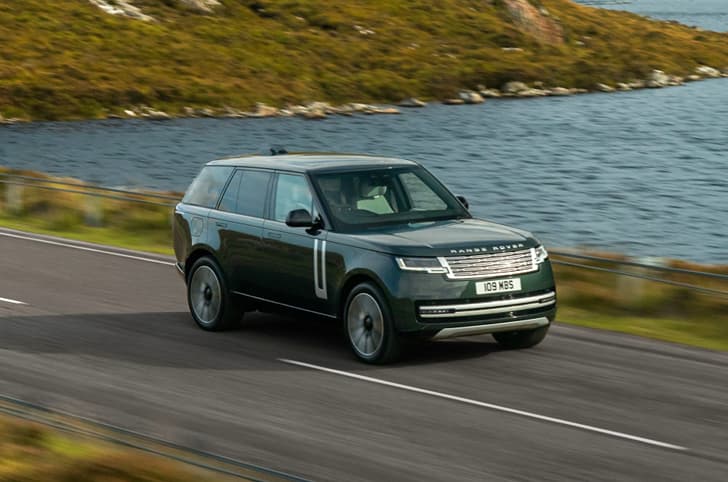
Range Rover Sport Electric review: A different kind of Sport
It shares its platform and powertrain with the larger Range Rover Electric, but the Sport has a distinctly different character. We drive it in the Scottish Highlands to see just what it’s like.




 Hormazd Sorabjee

 Saumil Shah
 Gavin DSouza
 Lenny D'sa