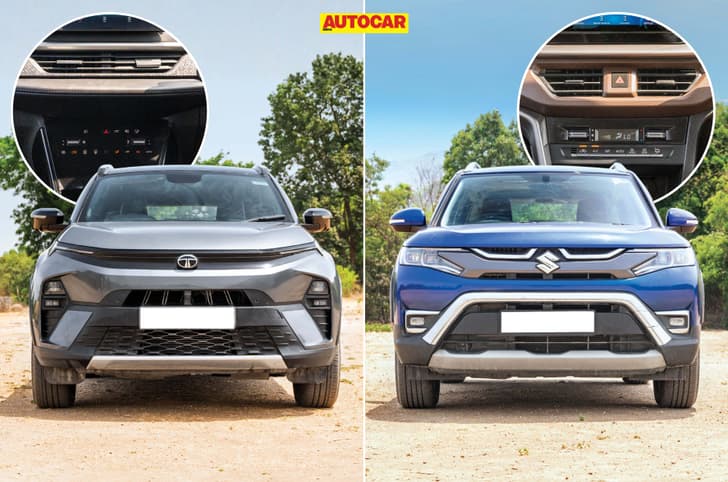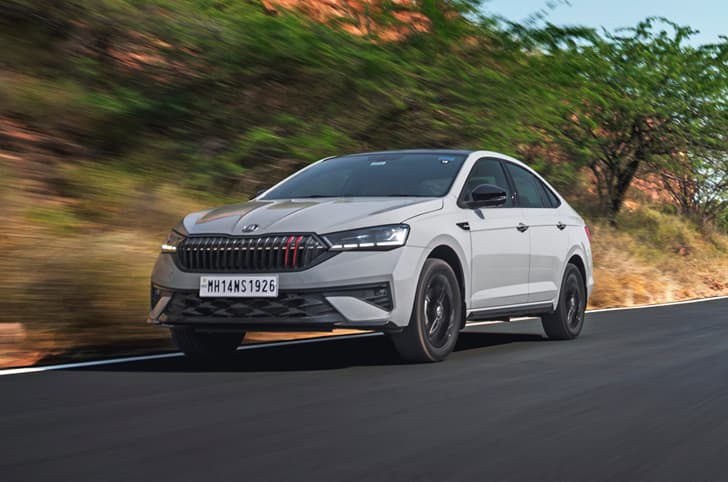



Indian summers put car air-conditioning systems through the ultimate stress test. During our time testing the ACs of the Tata Nexon and Hyundai Venue, peak ambient temperature on site (which was on the outskirts of Mumbai) was a blistering 41.2 degrees celcius. However, as these compact SUVs sat under the scorching Indian sun, the mercury in their cabins quickly rose past 50 degrees celcius. Having said that, let’s see how things panned out once the AC was turned on.
Autocar India’s testing methodology
In preparation for the test, each car is parked under direct sunlight for two hours with its engine switched off and windows rolled up. Sunroof shades are kept closed, but rear window shades are rolled away. Once a car is ‘soaked’, a two member team enters the vehicle quickly to minimise loss of heat - our job is to simulate a worst case scenario. Each car is rigged with sophisticated test gear provided by Zen Microsystems. Five thermocouple sensors read ambient temperature, cabin temperature, vent temperature (it captures how cold the air is), front-seat temperature (measured near the driver's ear) and rear-seat temperature (measured at the rear centre armrest).
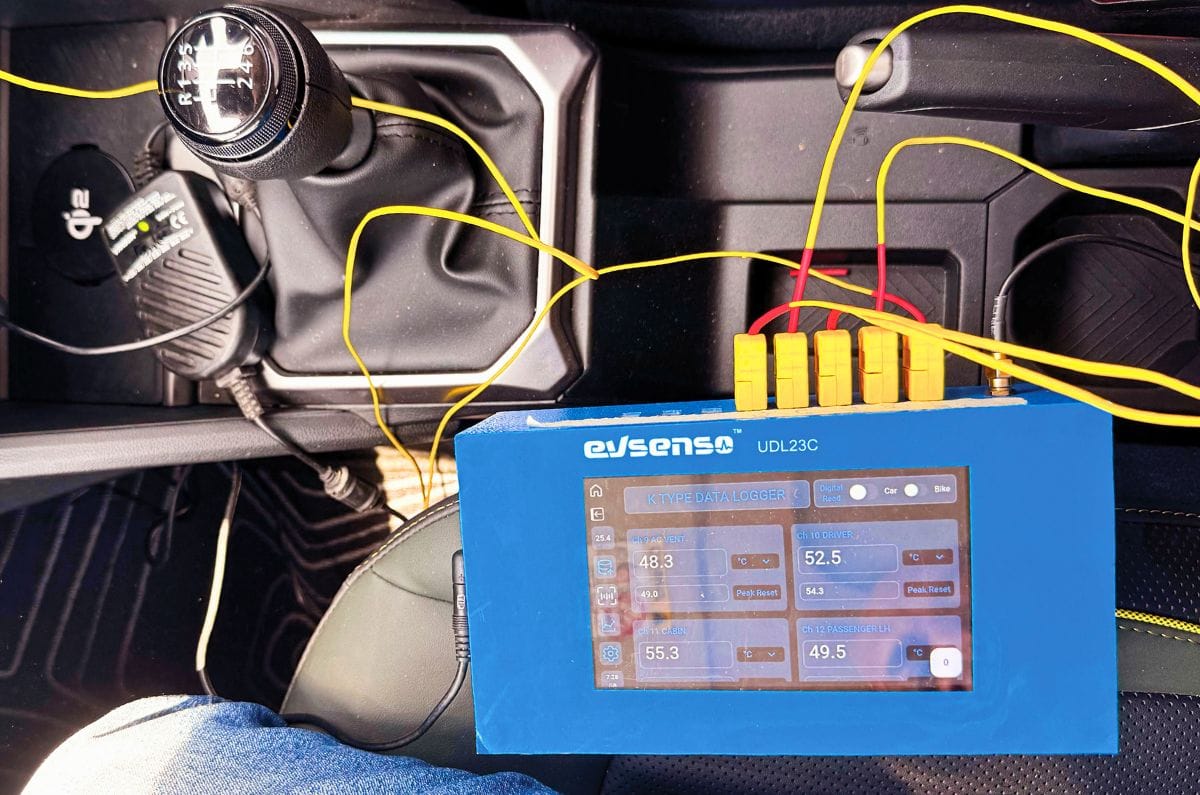
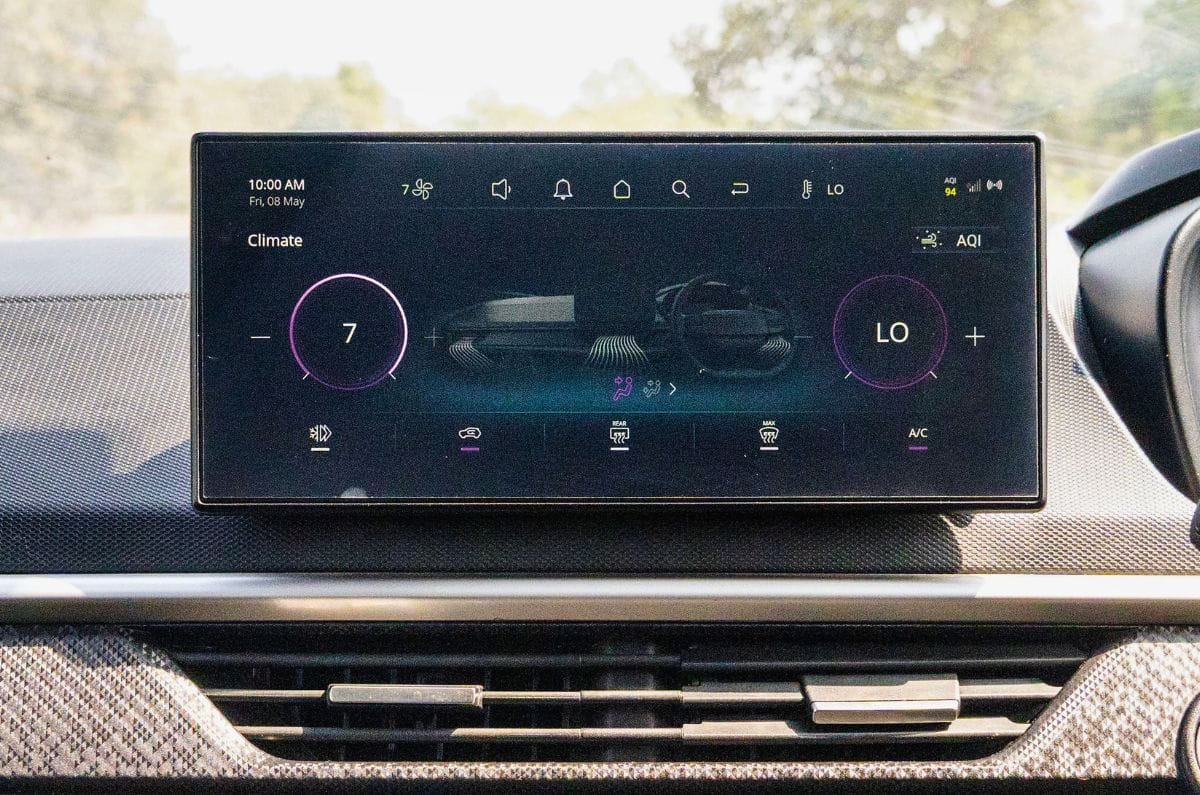
Front vents are directed at the driver's face, while rear vents are aimed at the rear-seat centre occupant. As the car is switched on, climate control is set to recirculation mode, maximum blower speed and the lowest possible temperature. Temperature readings are recorded after one minute of idling, and then after an interval of every five minutes (up until 15 minutes) of driving over a fixed route at 50-60kph. A final reading is taken after another minute of idling.
A key disclaimer: Ambient temperatures and humidity have a big bearing on cooling performance. Hence, our results are from vehicles tested on the same day, and these may vary for you based on your location and ambient conditions.
Tata Nexon vs Hyundai Venue AC test
1. Tata Nexon front and rear AC performance
The Tata Nexon began the test with the cabin temperature of 51.2 degrees celcius at the front. The next 16 minutes saw the Tata SUV’s on-board temperature dropping to 31.7 degrees celcius – a fall of 19.5 degrees celcius. We found the Tata Nexon’s capable blower distributing the climate control system’s cool air throughout the cabin effectively. The Nexon features Tata’s so-called ‘Xpress Cool’ function, which maximises cooling while also lowering the driver’s window to expel trapped heat. However, we did not use this feature in order to stick to our standardised test protocol.
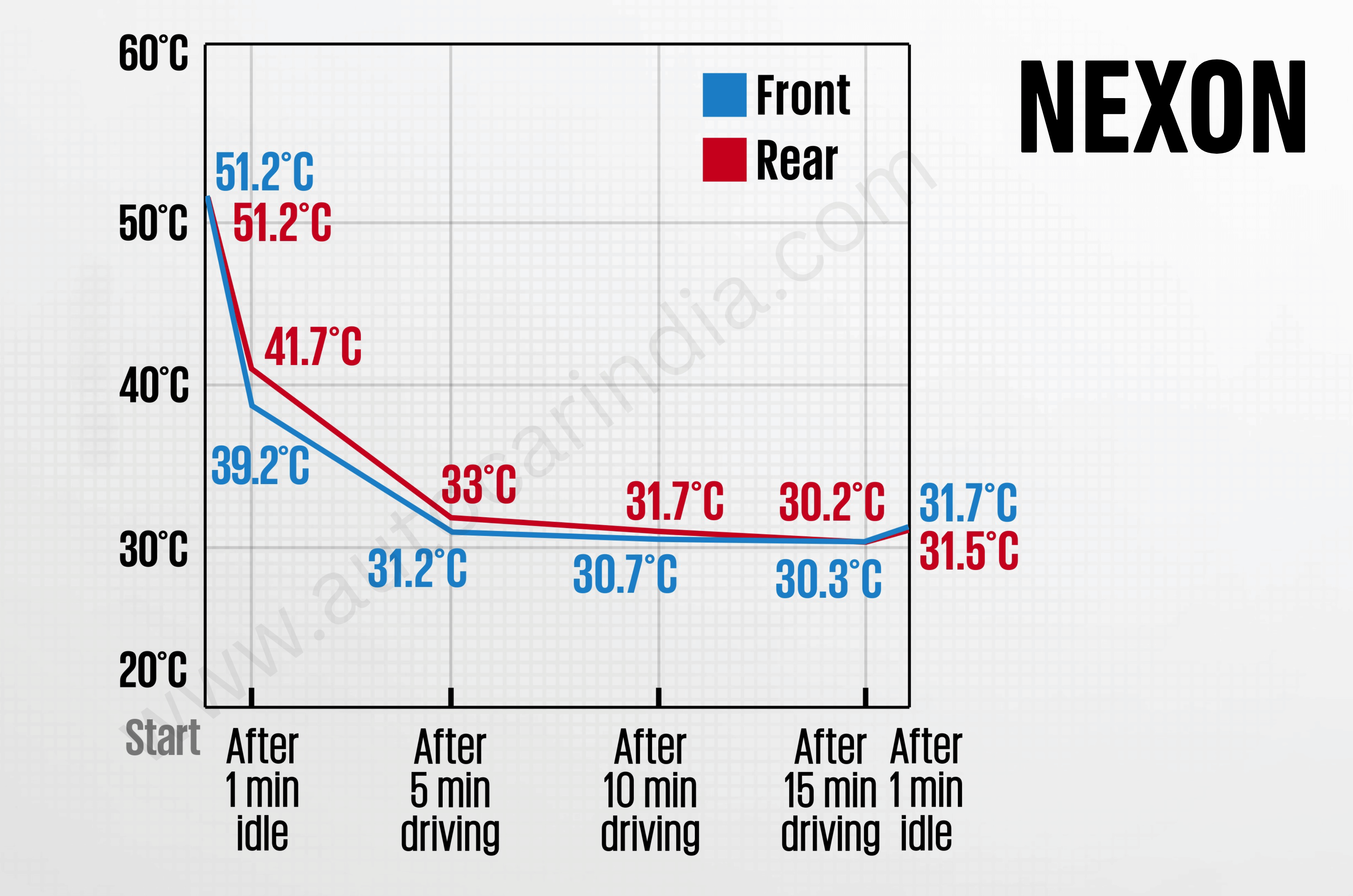
The temperature at the back of the Tata Nexon at the start of this test was identical to what was recorded up front. While the rear temperatures remained higher than those recorded at the front during the first 11 minutes, the concluding 6 minutes witnessed it dropping by the slightest of margins.
What community is saying on the Venue?
2. Hyundai Venue front and rear AC performance
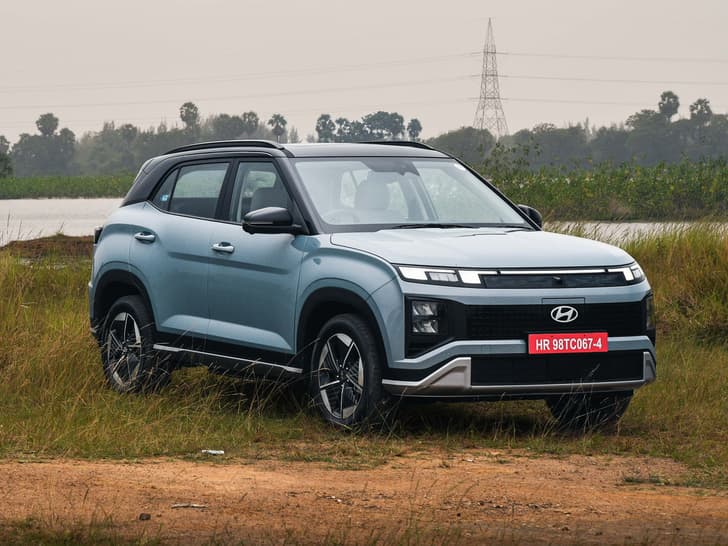
The Hyundai Venue began the AC stress test with a cabin temperature sitting at 53.2 degrees celcius. Within just a minute, the temperature up front plummeted by 12.5 degrees celcius. Over the course of the next 16 minutes, the Venue’s air-conditioning system managed to bring down the temperature to 31 degrees celcius at the front – a drop of 22.2 degrees celcius. Once on the move, the Venue’s AC kept the cabin temperature cool, except for the last one minute, where it rose by 4 degrees celsius.
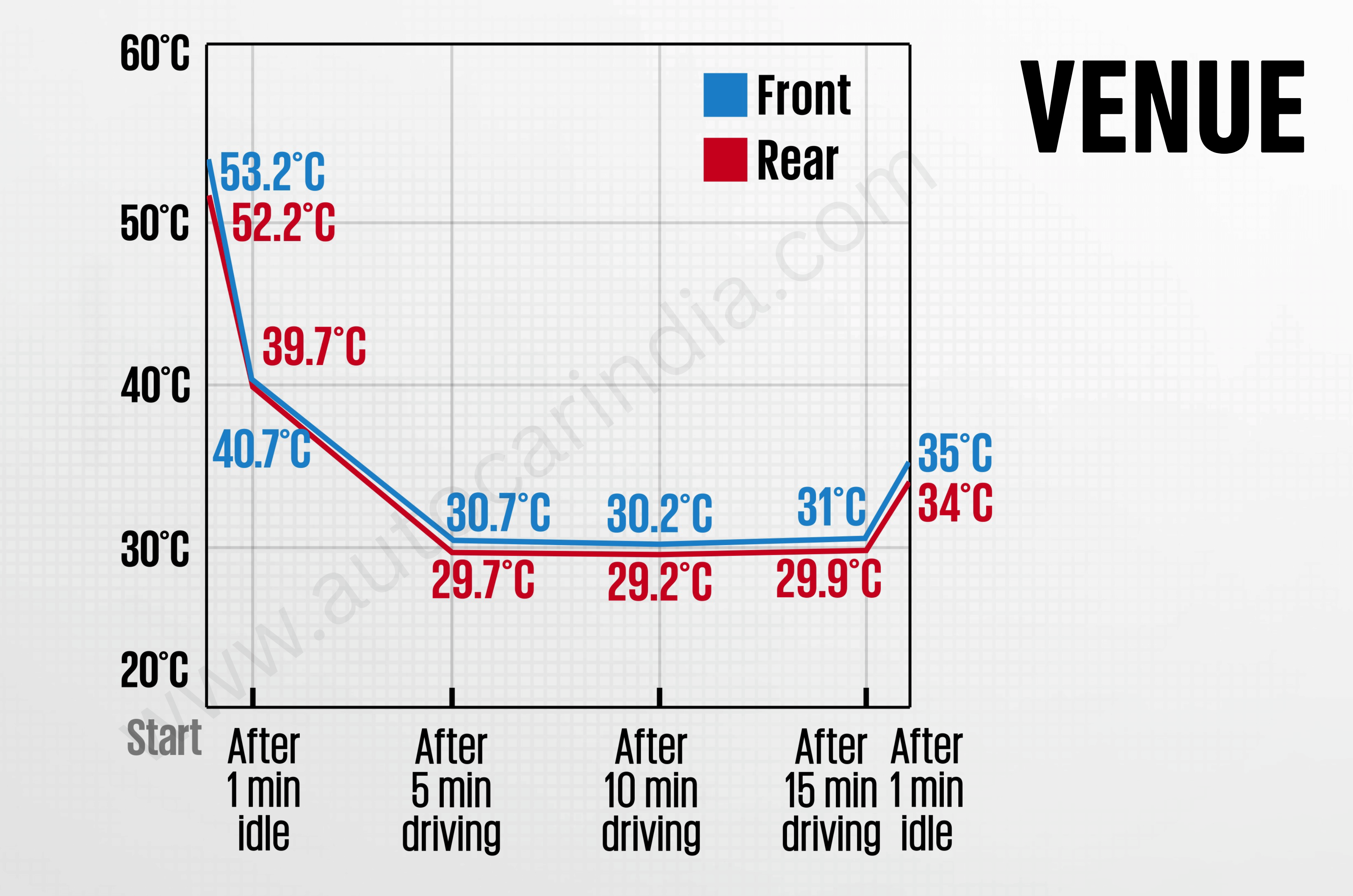
Compared to the front of its cabin, the rear of the Hyundai Venue remained cooler throughout its AC stress test. Similar to the front of its cabin, the rear of the Venue's cabin witnessed a temperature hike of 4.1 degrees celcius during the last one minute as the car sat at idle. Both the Hyundai Venue and Tata Nexon in our AC performance tests were equipped with an automatic climate control system with rear vents. Moreover, where the Nexon is available with a dual-pane panoramic sunroof, the Venue only gets a single-pane setup.
*Front seat temperature measured near the driver’s ear; rear seat temperature measured at the centre armrest.



 Uday Singh

 Dipan Sur


 Glenn Noronha