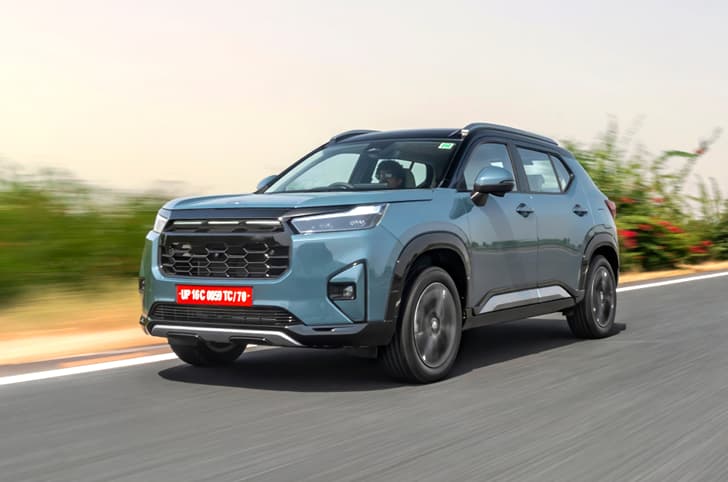

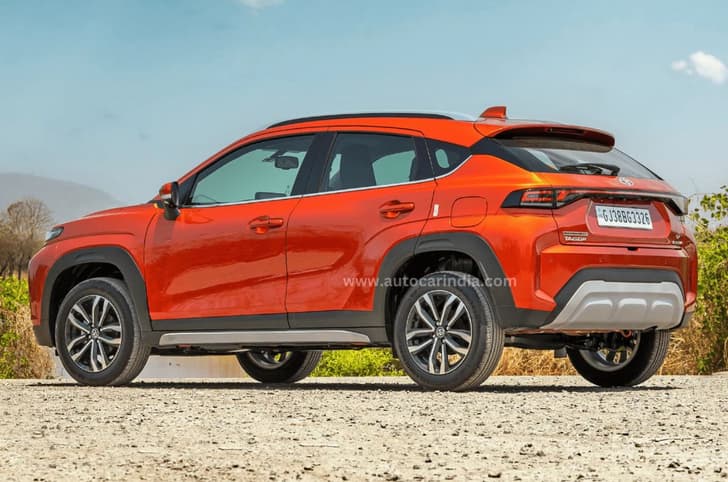
If you are in the market for a compact Toyota SUV, then the Urban Cruiser Taisor is your only option. The Toyota Urban Cruiser Taisor shares a lot of components and feature set with its Maruti Suzuki brethren and is aimed at those who want the premiumness associated with the Toyota badge. Before signing on the dotted line, however, here are a few key facts of the Toyota Taisor you need to keep in mind. First up, the pros…
Capable powertrain
Peppy turbo engine pairs especially well with the automatic gearbox
One of the biggest pros of the Toyota Taisor lies under the bonnet. The 1.0-litre three-cylinder turbo-petrol engine with direct injection produces 100hp and 148Nm of torque. This engine makes up for its lack of outright cubic capacity by being eager to rev all the way up to a redline of 6,000rpm. Not only is it peppy and responsive, but this three-pot unit has a linear power delivery – all the while remaining smooth and refined.
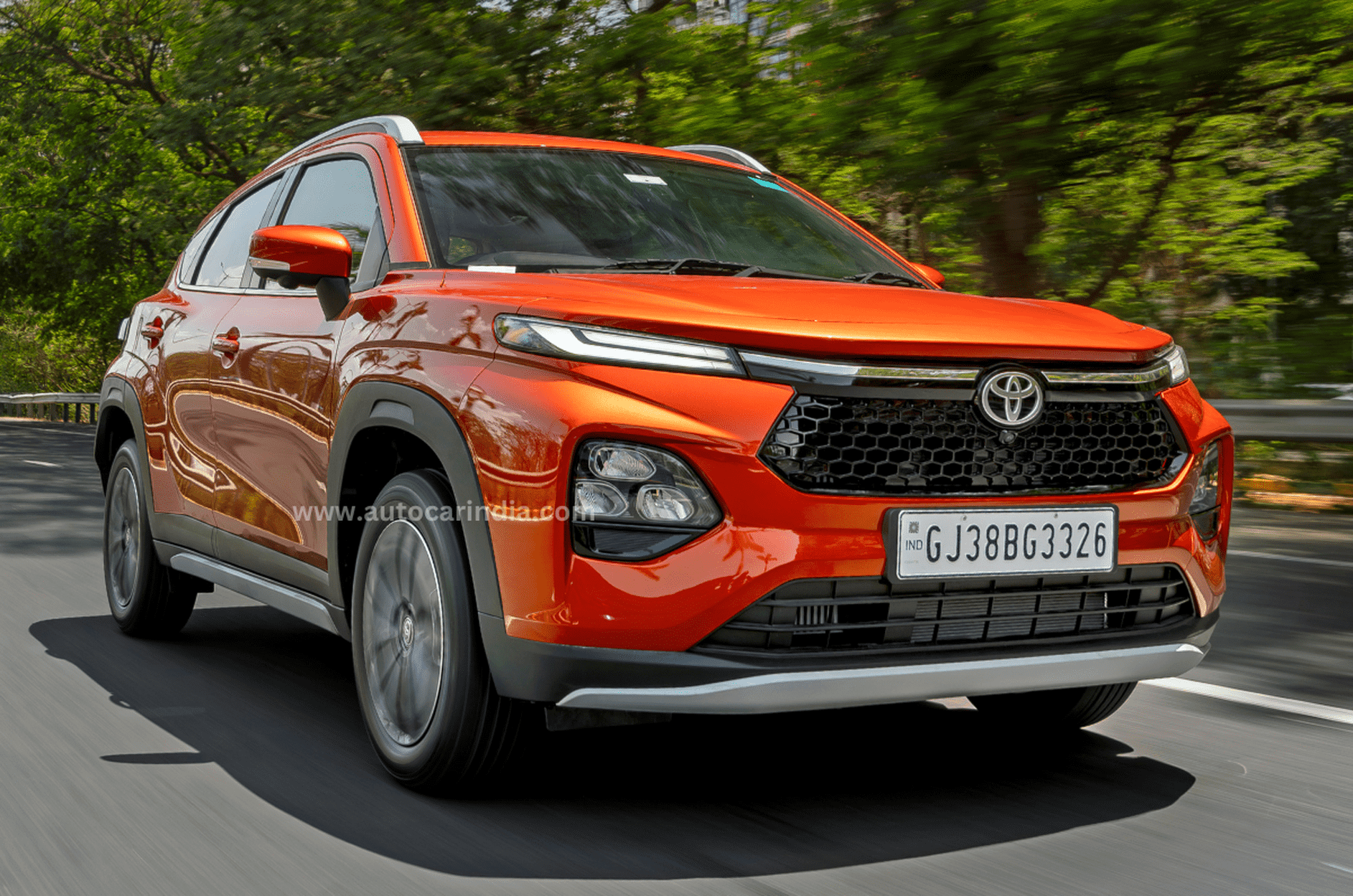
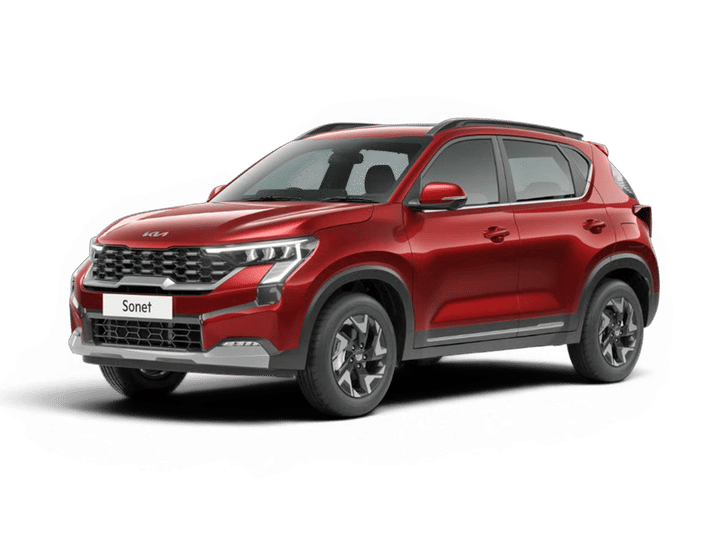
Then there’s the 6-speed torque converter automatic gearbox, which is offered with the G and V trims of the Taisor. Like the turbo-petrol engine, this transmission is smooth in its operation too. It also responds promptly to the steering-mounted paddle shifters, and in manual mode, this gearbox does not upshift automatically, increasing driver engagement even more. All of this pays dividends, as we clocked the Taisor Turbo achieving the sprint from 0-100kph in 11.86 seconds. For reference, that’s slightly quicker than the 120hp Kia Sonet with the DCT. The 5-speed manual gearbox of the Taisor is also a pleasure to use, thanks to its light and tactile operation.
Confident handler
Firm suspension and light steering come together well in the Taisor
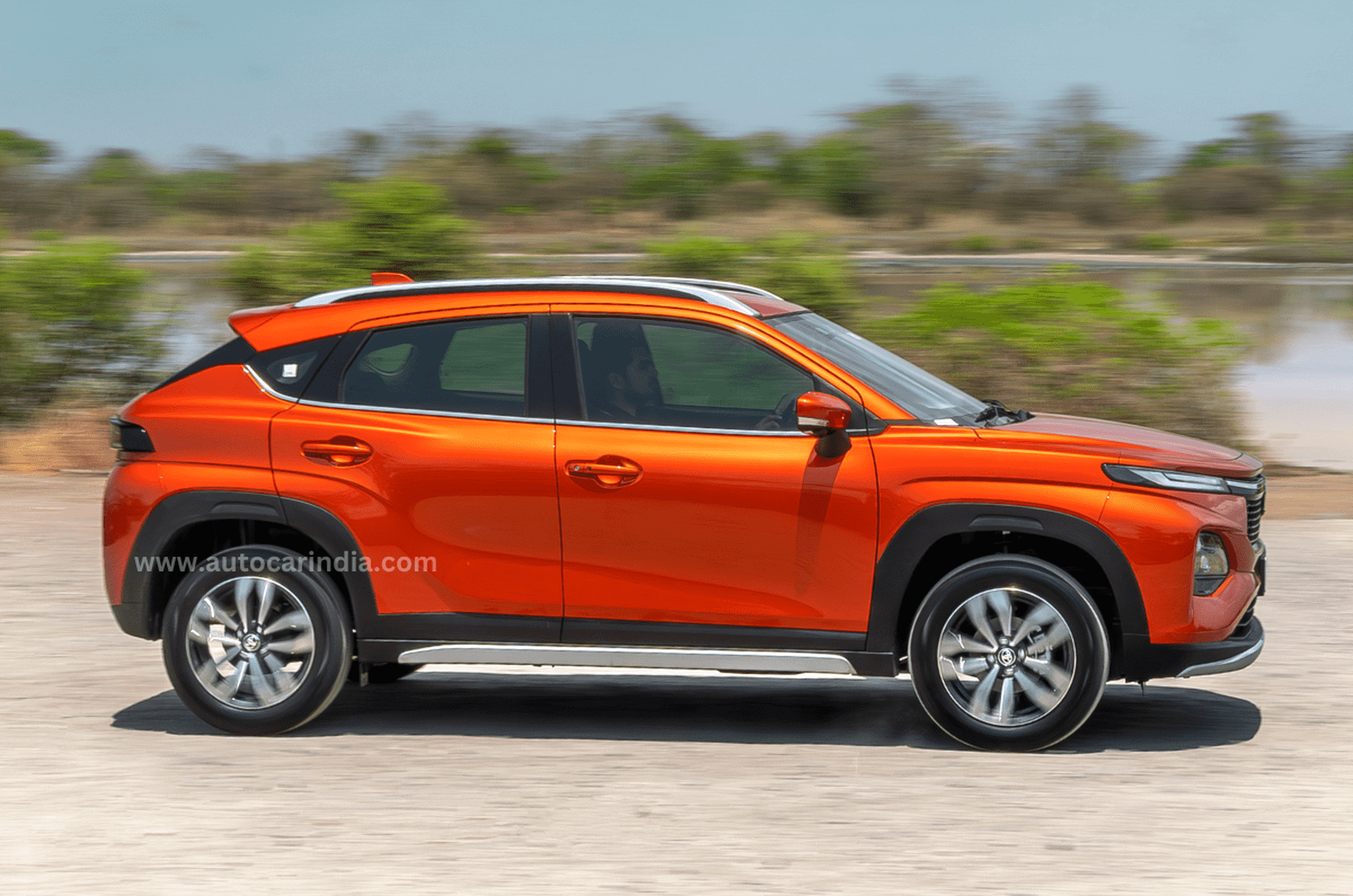
While the stiffly sprung suspension of the Taisor feels a bit busy at low speeds, things change as the speed climbs. The inherent stiffness inspires confidence as the car feels stable even at triple-digit speeds. At low speeds, the light steering of the Taisor makes lane changes and parking manoeuvres easy to execute. The small turning radius aids manoeuvrability further.
Sorted ergonomics and comfort
Easily accessible controls and comfy rear seats make settling in fuss-free
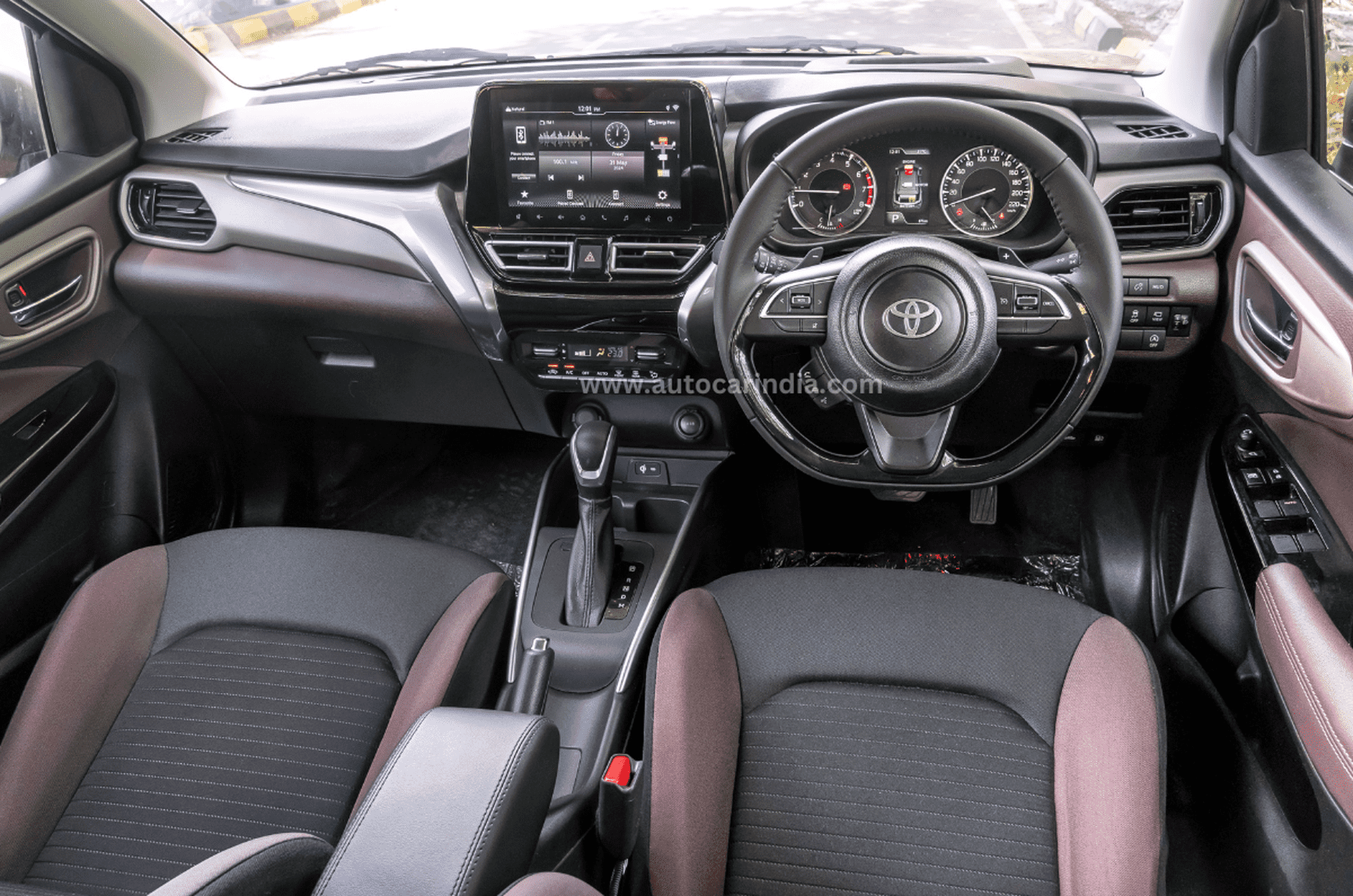
Along with the adjustable seat, tilt and telescopic adjustment for the steering makes getting into a comfortable driving position in the Taisor quite easy. All the controls fall to hand easily, and there’s also an adjustable centre armrest for the driver, that will come in handy over long drives, especially in the case of the automatic version.
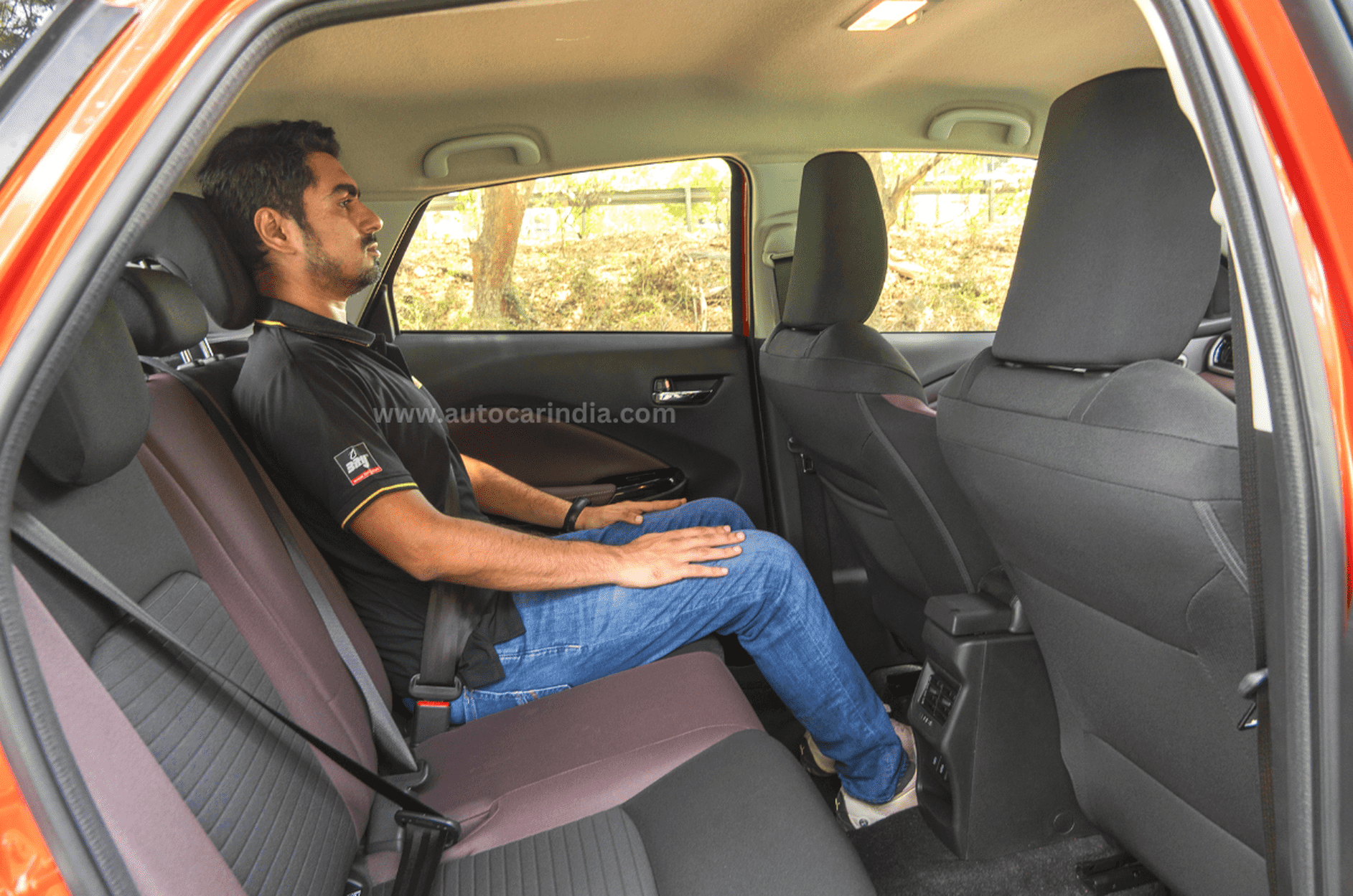
The cabin feels spacious despite the relatively compact size of this car, while the rear seats are comfortable and offer good legroom as well. Adding to this comfort factor and overall safety at the back are features such as rear AC vents, USB Type-C ports, three headrests and three-pointed seatbelts. Also useful is the 360-degree camera system, which helps navigating tight parking spots less tense.
What community is saying on the Urban Cruiser Taisor?
However, the Toyota Taisor is not without its cons. Here are the important ones.
Missing features
The Taisor isn’t as well-equipped as some rivals
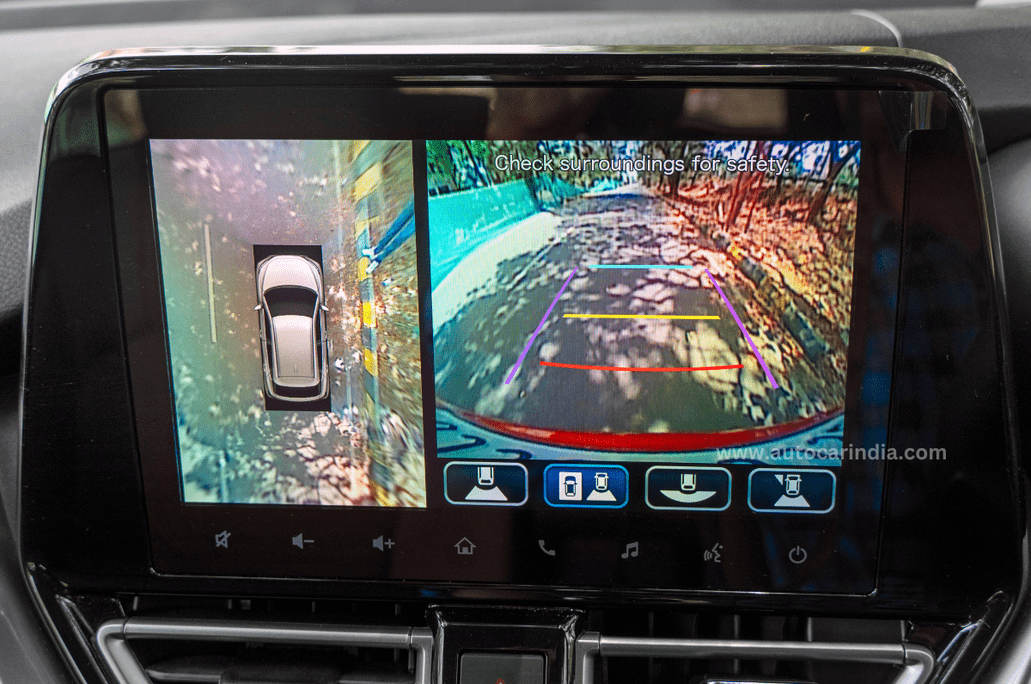
While the 360-degree camera is good to have, its low resolution impacts usability to an extent, especially in poor weather or in the dark. The Taisor doesn’t get load sensors for the rear seats, which means the belt reminder chime will go on for 90 seconds unless they are properly buckled. Other missing features here include a powered sunroof, ventilated seats, LED ambient lighting, powered front seats, leatherette upholstery, a rear centre armrest, ADAS and a larger infotainment screen, to name a few.
Sub-optimal insulation and plastic quality
These issues are not as prevalent in newer compact SUVs
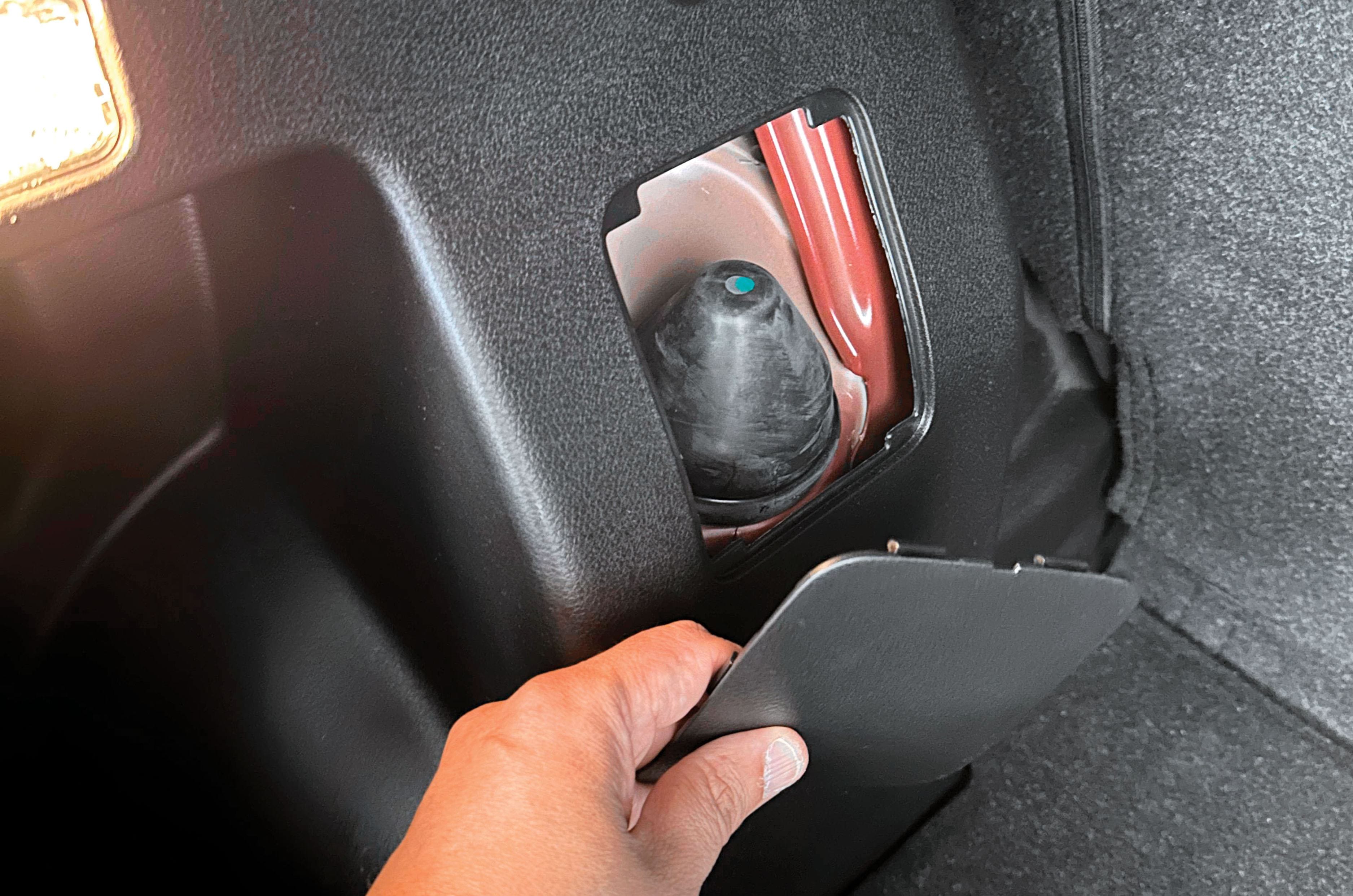
There’s no dearth of hard plastics in the Taisor’s cabin, with much of the surfaces being covered in sub-optimal plastic trim. Sound insulation also leaves a lot to be desired, as road and engine noises seep into the cabin easily.

 Uday Singh
 Dipan Sur

 Glenn Noronha