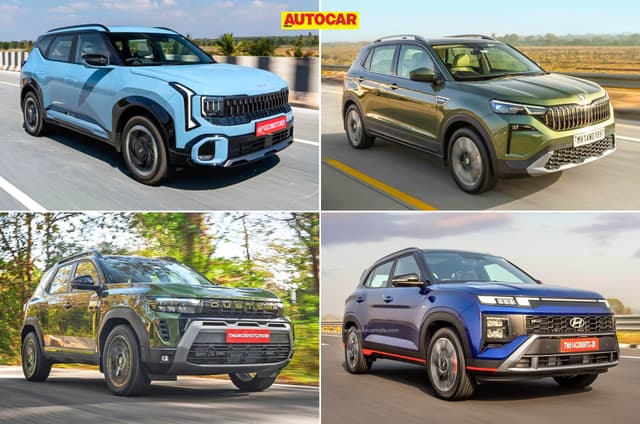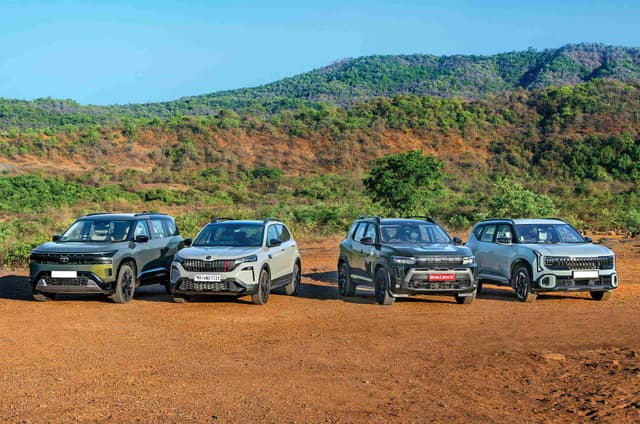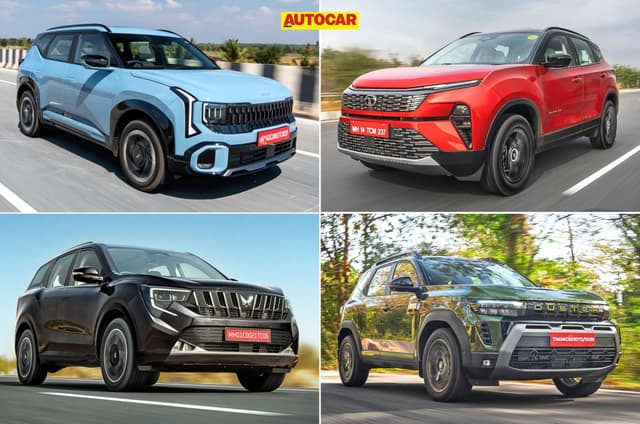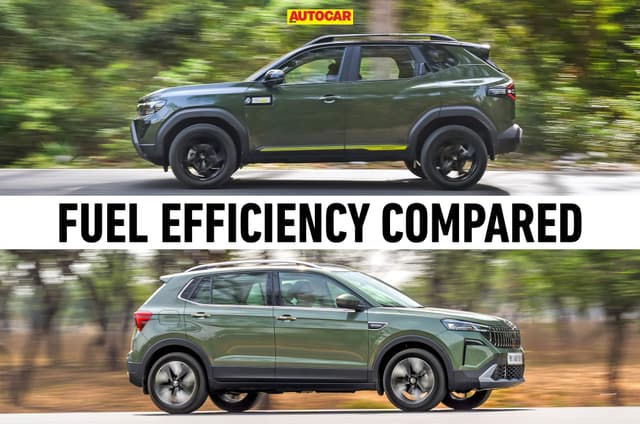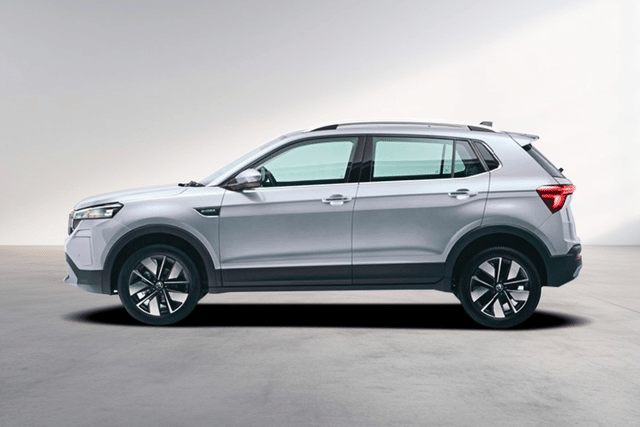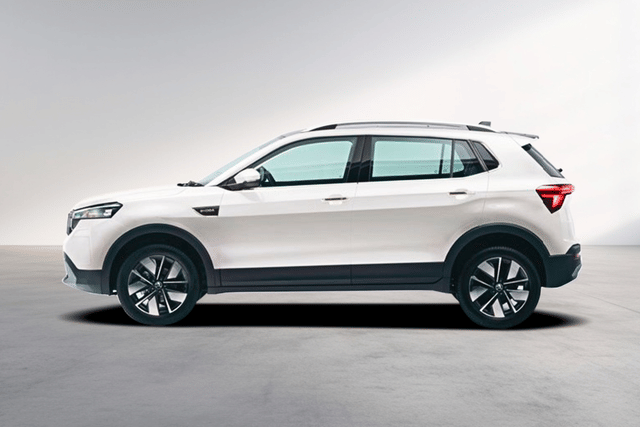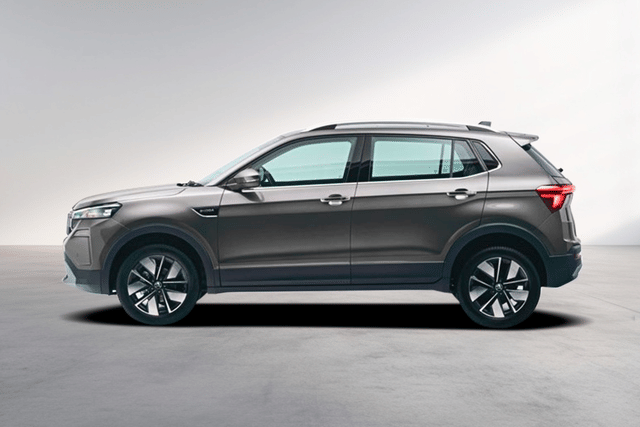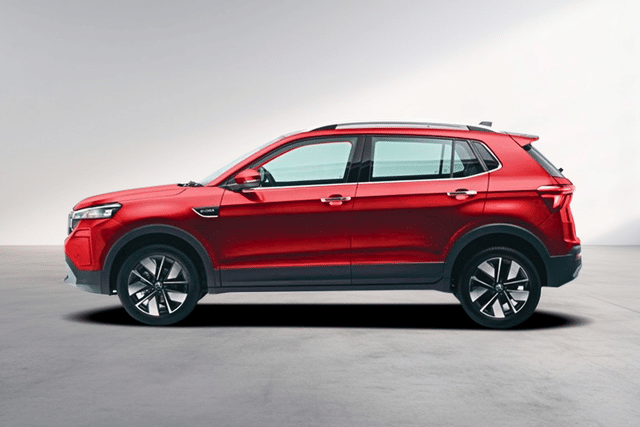
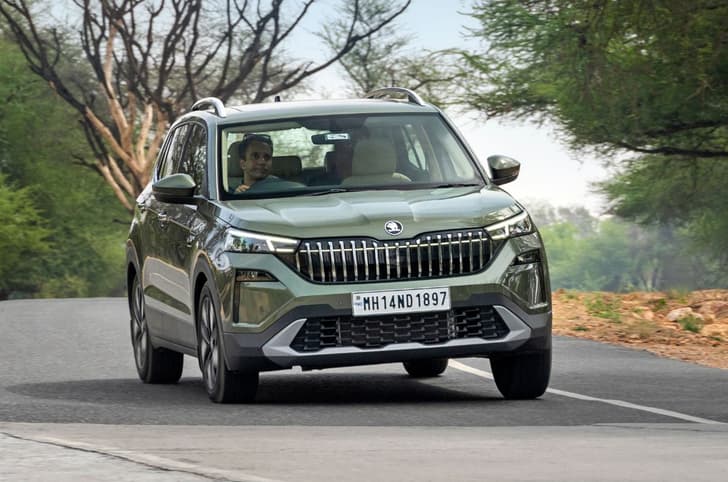
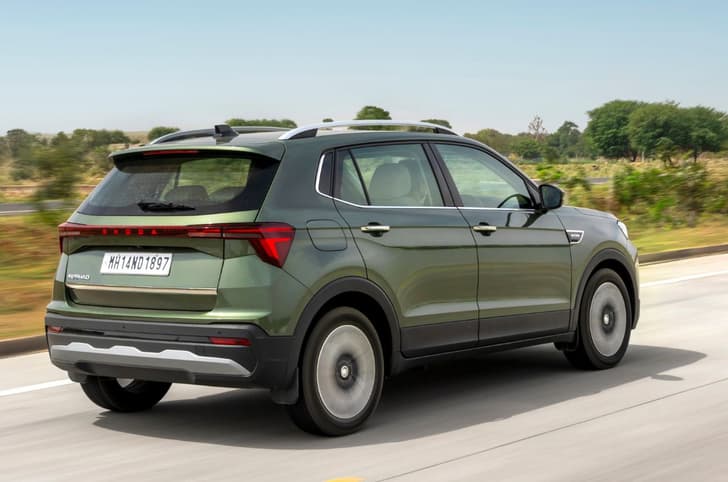
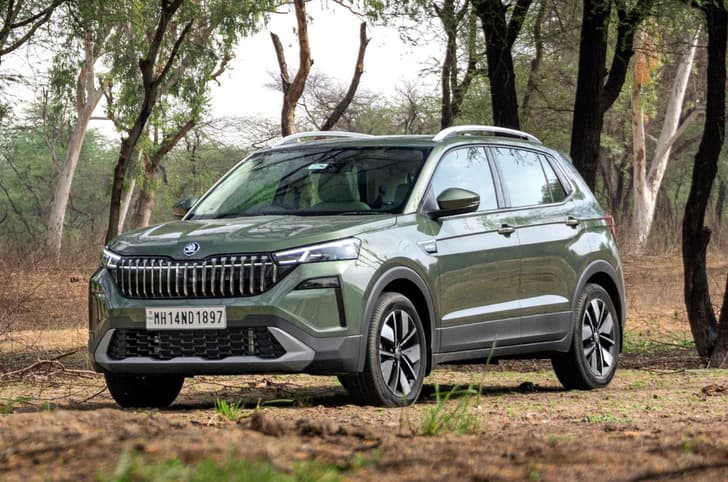
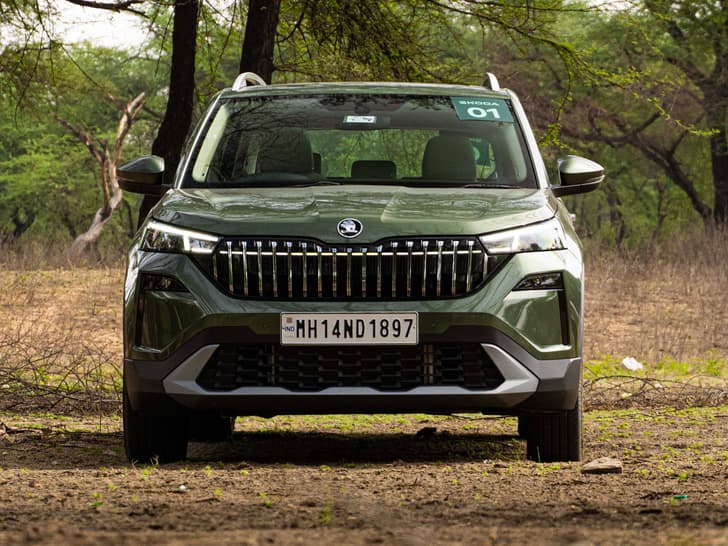
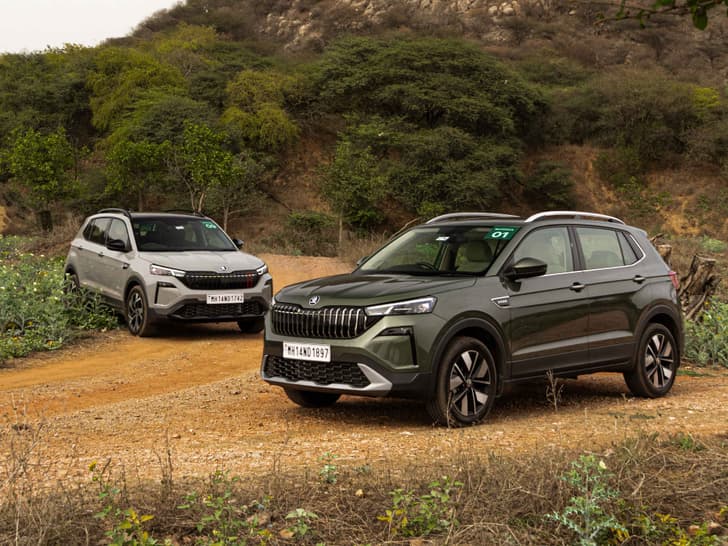
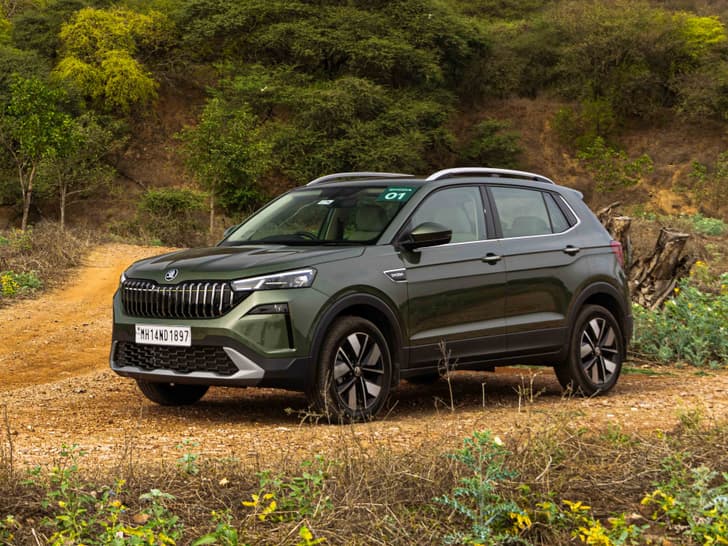
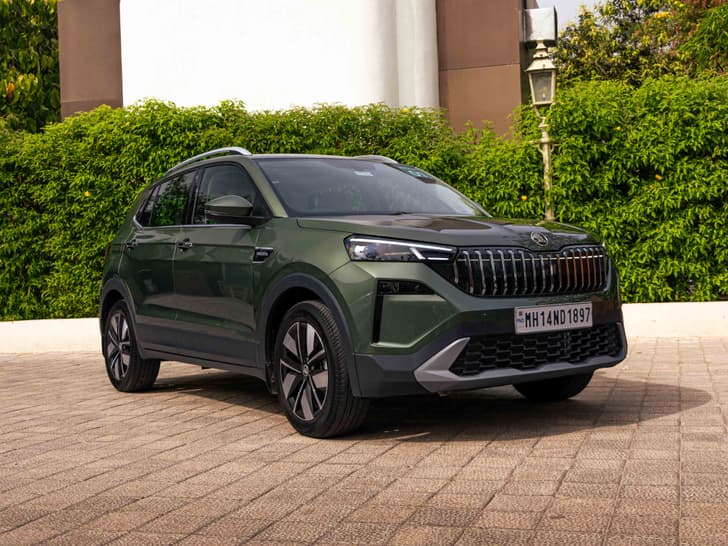
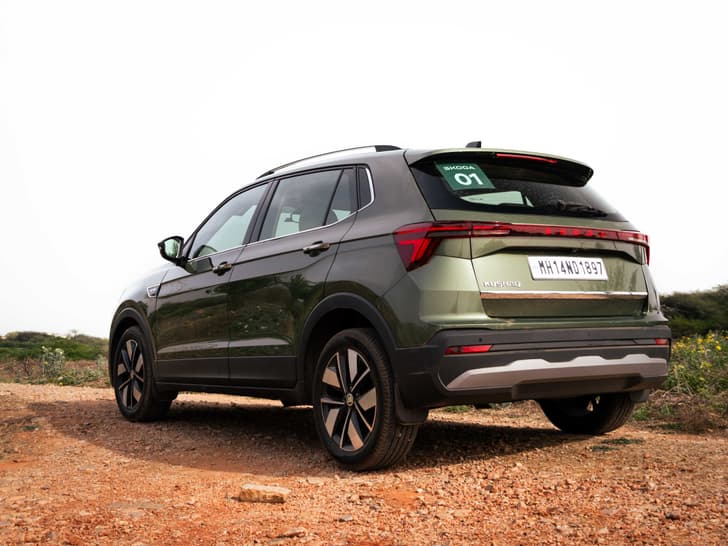

Skoda cars in India (9)
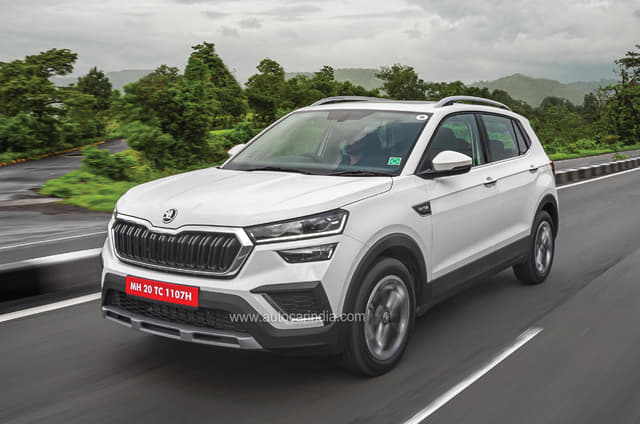
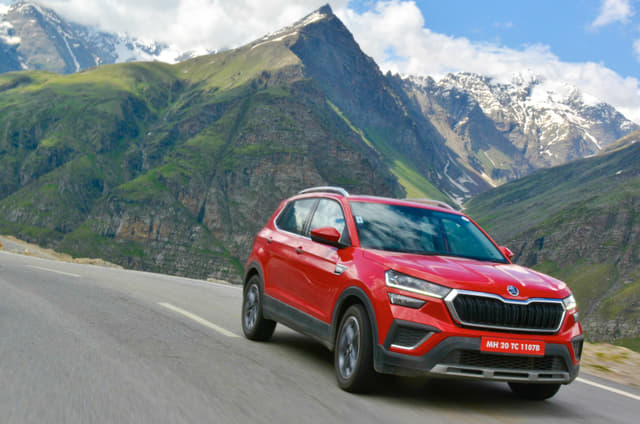
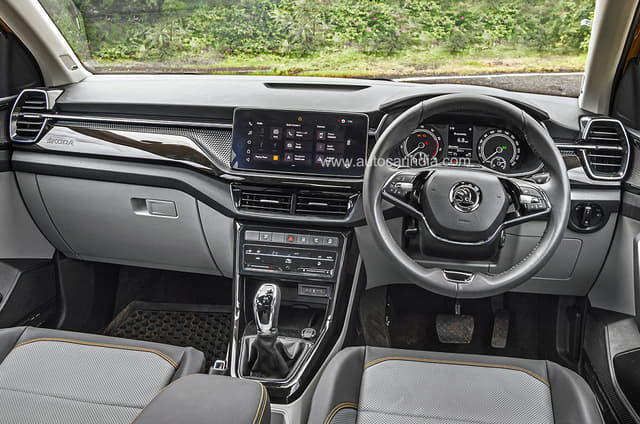
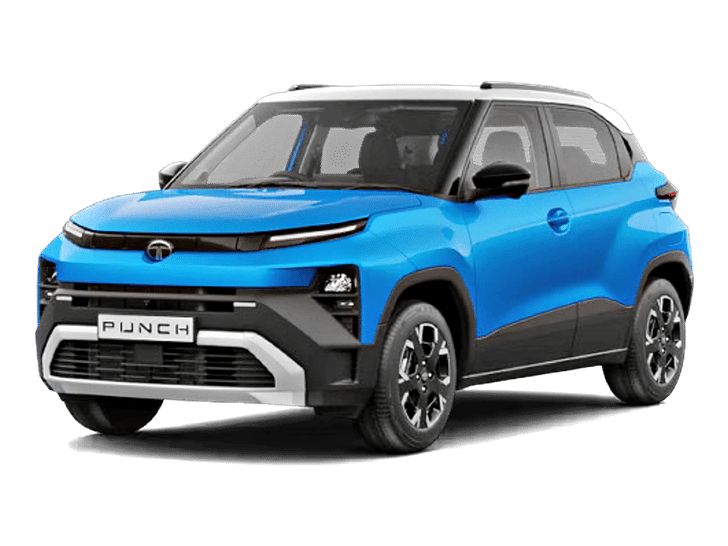
As of July 2026, Skoda Auto has 7 models in its India portfolio, with 4 currently available and 3 upcoming. The most affordable model is the Skoda Kylaq, priced from ₹7.59 lakh, while the range-topping Skoda Kodiaq goes up to ₹46.49 lakh.
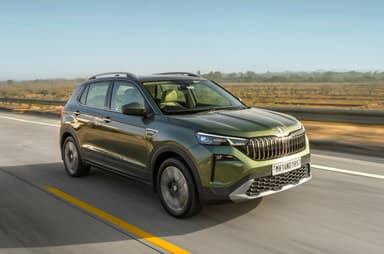
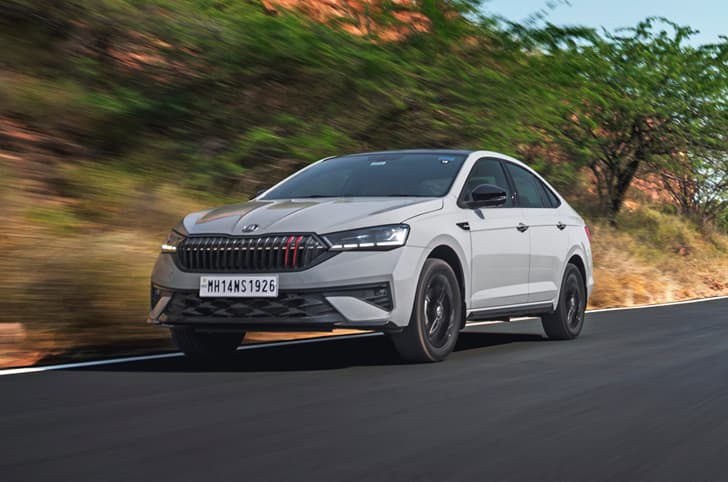
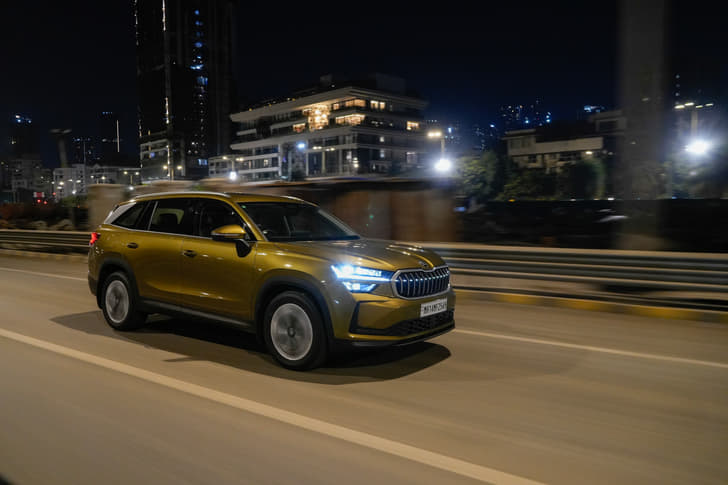
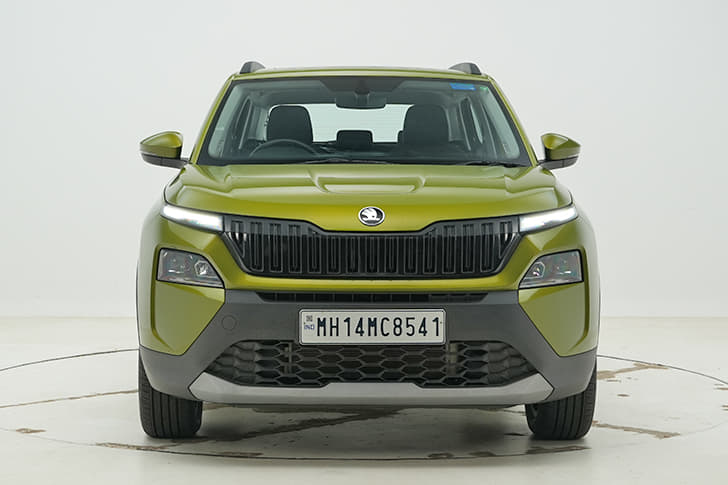
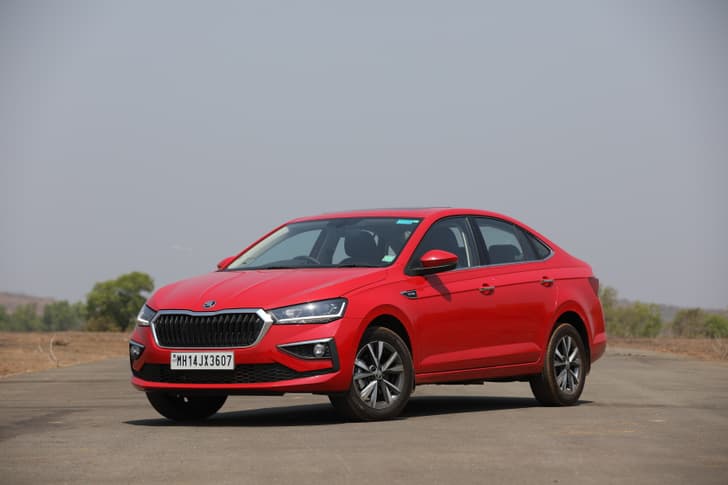
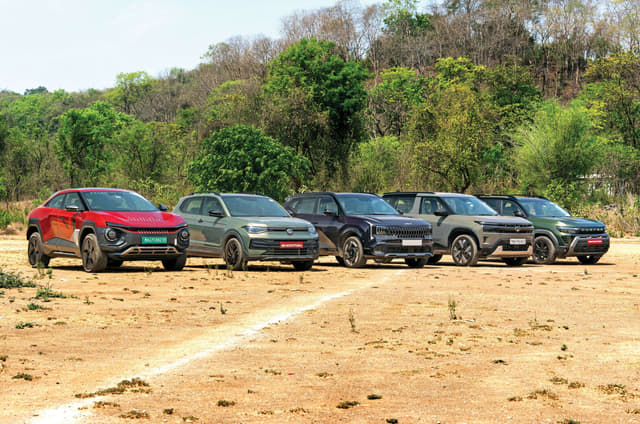
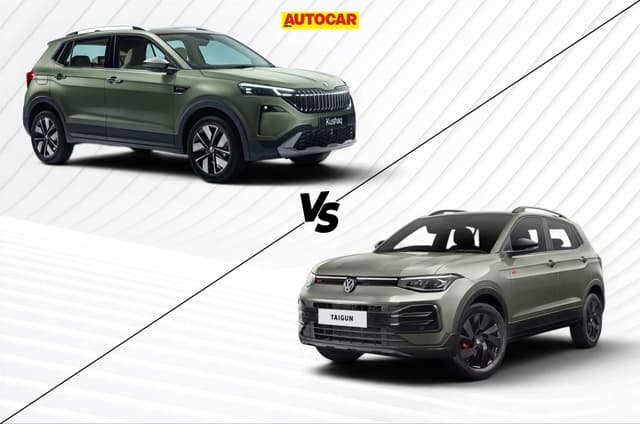
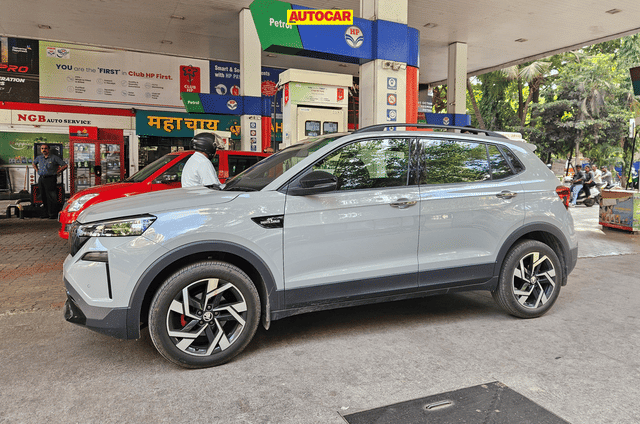
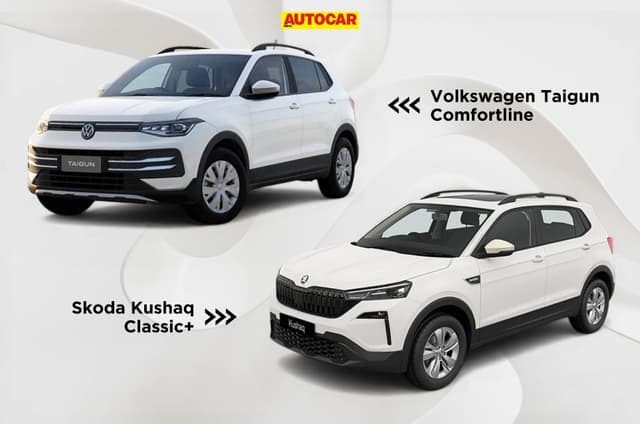
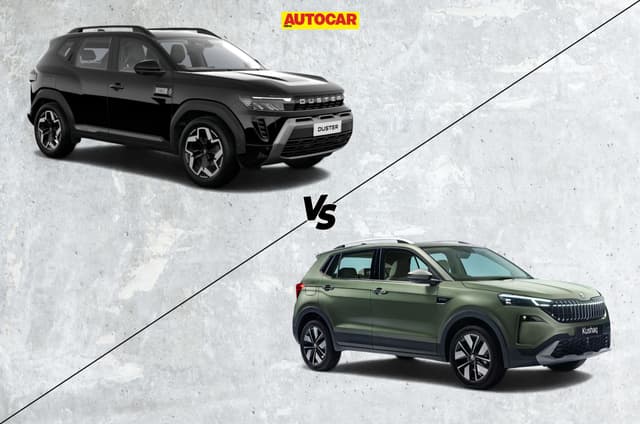
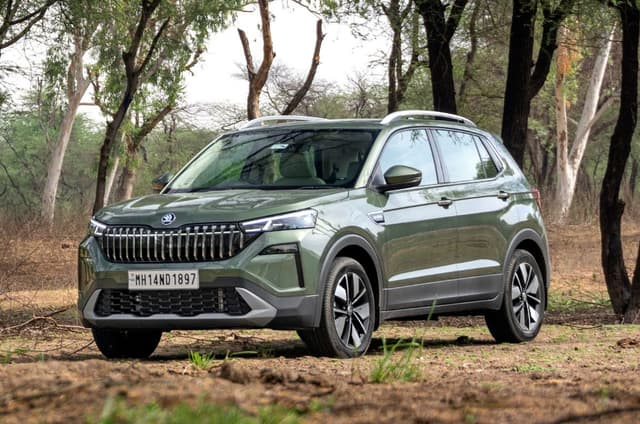
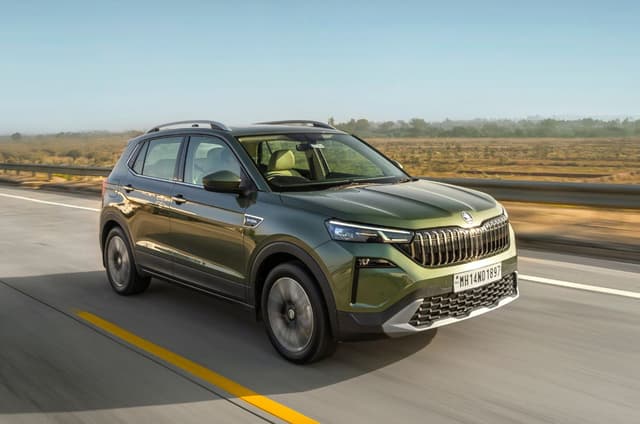
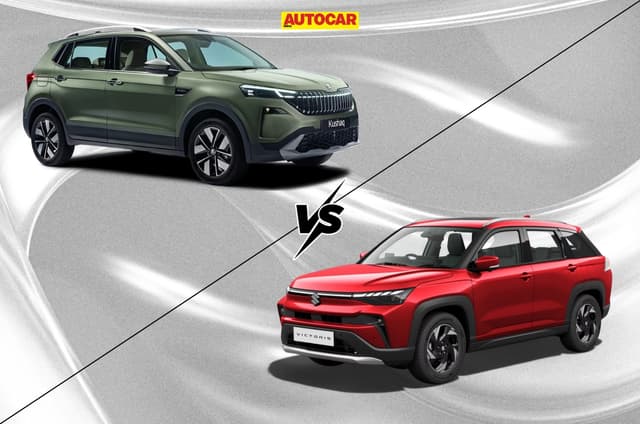
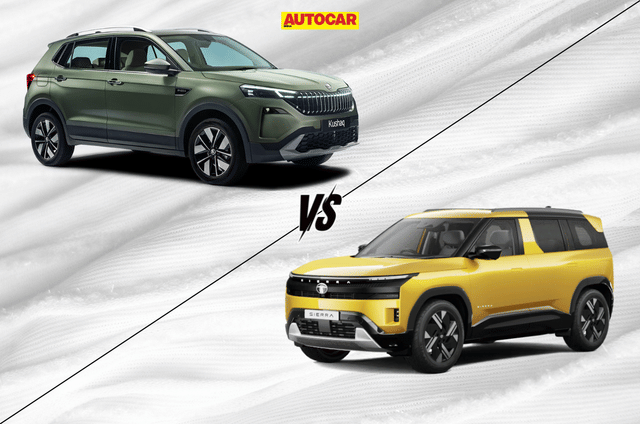
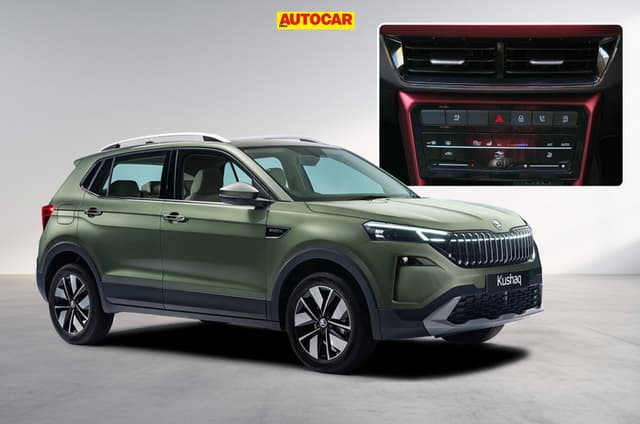
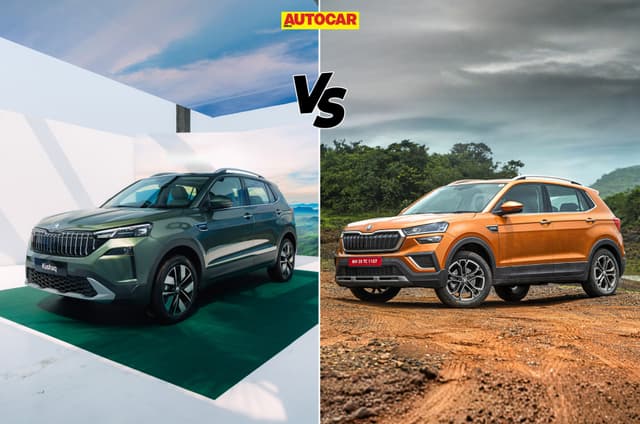
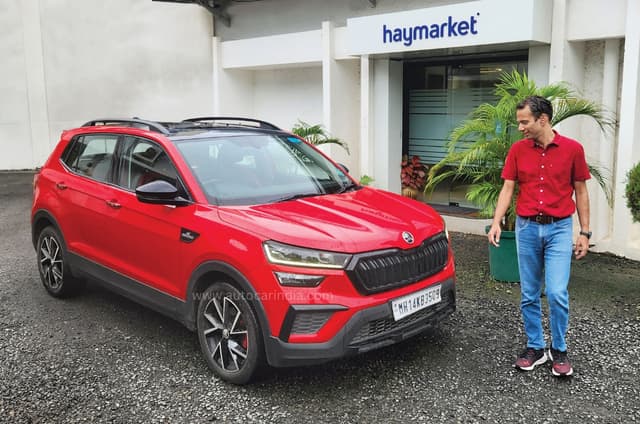
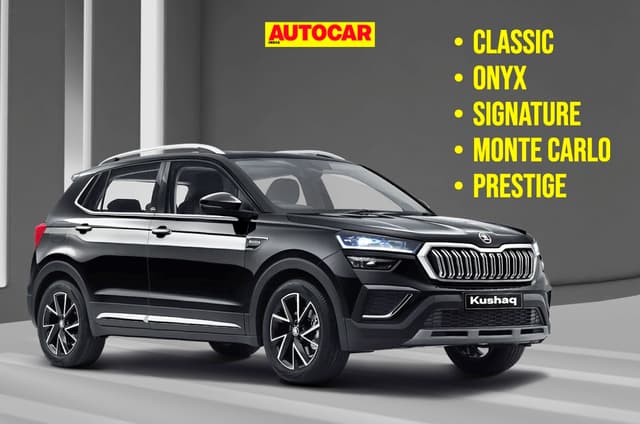
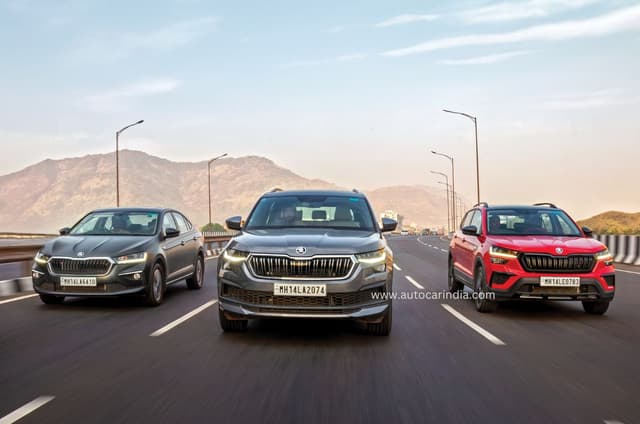
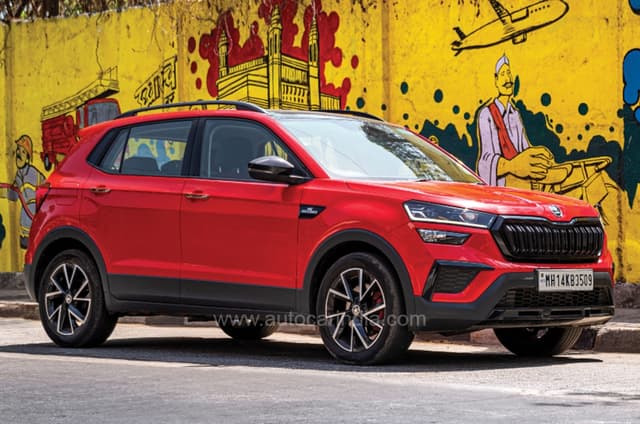
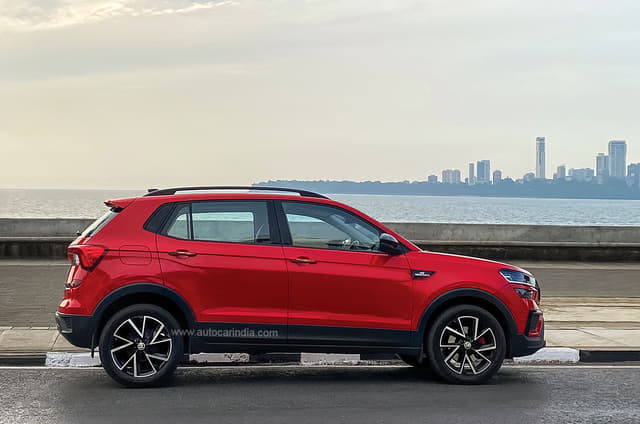
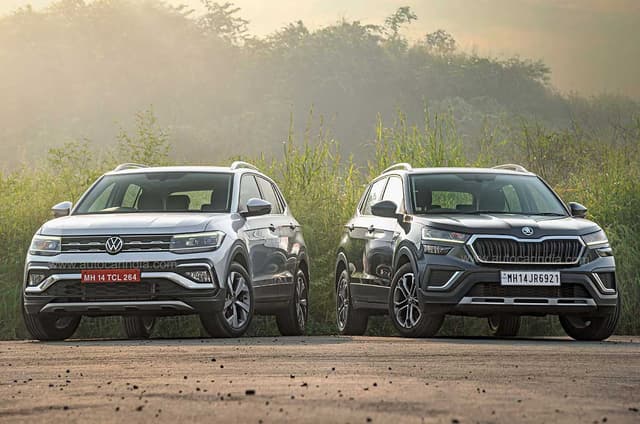
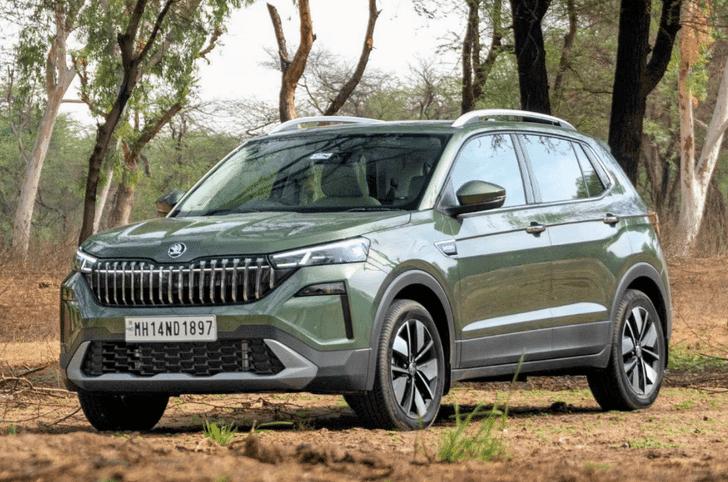
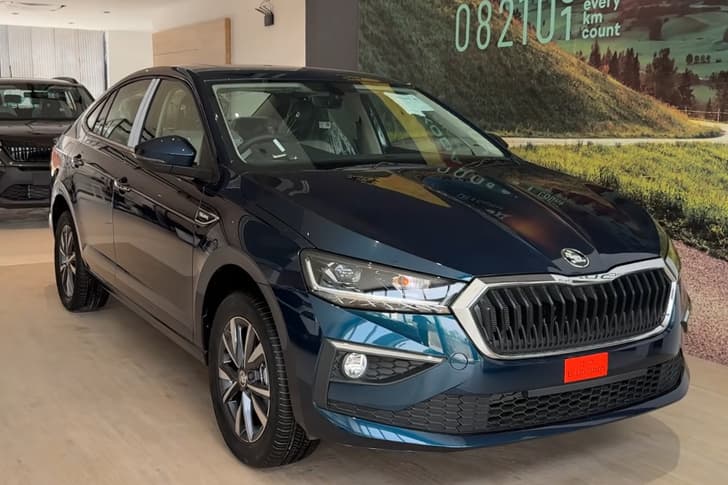
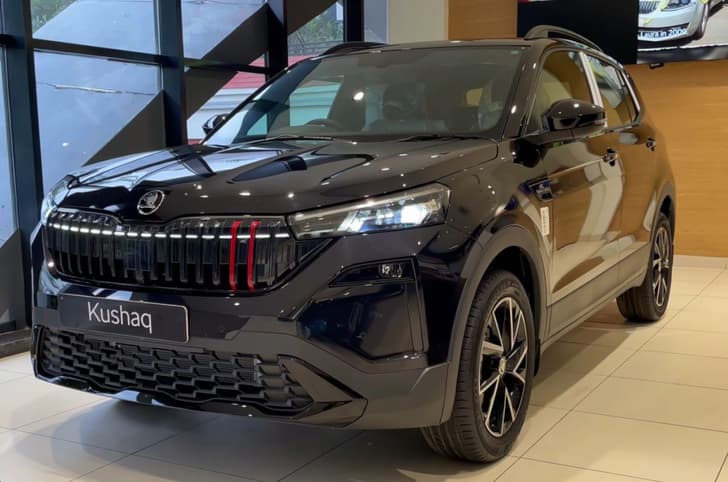
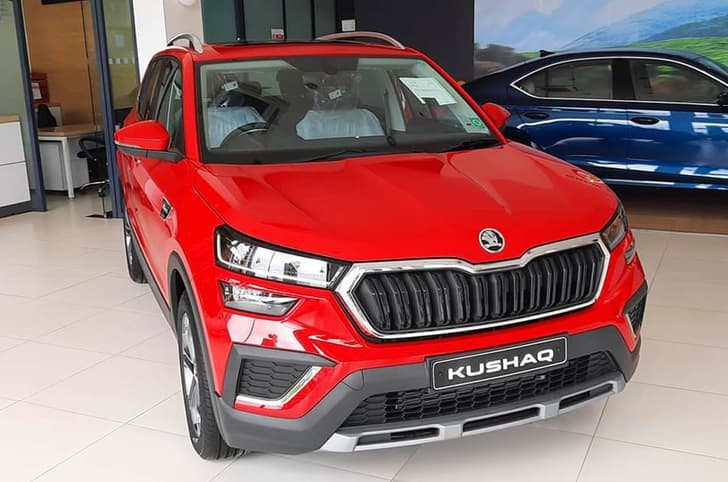
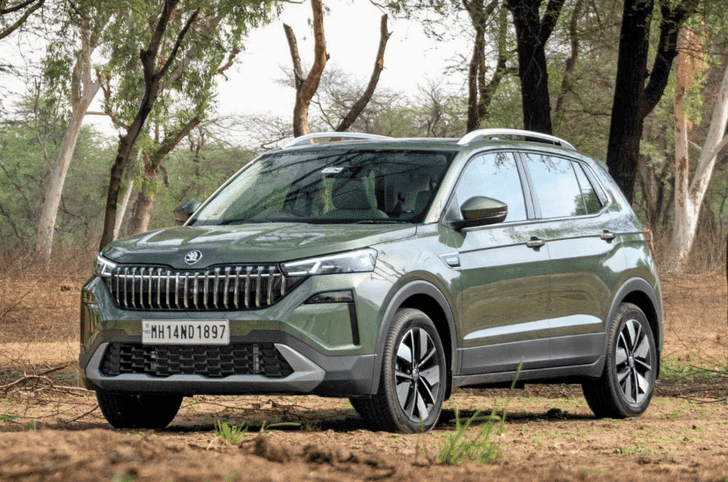
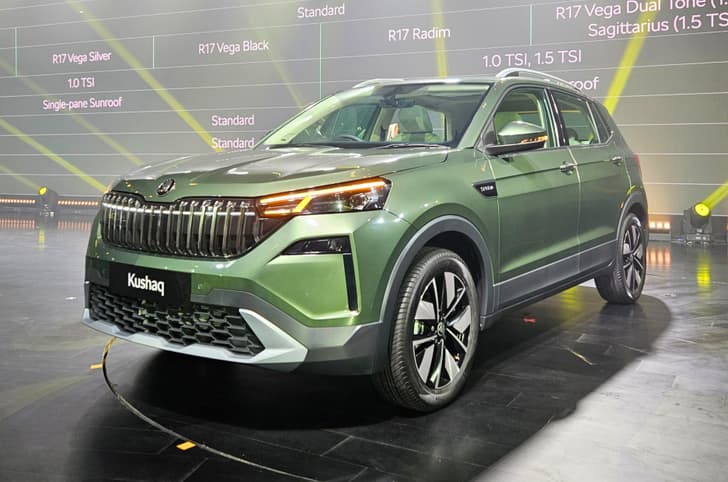
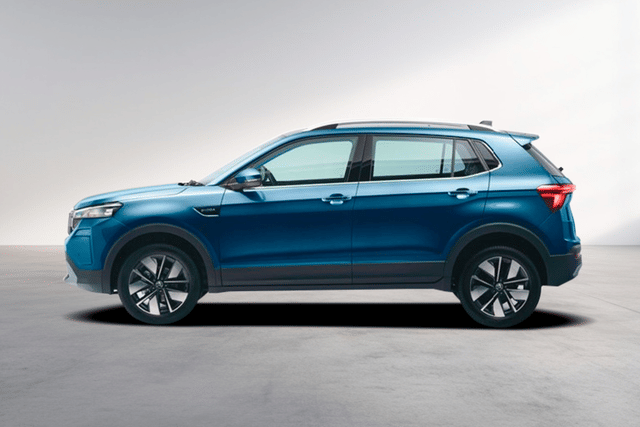
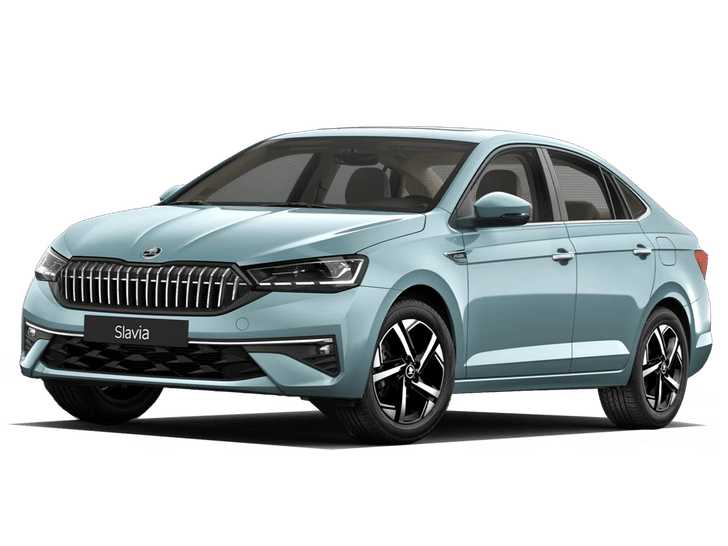
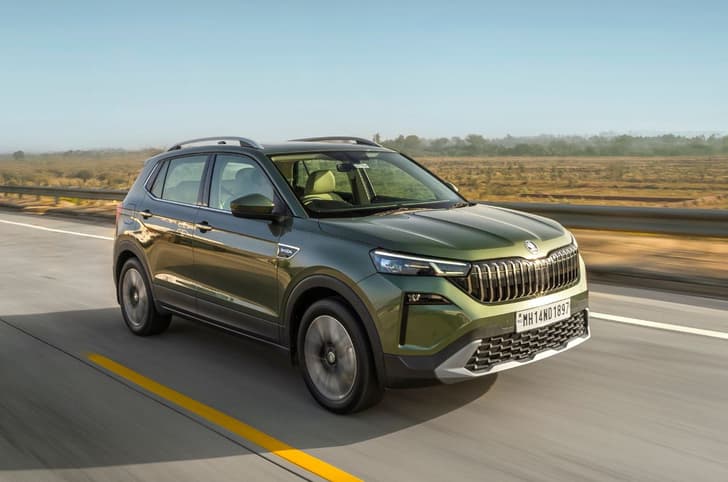
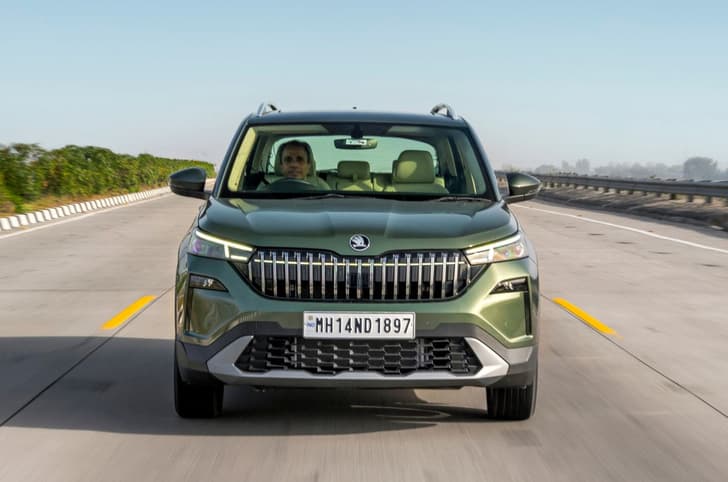
The current lineup includes the Kylaq, Kodiaq, Skoda Kushaq, and Skoda Slavia. The Slavia is the only sedan in the range, while the Kodiaq, Kushaq, and Kylaq form the brand’s SUV lineup.
Skoda Car Price List (July 2026)
View the latest Skoda car prices in India in the table below:
Skoda Car | Price (Ex-showroom) |
Skoda Kylaq | ₹7.59 lakh - ₹12.99 lakh |
Skoda Slavia | ₹10.00 lakh - ₹17.99 lakh |
Skoda Kushaq | ₹10.69 lakh - ₹18.99 lakh |
Skoda Kodiaq | ₹39.99 lakh - ₹46.49 lakh |
Skoda Upcoming Cars
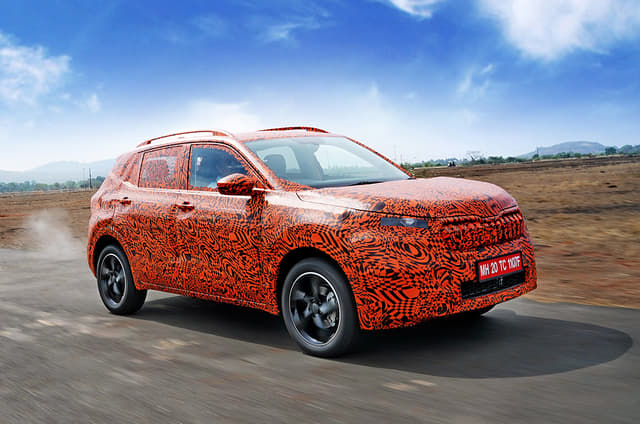
There are 3 upcoming Skoda cars scheduled to launch in India:
- Skoda Kodiaq RS
- Estimated price: ₹50.00 lakh
- Expected launch date: June 2026
- Fuel type: Petrol
- Body type: SUV
- Skoda Superb
- Estimated price: ₹50.00 lakh - ₹55.00 lakh
- Expected Launch Date: 2026
- Fuel Type: Petrol
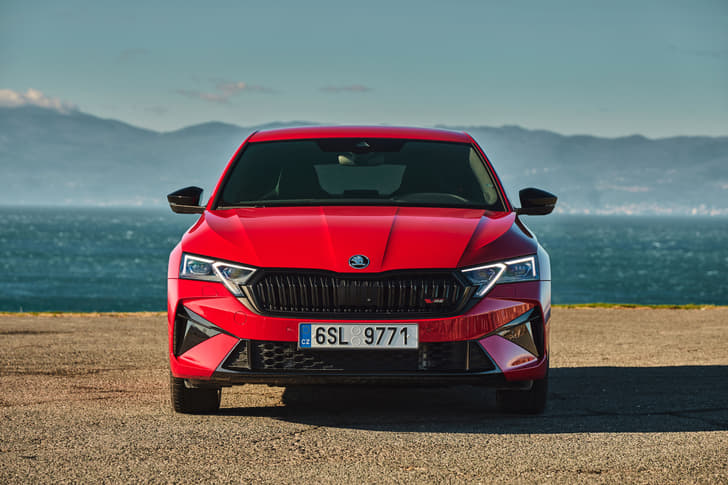
- Body Type: Sedan
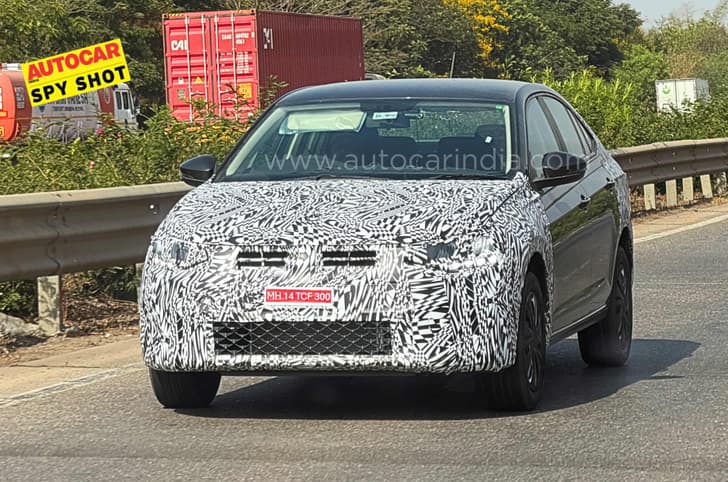
- Skoda Peaq
- Estimated price: ₹1.00 crore - ₹1.20 crore
- Expected Launch Date: 2027
- Fuel Type: Electric
- Body Type: SUV
Skoda Cars - Latest Updates (July 2026)
- 30 April, 2026: Skoda Auto India partners with CSC Grameen eStore to expand its reach
- 18 April 2026: The outgoing Skoda Kushaq is currently available with discounts of up to ₹3 lakh.
- 30 March 2026: Skoda Auto unveils key specifications of the upcoming Peaq electric SUV.
- 6 January 2026: Skoda hikes prices of Kylaq, Kushaq and Slavia by up to ₹34,000
Find cars by body type
Filter your search
FAQs
The Skoda car price in India starts at ₹7.59 lakh for the Kylaq and goes up to ₹46.49 lakh for the Kodiaq (ex-showroom).
The Skoda Kodiaq is the only Skoda 7 seater car on sale in India. It is priced between ₹39.99 lakh - ₹46.49 lakh (ex-showroom), depending on the variant.
Yes. The only Skoda car under 10 lakh in India is the Kylaq. The Skoda Kylaq price starts at ₹7.59 lakh, ex-showroom.
The Skoda Slavia is the only sedan on sale in India. The upcoming Skoda sedan car includes the new Superb.
No. Presently, there are no Skoda diesel cars on sale in India. The Skoda India lineup consists of petrol engine options.
The cheapest Skoda car is the Kylaq, with a price starting at ₹7.59 lakh (ex-showroom).
Yes. The Kylaq, Slavia, and Kushaq fall under the ₹20 lakh category.
The Kodiaq is the most expensive Skoda car, priced at ₹46.49 lakh (ex-showroom).
Currently, there are 3 SUV cars available for sale in India. The Skoda SUV cars list includes the Kylaq, Kushaq, and Kodiaq.
There are seven Skoda car models in India. Four are currently on sale (Kylaq, Slavia, Kushaq, Kodiaq), and 3 are upcoming (Superb, Kodiaq RS and Peaq).
The most expensive Skoda car is the Kodiaq that is priced at ₹46.49 lakh (ex-showroom).
Skoda's new car launch includes the Superb, Kodiaq RS, and Peaq. The Superb and Kodiaq RS are expected to launch in 2026. Meanwhile, the Skoda Peaq is expected to launch in 2027.
Trending Questions on Skoda Cars - Answered by Autocar Experts
I have shortlisted the Skoda Kushaq as my second car because its dimensions suit my requirements. I am confused between the 1.0 and 1.5 variants. Around 80% of my driving is in the city with occasional highway trips. I understand that the 1.5 DSG is not ideal in city traffic. I specifically want to know how effective the air conditioning is in the facelifted 1.0.
Pick the Skoda Kushaq 1.0 automatic for your use. In city traffic, the torque converter gearbox is smoother and easier to live with than the 1.5 DSG automatic, and you save a fair bit upfront, too.On your AC question, the facelifted 1.0’s cooling is sorted now. The early weak-AC complaints were fixed. The current car cools the cabin quickly, holds temperature well in traffic, and the rear vents help the back seat. Engine choice does not change AC performance, so the 1.0 cools just fine. The 1.5 is lovely on fast highways, but its automatic can feel a bit busy in crawling traffic. With 80% city, the 1.0 fits better. Only move to the 1.5 if you often drive fast with a full load on the highway.
My usual running is approx 500 km in a month. I am a family of 3 plus 1 pet. We currently have a Kia Seltos 1.4 Petrol DCT and want to upgrade to a bigger vehicle. Which would be suitable for my use between the Innova Hycross and the Skoda Kodiaq?
The Skoda Kodiaq would be the right choice for you. Assuming you opted for a Kia Seltos 1.4 Turbo DCT for the way it drives, you'll like the Kodiaq's driving manners. It's got a peppy engine and neat handling, and there's also the added safety net of all-wheel drive. The Kodiaq also feels like an upgrade thanks to a more premium and upmarket interior ambience. Quality levels are really good, and it feels like an expensive car. Fuel economy isn't great, but for your kind of usage, running costs won't pinch. Routine service and spares will be pricier than the Toyota, though.The Toyota Innova Hycross is roomier and more efficient (if you take the hybrid), but doesn't match the performance and general feel-good factor of a Kodiaq.
Hi, I am planning to buy my first automatic car in the 10-15 Lakh range. I'll primarily be using it for city commutes, along with a monthly long-distance trip of around 1200 km. Can you please suggest a car?
If you want something that's compact and easy to drive while being efficient, then consider the Maruti Fronx or Toyota Taisor 1.0 Turbo 6AT. The engine is smooth, performance is strong, and the transmission works seamlessly. If you want a more "SUV" feel, then you could consider the turbo-petrol automatic versions of the Hyundai Venue, Skoda Kylaq or even the Mahindra XUV 3XO. The XUV is the most spacious and has the strongest engine; the Kylaq feels the sportiest to drive; while the Venue is very well-rounded, and thanks to its light steering, it feels easy to drive.
At present, I am using a Ford Figo diesel. Now I am planning to buy an SUV. Most of my driving is on highways and hilly roads. I am 58 years old, and my budget is under 15 lakh. My choices are the Honda Elevate and the Hyundai Venue diesel. Which one is better for long-term ownership? Are there any other options I should consider?
Pick the Hyundai Venue diesel. Your driving is mostly on the highway and hills, and the diesel pulls strongly at low revs, making climbs easier. It will also save you money on long runs thanks to far better fuel economy than a petrol car. Your highway use will also keep the DPF or diesel particulate filter running at its best. The flip side is size. The downside is that the Venue is smaller than the Elevate. The rear seat is not as spacious, and the boot capacity is also lower.If you want a more relaxed highway feel and a roomier cabin, the Honda Elevate is the comfier mile‑eater. It's simple petrol is fuss‑free to own for years, but you will downshift more on steep climbs, and your fuel bills will be higher. The automatic also feels busy uphill.Other options worth checking are the Skoda Kylaq (strong engine and fun to drive, but a touch small for rear seat occupants) and the Mahindra XUV 3XO diesel. If cabin space is a key requirement, consider the Kia Syros diesel, which offers a very roomy interior.
What would be the best upgrade from my 2015 Honda City i-DTEC VX, which has covered 1,05,000 km? I love almost everything about the car. In my next car, I would like telescopic steering, minimal to no screens, high safety ratings and long-term reliability.
Get the Honda City petrol, V trim, because you already like how a City drives, and this keeps the same easy, calm feel with a telescopic wheel, simple cabin and Honda reliability. The screen is modest, and there are still proper buttons and knobs, so it does not feel like a tablet on wheels. It is quiet, comfy over bad roads, and the petrol is smooth and efficient in real life, around 12-17 kpl depending on traffic.Safety kit is strong with 6 airbags, ESC and ISOFIX, and Honda’s service network is painless if you plan to keep the car long. One honest catch: there is no diesel now, but with your usage, the petrol will suit you just fine.If top-tier crash rating matters more than anything, look at the Skoda Slavia or VW Virtus 1.0 with lower trims for fewer screens. They are 5-star rated and drive well, but their ride is a bit firmer and long-term ownership can be fussier than Honda.
Dear Team, I want to buy an SUV. As of now, my current driving is around 3100 Km, but there are chances it can be reduced to 800-900 Km per month or max 1000 km. Kindly suggest which SUV best suits me. My last driven car is the Hyundai Grand i10 Asta (O).
This is a tricky one because your monthly running is expected to reduce significantly, and that changes the ideal choice of fuel.If you continue to cover around 3,100km a month, we'd recommend the Maruti Suzuki Brezza CNG. It will offer the lowest running costs, and with the facelift expected to launch in July, it may be worth waiting for the updated model. If you don't want the inconvenience of refuelling at CNG stations, the Hyundai Venue Diesel Manual would be our alternative. Your current running is high enough to justify a diesel, and it should prove to be efficient and economical over the long term.However, if your running settles at around 800-1,000km a month, we'd move away from diesel or CNG and recommend a petrol SUV instead. In that case, the Skoda Kylaq Petrol Automatic would be an excellent choice. It offers a refined turbo-petrol engine, a smooth torque-converter automatic, excellent driving manners and is well suited to lower annual running.
I want to buy an SUV; my usage is 70:30, mostly within cities like Bangalore, and a few times off-road. I’m ok to stretch the budget up to 60 lakhs around I’m confused between Kodiaq, Hycross, Fortuner, BMW X1, or wait for the new Fortuner if it is released by this year's end. Can anyone give me suggestions?
Pick the Skoda Kodiaq. Your usage is mostly in Bengaluru city, and the Kodiaq is the best all-rounder of this lot. It's spacious, comfortable, refined and well equipped, but also comes with AWD and enough ground clearance to handle bad roads and the odd trail without fuss. It rides and handles far better than ladder-frame SUVs like the Fortuner, feels properly premium inside, and is far less tiring in traffic.The Fortuner is unstoppable off-road, but in the city, it is big, bouncy and heavy to drive, and you will pay more for less comfort. The next-gen Fortuner is unlikely to go on sale this year. The BMW X1 is great for city use, but it is not very powerful, and FWD, which isn't great for off-road use; also, the space is tighter than the others. The Innova Hycross hybrid is the most spacious and practical, with the best mileage of the lot, but it lacks that SUV road presence and status.Overall, the Kodiaq is the best choice, but bear in mind petrol costs in heavy traffic will be higher than the HyCross, and the third row is best for kids only.
Hello Autocar. I have been looking for a second car for our family. We currently own a Tata Tiago EV Long Range, which is used for all our city driving and weekend trips to our hometown, around 80 km one way. However, we now feel the need for a dedicated highway car because we miss taking longer family road trips. Our budget is under Rs. 15 lakh. My primary choice was the Honda Elevate VX Manual. I deliberately avoided the CVT because we already have an automatic EV for city use, and I don't think a petrol automatic can match the smoothness and instant response of an EV. However, I've started reconsidering my decision because I feel the Elevate isn't the ideal highway cruiser. While it is spacious and comfortable, it doesn't feel particularly relaxed at highway speeds, and its highway fuel efficiency isn't very impressive. The next option I shortlisted is the Hyundai i20 N Line N6 Manual. I generally prefer spacious hatchbacks over sub-4 metre SUVs, and I never really liked that segment. Choosing the N Line would also save me around Rs. 5 lakh compared to the Elevate, while offering better cruising ability and fuel efficiency, considering this car will be used almost exclusively for highways and long road trips. My main question is whether the i20 N Line would be comfortable enough for a family of four with some luggage. All of us are lean, under 170 cm tall, and below 60 years of age. Everyone in the family likes the idea of the N Line. We have also ruled out diesel cars because my family doesn't like them, and I didn't push that option either due to DPF concerns and the fact that the car won't be used regularly. Please advise whether the i20 N Line N6 Manual would be a good choice for us.
The Hyundai i20 N Line N6 manual is a good highway car. Its tall sixth gear allows it to cruise comfortably at highway speeds while returning respectable fuel efficiency. The engine has a strong mid-range, making overtakes easy, and it feels stable at high speeds. For your use case, performance will feel noticeably dulled with four people on board, and pushing the engine harder will reduce fuel efficiency. It also suffers from a weak bottom end, so performance below 2,000rpm is not particularly strong. A full load can also leave ground clearance marginal over taller speed breakers, and the ride is on the firmer side, which passengers may find uncomfortable. While cabin space is generally good for the segment, the boot may feel tight when carrying luggage for four.The Honda Elevate has a definite advantage when it comes to space. While your family of four, all under 170cm tall, will fit comfortably in the i20, the Elevate gives them more room to stretch out, which matters on longer journeys. Its shorter gearing means performance is actually quite good for a naturally aspirated engine, but as you pointed out, it does not feel particularly relaxed at highway speeds.If you can live with the i20 N Line’s shortcomings, it is a good fit for your needs and significantly cheaper than the Elevate. Before making a decision, take your family on an extended highway test drive to see how they feel in the rear seat. As a family car, though, the Elevate is the better choice.Alternatively, consider the Skoda Kushaq 1.0 TSI manual. It offers better highway performance than the Elevate, more space than the i20, and is one of the best-handling SUVs in its class, which you are likely to enjoy.
My budget is around Rs. 17-17.5 lakh, and I am planning to buy a Kia Seltos. However, I am confused between the HTE (O) Diesel Automatic and the HTK Petrol Automatic. My annual running is around 10,000 km, mostly within the city, with occasional expressway trips. I want an automatic transmission. Please also suggest any other cars from other brands around Rs. 17 lakh that match my requirements.
Pick the Kia Seltos HTK Petrol automatic. With just 10,000km a year and mostly city use, the petrol auto is smoother and quieter in traffic, costs less upfront, and you avoid diesel DPF hassles that can crop up without sufficient highway use. For your occasional expressway trips, the petrol IVT is more than sufficient and has enough punch for quick passes. The diesel auto is stronger and more efficient on long highways, but it’s pricier and a bit gruff in town. The only downside of petrol is that you will use more fuel than diesel. Plus, the HTK will get you far more features than the HTE (O).If you want to cross-shop in the same ballpark, try the Hyundai Creta petrol automatic for a comfier city ride, or the Skoda Kushaq 1.0 automatic if you prefer a tighter, more fun drive. Depending on your city and discounts, the exact variant that fits into your Rs 17-17.5 lakh on-road budget will vary, but these match your brief well.
Hi, I am planning to purchase an automatic car in the range of 20-25 lakh. My driving is split equally between traffic and normal roads, and occasionally to hill areas. Please suggest the best options for me.
Without knowing your annual running, it's difficult to recommend the ideal fuel type. However, for a mix of 50% city driving, 50% open roads and occasional trips to the hills, we'd lean towards a strong hybrid or a refined petrol automatic.Our top recommendation would be the Maruti Suzuki Victoris Hybrid. It fits within your ₹20-25 lakh budget, offers excellent fuel efficiency in city traffic, is smooth and refined to drive, and remains comfortable on long highway journeys. It also has a 5-star Bharat NCAP safety rating, making it a very well-rounded family SUV.If you'd rather have a conventional petrol SUV, we'd recommend the Kia Seltos Petrol IVT. It offers a refined naturally aspirated petrol engine, a smooth IVT automatic, a premium cabin and a comfortable ride. It is equally at ease in city traffic, on the highway and during occasional hill drives.If you enjoy driving and don't mind slightly higher running costs, the Skoda Kushaq 1.0 TSI Automatic is another excellent option. Its new 8-speed torque-converter automatic is smooth in traffic, while the turbo-petrol engine performs well on highways and in the hills.
Last Updated on: 7 Jul 2026